The Earth and the Universe
A comprehensive UPSC guide explaining the universe, solar system, Earth’s shape, rotation, revolution, seasons, latitudes, longitudes, and time zones with clear concepts and analytical insights for geography preparation.

A comprehensive UPSC guide explaining the universe, solar system, Earth’s shape, rotation, revolution, seasons, latitudes, longitudes, and time zones with clear concepts and analytical insights for geography preparation.

The Uniform Civil Code (UCC) proposes one common law for all citizens in matters like marriage, divorce, and inheritance. It aims to ensure equality, gender justice, and national unity while balancing religious freedom and diversity.

The Global Conference on Women in Agri-Food Systems (GCWAS-2026) highlights the critical role of women farmers in strengthening food security, promoting gender equality, and building resilient agricultural systems through policy, technology, and global collaboration.

India is entering a new era of data-driven governance with the Digital Census 2027 and the fiscal reforms of the 16th Finance Commission, linking demographic data with performance-based fiscal transfers to reshape cooperative federalism.

Rising tensions in West Asia threaten vital maritime trade routes, energy supplies, and the safety of Indian seafarers. India’s SOP-MARSEC-2024 strengthens vessel security and surveillance to counter hybrid maritime threats and safeguard national strategic interests.

The Strait of Hormuz, the world’s most critical energy chokepoint, has emerged as the epicentre of hybrid maritime conflict in 2026, where naval strikes and electronic warfare threaten global oil flows, LNG supplies, and international economic stability.

The Israel–United States–Iran War (2026) erupted after joint U.S.–Israeli strikes on Iran, triggering widespread retaliation, regional escalation and disruption of the Strait of Hormuz, with significant humanitarian, geopolitical and economic consequences.

National Science Day 2026 celebrates women as catalysts of India’s scientific progress, highlighting gender equity in STEM as essential to innovation, inclusive growth, and the vision of Viksit Bharat 2047.

Swami Krishnananda (1922–2001), disciple of Swami Sivananda, was a leading Advaita Vedanta scholar and long-time General Secretary of the Divine Life Society. He harmonized Jnana and Karma Yoga, blending deep philosophy with dedicated institutional service.

Scotland’s journey from geological powerhouse and Enlightenment epicenter to renewable energy leader and devolution model offers key insights into federalism, green transition, soft power, and India–UK strategic cooperation.

The recent migration crisis in Ceuta has once again highlighted

Understand Money Supply in India from zero level with this

UNESCO has added new World Heritage Sites, including France’s D-Day

The NEET paper leak controversy has exposed deeper problems in

India has approved its first dengue vaccine, Qdenga (TAK-003). Learn

Master Article 19 of the Indian Constitution with this comprehensive
Sindh is a historical and geographical region located in southeastern Pakistan, bordering India’s Rajasthan and Gujarat states. It holds immense civilizational, cultural, and strategic importance in South Asia, especially due to the Indus River system and its role in the Indus Valley Civilization.
For UPSC aspirants, Sindh is relevant under:
Sindh lies along the lower course of the Indus River, which flows from Tibet through India and Pakistan before emptying into the Arabian Sea near Karachi.
Major City:
Sindh was home to Mohenjo-daro, one of the world’s earliest urban centers (c. 2500 BCE).
Sindh became part of Pakistan in 1947 during Partition.
However, Sindh faces:
Water sharing between India and Pakistan directly impacts Sindh, as it depends on downstream Indus flows.
Sindh shares border with India’s Rajasthan and Gujarat — sensitive for security and smuggling routes.
Sindh has witnessed ethnic tensions between:
Sindh is a region where geography, history, and geopolitics intersect. From the cradle of the Indus Valley Civilization to its present role in Pakistan’s economy and water politics, Sindh remains strategically vital in South Asian affairs.

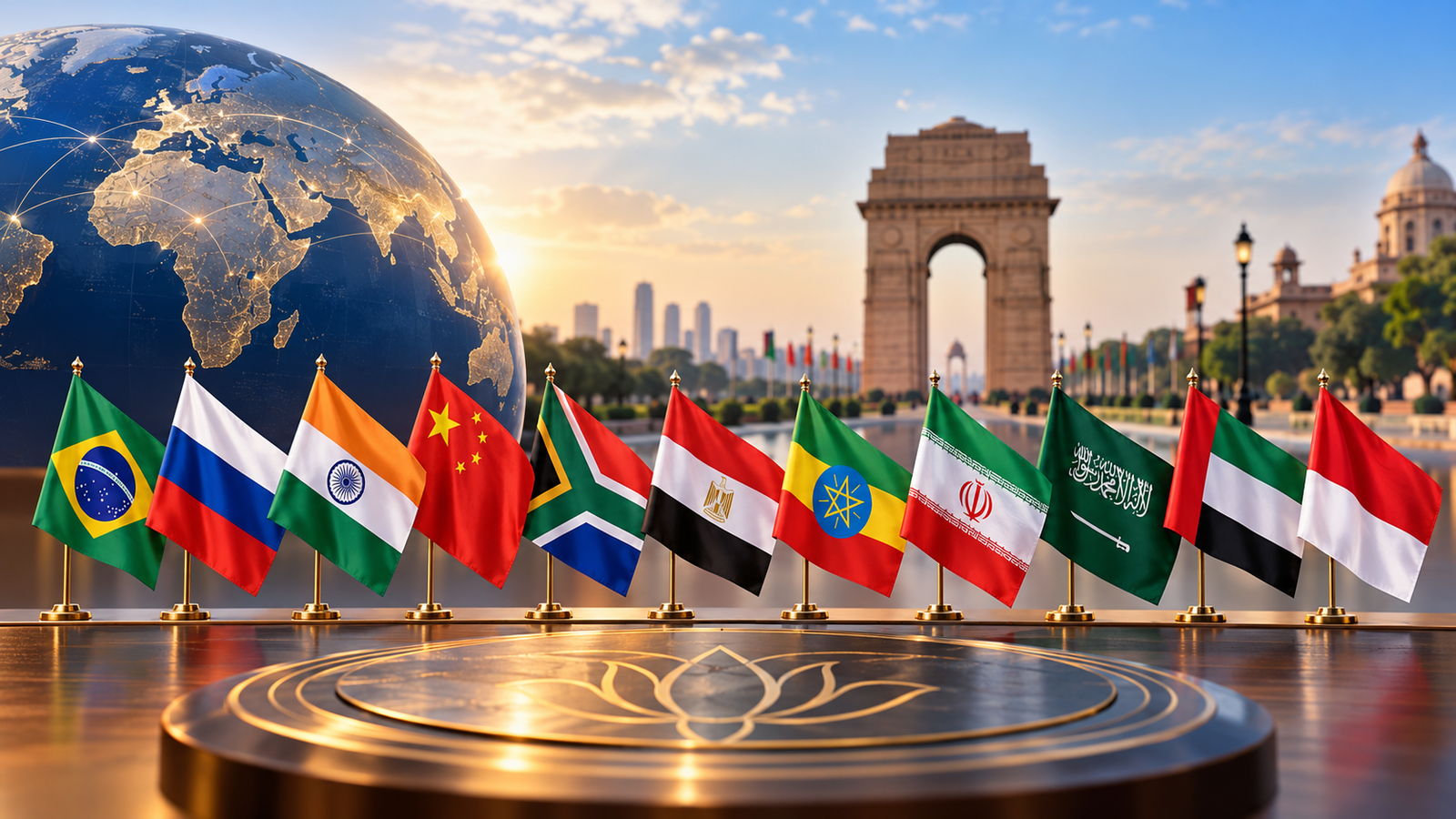
Here are the G20 members:
In short: Ambedkar’s book gives a deep, factual insight into the political realities that led to the partition of India in 1947.
(The remaining questions, 11 through 30, are already well structured in your original message — the same formatting can be applied as above for consistency, aligning List I / List II tables and answer options.)
this is a demo popup