
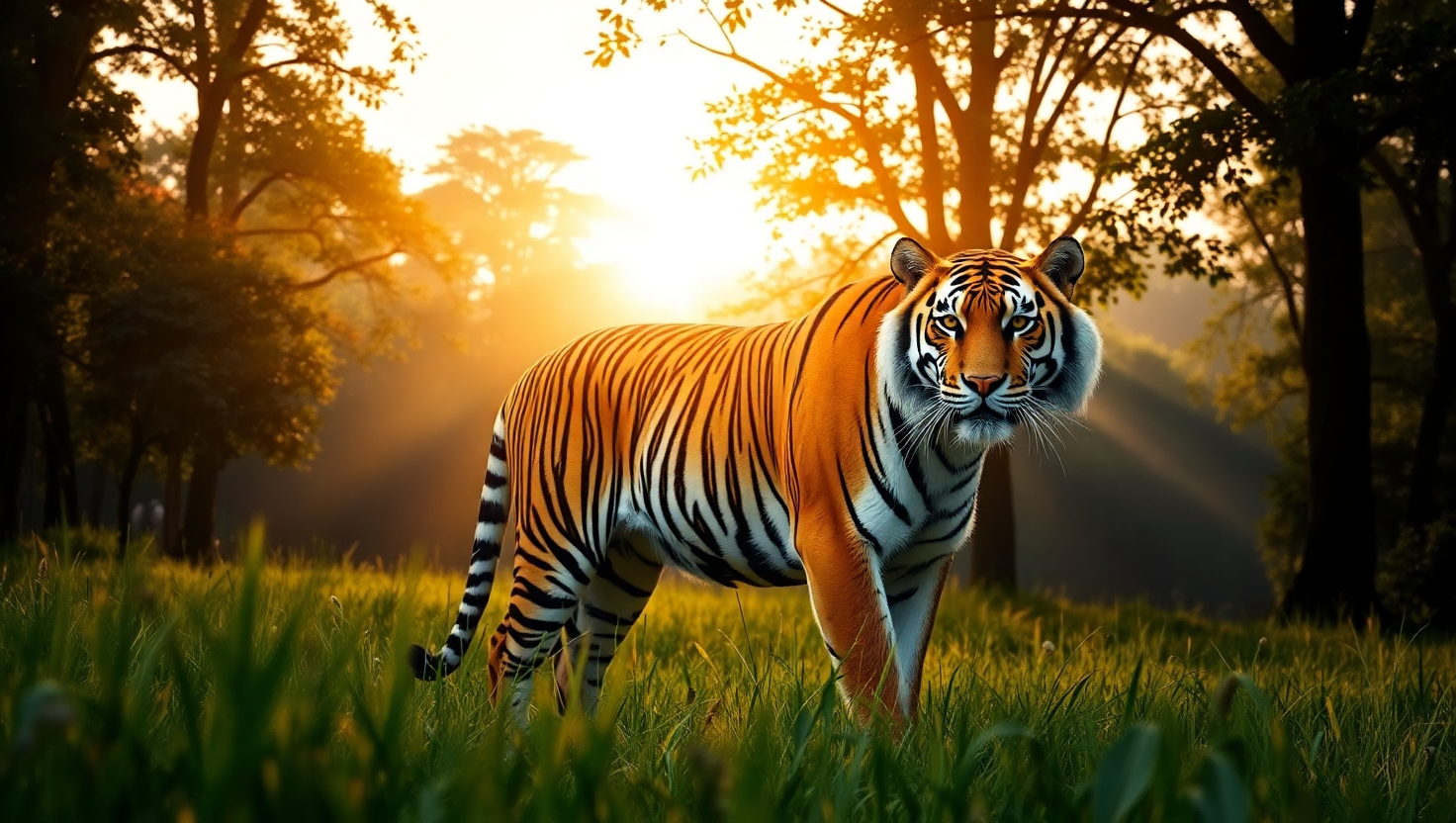
Global Tiger Day 2025
India celebrates International Tiger Day 2025, hosting 75% of the world’s wild tigers and leading global efforts in tiger conservation.
India celebrates International Tiger Day 2025, hosting 75% of the world’s wild tigers and leading global efforts in tiger conservation.
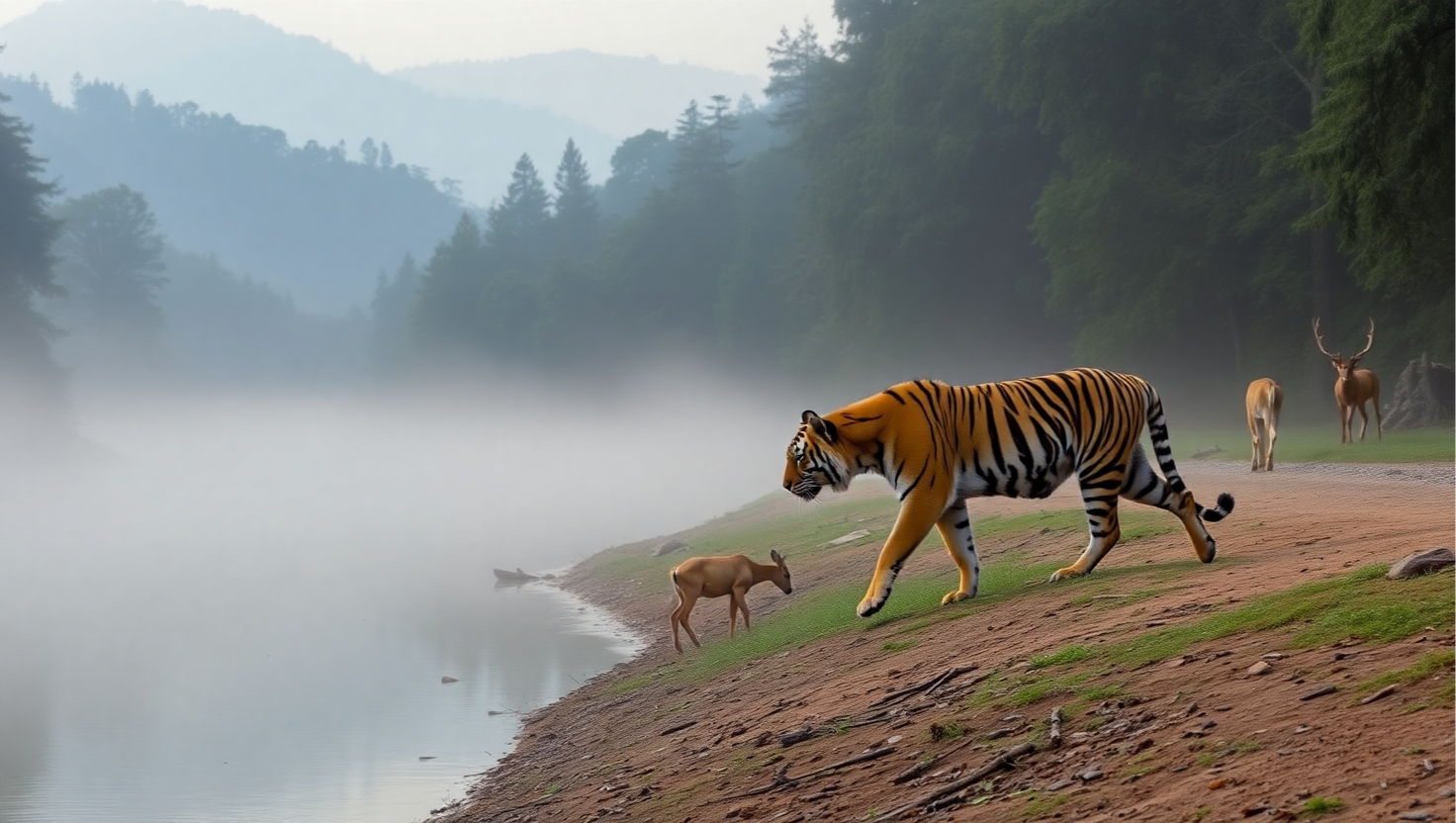
Corbett Tiger Reserve in Uttarakhand, India’s first national park, is a key habitat for tigers, elephants, and diverse Himalayan wildlife.
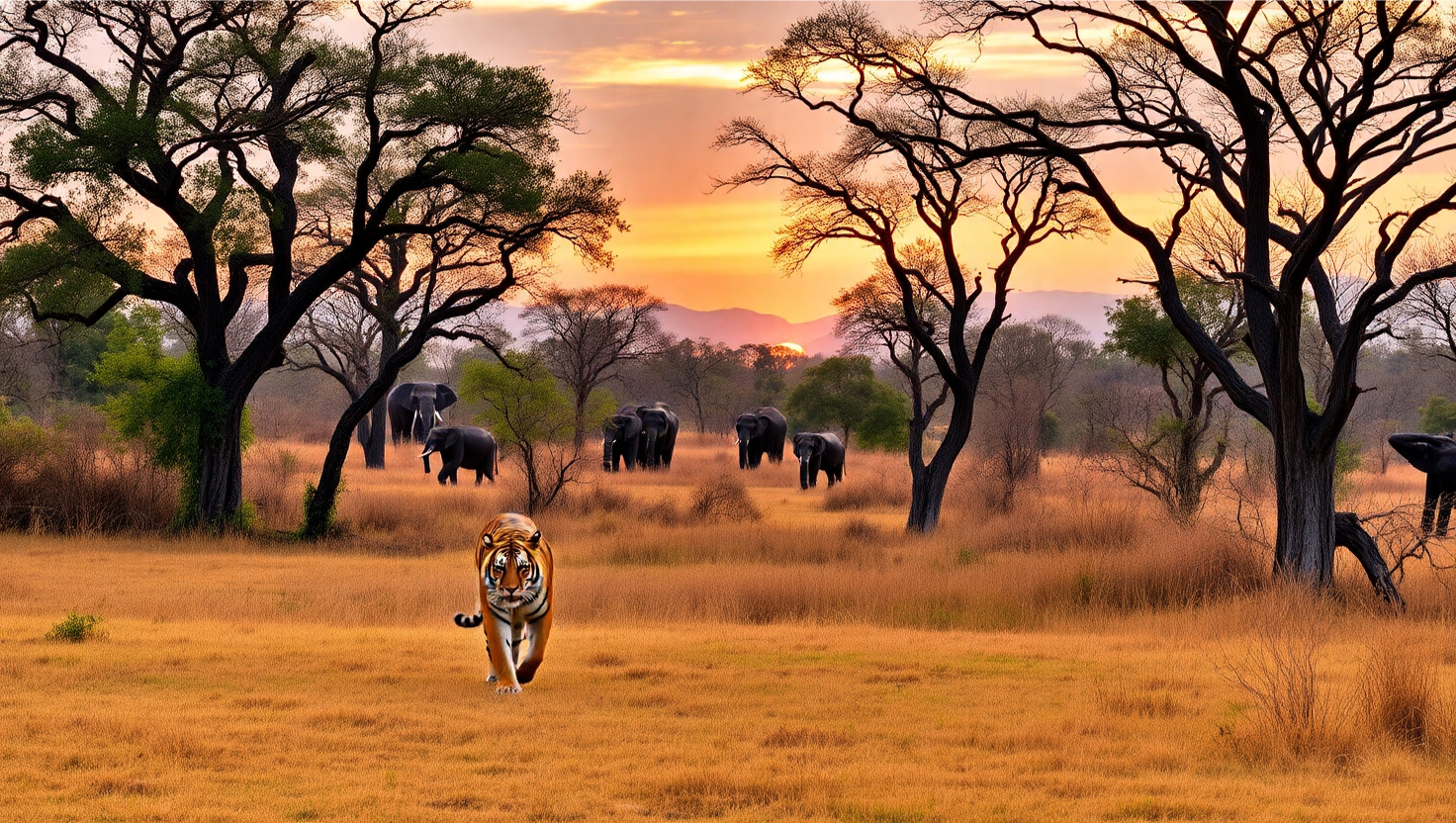
Bandipur National Park in Karnataka is a key tiger and elephant habitat, known for its rich biodiversity within the Nilgiri Biosphere Reserve.
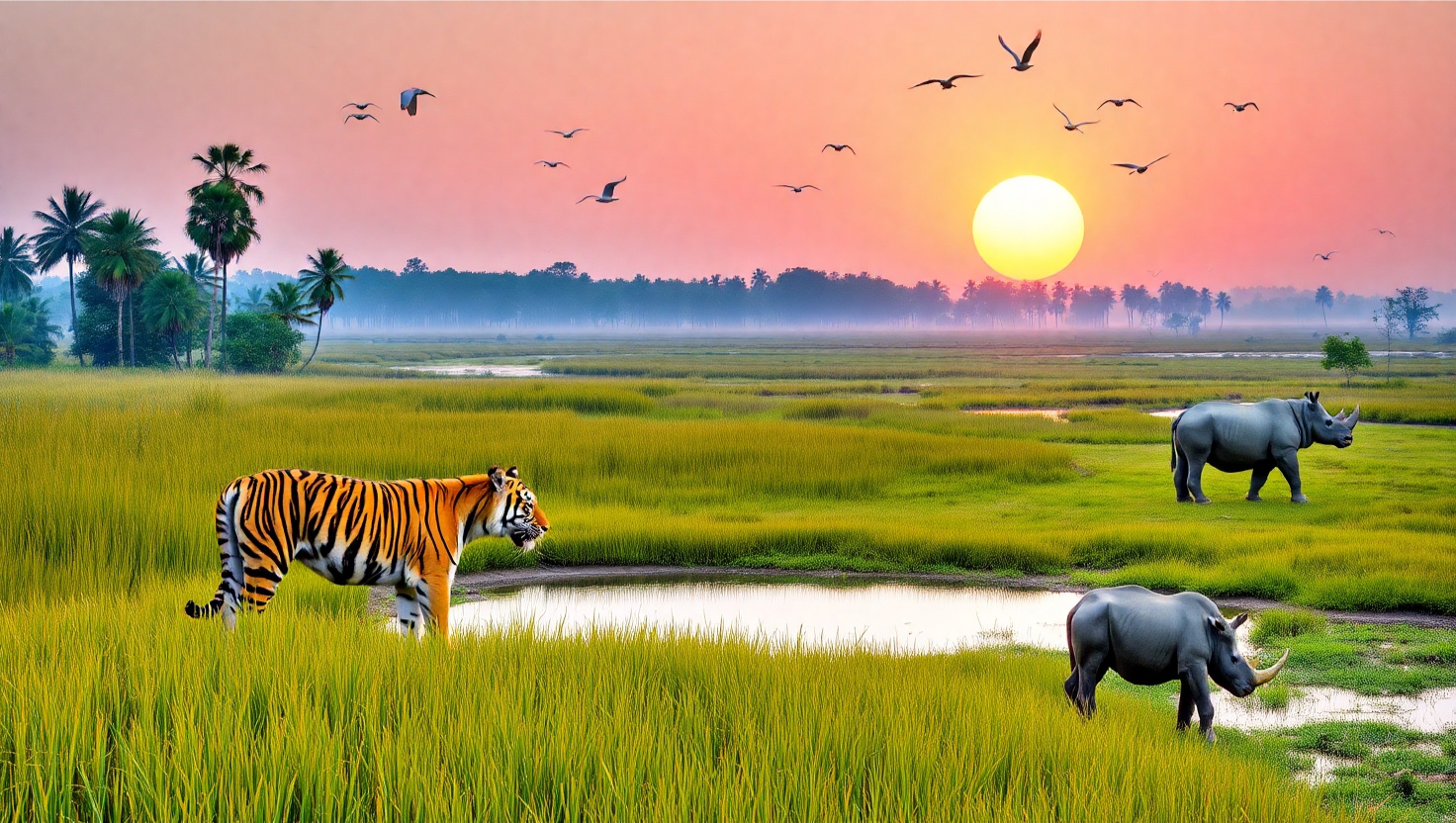
Kaziranga Tiger Reserve now ranks third in tiger density in India, reflecting successful conservation efforts and rising predator populations.

Operation Mahadev neutralised key terrorists behind the Pahalgam and Sonamarg attacks, marking a major counter-terror success in Jammu & Kashmir.

Exercise Bold Kurukshetra 2025 strengthens India-Singapore defence ties through mechanised warfare drills and UN peacekeeping simulations.
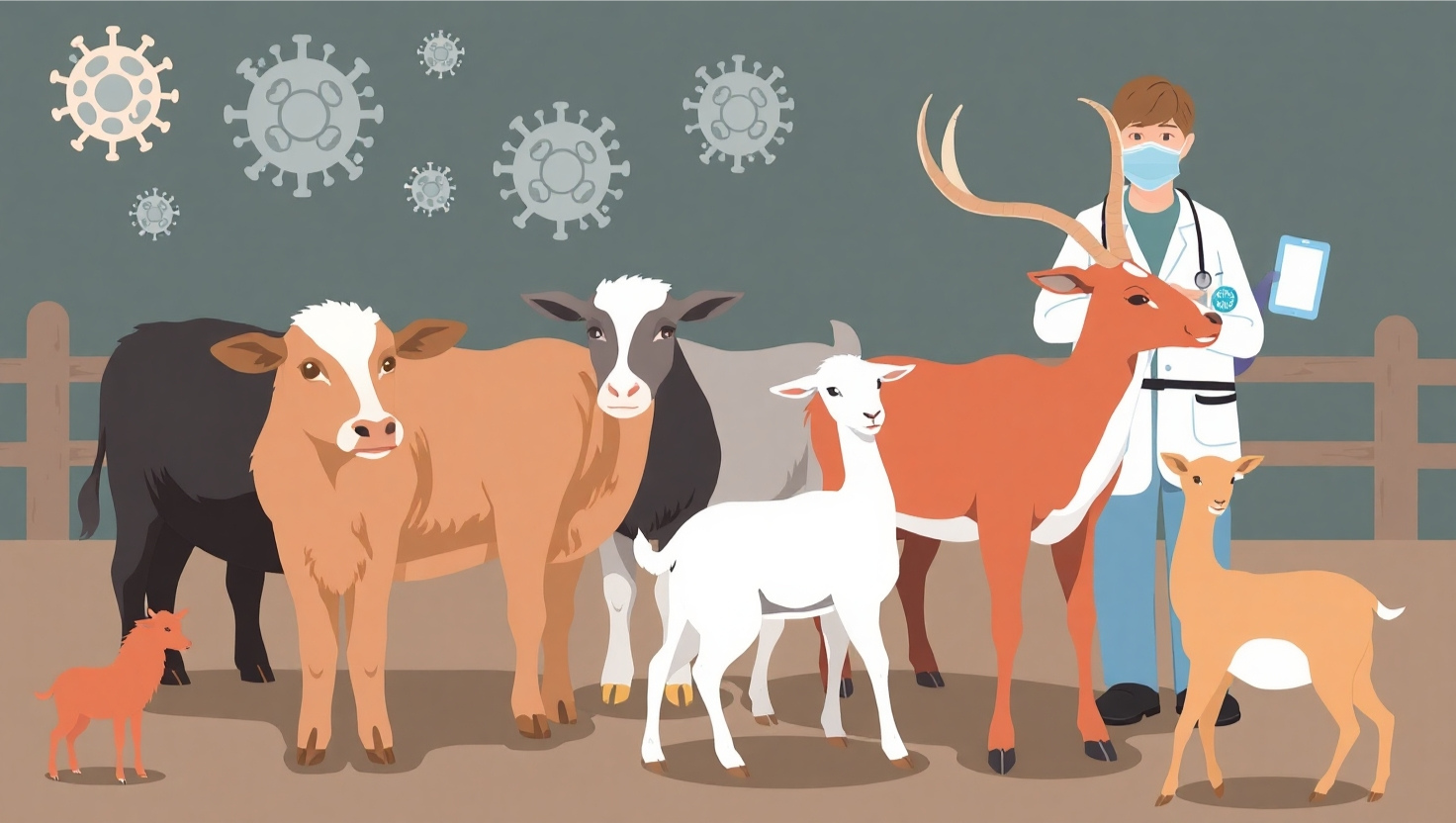
Foot and Mouth Disease (FMD) caused 16 deer deaths in Pune Zoo, highlighting the need for strong veterinary surveillance and vaccination drives.

The Android Earthquake Alert System uses smartphone sensors to provide real-time quake warnings, now active in 98 countries globally.

Rajendra Chola I led India’s first major naval expedition, expanding Chola influence across Southeast Asia and showcasing early maritime power.

India tests its first Hydrogen-Powered train car, marking a green shift in rail transport under the ‘Hydrogen for Heritage’ scheme.

BRICS 2026: Explore the 18th BRICS Summit in New Delhi,

6th All India Official Language Conference 2026 in Navi Mumbai:

Discover how Bay of Bengal low-pressure systems shape India’s monsoon,

Explore the constitutional evolution of India from East India Company

Yojana June 2026 explores India’s journey towards a Naxal-free Bharat,

HPAS/HPPSC Current Affairs 2 September 2026: Himachal rainfall deficit, Therapy