
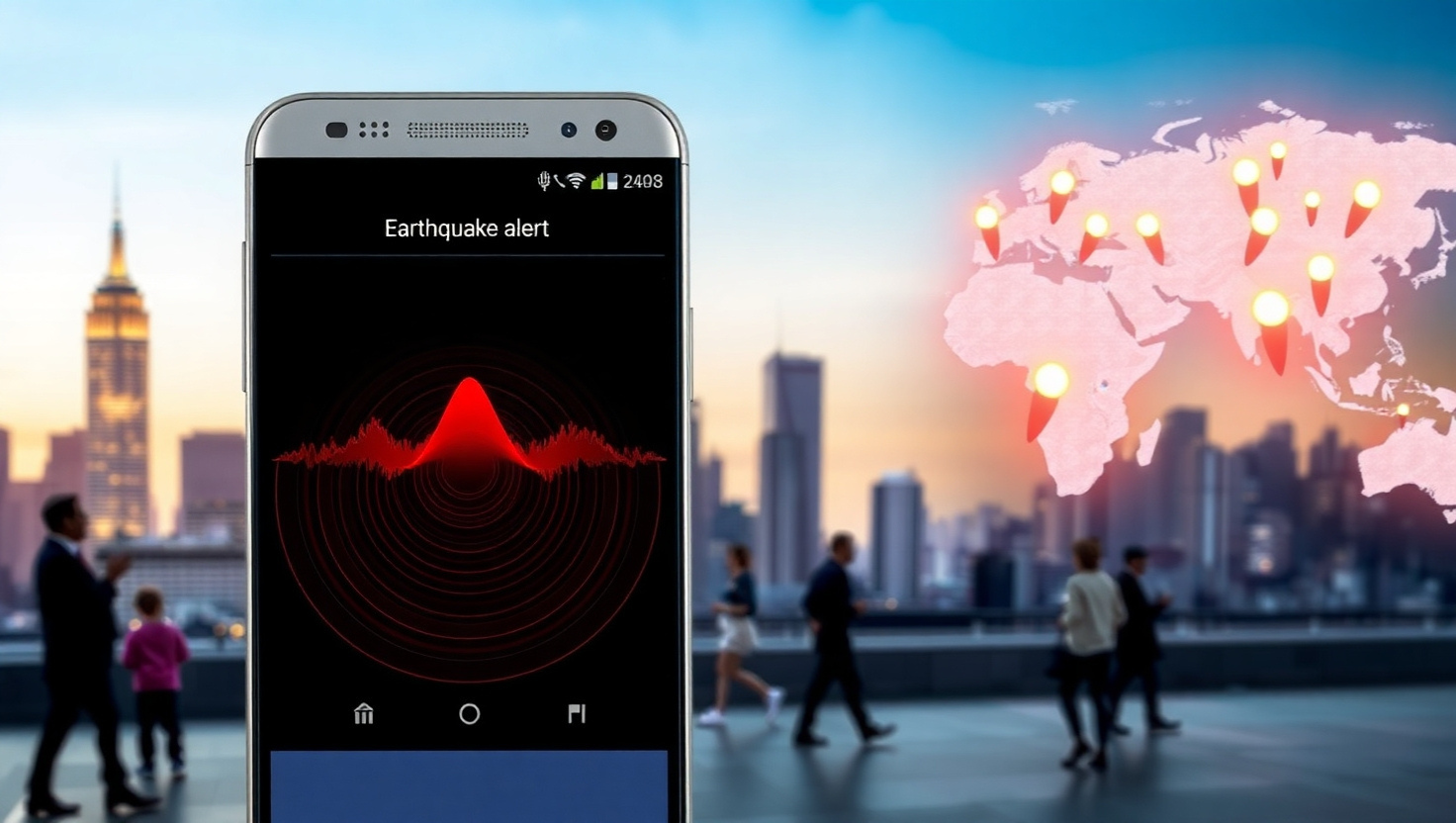
Android Earthquake Alert System (AEA)
The Android Earthquake Alert System uses smartphone sensors to provide real-time quake warnings, now active in 98 countries globally.
The Android Earthquake Alert System uses smartphone sensors to provide real-time quake warnings, now active in 98 countries globally.
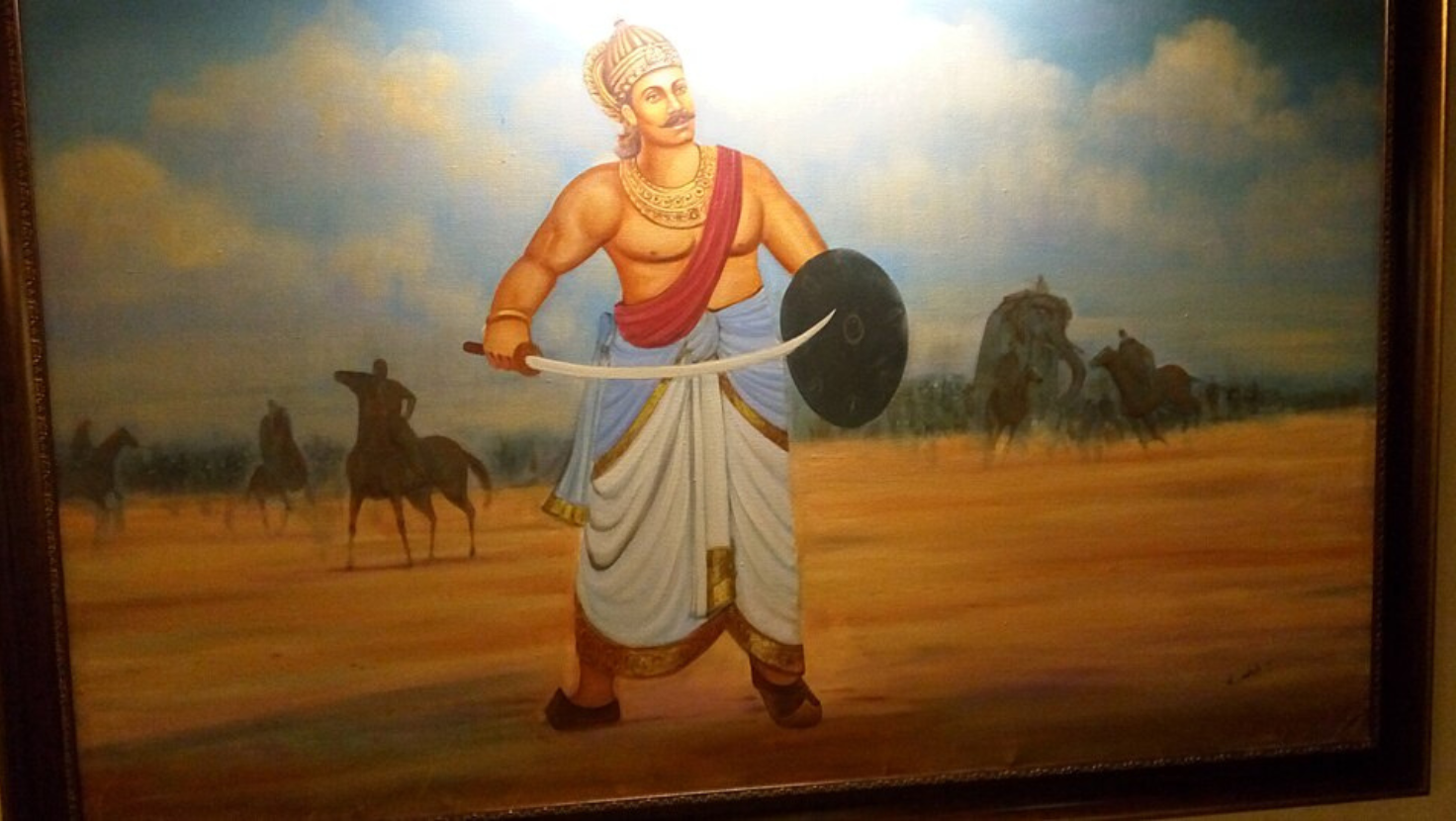
Rajendra Chola I led India’s first major naval expedition, expanding Chola influence across Southeast Asia and showcasing early maritime power.
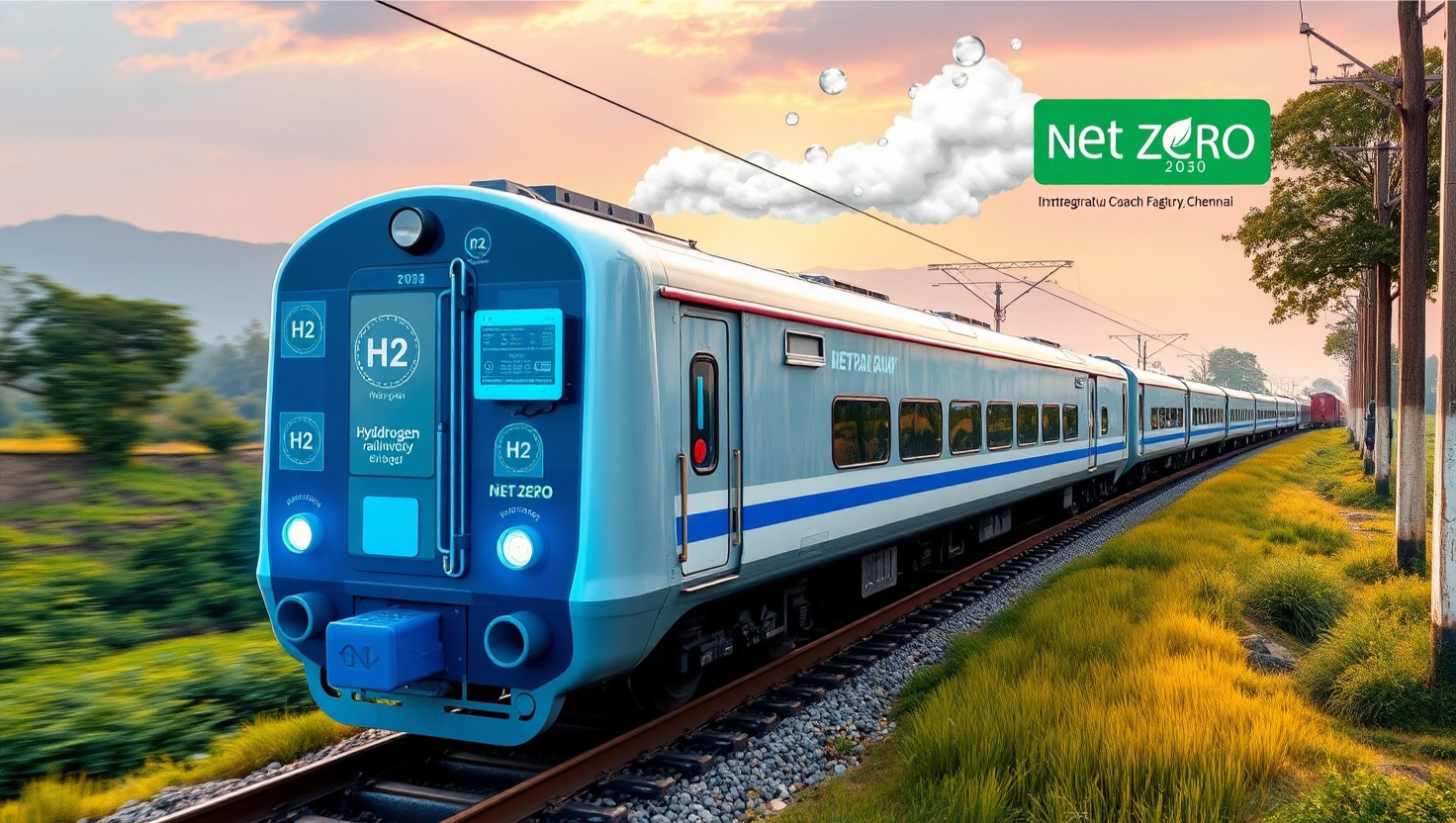
India tests its first Hydrogen-Powered train car, marking a green shift in rail transport under the ‘Hydrogen for Heritage’ scheme.

India advances defence readiness as MoD approves MRO facility for S-400 ‘Sudarshan Chakra’, enhancing long-range air threat interception capabilities.

HTBt cotton, a GM variety combining insect resistance and herbicide tolerance, moves closer to approval after a positive biosafety report by GEAC panel.

TALASH is a digital initiative by the Tribal Affairs Ministry and UNICEF to enhance life skills, self-awareness, and career planning for tribal students.

Catastrophe Bonds (Cat Bonds) are high-risk, high-return financial instruments that transfer disaster-related risks to global capital markets.

Mahisagar River is a rare west-flowing river that crosses the Tropic of Cancer twice, vital to western India’s ecology, culture, and water systems.

PM Modi receives Namibia’s highest honour, the Order of the Most Ancient Welwitschia Mirabilis, strengthening strategic bilateral ties.
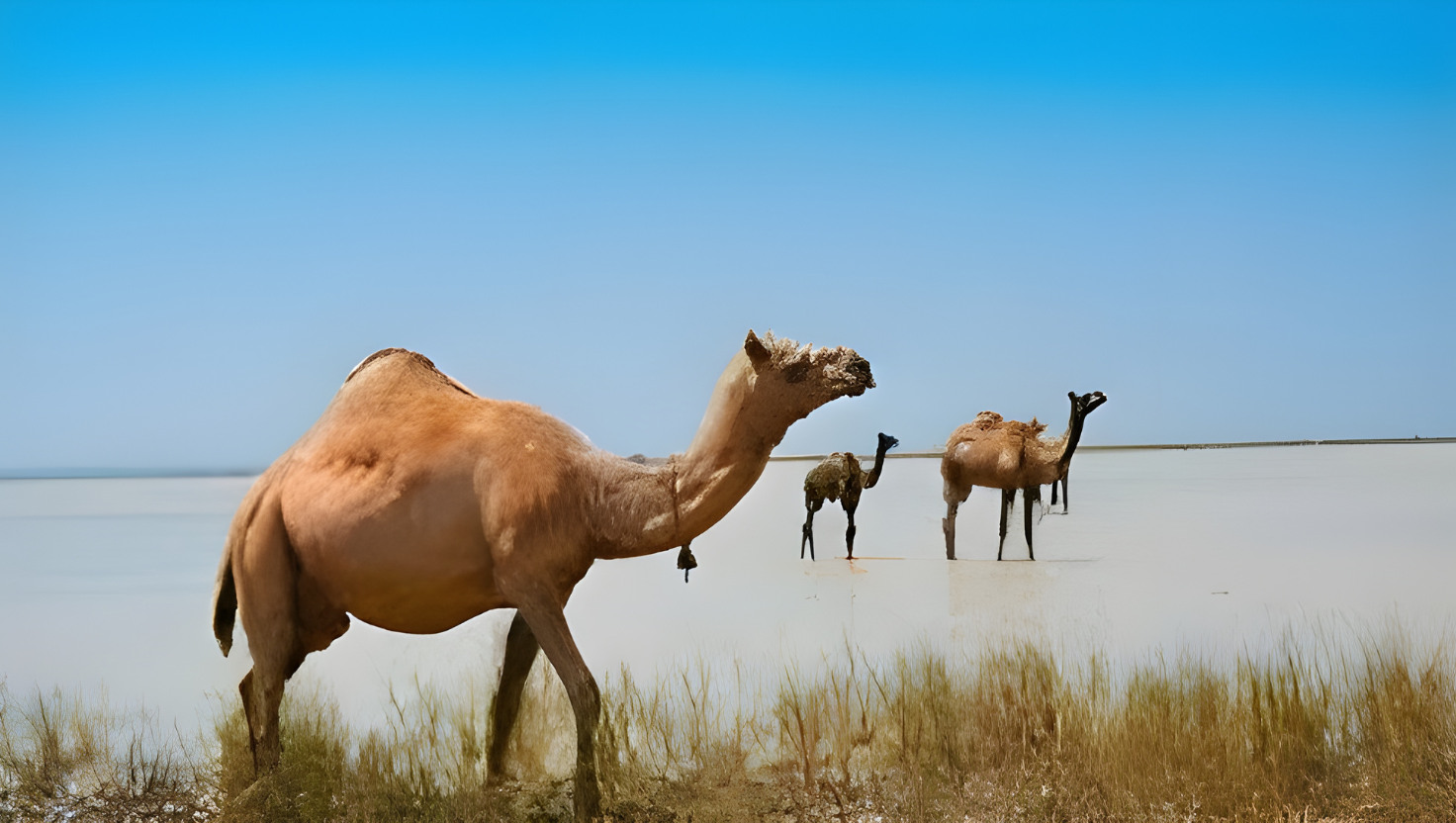
Kharai camels of Gujarat are rare swimming camels adapted to mangrove ecosystems, crucial for coastal ecology and climate-resilient livestock.

Excerpt: UNESCO has added three Indian sites to its Tentative

Explore ICMR-CHAMP at Keylong, Himachal Pradesh—its objectives, research areas, importance
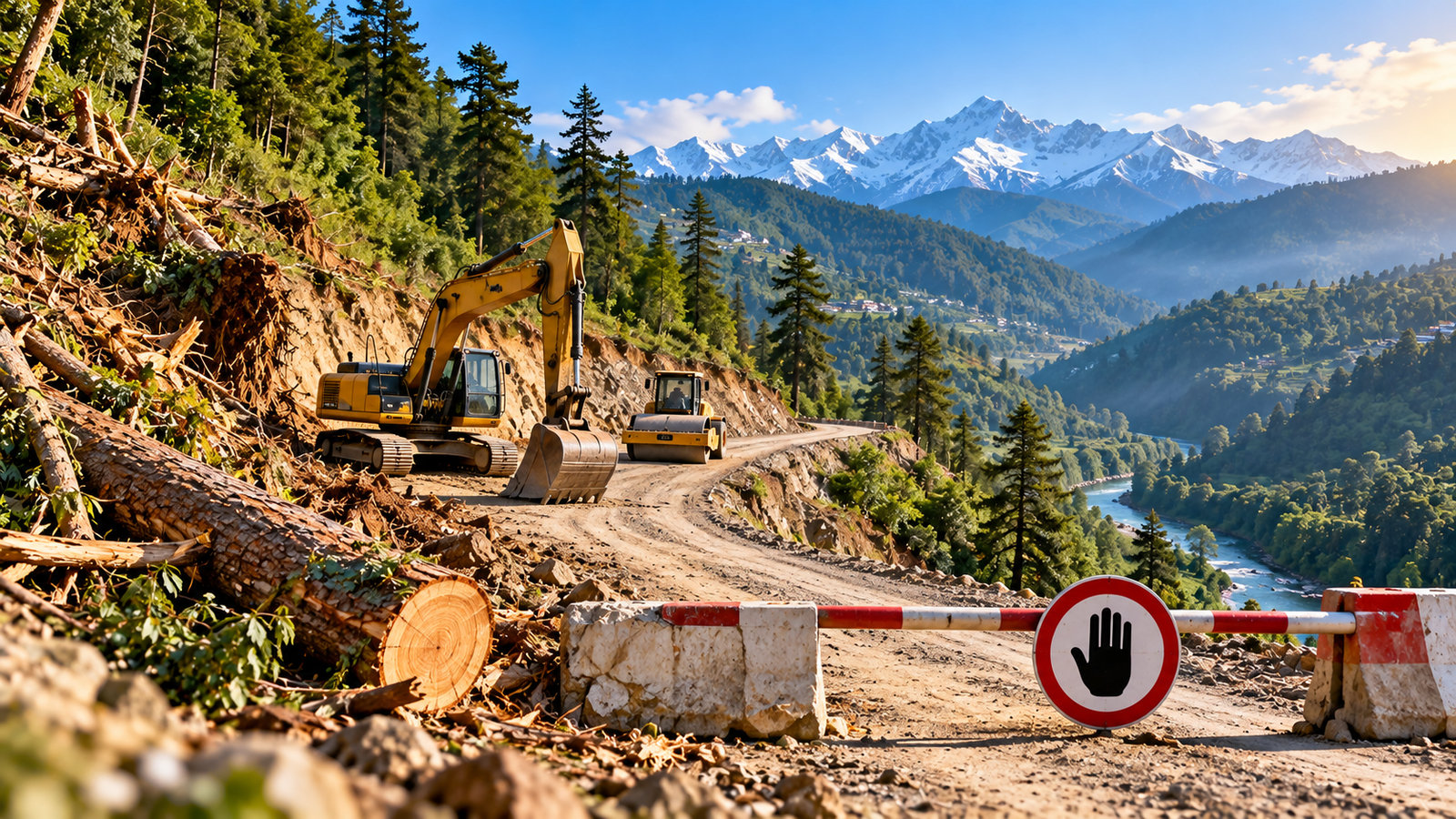
Himachal Pradesh High Court halts forest road construction and tarring
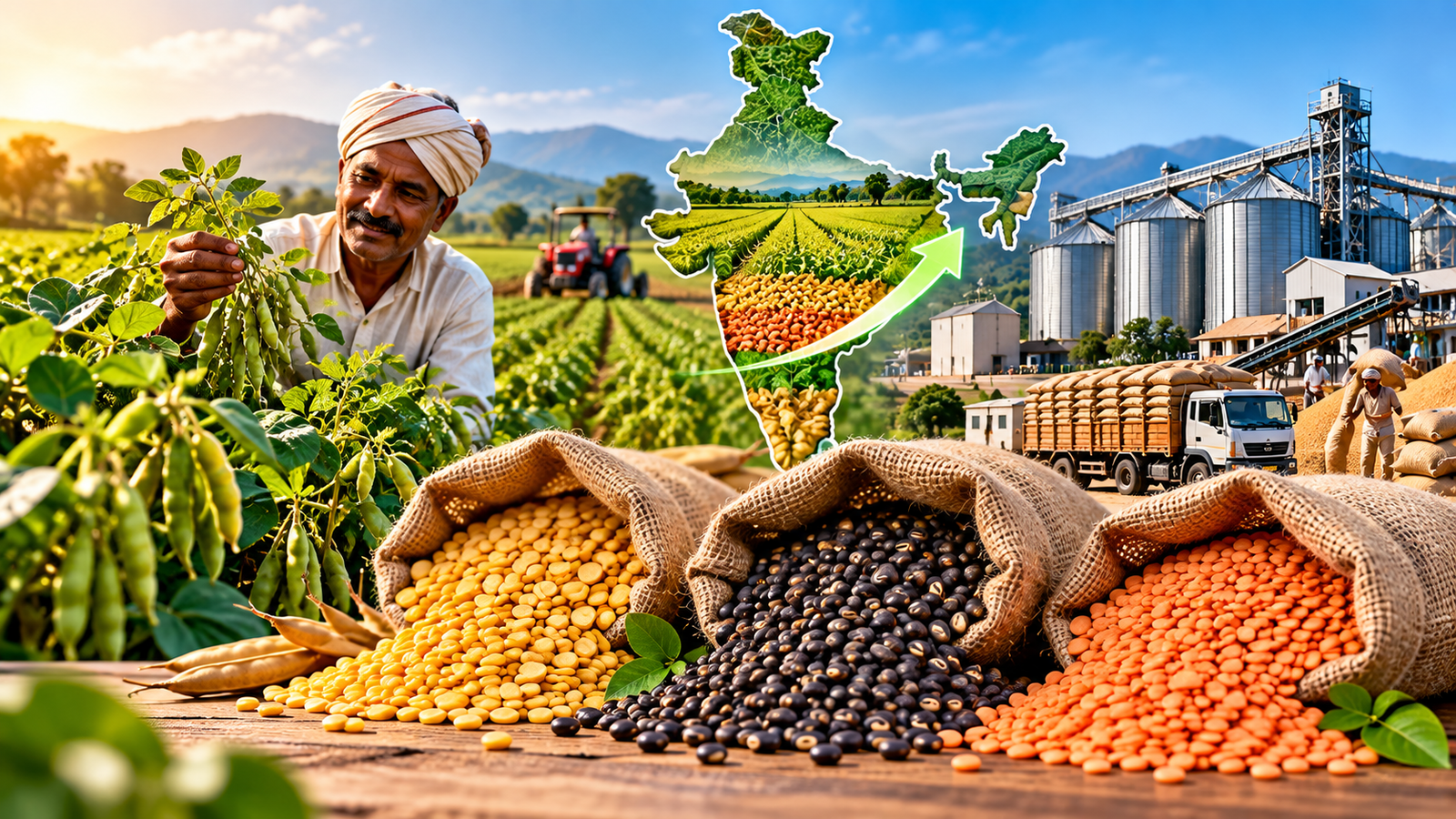
Mission for Aatmanirbharta in Pulses 2026: Explore the ₹11,440 crore
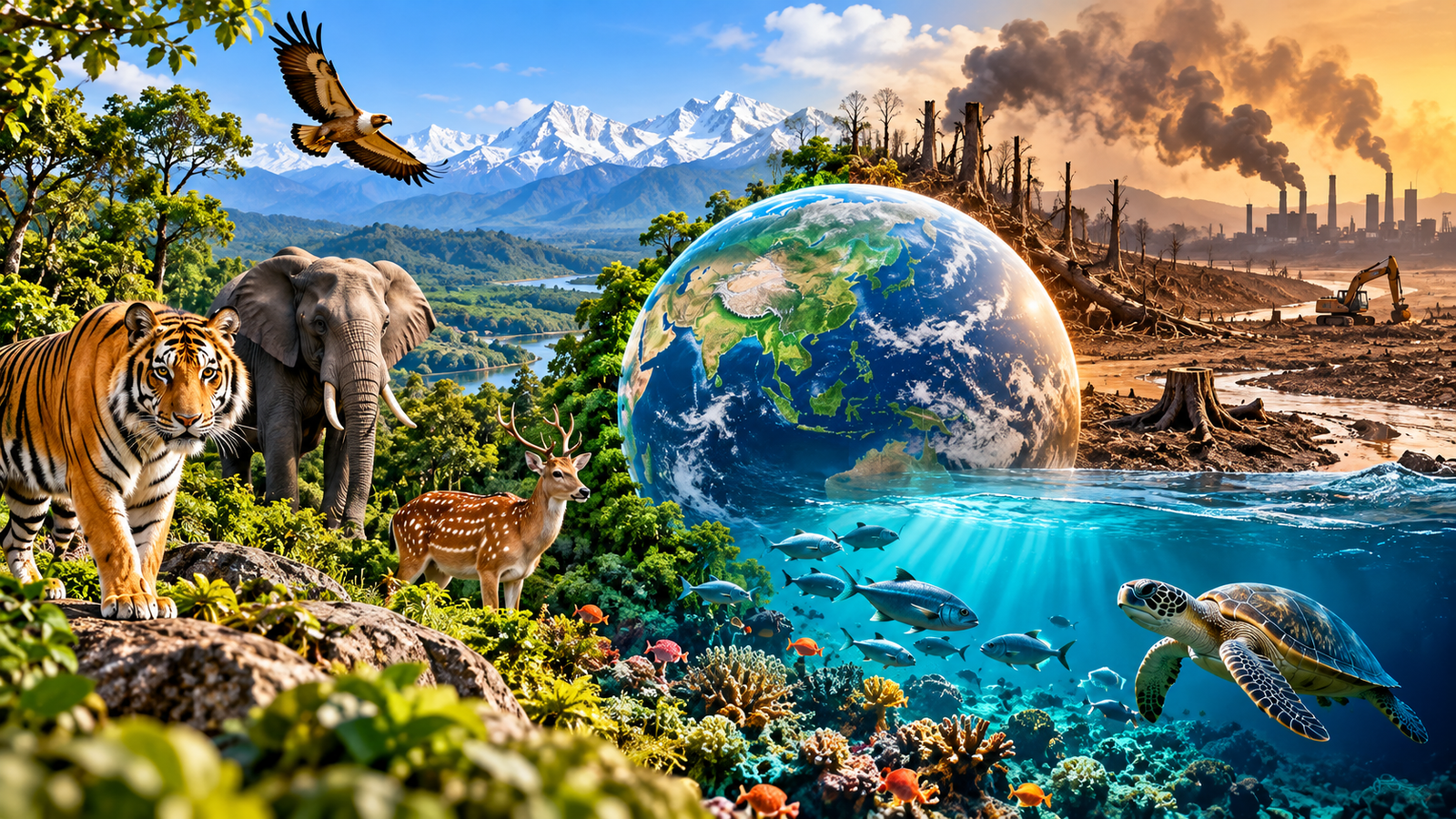
Living Planet Report 2026: Explore the 73% decline in monitored
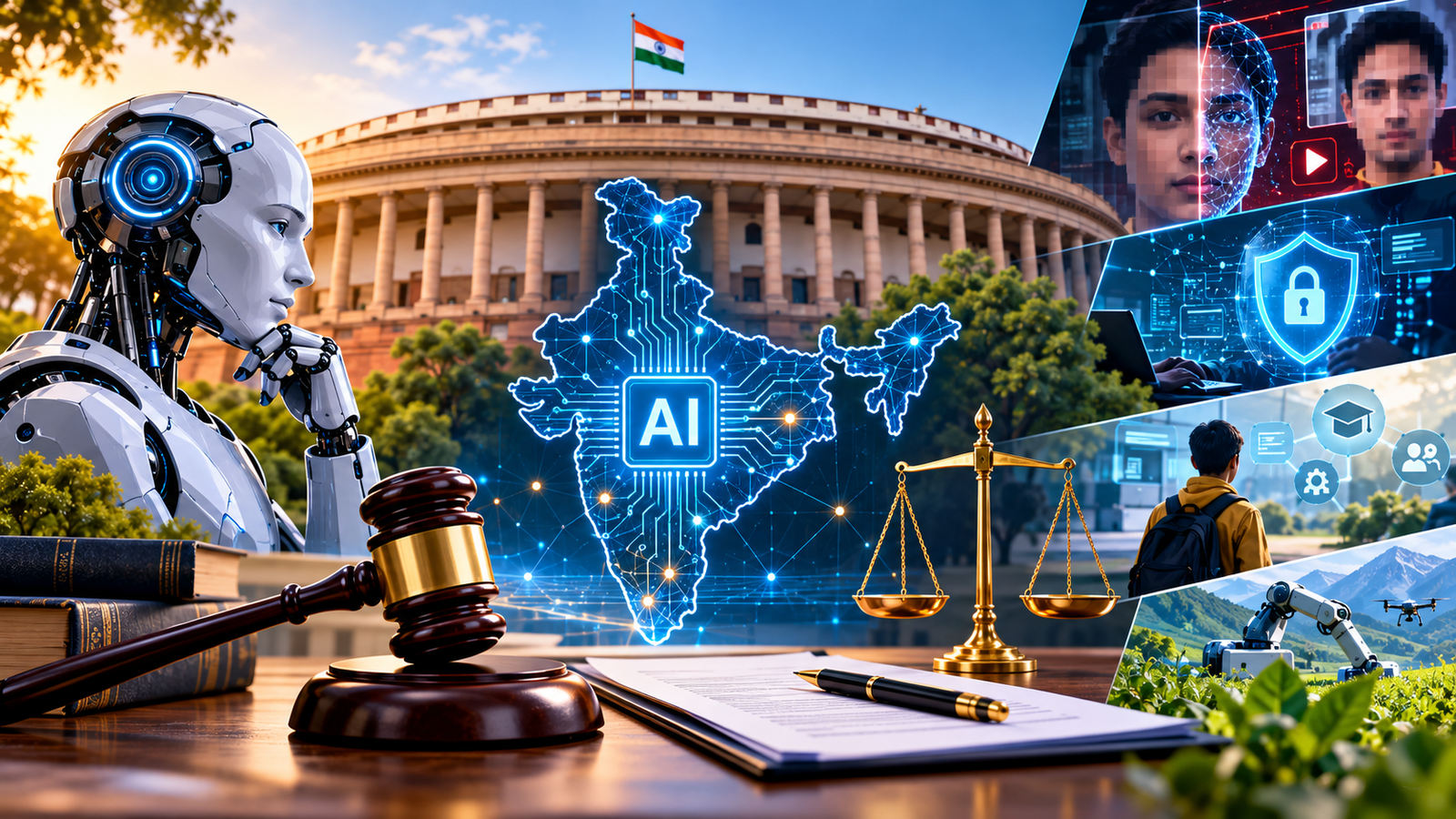
India AI Regulation 2026: Understand the proposed AI regulatory framework,