
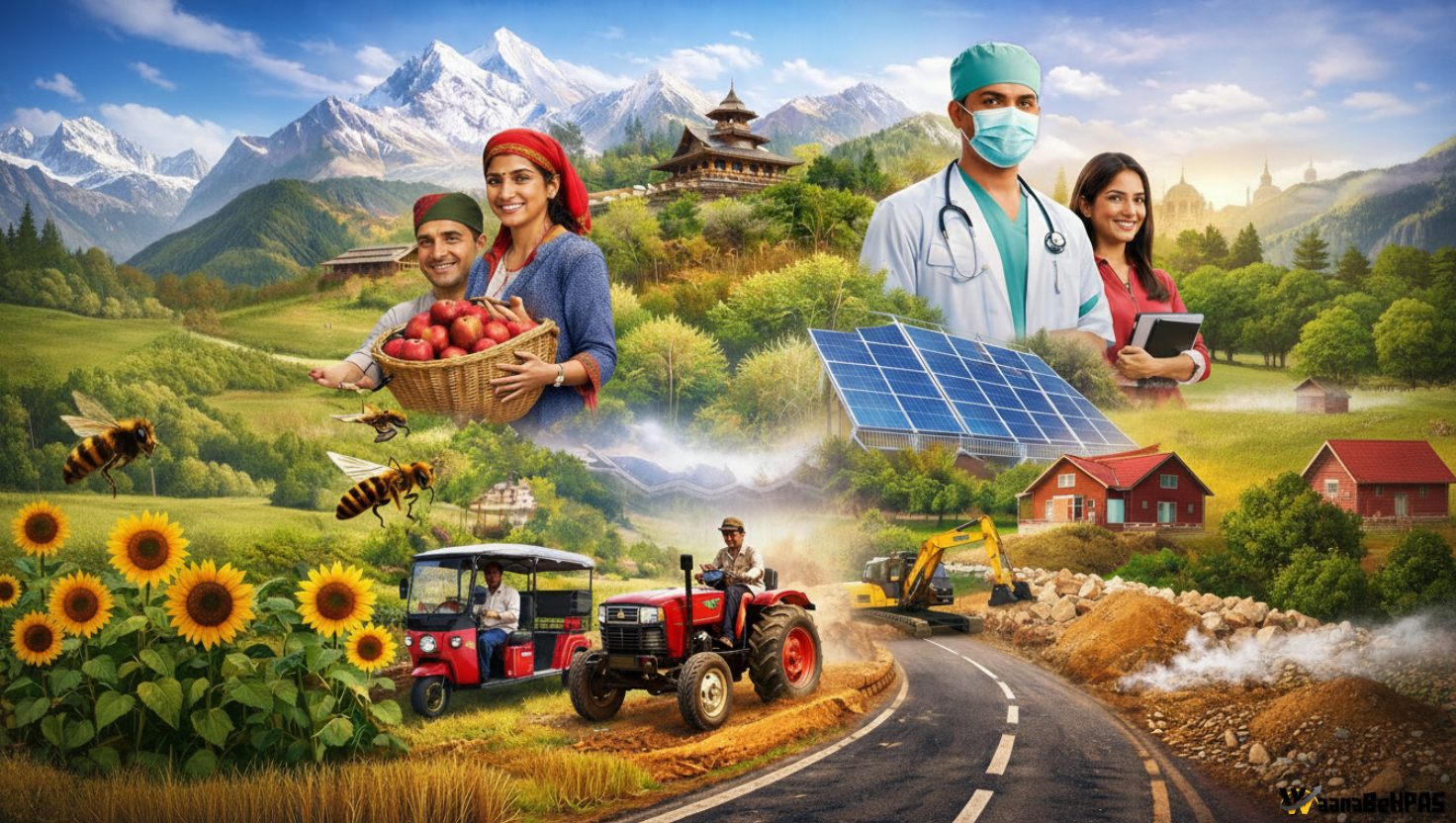
HPPSC Focus: Mukhya Mantri Gram Path Yojana (2009)
A complete exam-oriented analysis of Mukhya Mantri Gram Path Yojana (2009) covering objectives, features, and its relevance in HPPSC exams, including PYQ insights and comparison with PMGSY.
A complete exam-oriented analysis of Mukhya Mantri Gram Path Yojana (2009) covering objectives, features, and its relevance in HPPSC exams, including PYQ insights and comparison with PMGSY.
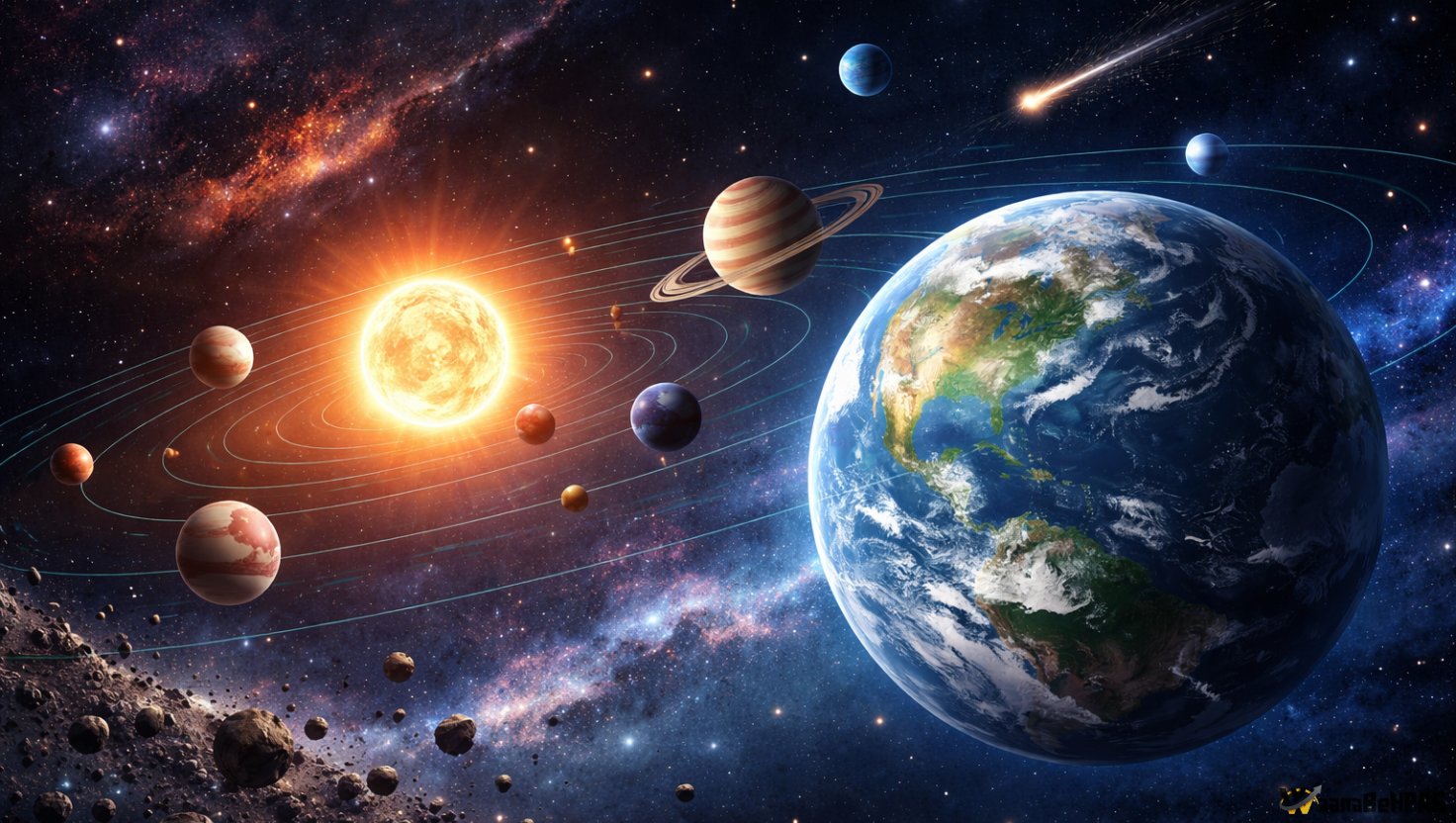
A comprehensive UPSC guide explaining the universe, solar system, Earth’s shape, rotation, revolution, seasons, latitudes, longitudes, and time zones with clear concepts and analytical insights for geography preparation.
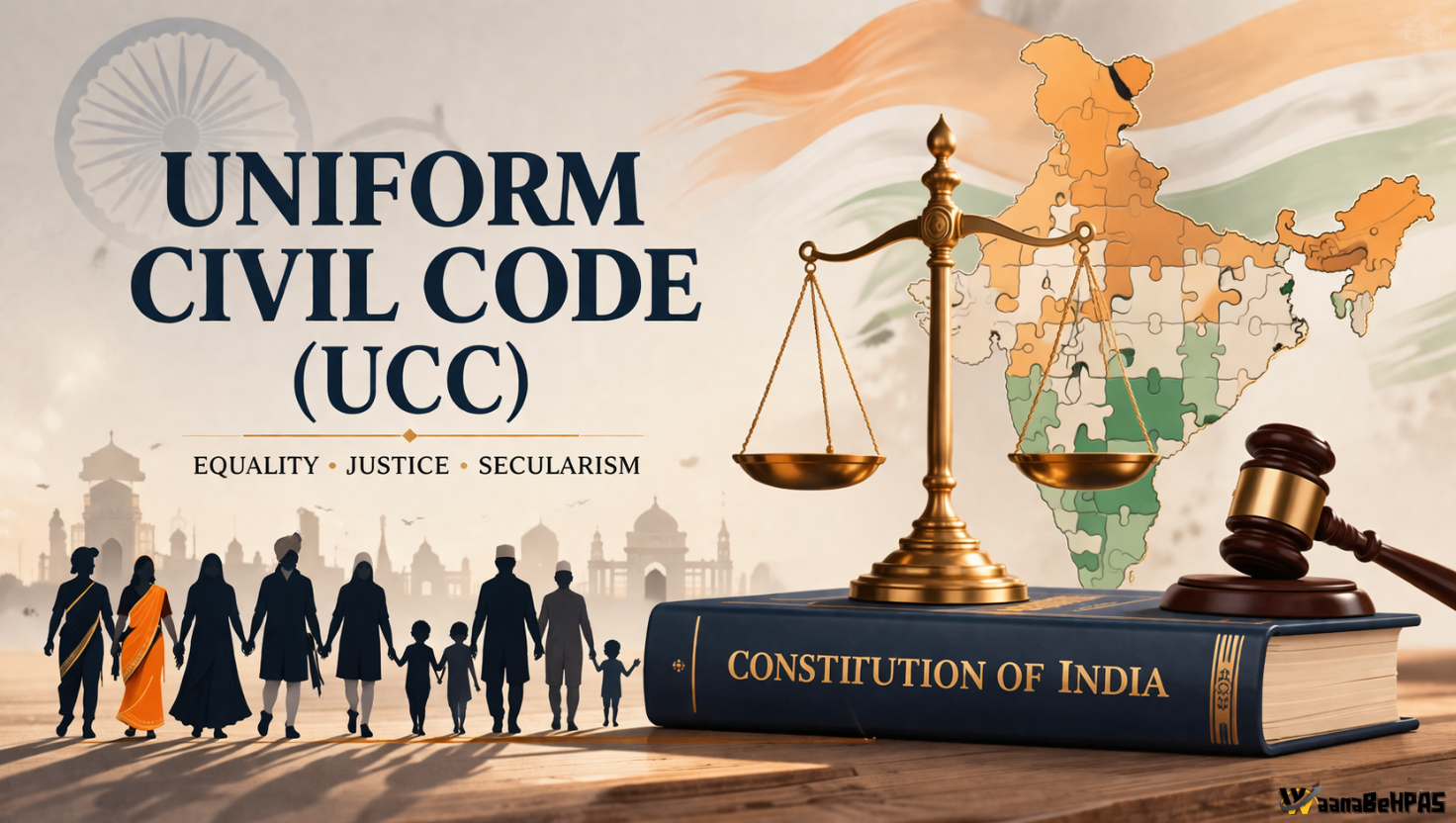
The Uniform Civil Code (UCC) proposes one common law for all citizens in matters like marriage, divorce, and inheritance. It aims to ensure equality, gender justice, and national unity while balancing religious freedom and diversity.
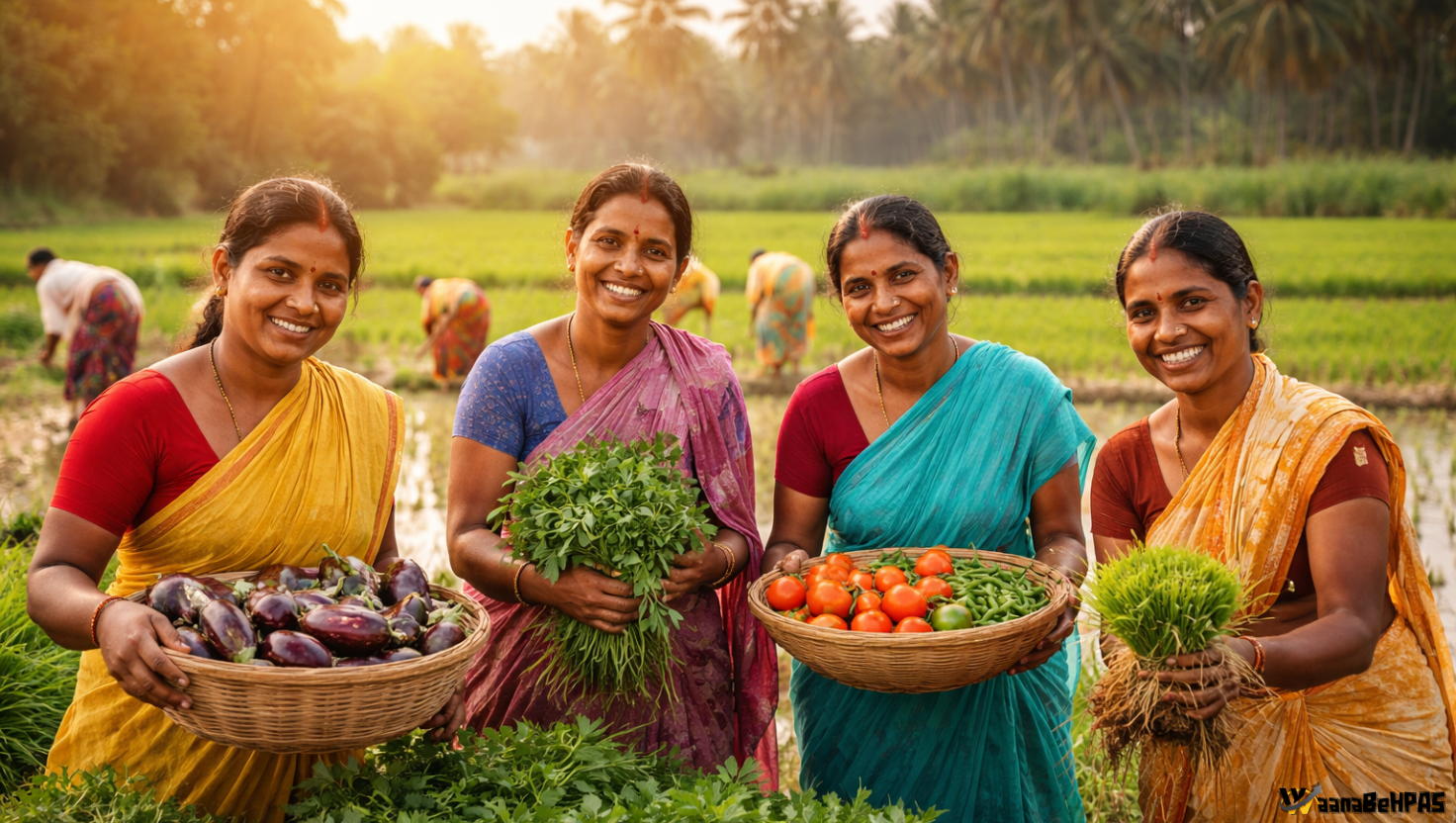
The Global Conference on Women in Agri-Food Systems (GCWAS-2026) highlights the critical role of women farmers in strengthening food security, promoting gender equality, and building resilient agricultural systems through policy, technology, and global collaboration.
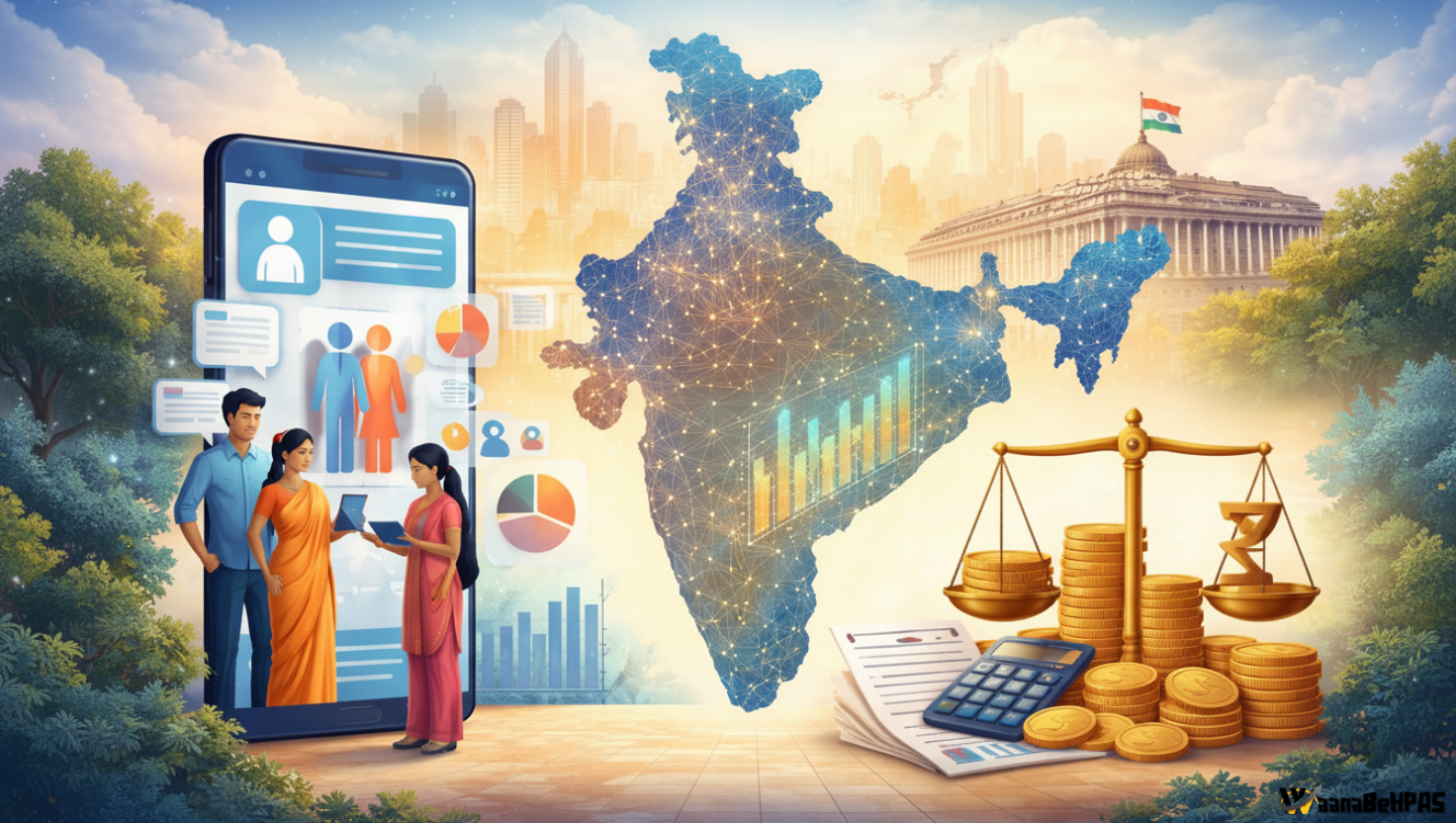
India is entering a new era of data-driven governance with the Digital Census 2027 and the fiscal reforms of the 16th Finance Commission, linking demographic data with performance-based fiscal transfers to reshape cooperative federalism.

Rising tensions in West Asia threaten vital maritime trade routes, energy supplies, and the safety of Indian seafarers. India’s SOP-MARSEC-2024 strengthens vessel security and surveillance to counter hybrid maritime threats and safeguard national strategic interests.
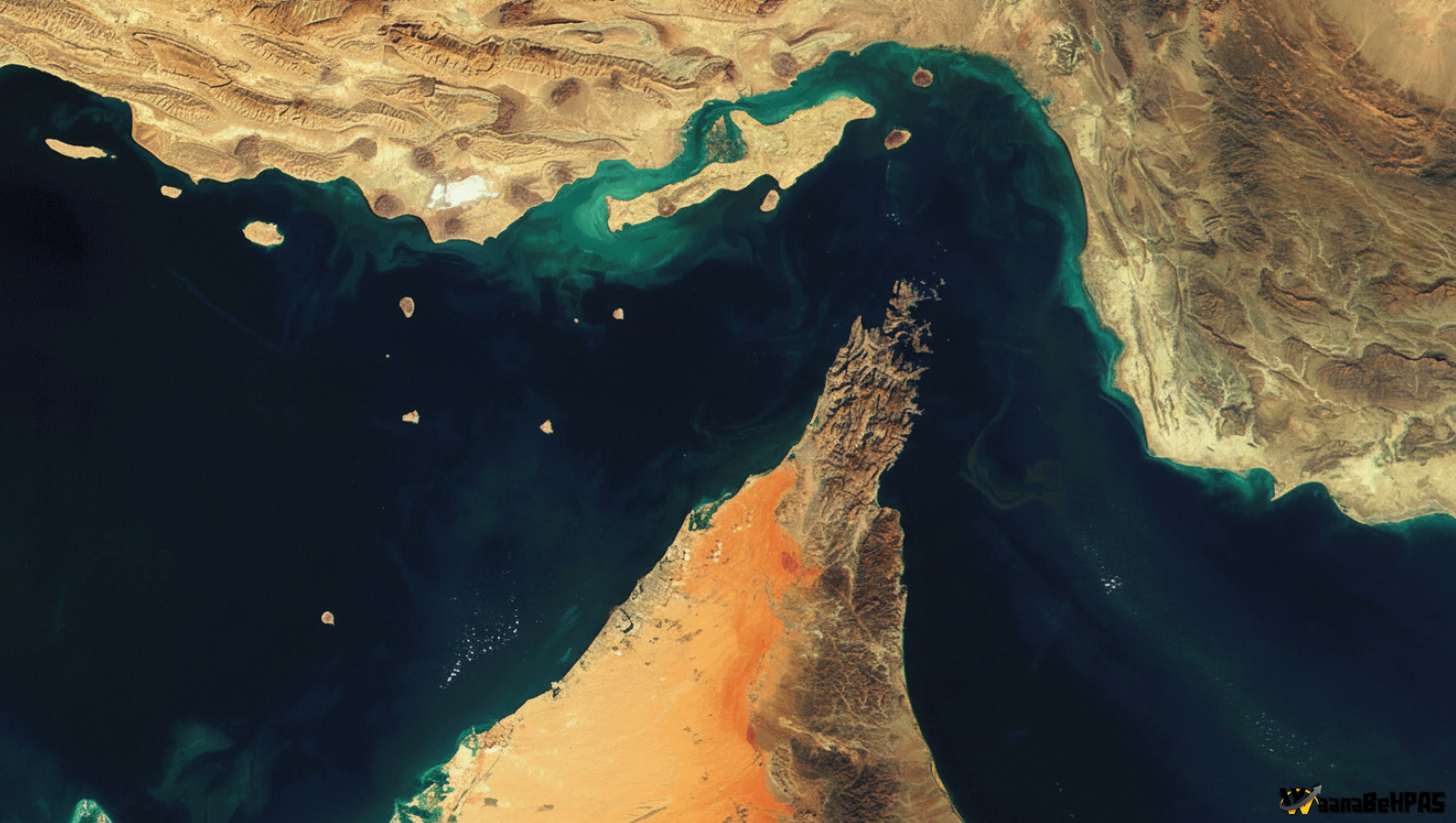
The Strait of Hormuz, the world’s most critical energy chokepoint, has emerged as the epicentre of hybrid maritime conflict in 2026, where naval strikes and electronic warfare threaten global oil flows, LNG supplies, and international economic stability.

The Israel–United States–Iran War (2026) erupted after joint U.S.–Israeli strikes on Iran, triggering widespread retaliation, regional escalation and disruption of the Strait of Hormuz, with significant humanitarian, geopolitical and economic consequences.
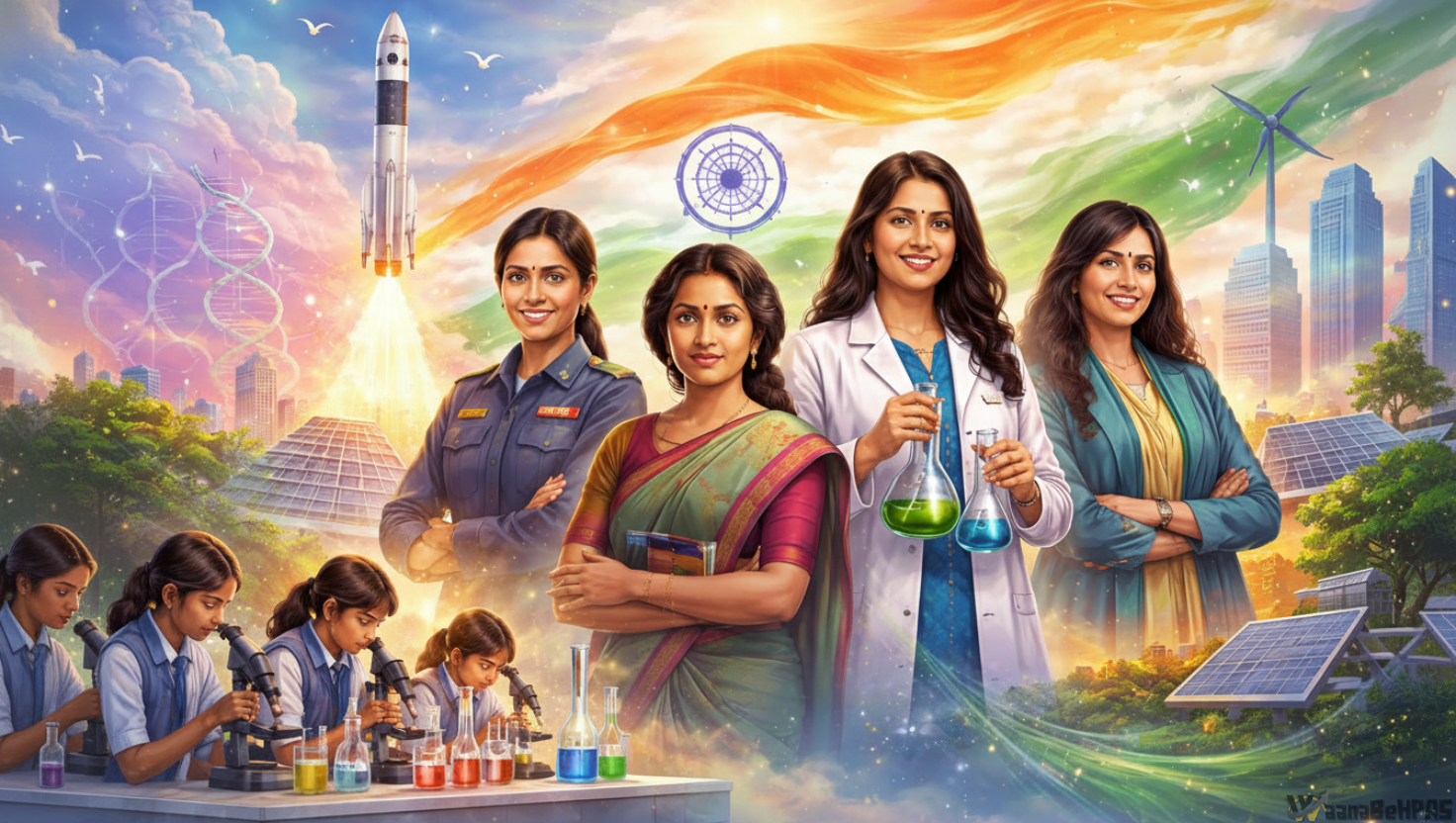
National Science Day 2026 celebrates women as catalysts of India’s scientific progress, highlighting gender equity in STEM as essential to innovation, inclusive growth, and the vision of Viksit Bharat 2047.
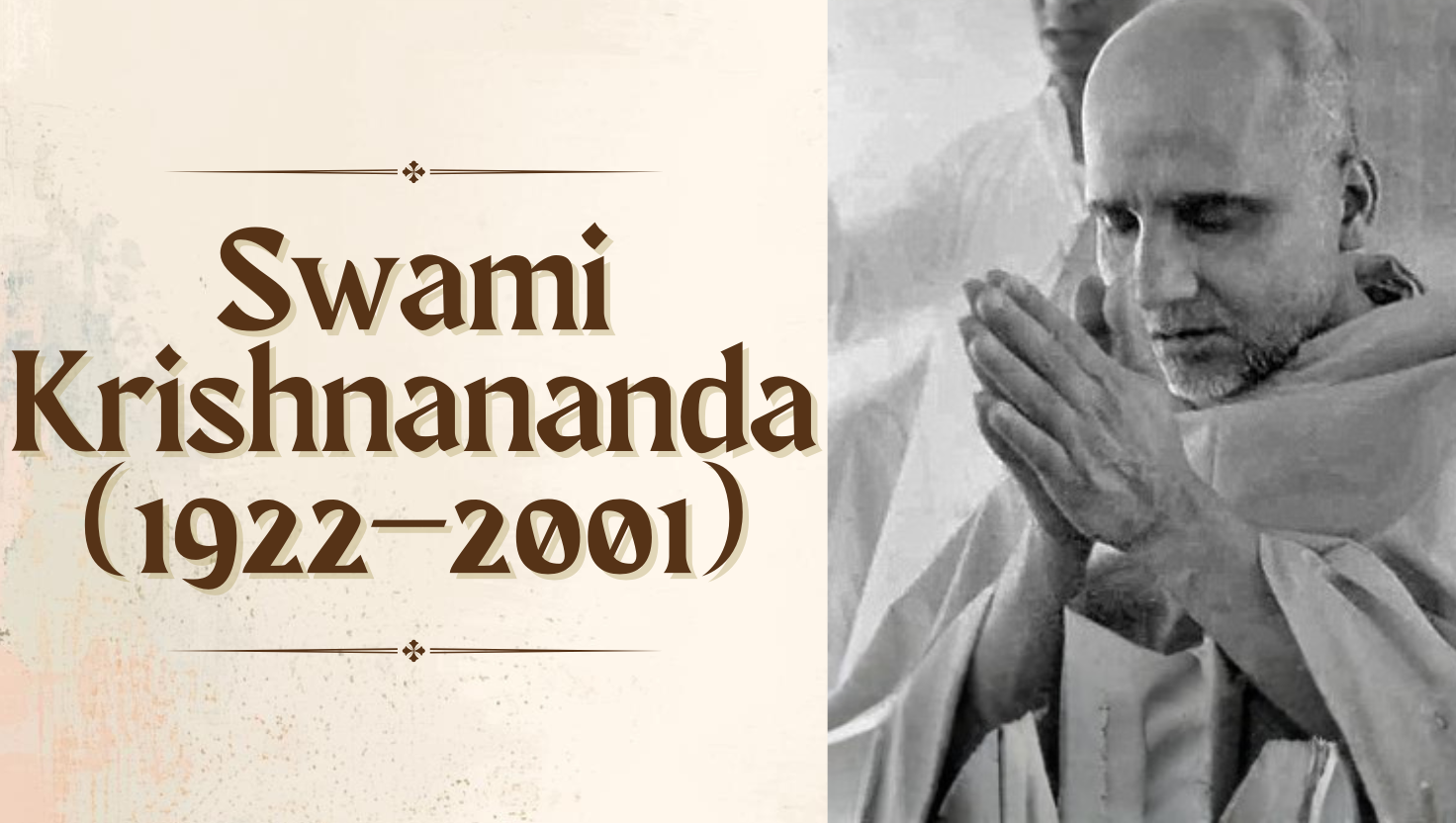
Swami Krishnananda (1922–2001), disciple of Swami Sivananda, was a leading Advaita Vedanta scholar and long-time General Secretary of the Divine Life Society. He harmonized Jnana and Karma Yoga, blending deep philosophy with dedicated institutional service.
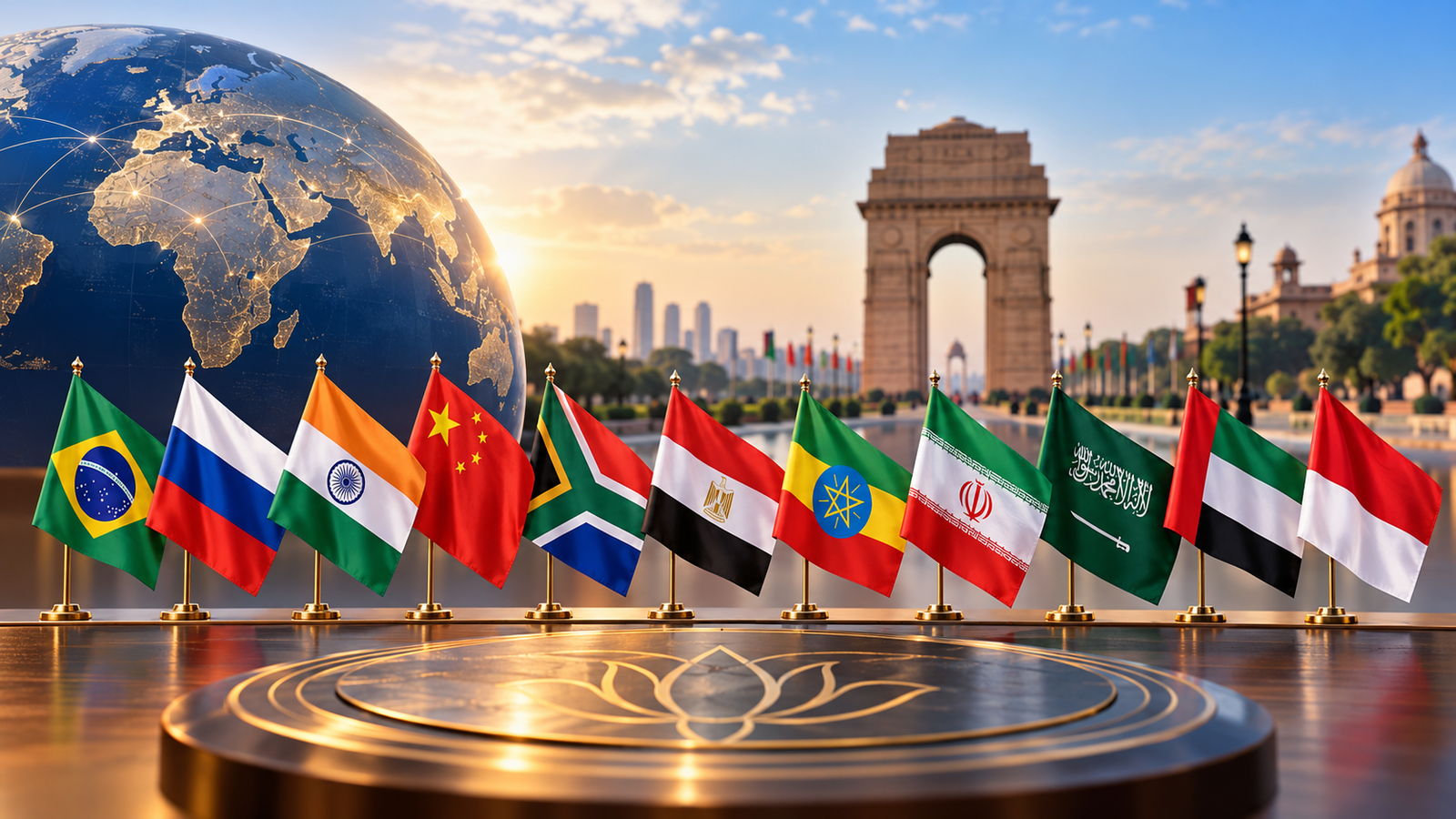
BRICS 2026: Explore the 18th BRICS Summit in New Delhi,
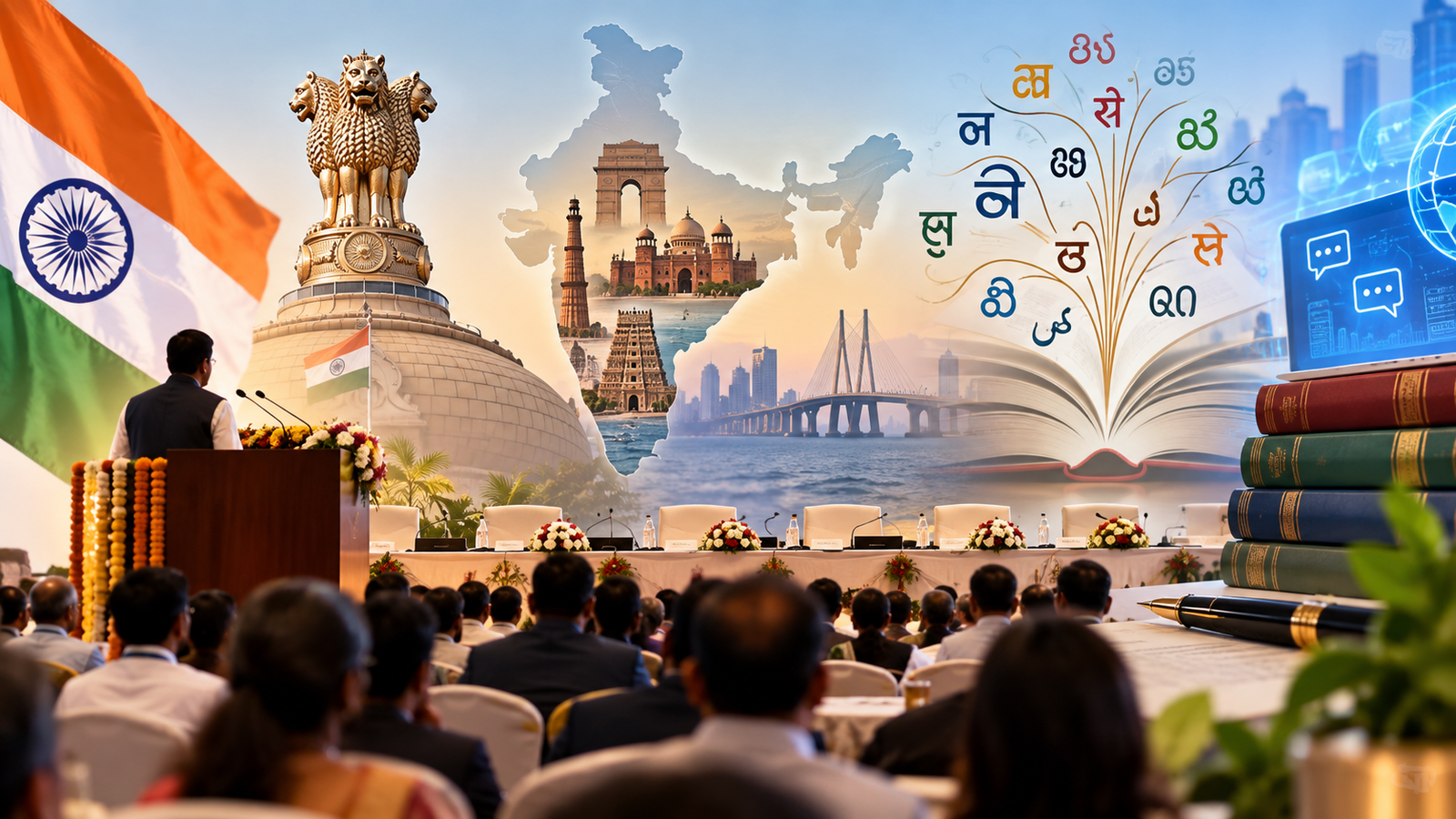
6th All India Official Language Conference 2026 in Navi Mumbai:
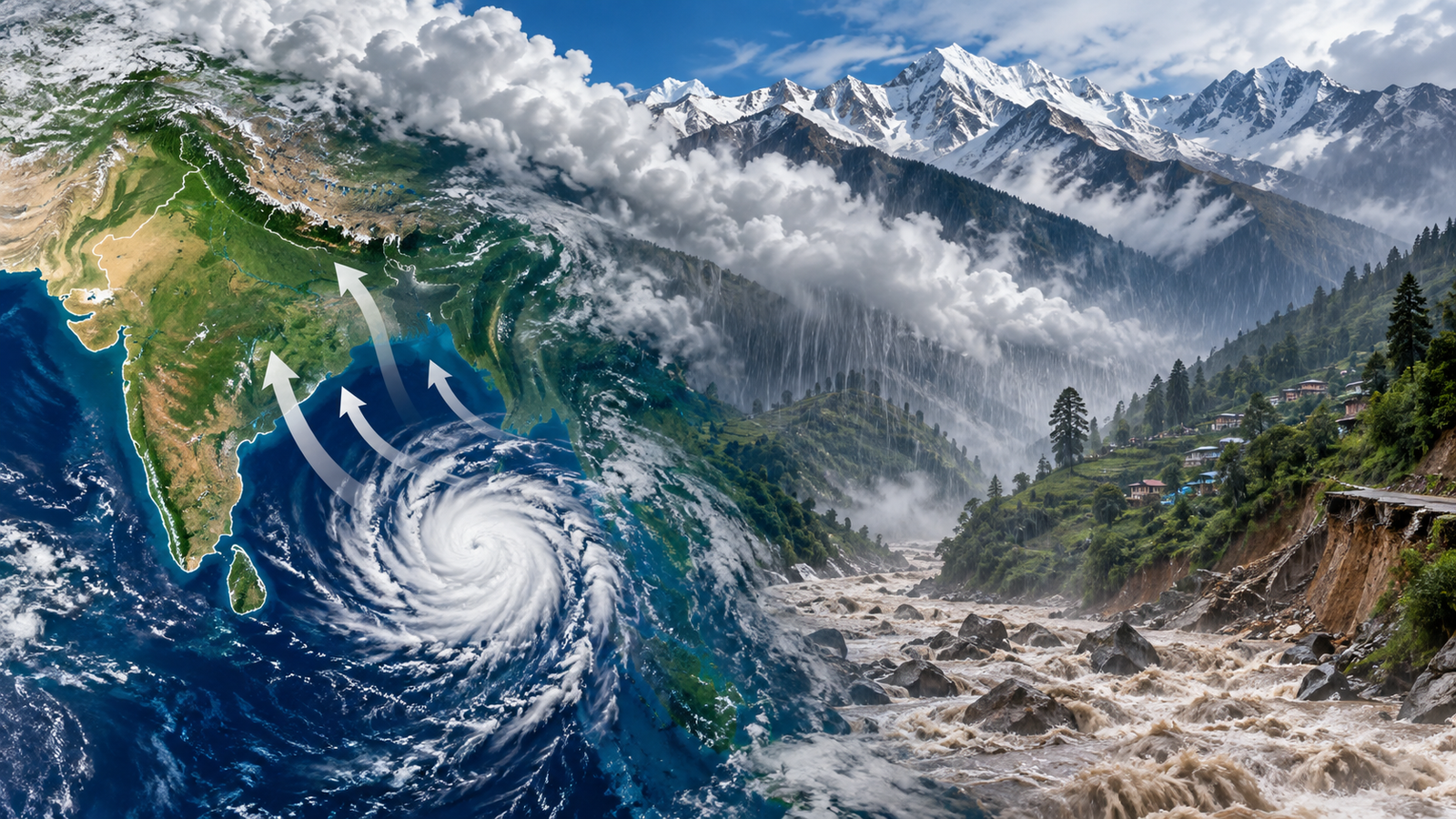
Discover how Bay of Bengal low-pressure systems shape India’s monsoon,
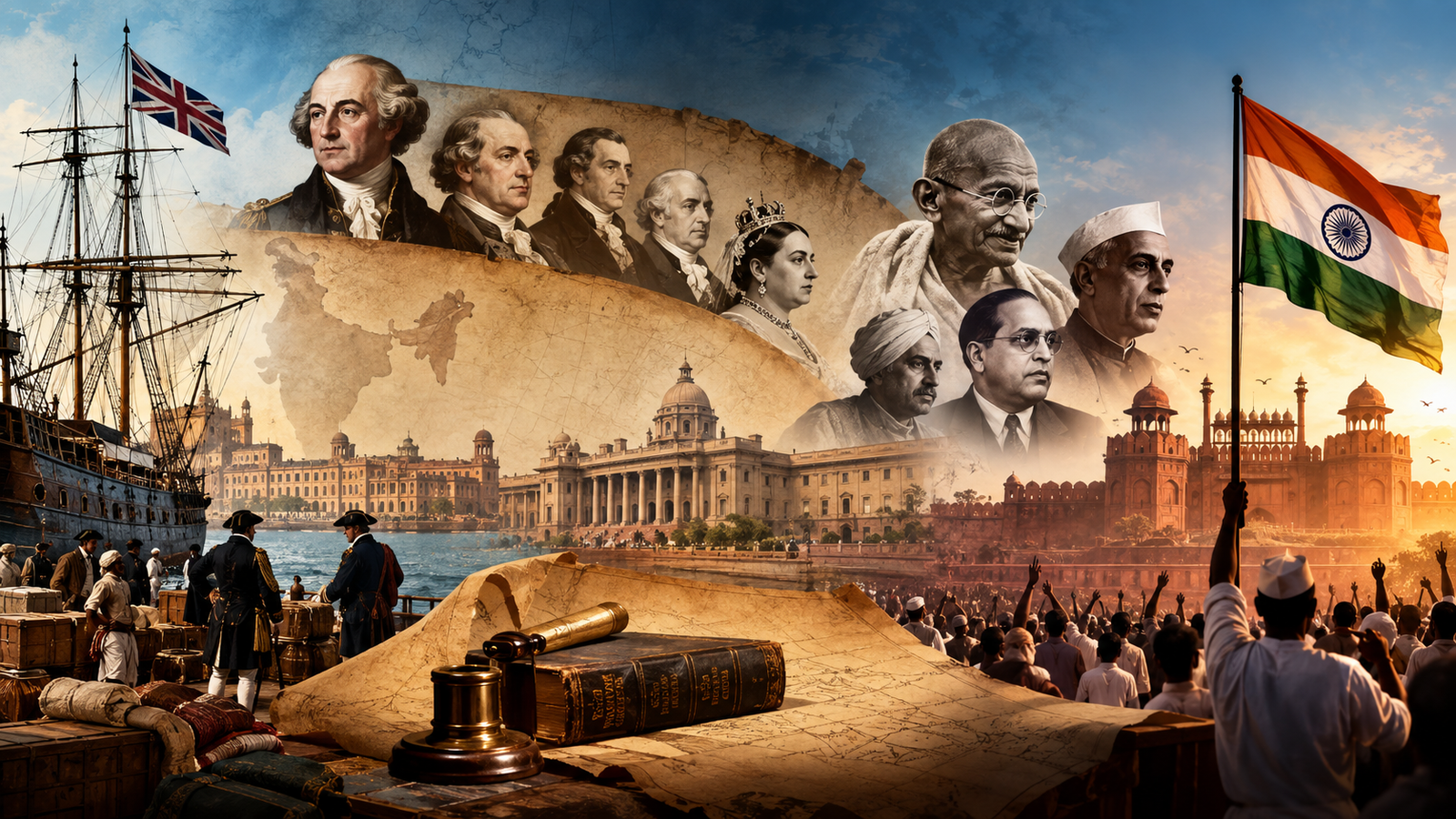
Explore the constitutional evolution of India from East India Company
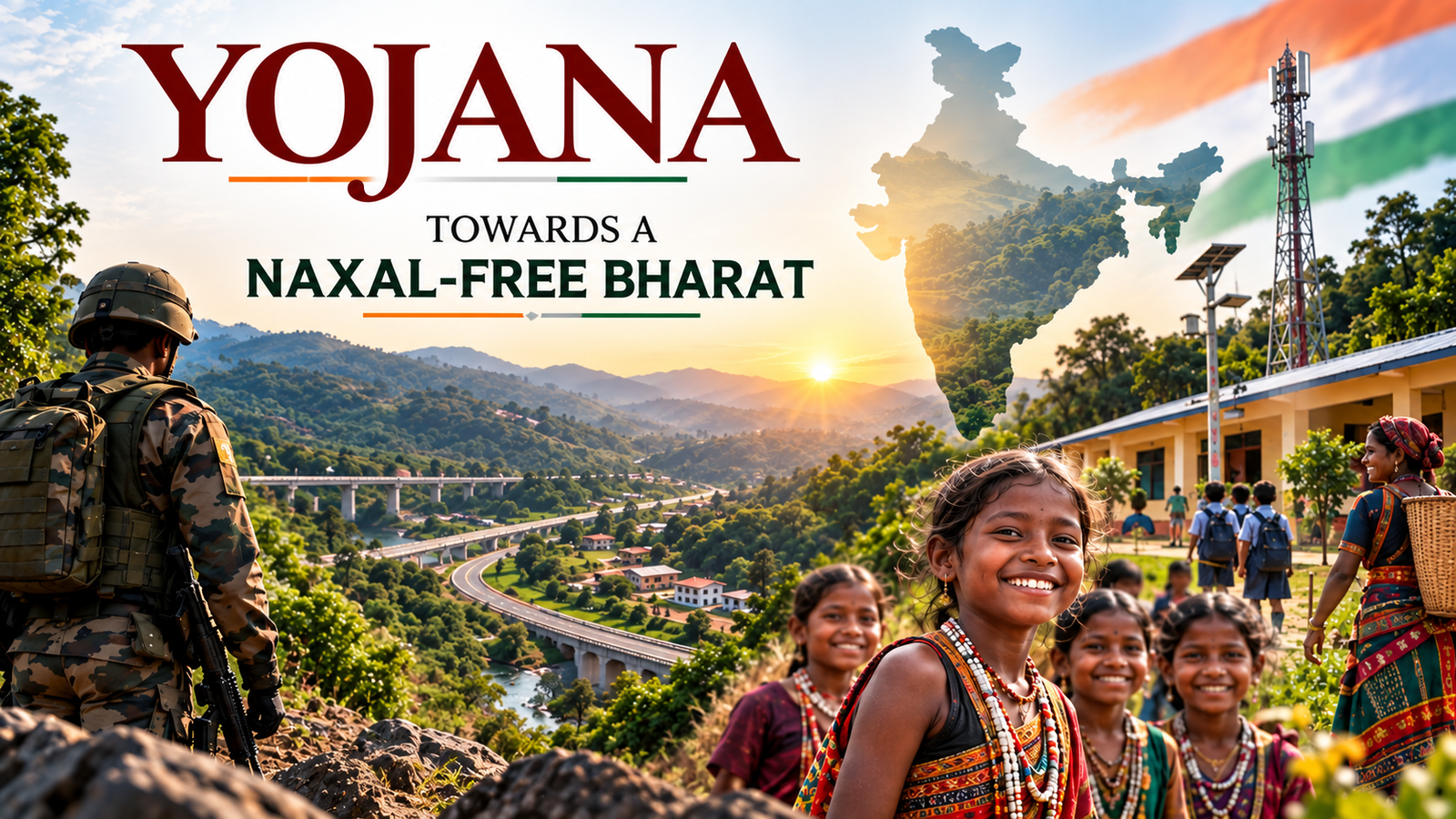
Yojana June 2026 explores India’s journey towards a Naxal-free Bharat,
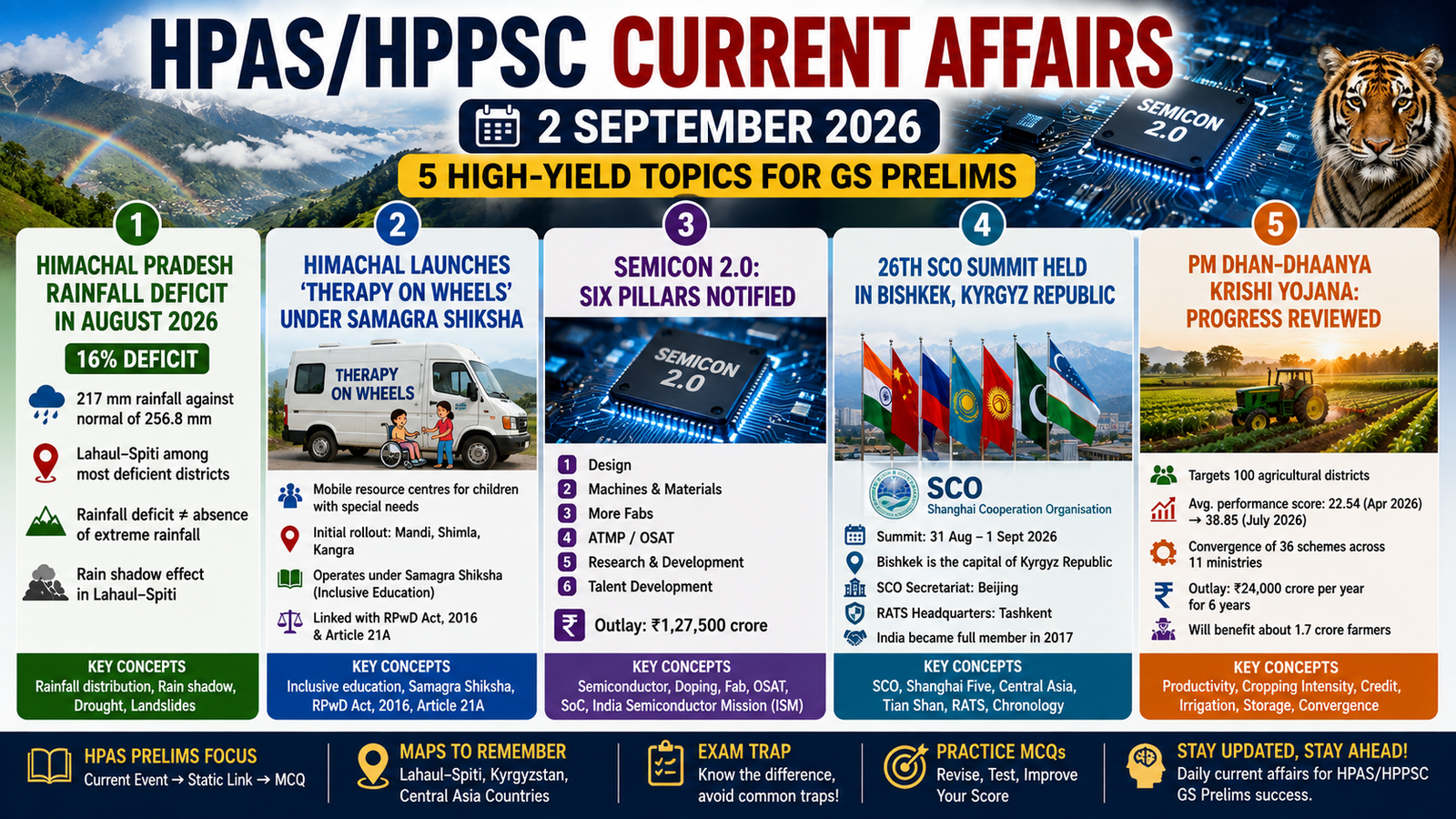
HPAS/HPPSC Current Affairs 2 September 2026: Himachal rainfall deficit, Therapy