
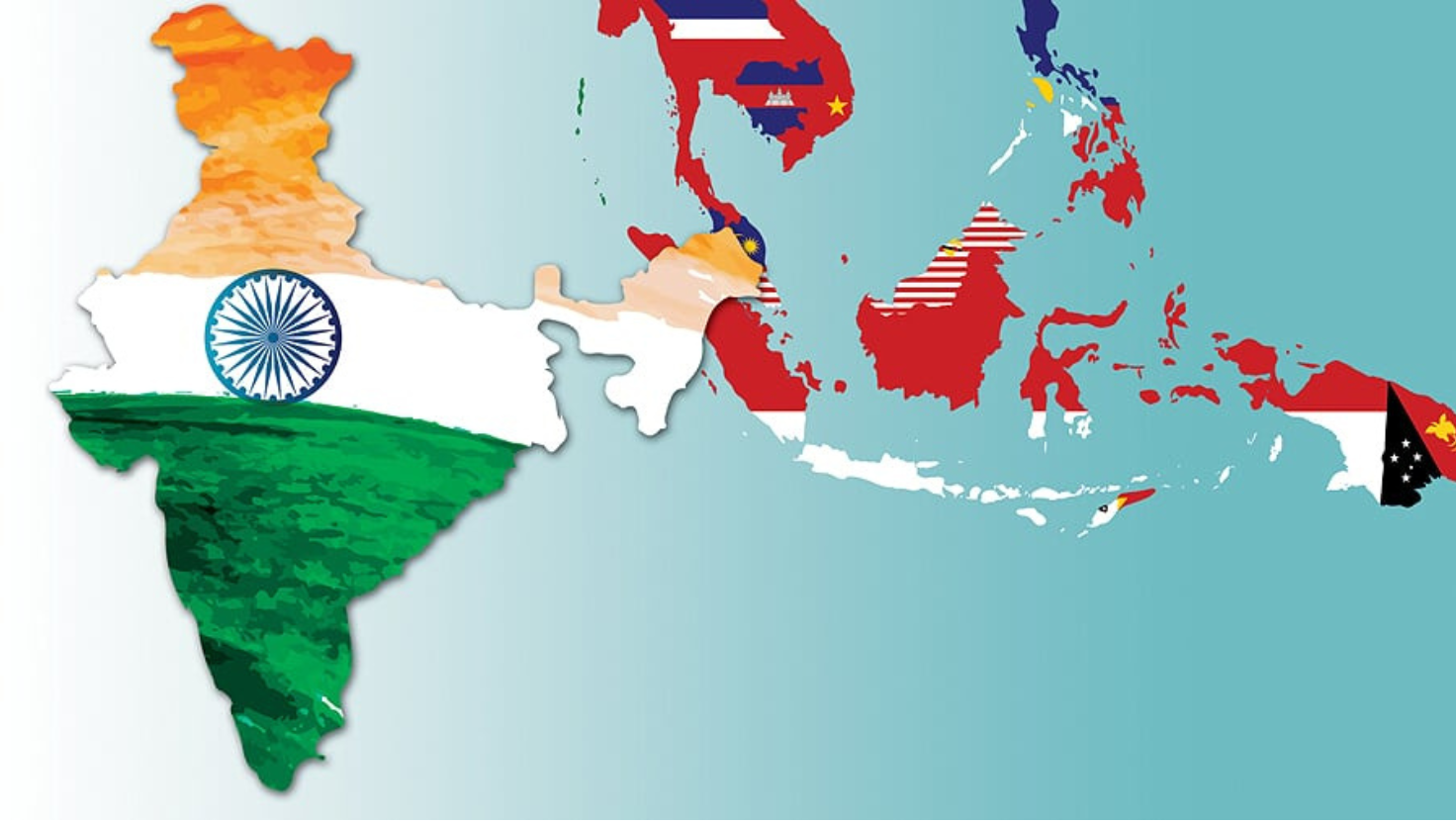
India’s Act East Policy
India’s Act East Policy strengthens economic, strategic, and cultural ties with Southeast Asia and the Indo-Pacific, balancing China’s regional rise.
India’s Act East Policy strengthens economic, strategic, and cultural ties with Southeast Asia and the Indo-Pacific, balancing China’s regional rise.

The Kokrajhar–Gelephu Special Railway Project, India’s first link to Bhutan, enhances connectivity, trade, and strategic ties under the Act East Policy.
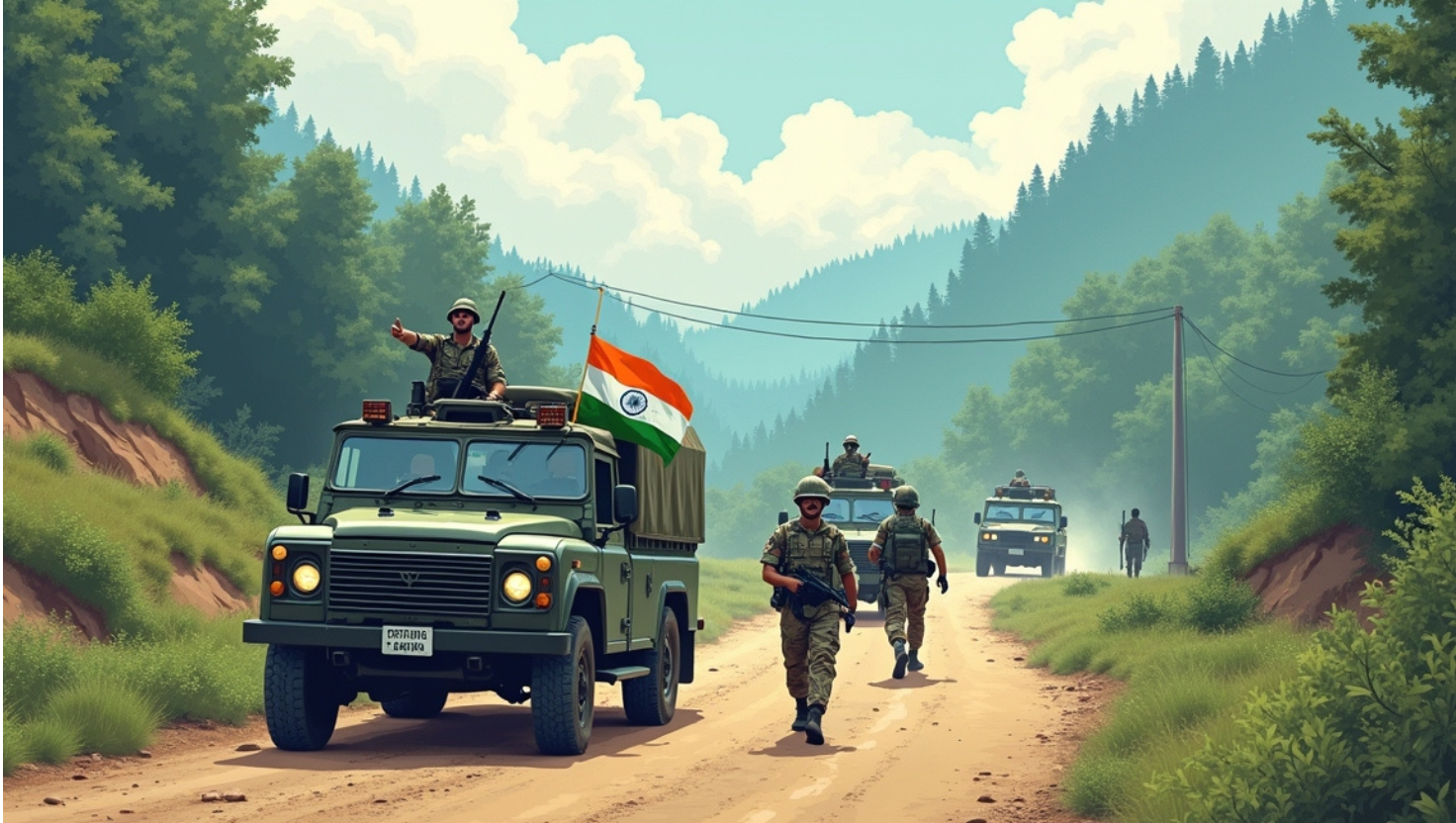
The Armed Forces (Special Powers) Act, 1958 empowers security forces to maintain peace and assist civil authorities in disturbed areas.
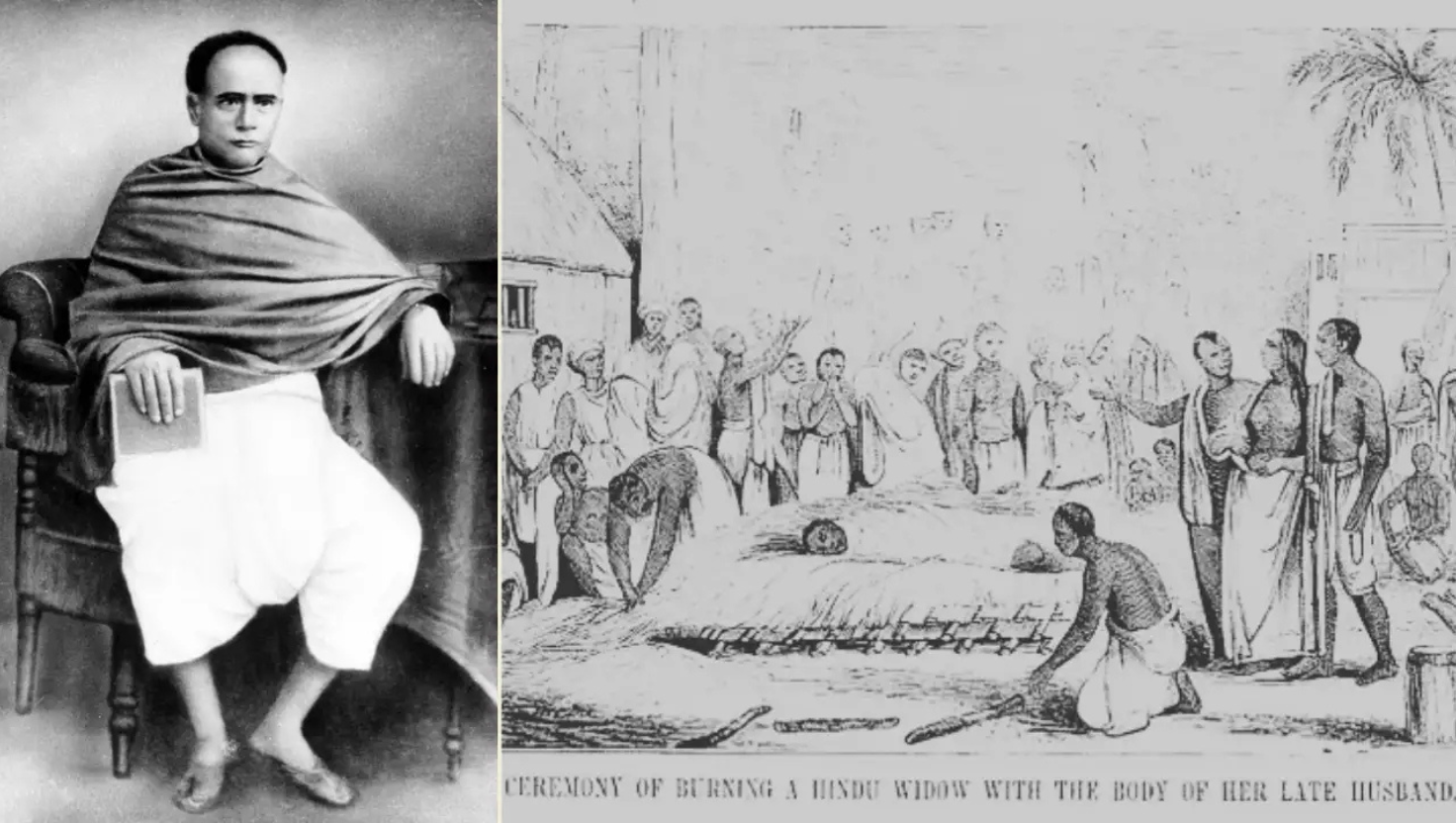
Ishwar Chandra Vidyasagar, 19th-century social reformer and educationist, championed women’s education, widow remarriage, and social equality in Bengal.
The Foreign Contribution (Regulation) Act regulates foreign donations in India, ensuring funds are used properly while protecting national interests.

India has allowed export of 2G ethanol, a sustainable biofuel made from agri-waste and residues, reducing emissions and crude oil dependence.
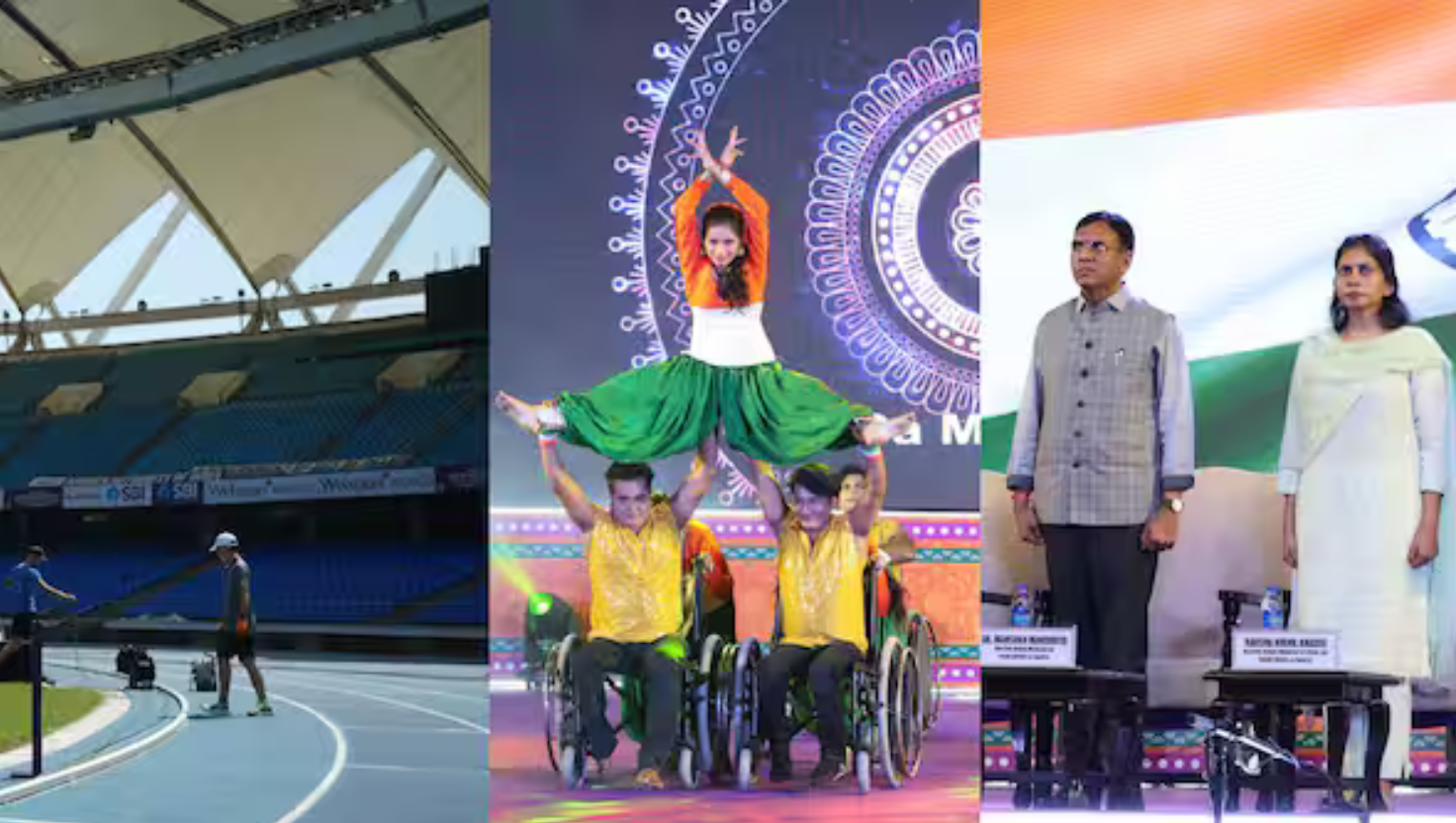
India is hosting its first World Para Athletics Championships 2025 in New Delhi, showcasing inclusivity, accessibility, and sporting excellence.
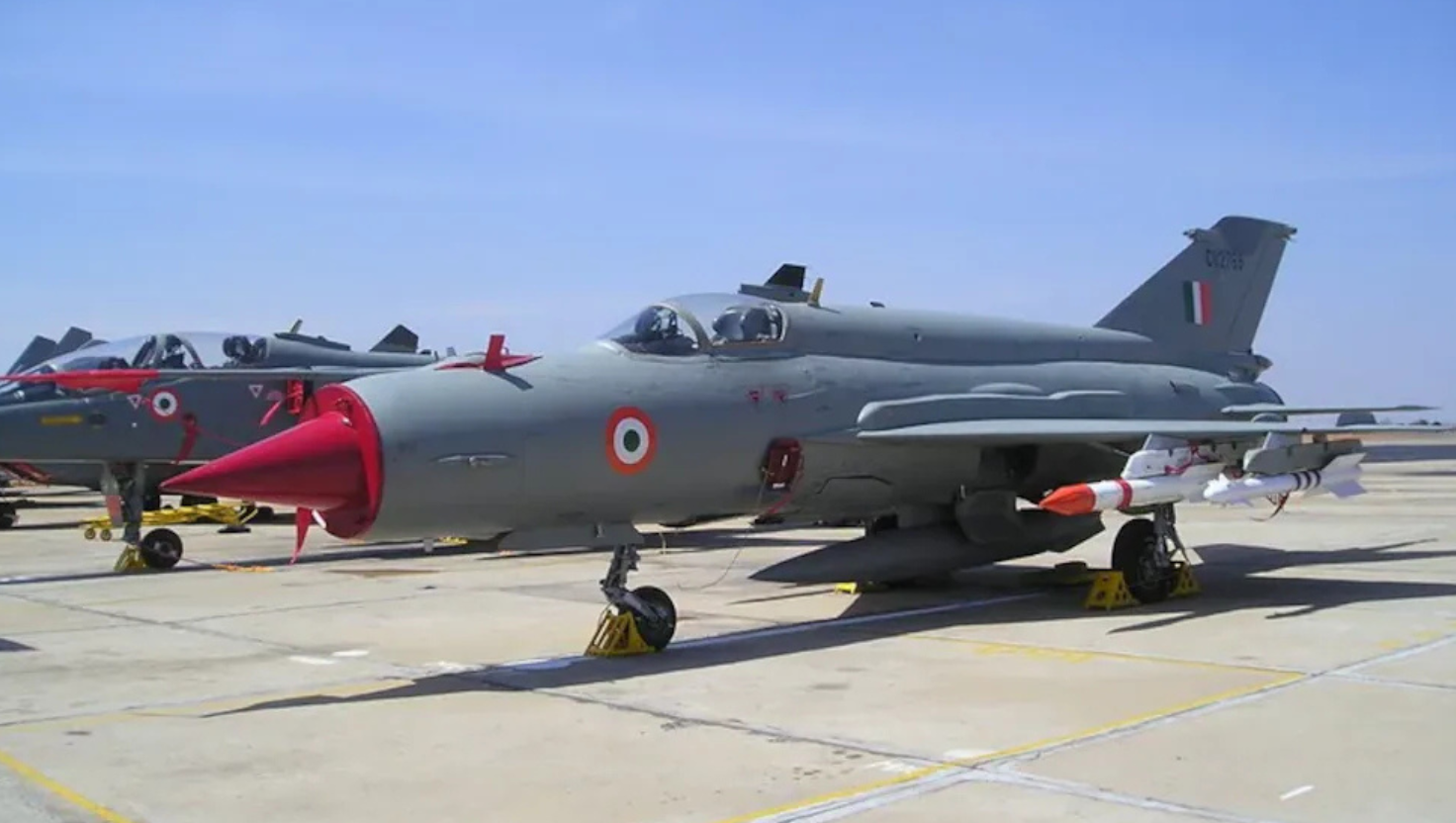
The MiG-21, India’s first supersonic jet, served 60 years in IAF, key in wars but infamous for frequent crashes.

Sahyog Portal enables quick takedown of unlawful online content, balancing intermediary liability and cyber law enforcement in India.

UNEP Young Champions of the Earth 2025 honours young innovators from India, Kenya, and the US for scalable environmental solutions.

BRICS 2026: Explore the 18th BRICS Summit in New Delhi,
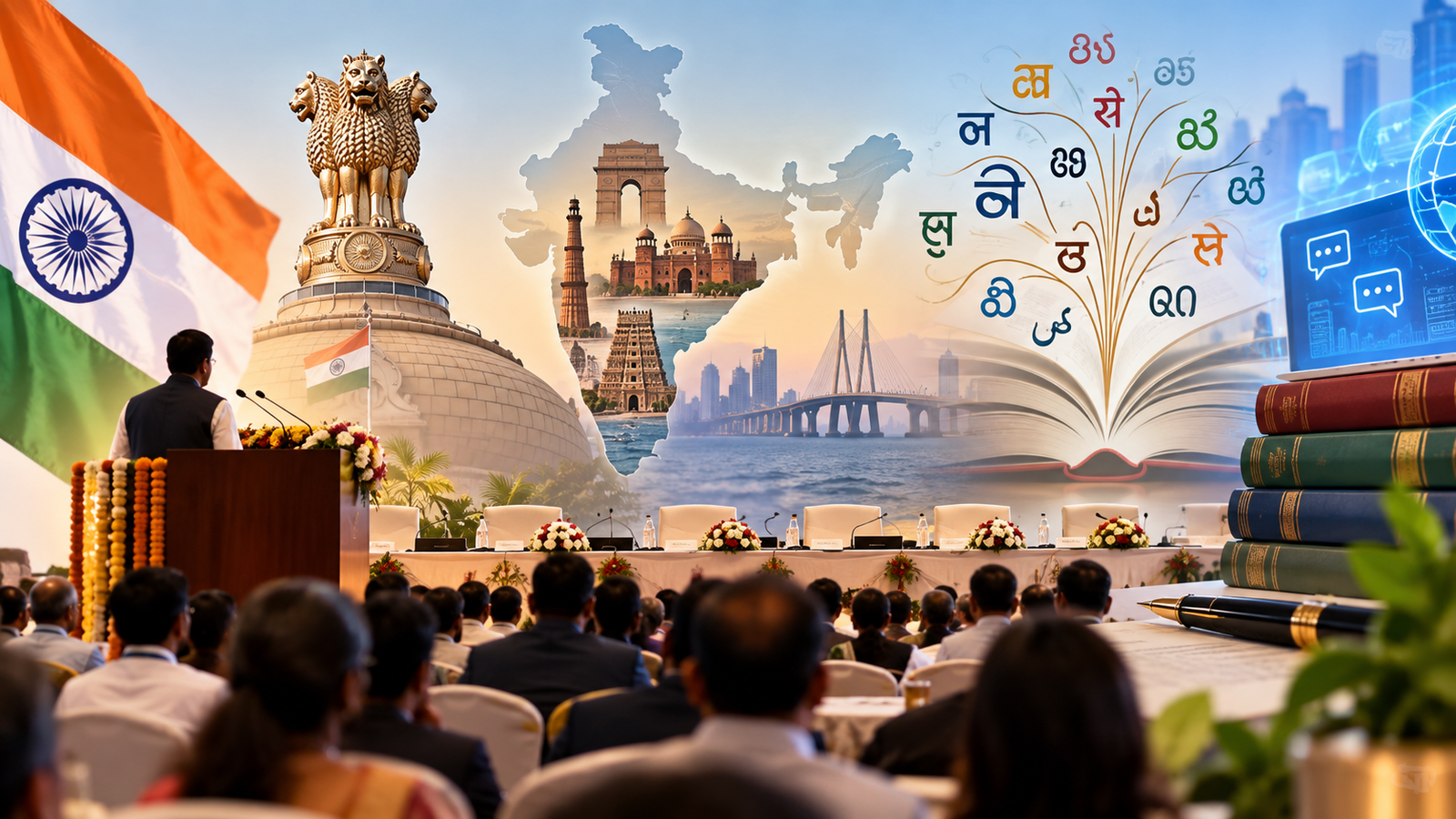
6th All India Official Language Conference 2026 in Navi Mumbai:

Discover how Bay of Bengal low-pressure systems shape India’s monsoon,
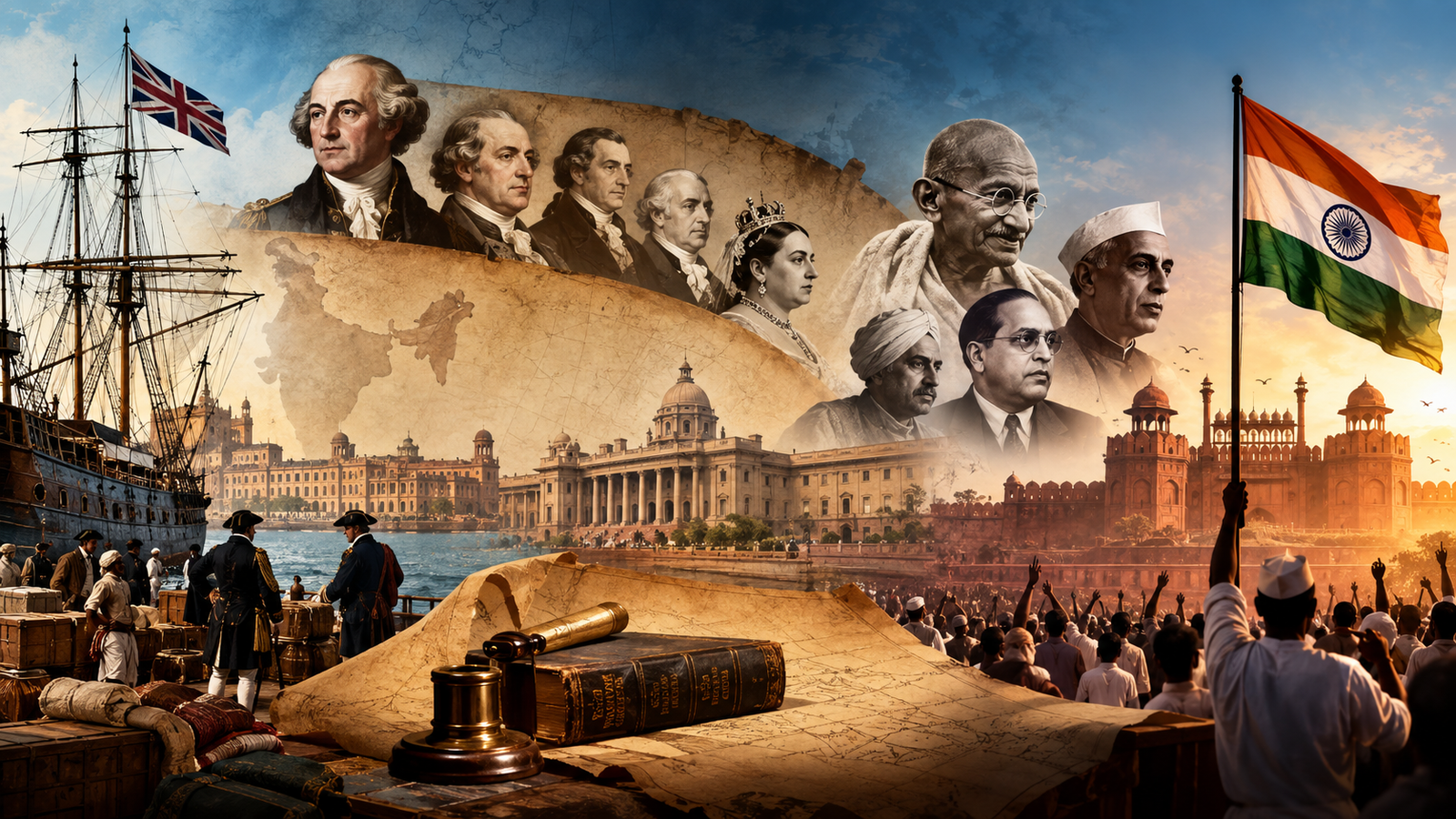
Explore the constitutional evolution of India from East India Company

Yojana June 2026 explores India’s journey towards a Naxal-free Bharat,
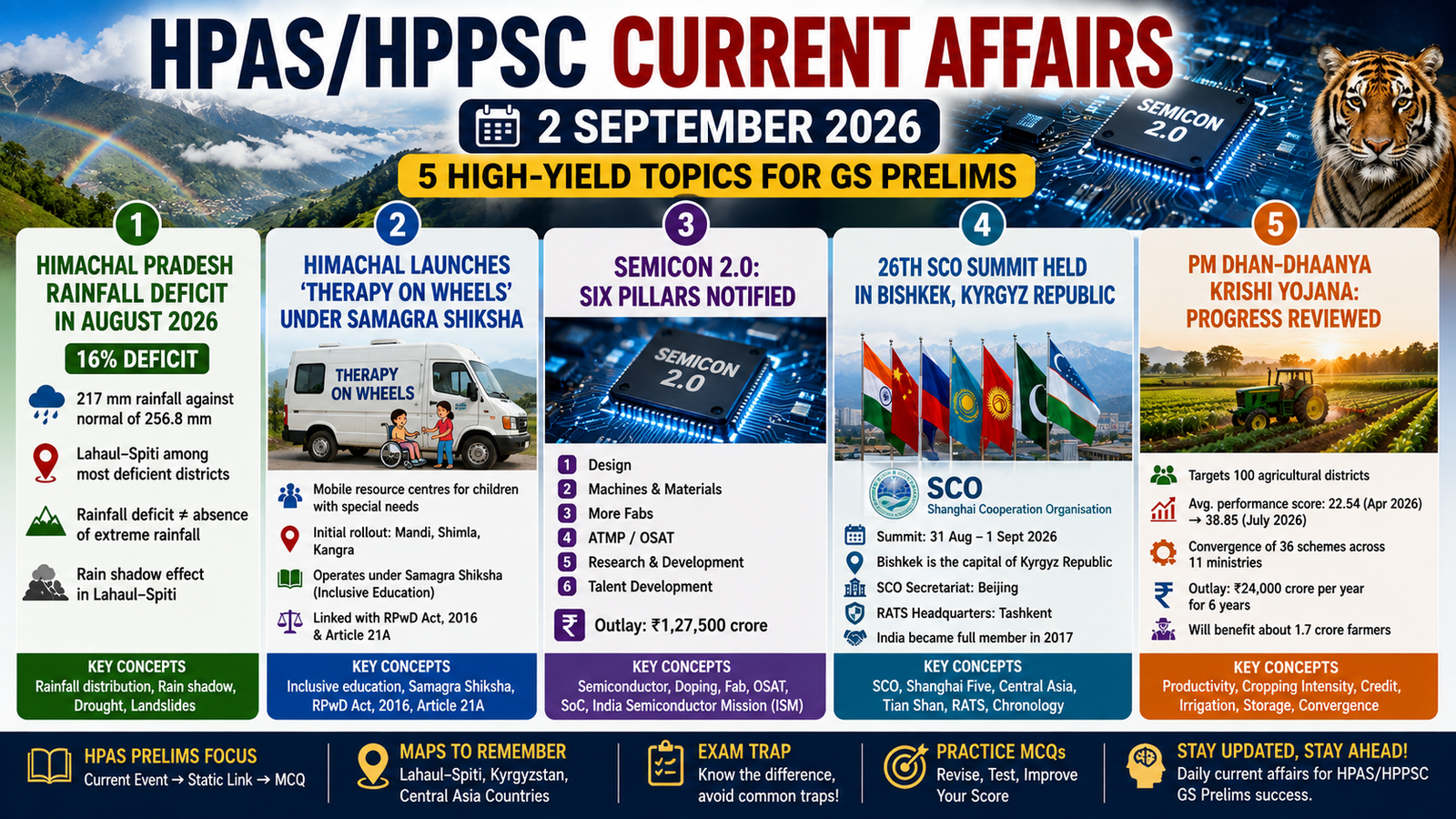
HPAS/HPPSC Current Affairs 2 September 2026: Himachal rainfall deficit, Therapy