
India–Myanmar Relations: Strategic Importance, Connectivity Projects and Security Cooperation
Why is it in News?
Myanmar’s President Min Aung Hlaing recently assured India that Myanmar’s territory would not be allowed to host anti-India insurgent groups that threaten India’s security interests.
The assurance came during bilateral discussions with Prime Minister Narendra Modi in New Delhi. India emphasized the importance of border security, regional stability, dialogue, democratic processes, and deeper cooperation between the two neighbouring countries.
The development highlights the strategic importance of India–Myanmar relations in the context of regional connectivity, security, trade, and India’s Act East Policy.
For UPSC aspirants, this topic is important under International Relations, Internal Security, India’s Neighbourhood Policy, and ASEAN Connectivity.
Why is Myanmar Important for India?
Myanmar occupies a unique position in India’s foreign policy.
It serves as:
India’s Gateway to Southeast Asia
Myanmar is the only ASEAN country that shares both a land and maritime boundary with India.
This geographical advantage makes Myanmar a critical bridge between:
- South Asia
- Southeast Asia
Geographical Significance
Myanmar shares a:
1,643 km Land Border with India
The border passes through four northeastern states:
- Arunachal Pradesh
- Nagaland
- Manipur
- Mizoram
The two countries also share a maritime boundary in the:
Bay of Bengal
India’s Foreign Policy Approach Towards Myanmar
India’s engagement with Myanmar is guided by two major policy frameworks:
Neighbourhood First Policy
This policy prioritizes cooperation with India’s immediate neighbours to promote:
- Peace
- Stability
- Economic growth
- Regional integration
Act East Policy
The Act East Policy seeks to strengthen India’s:
- Economic relations
- Strategic partnerships
- Connectivity
- Cultural ties
with Southeast Asia and the wider Indo-Pacific region.
Myanmar plays a central role in achieving these objectives.
Key Pillars of India–Myanmar Relations
The relationship rests on several important pillars.
1. Border Security and Internal Security Cooperation
Security cooperation remains one of the most important dimensions of bilateral relations.
The India–Myanmar border is:
Porous and Difficult to Monitor
This has historically enabled:
- Cross-border insurgent movement
- Arms smuggling
- Drug trafficking
- Human trafficking
Cooperation Against Insurgent Groups
Several insurgent groups operating in India’s Northeast have previously used border areas for shelter and movement.
Therefore, both countries cooperate in:
- Intelligence sharing
- Joint operations
- Border management
- Counter-insurgency efforts
Myanmar has repeatedly assured India that its territory will not be used against Indian interests.
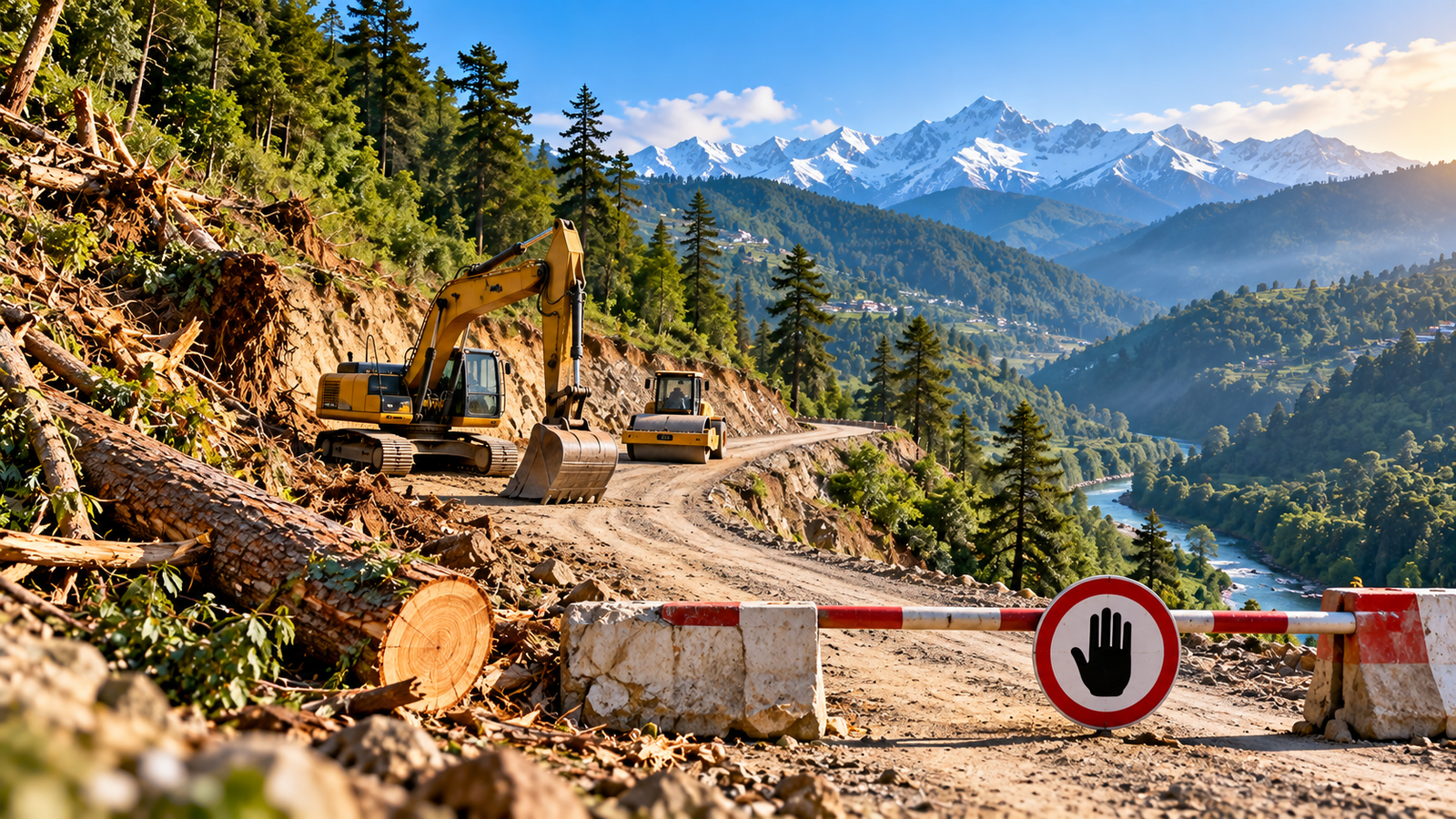
2. Connectivity and Infrastructure Development
Improving physical connectivity is one of India’s major strategic objectives in Myanmar.
Kaladan Multi-Modal Transit Transport Project
One of the most important connectivity initiatives is the:
Kaladan Multi-Modal Transit Transport Project
Objective
To provide an alternative route connecting India’s Northeast with the sea.
Route
The project links:
- Kolkata Port (India)
- Sittwe Port (Myanmar)
- Kaladan River transport system
- Road connectivity to Mizoram
Significance
- Reduces dependence on the Siliguri Corridor.
- Enhances regional connectivity.
- Promotes trade and development in Northeast India.
- Improves access to Southeast Asian markets.
India–Myanmar–Thailand Trilateral Highway
Another landmark initiative is the:
India-Myanmar-Thailand Trilateral Highway
Route
The highway connects:
- Moreh (Manipur, India)
- Myanmar
- Mae Sot (Thailand)
Importance
The project aims to create seamless road connectivity between India and Southeast Asia.
Expected benefits include:
- Increased trade
- Tourism promotion
- Investment opportunities
- Stronger regional integration
3. Economic Cooperation
India and Myanmar share growing economic ties.
Major Areas of Trade
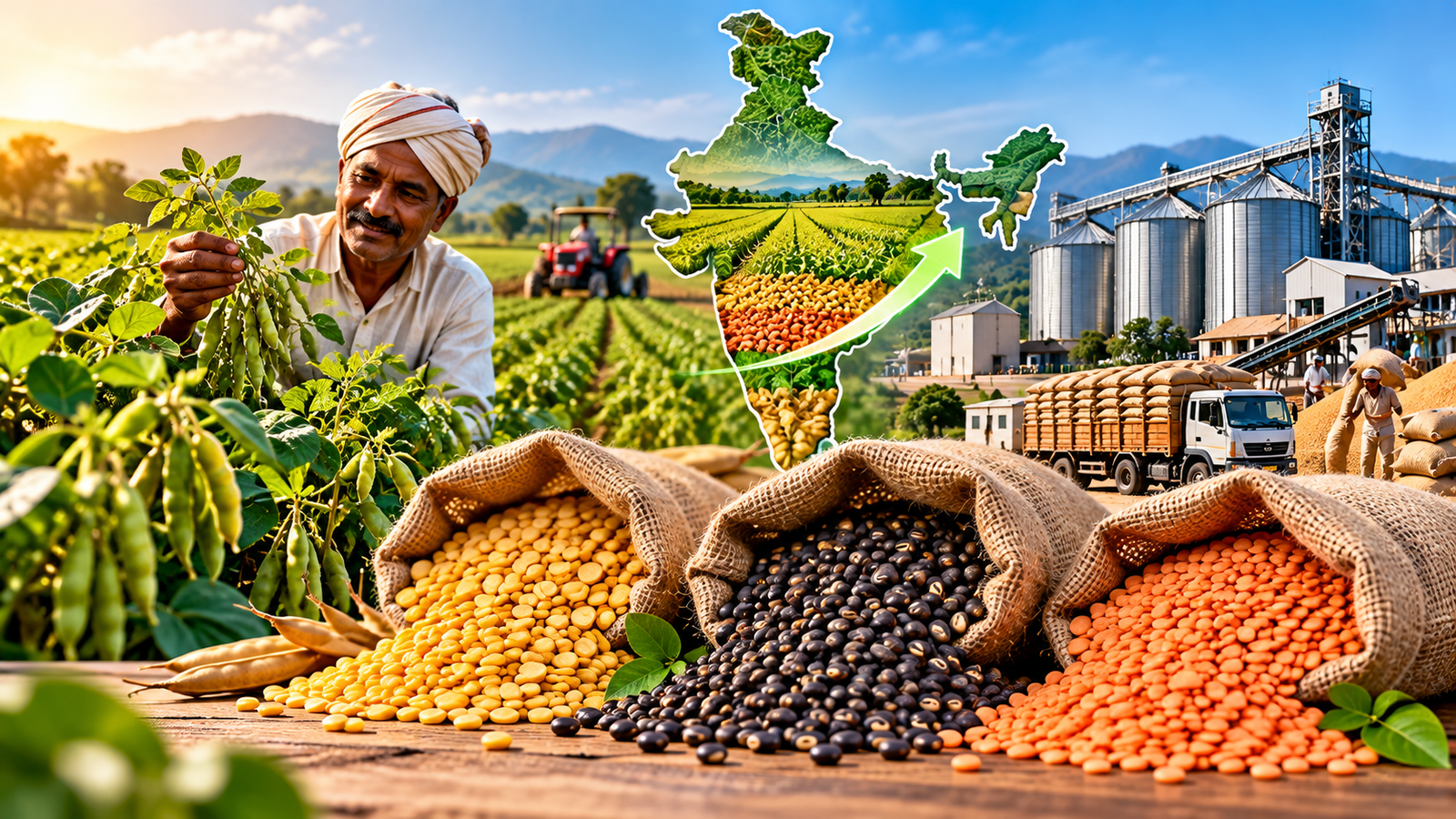
Agriculture
Myanmar is an important supplier of:
- Pulses
- Beans
to India.
Energy Sector
Cooperation exists in:
- Oil exploration
- Natural gas
- Petroleum products
Mining and Natural Resources
Myanmar possesses significant reserves of:
- Natural gas
- Minerals
- Precious stones
which offer opportunities for economic collaboration.
Rupee–Kyat Settlement Mechanism
To facilitate trade, the two countries have introduced:
Rupee–Kyat Trade Settlement
This mechanism allows trade transactions using:
- Indian Rupee
- Myanmar Kyat
instead of relying entirely on third-country currencies.
Benefits
- Lower transaction costs.
- Reduced dependence on foreign exchange.
- Enhanced bilateral trade.
The China Factor in India–Myanmar Relations
Myanmar occupies a strategically important position in the Indo-Pacific region.
It is a key area where major powers seek influence.
Why Does It Matter?
Myanmar is important for:
- Maritime access
- Regional connectivity
- Energy routes
- Strategic influence
India’s infrastructure projects, development assistance, and economic cooperation provide Myanmar with an alternative development partnership.
This helps maintain a balanced regional strategic environment.
Emerging Security Challenges
The security relationship has expanded beyond traditional military concerns.
Cybercrime Networks
Organized cybercrime syndicates operating in parts of Southeast Asia have become a growing concern.
These networks engage in:
- Online fraud
- Digital scams
- Financial cybercrime
Human Trafficking
Both countries are working together to combat:
- Illegal migration
- Human trafficking
- Organized criminal networks
Drug Trafficking
The India–Myanmar border lies close to the:
Golden Triangle Region
One of the world’s major centres of illicit drug production and trafficking.
Cooperation is essential to curb the narcotics trade.
Challenges in India–Myanmar Relations
Despite strong cooperation, several challenges remain.
Political Instability
Domestic political developments in Myanmar often affect bilateral engagement.
Border Management
Difficult terrain makes monitoring the border challenging.
Insurgency
Cross-border insurgent activities remain a concern.
Infrastructure Delays
Connectivity projects have experienced implementation challenges.
India’s Pragmatic Approach Towards Myanmar
India follows a pragmatic policy of engagement with Myanmar.
The approach focuses on:
- Stability
- Connectivity
- Security cooperation
- Economic development
rather than diplomatic isolation.
India believes sustained engagement contributes more effectively to regional peace and development.
Significance for Northeast India
Improved relations with Myanmar can transform the economic prospects of Northeast India.
Benefits
- Better connectivity
- Increased trade
- Tourism development
- Employment generation
- Greater regional integration
This aligns closely with India’s Act East vision.
Way Forward
To further strengthen bilateral relations, India should focus on:
Accelerating Connectivity Projects
Completing the Kaladan Project and Trilateral Highway.
Enhancing Border Security
Improving coordination against insurgent groups and criminal networks.
Expanding Economic Cooperation
Promoting trade, investment, and energy partnerships.
Strengthening People-to-People Ties
Encouraging cultural and educational exchanges.
Supporting Regional Stability
Maintaining constructive engagement with Myanmar.
UPSC Prelims Focus
Important Connectivity Projects
| Project | Purpose |
|---|---|
| Kaladan Multi-Modal Transit Transport Project | Connects Kolkata to Sittwe and Mizoram |
| India–Myanmar–Thailand Trilateral Highway | Connects Moreh to Mae Sot via Myanmar |
Previous Year Question (UPSC Prelims 2015)
Consider the following pairs:
- India–Myanmar–Thailand Trilateral Highway – Connecting Moreh (India) with Mae Sot (Thailand) via Myanmar.
- Kaladan Multi-Modal Transit Transport Project – Connecting Kolkata (India) with Sittwe (Myanmar).
Which of the pairs given above is/are correctly matched?
(a) 1 only
(b) 2 only
(c) Both 1 and 2
(d) Neither 1 nor 2
Correct Answer: (c) Both 1 and 2
Exam Keywords
- India–Myanmar Relations
- Act East Policy
- Neighbourhood First Policy
- Kaladan Multi-Modal Transit Transport Project
- India–Myanmar–Thailand Trilateral Highway
- ASEAN Connectivity
- Border Security
- Northeast India
- Bay of Bengal
- Cross-Border Insurgency
- Rupee–Kyat Settlement
- Cybercrime
- Human Trafficking
- Strategic Connectivity
UPSC Syllabus Reference
GS Paper II – India and Its Neighbourhood, Bilateral Relations, International Relations, Regional Groupings, Connectivity Initiatives, and Internal Security Challenges Along Borders.