
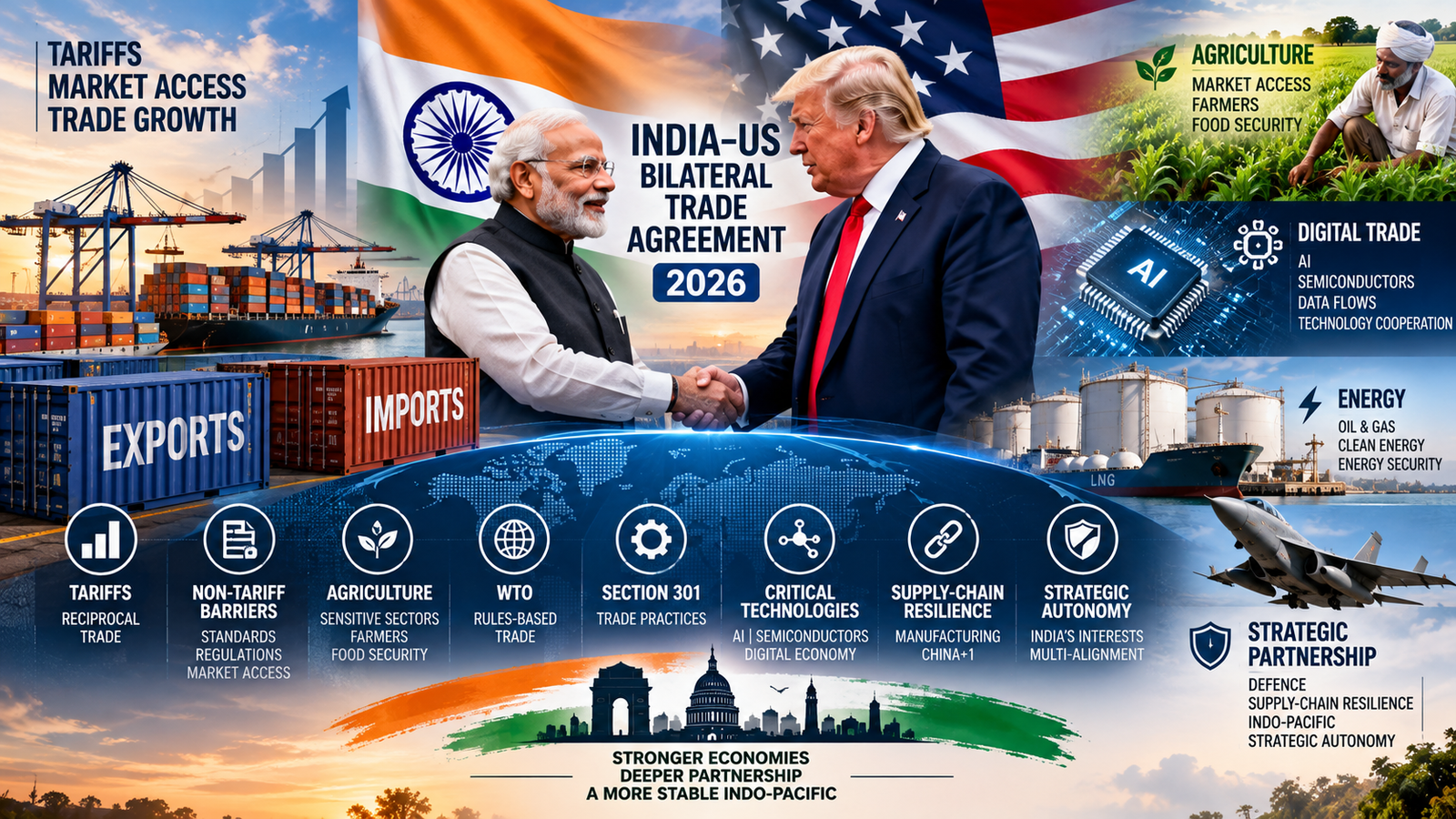
India–US Bilateral Trade Agreement 2026
India–US BTA 2026: Tariffs, trade negotiations, agriculture, WTO, Section 301, digital trade, critical technologies, energy, supply-chain resilience and strategic autonomy explained for UPSC & HPPSC.
India–US BTA 2026: Tariffs, trade negotiations, agriculture, WTO, Section 301, digital trade, critical technologies, energy, supply-chain resilience and strategic autonomy explained for UPSC & HPPSC.
Understand Money Supply in India from zero level with this complete guide to M0, M1, M2, M3 and M4. Learn liquidity, monetary aggregates, RBI’s role, inflation, monetary policy, and key concepts essential for UPSC, HPPSC and other competitive exams.

India’s expanding network of Free Trade Agreements (FTAs) is opening new markets and strengthening global trade partnerships. However, challenges such as rising trade deficits, low utilization rates, inverted duty structures, and manufacturing competitiveness continue to shape the debate on India’s trade strategy.
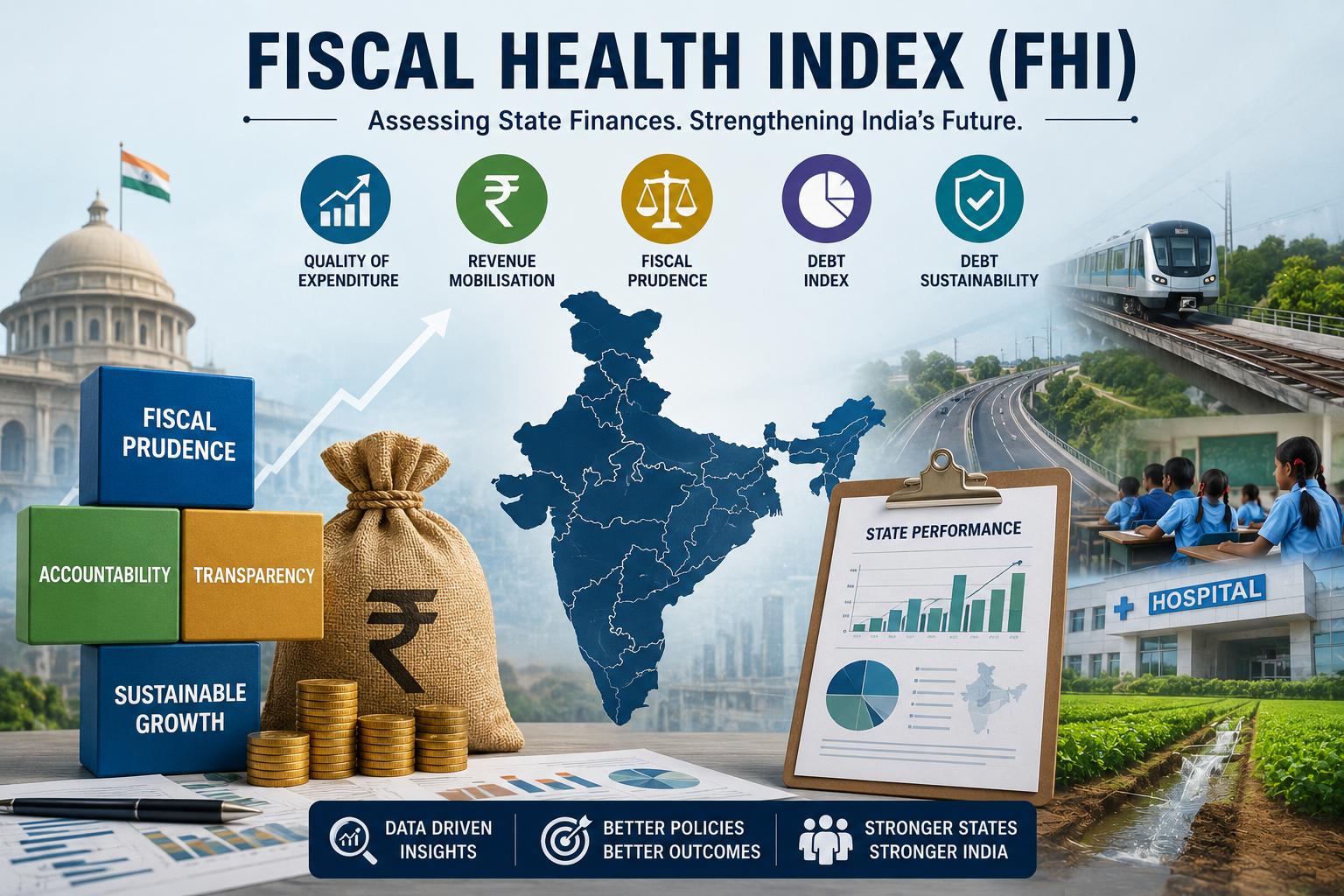
The Fiscal Health Index (FHI) evaluates the financial performance of Indian states through indicators such as revenue mobilisation, expenditure quality, fiscal prudence, and debt sustainability. It has sparked debate on balancing sound public finances with social development outcomes.

India and Venezuela are strengthening their strategic partnership through growing cooperation in oil, energy security, and critical minerals. As India diversifies its energy imports, Venezuela is emerging as a key partner in securing long-term resource and economic interests.
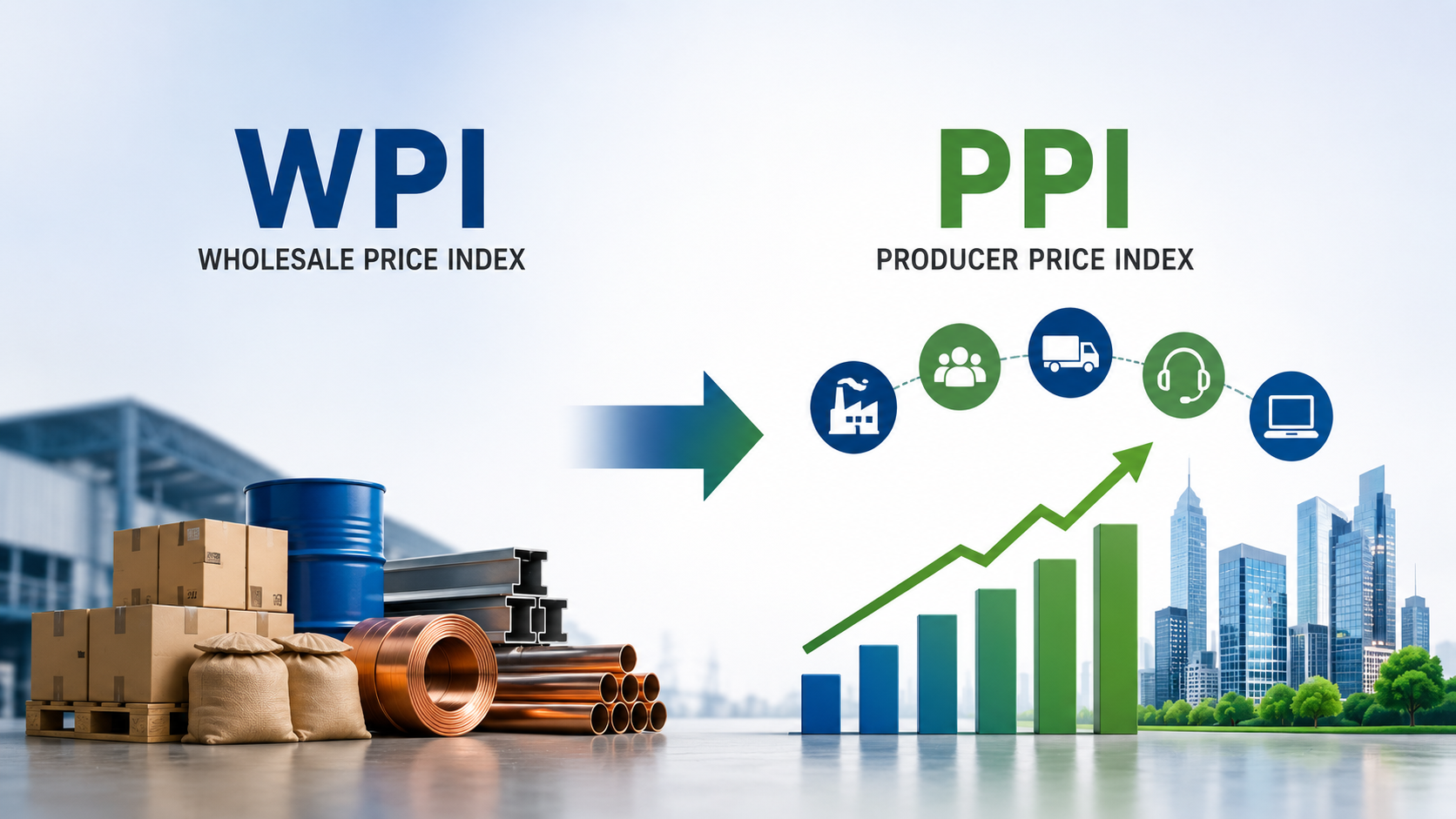
India is set to replace the Wholesale Price Index (WPI) with the more comprehensive Producer Price Index (PPI), marking a major reform in inflation measurement. The shift will improve price tracking by covering both goods and services while aligning with global standards.
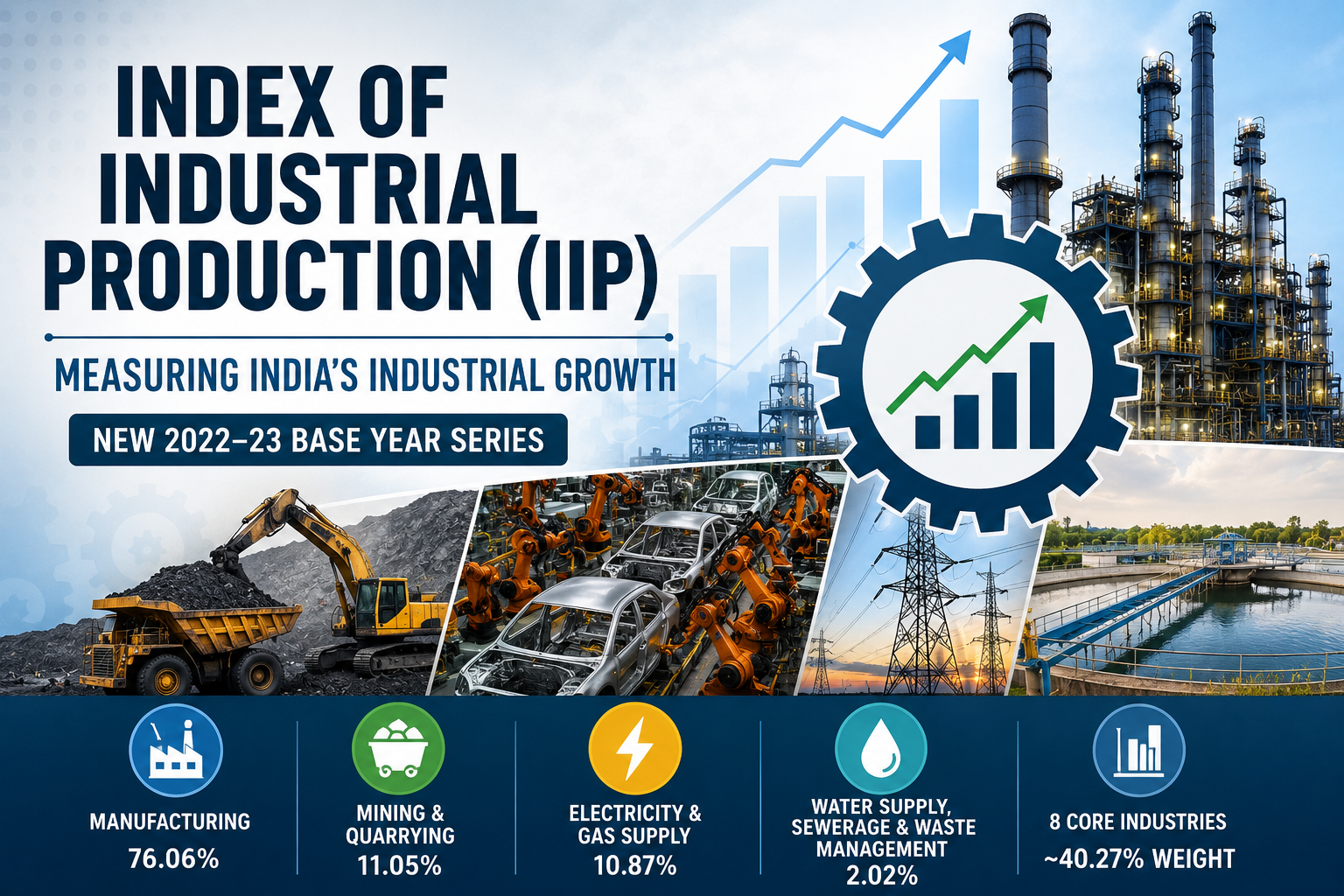
The Index of Industrial Production (IIP) is a key indicator of India’s industrial performance. With the new 2022–23 base year, it offers a more accurate picture of manufacturing, mining, utilities, and core sector growth driving the economy.
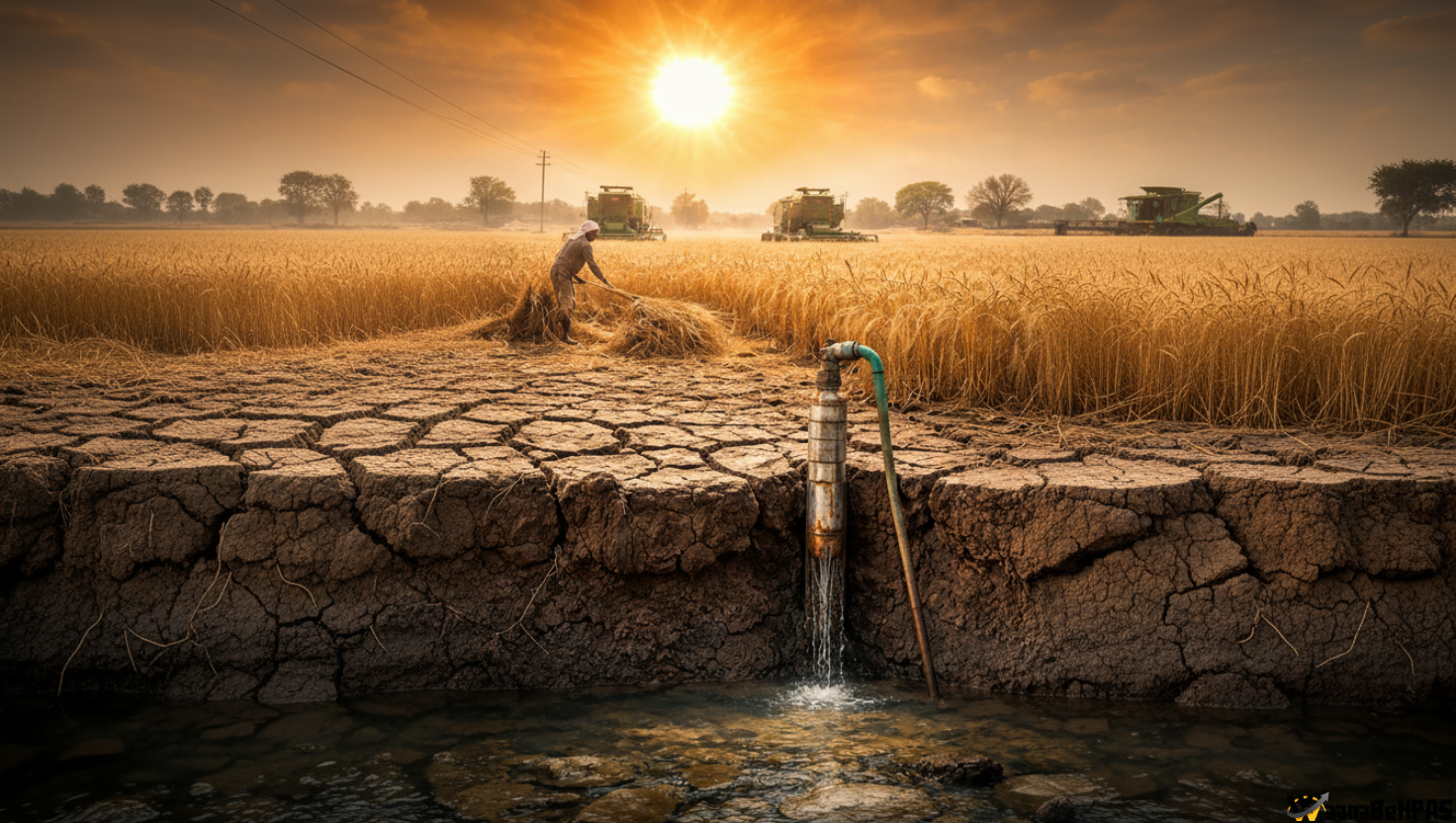
Rising Thermal Stress and Aquifer Depletion are reshaping North India’s food bowl, threatening wheat yields, groundwater security, and national food stability as heatwaves intensify and aquifers rapidly decline.
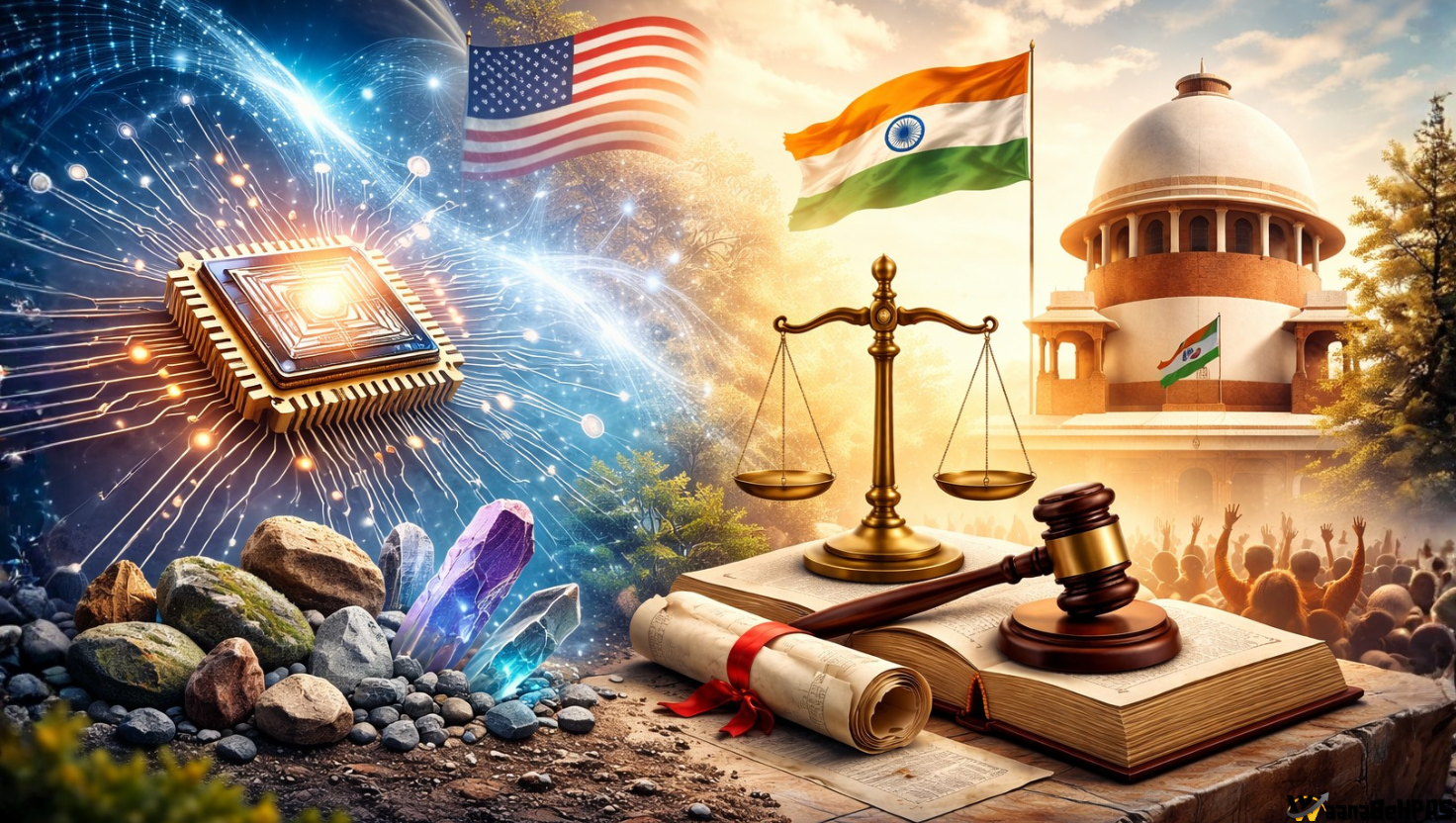
India’s entry into Pax Silica signals a strategic shift in global tech geopolitics, even as debates over Article 176 highlight tensions in federal governance. Together, they reflect India’s challenge of balancing technological ambition with constitutional integrity.

Startup India Fund of Funds 2.0 marks a strategic shift from startup quantity to deep-tech quality, mobilising domestic patient capital through AIFs to support innovation, advanced manufacturing, and long-term industrial scaling, strengthening India’s innovation ecosystem and economic resilience.

Excerpt: UNESCO has added three Indian sites to its Tentative

Explore ICMR-CHAMP at Keylong, Himachal Pradesh—its objectives, research areas, importance
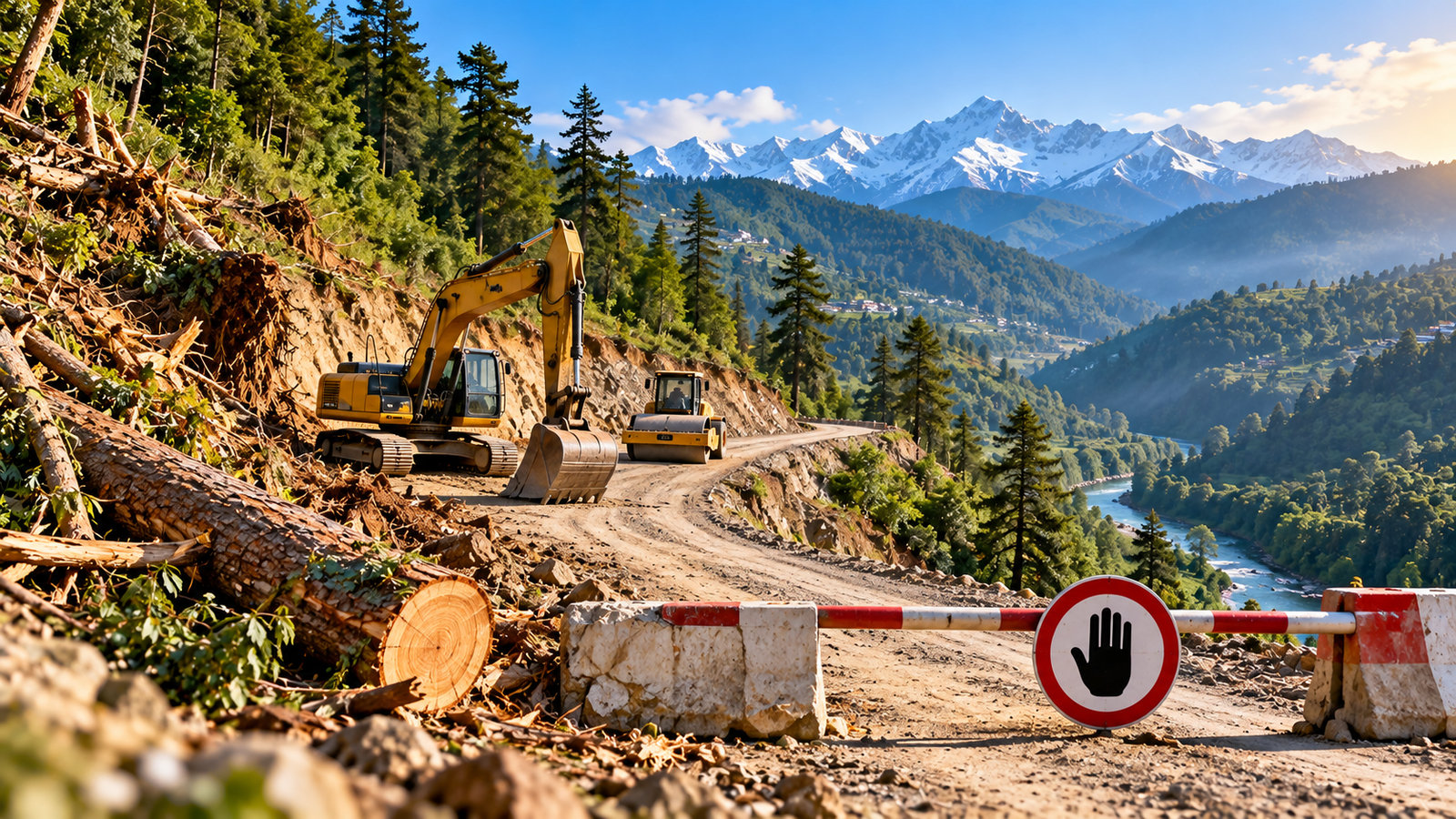
Himachal Pradesh High Court halts forest road construction and tarring
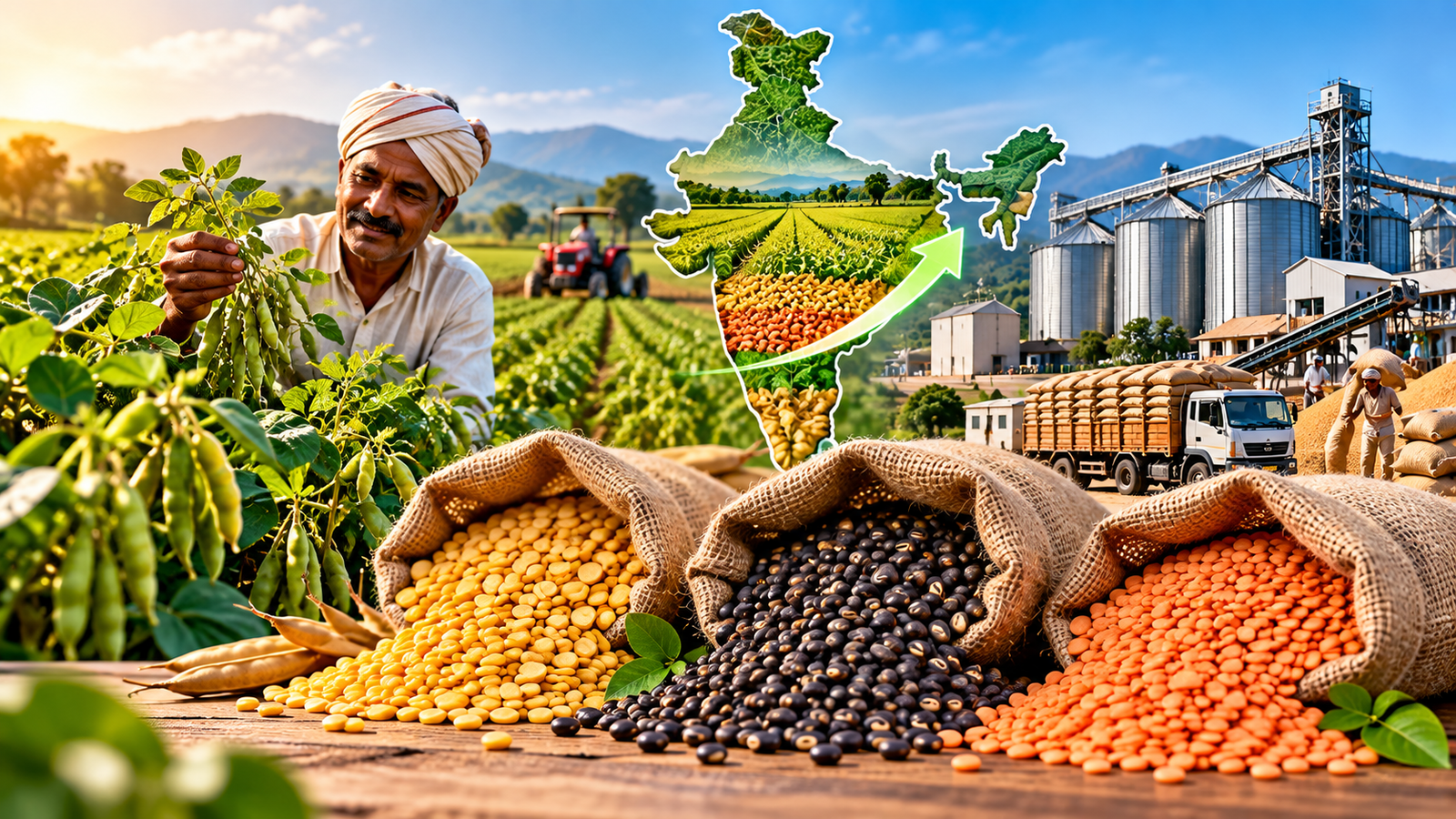
Mission for Aatmanirbharta in Pulses 2026: Explore the ₹11,440 crore

Living Planet Report 2026: Explore the 73% decline in monitored
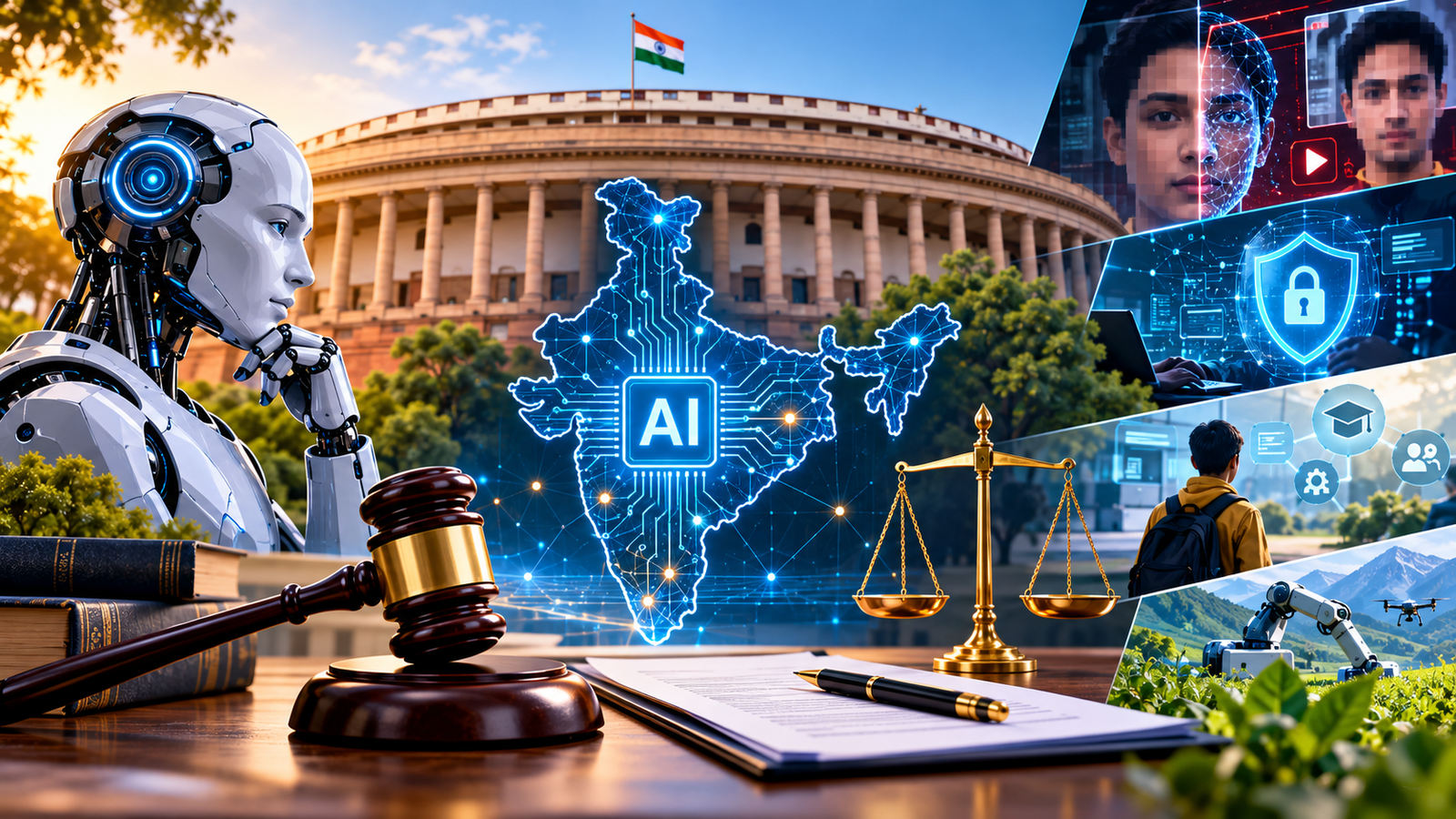
India AI Regulation 2026: Understand the proposed AI regulatory framework,