
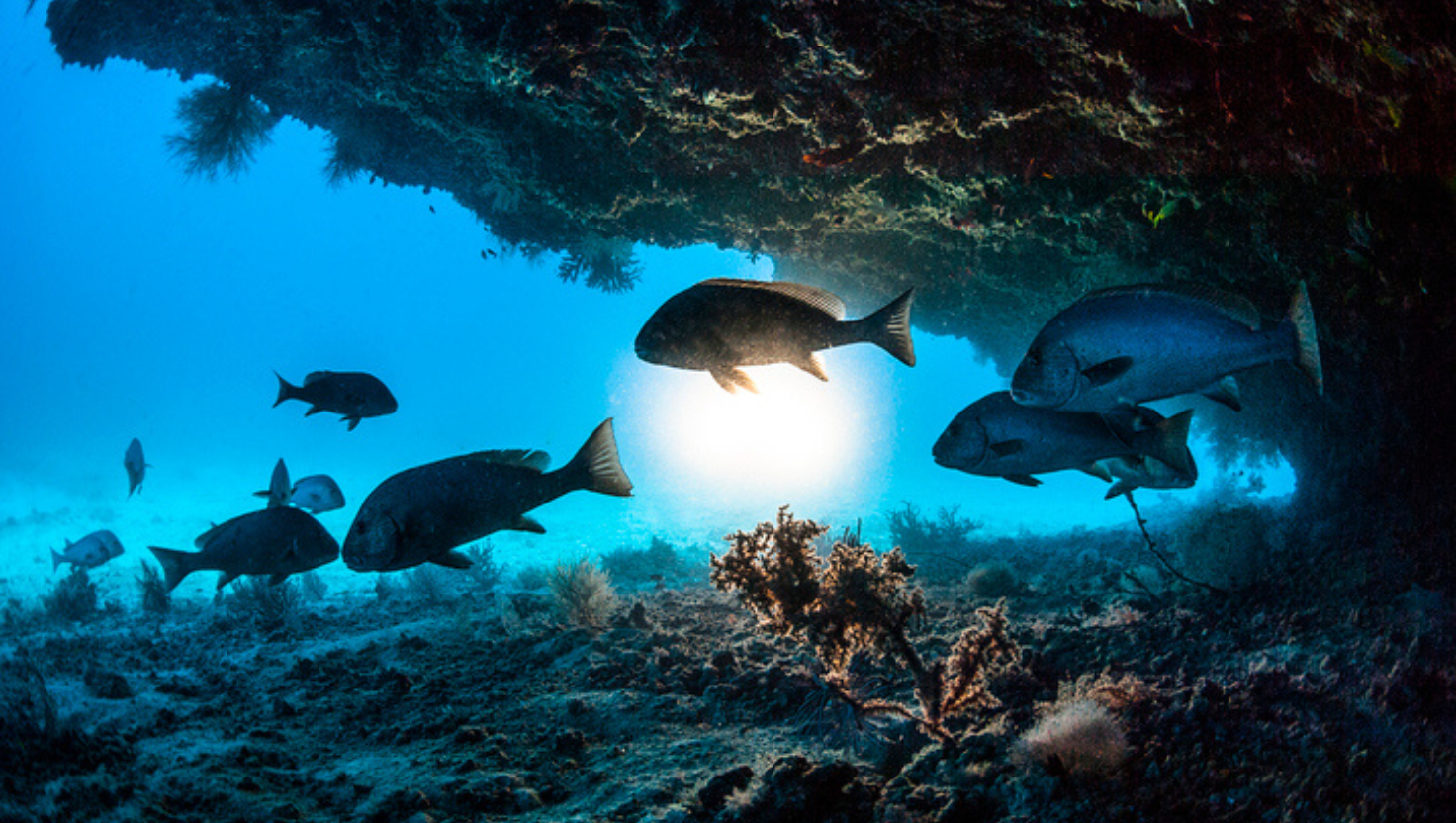
Marine Fisheries Census 2025
India launches its first digital, geo-tagged Marine Fisheries Census 2025 to map fisher livelihoods and boost sustainable blue economy planning.
India launches its first digital, geo-tagged Marine Fisheries Census 2025 to map fisher livelihoods and boost sustainable blue economy planning.

Chakra Bisoi, nephew of Dora Bisoi, led the Khond rebellion (1840–56) in Odisha against British rule, defending tribal rights and resisting oppression.

Alluri Sitarama Raju led the Rampa Rebellion (1922–24) in Andhra Pradesh, fighting British oppression; executed in 1924, he’s hailed as “Manyam Veerudu

Thalakkal Chanthu, a Kurichya leader under Pazhassi Raja, led the 1802 Panamaram revolt against the British; captured and executed in 1805.

U Tirot Sing Syiem, Khasi chief of Nongkhlaw, led an early revolt (1829–33) against British rule; died in captivity on July 17, 1835.

Bharat Taxi, India’s first cooperative cab service, empowers drivers as owners, ensuring fair income, transparency, and affordable mobility.

Draft Legal Metrology (IST) Rules 2025 aim to establish “One Nation, One Time” ensuring precise, synchronized time across India.
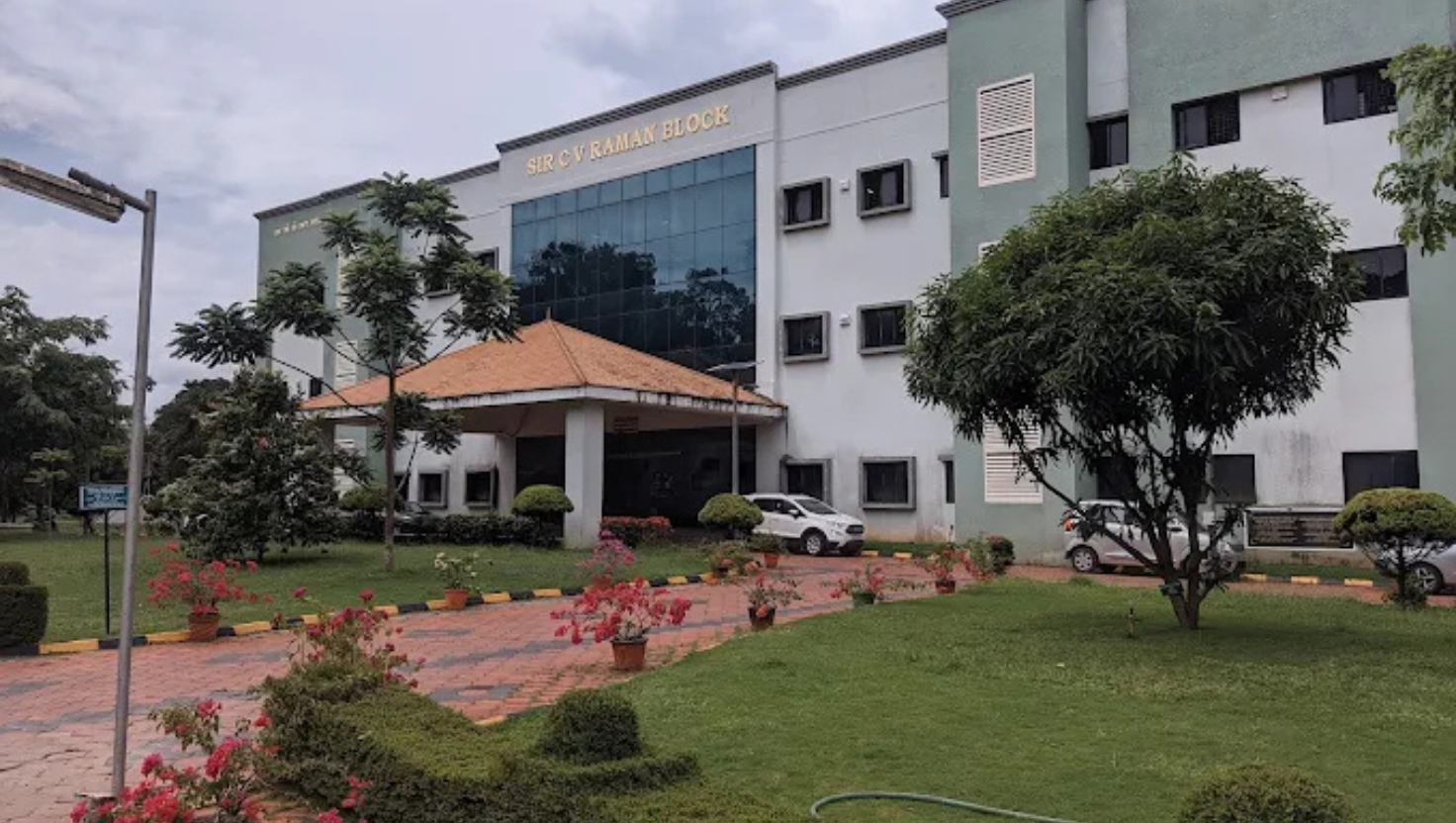
CSIR–NIIST, Thiruvananthapuram, conducts interdisciplinary R&D in agroprocessing, materials, energy, and environmental technology.
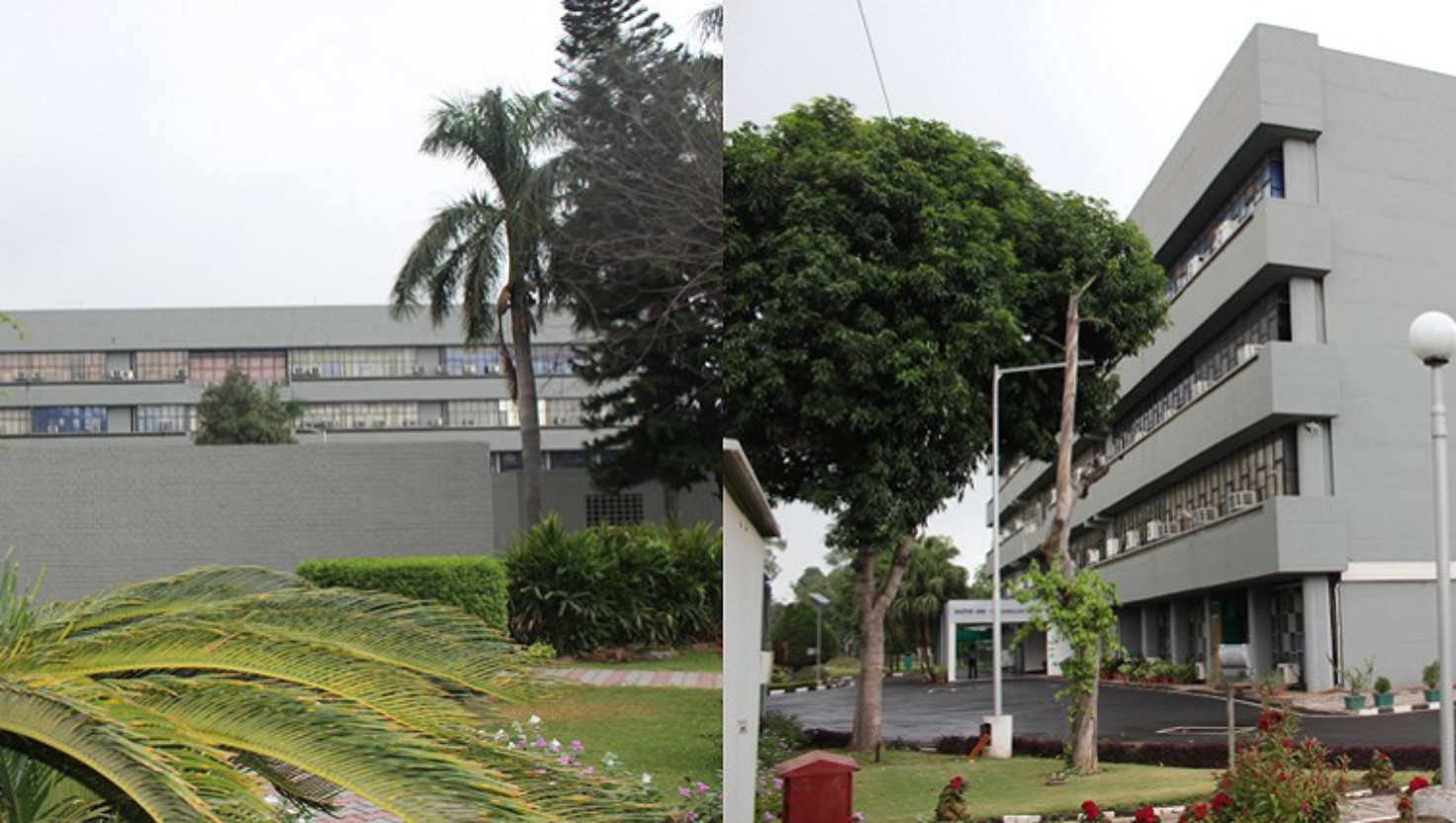
CSIR-CSIO, Chandigarh, develops advanced scientific instruments, drives R&D, and supports innovation under the Ministry of Science & Tech.

PRL, founded by Vikram Sarabhai in 1947 under the Dept. of Space, is India’s premier institute for space and allied sciences research.

BRICS 2026: Explore the 18th BRICS Summit in New Delhi,
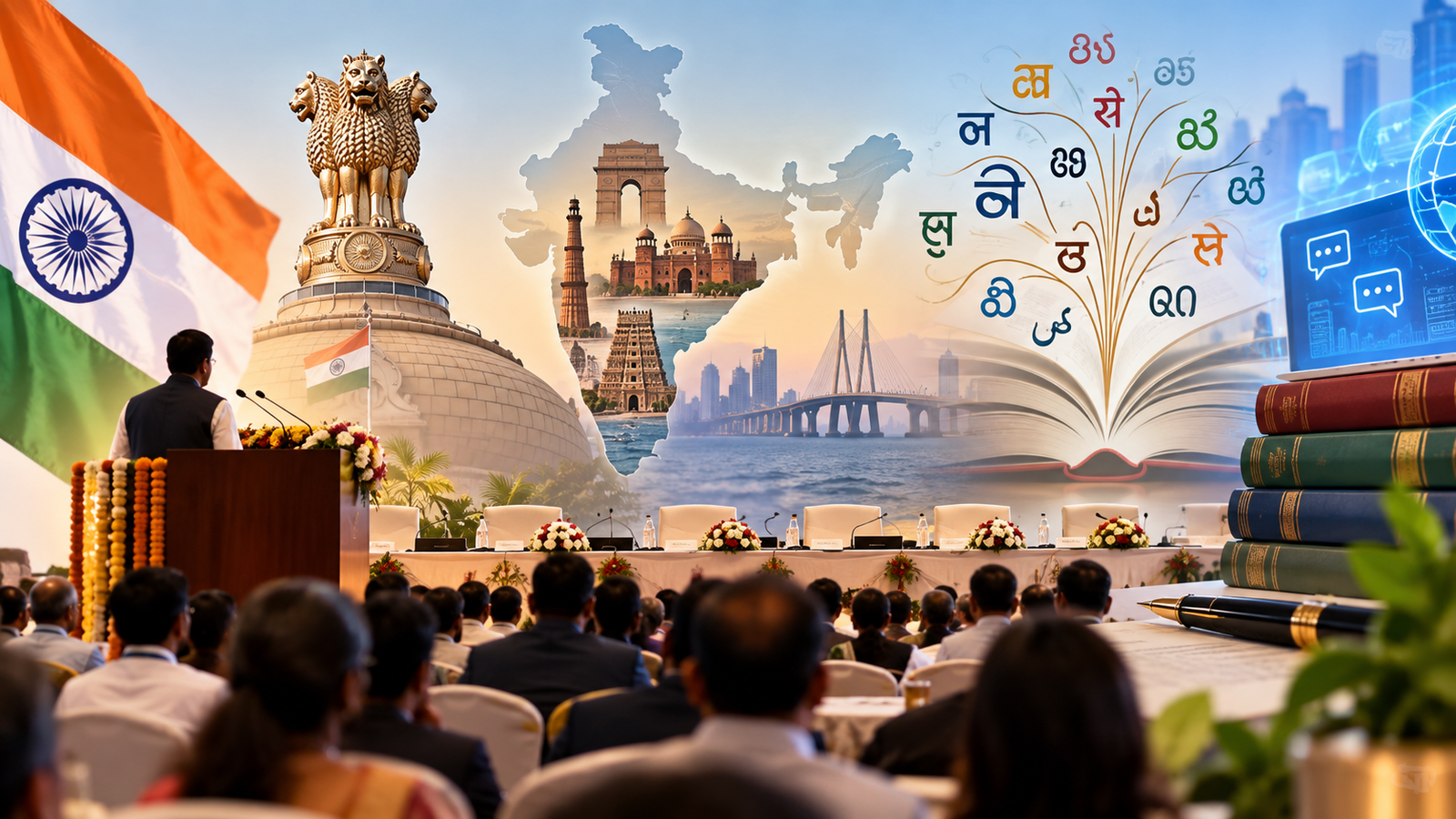
6th All India Official Language Conference 2026 in Navi Mumbai:

Discover how Bay of Bengal low-pressure systems shape India’s monsoon,
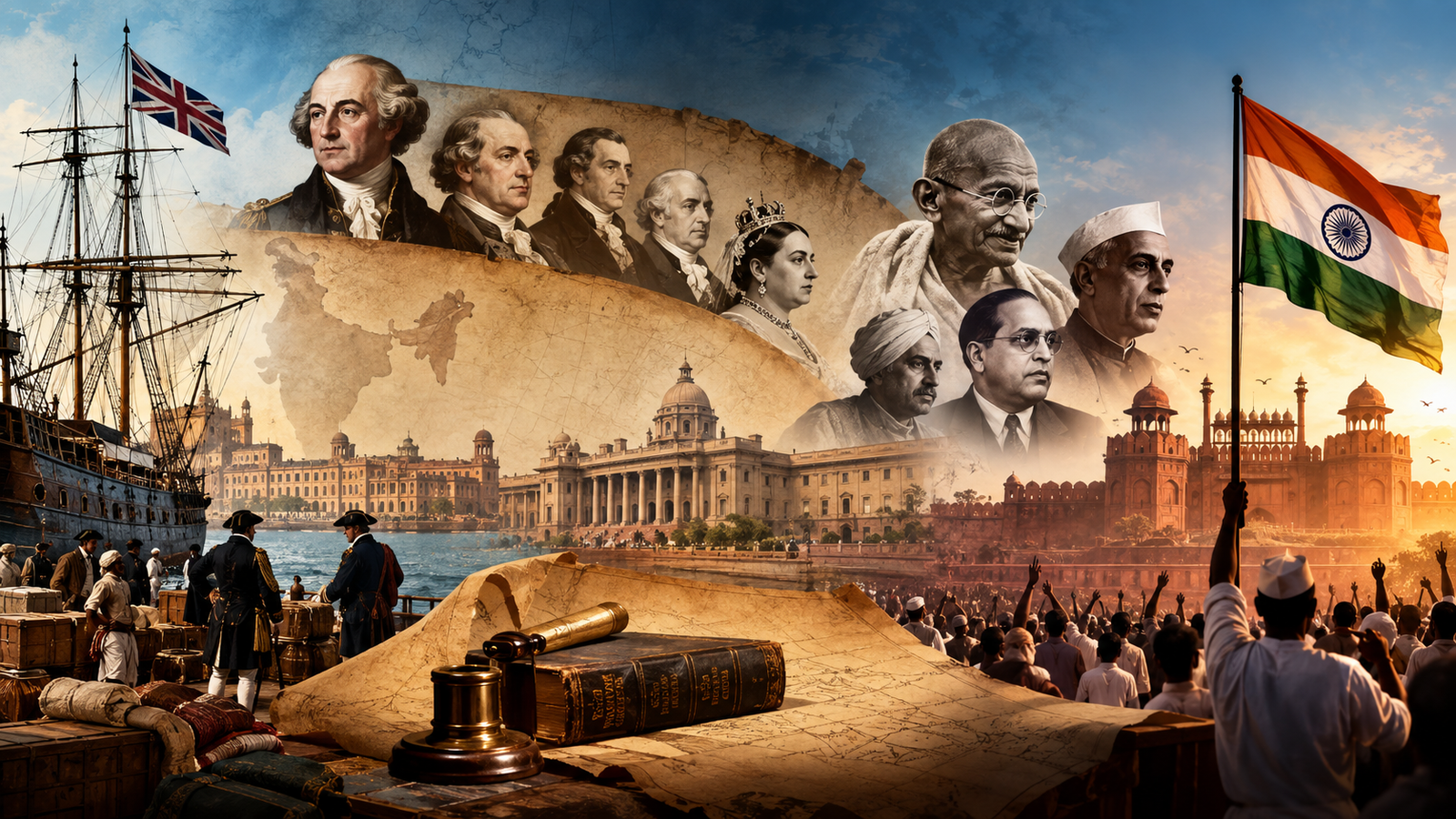
Explore the constitutional evolution of India from East India Company

Yojana June 2026 explores India’s journey towards a Naxal-free Bharat,
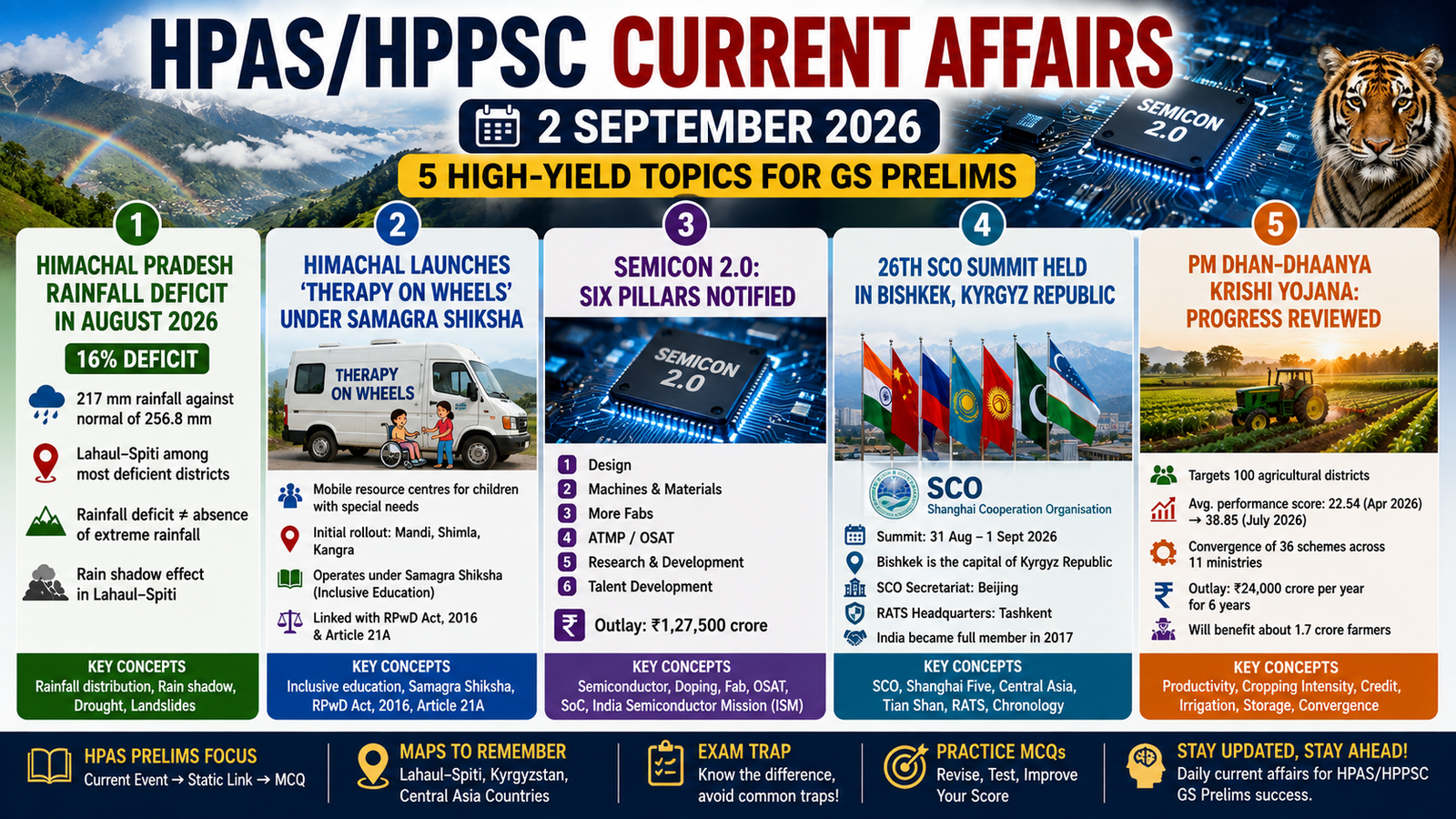
HPAS/HPPSC Current Affairs 2 September 2026: Himachal rainfall deficit, Therapy