
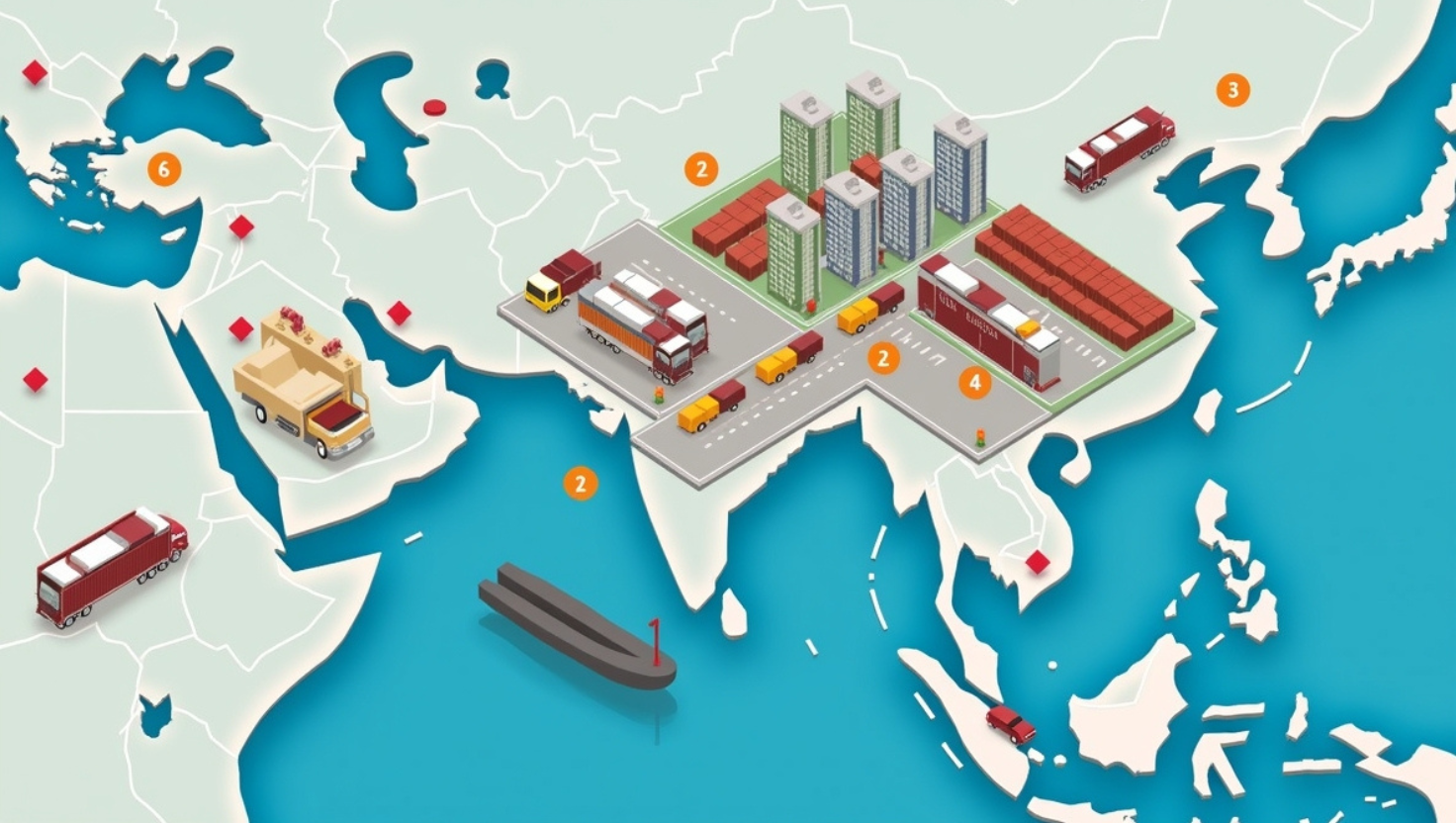
Logistics Ease Across Different States (LEADS) 2025
LEADS 2025 ranks Indian States on logistics efficiency, guiding infrastructure planning, policy reforms, and supply chain improvements for smoother trade.
LEADS 2025 ranks Indian States on logistics efficiency, guiding infrastructure planning, policy reforms, and supply chain improvements for smoother trade.
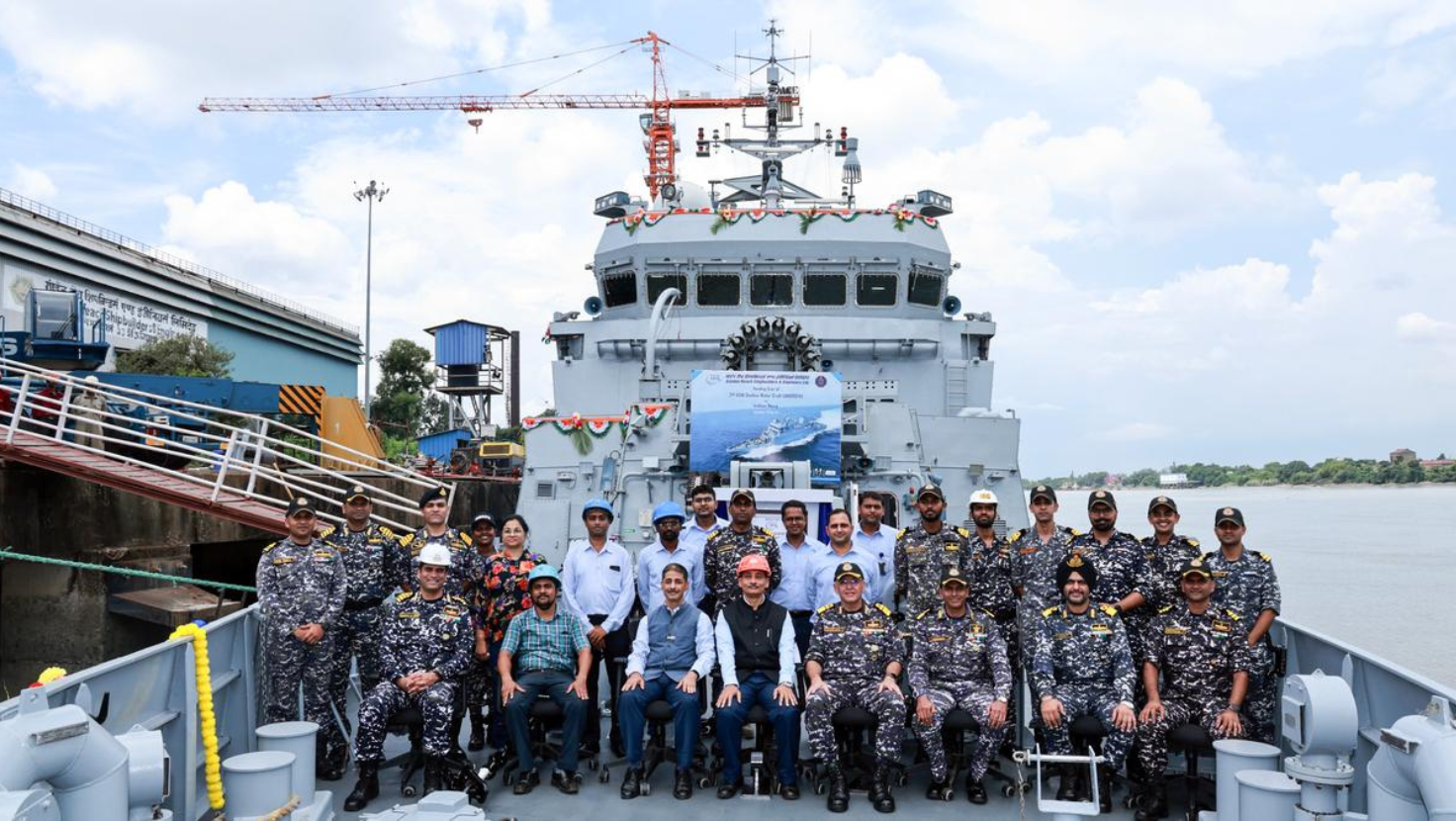
Indian Navy inducts Androth, second indigenously built ASW Shallow Water Craft, enhancing coastal and anti-submarine capabilities.
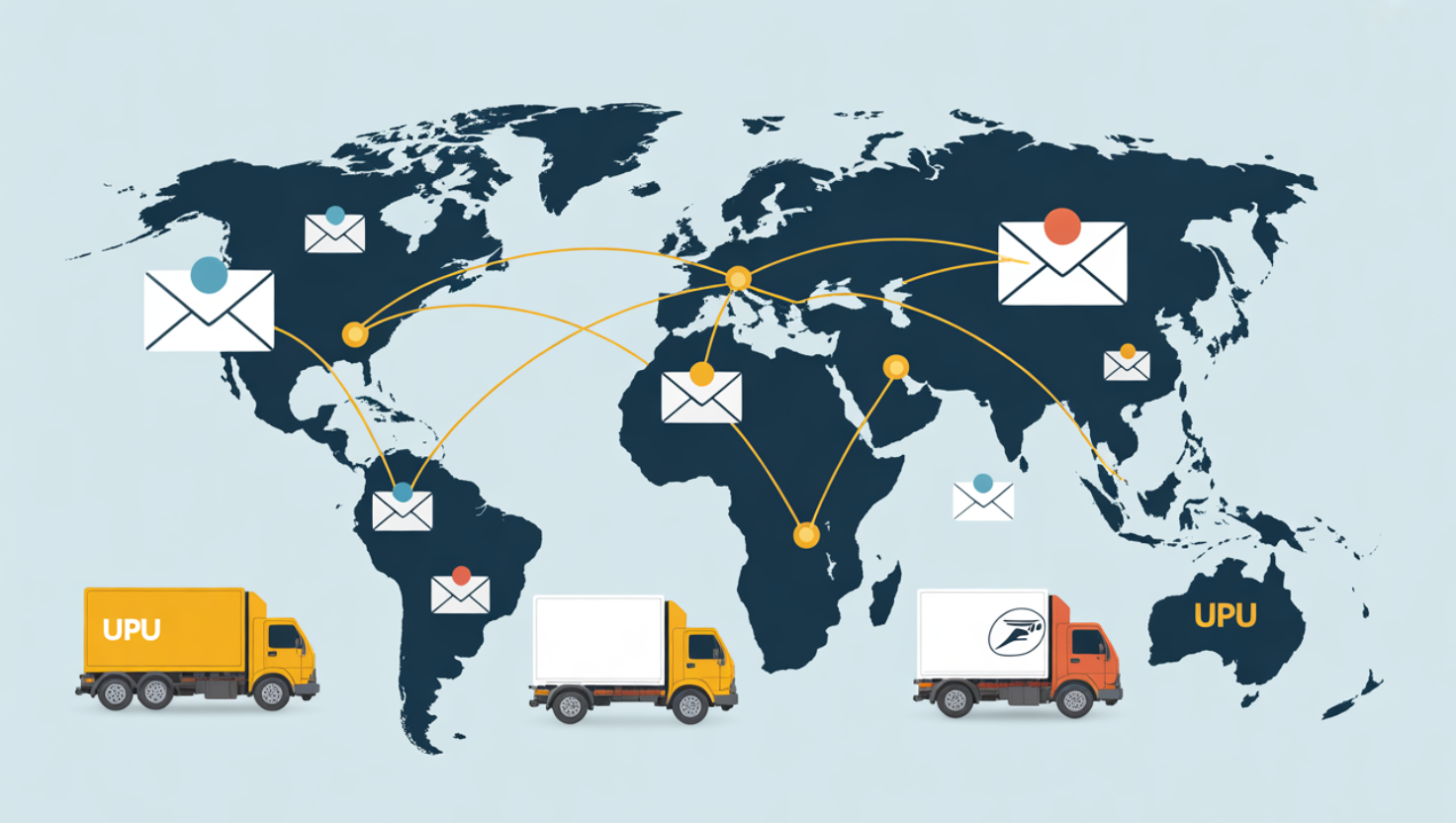
India re-elected to the Council of Administration and Postal Operations Council of the Universal Postal Union (UPU).
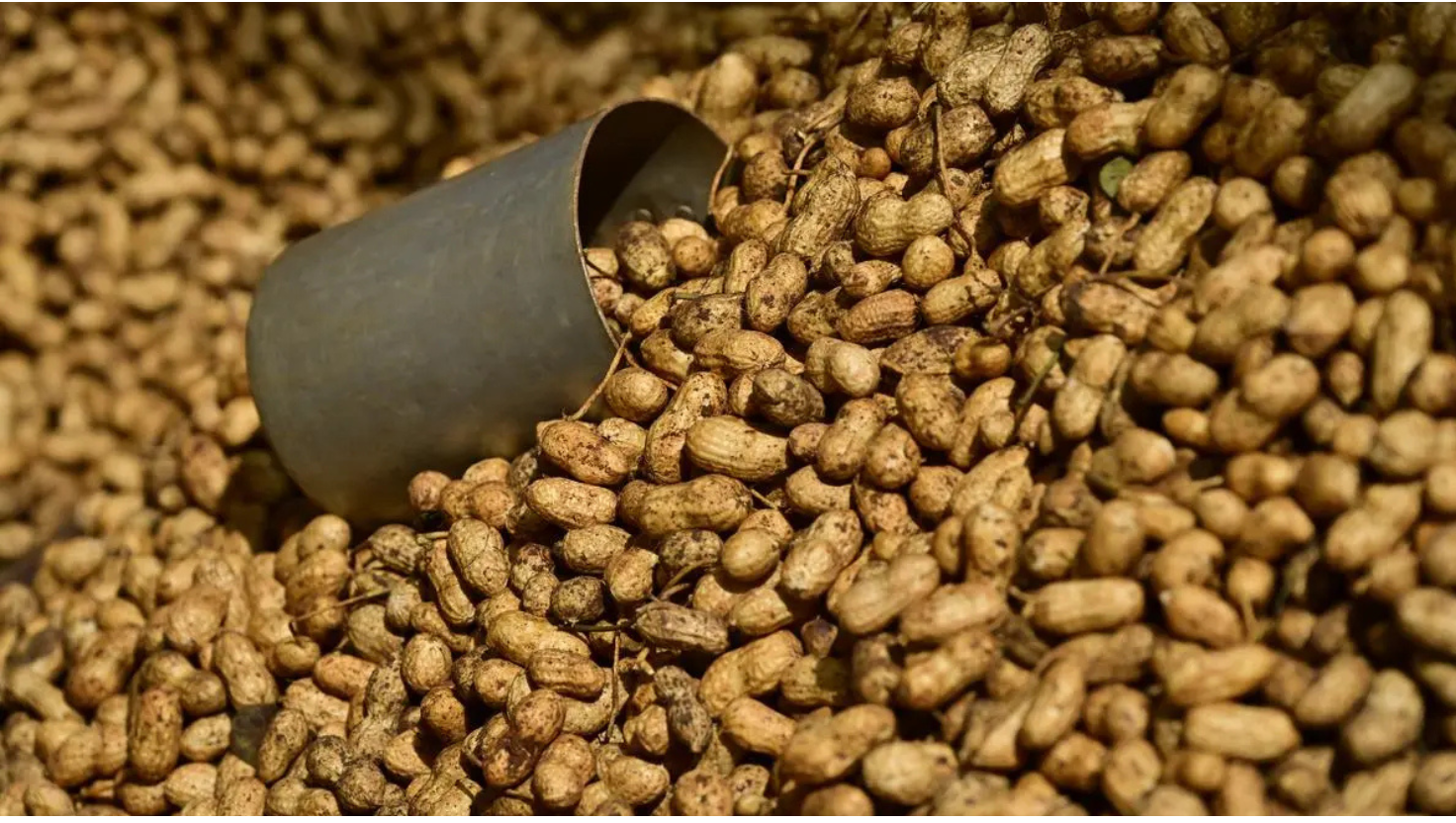
Indonesia halts Indian groundnut imports due to aflatoxin contamination, raising food safety and trade concerns.
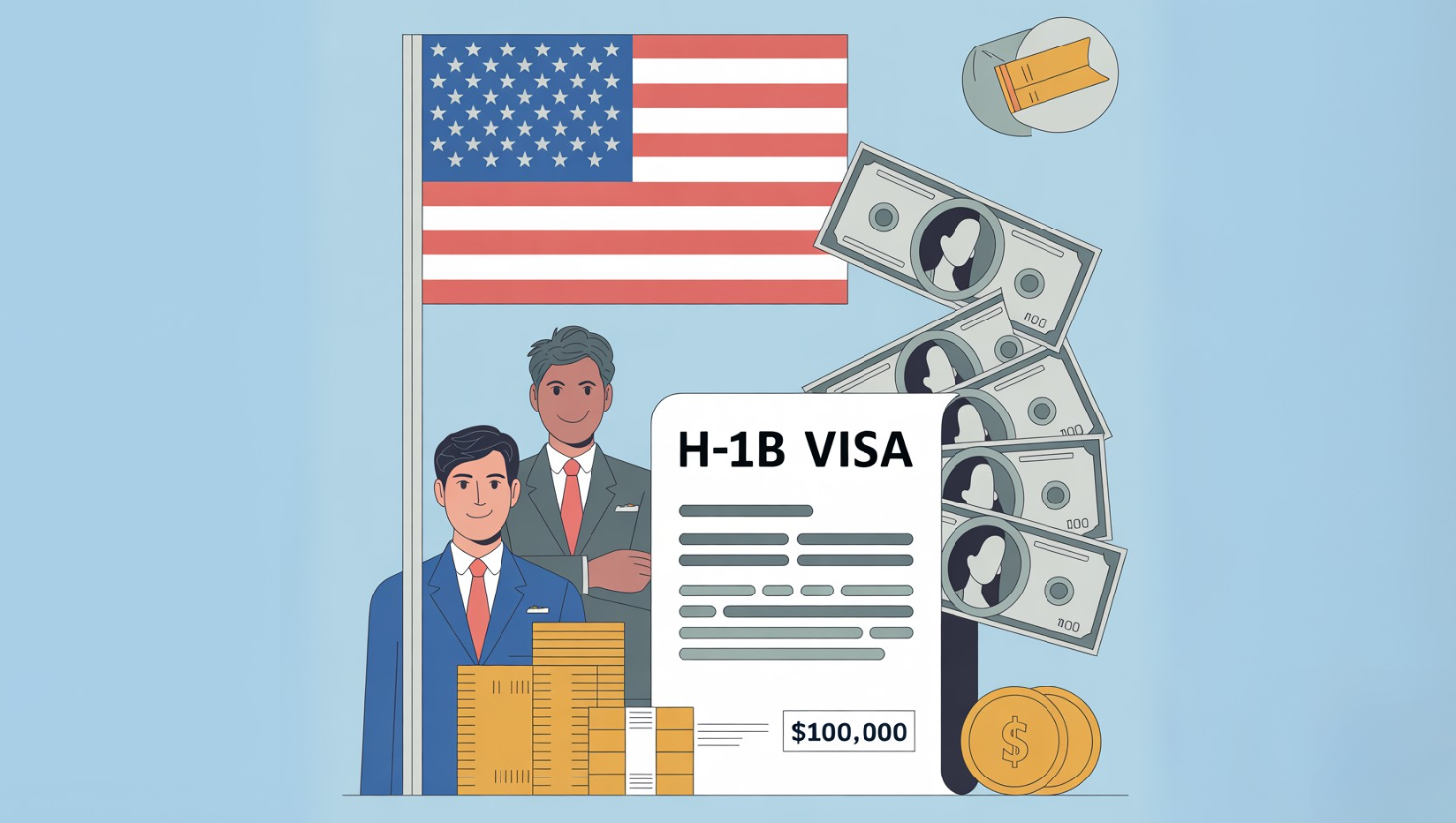
US hikes H-1B visa fee to $100,000, raising costs for Indian IT firms and affecting skilled workforce migration.
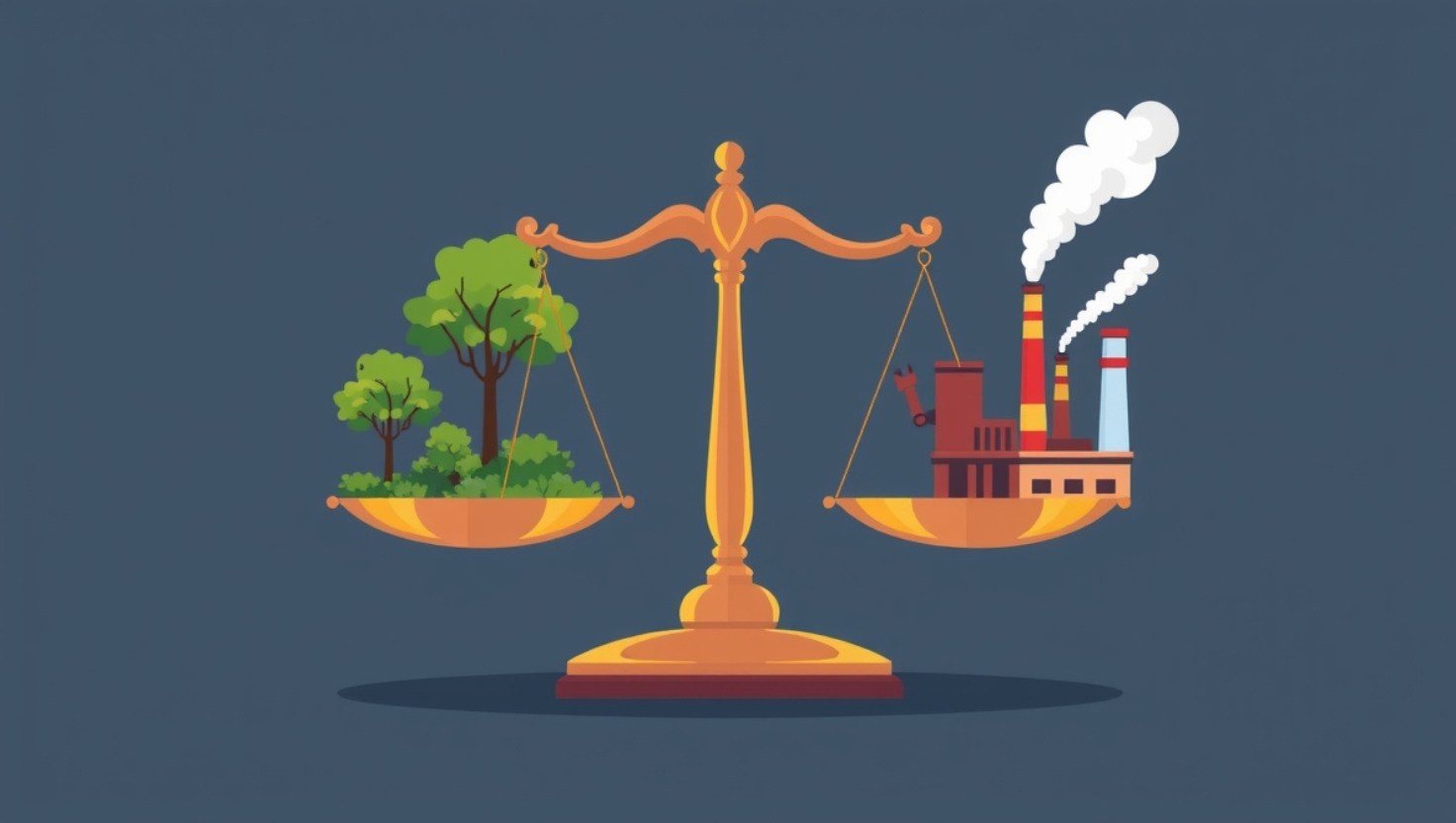
The Environment (Protection) Act, 1986 empowers India to prevent pollution and safeguard natural resources, forests, and wildlife.
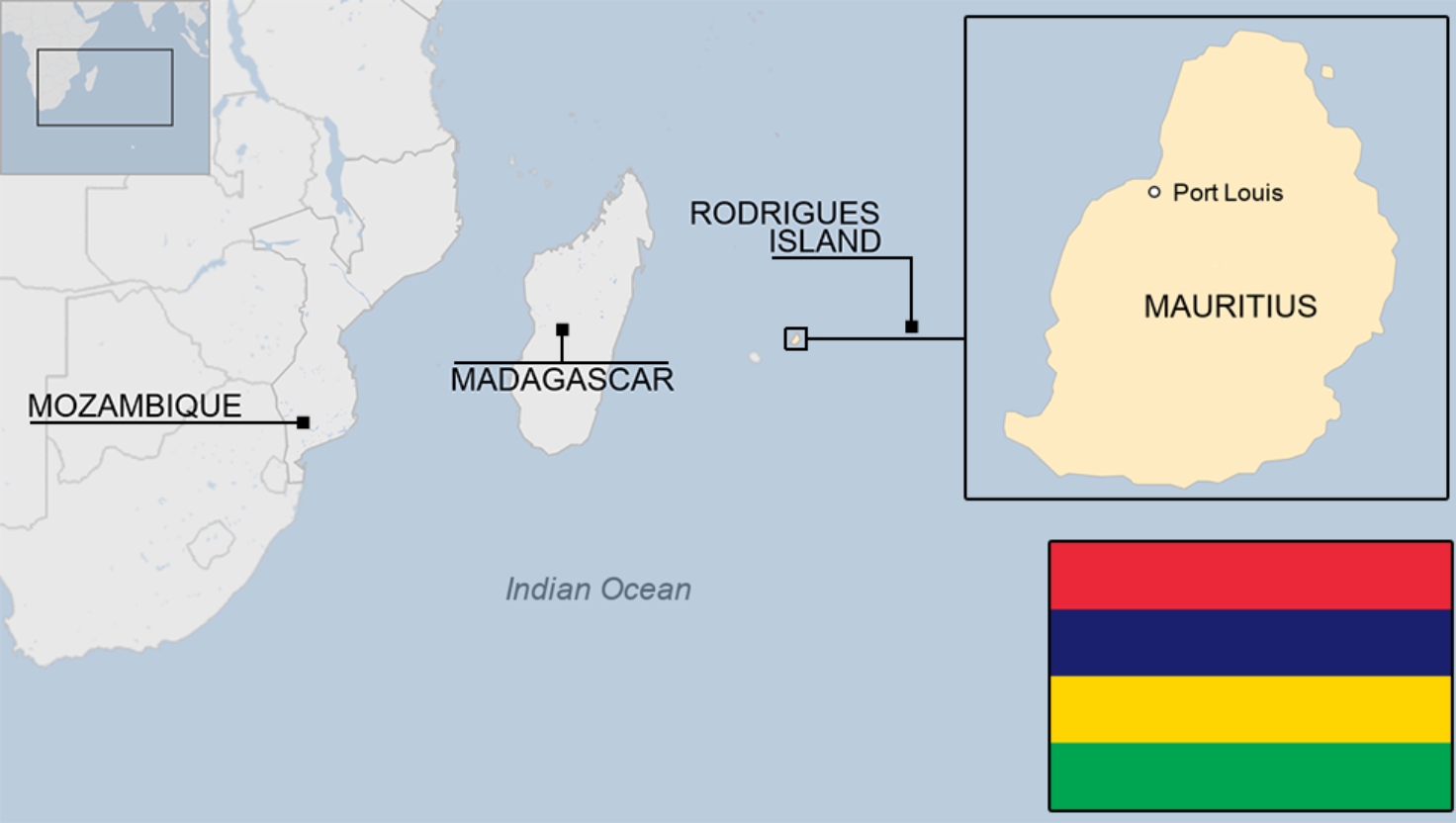
Mauritius, an island nation in the Indian Ocean with strong Indo-Mauritian ties, plays a key role in India’s neighbourhood relations and maritime strategy.
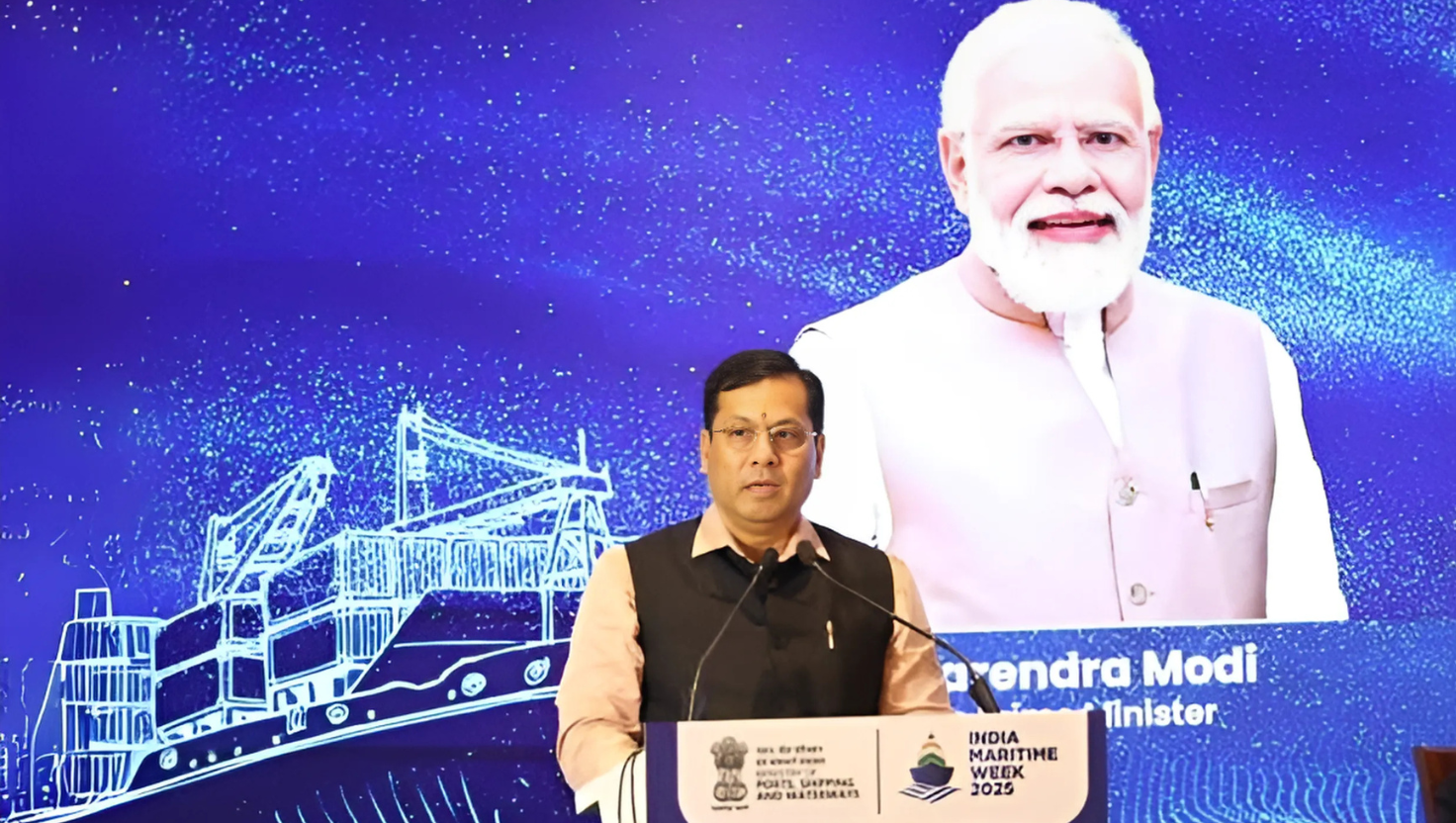
India’s first port-based Green Hydrogen Pilot Project at VOC Port promotes clean energy, green shipping, and reduced fossil fuel use under Viksit Bharat 2047.

On Teacher’s Day, India honours Dr. Sarvepalli Radhakrishnan for his contributions to education, philosophy, and nation-building as a statesman and scholar.
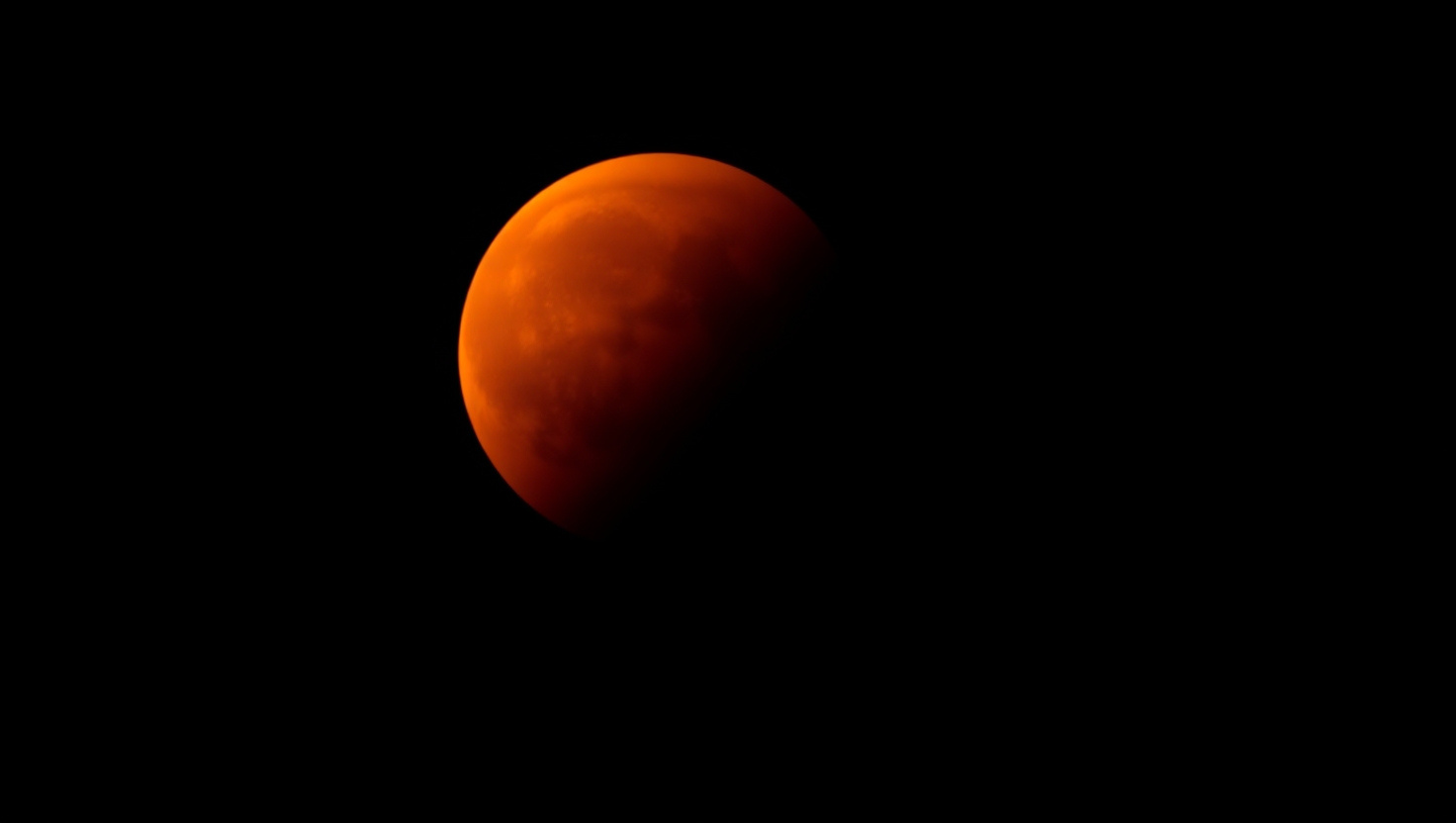
A Blood Moon occurs when Earth’s shadow makes the moon appear red by bending sunlight through the atmosphere during a lunar eclipse.
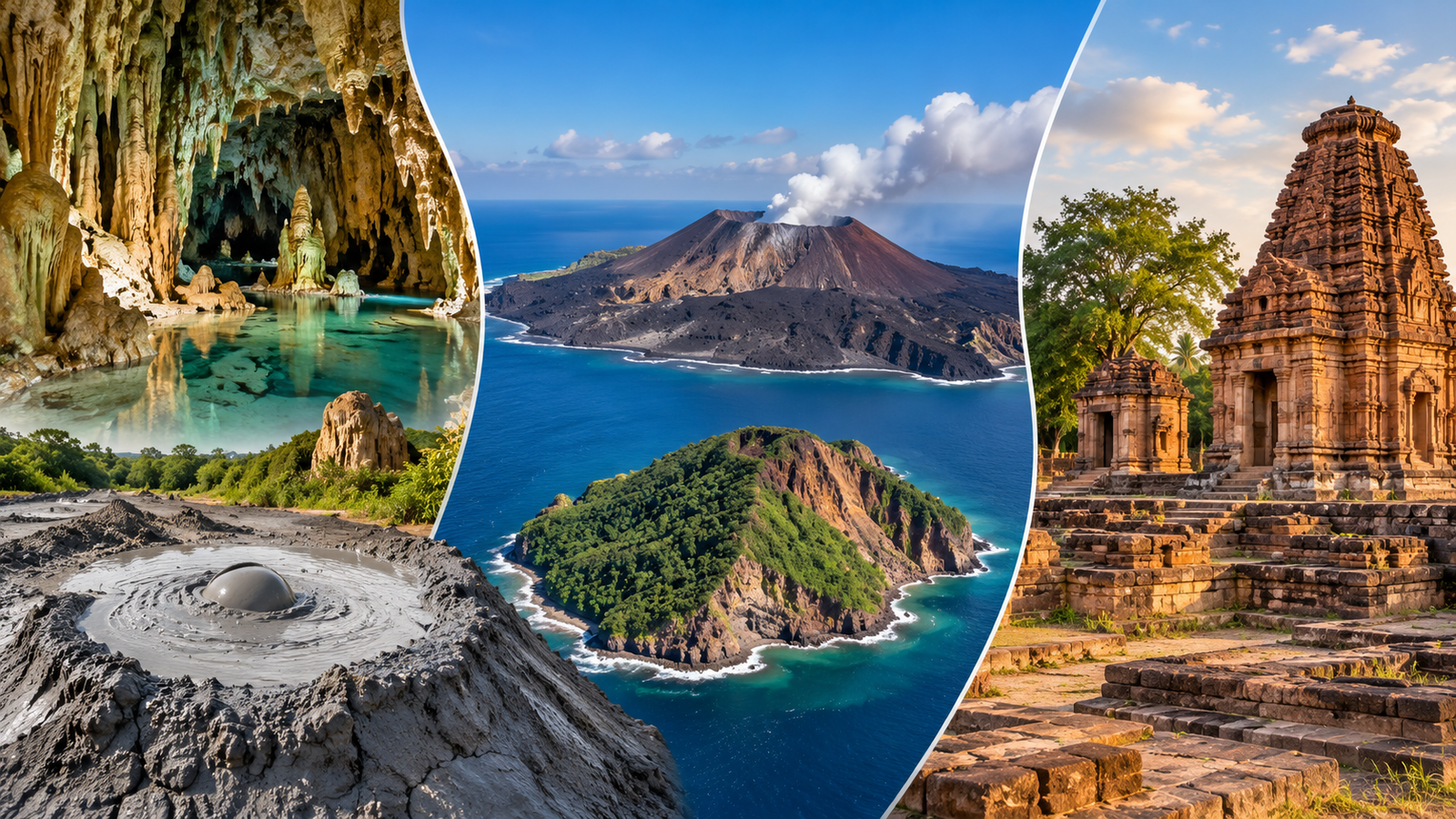
Excerpt: UNESCO has added three Indian sites to its Tentative

Explore ICMR-CHAMP at Keylong, Himachal Pradesh—its objectives, research areas, importance
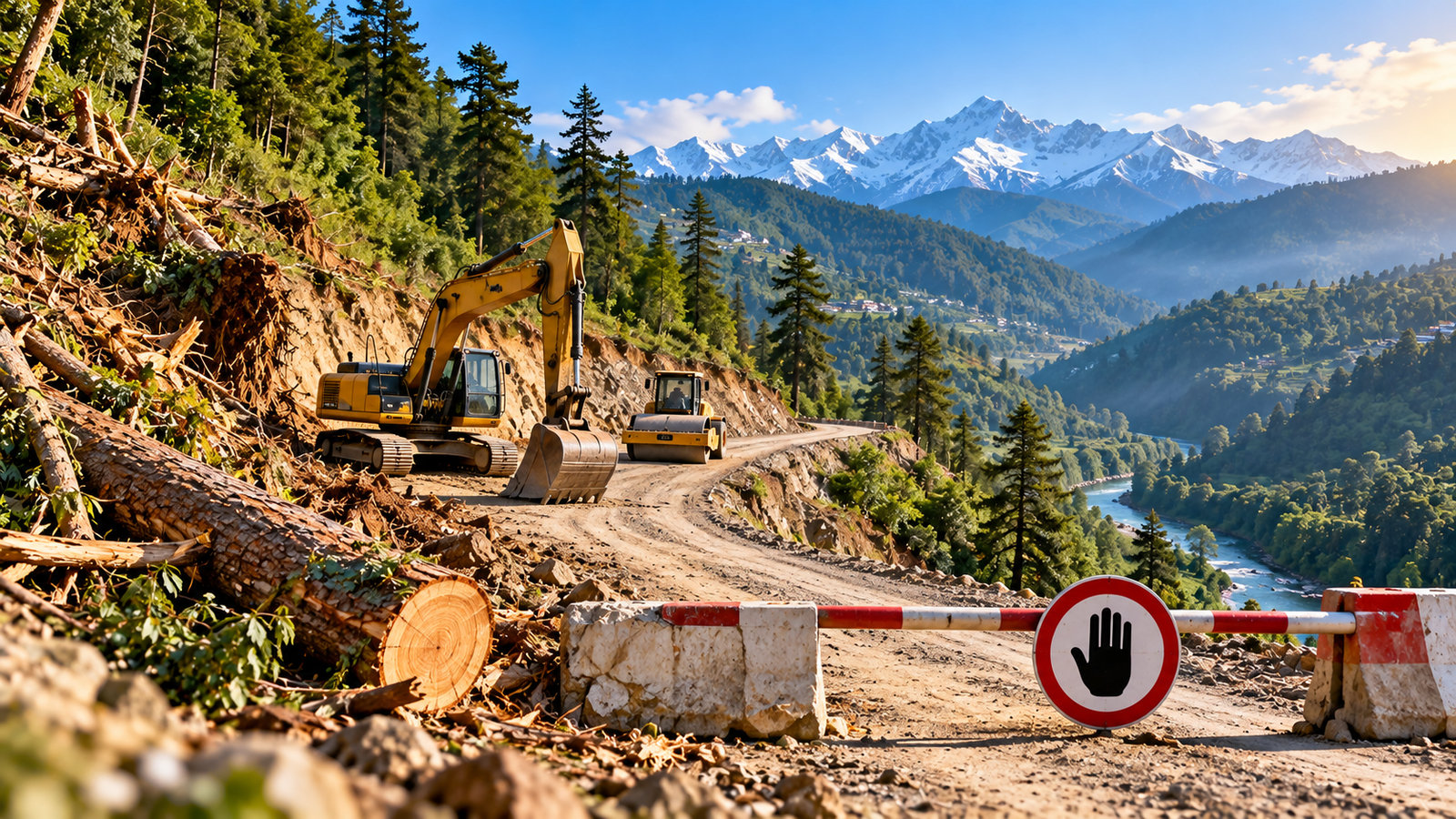
Himachal Pradesh High Court halts forest road construction and tarring
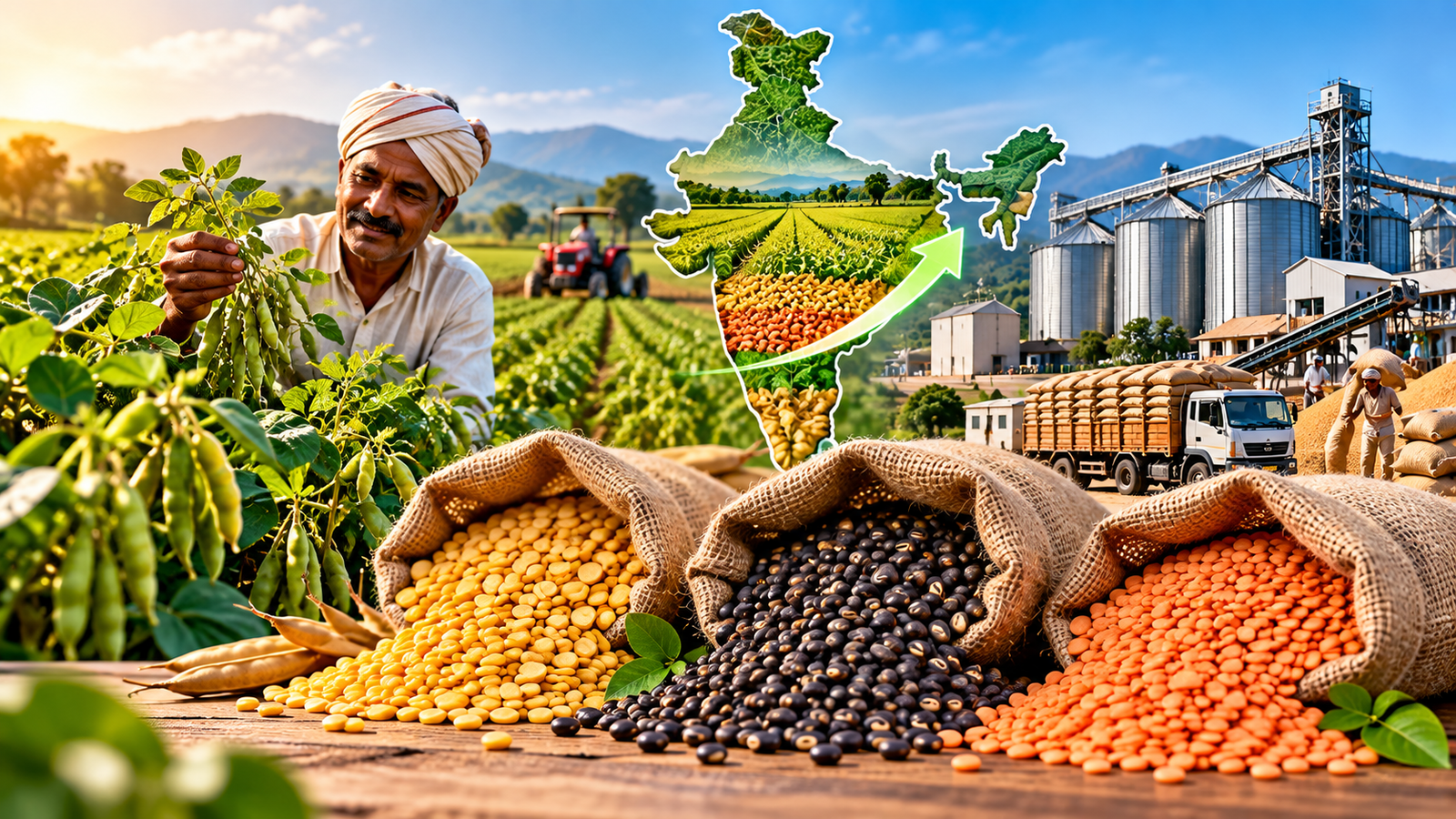
Mission for Aatmanirbharta in Pulses 2026: Explore the ₹11,440 crore
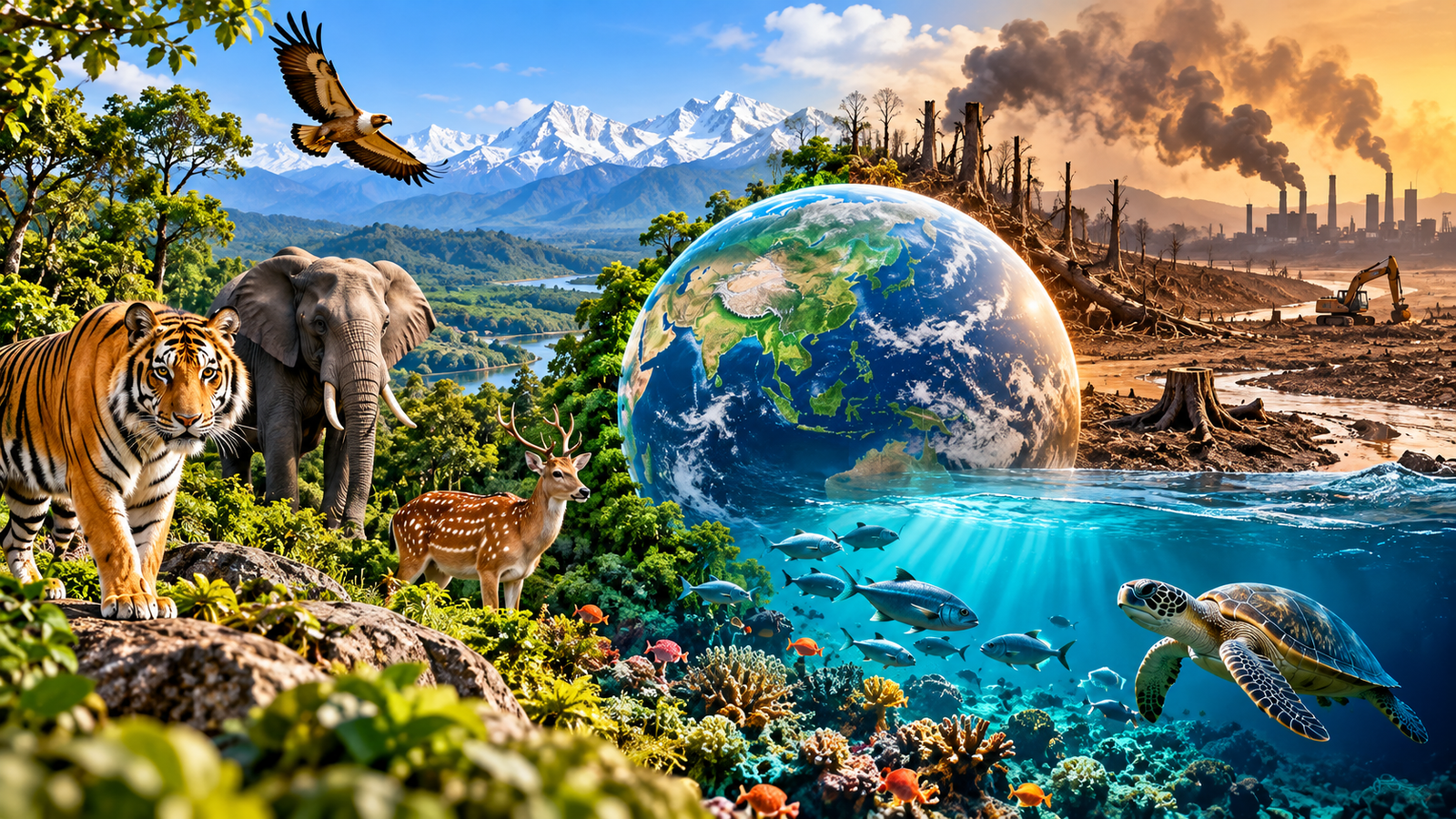
Living Planet Report 2026: Explore the 73% decline in monitored
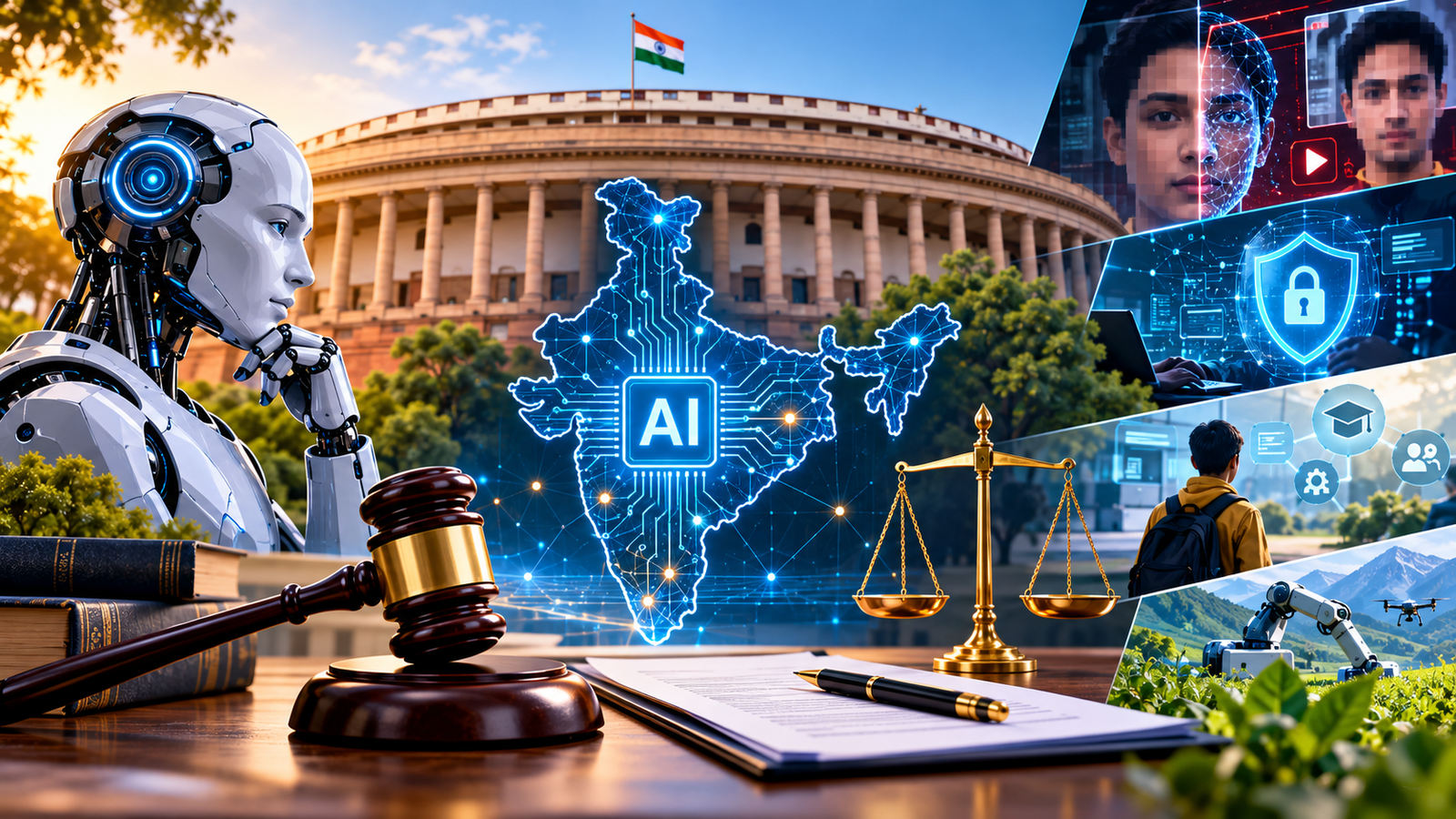
India AI Regulation 2026: Understand the proposed AI regulatory framework,