
CSIR–National Physical Laboratory (CSIR–NPL)
CSIR–NPL, designated as India’s national agency, will certify air quality monitoring instruments under NCAP for accurate emissions tracking.
CSIR–NPL, designated as India’s national agency, will certify air quality monitoring instruments under NCAP for accurate emissions tracking.

BharatNet connects rural India with high-speed broadband, driving digital inclusion and bridging the urban–rural divide.

ECO Niwas Samhita 2018 promotes energy-efficient residential buildings, saving energy and enhancing sustainable living.

Startup India, launched in 2016, promotes innovation, entrepreneurship, and job creation through funding and policy support.

Atal Pension Yojana, launched in 2015 by the Finance Ministry, ensures pension security for unorganized workers through PFRDA.
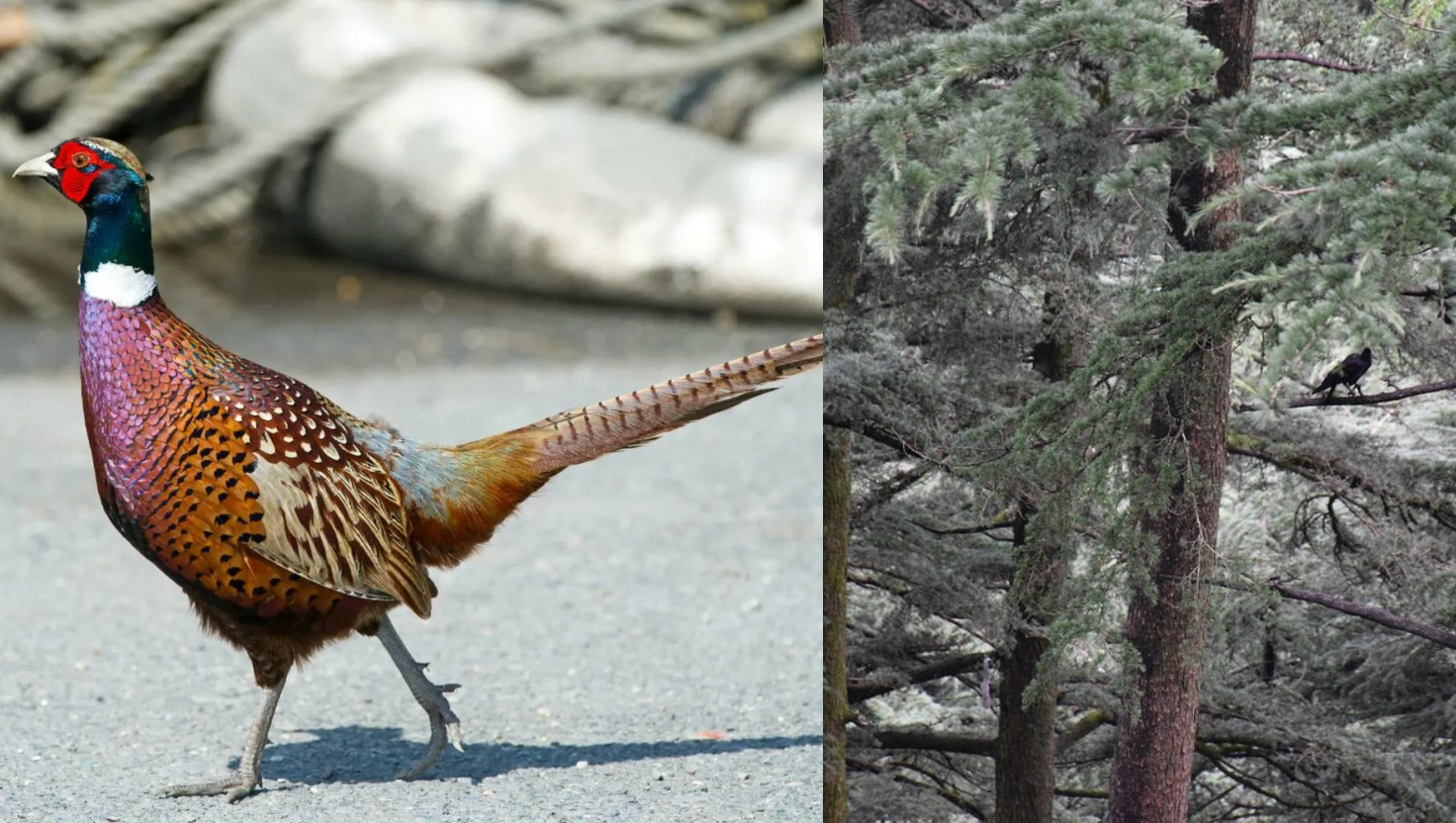
Chail Wildlife Sanctuary in Himachal Pradesh is rich in Himalayan flora, fauna, and known for the Cheer Pheasant conservation program.
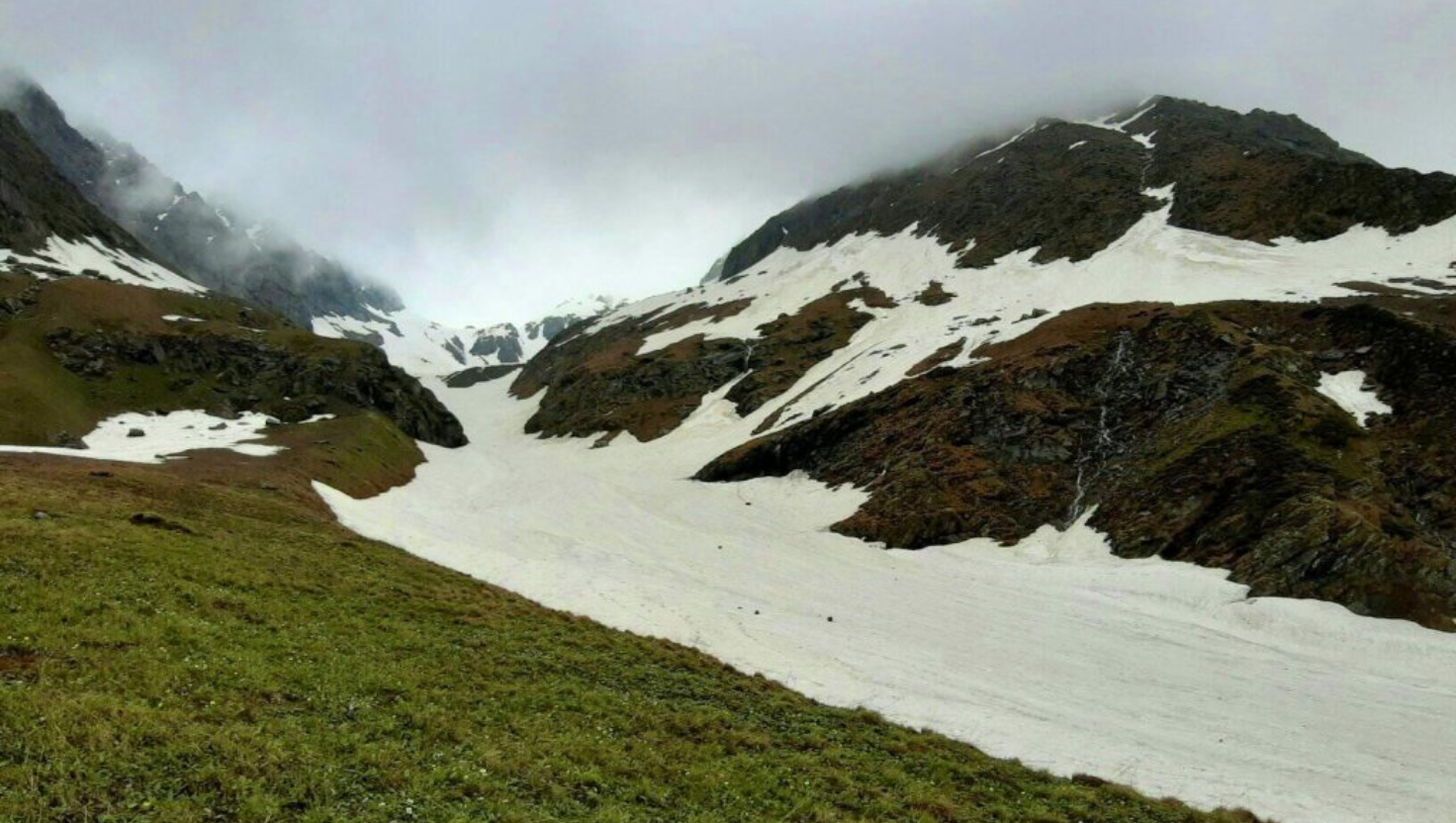
Talra Wildlife Sanctuary in Shimla, Himachal Pradesh, is rich in Himalayan flora and fauna, offering vital conservation and scenic beauty.

Khirganga National Park in Himachal Pradesh is known for its hot springs, rich Himalayan biodiversity, scenic valleys, and trekking trails.
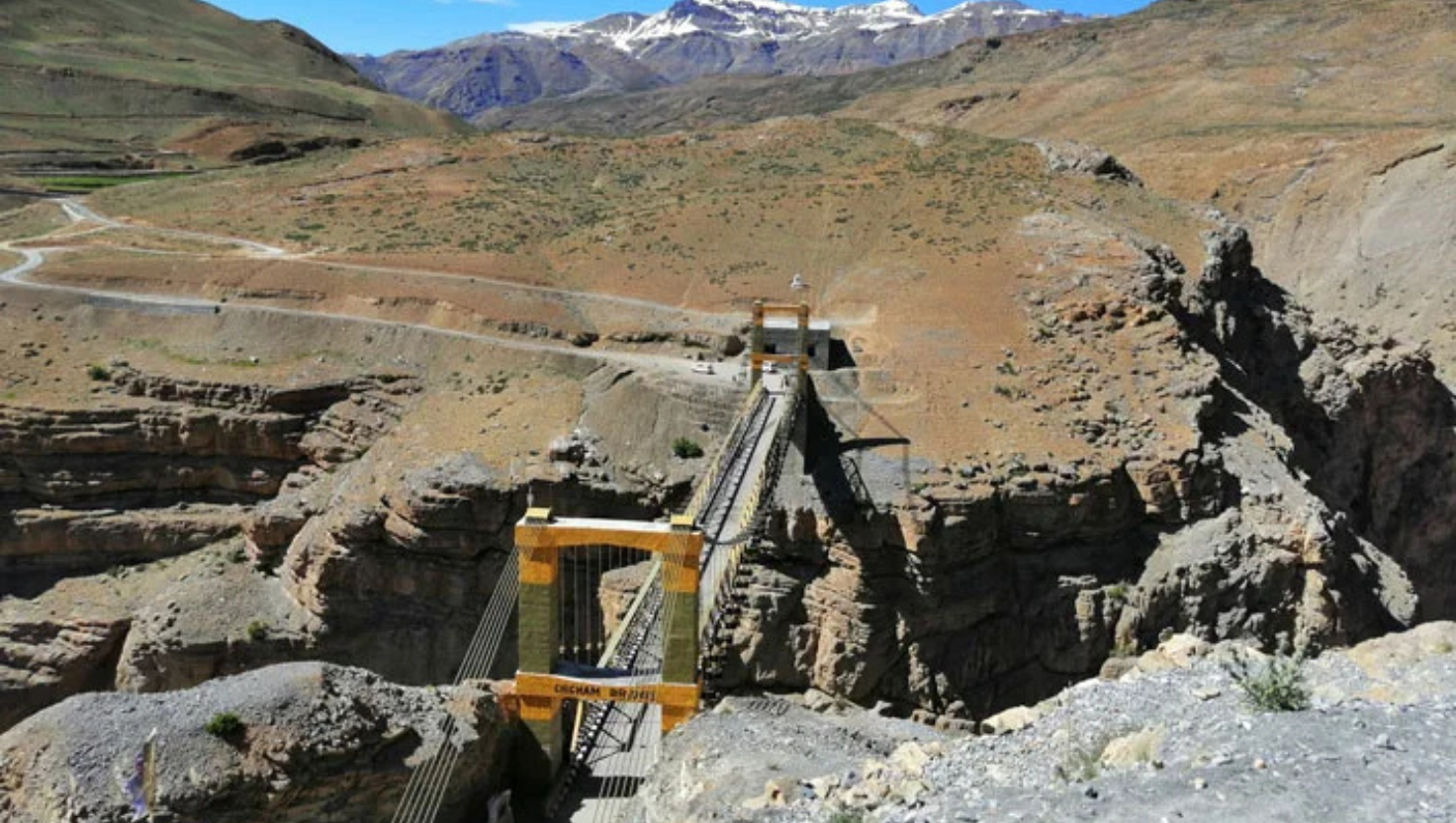
Kibber Wildlife Sanctuary in Himachal’s cold desert hosts rare flora, snow leopards, and unique high-altitude ecosystems.

Himachal Pradesh’s 2011 Census shows 68.65 lakh people, 82.8% literacy, and a balanced sex ratio of 972 females per 1000 males.

BRICS 2026: Explore the 18th BRICS Summit in New Delhi,

6th All India Official Language Conference 2026 in Navi Mumbai:

Discover how Bay of Bengal low-pressure systems shape India’s monsoon,

Explore the constitutional evolution of India from East India Company

Yojana June 2026 explores India’s journey towards a Naxal-free Bharat,
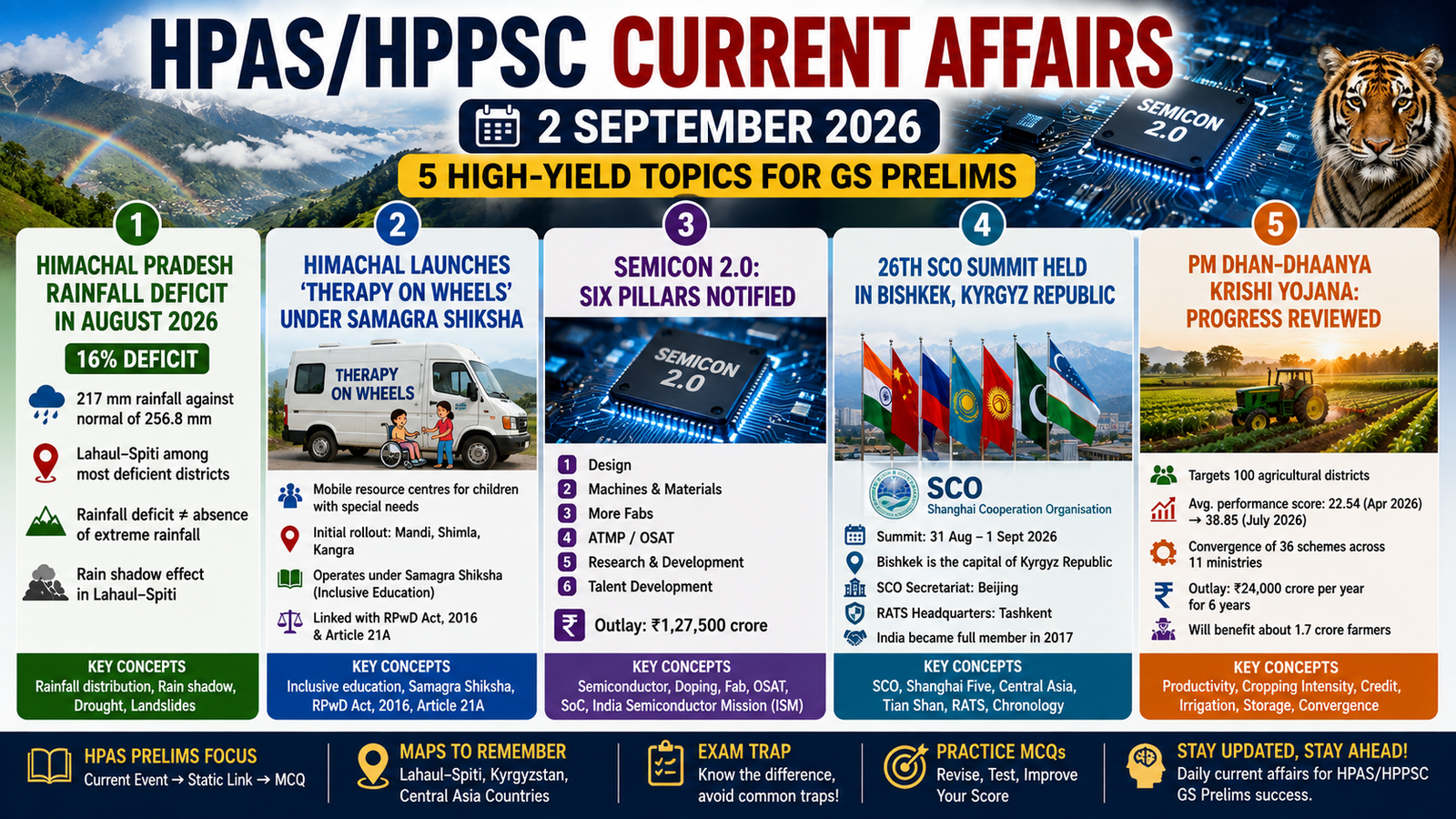
HPAS/HPPSC Current Affairs 2 September 2026: Himachal rainfall deficit, Therapy