Mahatma Gandhi Biography: Early Life, Role in India’s Independence, Teachings, and Legacy
Syllabus: Modern History (UPSC, HPPSC GS I)
Early Life and Education
Full Name: Mohandas Karamchand Gandhi
Birth: October 2, 1869, Porbandar, Gujarat, India
Parents:
- Father – Karamchand Gandhi, Diwan (Chief Minister) of Porbandar
- Mother – Putlibai, deeply religious and compassionate
Childhood Traits: Honesty, humility, and compassion; influenced by strong moral and spiritual values.
Education:
- Early schooling in Porbandar and Rajkot
- 1888 – Went to London to study law at University College London and the Inner Temple
- Embraced vegetarianism and simple living during his stay in England
Early Career: Returned to India in 1891 to practice law; later moved to South Africa in 1893, where he faced racial discrimination — an experience that shaped his future philosophy of Satyagraha (nonviolent resistance).
Transformation in South Africa
Experiences: Witnessed severe racial injustice and inequality faced by Indians.
Response: Organized campaigns against racial discrimination.
Significance: Developed the concepts of Ahimsa (Nonviolence) and Satyagraha (Truth-Force).
Impact: These principles became the foundation of his leadership during India’s freedom struggle.
Return to India and Freedom Struggle
Returned: January 1915, after over 20 years in South Africa.
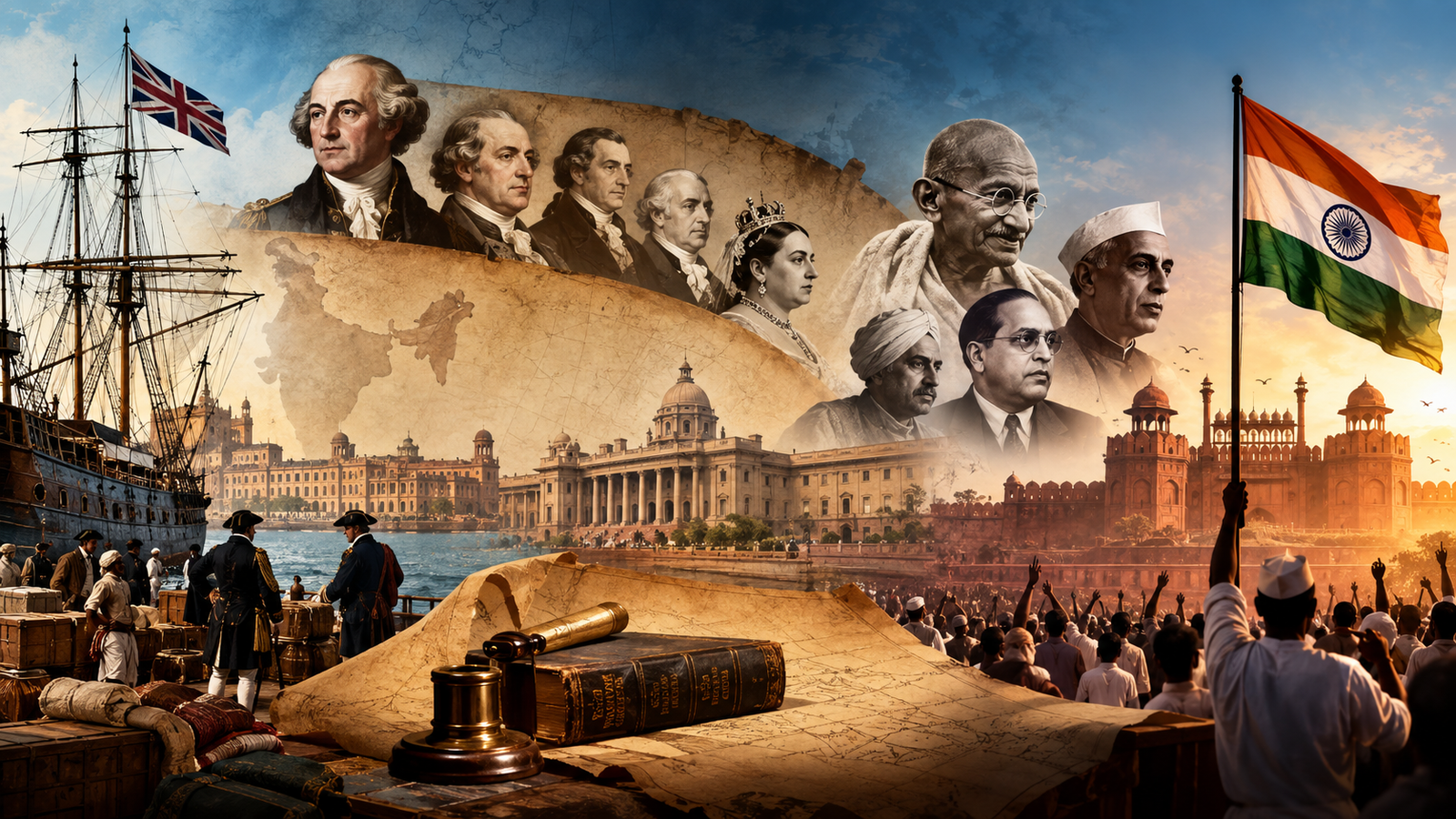
Role: Became the central leader of India’s independence movement against British rule.
Philosophy: Nonviolence, truth, and self-reliance.
Key Movements Led by Gandhi
- Champaran Satyagraha (1917): Protested against indigo plantation injustices in Bihar — his first major success in India.
- Non-Cooperation Movement (1920): Urged Indians to boycott British goods, schools, and institutions; united millions in peaceful protest.
- Salt March (1930): 240-mile Dandi March protesting British salt tax — became a global symbol of peaceful resistance.
- Quit India Movement (1942): Called for immediate British withdrawal during World War II; mass civil disobedience movement.
Core Beliefs During Struggle
- Rejected violence; promoted truth, unity, and self-reliance.
- Advocated for communal harmony and abolition of untouchability.
- Fought for equality, inclusivity, and justice for all sections of society.
India’s Independence and Gandhi’s Vision
Negotiations with British: His peaceful protests and moral authority pushed the British toward granting independence.
Independence Achieved: August 15, 1947.
Vision for India: A self-reliant, harmonious nation grounded in truth, nonviolence, and equality.
Teachings and Philosophy
Nonviolence (Ahimsa) & Satyagraha:
Believed in moral courage over physical force. Inspired global leaders like Martin Luther King Jr. and Nelson Mandela.
Simplicity and Self-Reliance (Swadeshi):
Advocated living simply and supporting indigenous industries. Promoted economic independence and sustainability.
Communal Harmony:
Stressed unity across religions, castes, and classes. Worked tirelessly to end social divisions and caste discrimination.
Empowerment of Marginalized:
Championed the rights of untouchables and oppressed communities. Worked for dignity, equality, and inclusion in society.
Global Influence:
Inspired global movements for peace, civil rights, and anti-colonial struggles.
Literary Works
- Autobiography: The Story of My Experiments with Truth
- Other Works: Hind Swaraj (Indian Home Rule), Satyagraha in South Africa
- Editorial Work: Edited periodicals like Harijan, Young India, Indian Opinion, and Navajivan.
- Mahatma Gandhi did not write a “Guide to London1,” but an unpublished manuscript for a travel guide was created by him in the late 19th century called “Guide to London”.
Recognition and Awards
- Nobel Peace Prize: Nominated 5 times (1937–1948) but never awarded.
- Time Magazine:
- Man of the Year (1930)
- Listed among Top 25 Political Icons of All Time (2011).
Gandhi Jayanti (October 2)
Celebration: National holiday observed across India; tribute ceremonies at Raj Ghat, New Delhi.
Gandhi Jayanti 2025: Marks his 156th birth anniversary, celebrated with prayers, devotional songs, and remembrance of his teachings.
Death
Assassination: January 30, 1948, by Nathuram Godse, who opposed his views on nonviolence and partition.
Legacy: Gandhi’s death marked the end of an era but strengthened his immortal message of peace and compassion.
Legacy and Global Impact
Gandhi’s ideals remain deeply embedded in Indian and global consciousness.
Inspired movements for civil rights, peace, and justice worldwide.
Continues to guide leaders and societies toward truth, simplicity, and nonviolence.
Symbol of Peace: His teachings transcend borders, inspiring generations to work for a more just and harmonious world.
Gandhi in Popular Culture
- Film: Gandhi (1982), directed by Richard Attenborough, featuring Ben Kingsley — won multiple Academy Awards.
- Representation: His image appears on Indian currency; his principles remain central to India’s democratic and moral ethos.
- Question Reference
(HPAS PYQ 2025) ↩︎