
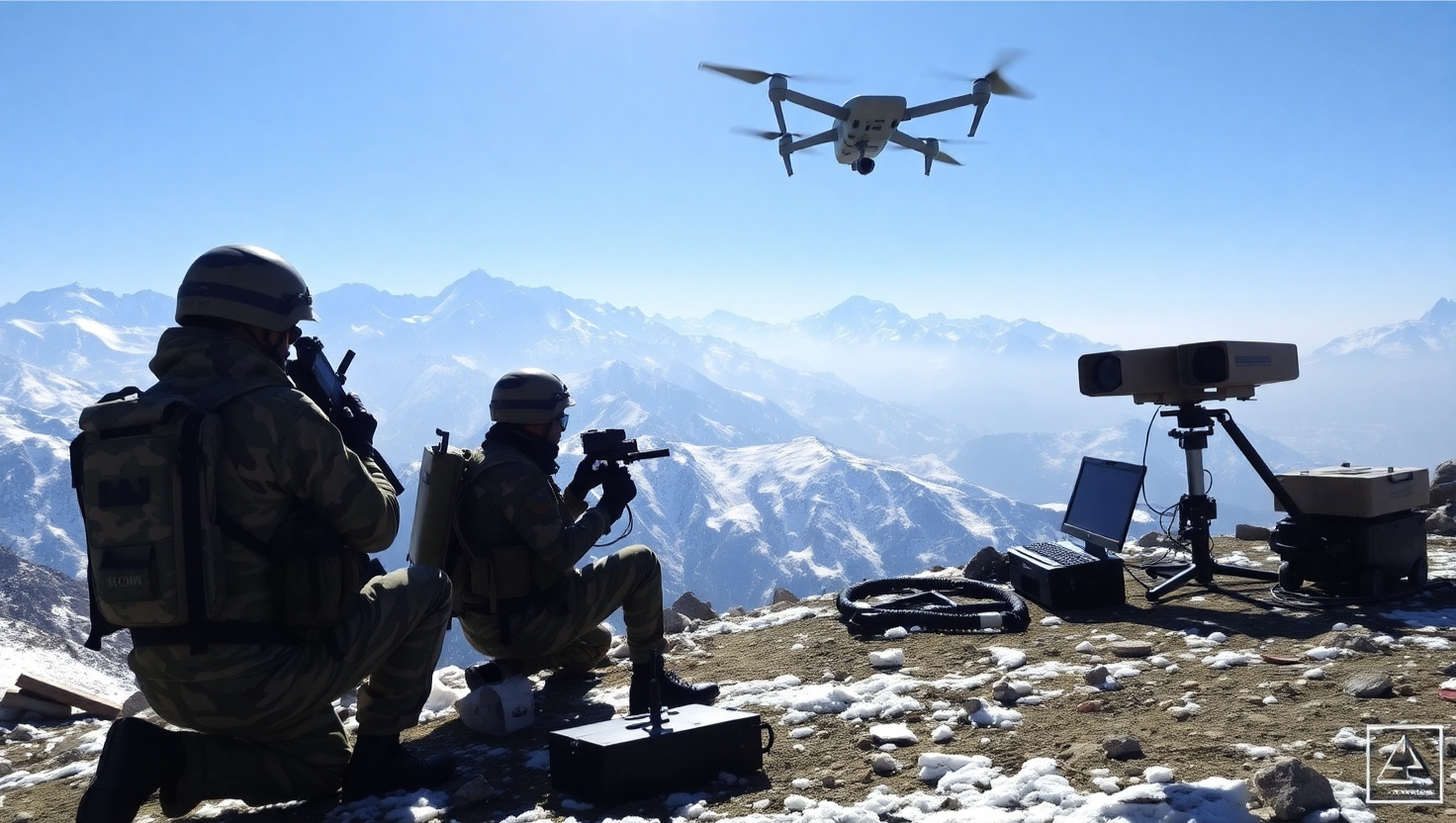
Exercise Divya Drishti
Indian Army’s Exercise Divya Drishti tested AI-based surveillance, UAV synergy, and sensor-to-shooter tech in high-altitude East Sikkim terrain.
Indian Army’s Exercise Divya Drishti tested AI-based surveillance, UAV synergy, and sensor-to-shooter tech in high-altitude East Sikkim terrain.
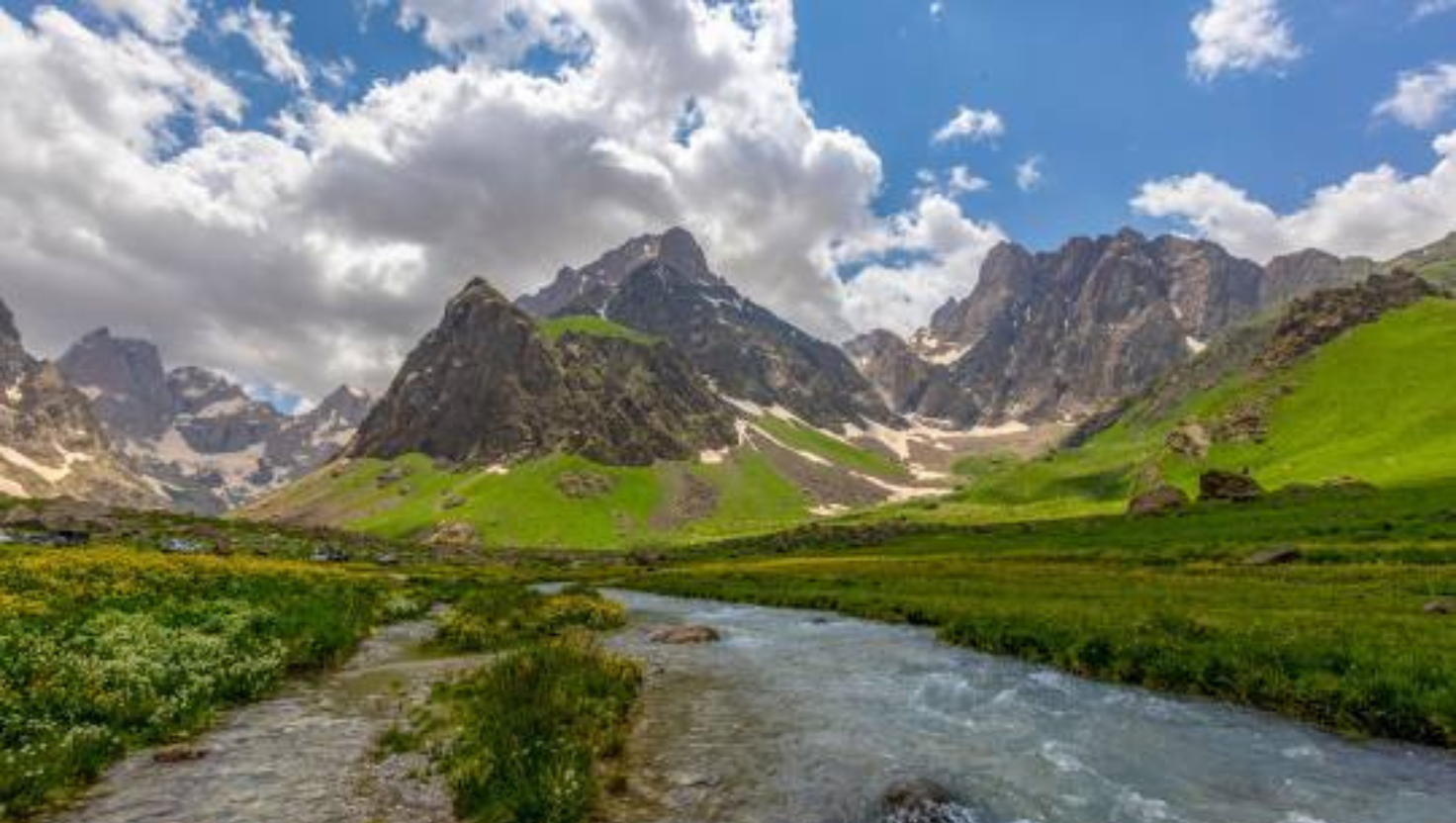
Mount Cilo in Turkey has lost over 50% of its glacier cover in 40 years due to climate change, with rising heatwaves and reduced rainfall accelerating the melt.

India discovers CRIB, a new human blood group, marking a major breakthrough in transfusion medicine and global immunohematology.
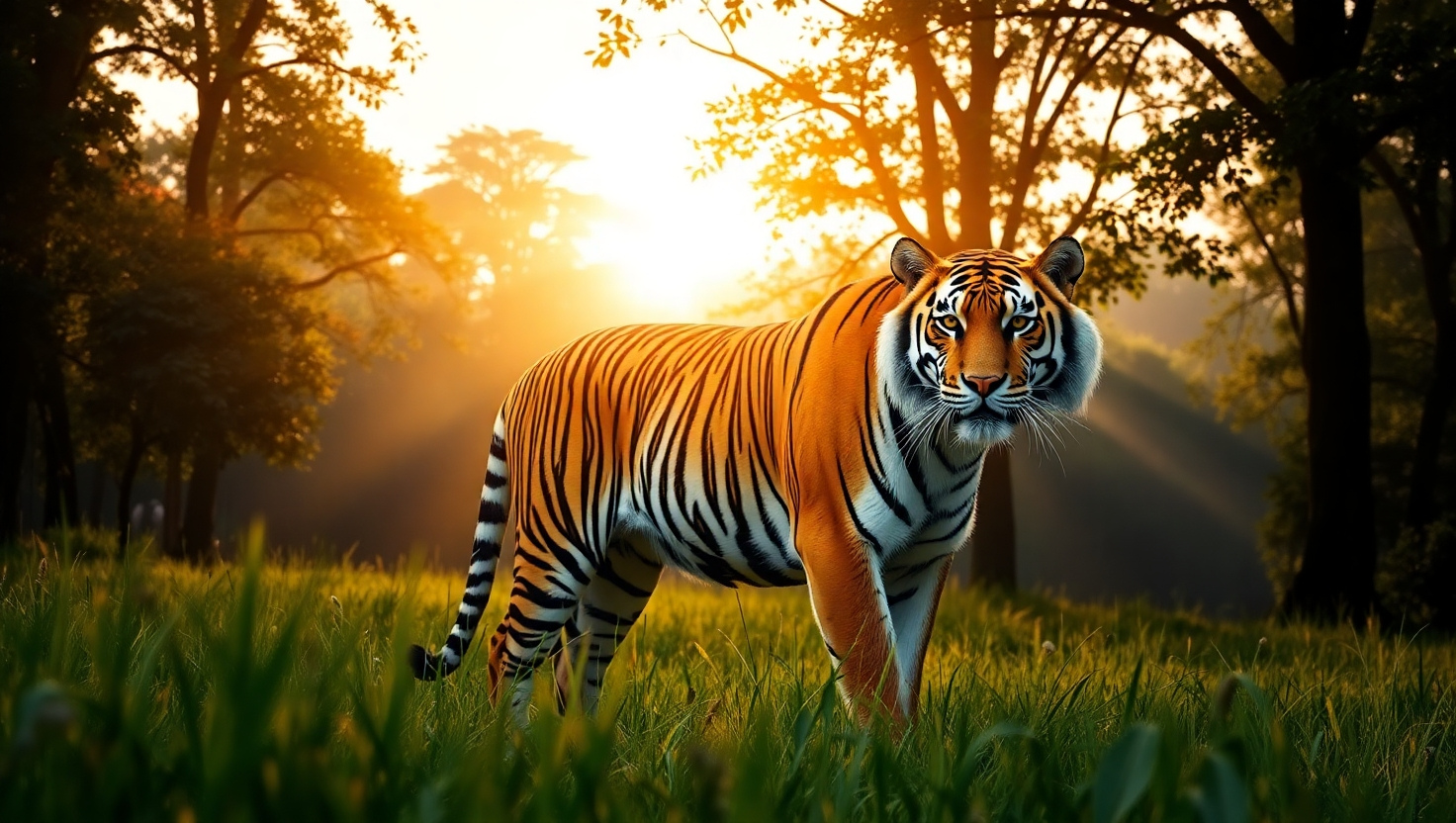
India celebrates International Tiger Day 2025, hosting 75% of the world’s wild tigers and leading global efforts in tiger conservation.
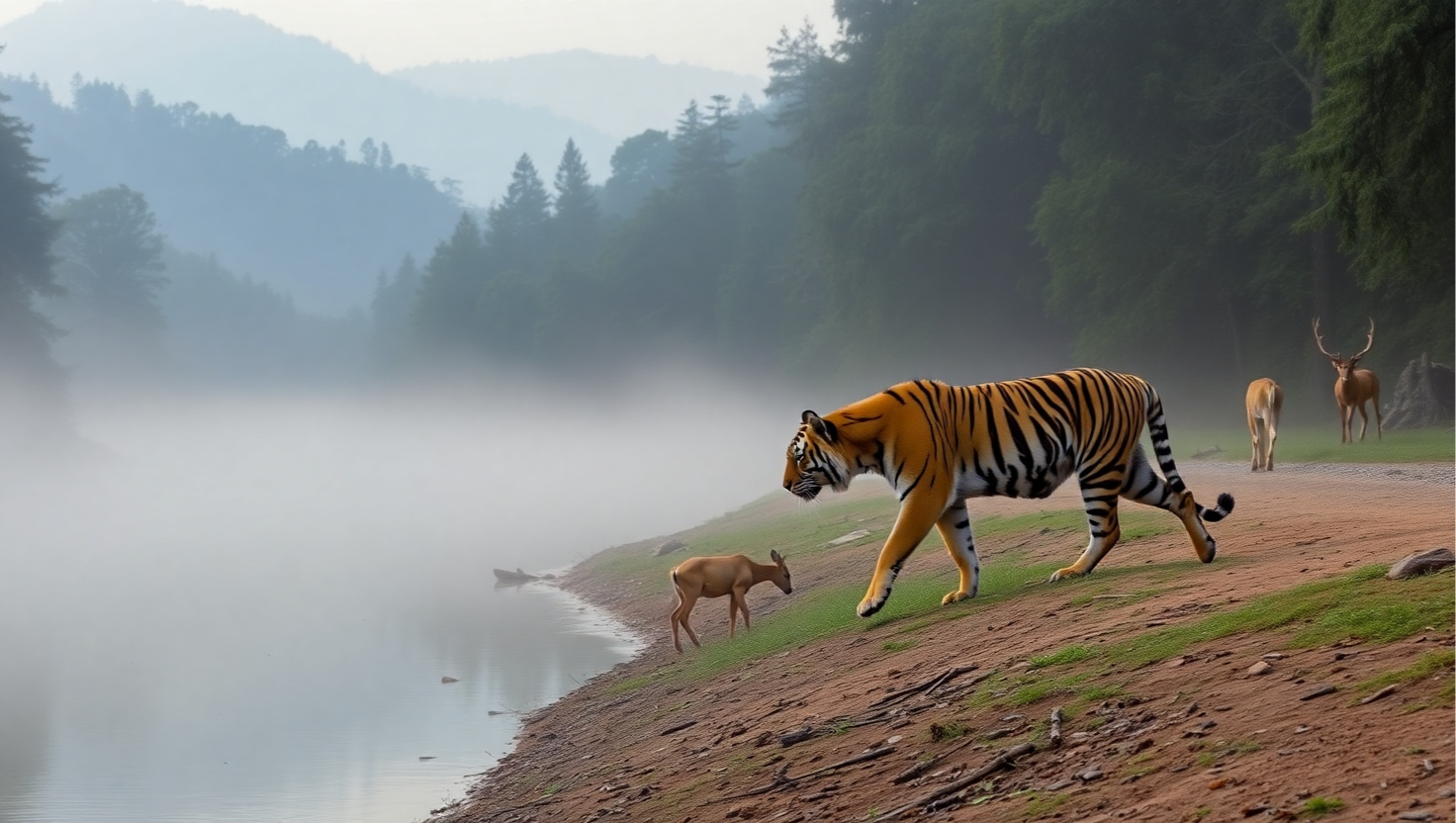
Corbett Tiger Reserve in Uttarakhand, India’s first national park, is a key habitat for tigers, elephants, and diverse Himalayan wildlife.
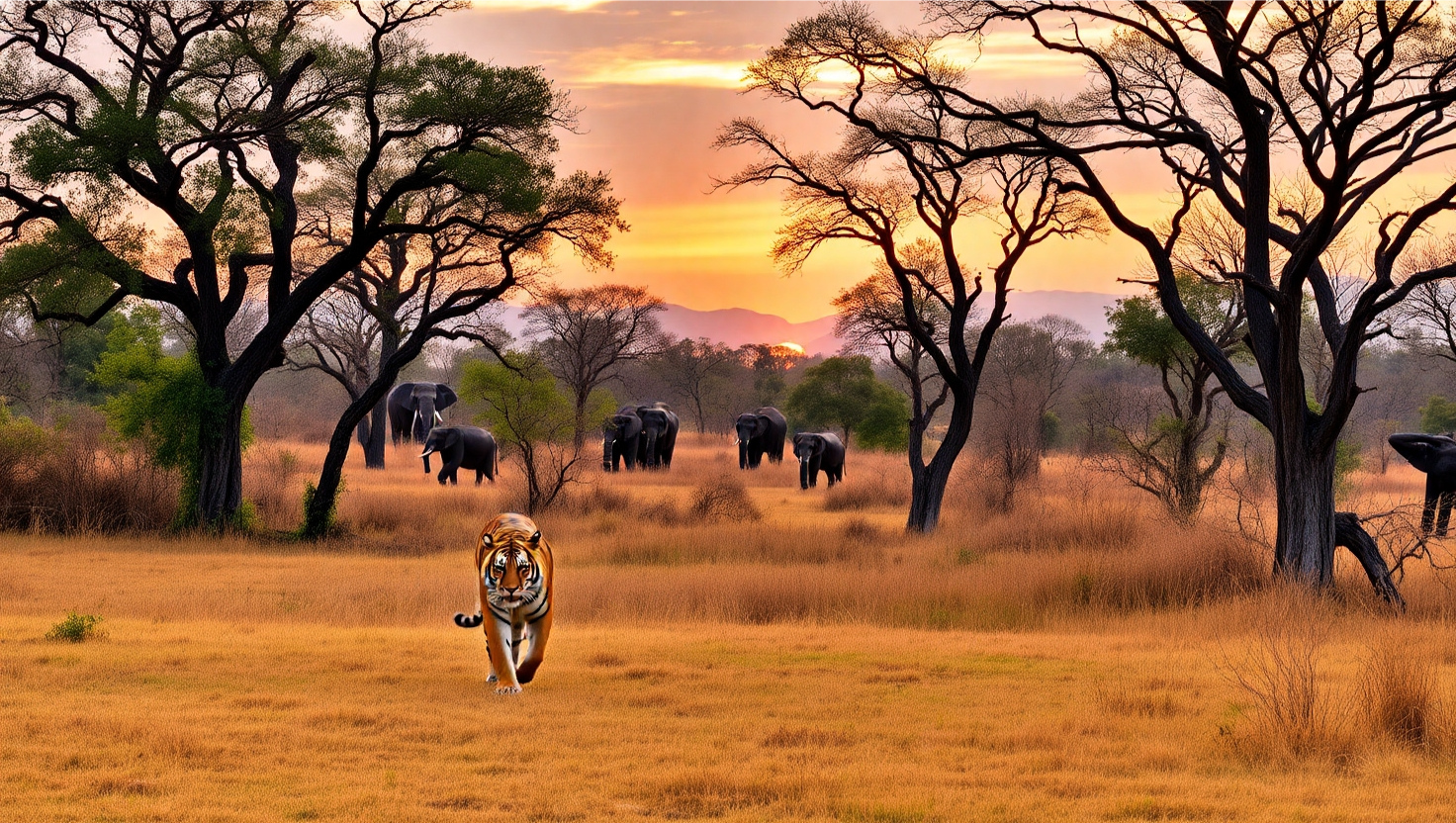
Bandipur National Park in Karnataka is a key tiger and elephant habitat, known for its rich biodiversity within the Nilgiri Biosphere Reserve.
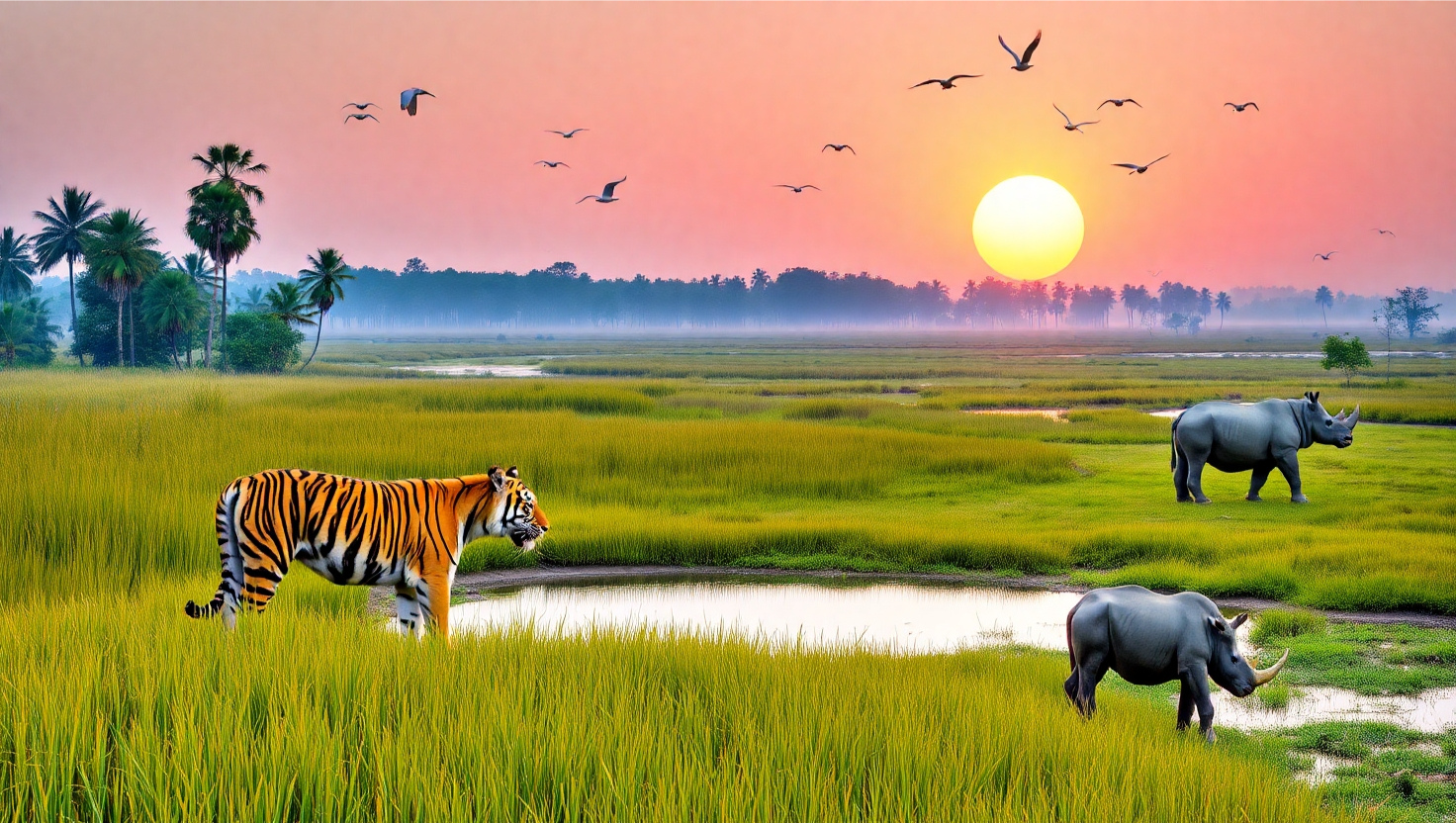
Kaziranga Tiger Reserve now ranks third in tiger density in India, reflecting successful conservation efforts and rising predator populations.
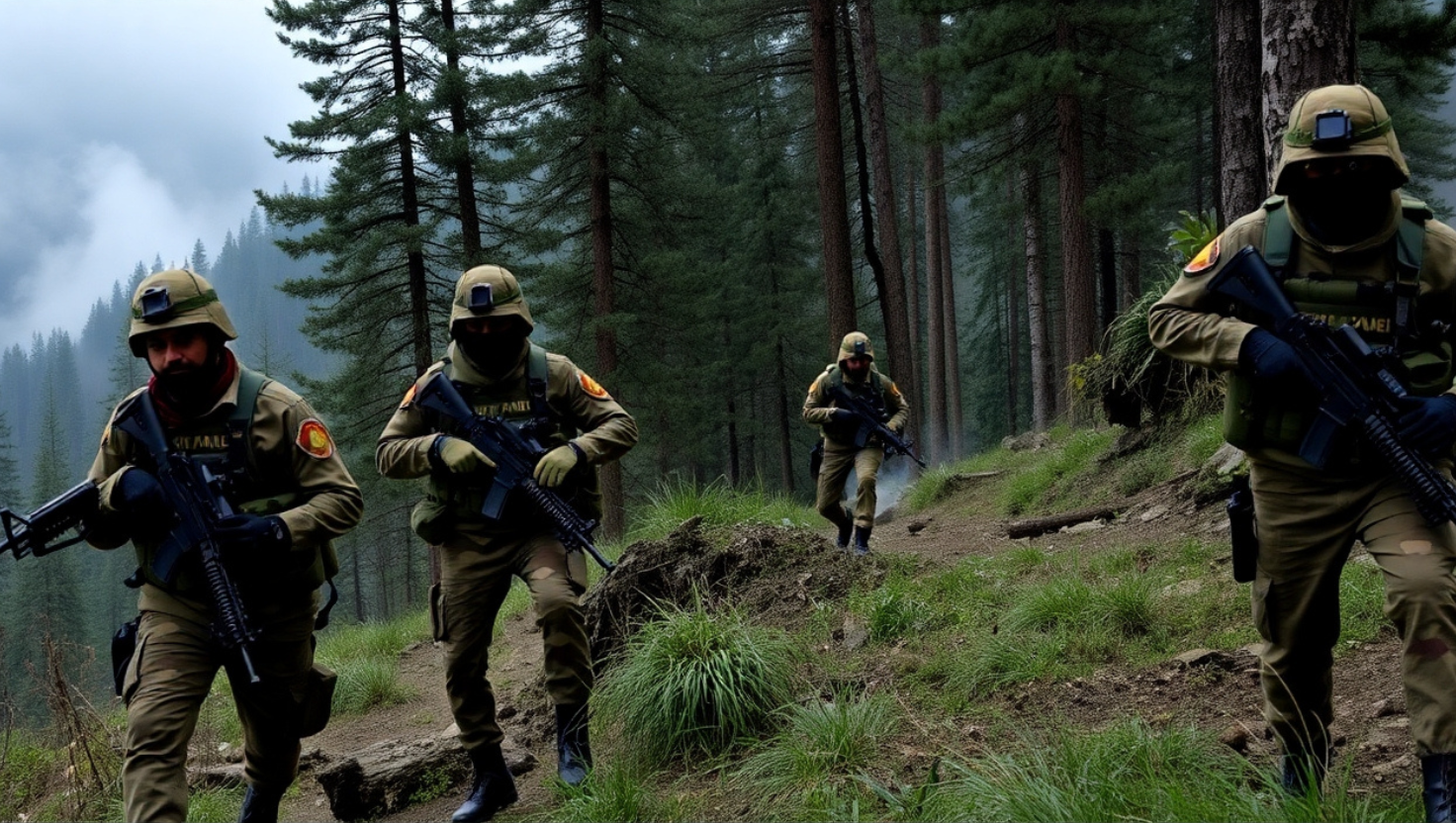
Operation Mahadev neutralised key terrorists behind the Pahalgam and Sonamarg attacks, marking a major counter-terror success in Jammu & Kashmir.

Exercise Bold Kurukshetra 2025 strengthens India-Singapore defence ties through mechanised warfare drills and UN peacekeeping simulations.
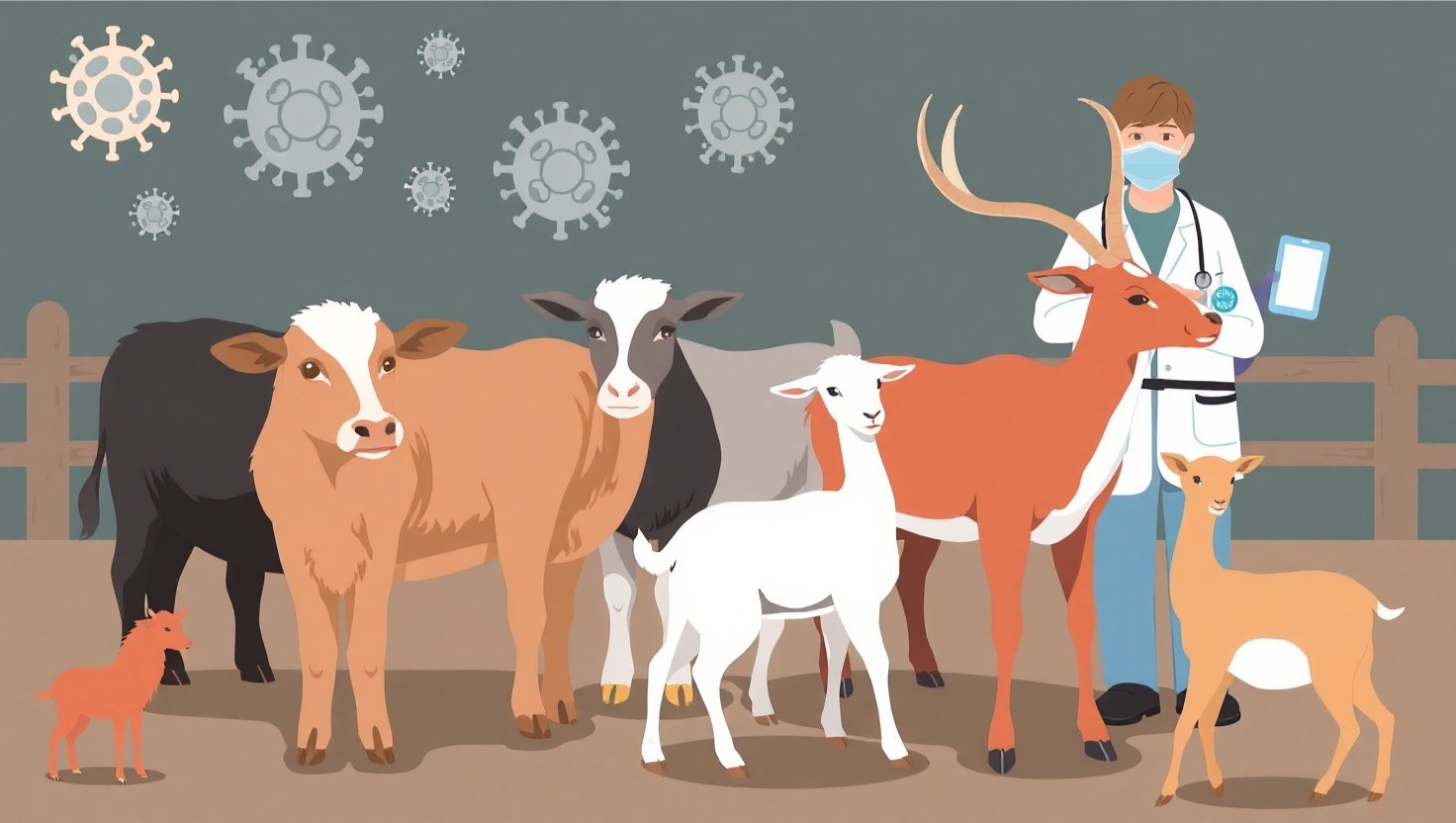
Foot and Mouth Disease (FMD) caused 16 deer deaths in Pune Zoo, highlighting the need for strong veterinary surveillance and vaccination drives.

Excerpt: UNESCO has added three Indian sites to its Tentative

Explore ICMR-CHAMP at Keylong, Himachal Pradesh—its objectives, research areas, importance

Himachal Pradesh High Court halts forest road construction and tarring

Mission for Aatmanirbharta in Pulses 2026: Explore the ₹11,440 crore

Living Planet Report 2026: Explore the 73% decline in monitored

India AI Regulation 2026: Understand the proposed AI regulatory framework,