ICMR-CHAMP at Keylong 2026: India’s First Dedicated High-Altitude Medicine Research Centre in Himachal Pradesh
Exam Relevance: UPSC Prelims, GS-II, GS-III and HPAS/HPPSC
Introduction
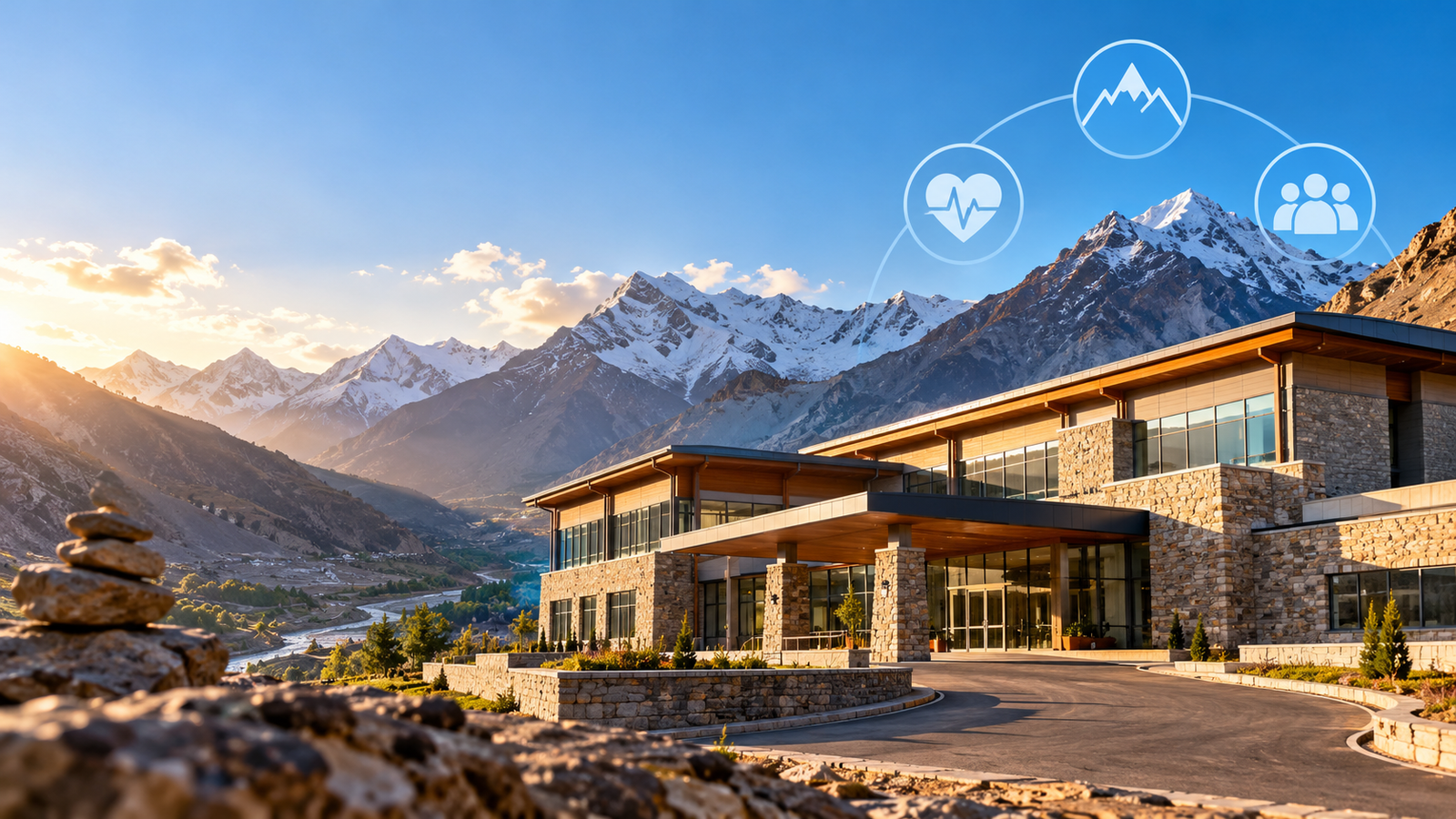
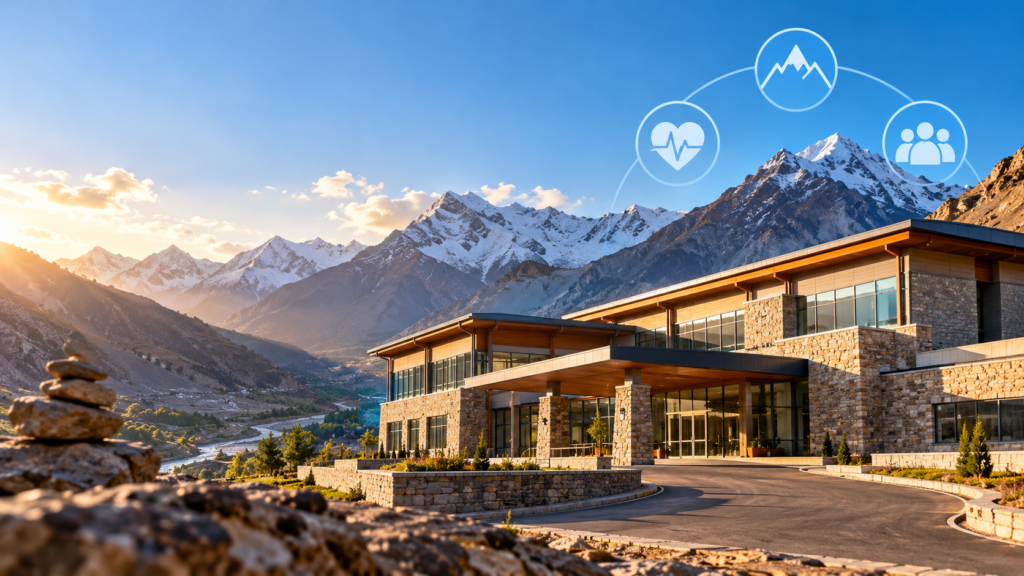
Himachal Pradesh has taken an important step towards strengthening healthcare research in the Himalayan region with the establishment of the ICMR Centre for High Altitude Medicine and Public Health Research (ICMR-CHAMP) at Keylong, in the Lahaul and Spiti district.
On 12 October 2026, Union Health Minister Jagat Prakash Nadda performed the Bhumi Pujan and laid the foundation stone of the centre. The initiative aims to improve scientific understanding of the health challenges associated with high altitude, low oxygen levels, extreme cold and changing climatic conditions.
The centre is intended to support research benefiting Himalayan communities, tribal populations and Armed Forces personnel serving in high-altitude areas. It will also explore the use of modern technologies such as telemedicine, drone-enabled medicine delivery and artificial intelligence to improve healthcare access in remote regions.
The development is significant for Himachal Pradesh as well as for national priorities related to public health, climate resilience, disaster preparedness and scientific research. [Source: Press Information Bureau, Ministry of Health and Family Welfare]
1. What Is ICMR-CHAMP?
ICMR-CHAMP stands for the ICMR Centre for High Altitude Medicine and Public Health Research.
It is a dedicated research initiative of the Indian Council of Medical Research (ICMR), functioning under the Department of Health Research, Ministry of Health and Family Welfare, Government of India.
The centre is being developed at Keylong to build scientific evidence about the relationship between high-altitude environments and human health.
Unlike conventional healthcare facilities that primarily focus on diagnosis and treatment, this centre has a specialised research mandate. Its work will help researchers understand how altitude, environmental conditions, climate variability and geographical isolation affect health outcomes.
The centre builds upon an ICMR field station established at Keylong nearly a decade earlier. The new institution is envisaged as a permanent, year-round research facility with specialised personnel and advanced laboratories.
Key Facts at a Glance
| Particular | Details |
|---|---|
| Name | ICMR Centre for High Altitude Medicine and Public Health Research |
| Abbreviation | ICMR-CHAMP |
| Location | Keylong, Lahaul and Spiti district, Himachal Pradesh |
| Parent institution | Indian Council of Medical Research |
| Administrative department | Department of Health Research |
| Ministry | Ministry of Health and Family Welfare |
| Foundation stone | 12 October 2026 |
| Main objective | High-altitude medicine and public health research |
| Key beneficiaries | Himalayan communities, tribal populations and Armed Forces personnel |
| Technological focus | Digital health, telemedicine, drone-enabled healthcare and AI |
Source: Press Information Bureau, Government of India.
2. Why Was the Centre Established at Keylong?
The Himalayan region presents distinctive healthcare challenges because of its geography, altitude and climatic conditions.
A. Low oxygen availability
As altitude increases, atmospheric pressure decreases. Although the proportion of oxygen in the atmosphere remains approximately constant, the partial pressure of oxygen falls, reducing the amount of oxygen available to the body with each breath.
This can cause physiological stress, especially when people ascend rapidly without adequate acclimatisation.
B. Extreme cold and harsh weather
People living and working in high-altitude regions face prolonged cold, snowfall and other weather-related challenges. These conditions can increase occupational risks and complicate the delivery of medical services.
C. Difficult terrain and geographical isolation
Remote Himalayan settlements may be separated from major hospitals by mountainous roads, high passes and long travel distances. Heavy snowfall, landslides and extreme weather can further delay access to medical assistance.
D. Climate variability
Changing climatic conditions may influence disease patterns, water availability, ecosystem conditions and the risks associated with natural disasters. Understanding these relationships requires sustained field research.
E. Distinctive health needs of tribal communities
Healthcare planning must consider local lifestyles, nutrition, livelihoods, cultural contexts and patterns of access to medical services.
ICMR-CHAMP aims to generate evidence that can help design healthcare interventions suited to these specific conditions.
3. Major Objectives of ICMR-CHAMP
The centre’s principal objectives include the following:
1. High-altitude health research: Study how altitude, reduced oxygen availability and extreme weather affect human physiology and health.
2. Improved acclimatisation: Generate evidence to support safer adaptation to high-altitude environments and improve preventive and clinical approaches.
3. Better healthcare for Armed Forces personnel: Support research relevant to soldiers deployed in challenging high-altitude areas.
4. Public health research: Investigate disease patterns and health outcomes among Himalayan and tribal populations.
5. Maternal and child health: Study maternal and newborn health, child growth, nutrition and related health challenges.
6. Climate-resilient healthcare: Examine how climatic and environmental changes affect health and healthcare delivery.
7. Technology-driven medical access: Explore digital health platforms, telemedicine, drone-enabled medical logistics and artificial intelligence.
8. Evidence-based policymaking: Produce scientific evidence that can inform healthcare practices, preventive strategies and public health planning.
These objectives connect biomedical research with the practical needs of communities and personnel living or working in high-altitude environments.
4. Major Research Areas
According to the Ministry of Health and Family Welfare, the centre’s research mandate covers several interconnected fields.
| Research area | Significance |
|---|---|
| High-altitude physiology | Understanding the effects of altitude on the human body |
| Acclimatisation | Studying how the body adapts to reduced oxygen availability |
| Mountain medicine | Addressing health challenges specific to mountainous environments |
| Infectious diseases | Studying disease patterns and associated environmental factors |
| Non-communicable diseases | Investigating chronic health conditions in Himalayan populations |
| Maternal and child health | Improving evidence for maternal, newborn and child healthcare |
| Nutrition | Understanding nutritional needs and child growth |
| Mental health | Examining mental health challenges in remote and demanding environments |
| Environmental and occupational health | Assessing risks associated with environmental exposure and work conditions |
| Disaster medicine | Supporting preparedness and medical responses in emergencies |
The research findings may help develop interventions tailored to the requirements of different populations across the Himalayan region.
5. How Can Modern Technology Improve Healthcare in the Himalayas?
One of the important dimensions of ICMR-CHAMP is its proposed exploration of emerging technologies for improving healthcare access.
A. Telemedicine
Telemedicine enables patients and healthcare professionals to consult remotely through digital communication systems.
It can reduce the need for travel to distant hospitals and facilitate specialist consultations for people living in isolated settlements.
B. Drone-enabled medicine delivery
Drones may help transport essential medicines and medical supplies to difficult-to-reach locations, subject to weather conditions, operational feasibility and regulatory requirements.
This may be particularly valuable during emergencies when road access is disrupted.
C. Artificial intelligence
AI-based tools may support selected healthcare applications, including clinical decision support, medical image analysis, risk assessment and public health data analysis.
Their effectiveness would depend on data quality, validation, appropriate clinical oversight and safeguards for patient privacy.
D. Digital health and public health surveillance
Digital platforms can help collect, analyse and share health information. Real-time or timely surveillance may improve the detection of emerging health threats and strengthen emergency preparedness.
Important distinction: These technologies are areas the centre is expected to explore. Their inclusion in the research mandate should not be interpreted as confirmation that every service is already operational at Keylong.
6. Significance of ICMR-CHAMP for Himachal Pradesh
A. Better understanding of Himalayan health challenges
The centre can help generate region-specific scientific evidence instead of relying exclusively on findings from populations living at lower altitudes.
B. Benefits for remote and tribal communities
Research into local health needs may help improve preventive healthcare, maternal and child health strategies and access to appropriate medical services.
C. Support for Armed Forces personnel
The collaboration between medical researchers and the Armed Forces Medical Services can help translate research findings into practical approaches for acclimatisation, early detection and treatment.
D. Strengthening research infrastructure
A permanent research institution in Lahaul and Spiti can support scientific capacity-building, field studies and collaboration among research and healthcare institutions.
E. Climate-resilient public health
The Himalayan region is exposed to environmental variability and natural hazards. Research linking climate conditions with health outcomes may inform more resilient healthcare planning.
F. Regional and national importance
The potential benefits extend beyond Himachal Pradesh. The centre’s research is relevant to other Himalayan and border regions, including Ladakh, Jammu and Kashmir, Uttarakhand, Sikkim and Arunachal Pradesh.
7. Institutional Collaboration
ICMR-CHAMP is designed to bring together scientific research, clinical experience and field-based knowledge.
The key institutional participants include:
- Indian Council of Medical Research (ICMR): Scientific research and biomedical expertise.
- Armed Forces Medical Services (AFMS): Experience in medical care for personnel operating in extreme-altitude environments.
- AIIMS Bilaspur: Participation in research on the health impacts of high-altitude conditions on patients visiting the region.
- Himachal Pradesh Government: Cooperation relevant to research and healthcare in the state.
Such collaboration can help bridge the gap between scientific discoveries and their practical application in healthcare.
8. Challenges and the Way Forward
Despite its potential, the long-term effectiveness of the centre will depend on several factors.
Key challenges
- Geographical constraints: Extreme weather and difficult terrain may affect field research and logistics.
- Sustained funding: Longitudinal studies require stable financial and institutional support.
- Specialised manpower: High-altitude research requires trained researchers, clinicians and technical personnel.
- Data availability: Reliable long-term health data are necessary to identify patterns and evaluate interventions.
- Community participation: Research must respect local needs, informed consent, privacy and cultural contexts.
- Translation into practice: Research findings must be converted into affordable, accessible and clinically appropriate healthcare solutions.
Way forward
- Strengthen cooperation among ICMR, AFMS, AIIMS Bilaspur and relevant state institutions.
- Develop sustained field studies involving local communities.
- Integrate appropriate digital health tools with existing healthcare services.
- Prioritise maternal and child health, nutrition, occupational health and emergency medical preparedness.
- Establish suitable monitoring and evaluation mechanisms to assess research outcomes.
- Ensure that scientific research informs practical healthcare policies for remote Himalayan populations.
9. Relevance for UPSC and HPAS Examinations
UPSC Prelims
Focus on:
- Full form and mandate of ICMR-CHAMP.
- Location of Keylong.
- Administrative ministry and department.
- Meaning of high-altitude medicine and acclimatisation.
- Role of telemedicine and drone-enabled healthcare.
UPSC Mains
GS Paper II: Health infrastructure, public health delivery, vulnerable populations and governance.
GS Paper III: Science and Technology, emerging technologies, disaster management and climate-related challenges.
HPAS/HPPSC
This topic is particularly relevant to Himachal Pradesh-specific current affairs, geography, tribal health, mountain ecosystems and state development.
Candidates should connect the development with the geographical challenges of Lahaul and Spiti and the delivery of essential services in remote Himalayan settlements.
10. Important Prelims MCQs
Q1. ICMR-CHAMP is primarily associated with which of the following?
A. Agricultural biotechnology
B. High-altitude medicine and public health research
C. Marine biodiversity conservation
D. Space medicine for astronauts only
Answer: B
Explanation: ICMR-CHAMP focuses on high-altitude medicine and public health research, with relevance to Himalayan communities and Armed Forces personnel.
Q2. ICMR-CHAMP is located at:
A. Shimla
B. Dharamshala
C. Keylong
D. Solan
Answer: C
Explanation: The centre is located at Keylong in the Lahaul and Spiti district of Himachal Pradesh.
Q3. ICMR functions under which Union Ministry?
A. Ministry of Education
B. Ministry of Health and Family Welfare
C. Ministry of Environment, Forest and Climate Change
D. Ministry of Science and Technology
Answer: B
Explanation: ICMR operates under the Department of Health Research, Ministry of Health and Family Welfare.
Q4. Which of the following technologies is expected to be explored to improve healthcare access in remote Himalayan areas?
- Telemedicine
- Drone-enabled medicine delivery
- Artificial intelligence
Select the correct answer:
A. 1 only
B. 1 and 2 only
C. 2 and 3 only
D. 1, 2 and 3
Answer: D
Explanation: The centre is expected to explore all three technologies for healthcare delivery and related applications.
Q5. Consider the following statements about high-altitude environments:
- Atmospheric pressure decreases as altitude increases.
- The proportion of oxygen in the atmosphere decreases substantially solely because of increasing altitude.
- Reduced oxygen partial pressure can create physiological challenges.
Which of the statements given above are correct?
A. 1 and 2 only
B. 1 and 3 only
C. 2 and 3 only
D. 1, 2 and 3
Answer: B
Explanation: Atmospheric pressure and oxygen partial pressure decrease with altitude, but the proportion of oxygen in dry air remains approximately constant.
11. UPSC/HPAS Mains Practice Question
Question: Discuss the importance of specialised medical research institutions in addressing public health challenges in the Himalayan region. How can ICMR-CHAMP contribute to climate-resilient healthcare and improved medical access in Himachal Pradesh? (150–250 words)
Answer framework
Introduction: Introduce the distinctive healthcare challenges arising from high altitude, extreme weather, difficult terrain and geographical isolation.
Body:
- Explain the importance of research into altitude-related health risks, acclimatisation, maternal and child health and disease patterns.
- Discuss the potential benefits of ICMR-CHAMP for tribal communities and Armed Forces personnel.
- Explain how telemedicine, digital health and drone-enabled logistics may improve access.
- Highlight the role of institutional collaboration, local participation and evidence-based policymaking.
- Address challenges such as difficult terrain, specialised manpower and sustained funding.
Conclusion: Emphasise that specialised mountain medicine research can strengthen preventive healthcare and contribute to a more accessible, evidence-based and climate-resilient health system for Himalayan communities.
Conclusion
The establishment of ICMR-CHAMP at Keylong represents an important development in specialised healthcare research in Himachal Pradesh. By focusing on altitude-related health risks, climate-sensitive conditions, tribal health and emerging medical technologies, the centre has the potential to strengthen scientific understanding of the challenges faced by Himalayan populations.
Its long-term contribution will depend on sustained research, effective institutional collaboration, community participation and the translation of scientific findings into practical healthcare solutions.
For UPSC CSE and HPAS aspirants, this development provides a useful case study connecting current affairs with public health, Science and Technology, climate resilience, tribal development and the geographical challenges of the Himalayan region.
Official Reference
Press Information Bureau, Ministry of Health and Family Welfare, Government of India:
https://www.pib.gov.in/PressReleaseIframePage.aspx?PRID=2322248&lang=2®=48