
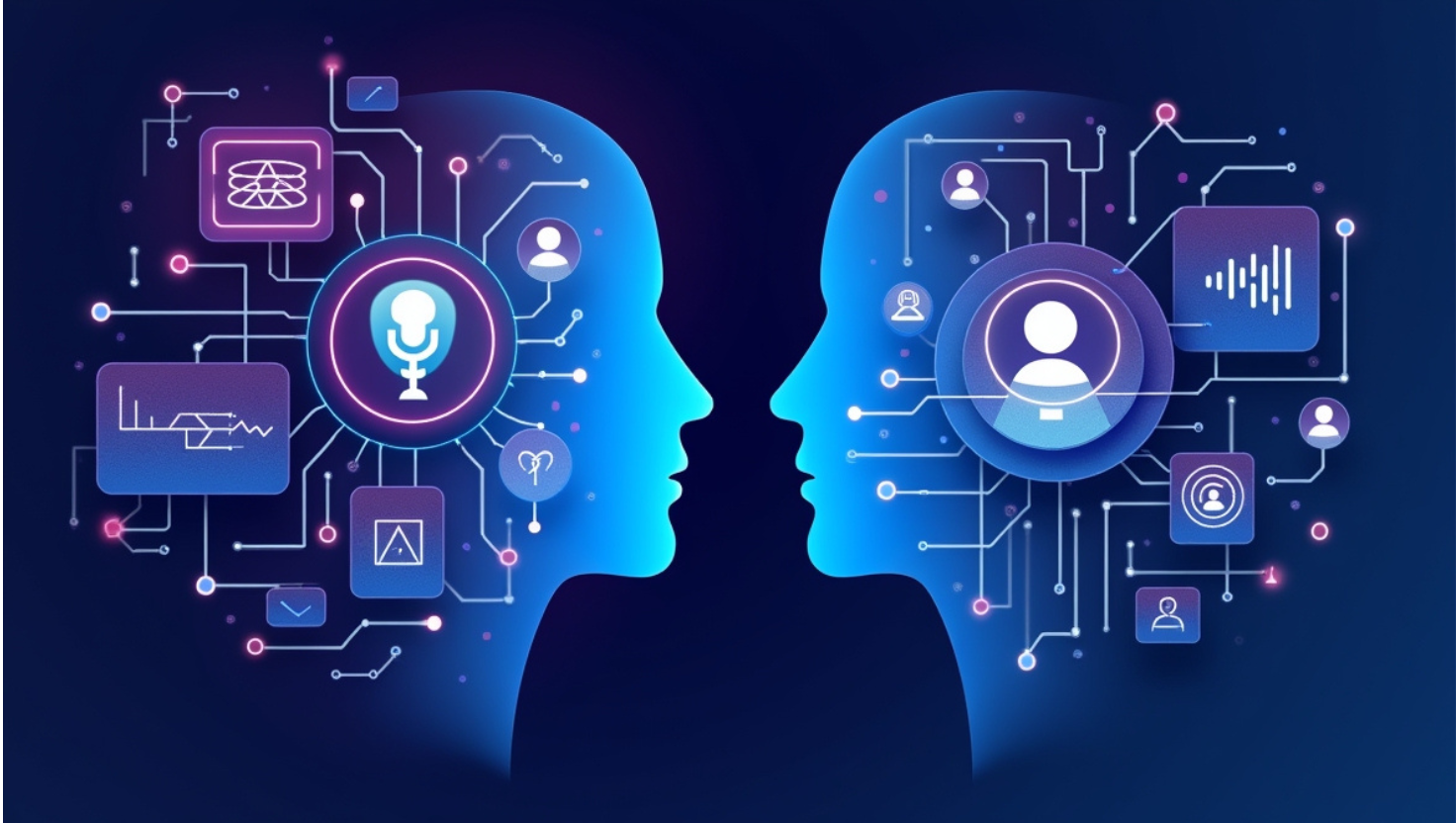
Personality Rights in India
Personality rights protect name, image, voice, and likeness in India, balancing privacy, dignity, and free speech in the AI era.
Personality rights protect name, image, voice, and likeness in India, balancing privacy, dignity, and free speech in the AI era.
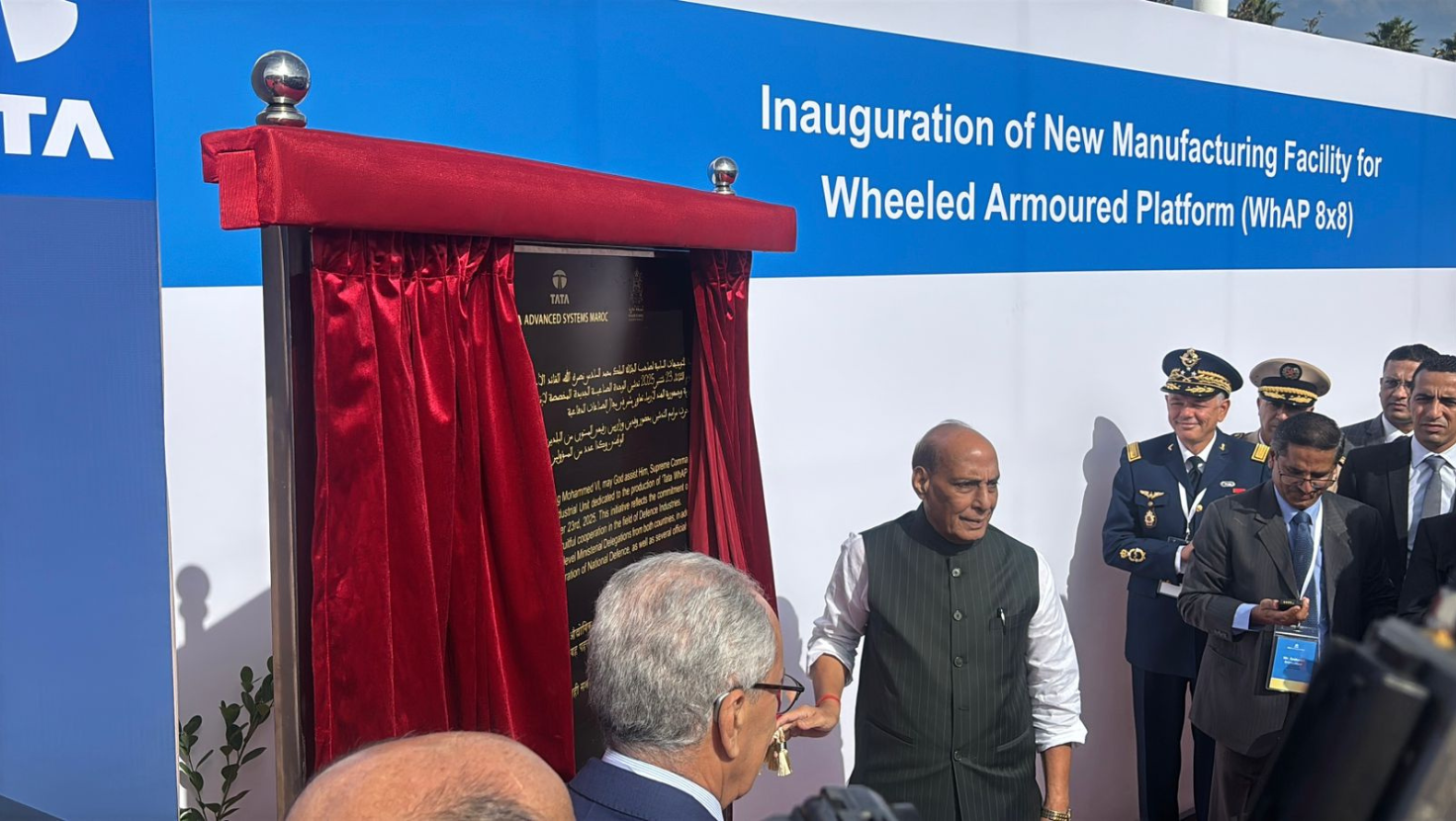
India’s first overseas defence facility in Morocco produces WhAP vehicles, boosting defence exports, India–Morocco ties, and local industry.
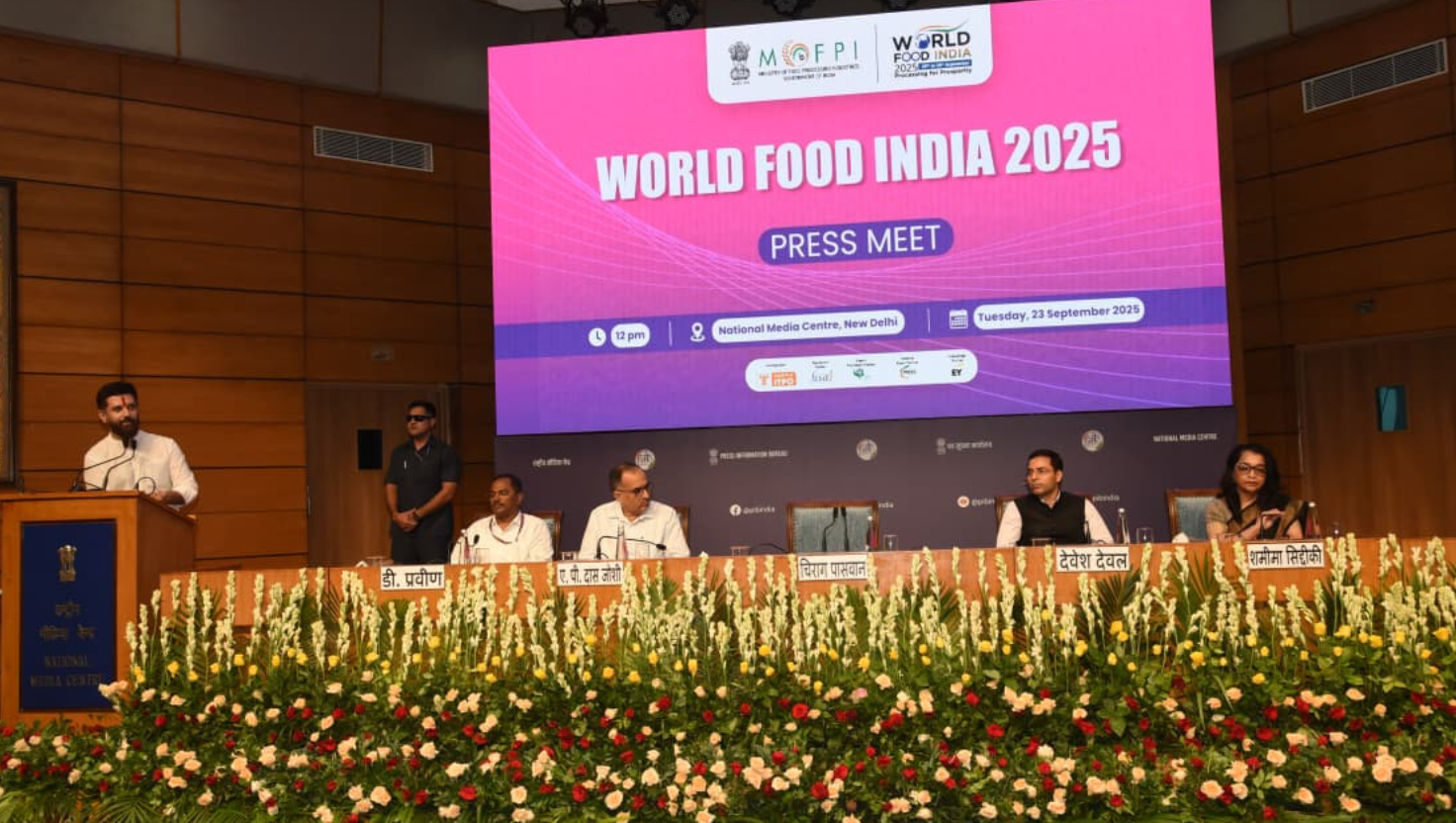
World Food India 2025 promotes India as a global food hub, focusing on investment, innovation, sustainability, and farm-to-fork growth.
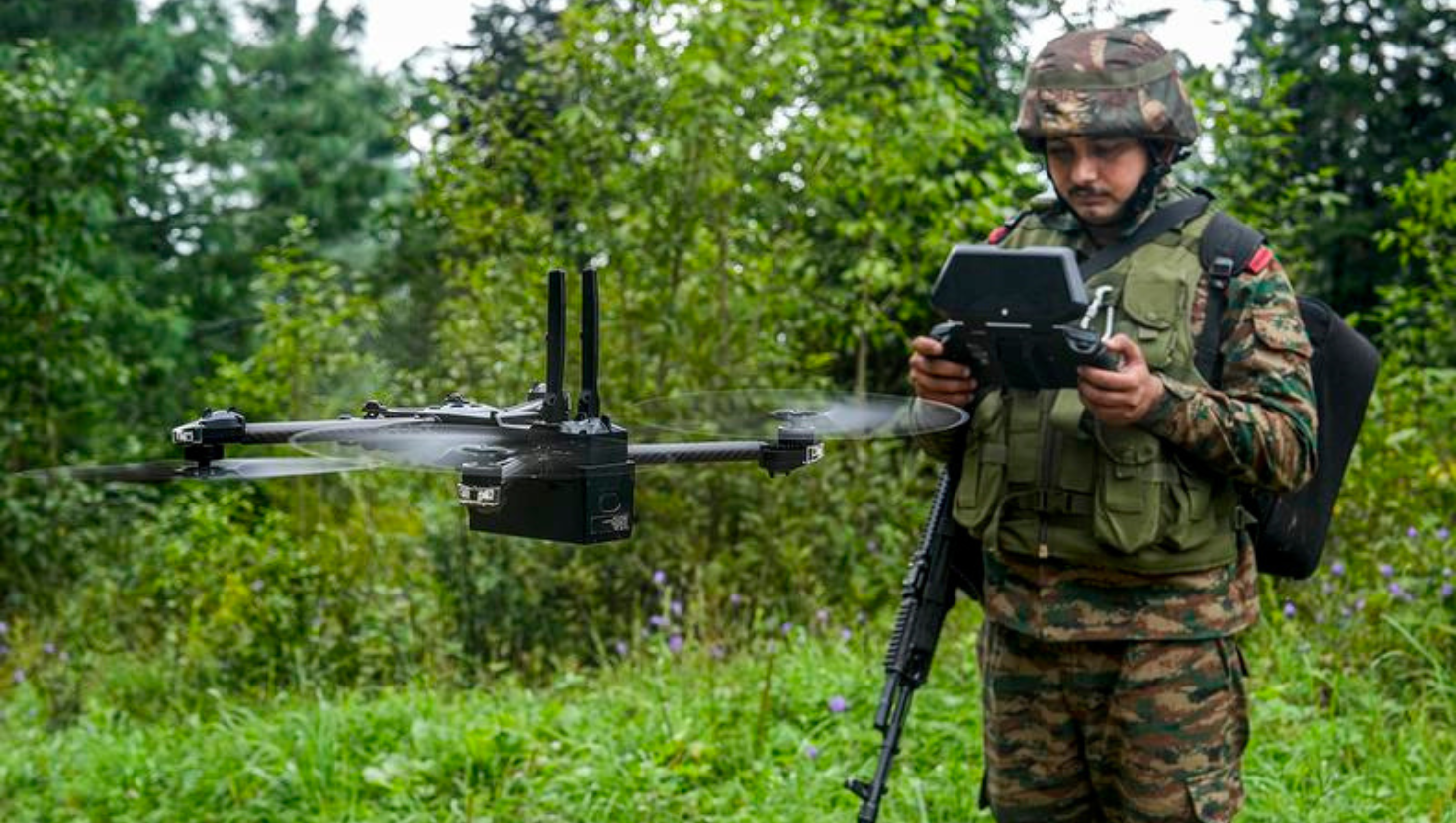
Exercise Cold Start is India’s largest tri-service drone drill, testing counter-drone systems and joint readiness for future conflicts.
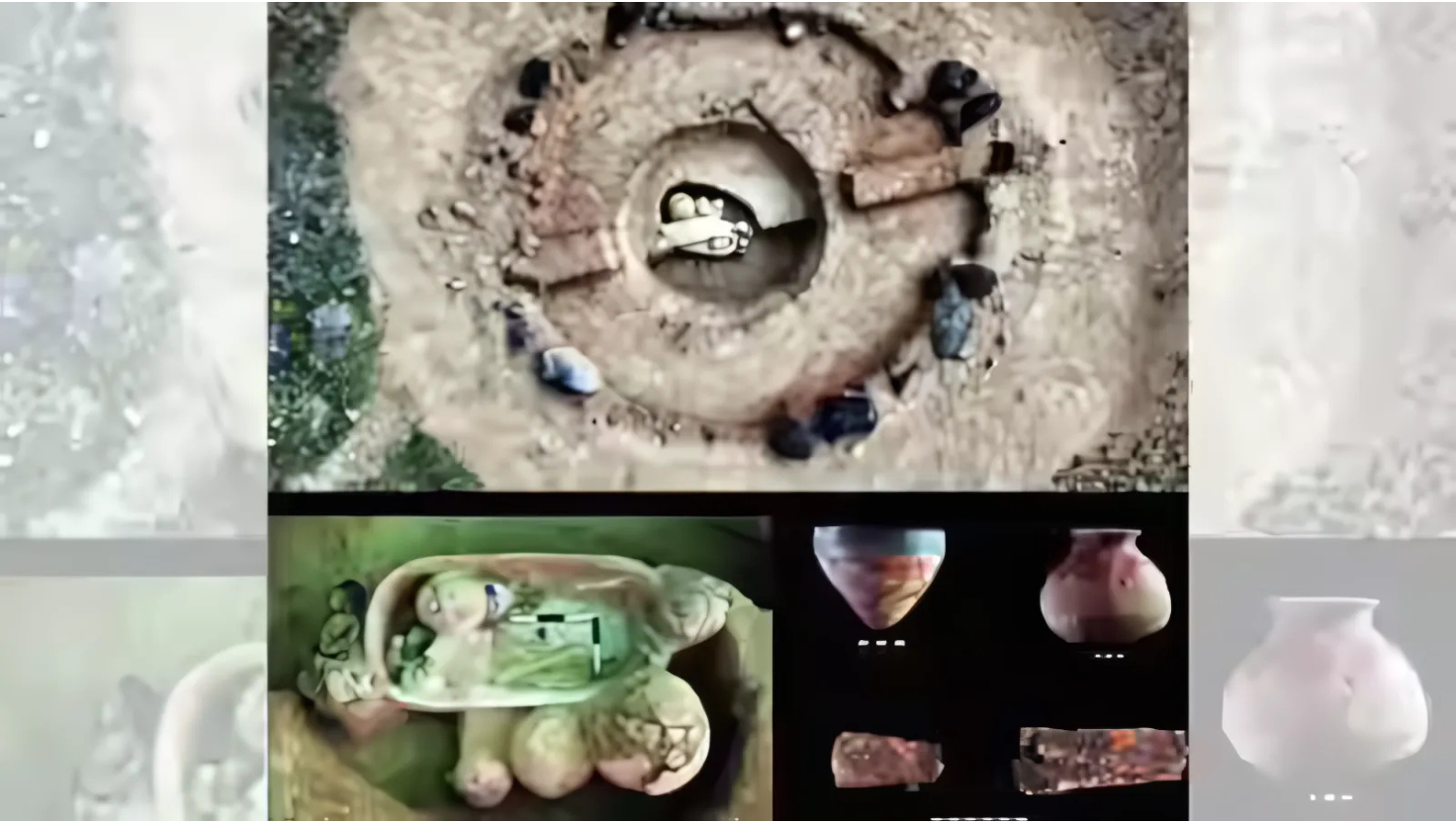
Ancient Sarcophagus from 1692 BCE in Tamil Nadu reveals Late Harappan trade links and early graffiti, highlighting a complex ancient society.
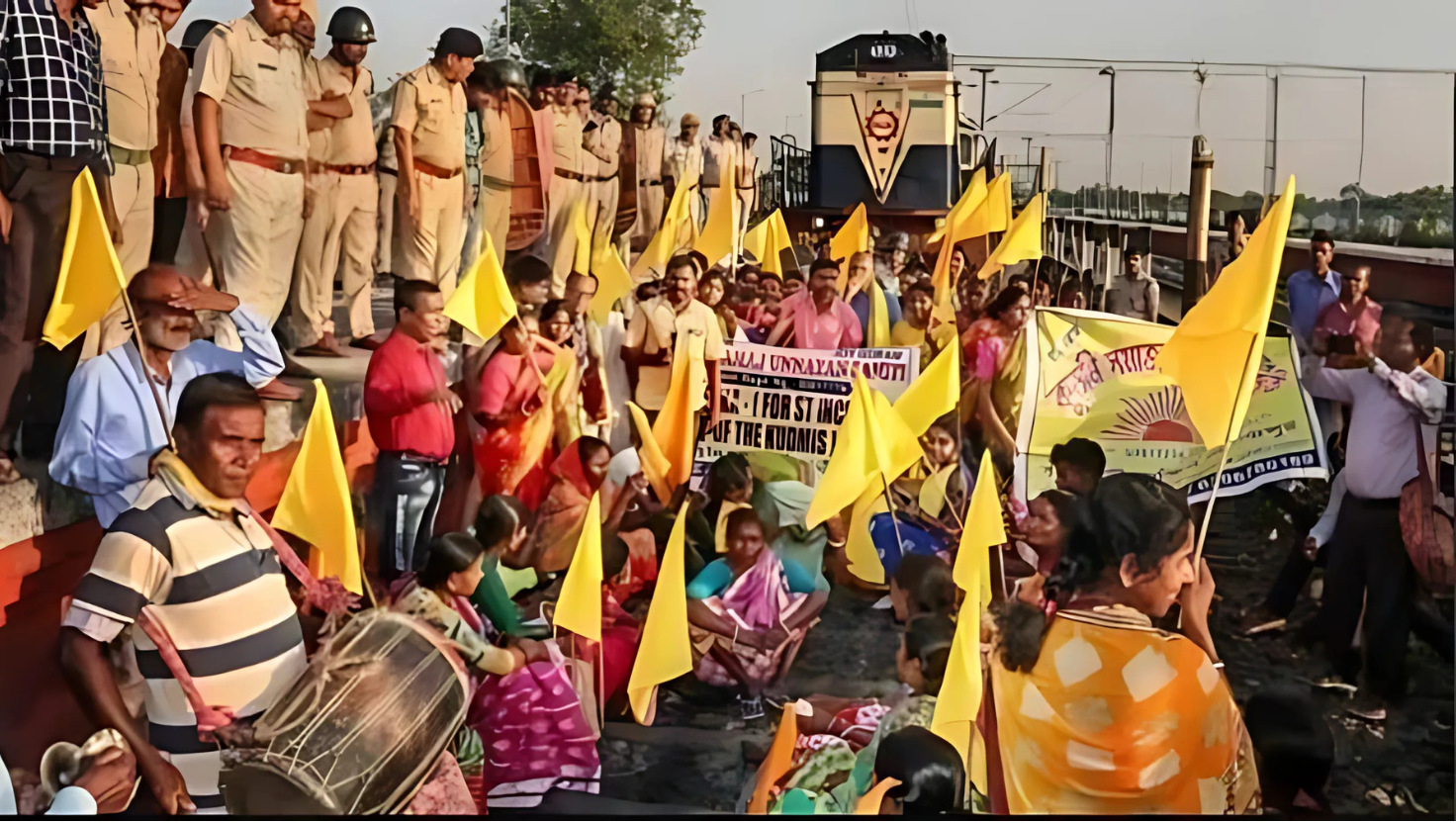
Kurmis Community in Bengal, Jharkhand, and Odisha seek ST status and inclusion of Kurmali language in the Eighth Schedule.
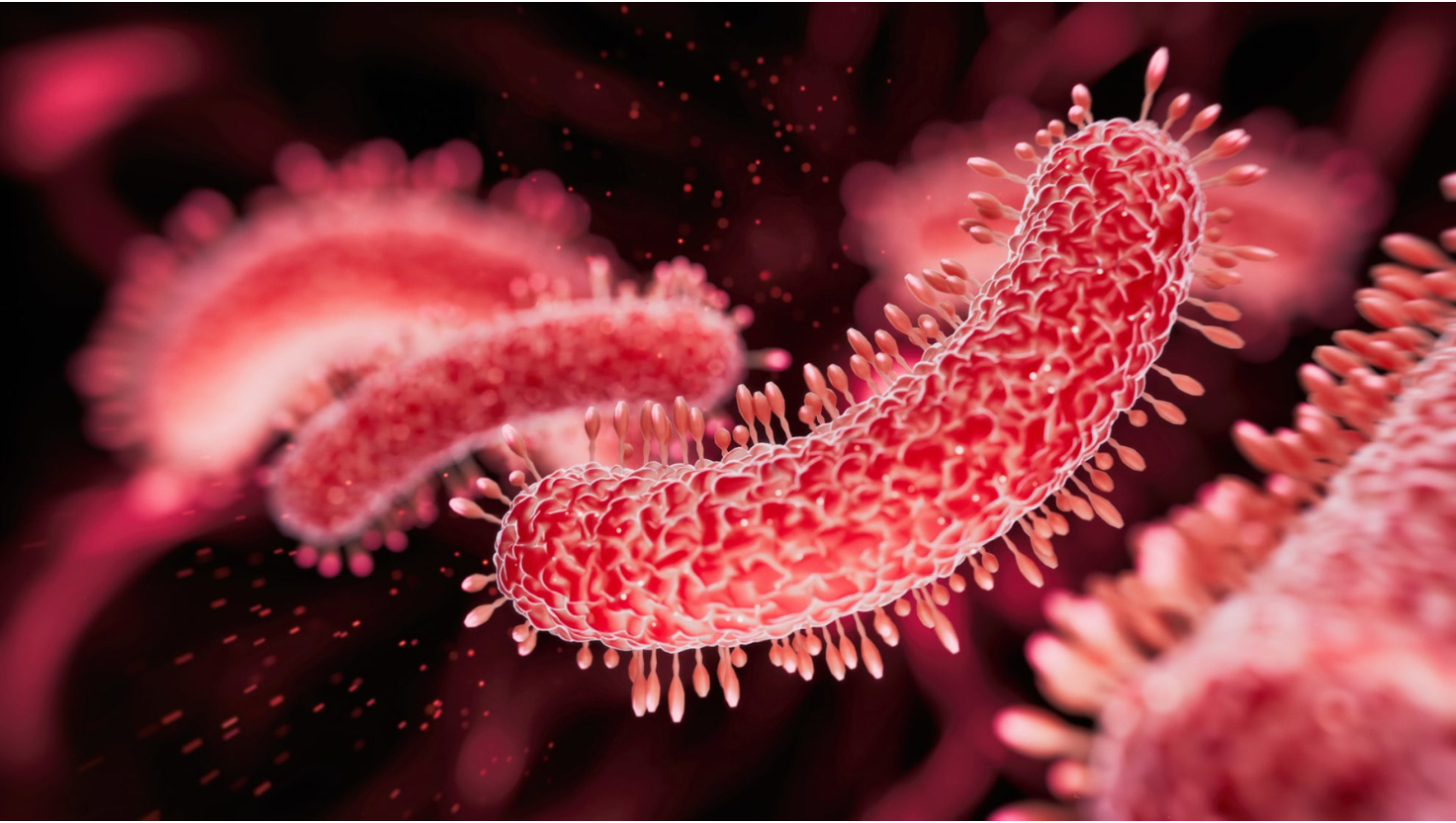
Evo AI Model designs therapeutic viruses using genomics AI, speeding research and fighting drug-resistant bacterial infections.
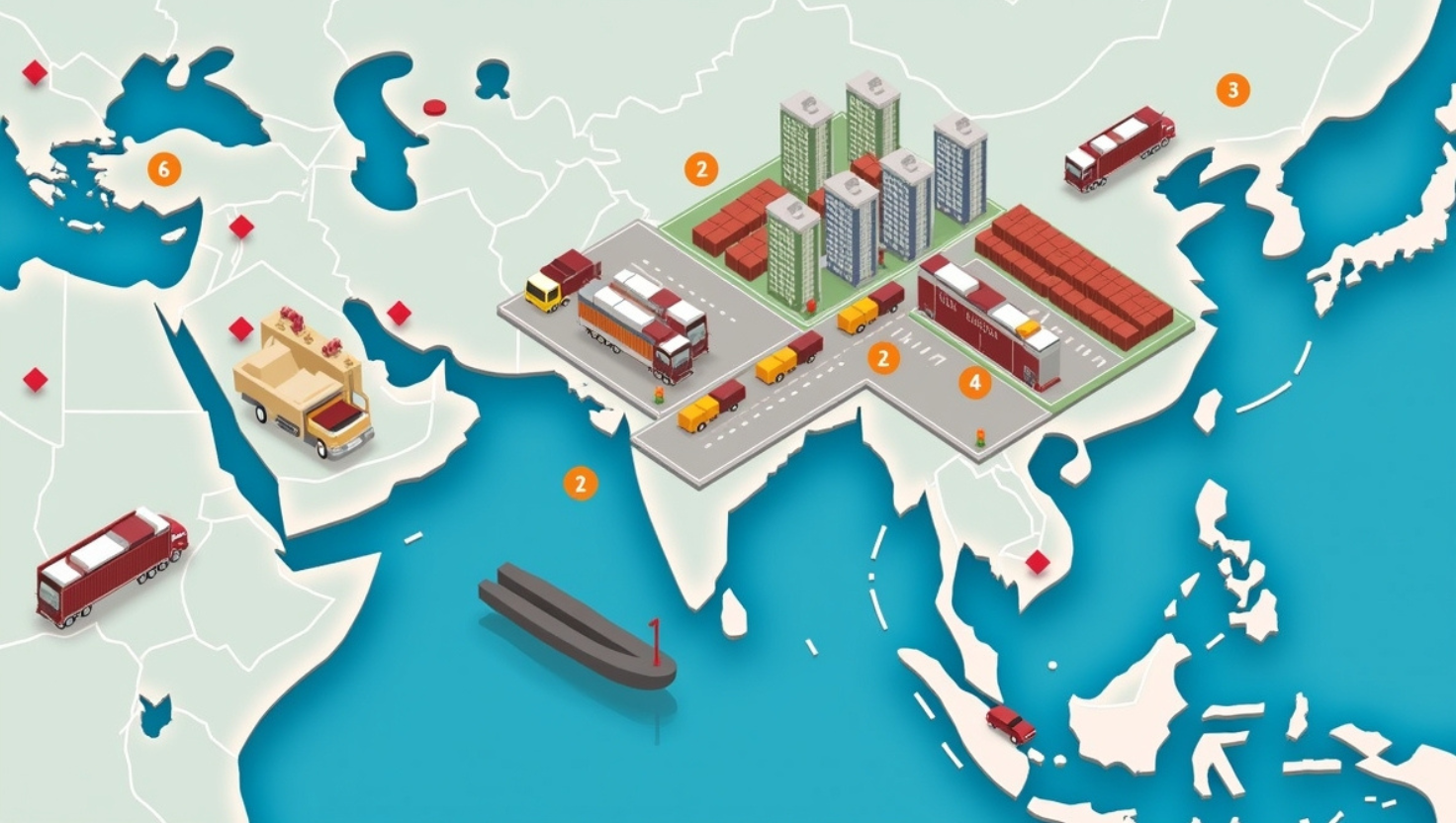
LEADS 2025 ranks Indian States on logistics efficiency, guiding infrastructure planning, policy reforms, and supply chain improvements for smoother trade.
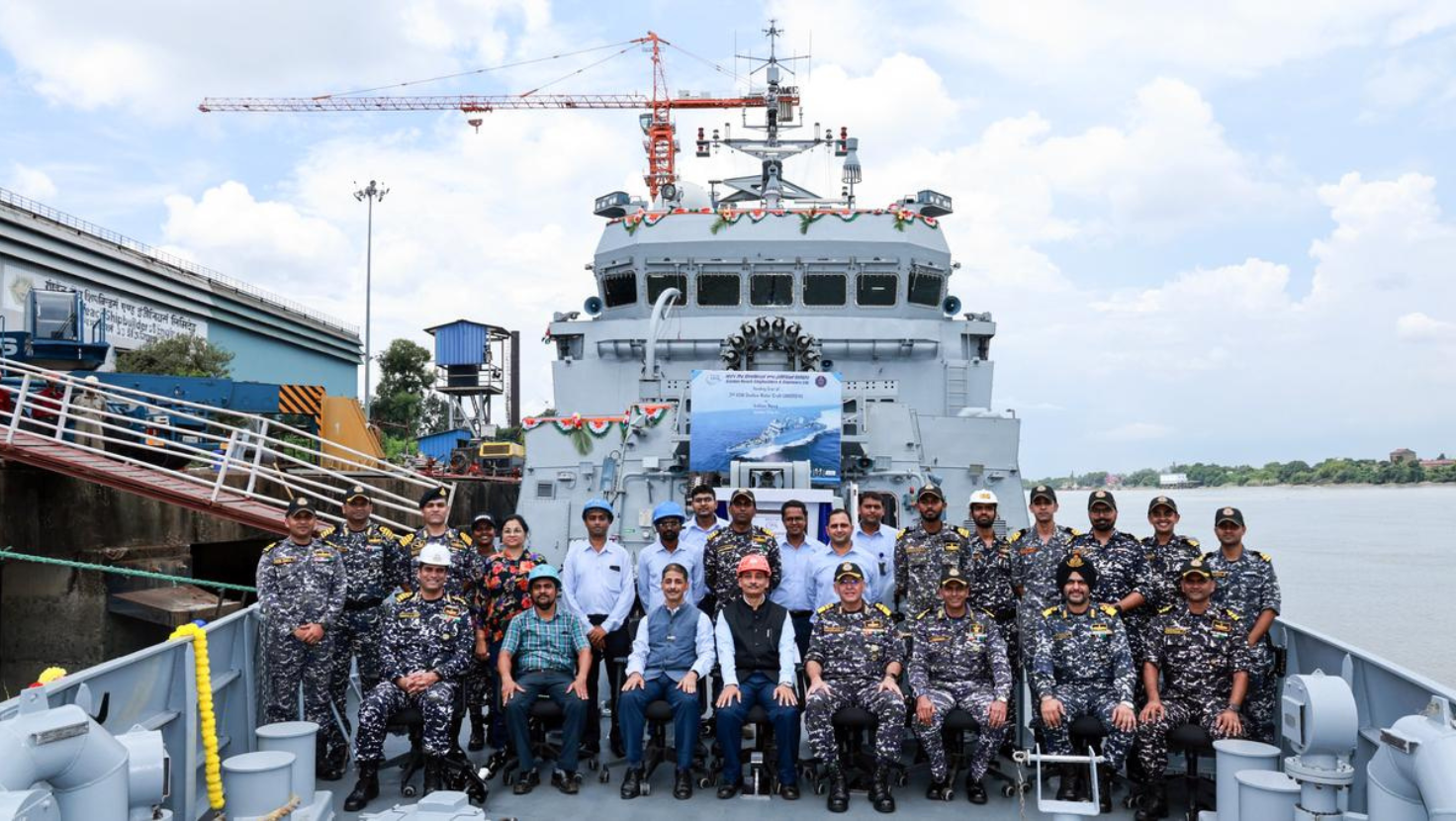
Indian Navy inducts Androth, second indigenously built ASW Shallow Water Craft, enhancing coastal and anti-submarine capabilities.

India re-elected to the Council of Administration and Postal Operations Council of the Universal Postal Union (UPU).
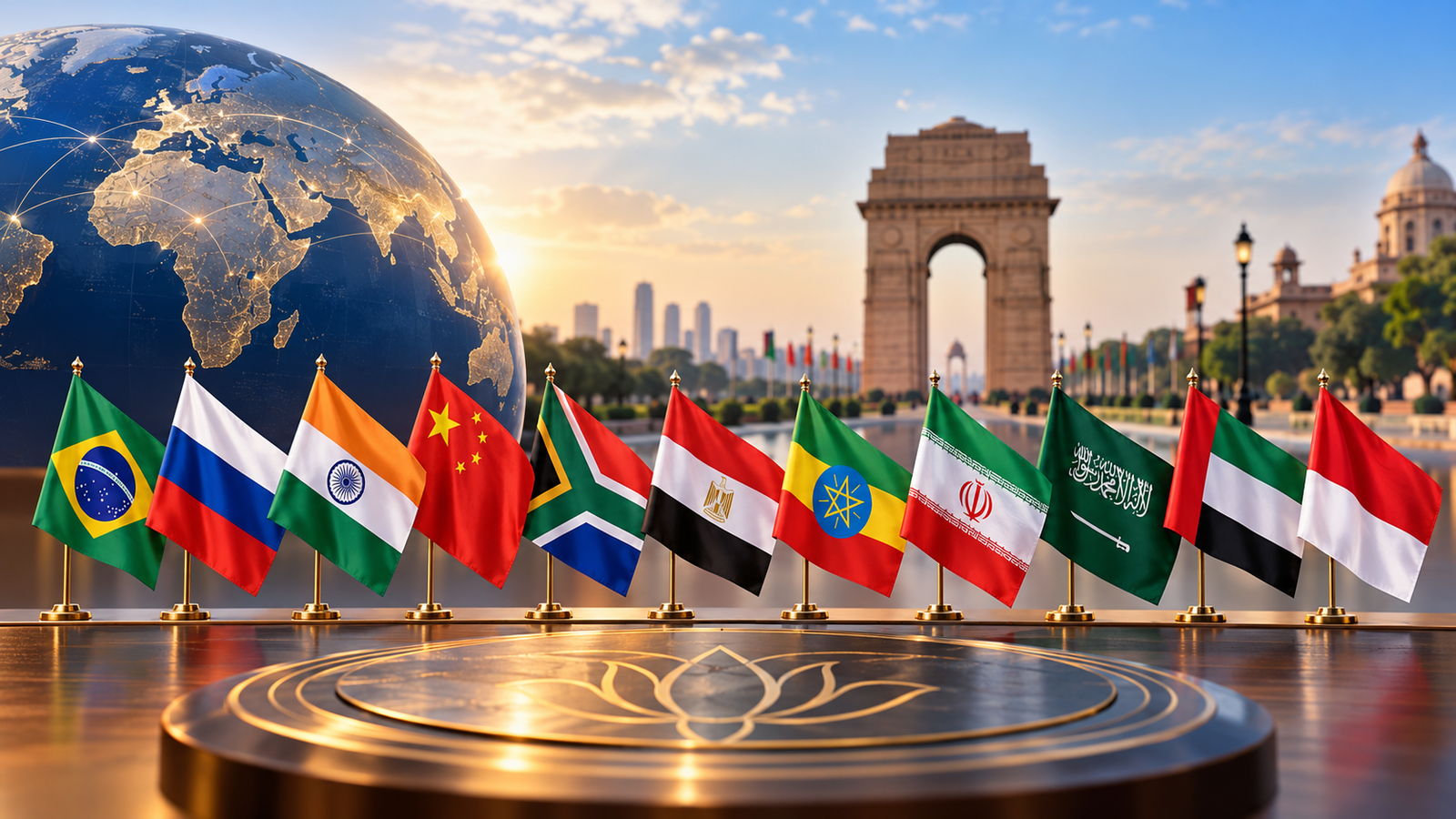
BRICS 2026: Explore the 18th BRICS Summit in New Delhi,
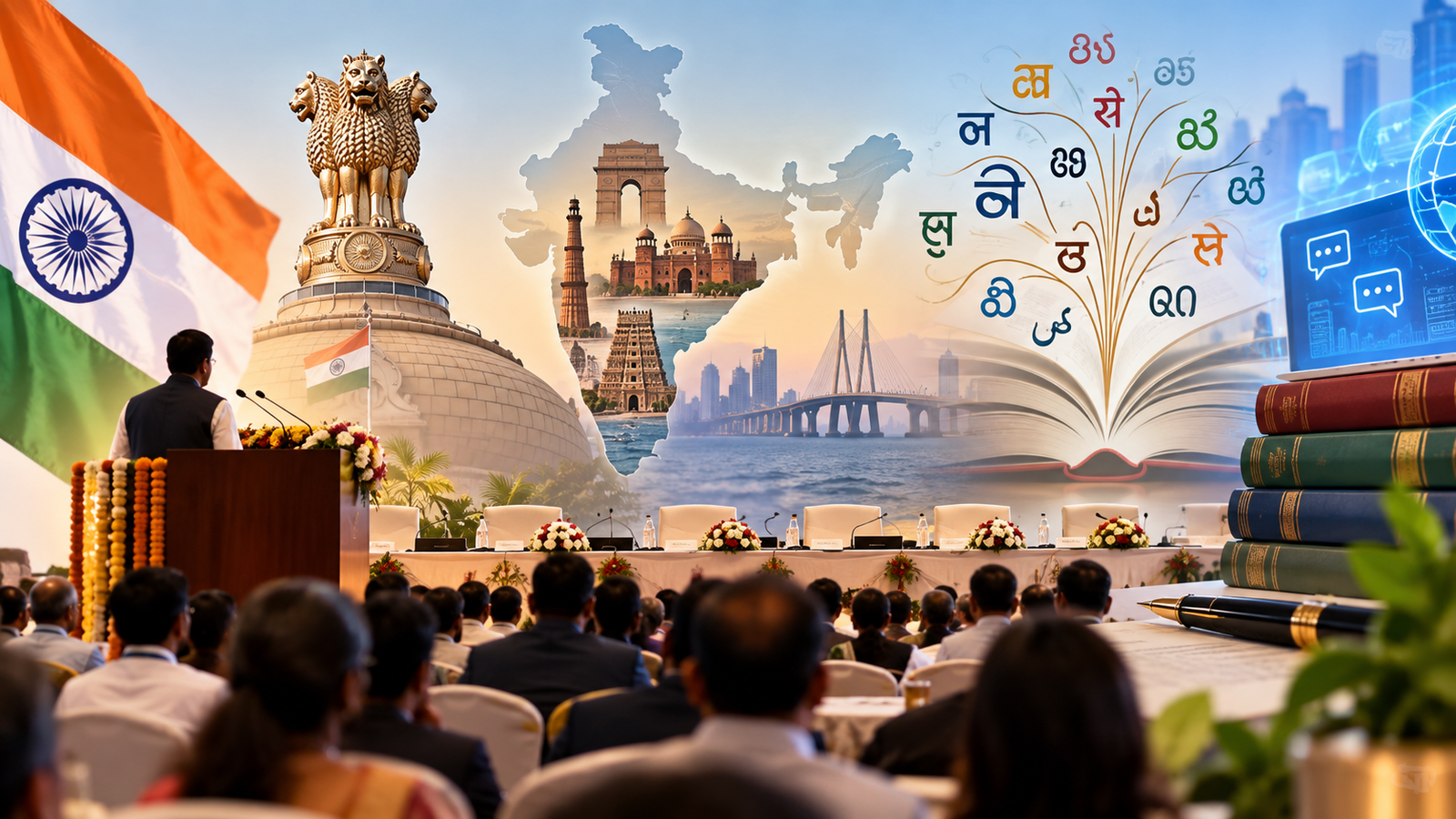
6th All India Official Language Conference 2026 in Navi Mumbai:
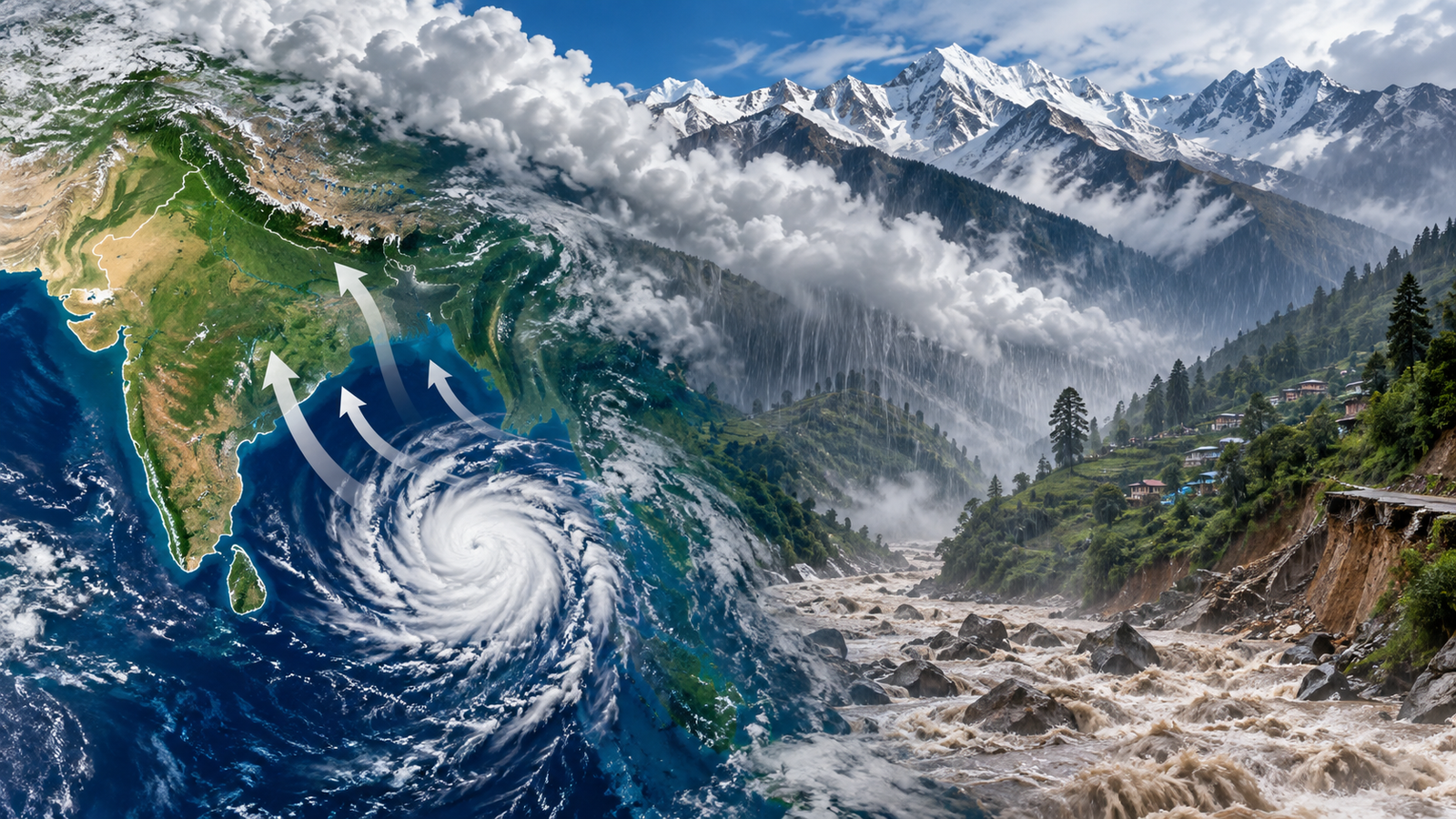
Discover how Bay of Bengal low-pressure systems shape India’s monsoon,
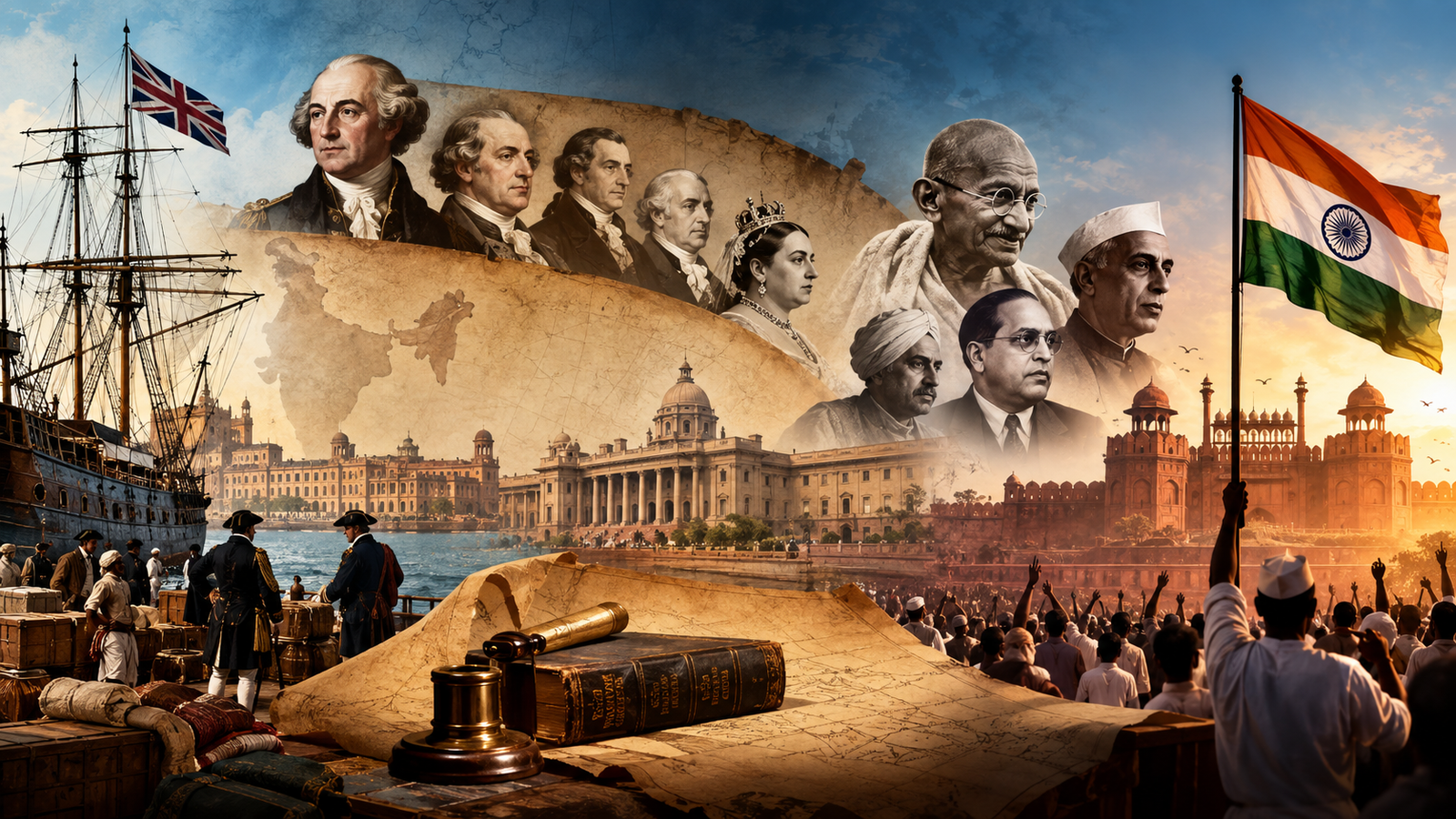
Explore the constitutional evolution of India from East India Company

Yojana June 2026 explores India’s journey towards a Naxal-free Bharat,
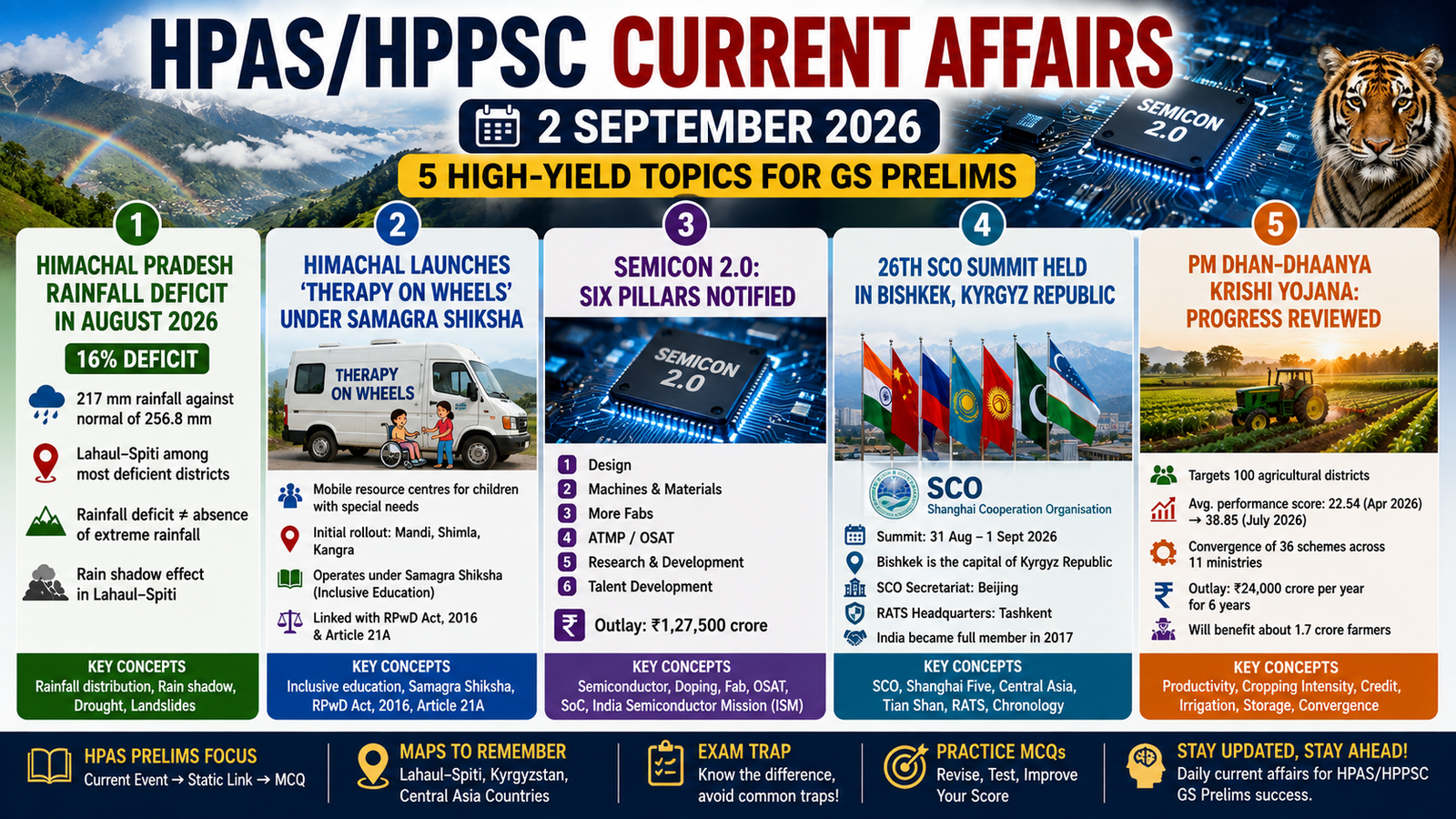
HPAS/HPPSC Current Affairs 2 September 2026: Himachal rainfall deficit, Therapy