
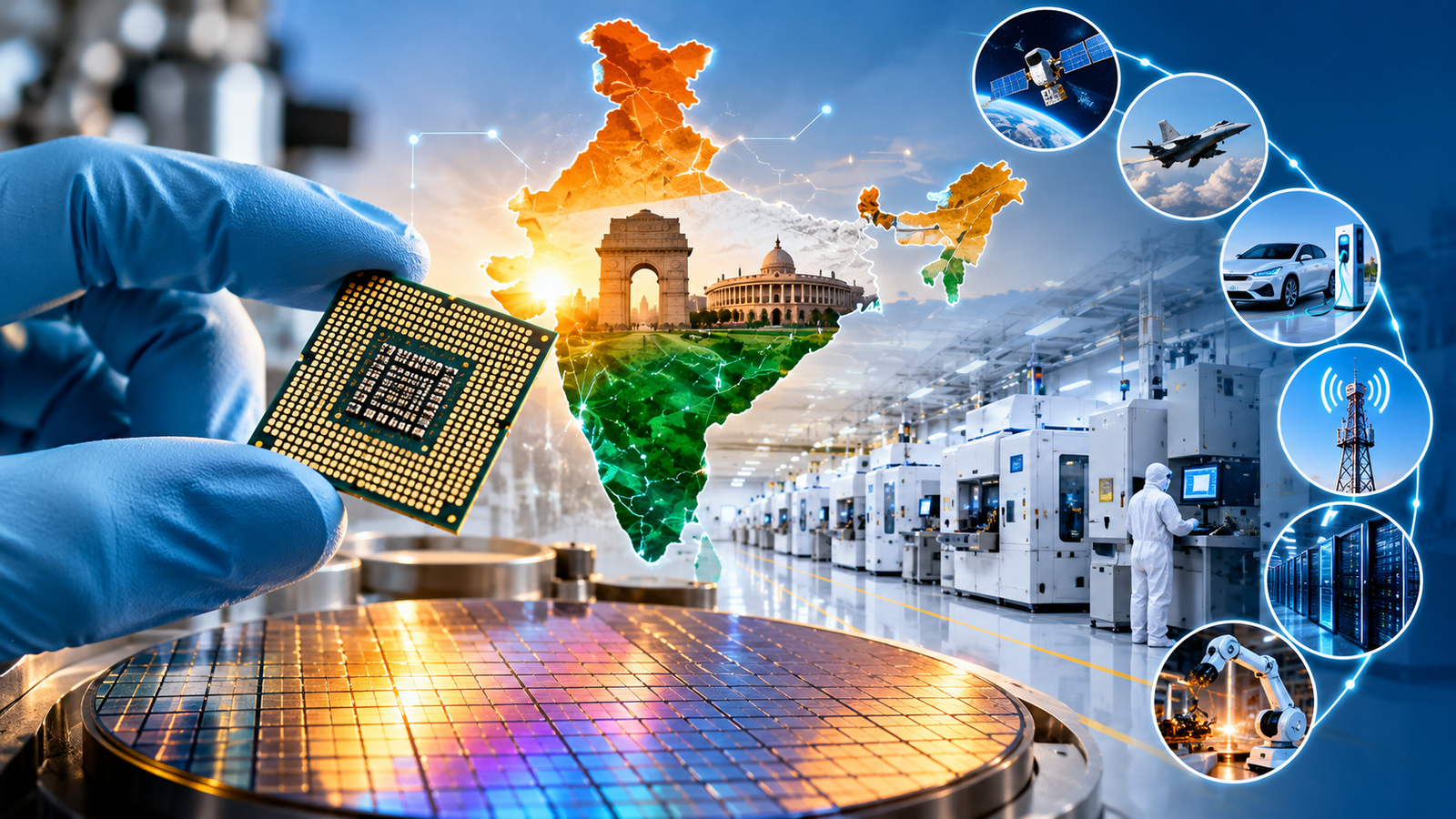
Semicon 2.0: India’s Semiconductor Mission
Semicon 2.0 strengthens India’s semiconductor ecosystem with ₹1.27 lakh crore investment, advanced fabs, chip design, ATMP/OSAT, R&D, talent development and resilient semiconductor supply chains.
Semicon 2.0 strengthens India’s semiconductor ecosystem with ₹1.27 lakh crore investment, advanced fabs, chip design, ATMP/OSAT, R&D, talent development and resilient semiconductor supply chains.
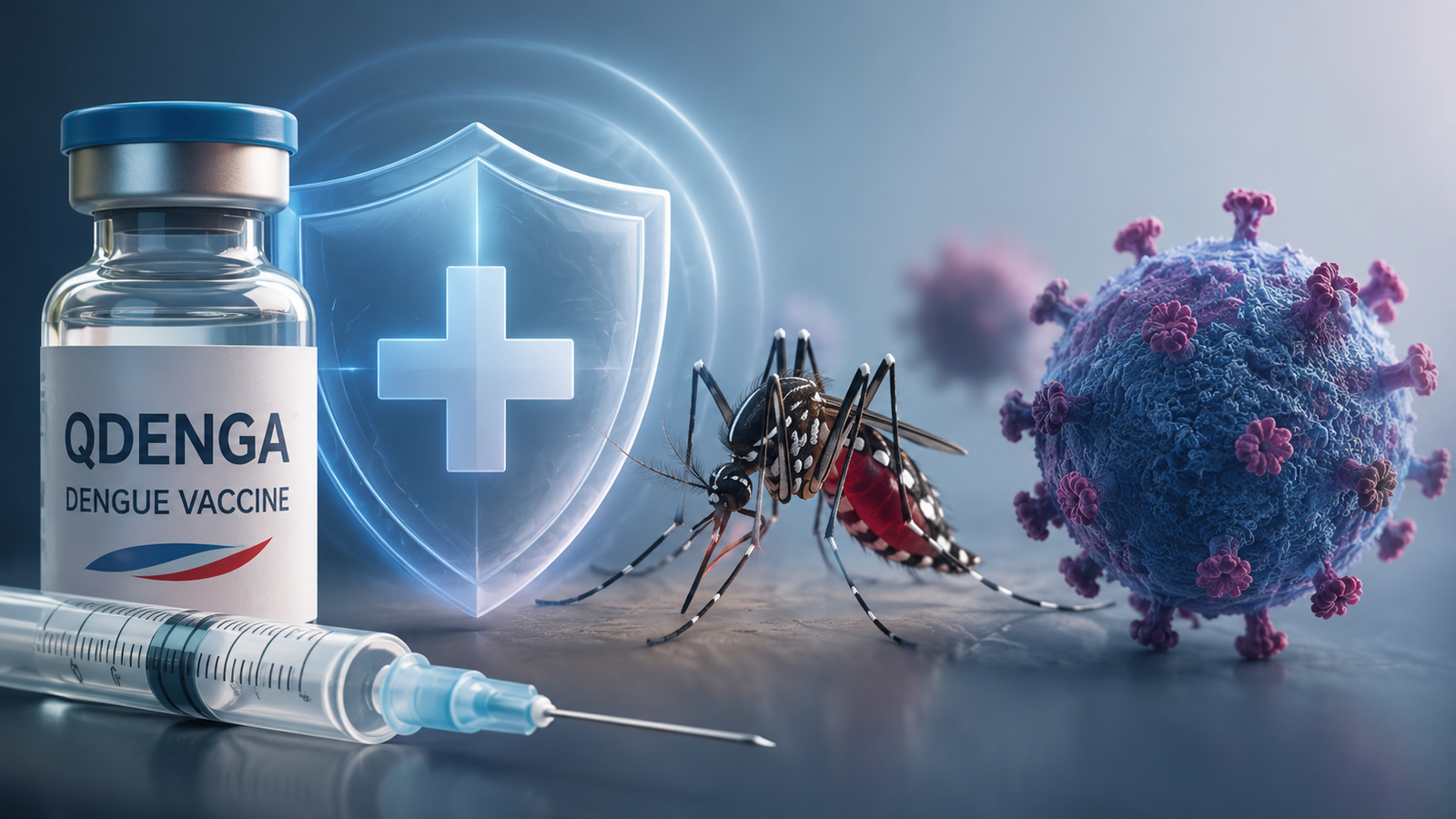
India has approved its first dengue vaccine, Qdenga (TAK-003). Learn how it works, why ADE safety concerns are in the news, what CDSCO approved, and understand dengue, serotypes, vaccines and immunology in simple UPSC-friendly language.

Understand BitChat, Bluetooth Mesh Networks, GitHub takedowns, the IT Act, Article 19, and key Supreme Court judgments. Learn how India balances national security, privacy, digital rights, and freedom of speech in the age of decentralized communication.

Project Nimbus Explained: Cloud Computing, AI, Data Sovereignty and the Ethics of Military Technology
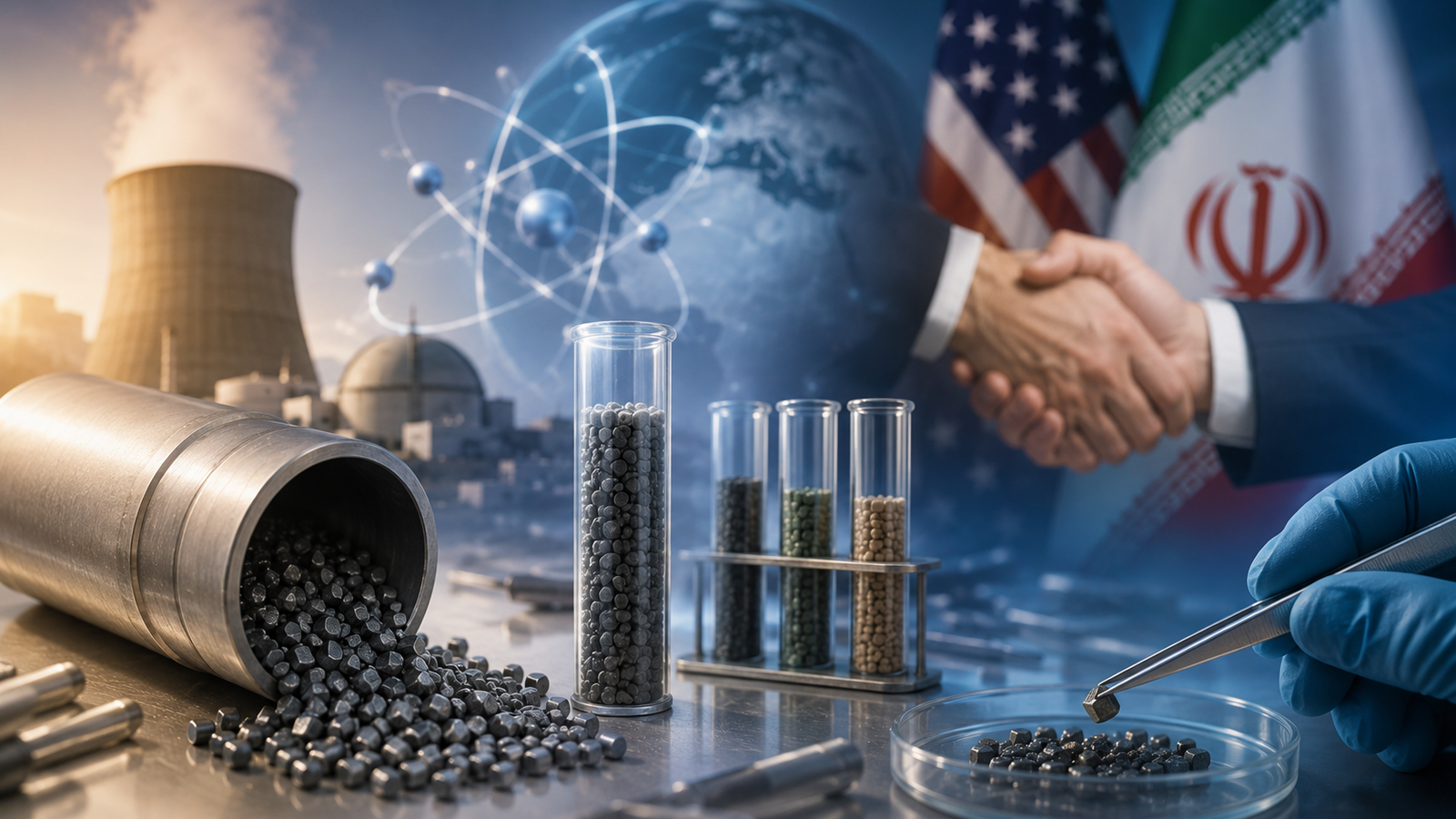
The recent U.S.–Iran understanding has brought Uranium Downblending into global focus. By converting Highly Enriched Uranium (HEU) into Low Enriched Uranium (LEU) under IAEA supervision, the process strengthens nuclear non-proliferation, reduces weapons risks, and supports peaceful nuclear energy use.
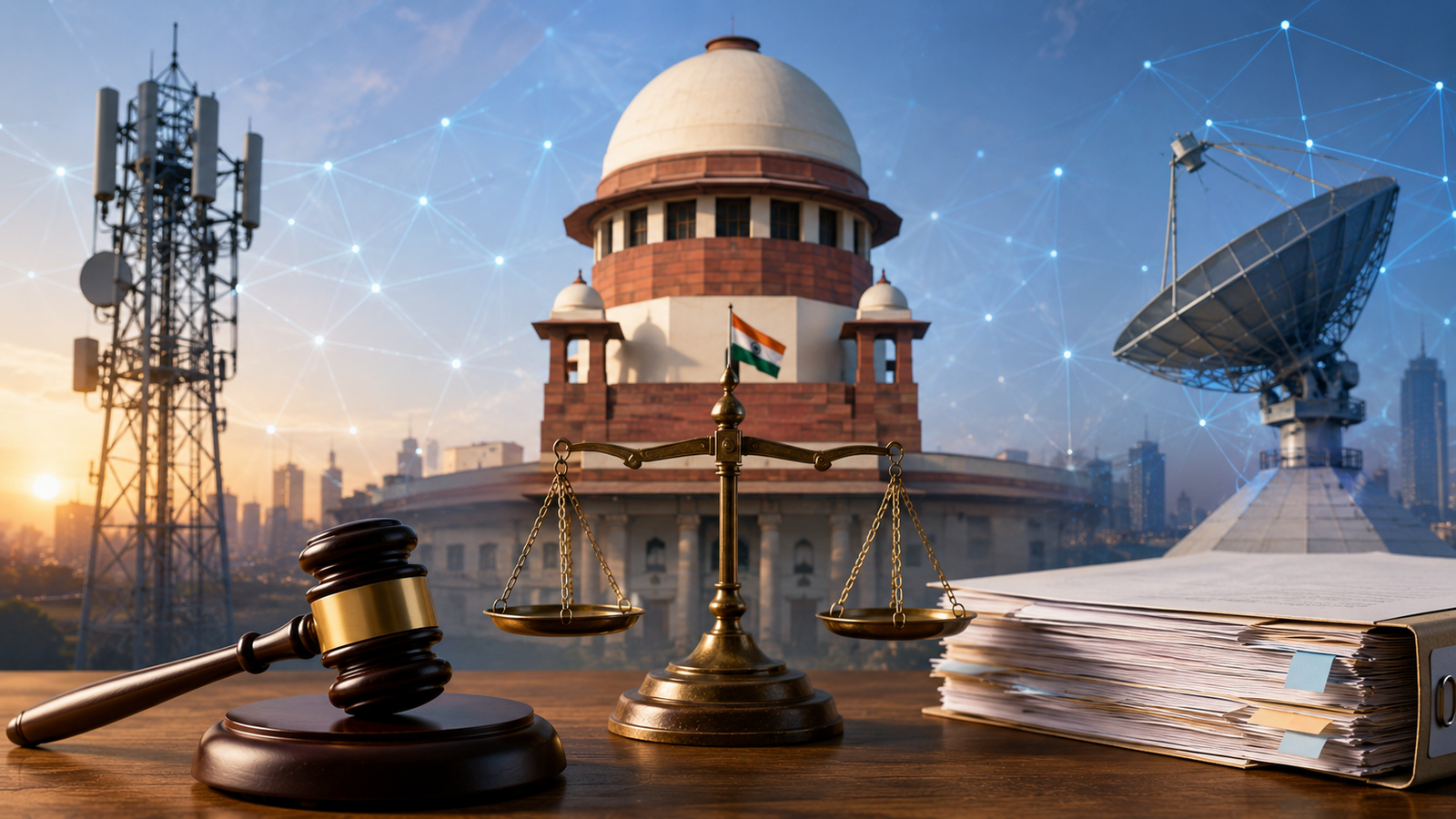
Recent Supreme Court and Bombay High Court judgments have clarified the scope of Sovereign Power over public resources such as spectrum while reaffirming constitutional limits on executive authority. The rulings strengthen the Public Trust Doctrine, contractual certainty, transparency, and accountable governance in India’s resource allocation framework.

India’s Cotton Productivity Mission aims to boost cotton yields from 441 kg/ha to 755 kg/ha by 2031. The initiative has renewed debate on Bt Cotton, biotechnology, seed innovation, and regulatory reforms needed to revive productivity and strengthen India’s textile economy.
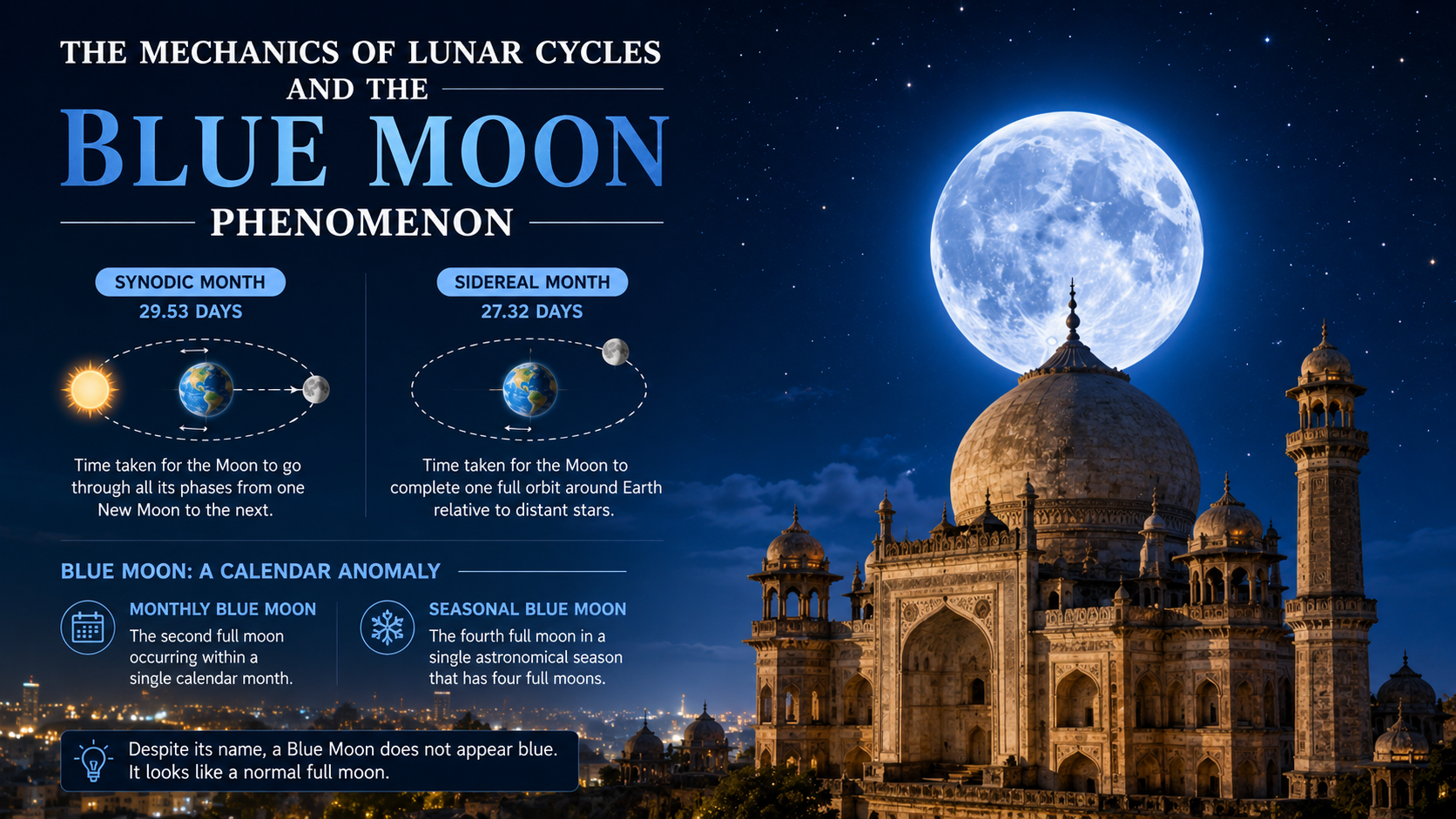
The Blue Moon is a rare astronomical event caused by the mismatch between the lunar cycle and the calendar year. Understanding synodic and sidereal months helps explain how lunar phases, orbital motion, and celestial mechanics shape this fascinating phenomenon.
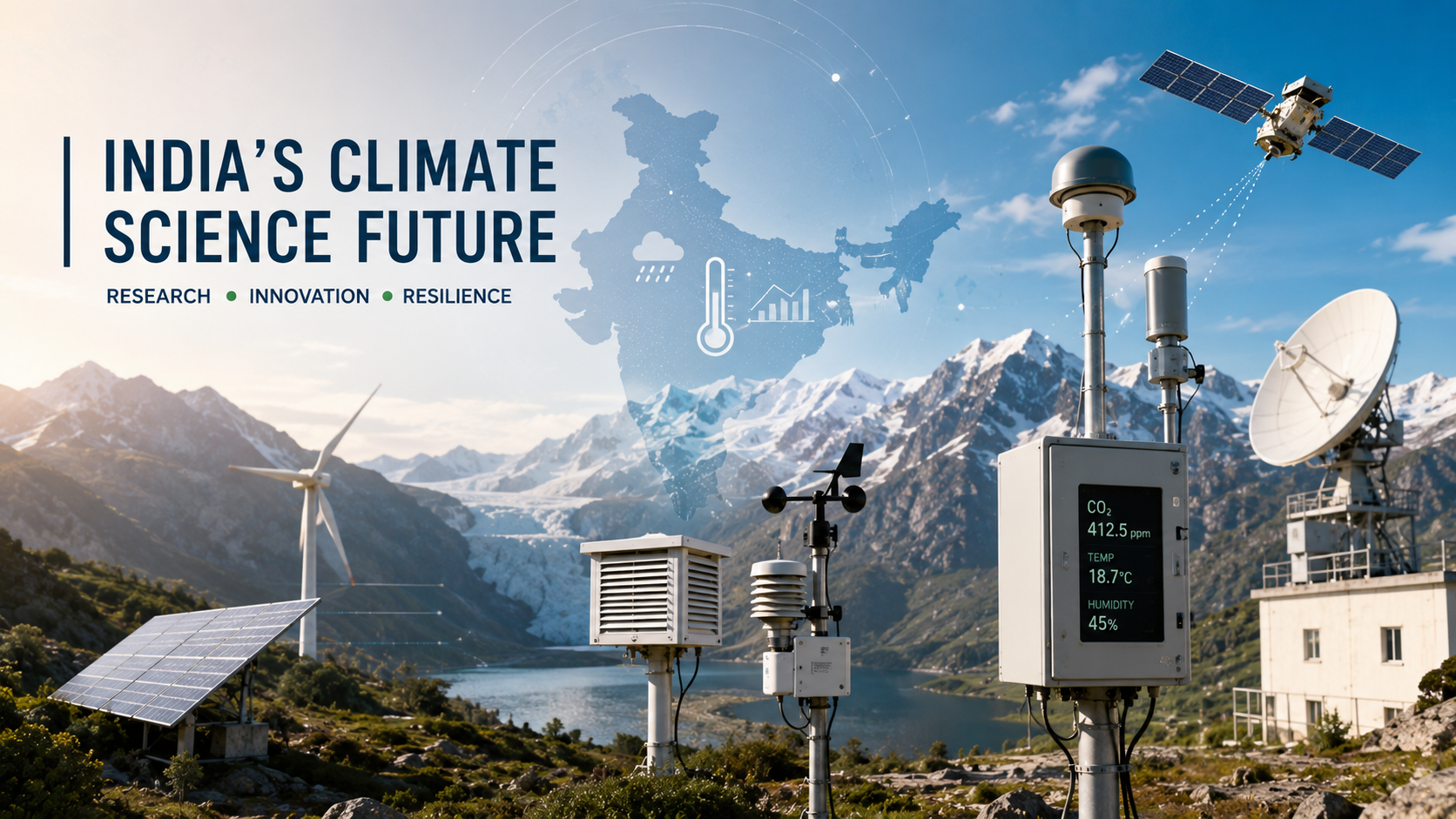
India’s climate scientists have warned of a growing dependence on imported scientific instruments, raising concerns about data accuracy and research capability. The Mega Science Vision-2035 report calls for rebuilding indigenous climate technologies to strengthen scientific self-reliance and climate resilience.
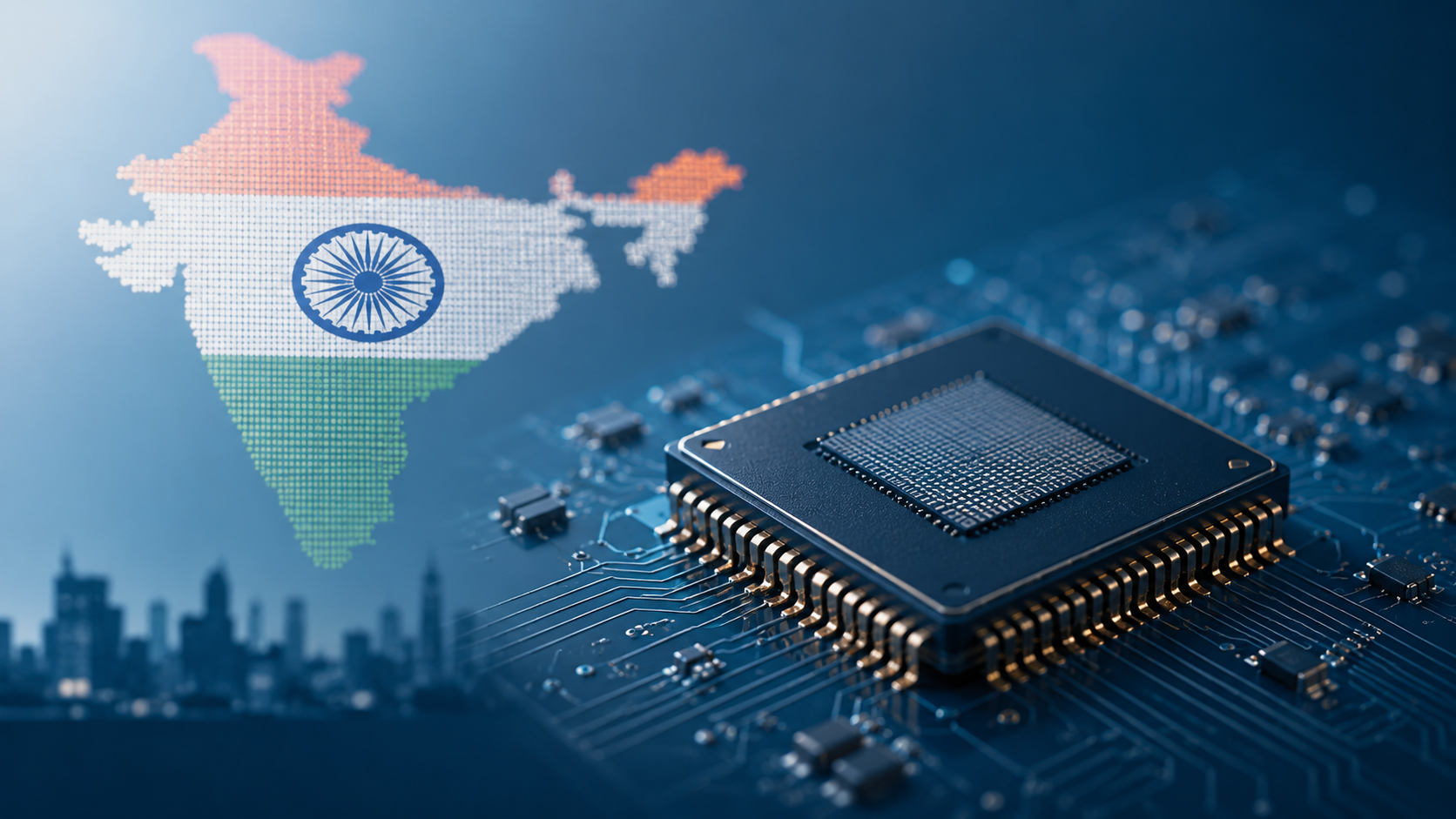
Semiconductors power everything from smartphones and AI systems to defence technologies. As India aims to become a global chip manufacturing hub, strengthening domestic production, supply chains, and innovation will be crucial for achieving technological self-reliance.

Excerpt: UNESCO has added three Indian sites to its Tentative

Explore ICMR-CHAMP at Keylong, Himachal Pradesh—its objectives, research areas, importance

Himachal Pradesh High Court halts forest road construction and tarring
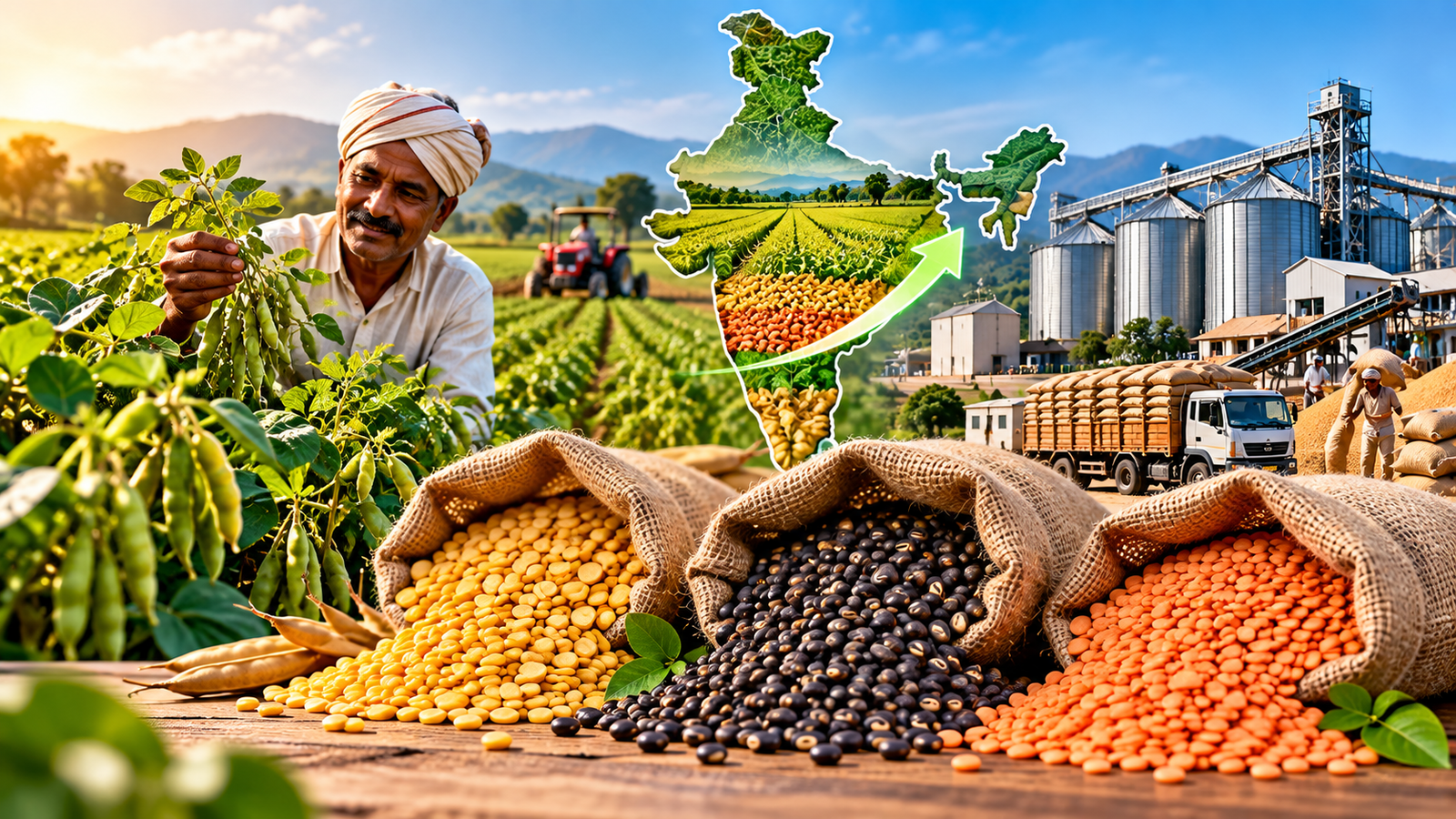
Mission for Aatmanirbharta in Pulses 2026: Explore the ₹11,440 crore

Living Planet Report 2026: Explore the 73% decline in monitored
India AI Regulation 2026: Understand the proposed AI regulatory framework,