

S-400 ‘Sudarshan Chakra’ Air Defence System – India’s Strategic Shield
India advances defence readiness as MoD approves MRO facility for S-400 ‘Sudarshan Chakra’, enhancing long-range air threat interception capabilities.
India advances defence readiness as MoD approves MRO facility for S-400 ‘Sudarshan Chakra’, enhancing long-range air threat interception capabilities.

HTBt cotton, a GM variety combining insect resistance and herbicide tolerance, moves closer to approval after a positive biosafety report by GEAC panel.

TALASH is a digital initiative by the Tribal Affairs Ministry and UNICEF to enhance life skills, self-awareness, and career planning for tribal students.

Catastrophe Bonds (Cat Bonds) are high-risk, high-return financial instruments that transfer disaster-related risks to global capital markets.

Mahisagar River is a rare west-flowing river that crosses the Tropic of Cancer twice, vital to western India’s ecology, culture, and water systems.

PM Modi receives Namibia’s highest honour, the Order of the Most Ancient Welwitschia Mirabilis, strengthening strategic bilateral ties.
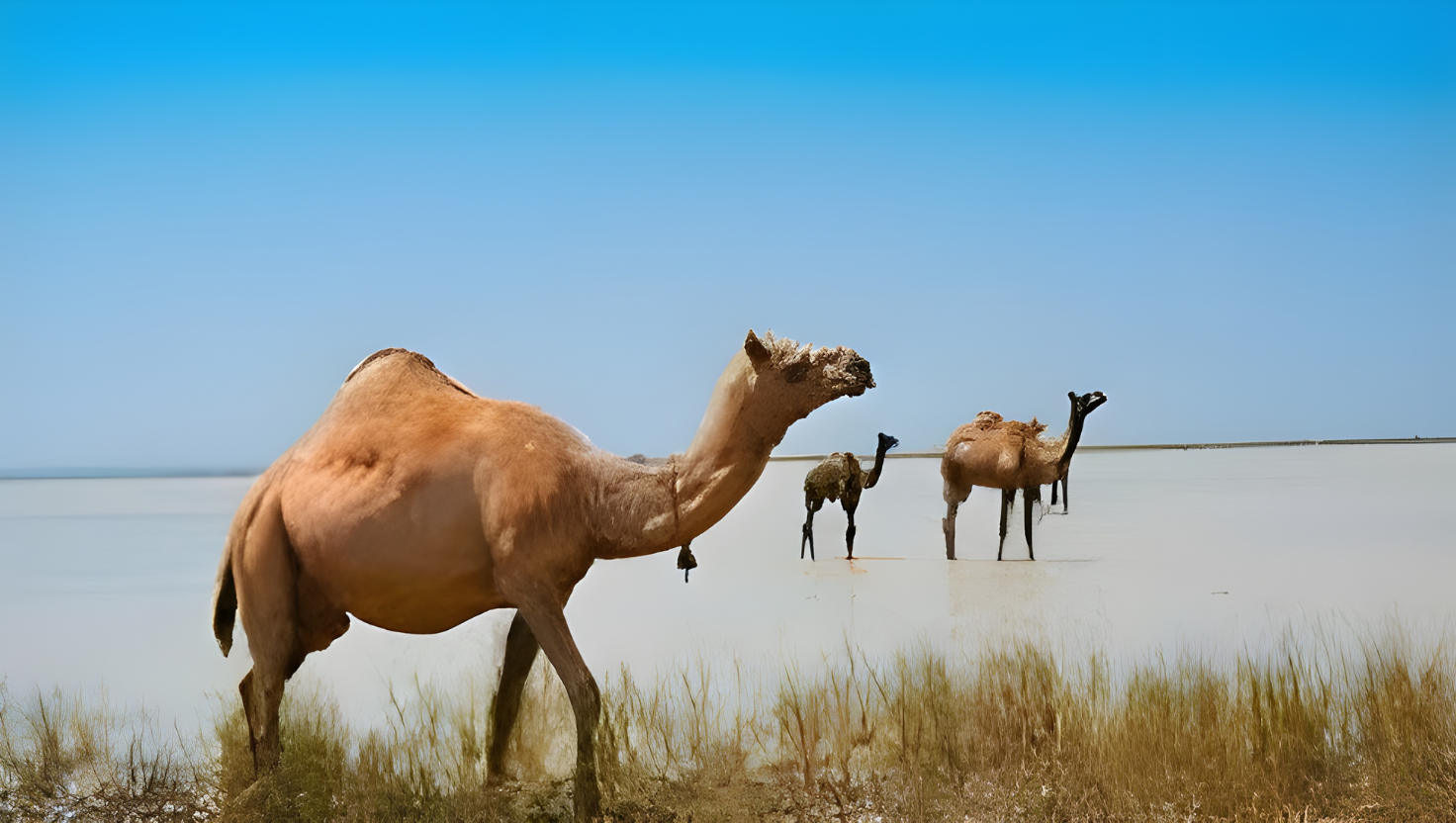
Kharai camels of Gujarat are rare swimming camels adapted to mangrove ecosystems, crucial for coastal ecology and climate-resilient livestock.
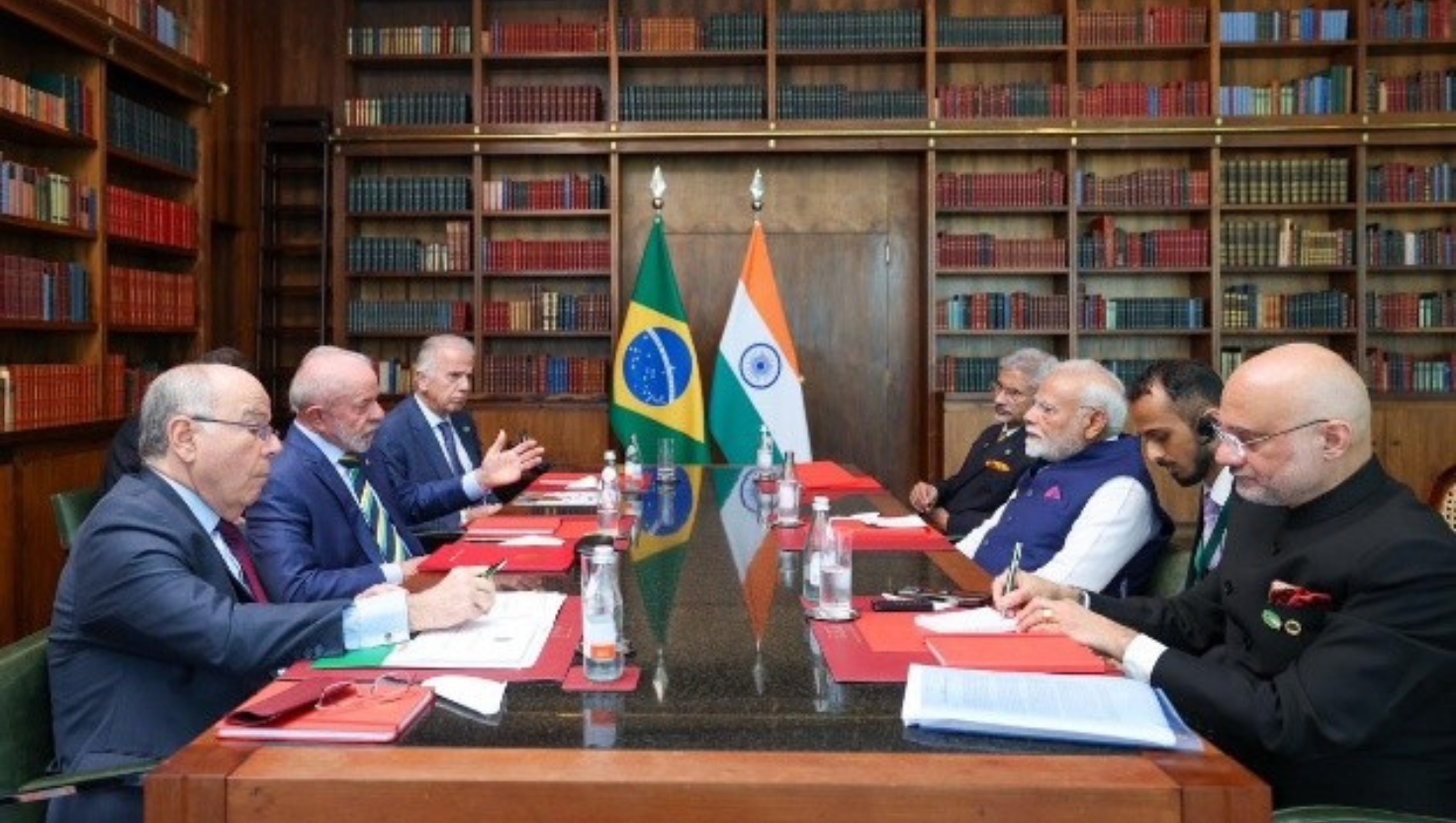
Brazil confers its highest civilian honour, the Grand Collar of the National Order of the Southern Cross, on India’s PM, highlighting strong bilateral ties.

Kerala invoked the Admiralty Act, 2017 to seek ₹9,531 crore for marine damage, marking a rare environmental use of maritime law in India.
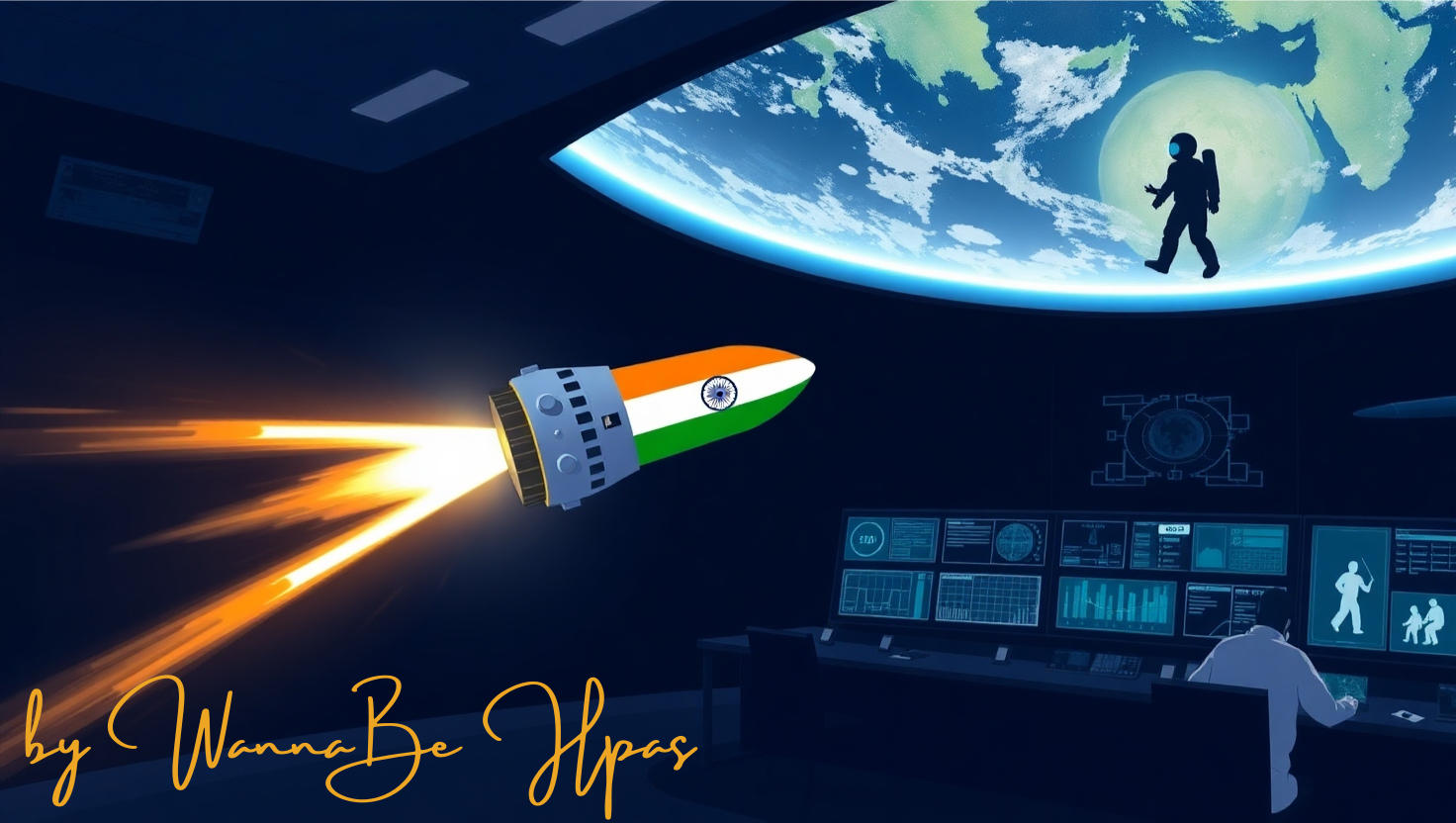
ISRO successfully conducts hot tests of Gaganyaan’s propulsion system, under Gaganyaan Mission marking a key step toward India’s first manned space mission in 2027.

BRICS 2026: Explore the 18th BRICS Summit in New Delhi,
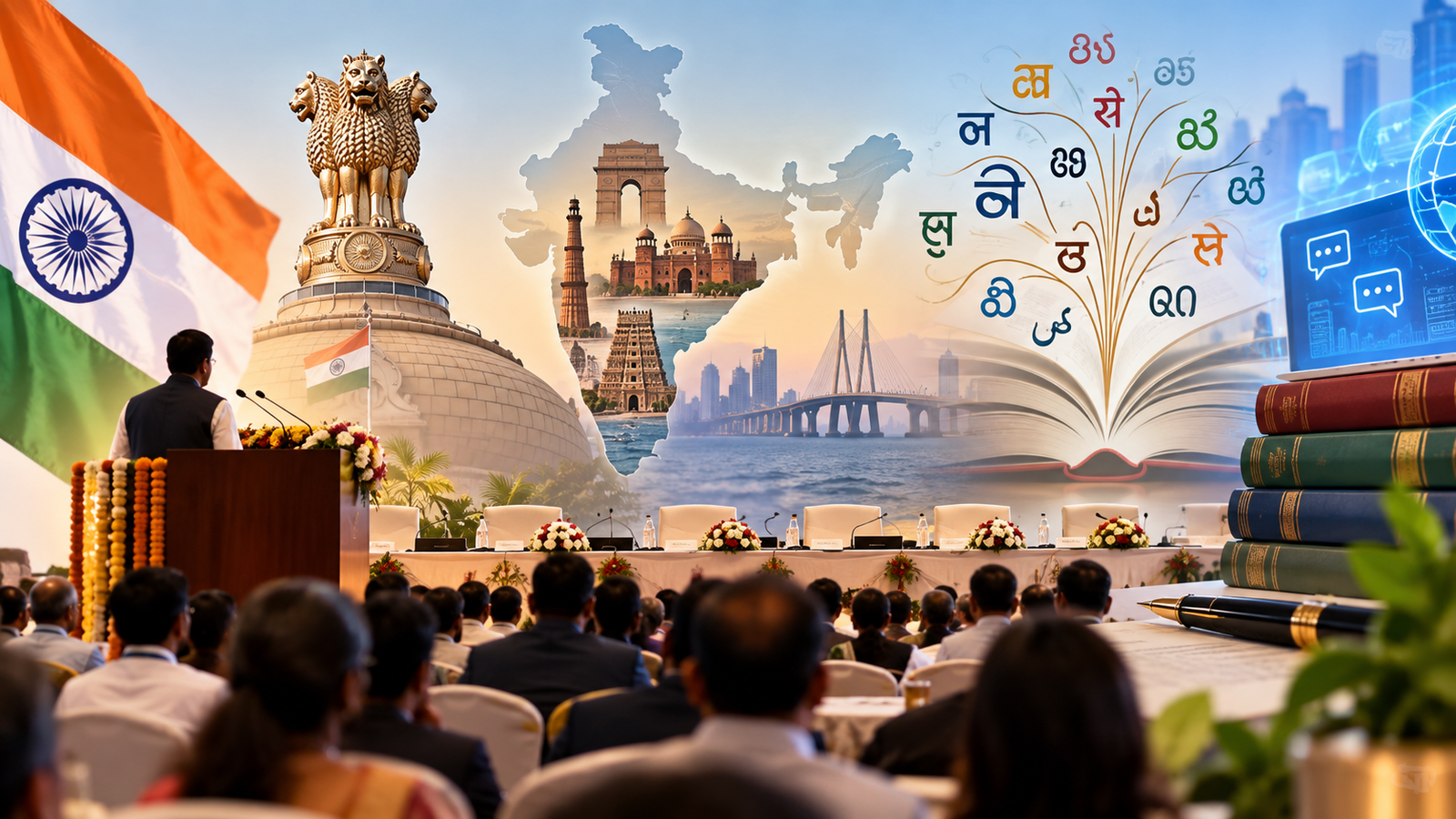
6th All India Official Language Conference 2026 in Navi Mumbai:
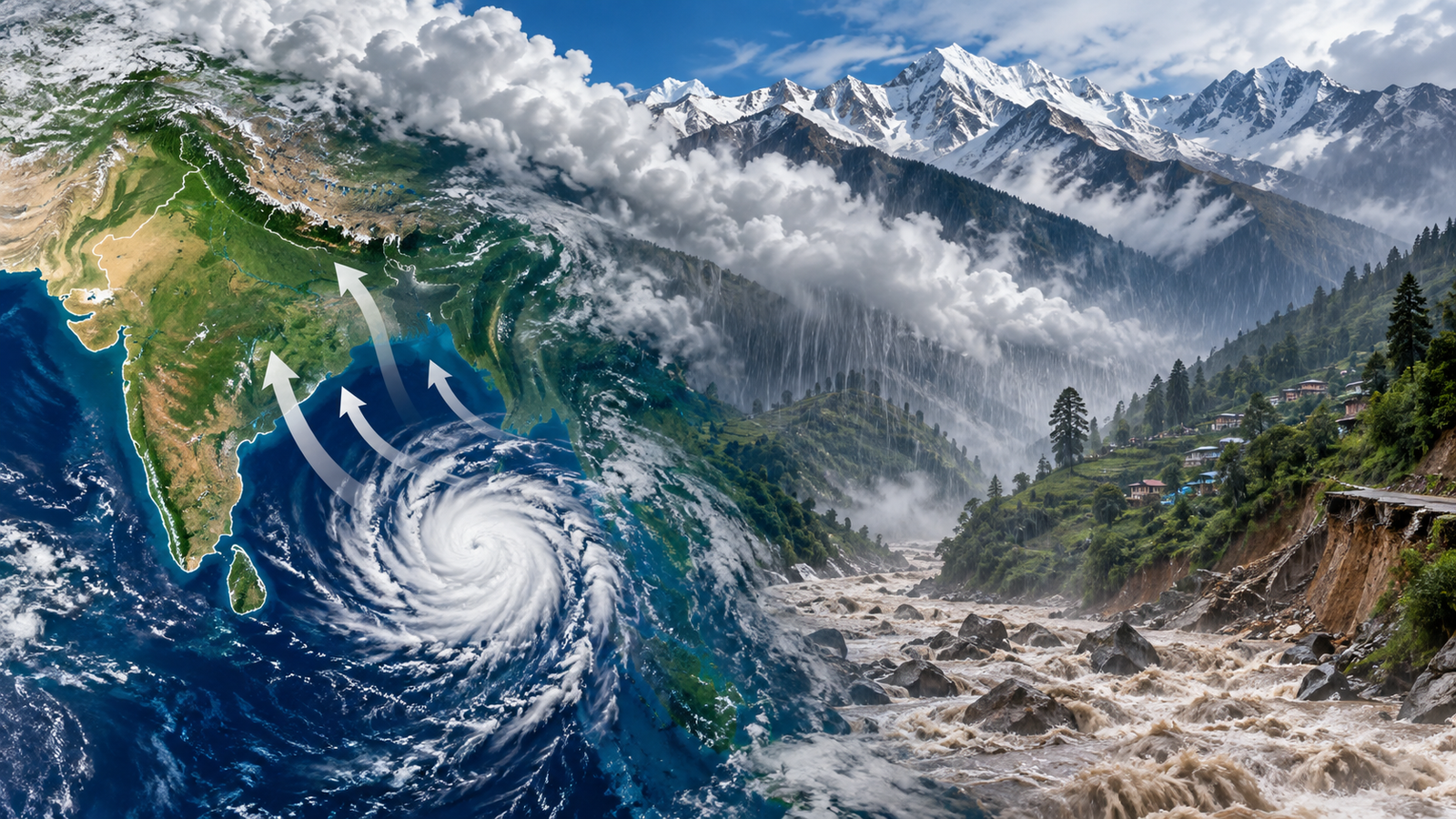
Discover how Bay of Bengal low-pressure systems shape India’s monsoon,

Explore the constitutional evolution of India from East India Company

Yojana June 2026 explores India’s journey towards a Naxal-free Bharat,
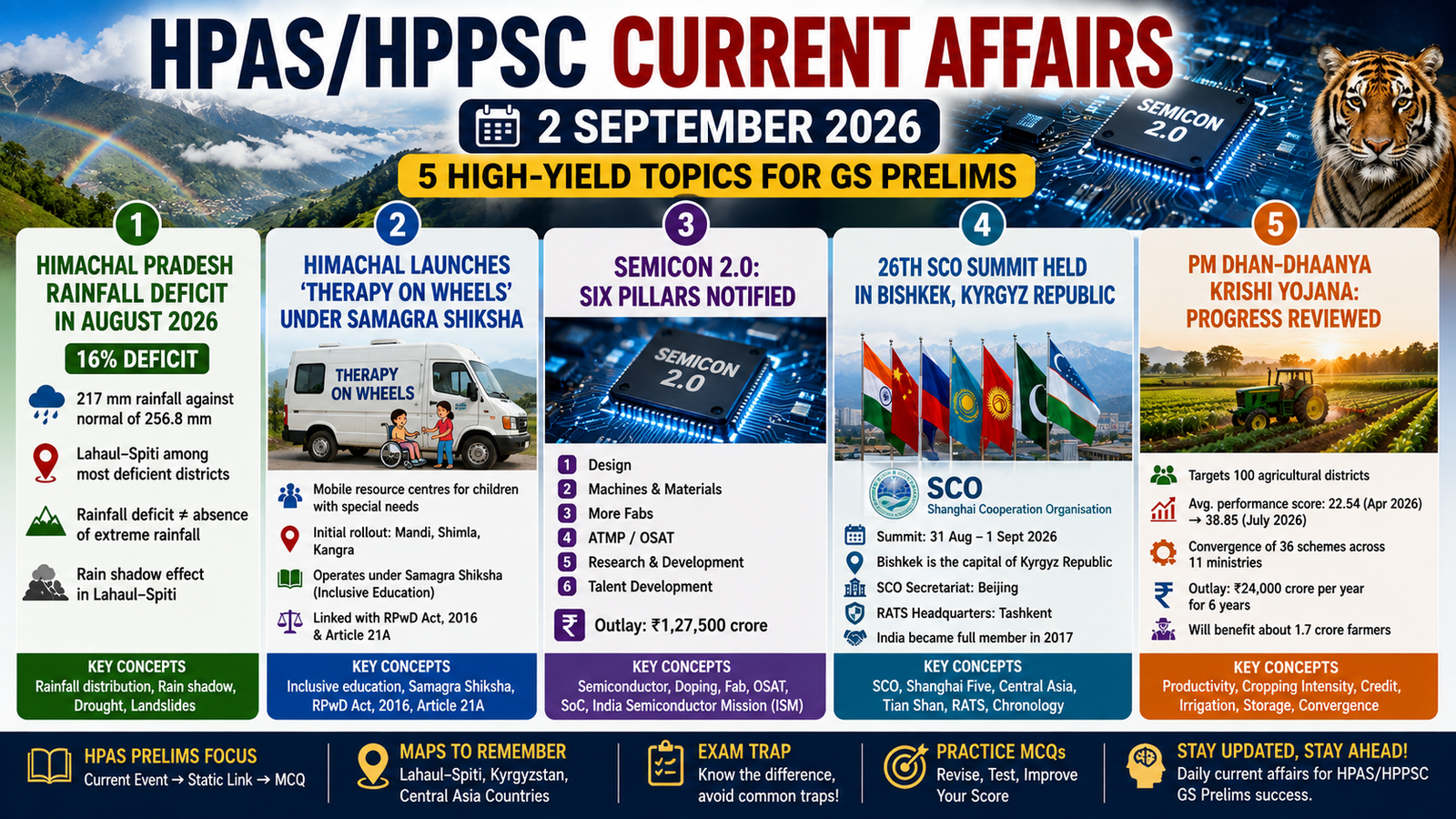
HPAS/HPPSC Current Affairs 2 September 2026: Himachal rainfall deficit, Therapy