
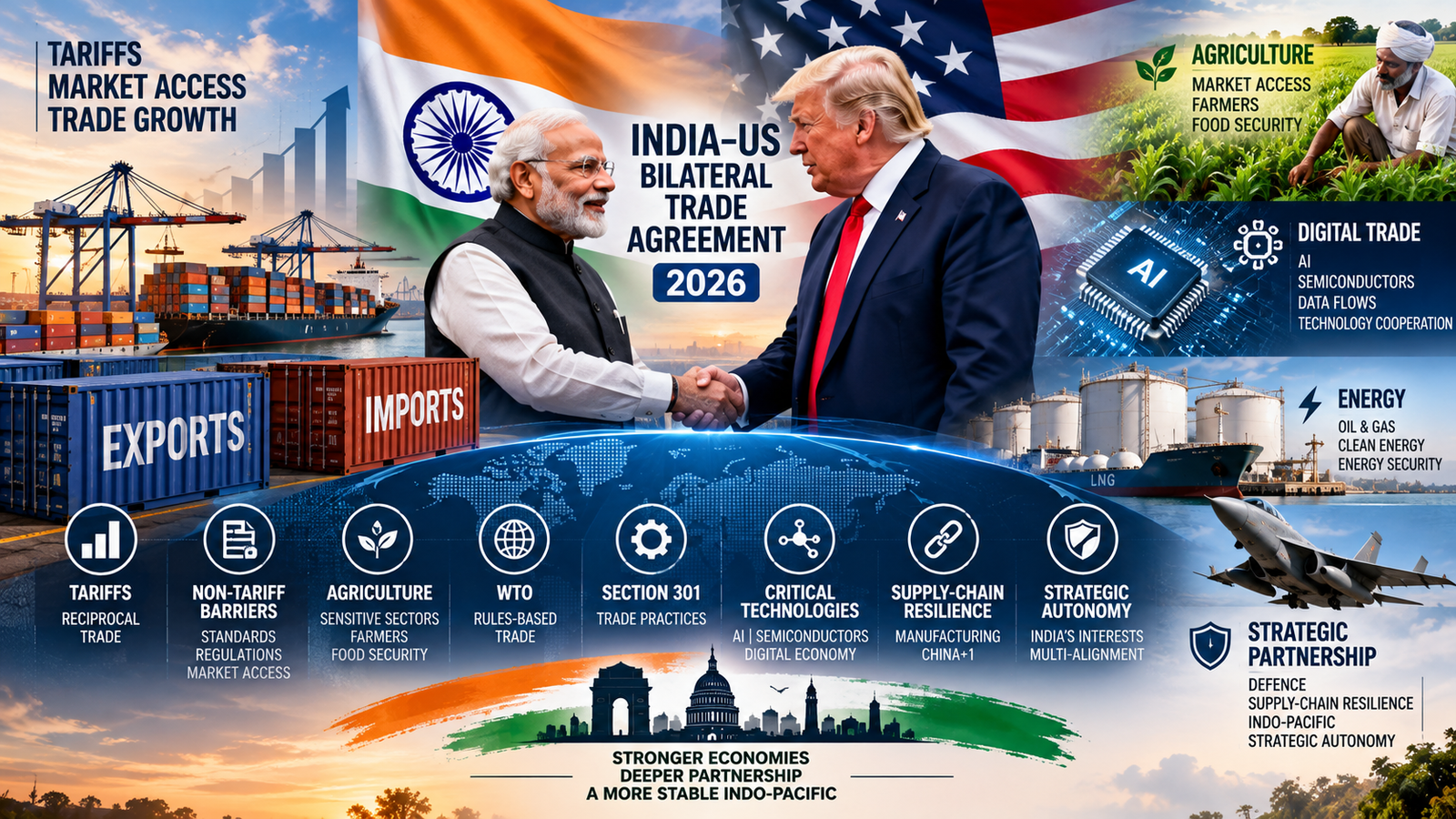
India–US Bilateral Trade Agreement 2026
India–US BTA 2026: Tariffs, trade negotiations, agriculture, WTO, Section 301, digital trade, critical technologies, energy, supply-chain resilience and strategic autonomy explained for UPSC & HPPSC.
India–US BTA 2026: Tariffs, trade negotiations, agriculture, WTO, Section 301, digital trade, critical technologies, energy, supply-chain resilience and strategic autonomy explained for UPSC & HPPSC.
UN Security Council Reform 2026: India’s permanent seat, G4, veto power, Global South, African Union, UN Charter Article 108, multilateralism and Security Council expansion explained for UPSC & HPPSC.

The recent migration crisis in Ceuta has once again highlighted debates over border security, refugees, asylum laws and Spain–Morocco relations. Understand why this tiny Spanish city in Africa is strategically important for Europe and UPSC.
UNESCO has added new Cultural, Natural, and Mixed World Heritage Sites, including Mount Olympus and the Normandy D-Day Beaches. Explore their significance, the World Heritage process, and complete UPSC Prelims & Mains analysis.
Understand the US–Iran–Israel conflict from A to Z. Learn about Iran’s nuclear program, the Strait of Hormuz, proxy warfare, sanctions, regional geopolitics, and why this rivalry shapes global security and energy markets.
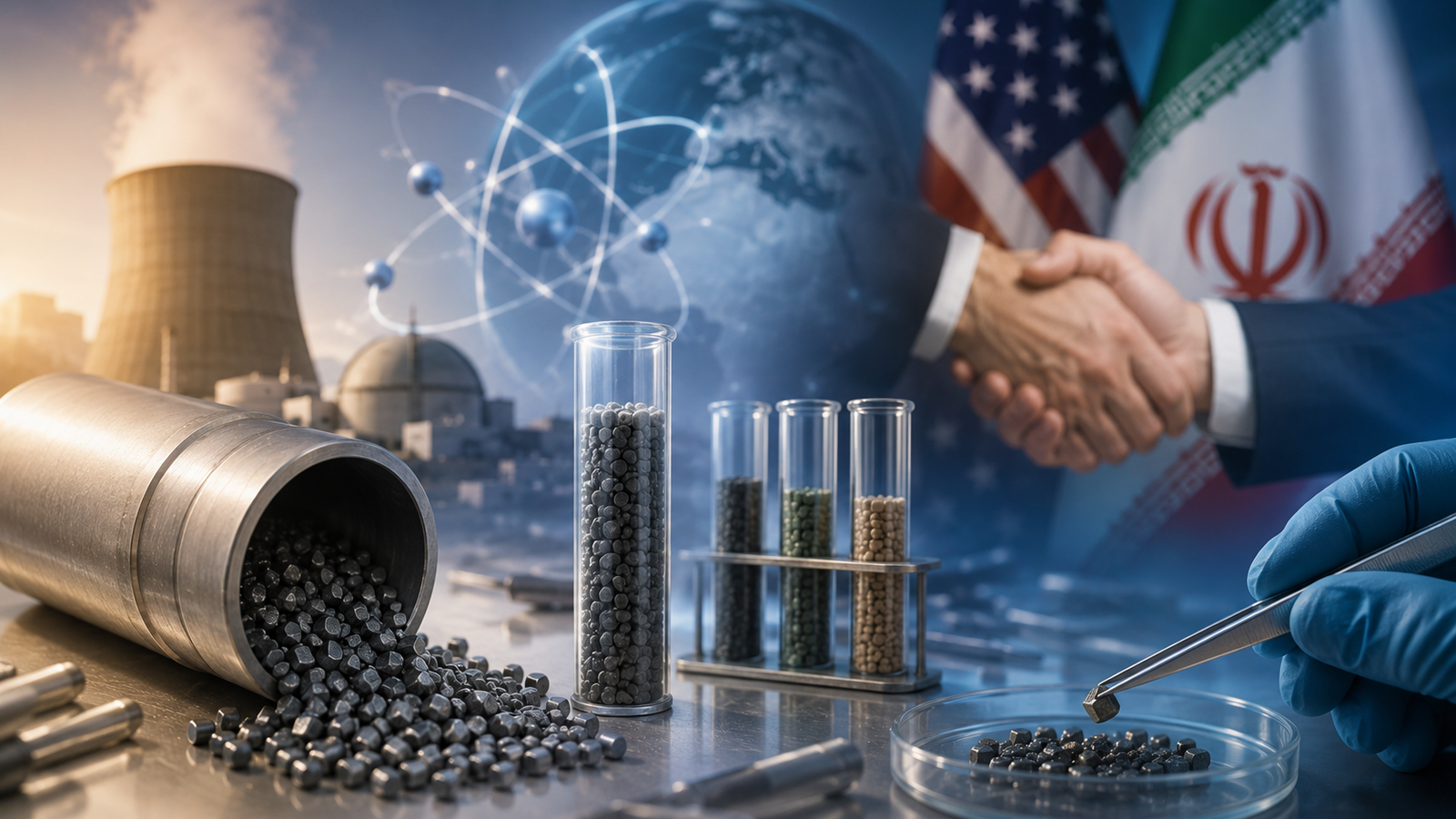
The recent U.S.–Iran understanding has brought Uranium Downblending into global focus. By converting Highly Enriched Uranium (HEU) into Low Enriched Uranium (LEU) under IAEA supervision, the process strengthens nuclear non-proliferation, reduces weapons risks, and supports peaceful nuclear energy use.

A U.S. court has struck down the proposed $100,000 H-1B visa fee, reaffirming that major taxation measures require Congressional approval. The ruling highlights the balance between immigration policy, constitutional governance, and global talent mobility, with significant implications for Indian professionals and the diaspora.
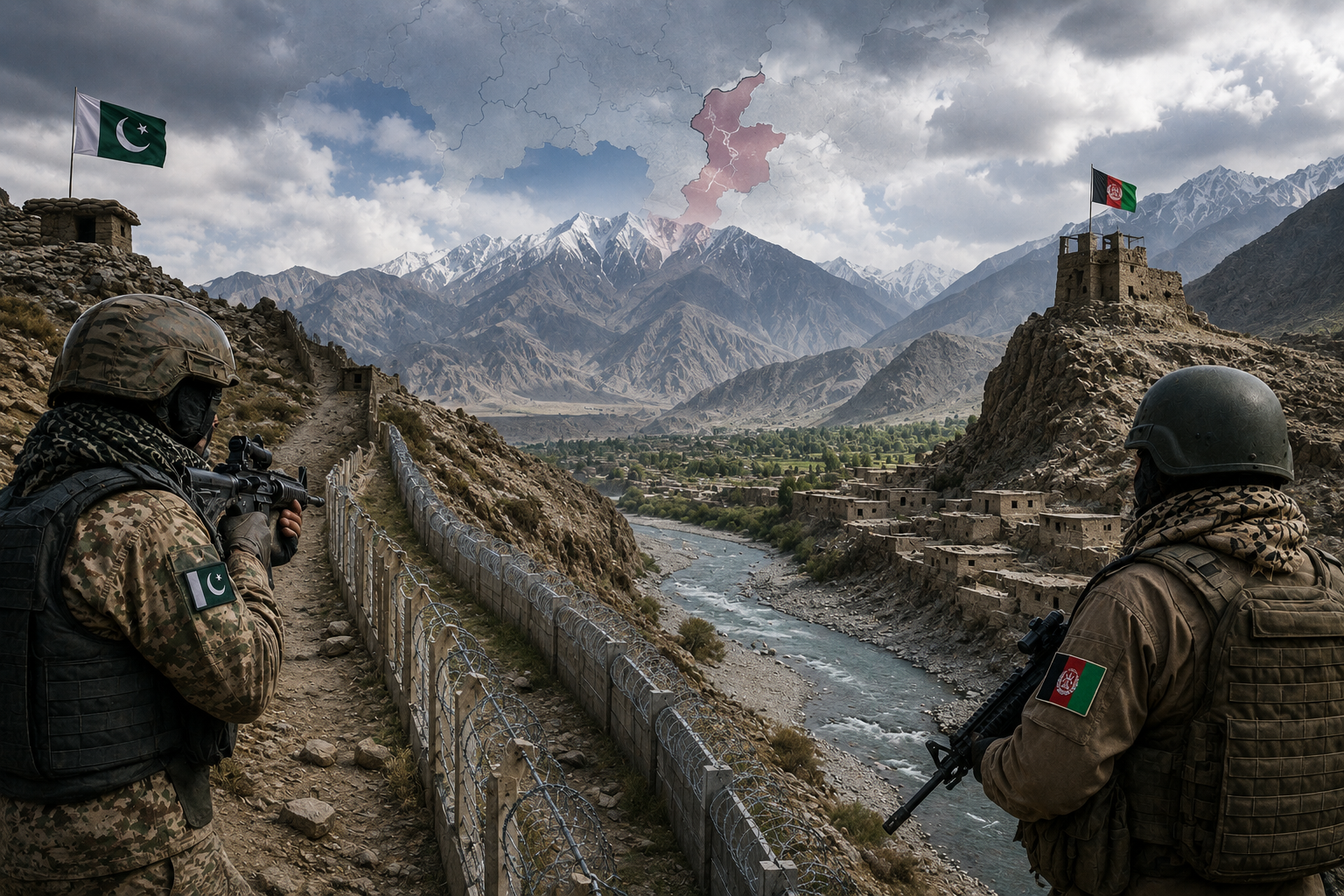
Pakistan’s recent air strikes in Kunar, Khost and Paktika have reignited tensions along the disputed Durand Line. The incident highlights the challenges of cross-border militancy, territorial sovereignty, and regional security in the Afghanistan–Pakistan border region.
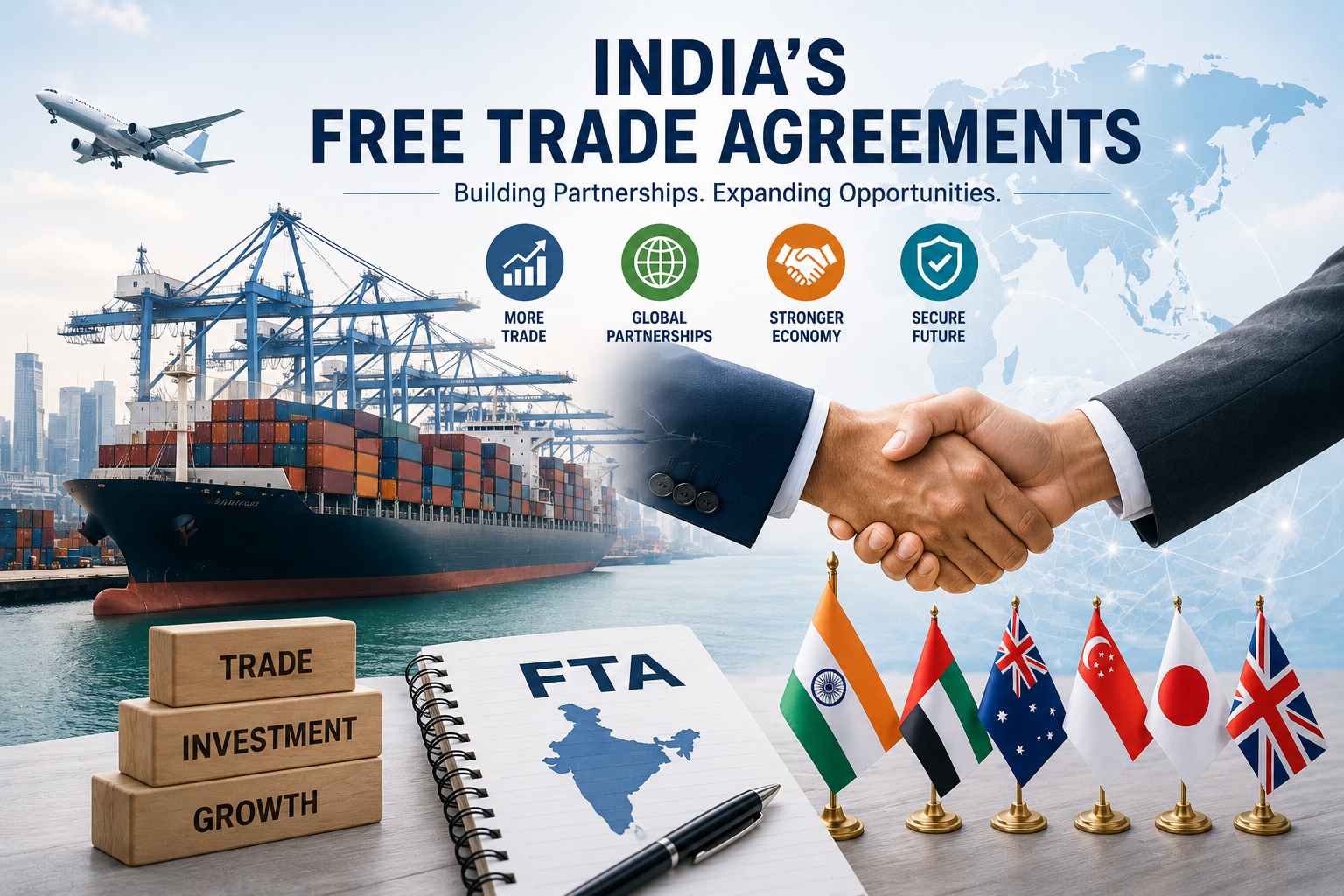
India’s expanding network of Free Trade Agreements (FTAs) is opening new markets and strengthening global trade partnerships. However, challenges such as rising trade deficits, low utilization rates, inverted duty structures, and manufacturing competitiveness continue to shape the debate on India’s trade strategy.
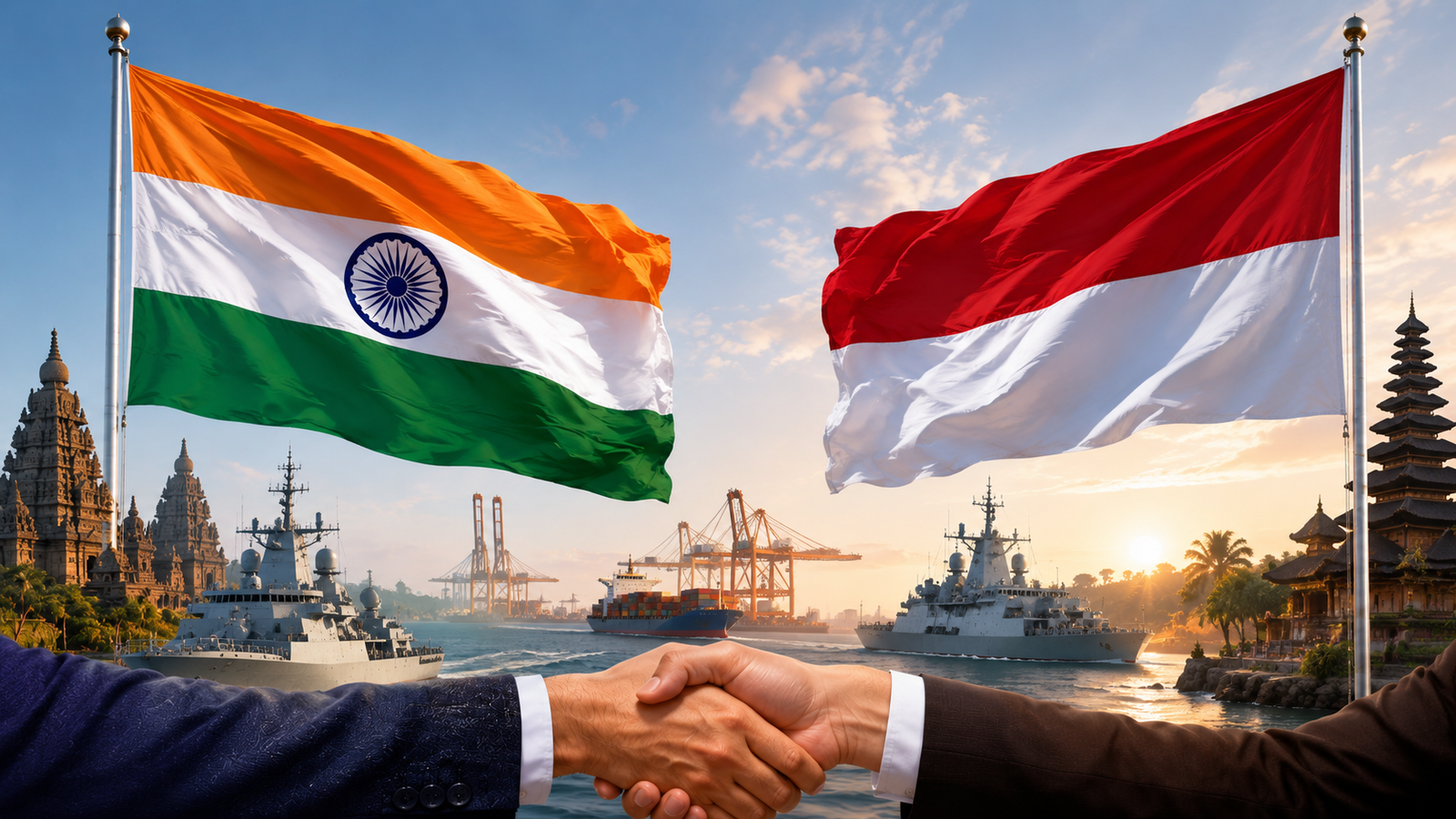
India and Indonesia are strengthening their Comprehensive Strategic Partnership through deeper cooperation in maritime security, defense, trade, digital connectivity, and infrastructure. As key Indo-Pacific powers, both nations play a vital role in promoting regional stability and economic growth.

Excerpt: UNESCO has added three Indian sites to its Tentative

Explore ICMR-CHAMP at Keylong, Himachal Pradesh—its objectives, research areas, importance
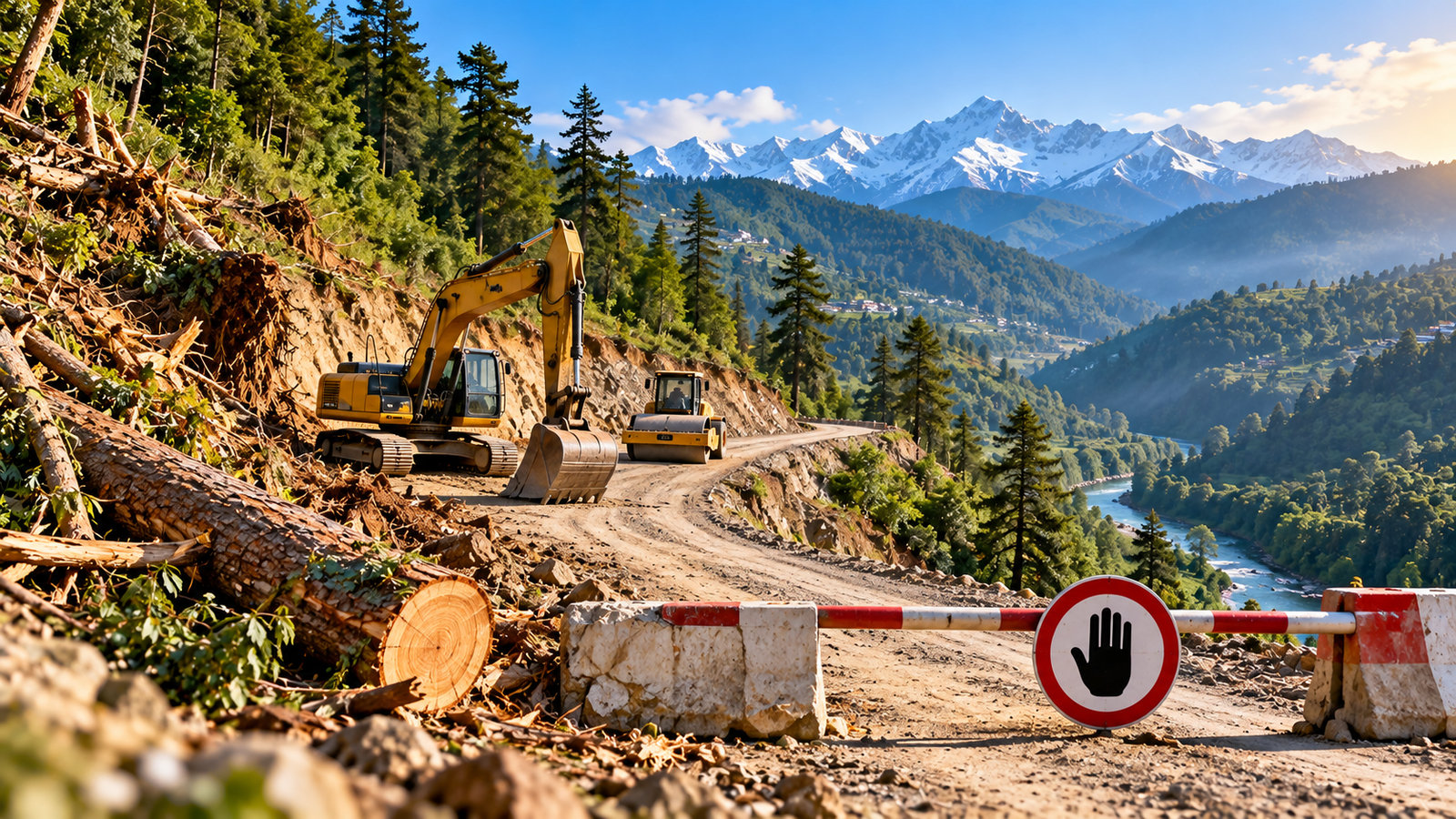
Himachal Pradesh High Court halts forest road construction and tarring
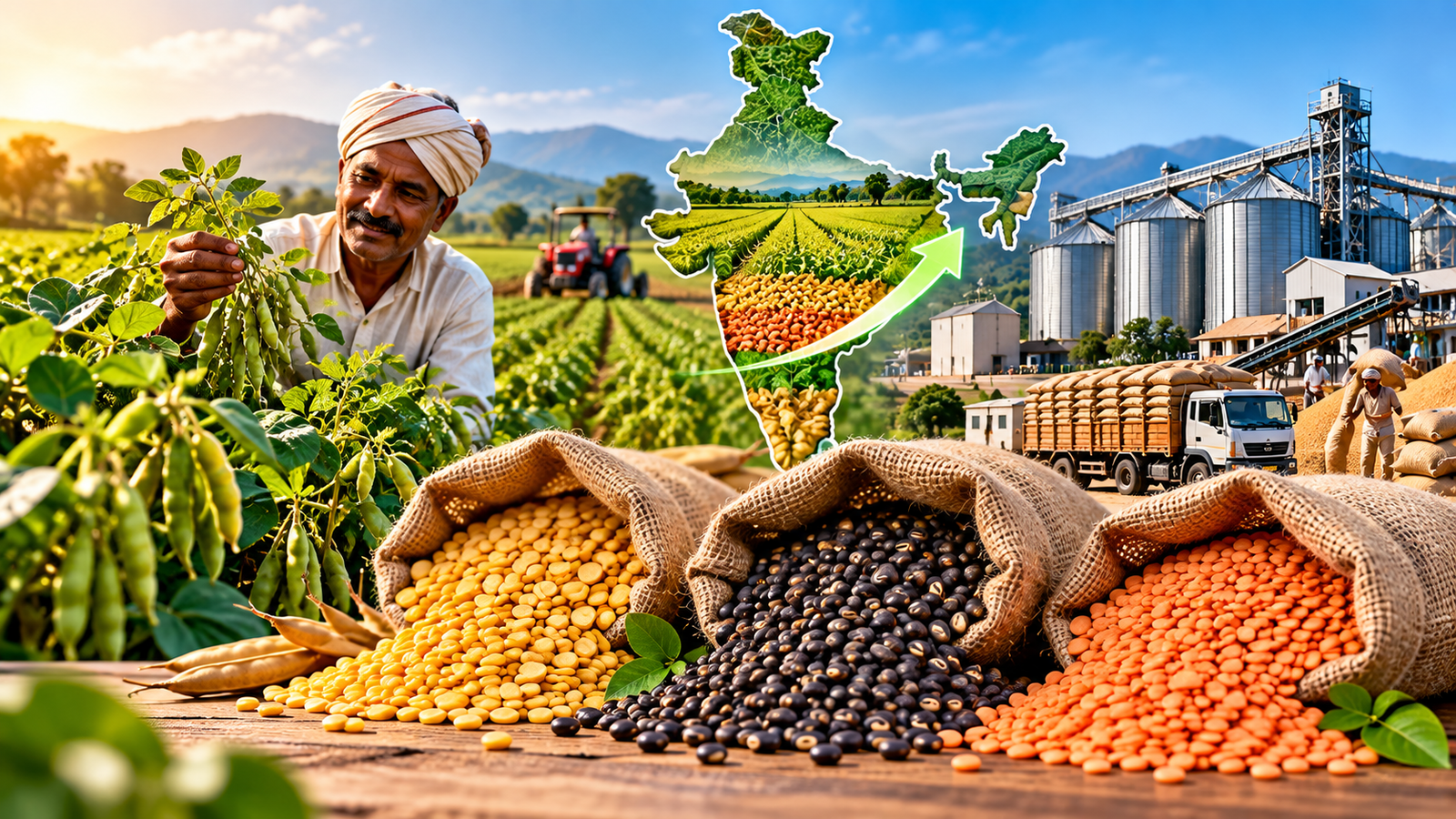
Mission for Aatmanirbharta in Pulses 2026: Explore the ₹11,440 crore

Living Planet Report 2026: Explore the 73% decline in monitored
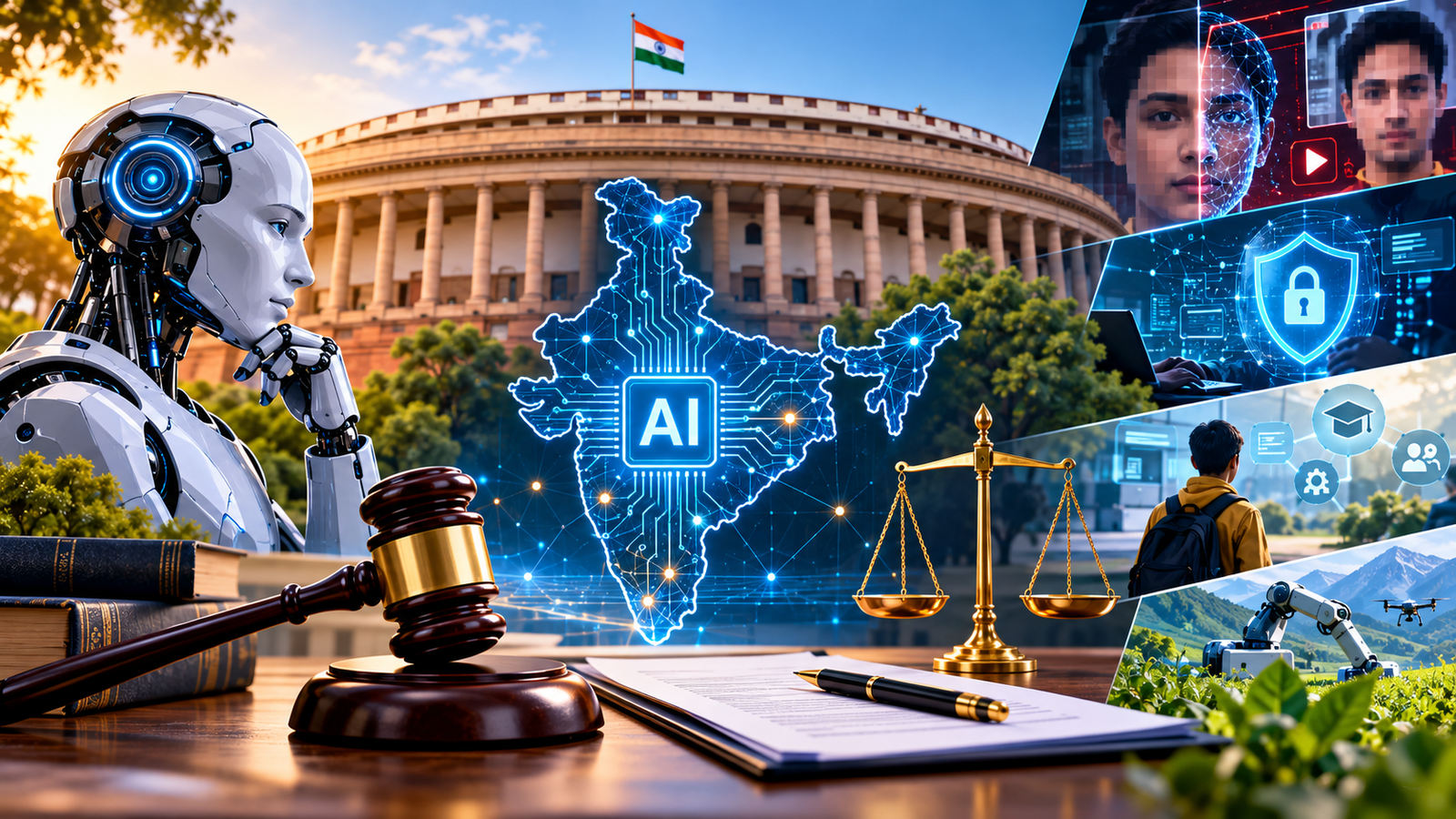
India AI Regulation 2026: Understand the proposed AI regulatory framework,