
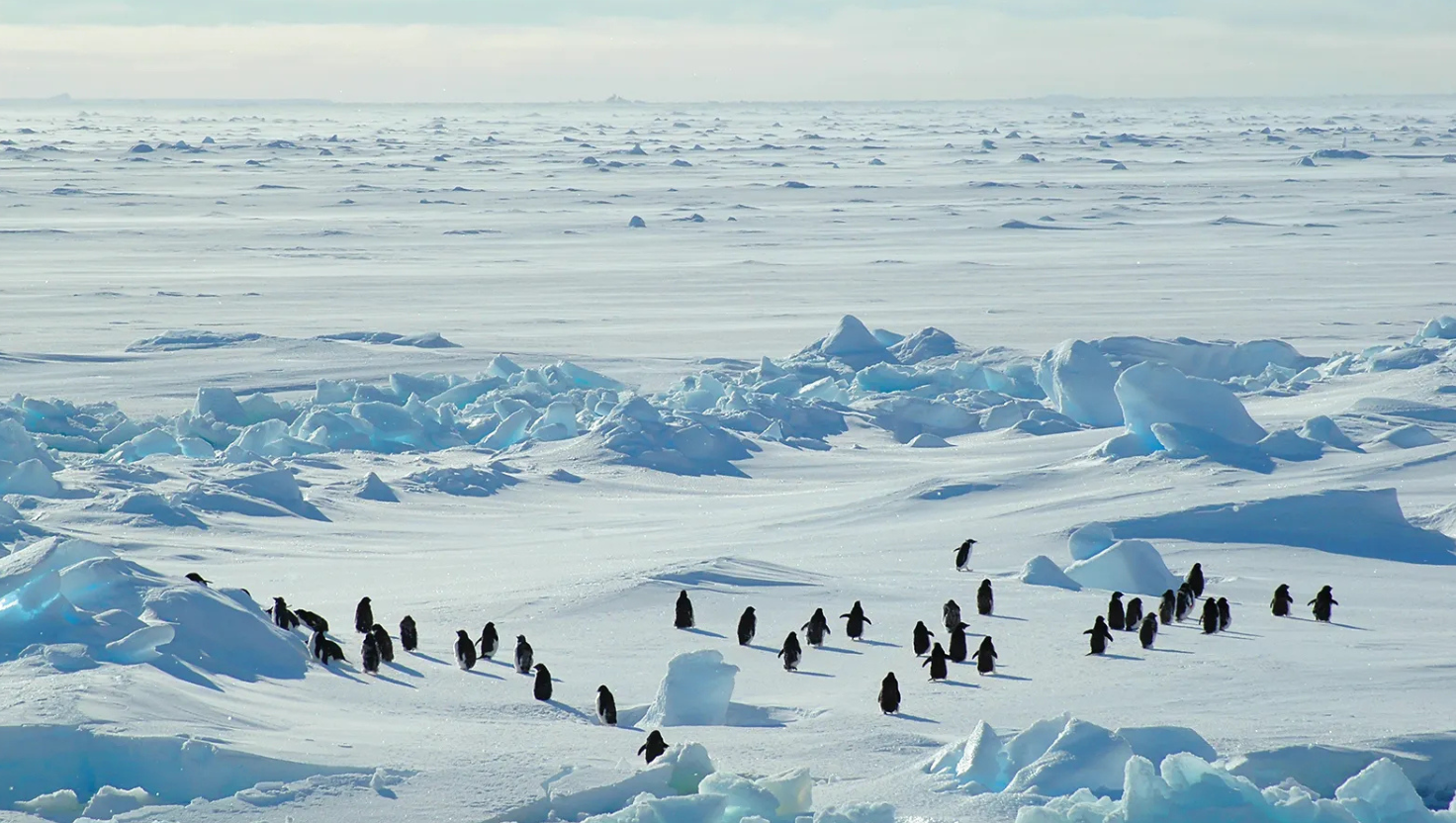
Cold Deserts
Cold deserts are high-altitude arid regions with extreme cold winters, mild summers, low rainfall, and rising desertification from climate change.
Cold deserts are high-altitude arid regions with extreme cold winters, mild summers, low rainfall, and rising desertification from climate change.
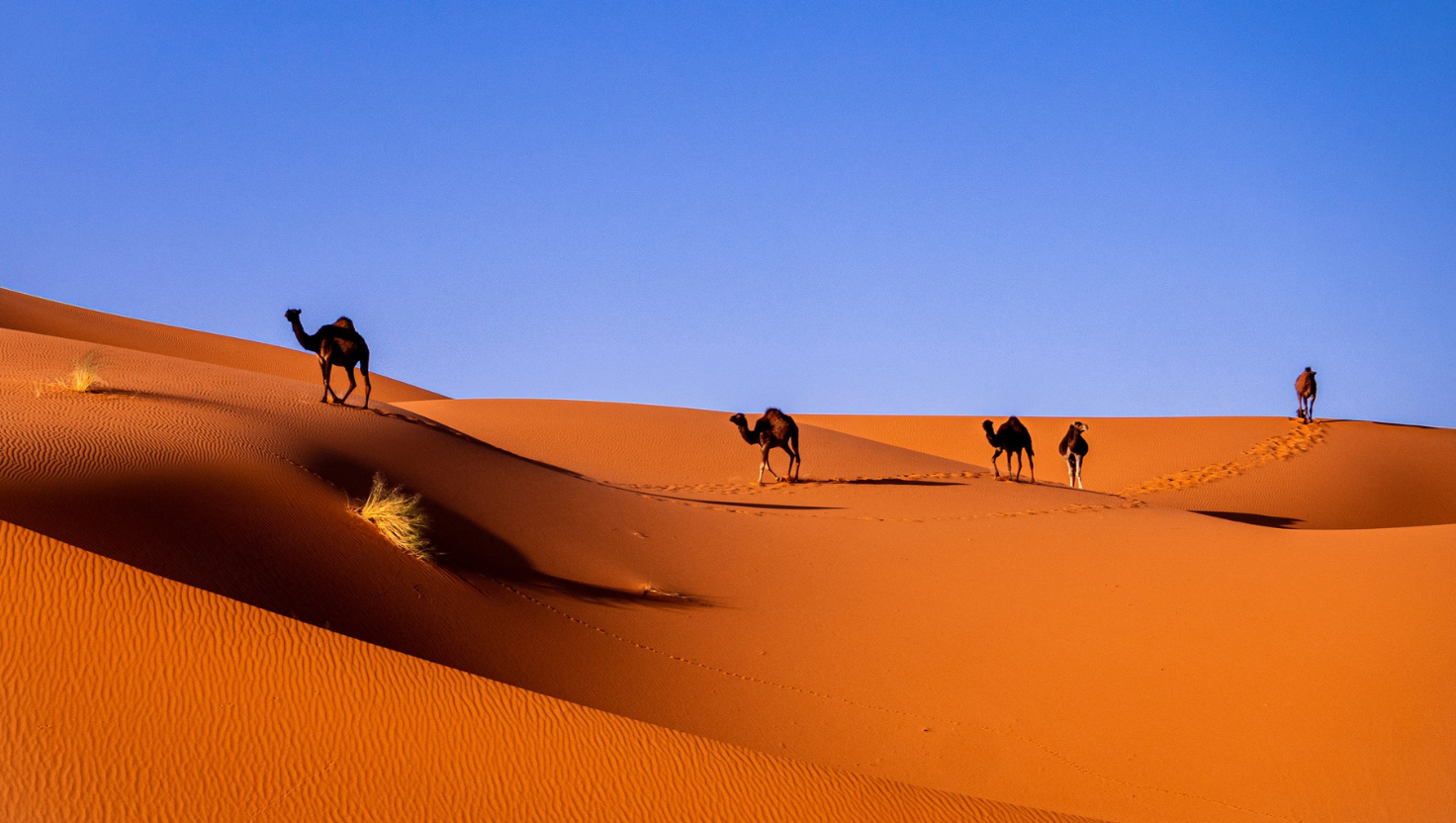
The Sahara Desert, spanning North Africa, is the world’s largest hot desert, covering 9.2 million sq km across 11 countries.
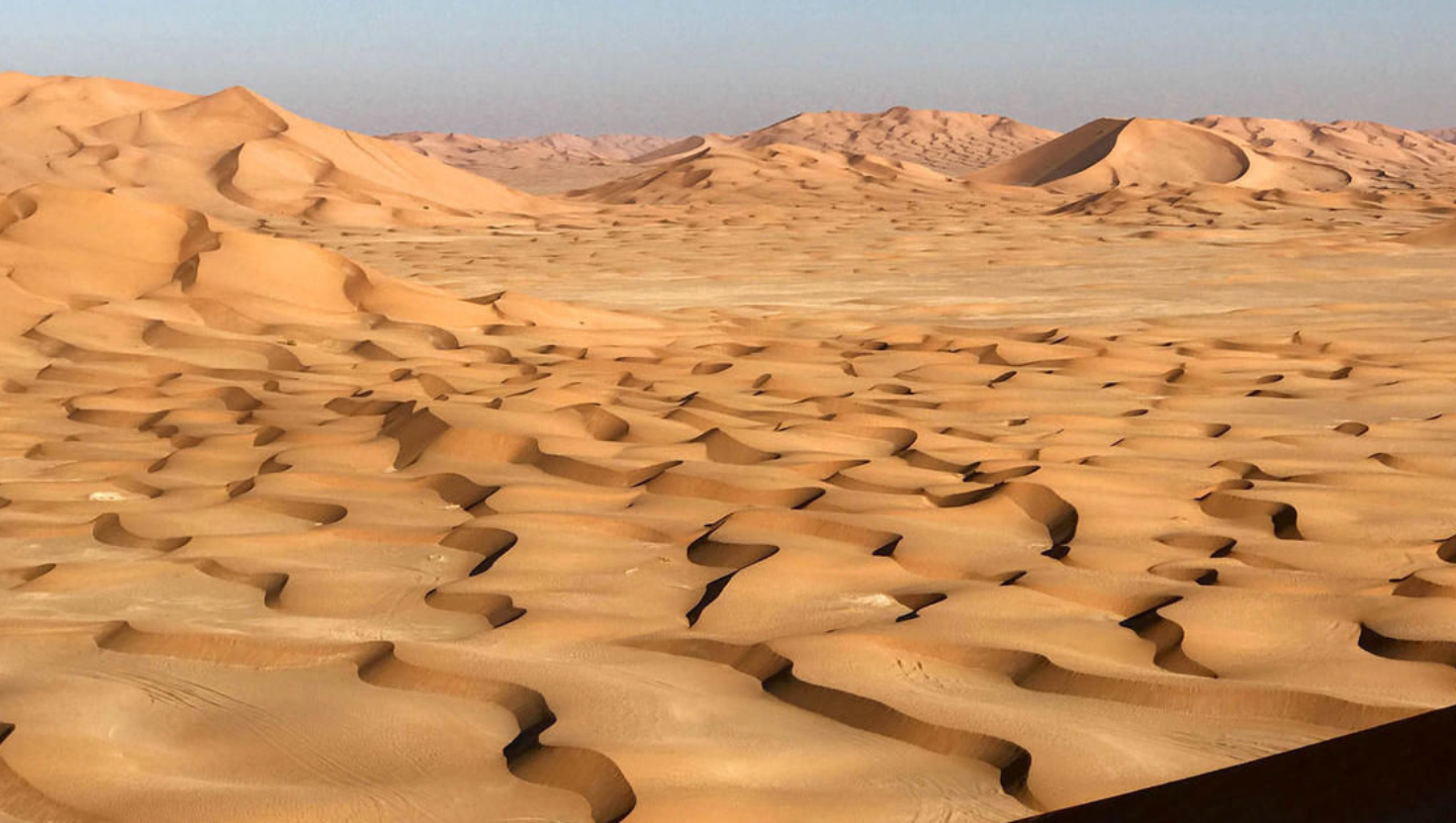
Rubʿ al-Khali, or Empty Quarter, is the world’s largest sand desert in Arabia, rich in oil and gas, and one of Earth’s driest regions.
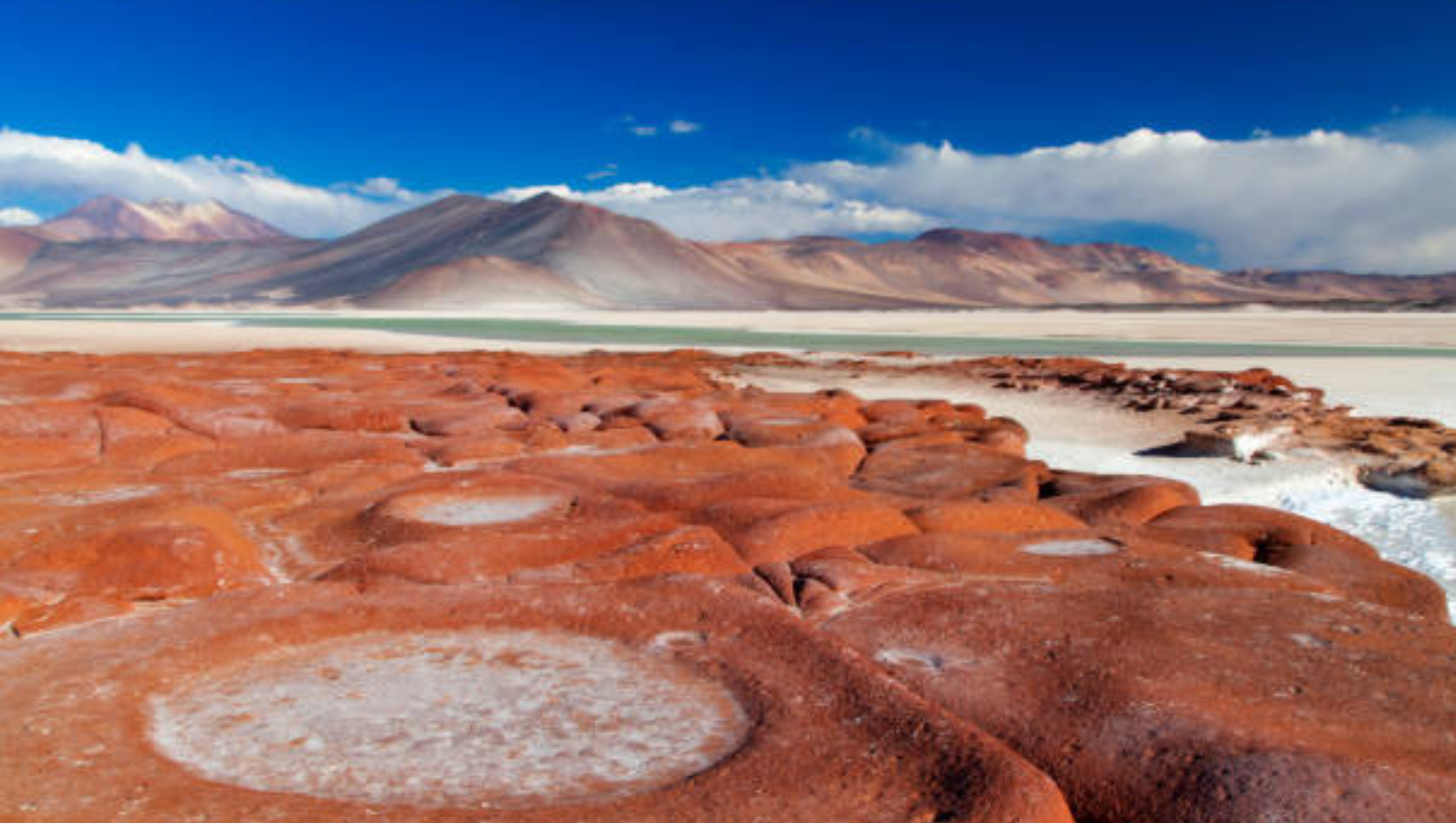
Atacama Desert in northern Chile is the world’s driest desert, rich in minerals and home to unique flora like Cistanthe longiscapa.
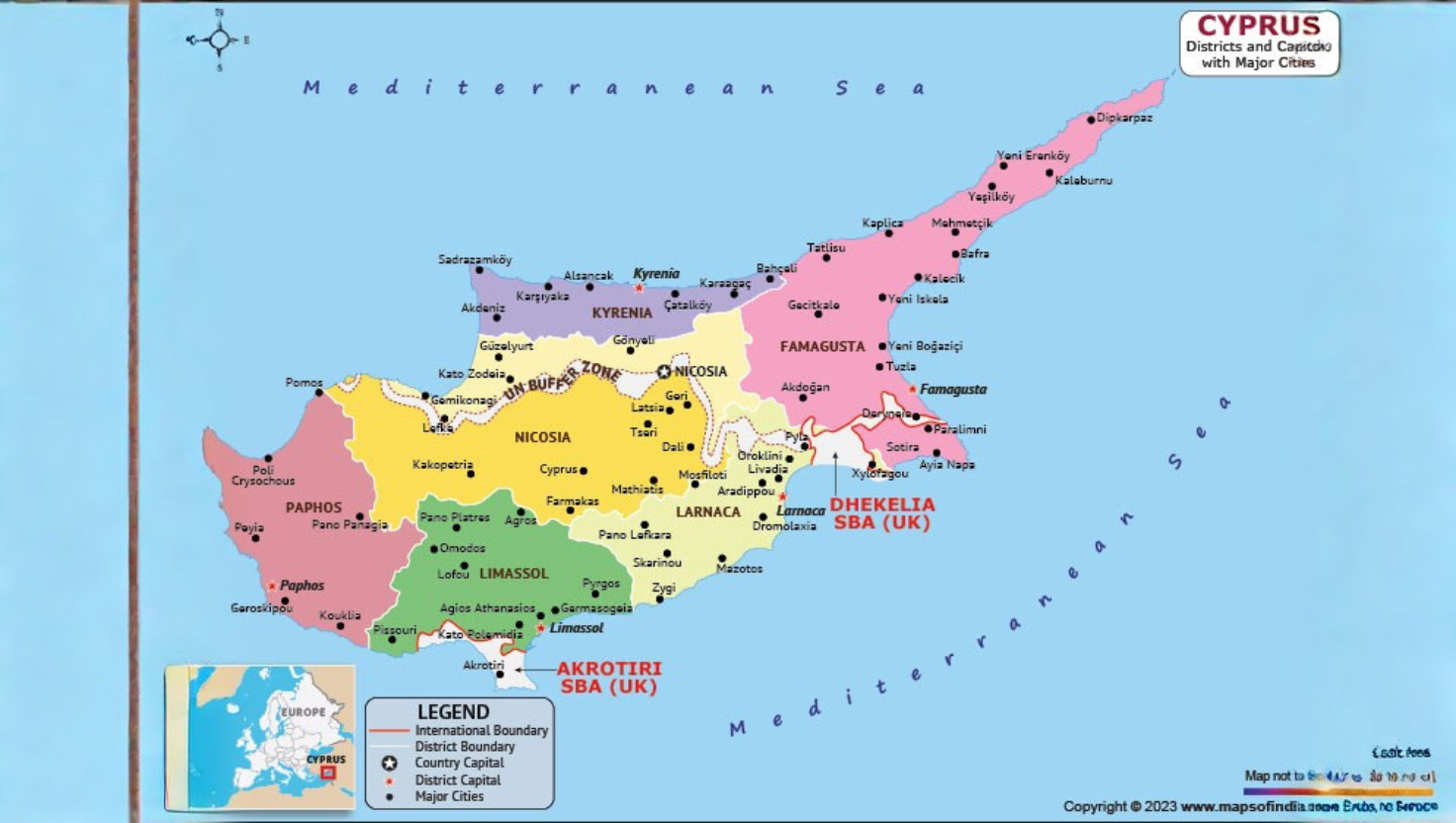
Cyprus — an island nation in the eastern Mediterranean — is strategically located between Europe and Asia, with a divided capital, Nicosia, since 1974.
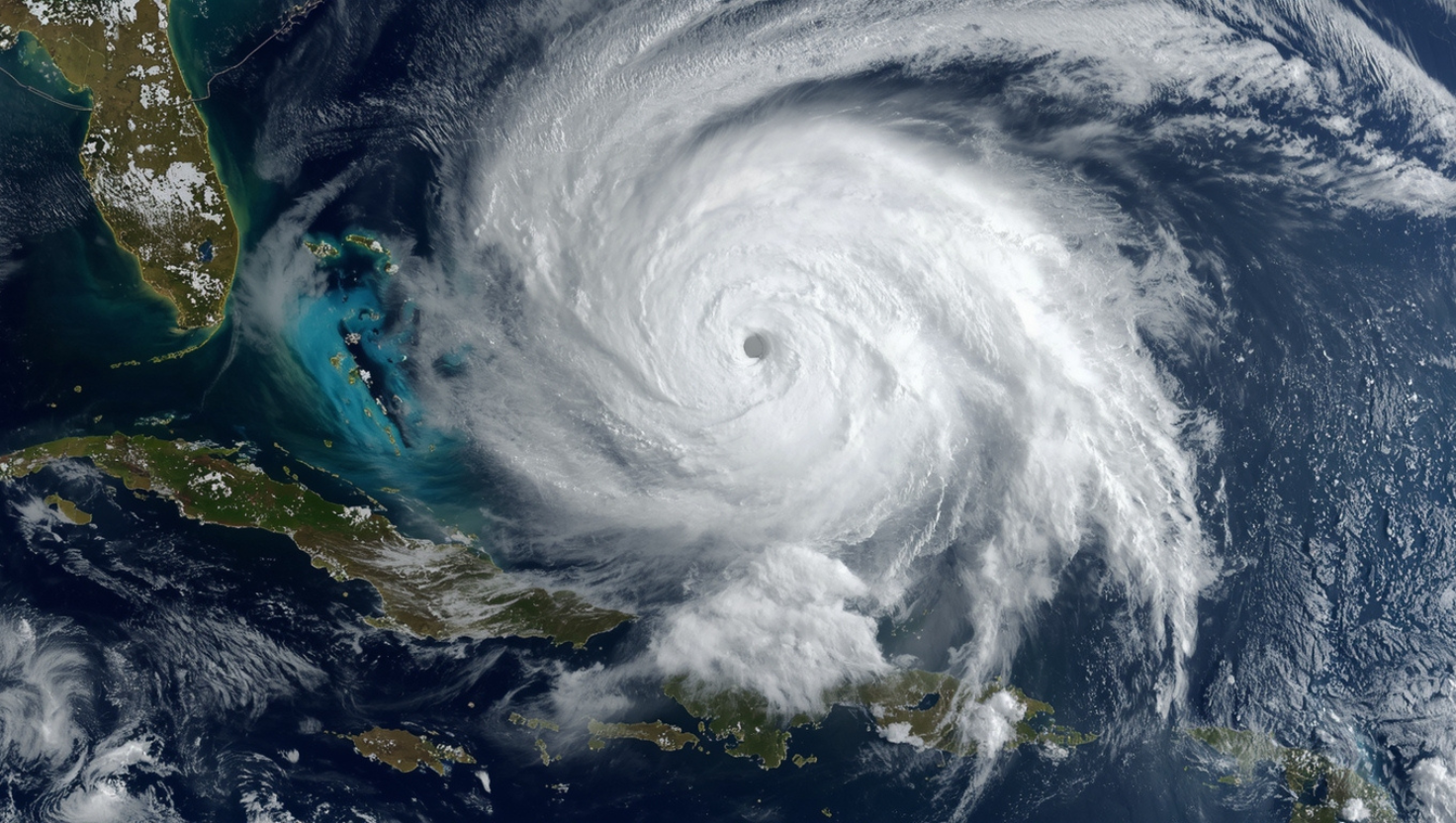
Hurricane Melissa, Jamaica’s strongest-ever Category 5 storm, hit with 185 mph winds, highlighting rising climate-driven cyclone risks.

Hurricane Gilbert (1988) devastated Jamaica and Mexico as a Category 5 storm, causing $5.5 billion in damage and over 300 deaths.
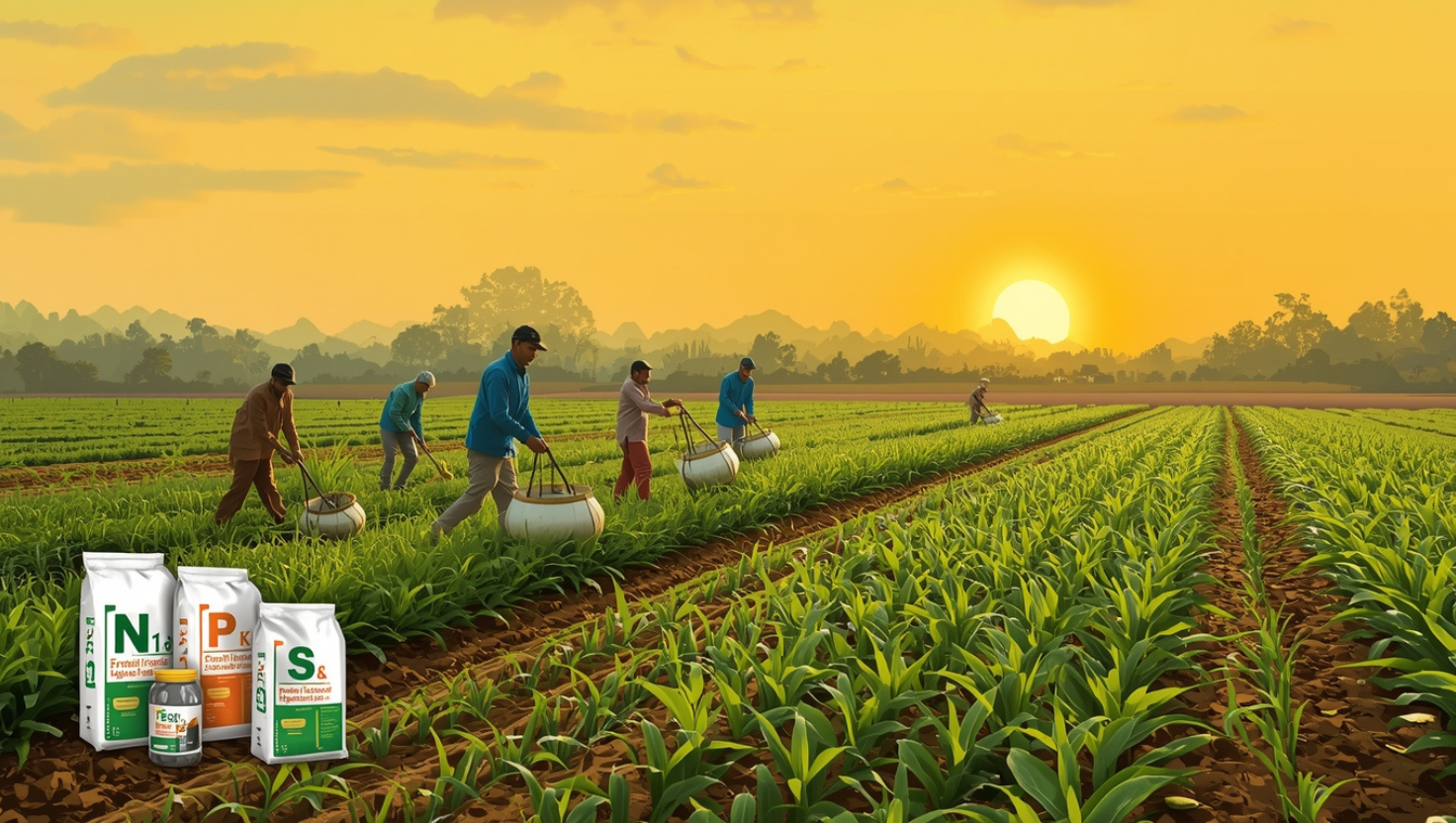
The Nutrient Based Subsidy (NBS) Scheme ensures affordable, balanced fertilizer use and sustainable soil health for Indian farmers.
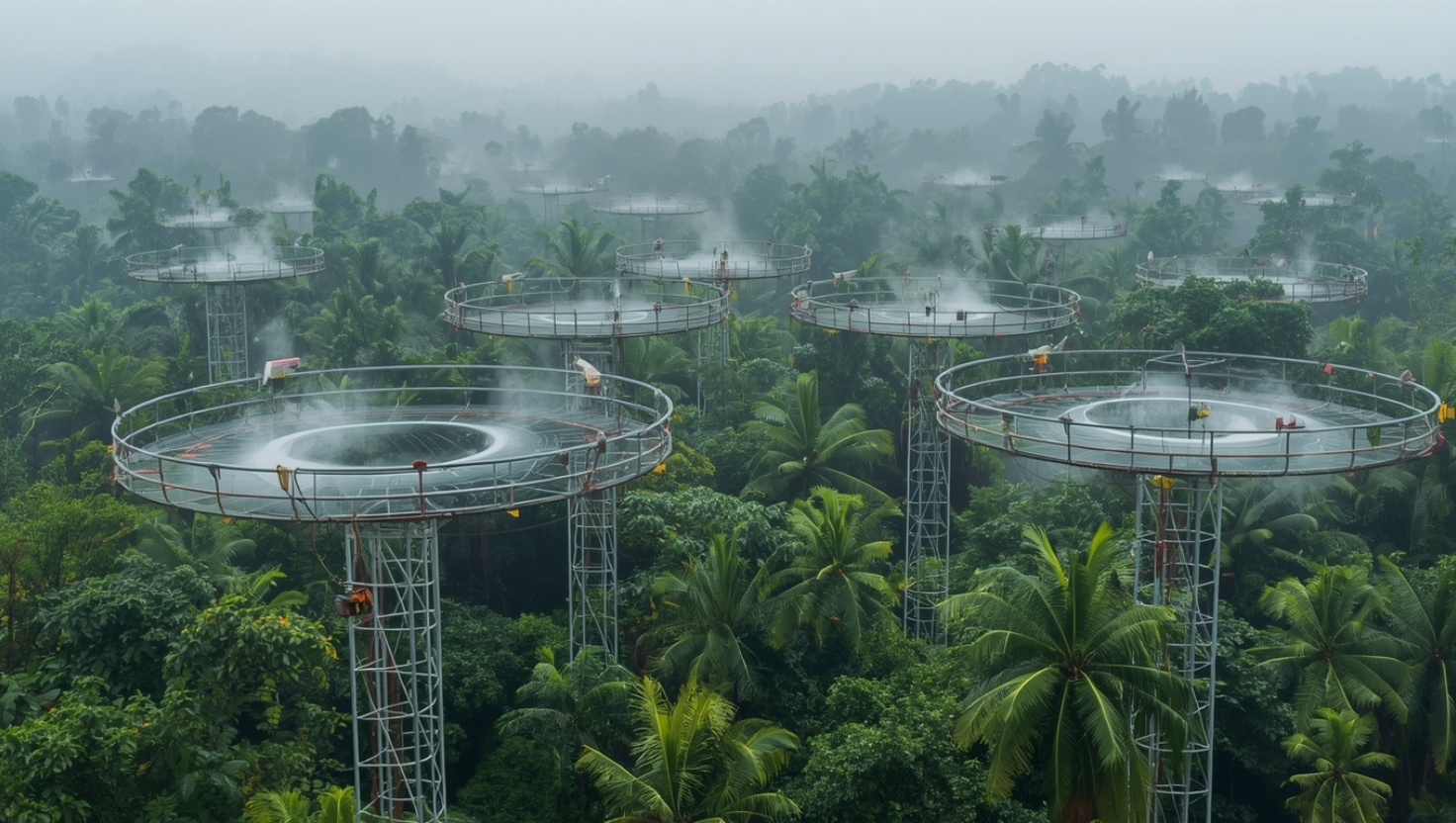
AmazonFACE Experiment in Brazil simulates future CO₂ levels to study how tropical rainforests like the Amazon will adapt to climate change.

The 8th Central Pay Commission (CPC) will revise pay, pensions, and allowances for government employees from January 2026.

BRICS 2026: Explore the 18th BRICS Summit in New Delhi,

6th All India Official Language Conference 2026 in Navi Mumbai:
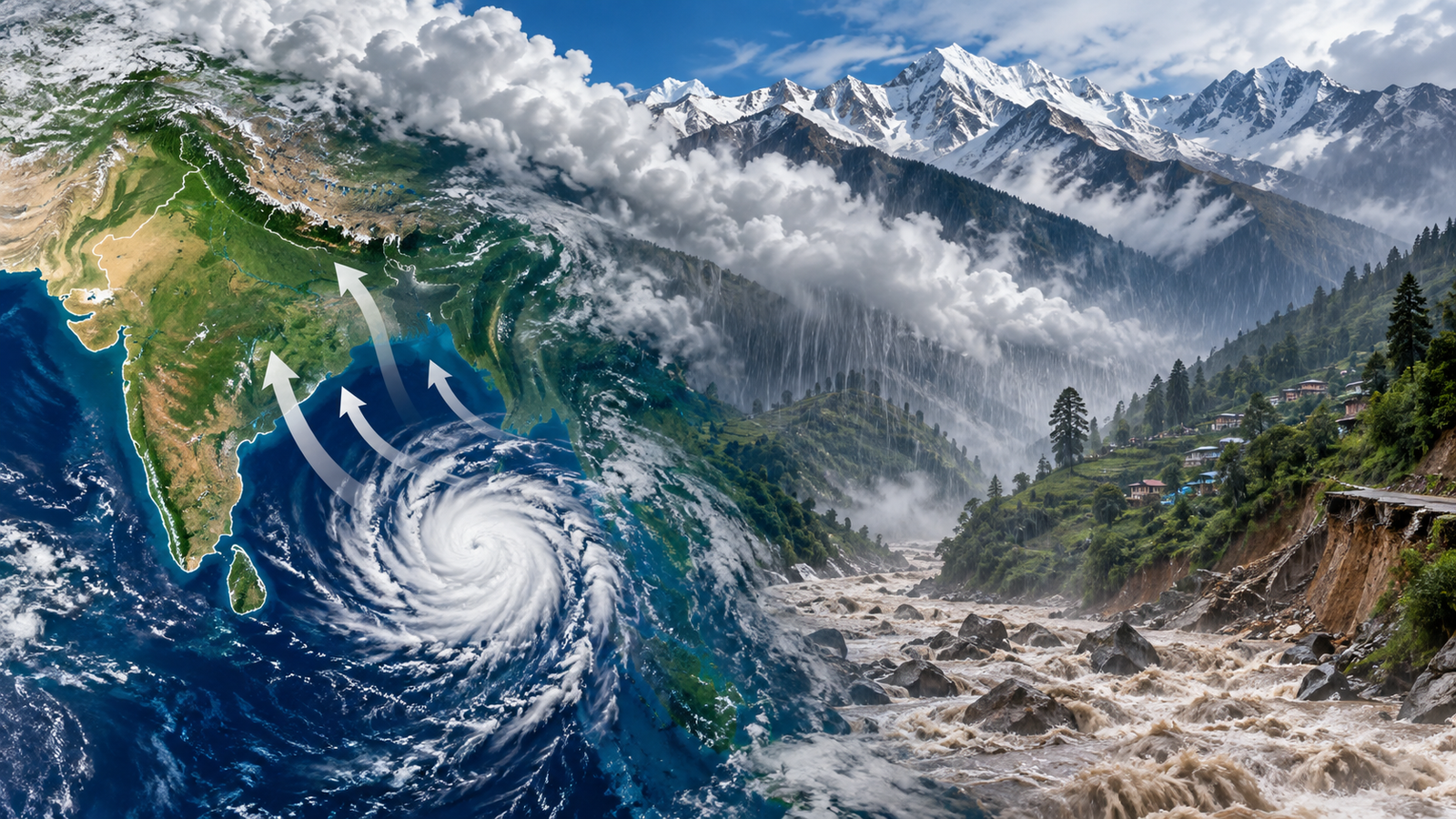
Discover how Bay of Bengal low-pressure systems shape India’s monsoon,

Explore the constitutional evolution of India from East India Company

Yojana June 2026 explores India’s journey towards a Naxal-free Bharat,

HPAS/HPPSC Current Affairs 2 September 2026: Himachal rainfall deficit, Therapy