
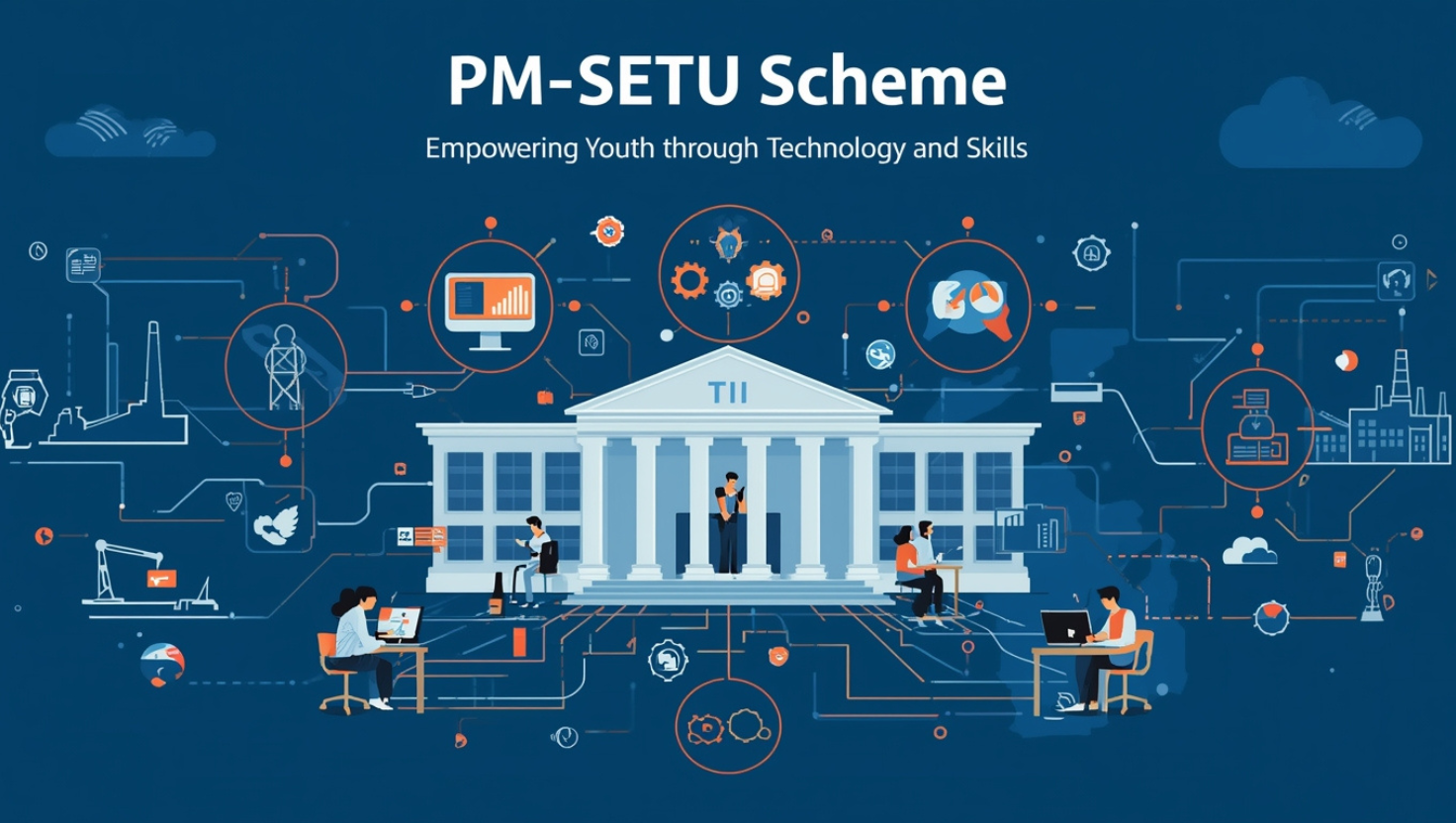
PM-SETU Scheme
PM-SETU Scheme: Aims to modernize 1,000 ITIs through industry partnerships and technology upgrades to build a globally skilled workforce.
PM-SETU Scheme: Aims to modernize 1,000 ITIs through industry partnerships and technology upgrades to build a globally skilled workforce.
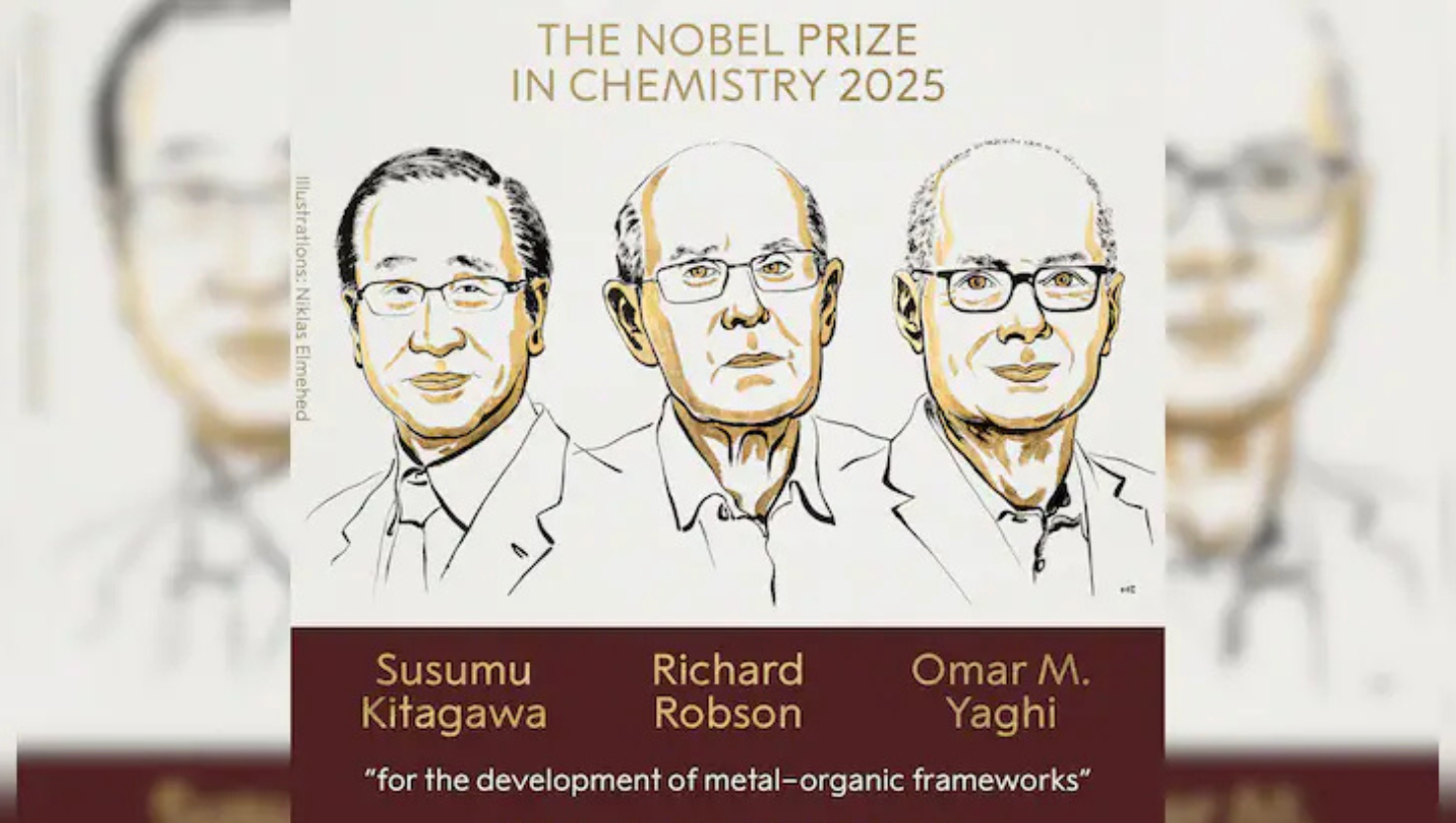
The 2025 Nobel Prize in Chemistry honors Kitagawa, Robson, and Yaghi for metal-organic frameworks with wide environmental and scientific uses.
2025 Nobel in Physics awarded to Clarke, Devoret, and Martinis for demonstrating macroscopic quantum effects in electric circuits.
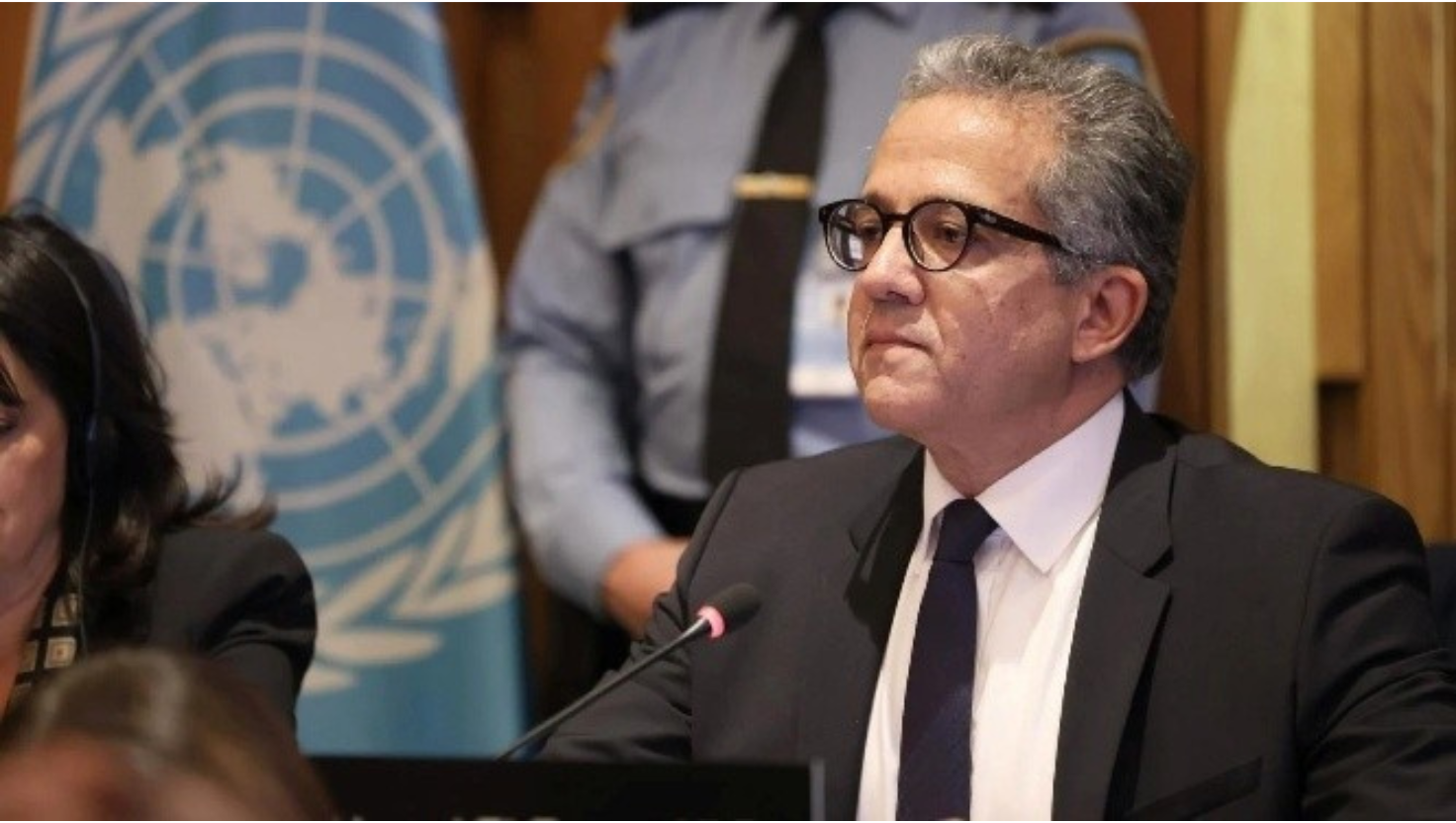
Egypt’s Khaled El-Enany elected UNESCO Director-General for 2025–29, leading global education, culture, and heritage initiatives.

The Assam–Nagaland Border Conflict continues over territorial claims in the Disputed Area Belt, rooted in colonial-era demarcations and unresolved state boundaries.
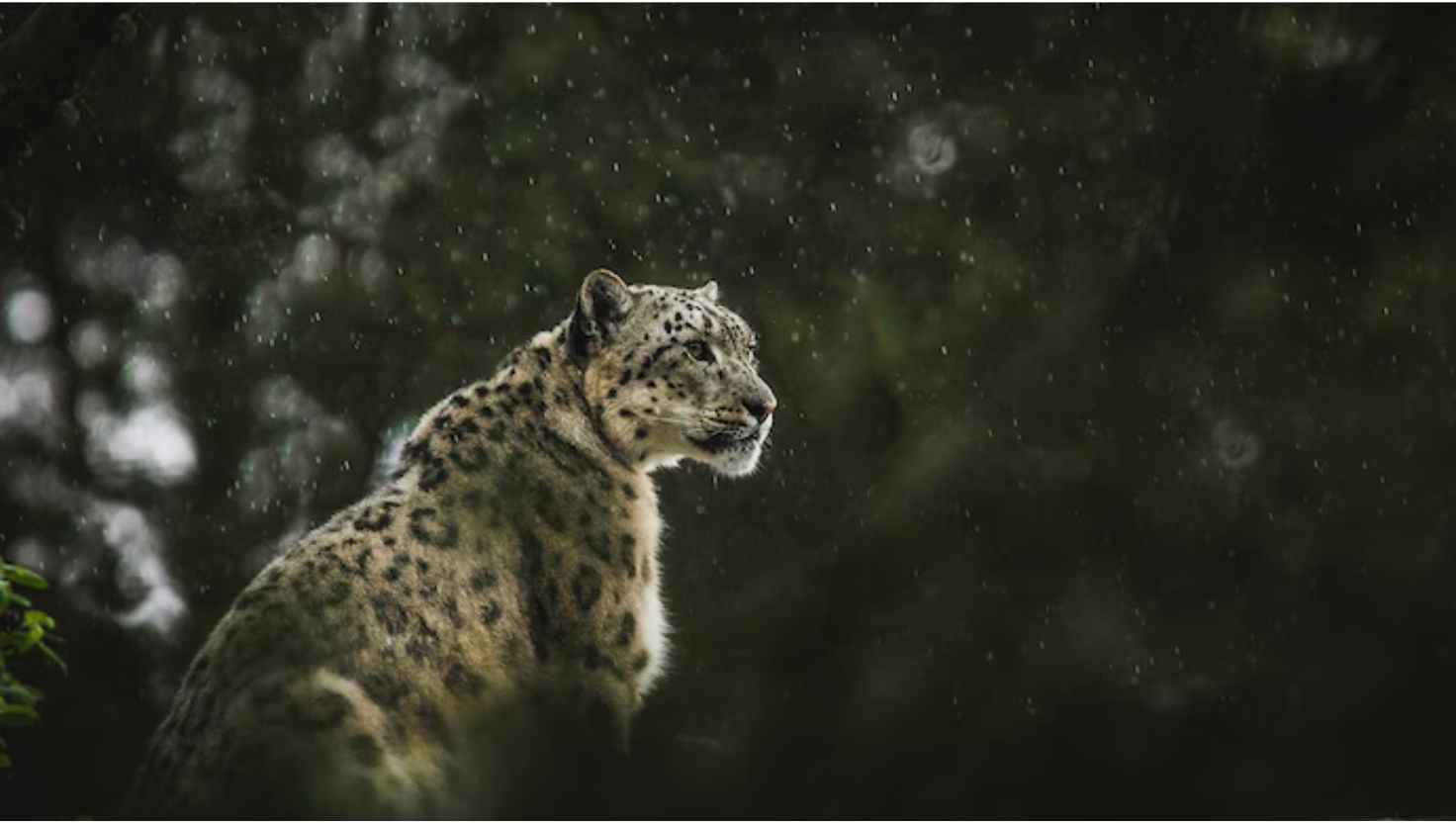
A survey in Himachal Pradesh recorded 83 snow leopards, highlighting population growth and the importance of conserving this elusive high-altitude predator.
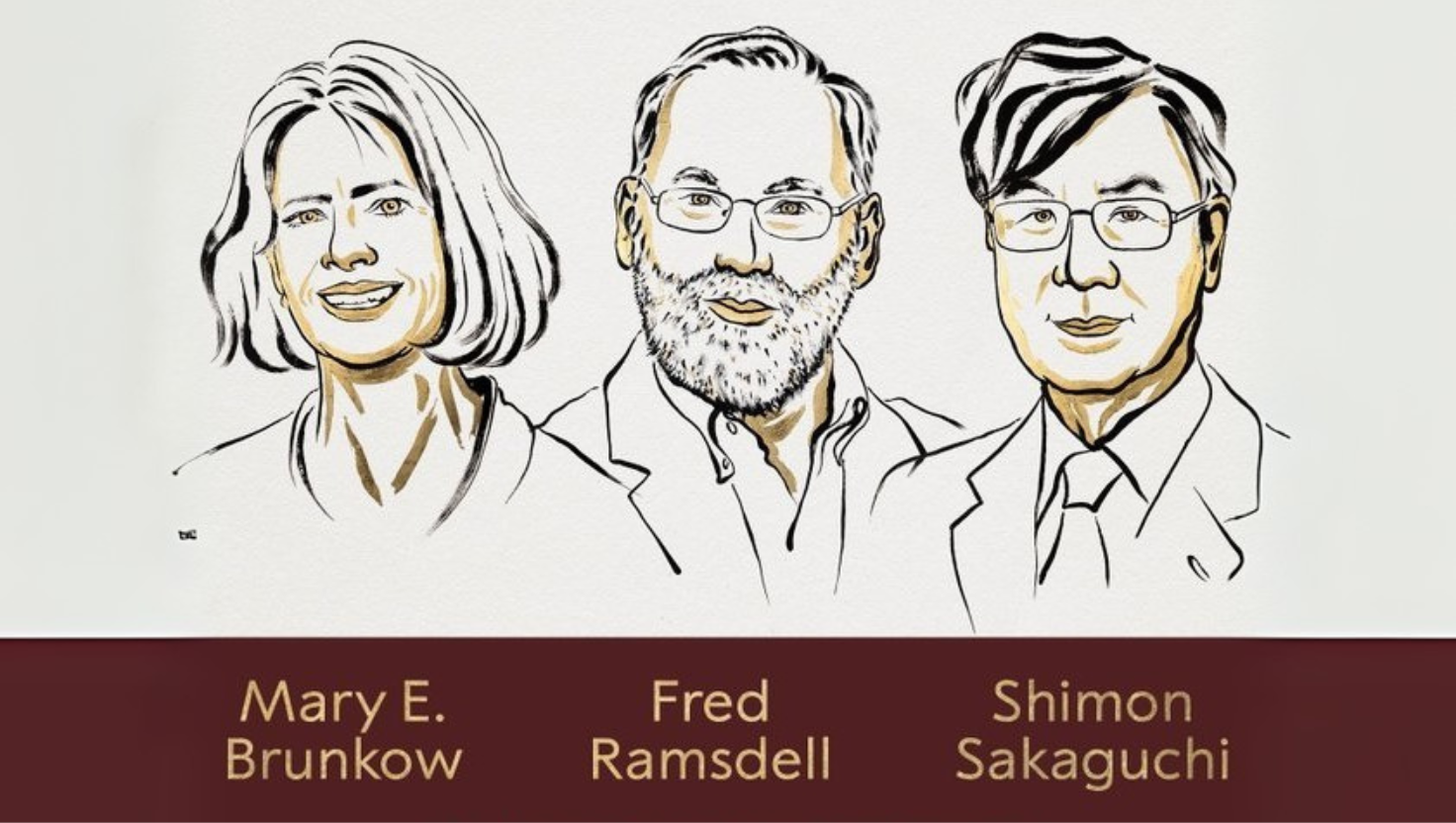
Mary Brunkow, Fred Ramsdell, and Shimon Sakaguchi won the 2025 Nobel Prize for discovering regulatory T cells, key to preventing autoimmune diseases.

Compressive asphyxia occurs when chest or abdominal pressure restricts breathing, often in stampedes, causing hypoxia, organ failure, and potentially death.
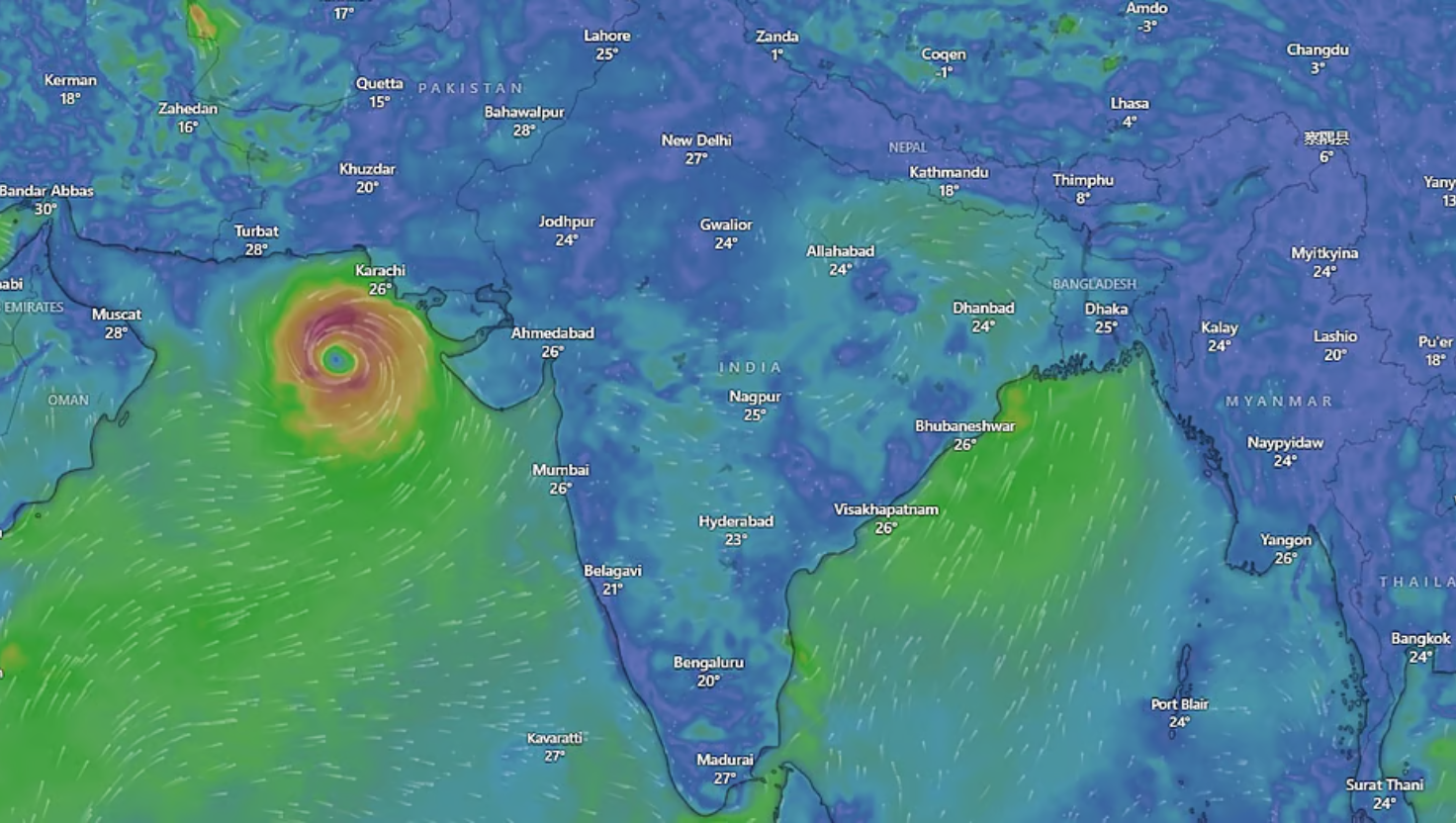
Cyclone Shakhti, forming over the northeast Arabian Sea, highlights rising cyclone risks in western India, emphasizing preparedness and early warning systems.
The Supreme Court upheld Article 300A, ruling that the Right to Property is a constitutional and human right requiring due process and compensation.

BRICS 2026: Explore the 18th BRICS Summit in New Delhi,
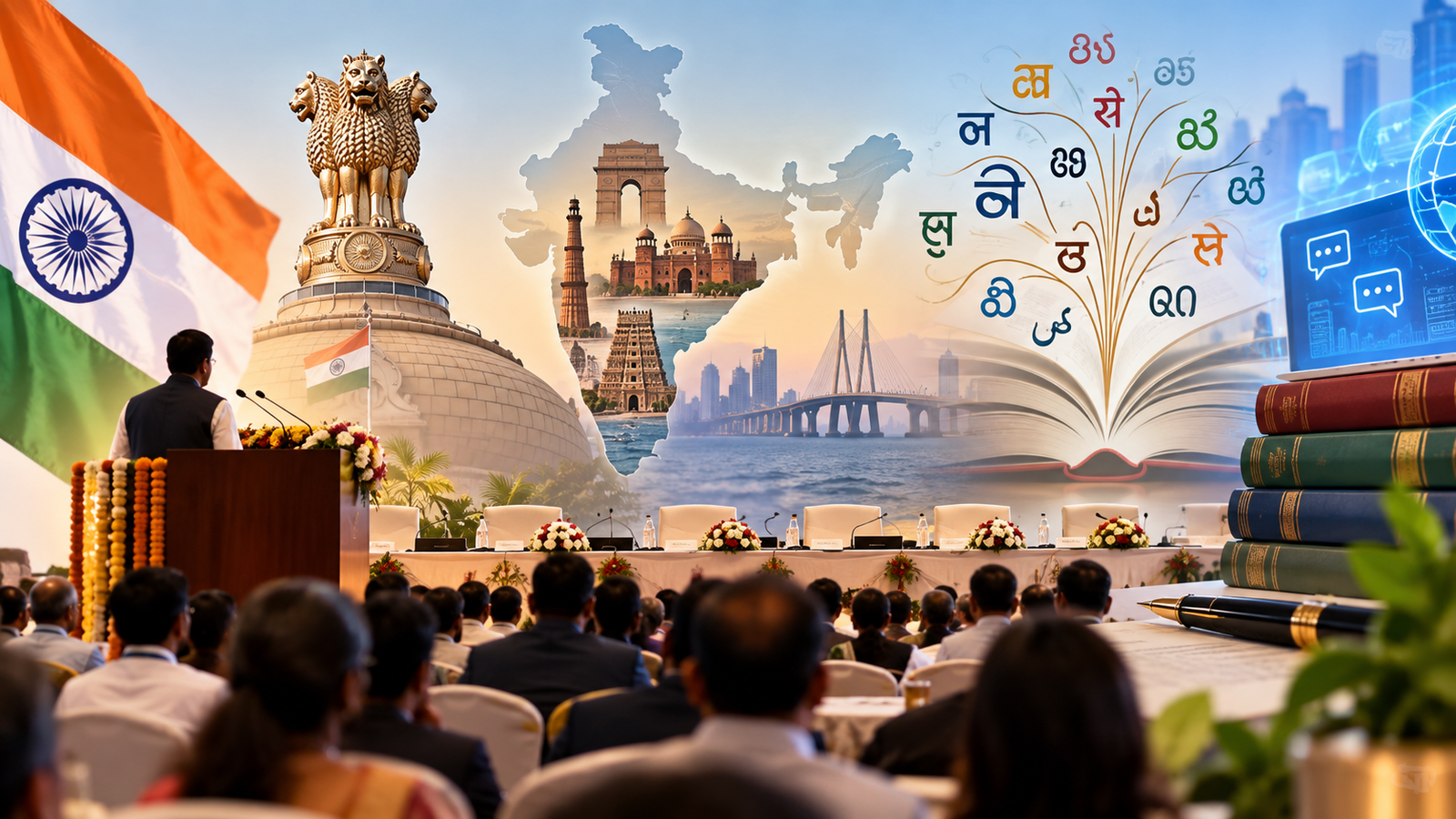
6th All India Official Language Conference 2026 in Navi Mumbai:

Discover how Bay of Bengal low-pressure systems shape India’s monsoon,

Explore the constitutional evolution of India from East India Company

Yojana June 2026 explores India’s journey towards a Naxal-free Bharat,
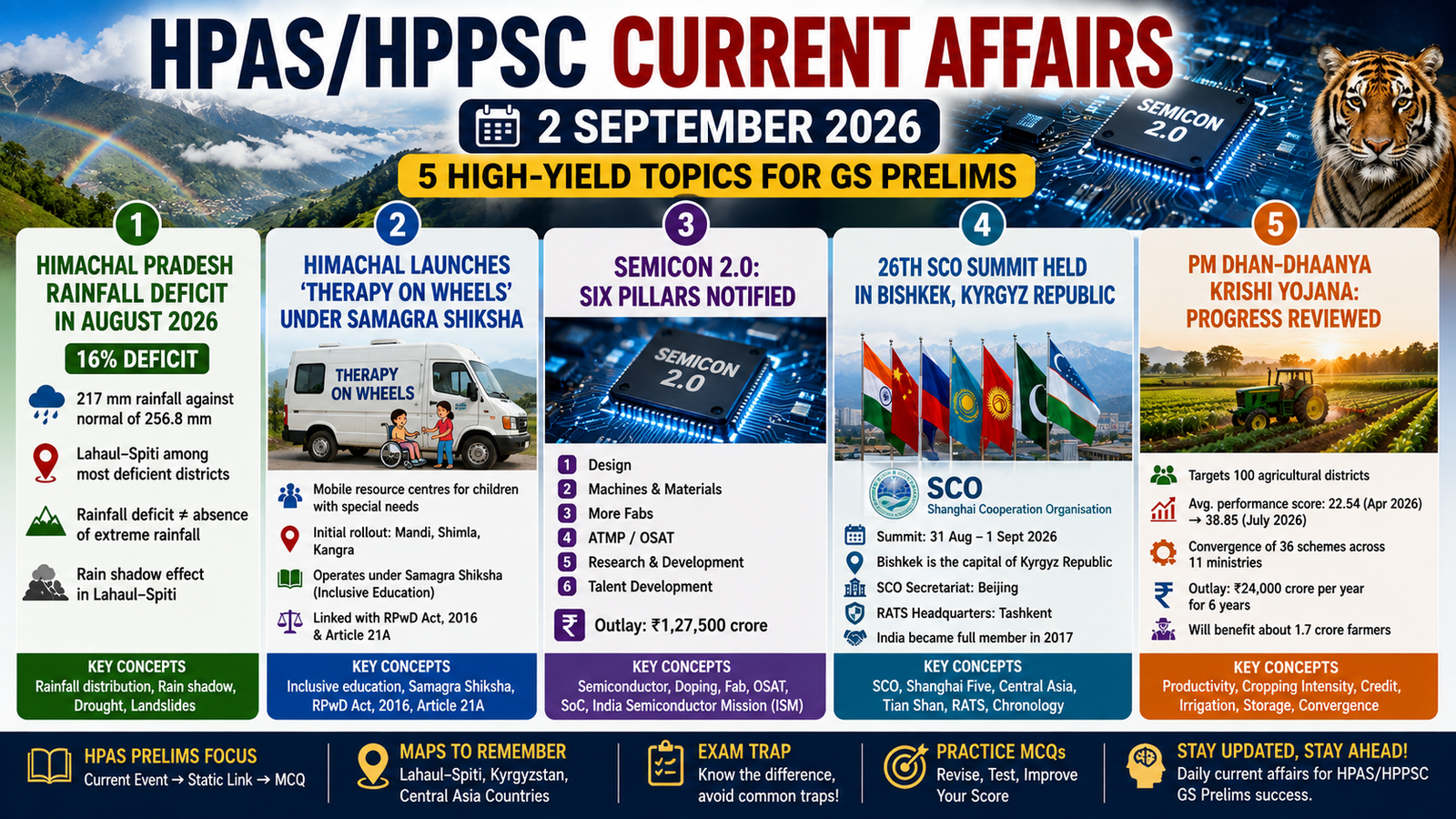
HPAS/HPPSC Current Affairs 2 September 2026: Himachal rainfall deficit, Therapy