
topic of the day
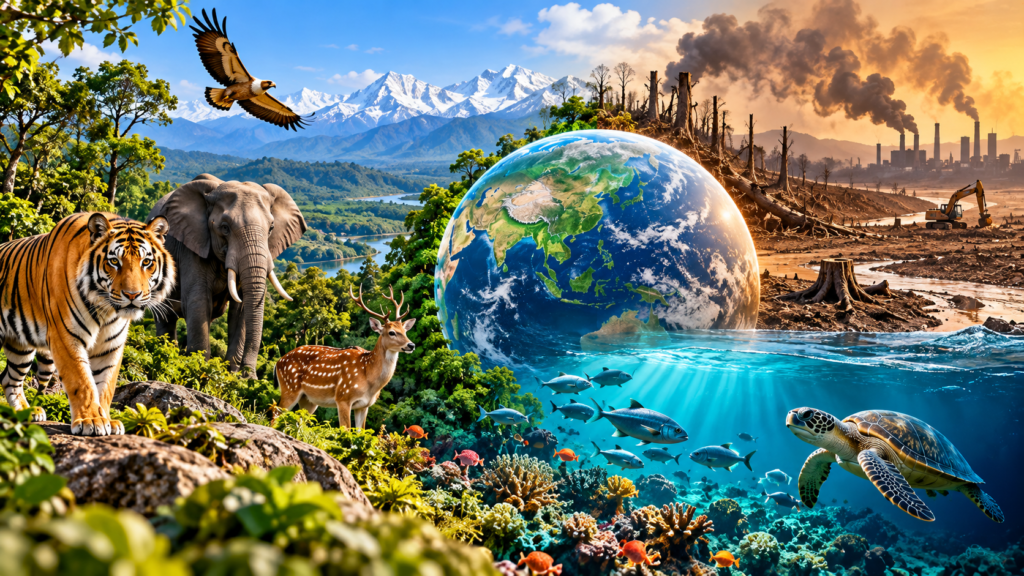
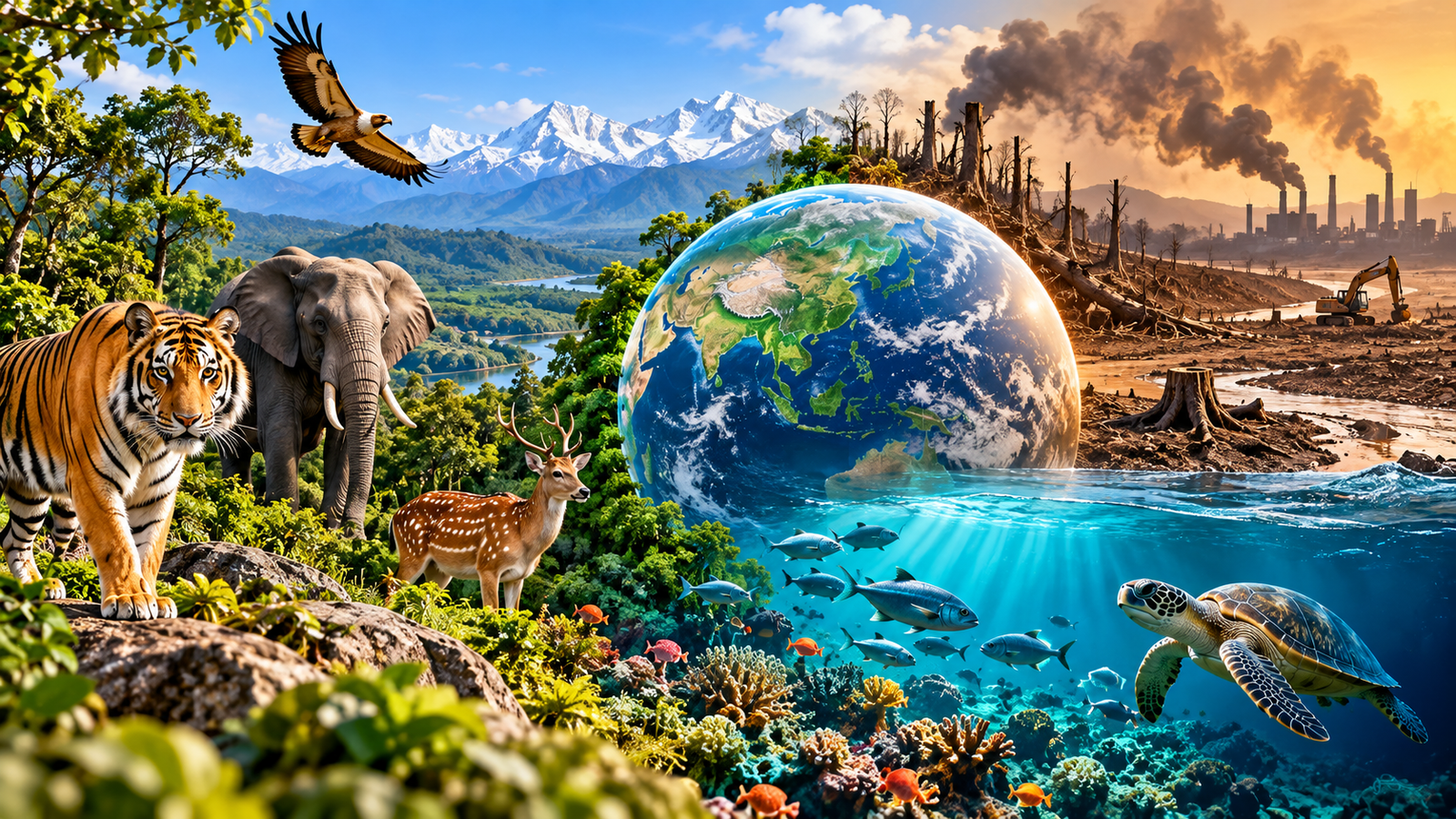
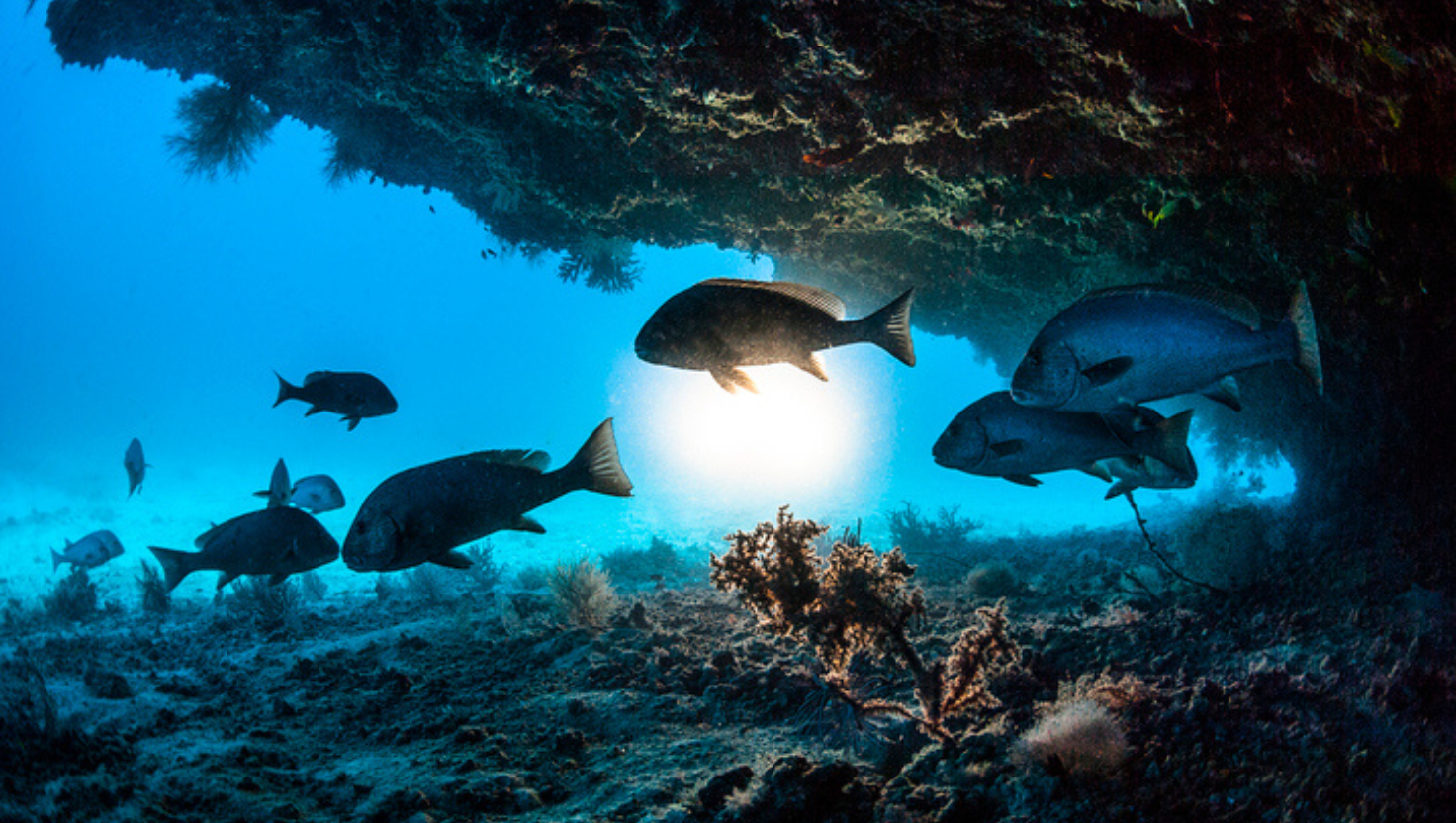
Living Planet Report 2026
Daily Buzz: Top News & Current Affairs


Sarkari Yojanas




General Studies Hub



Quick Browse Area










Editor’s Choice

Economy
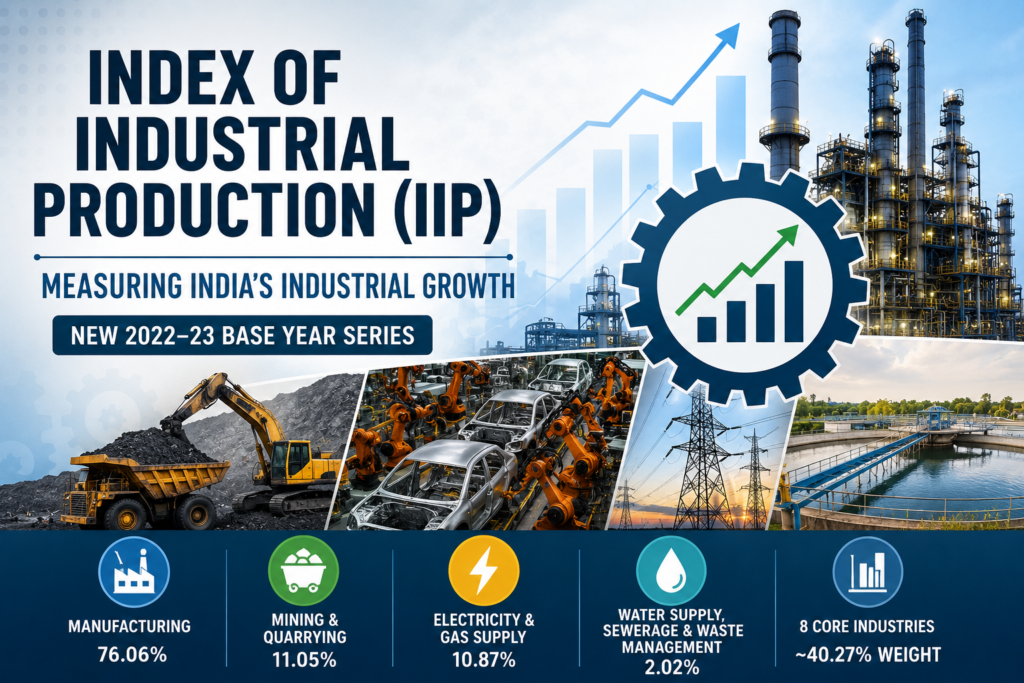
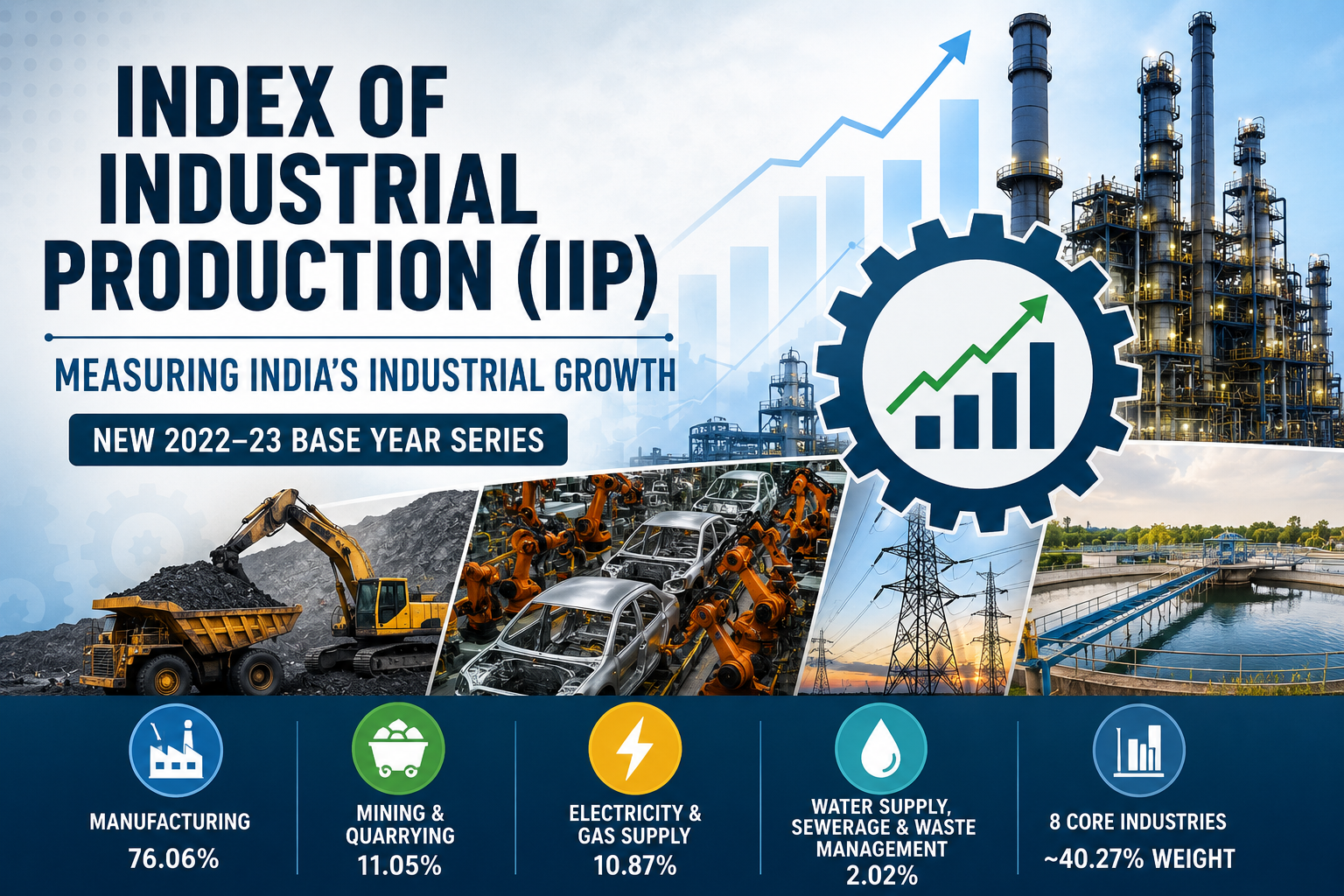
India’s New IIP Series: Base Year Revision, Core Industries and Industrial Trends
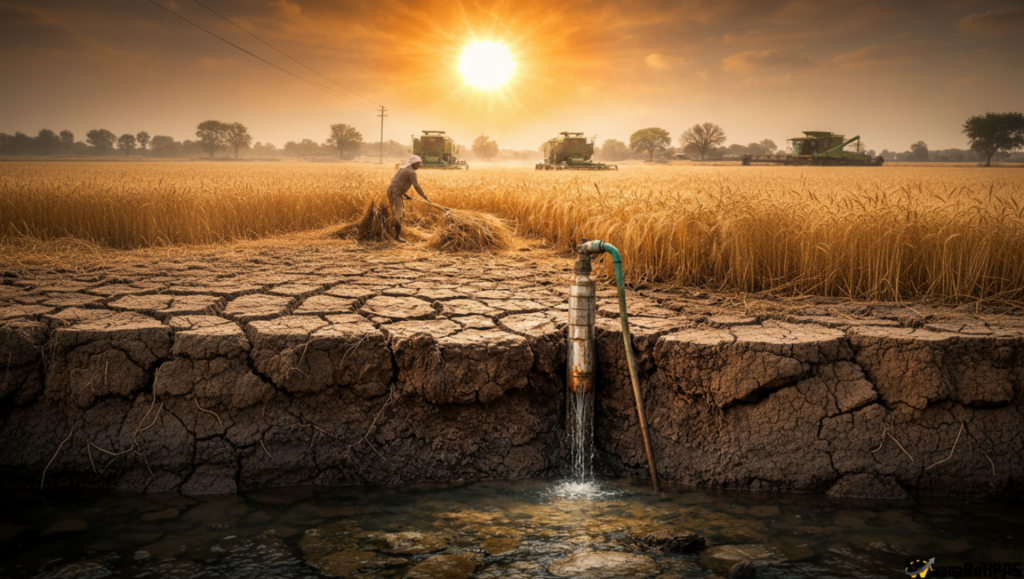
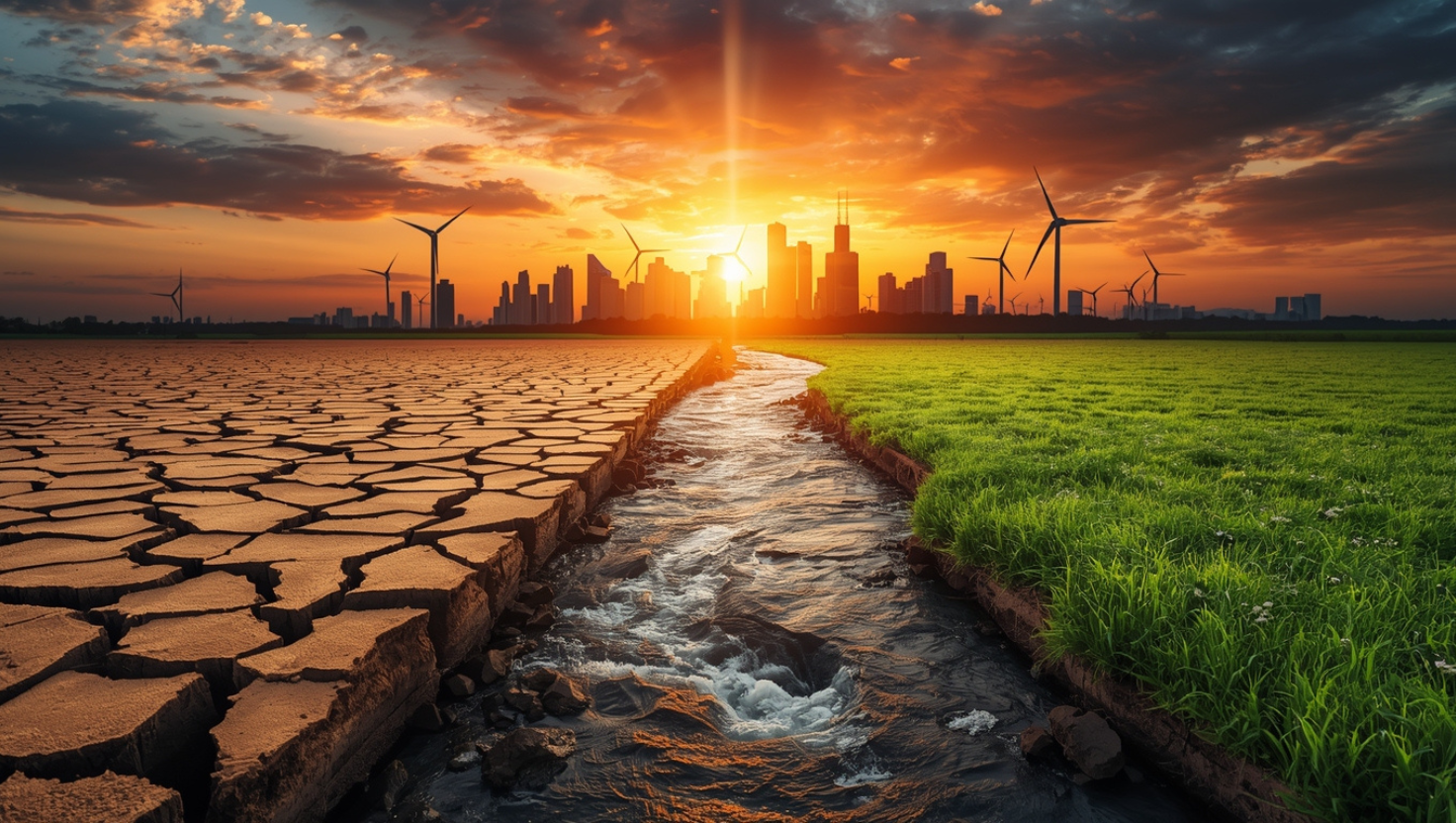
Thermal Stress and Aquifer Depletion: The Emerging Structural Crisis in North India’s Food Bowl
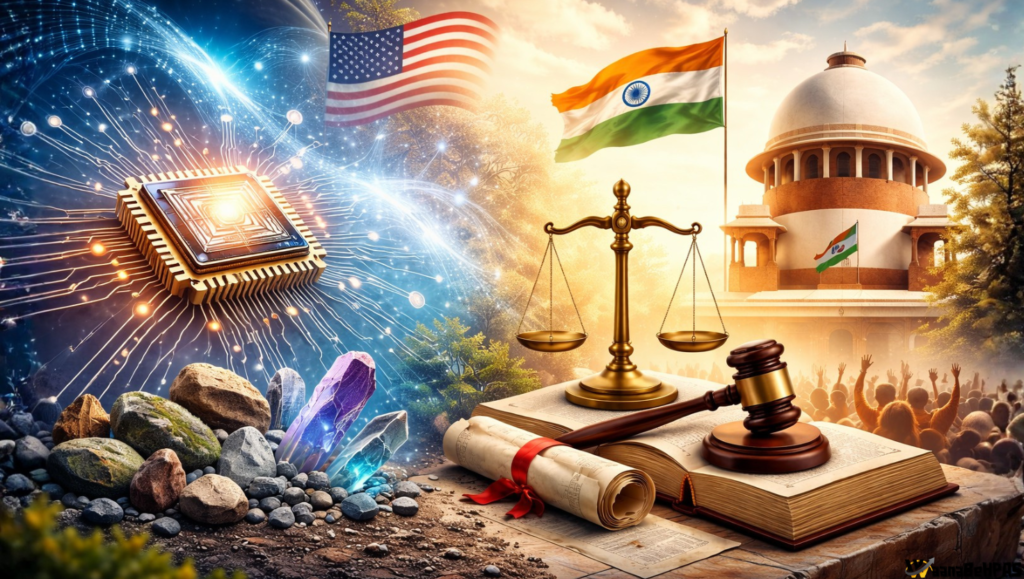
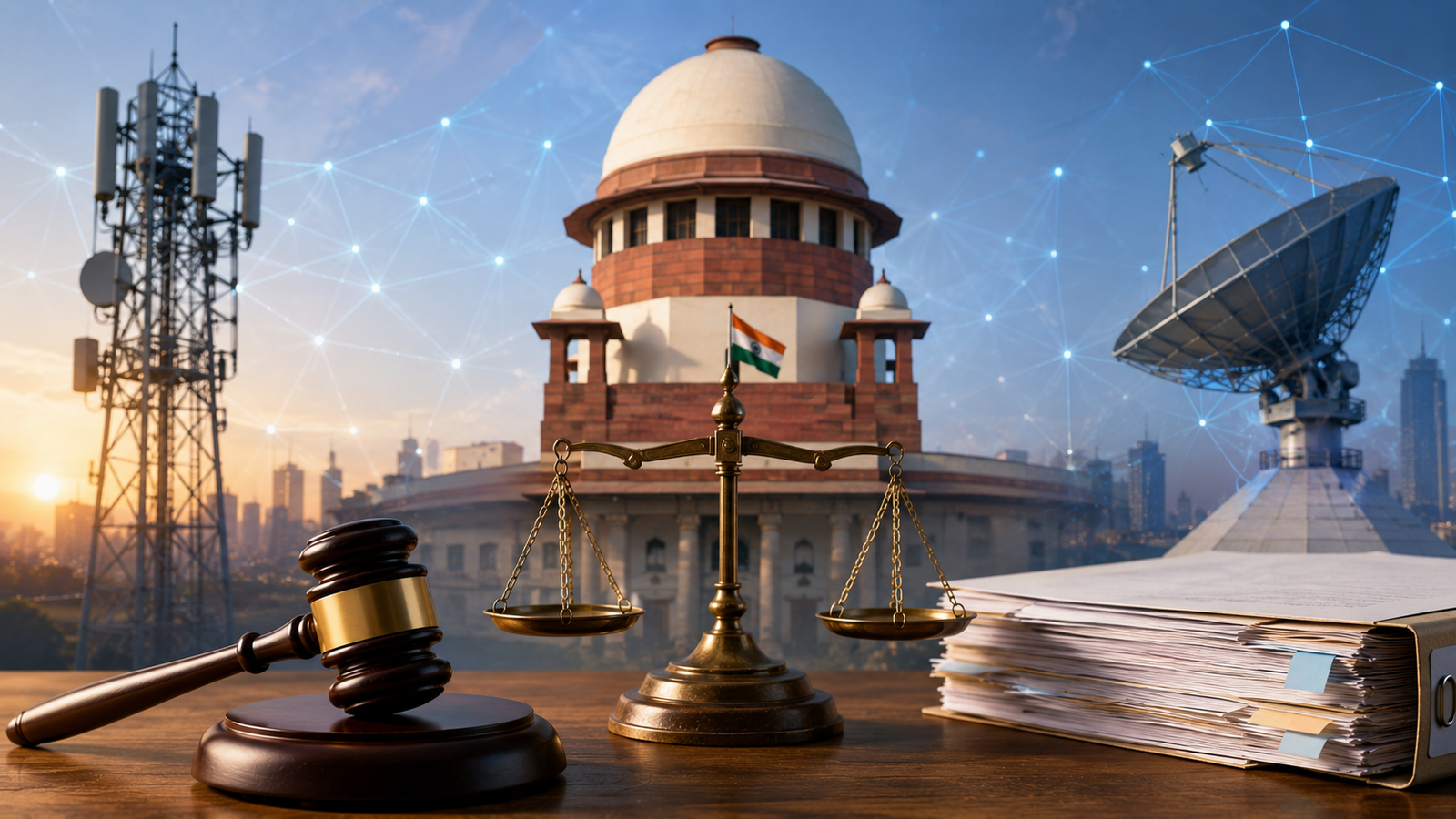
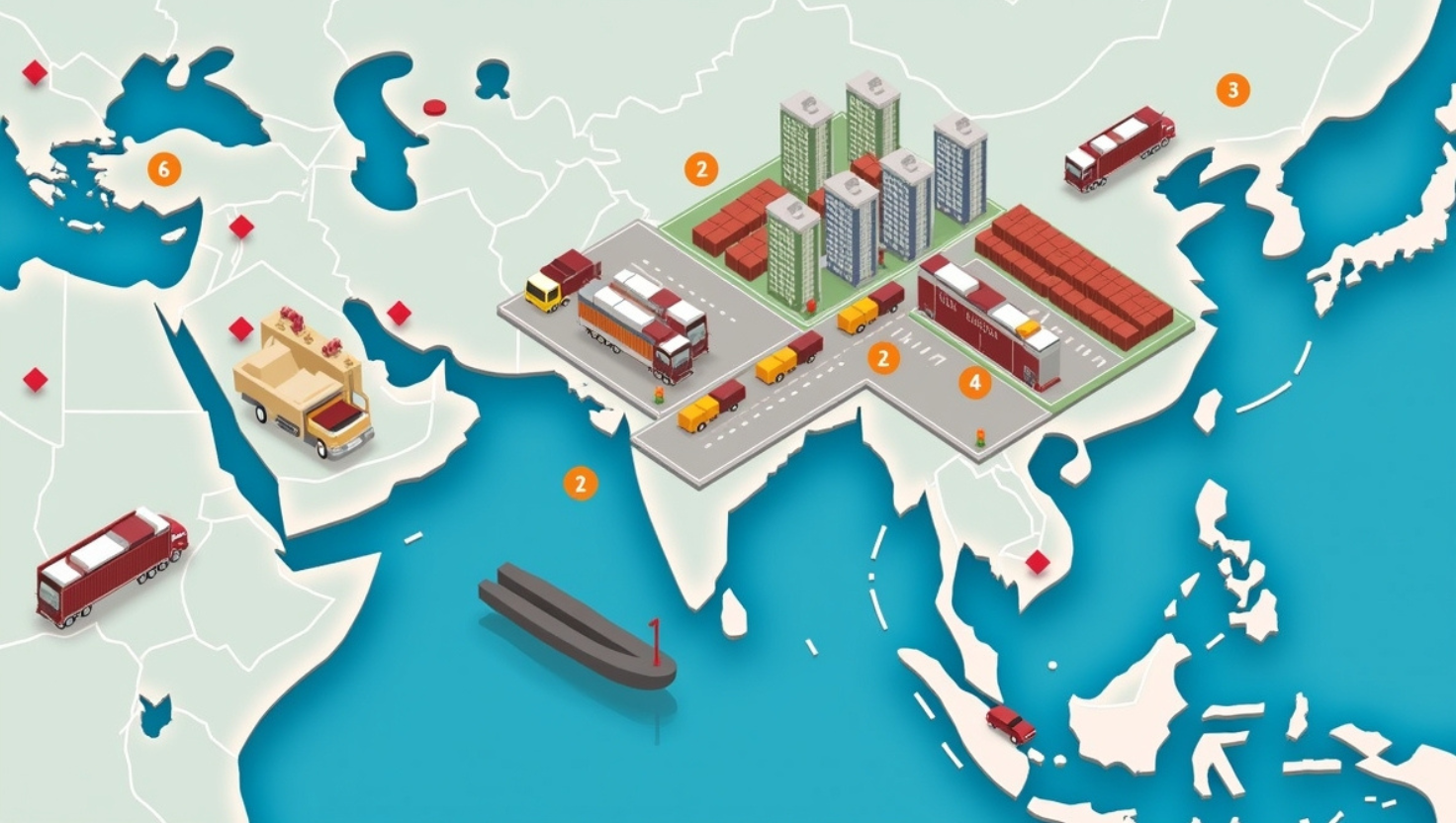
Pax Silica and the Constitution: Balancing Global Tech Power with Federal Democratic Integrity

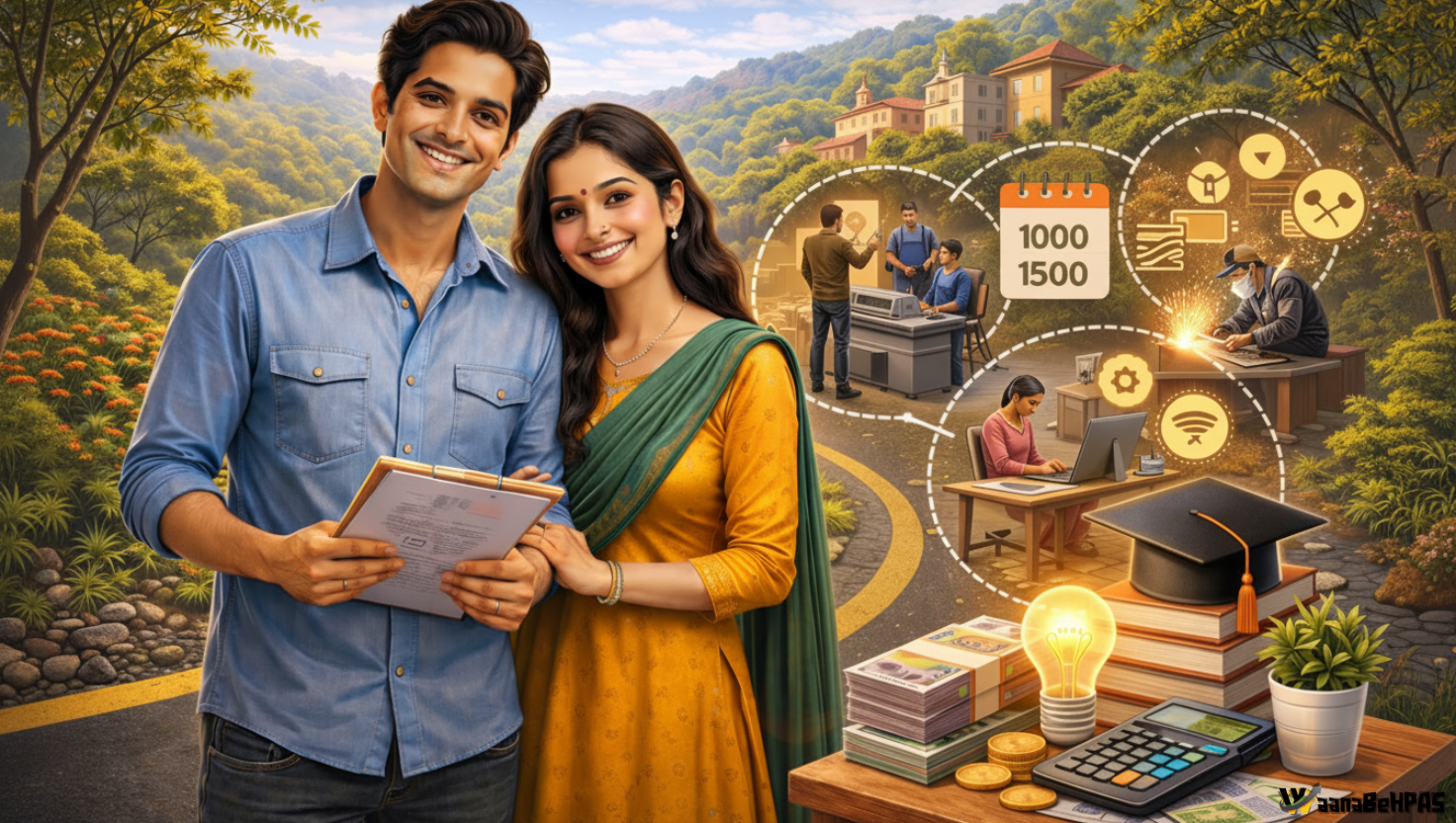
“Startup India Fund of Funds 2.0: Building a Deep-Tech, Innovation-Led Growth Engine for Viksit Bharat

DGCA Fines IndiGo: A Case of Systemic Failure and Consumer Rights

India–EU FTA 2026: Trade Diplomacy and Economic Opportunities

Geography Maps
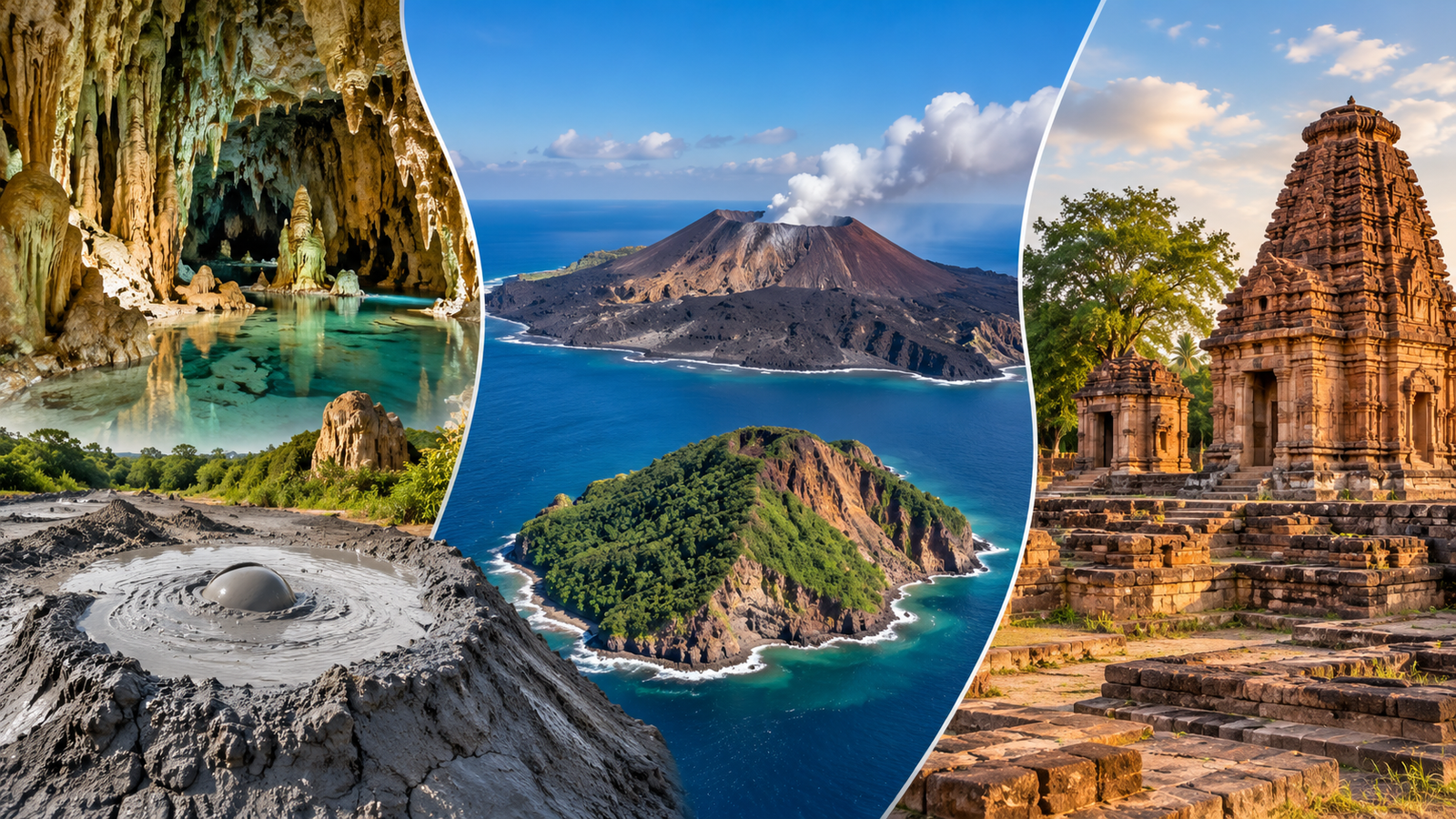
Three Indian Sites Added to UNESCO Tentative List 2026
Excerpt: UNESCO has added three Indian sites to its Tentative World Heritage List in 2026: Baratang’s limestone caves and mud volcanoes, the Andaman Subduction Volcanoes, and Sirpur’s rich cultural heritage. Learn about their significance and UPSC exam relevance.

ICMR-CHAMP at Keylong 2026
Explore ICMR-CHAMP at Keylong, Himachal Pradesh—its objectives, research areas, importance for Himalayan communities, and key facts for UPSC CSE and HPAS 2027.
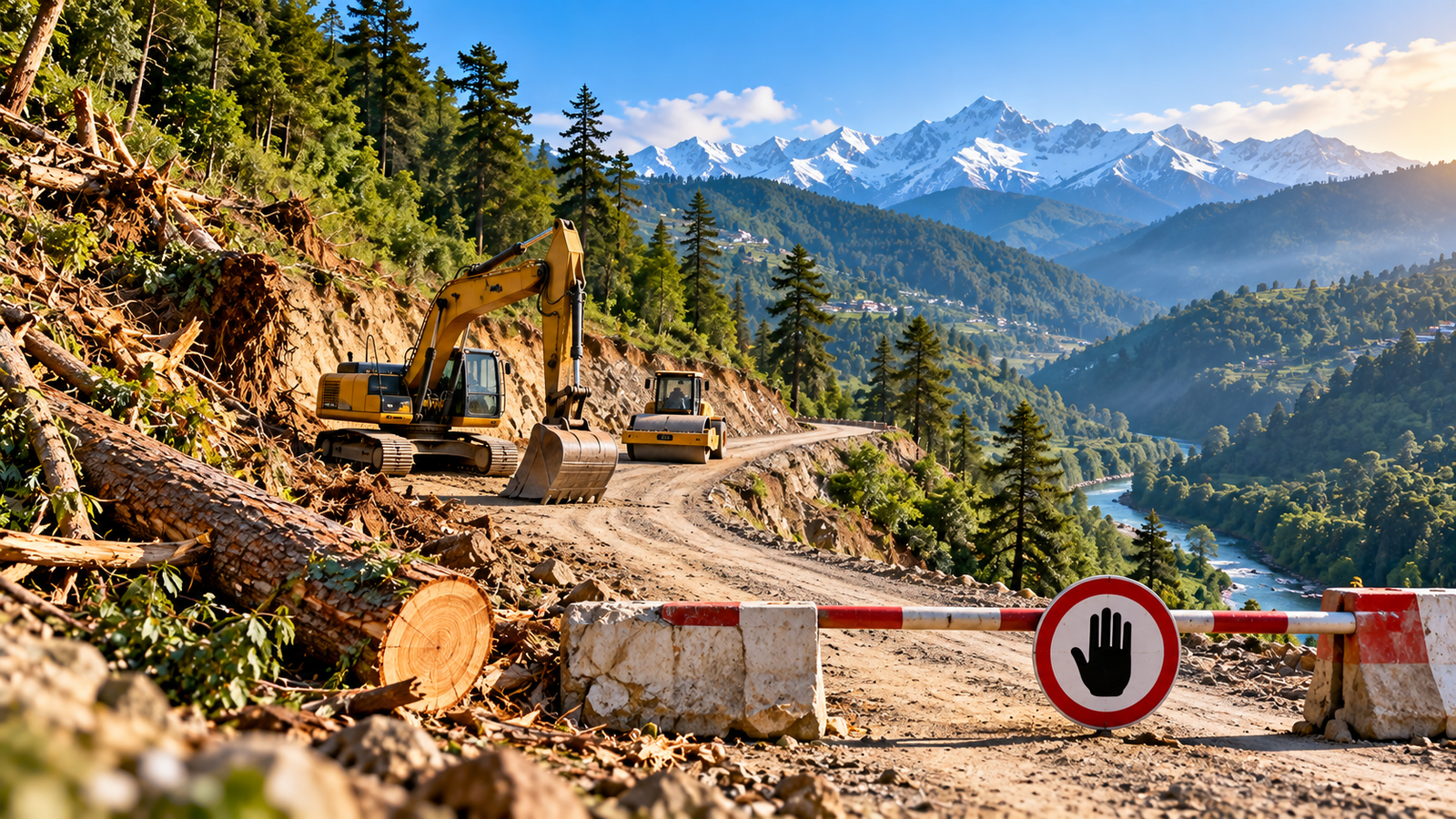
Himachal Pradesh High Court Halts Construction and Tarring of Forest Roads
Himachal Pradesh High Court halts forest road construction and tarring amid concerns over 55 roads in Seraj, forest clearances, tree felling, biodiversity conservation and sustainable development in the fragile Himalayas.
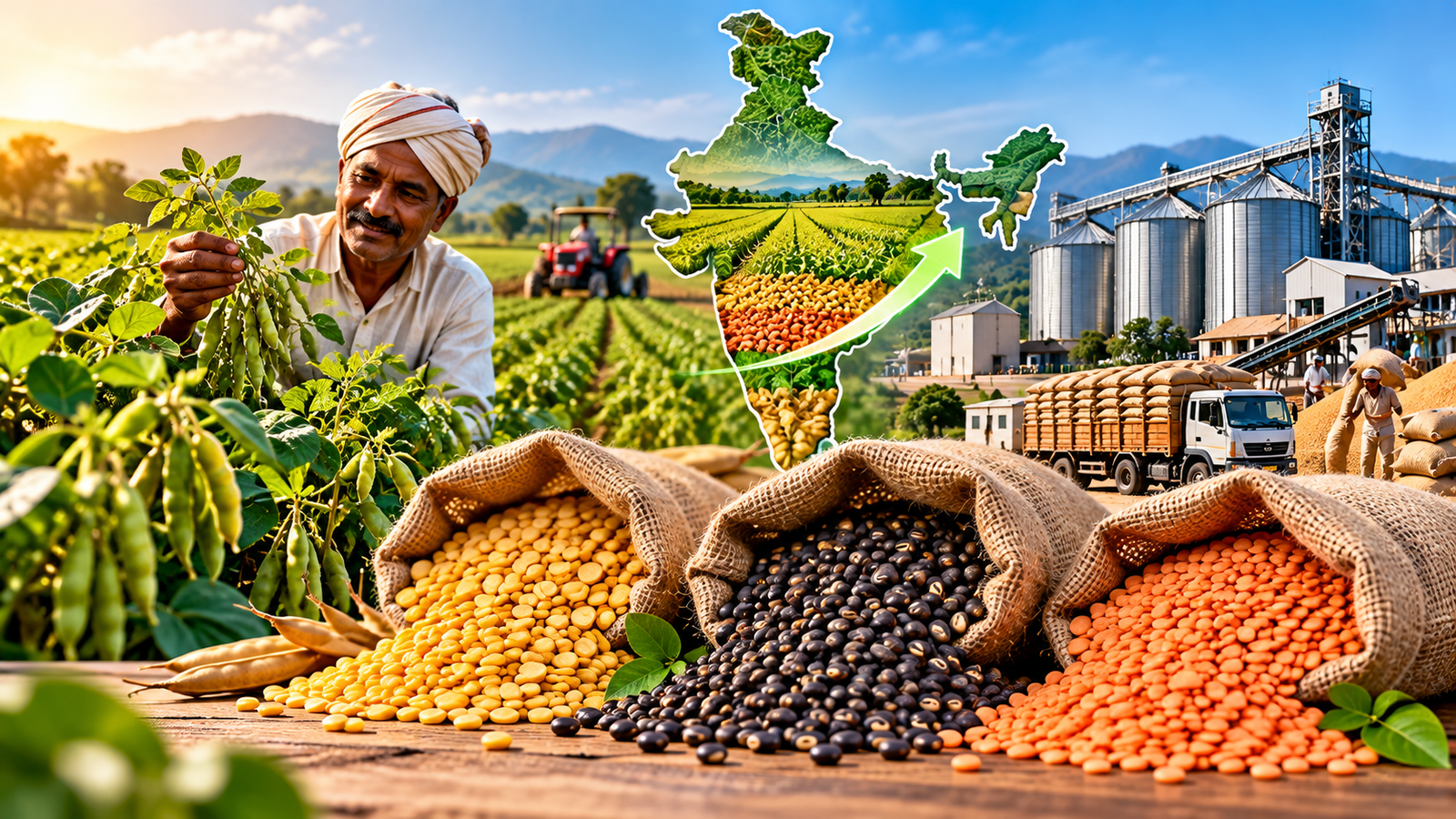
Mission for Aatmanirbharta in Pulses 2026
Mission for Aatmanirbharta in Pulses 2026: Explore the ₹11,440 crore scheme, production targets, MSP procurement, improved seeds, farmers’ income, nutritional security and India’s push to reduce pulses imports.
Modern History
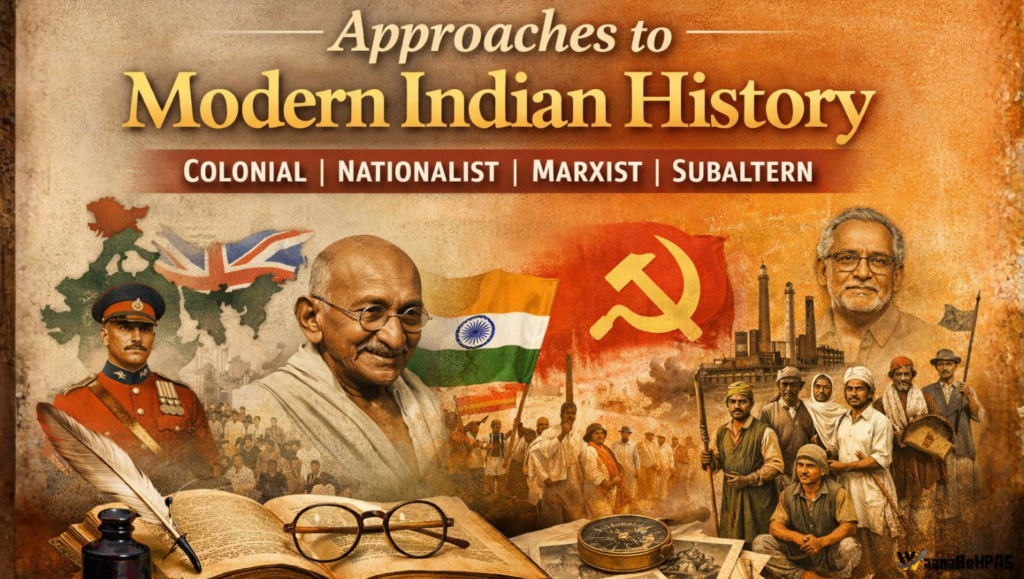
Approaches to the Modern History of India: A Historiographical Synthesis
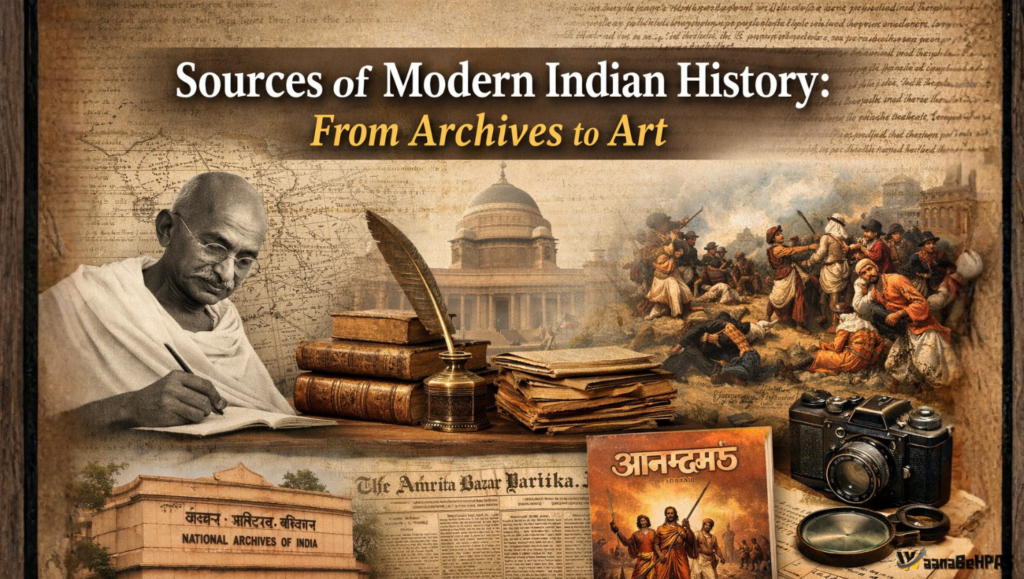
Sources of Modern Indian History: From Archives to Art
Sources of Modern Indian History for UPSC: Unlocking the Past…

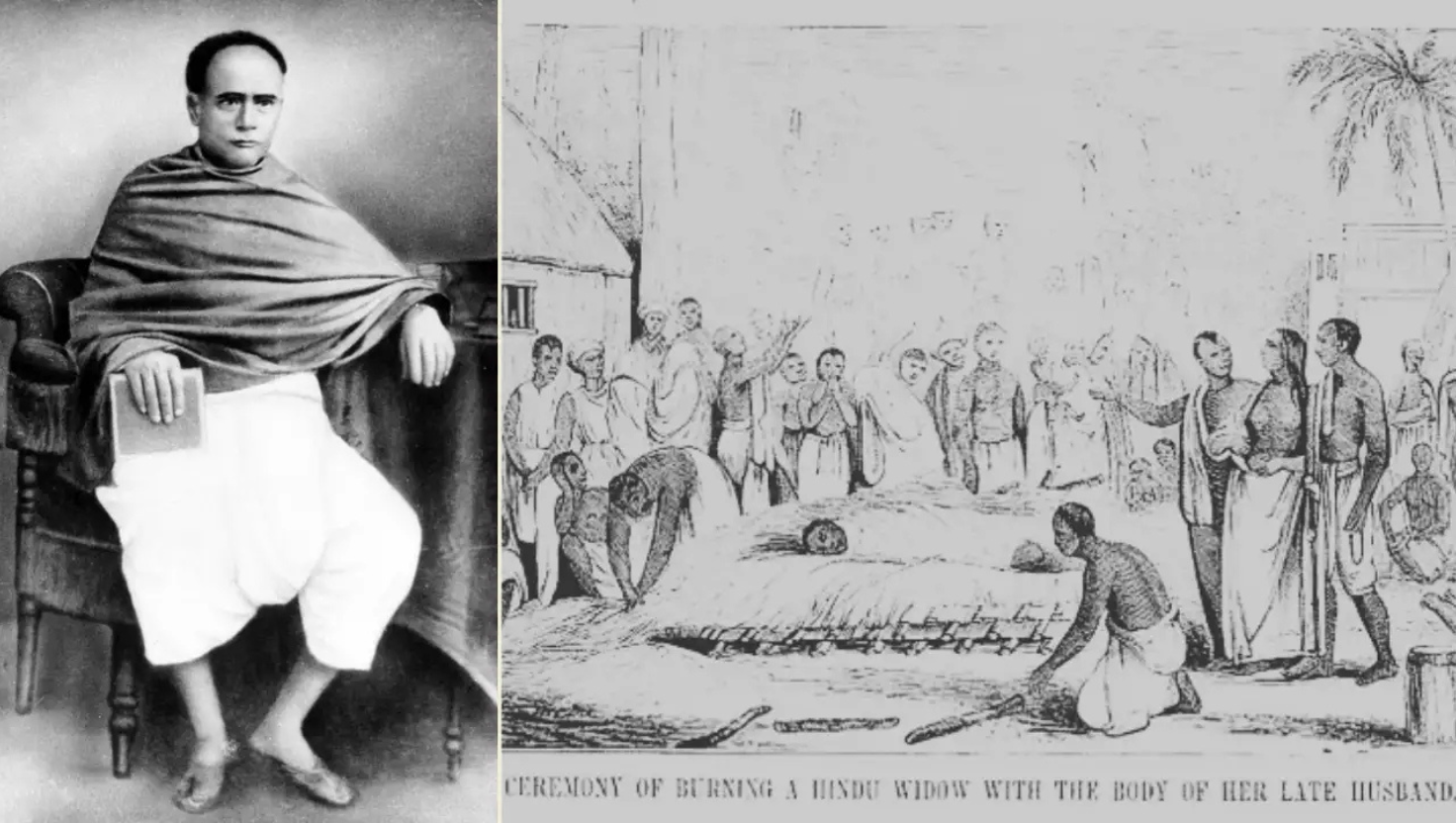
From Margaret Noble To Sister Nivedita
Geography
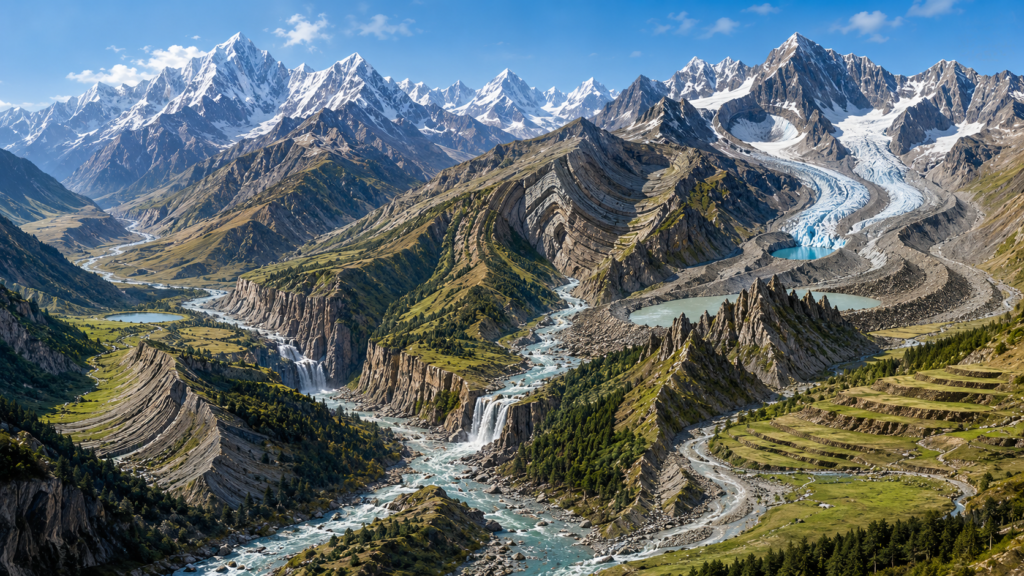
Topography of the Himalayas
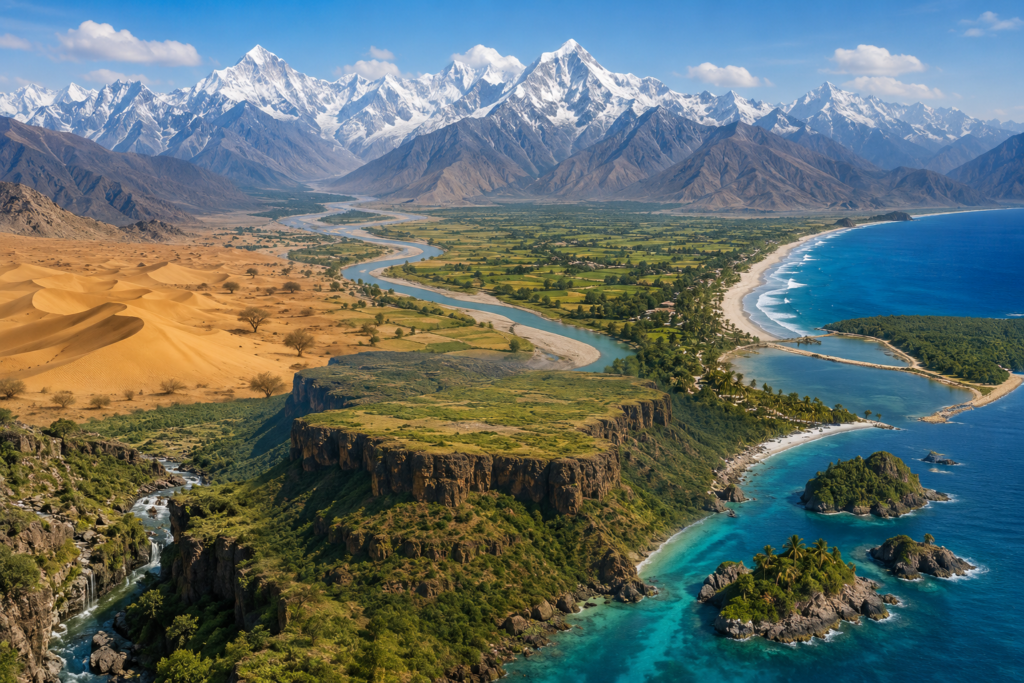
A Detailed Study of Physiography of India
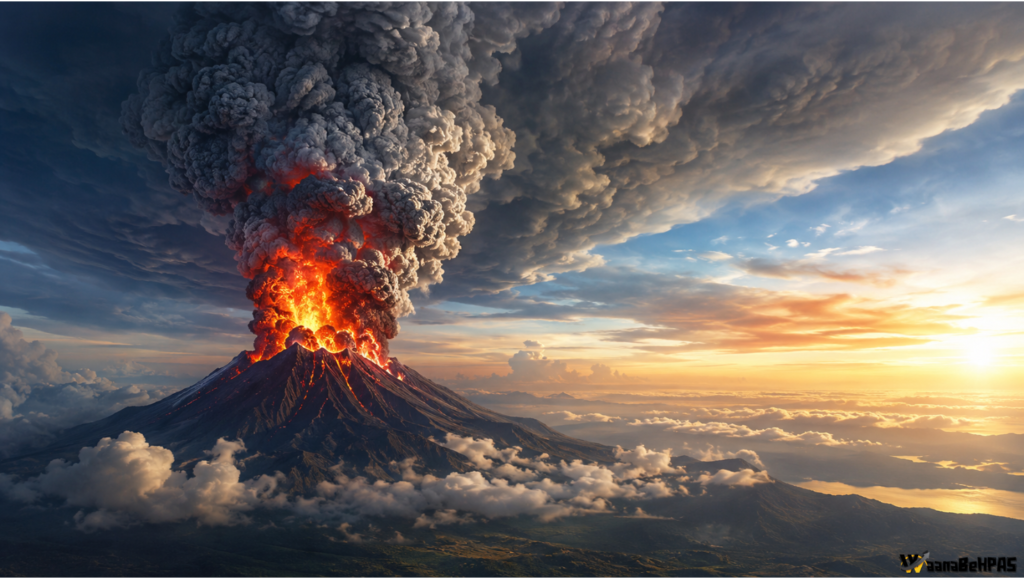
Atmospheric Impact of Volcanic Eruptions
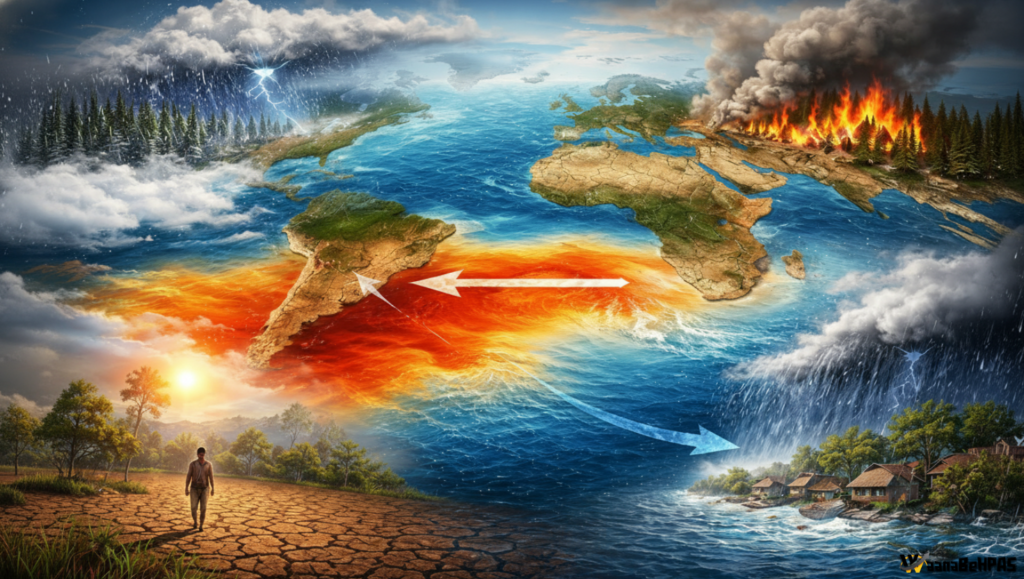
Super El Niño 2026
Polity
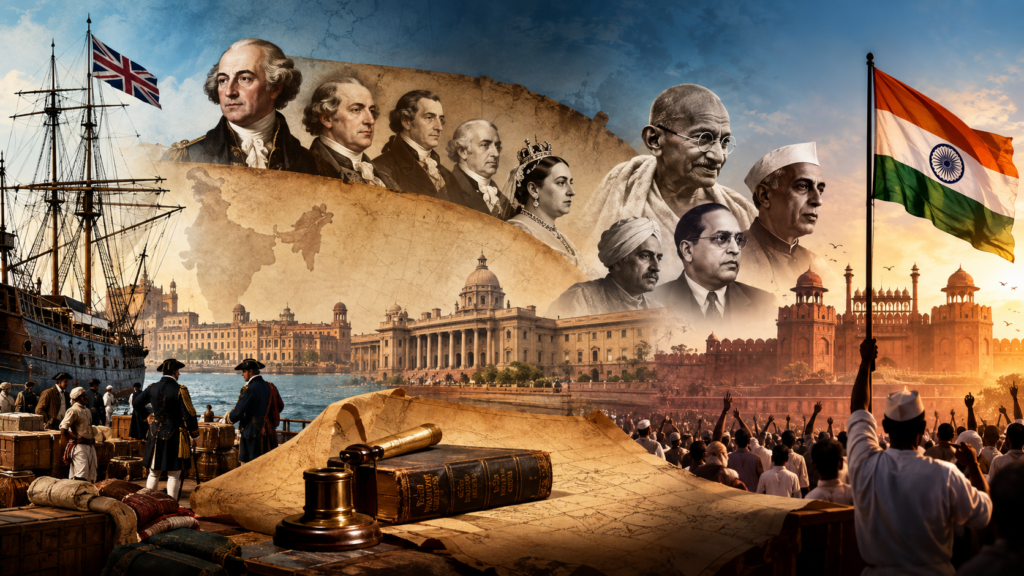
Historical Background of the Indian Constitution
Article 19 of the Indian Constitution

Delhi High Court Recognises the Right to be Forgotten as Part of Article 21
HP GK
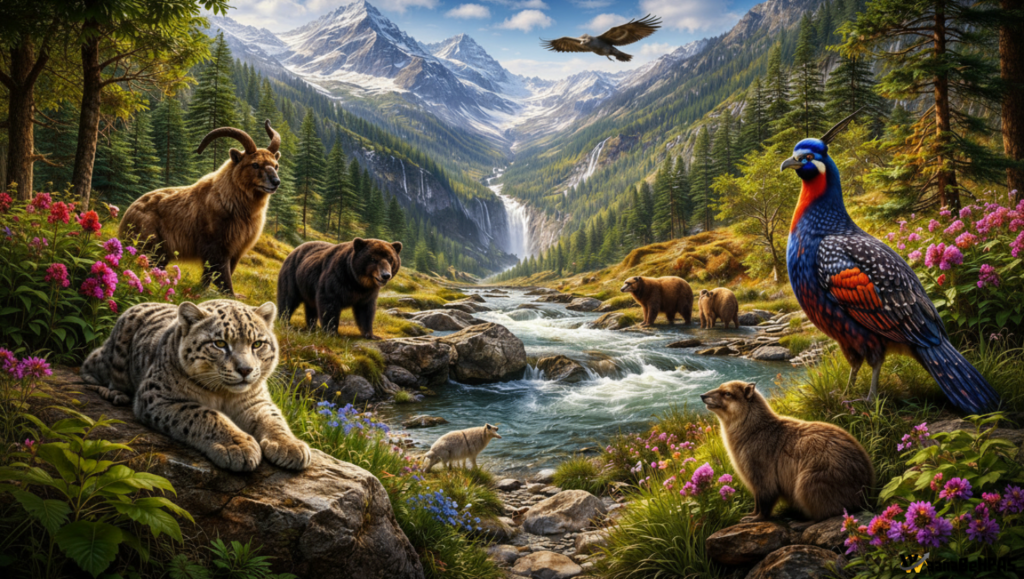
Wildlife in Himachal Pradesh

HPPSC Focus: Senior Citizen Health Insurance Scheme
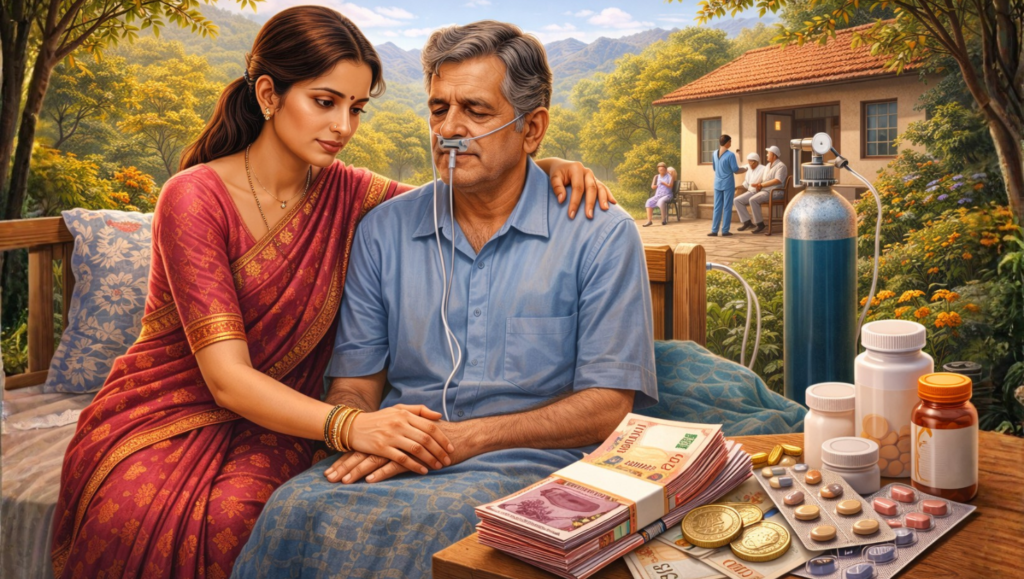
HPPSC Focus: Sahara Yojana