
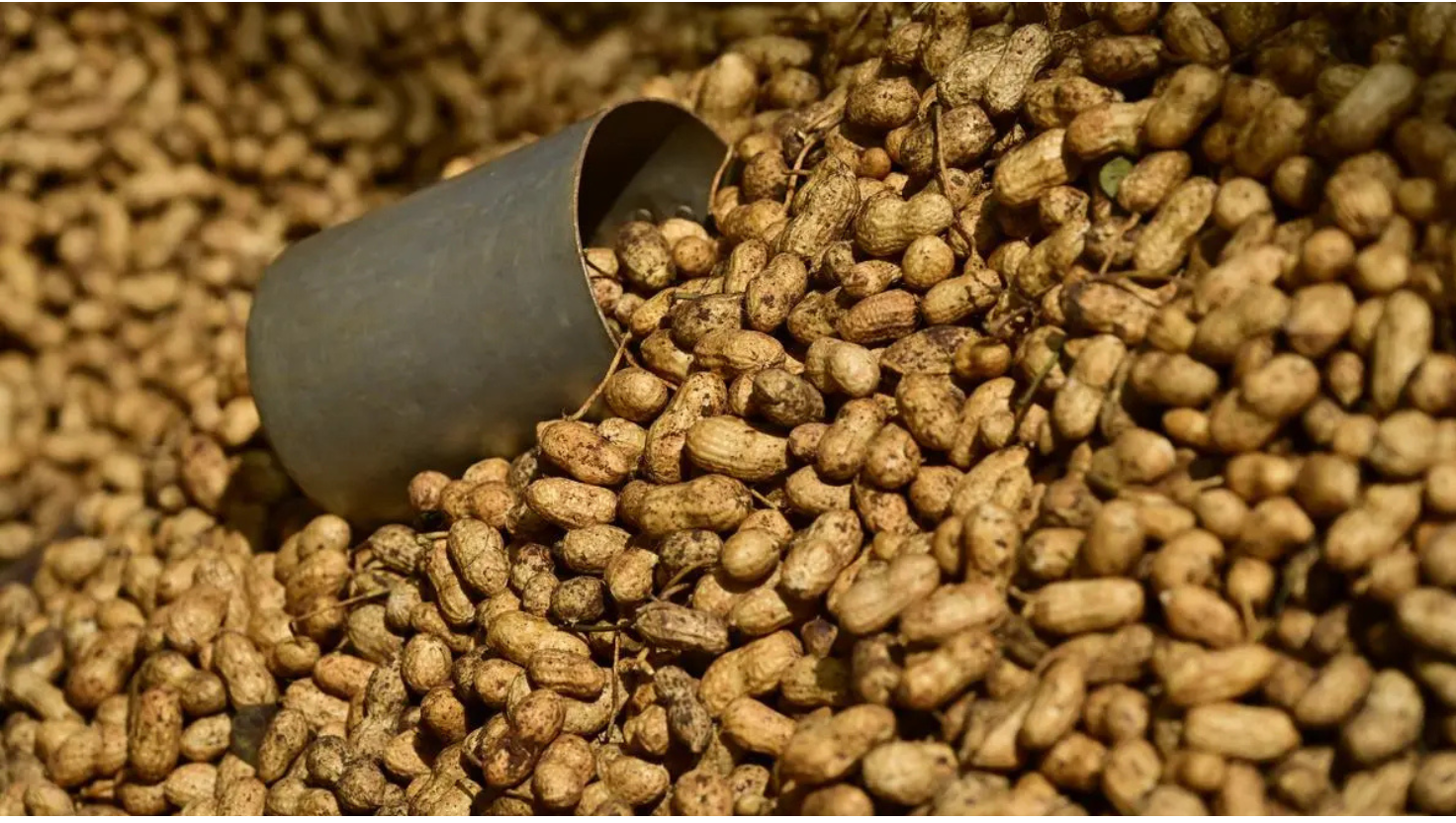
Indonesia Bans Indian Groundnuts Over AflatoxiN
Indonesia halts Indian groundnut imports due to aflatoxin contamination, raising food safety and trade concerns.
Indonesia halts Indian groundnut imports due to aflatoxin contamination, raising food safety and trade concerns.
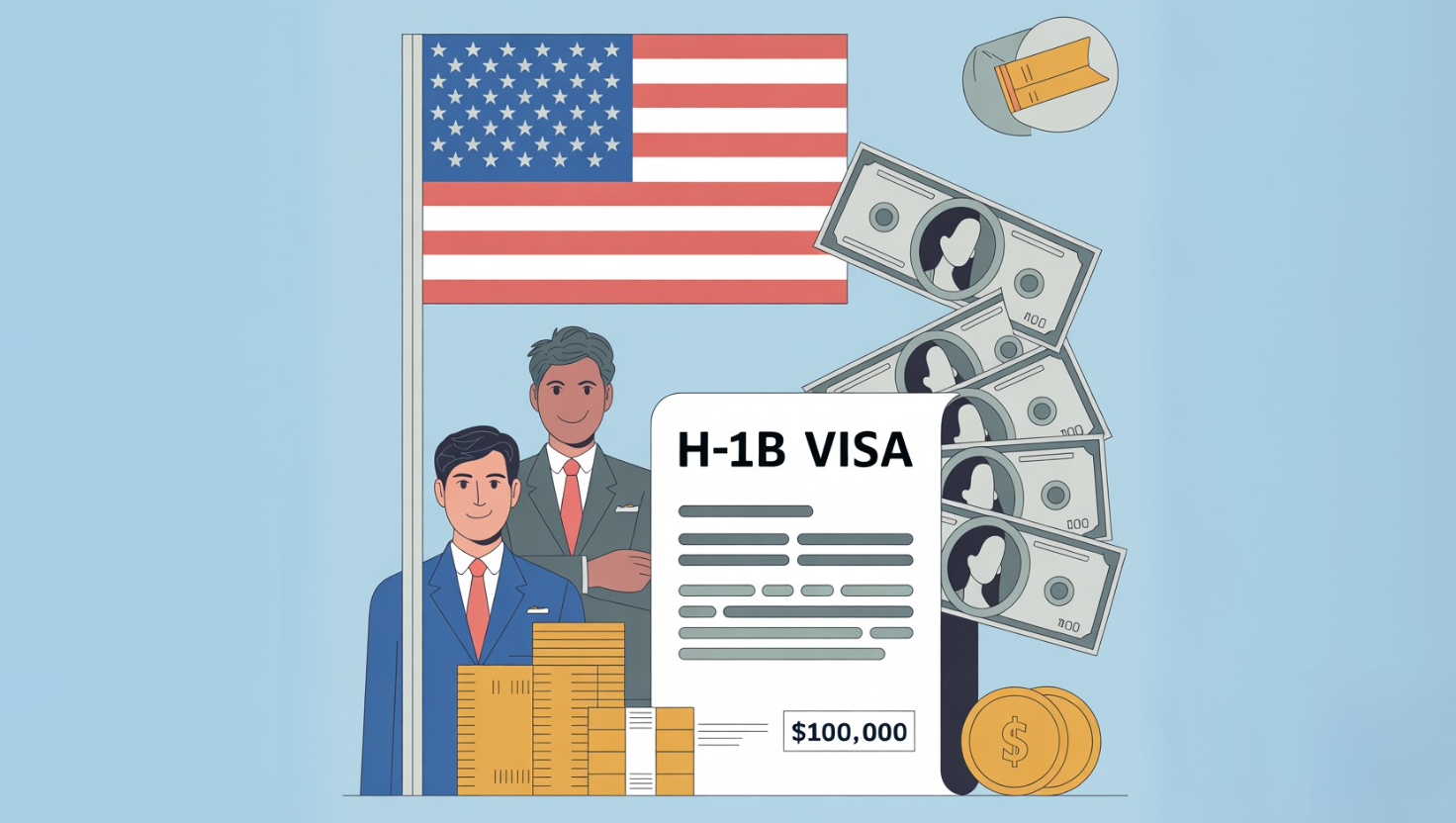
US hikes H-1B visa fee to $100,000, raising costs for Indian IT firms and affecting skilled workforce migration.

The Environment (Protection) Act, 1986 empowers India to prevent pollution and safeguard natural resources, forests, and wildlife.
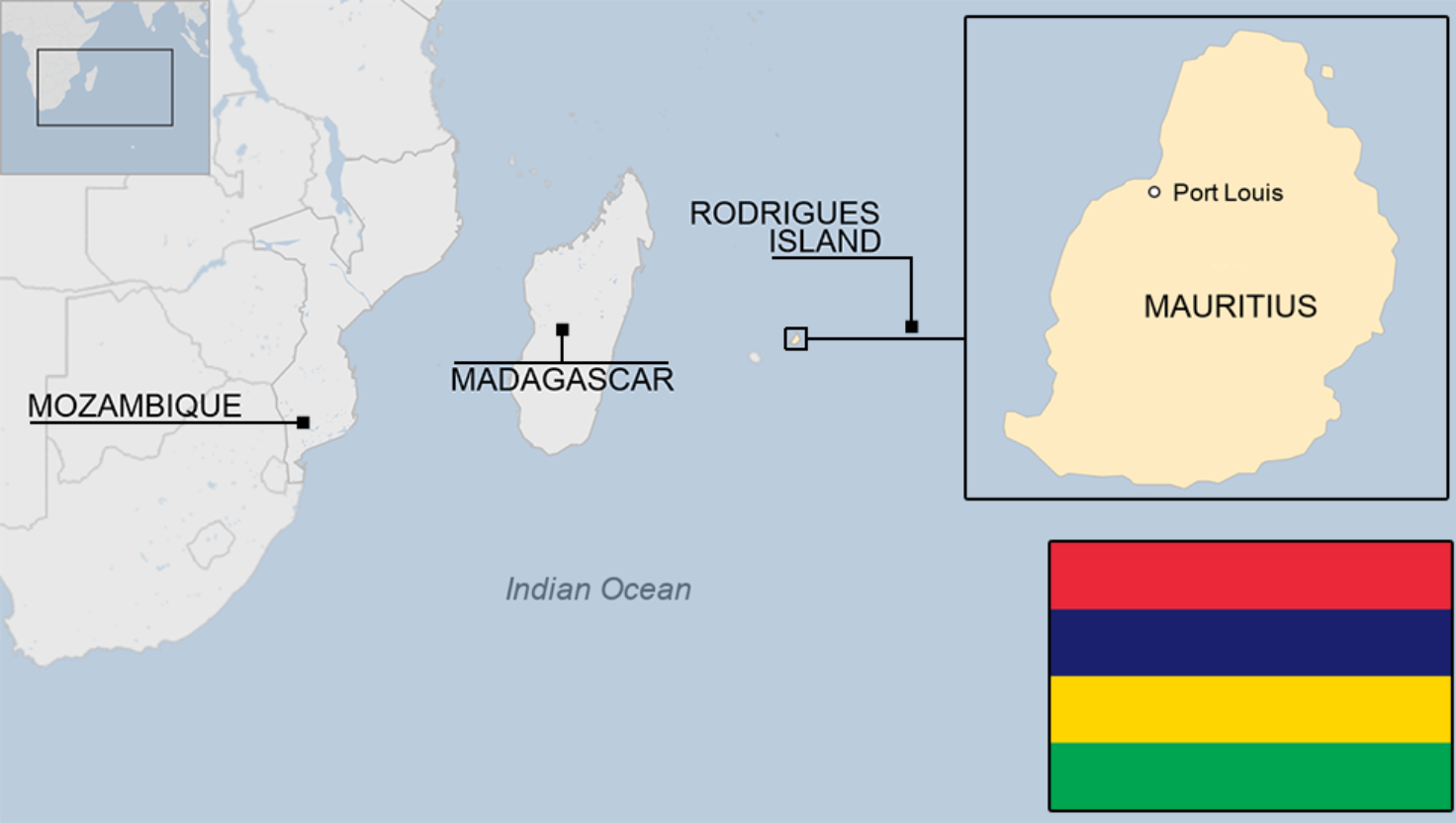
Mauritius, an island nation in the Indian Ocean with strong Indo-Mauritian ties, plays a key role in India’s neighbourhood relations and maritime strategy.
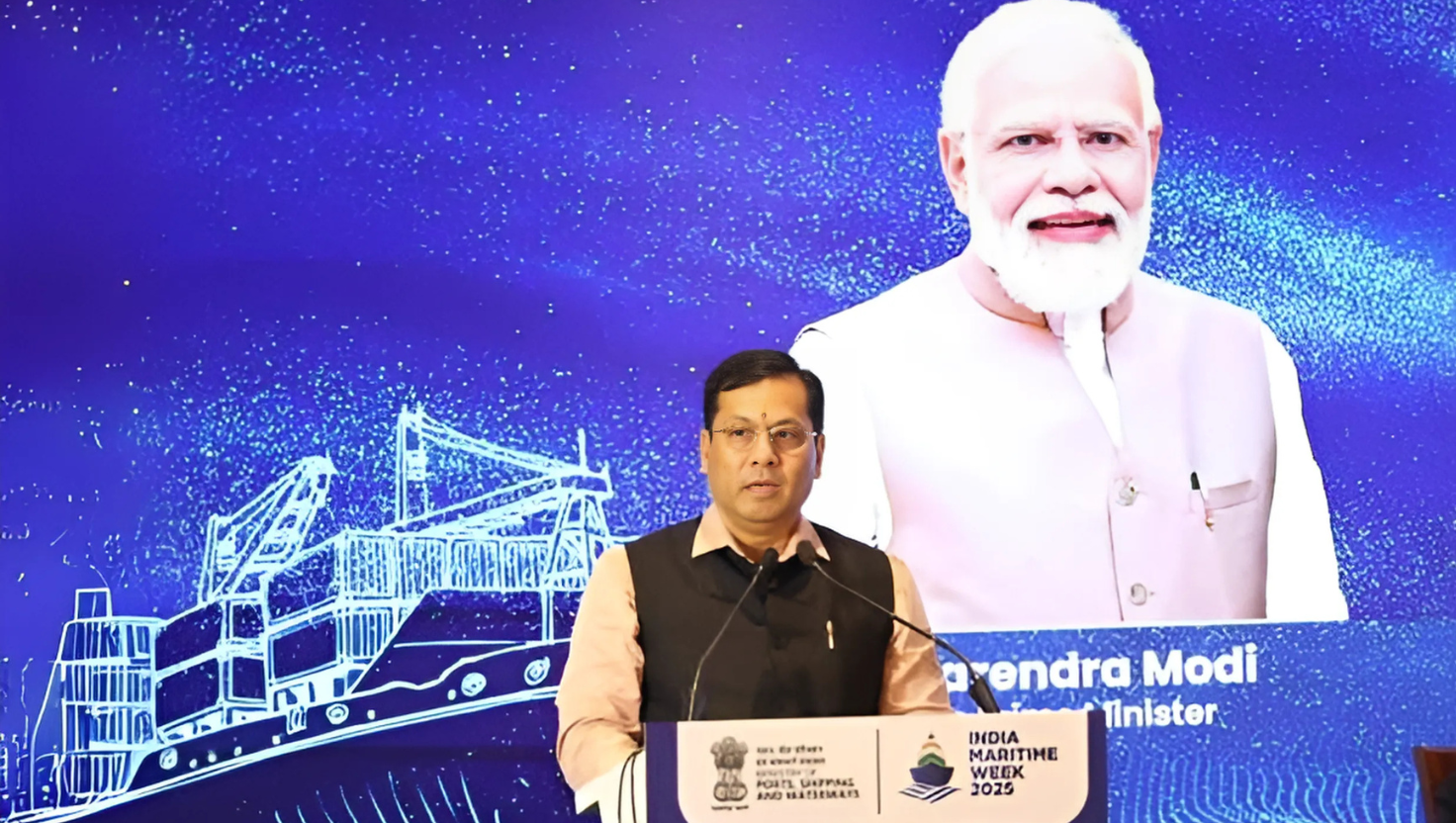
India’s first port-based Green Hydrogen Pilot Project at VOC Port promotes clean energy, green shipping, and reduced fossil fuel use under Viksit Bharat 2047.

On Teacher’s Day, India honours Dr. Sarvepalli Radhakrishnan for his contributions to education, philosophy, and nation-building as a statesman and scholar.

A Blood Moon occurs when Earth’s shadow makes the moon appear red by bending sunlight through the atmosphere during a lunar eclipse.
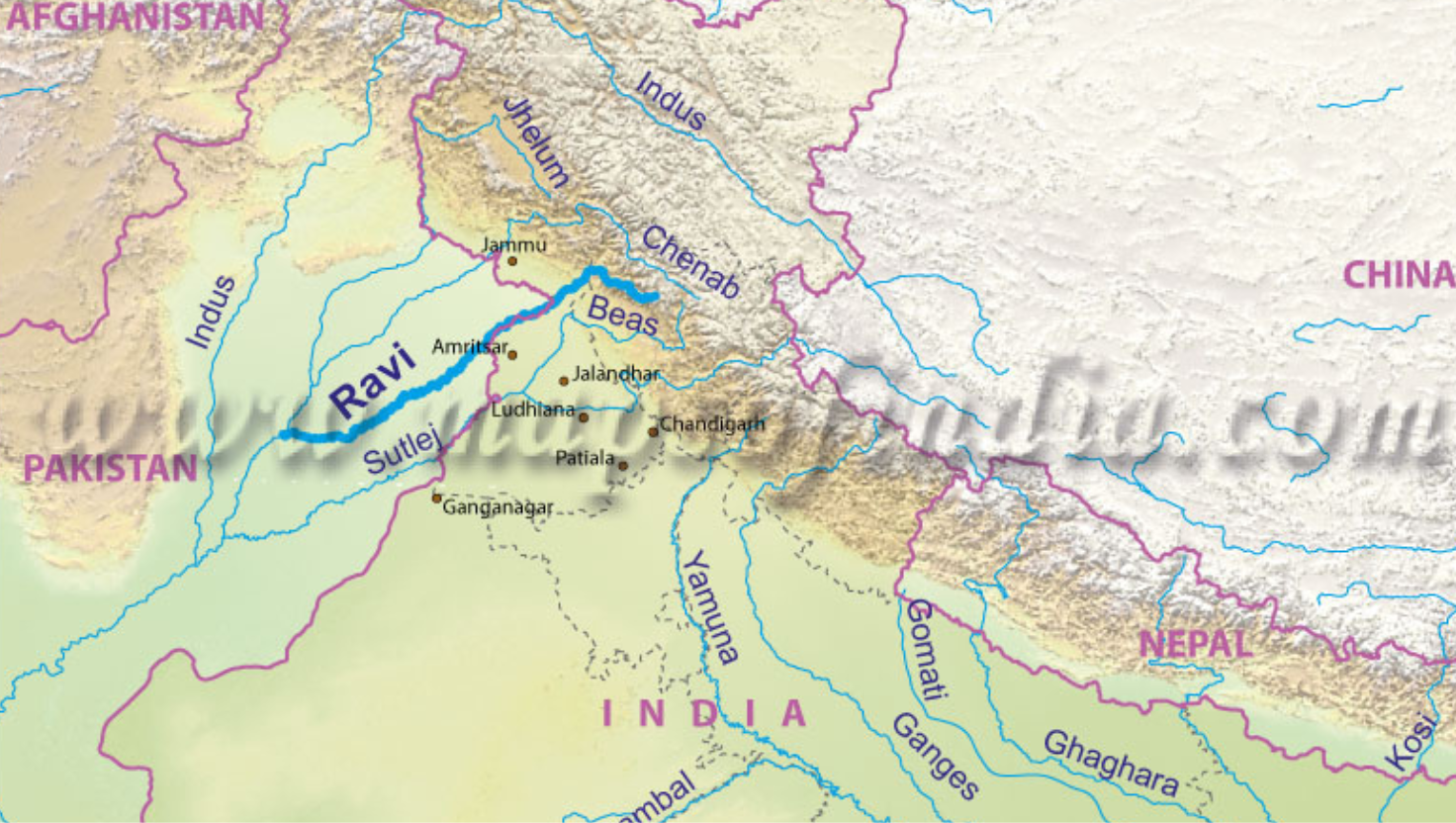
The Ravi River, an eastern Indus basin river, flows through India and Pakistan, supporting irrigation, hydropower, and Sikh cultural heritage.

The Digital Connectivity Rating by TRAI evaluates in-building telecom quality, offering star ratings to enhance transparency, consumer choice, and 5G readiness.
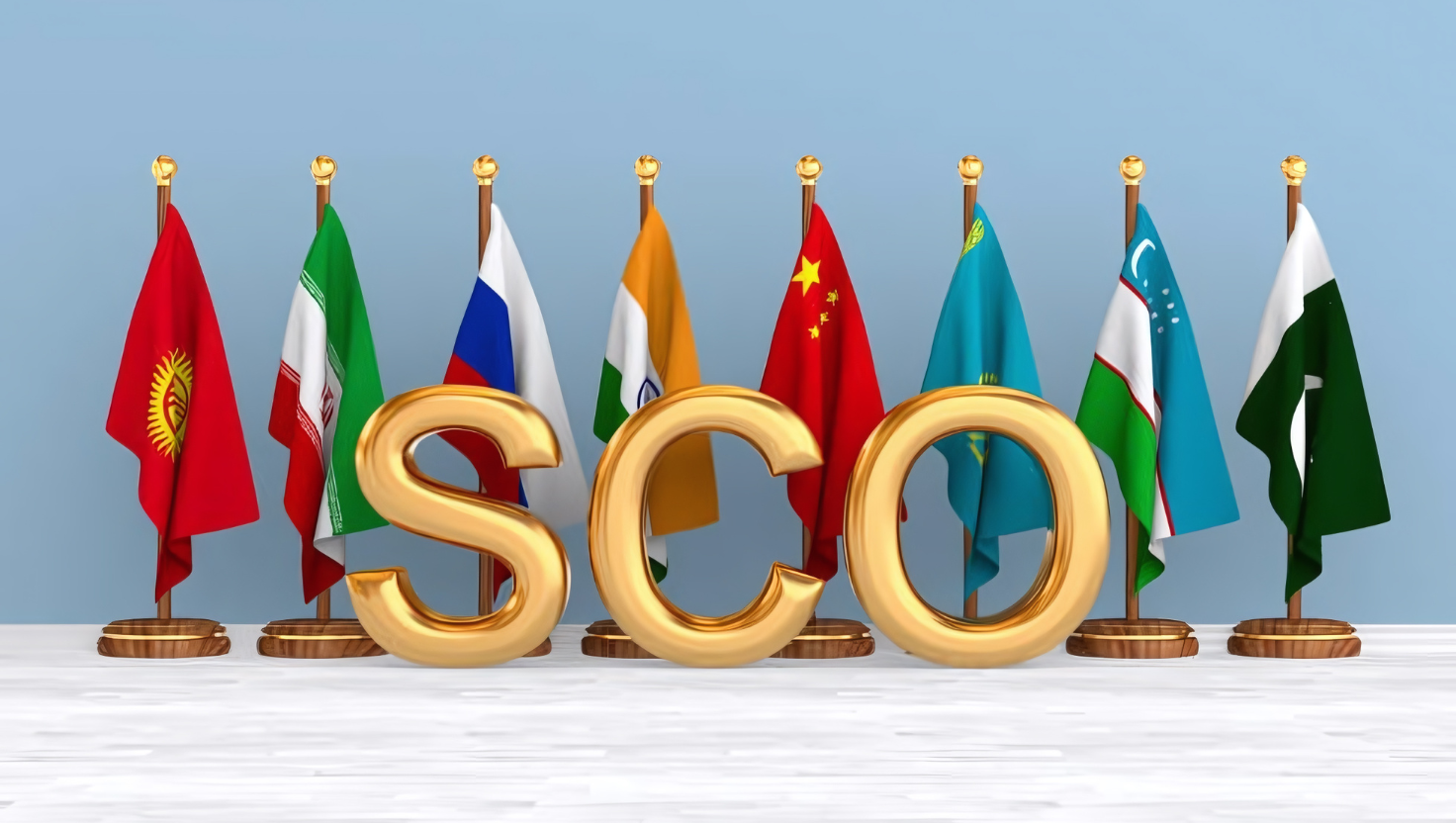
The Shanghai Cooperation Organization (SCO) 2025 Summit in Tianjin focuses on security, trade, and regional cooperation, with India playing a key role.
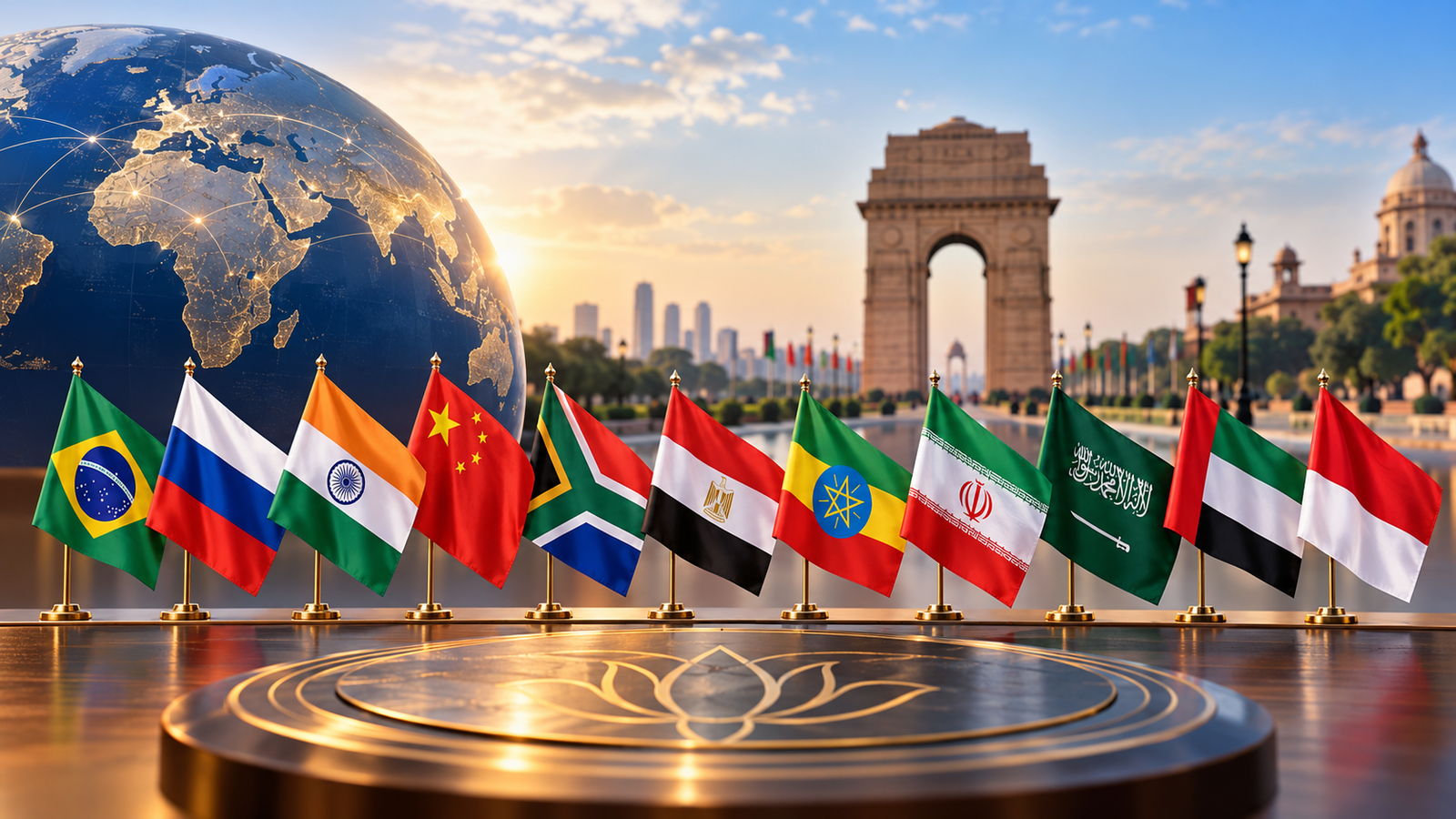
BRICS 2026: Explore the 18th BRICS Summit in New Delhi,
6th All India Official Language Conference 2026 in Navi Mumbai:
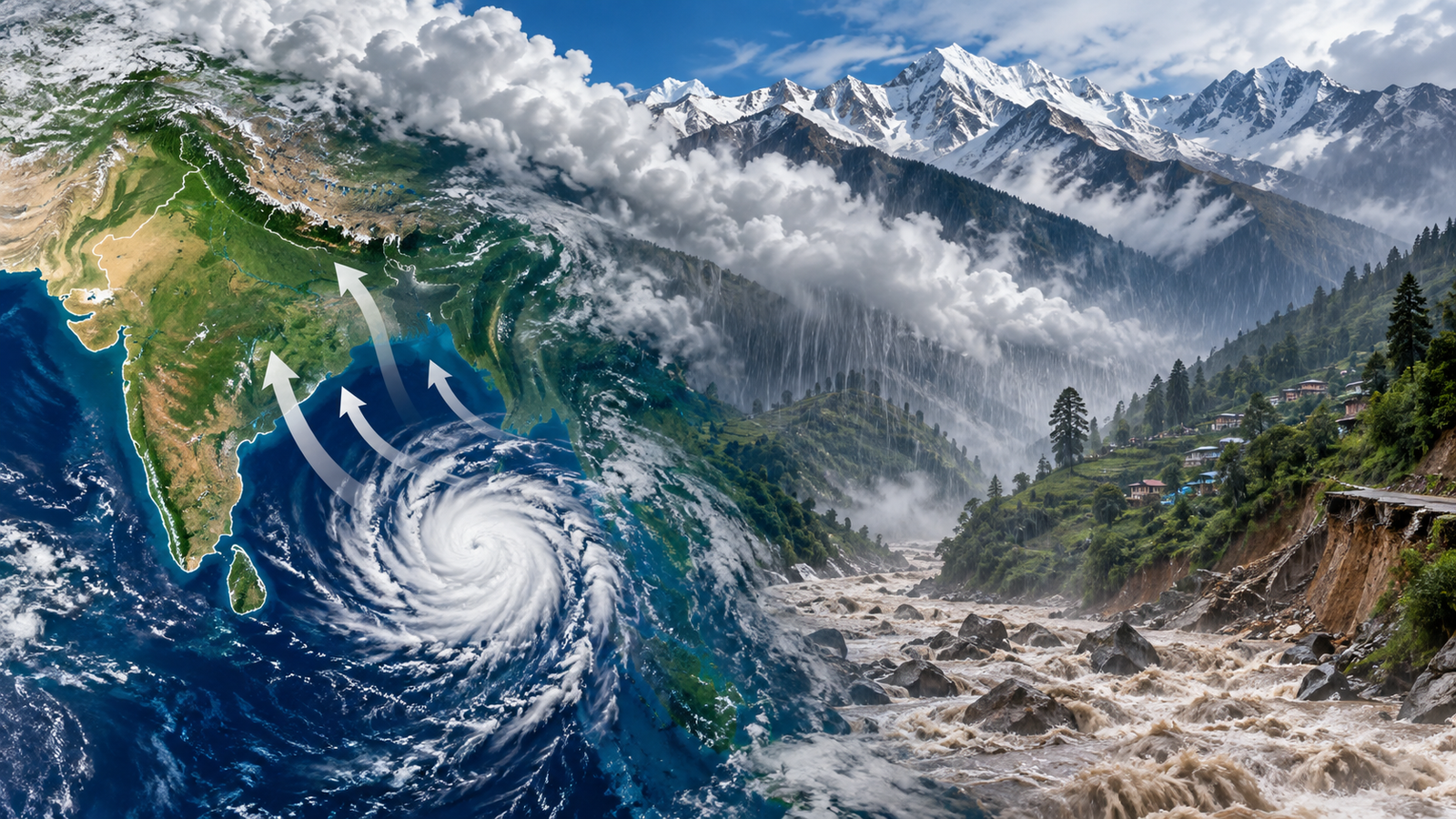
Discover how Bay of Bengal low-pressure systems shape India’s monsoon,
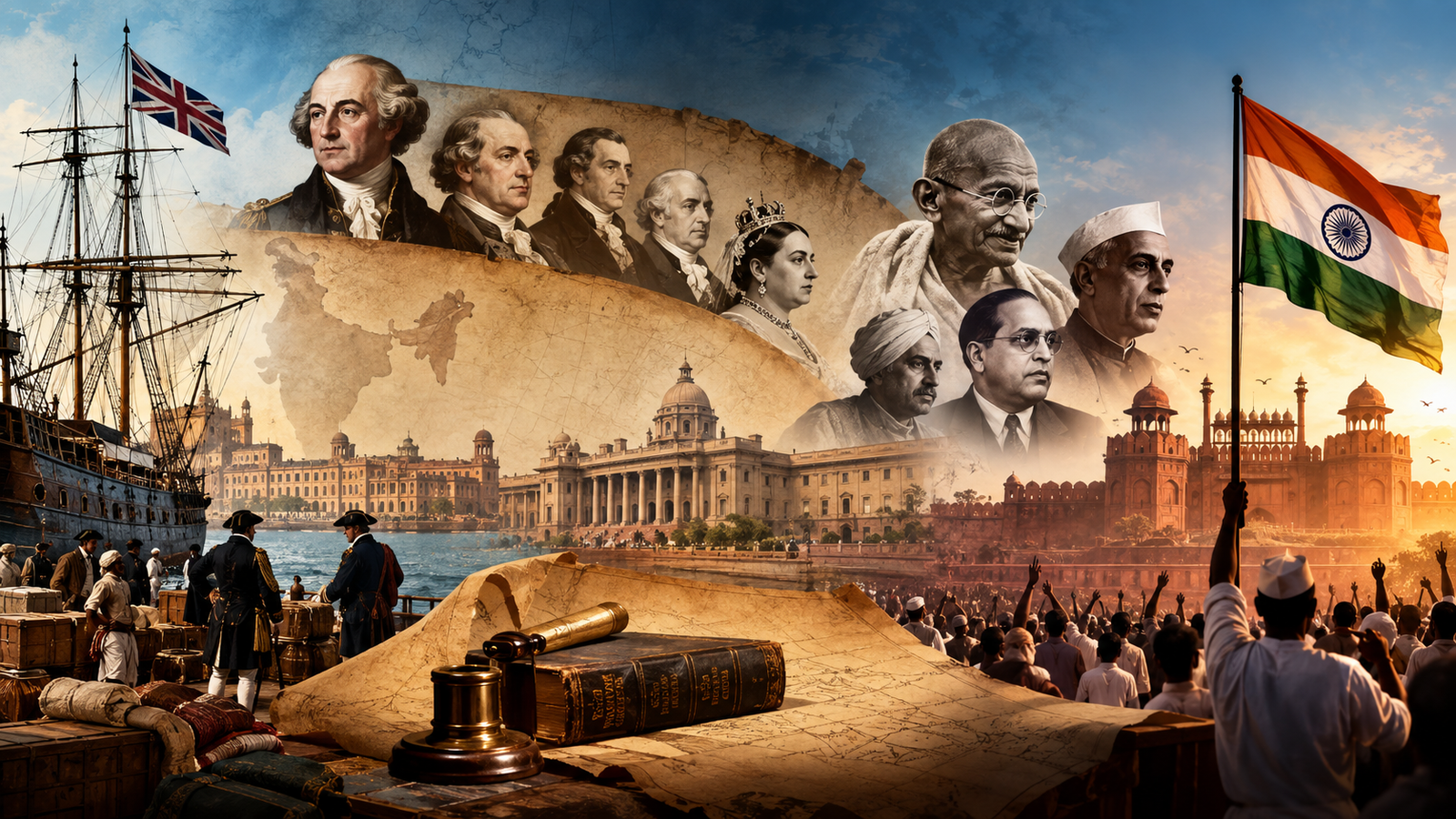
Explore the constitutional evolution of India from East India Company

Yojana June 2026 explores India’s journey towards a Naxal-free Bharat,
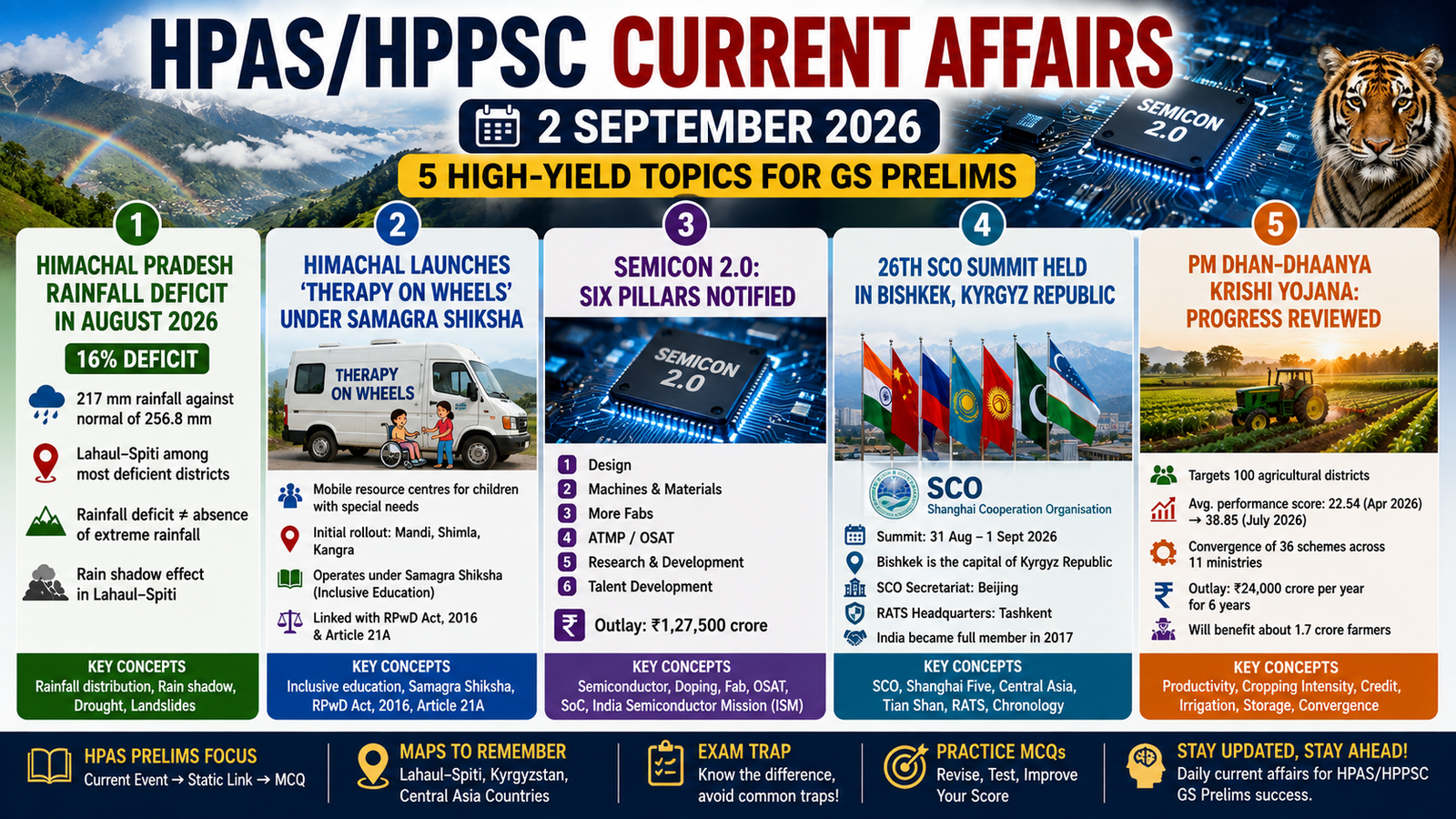
HPAS/HPPSC Current Affairs 2 September 2026: Himachal rainfall deficit, Therapy