
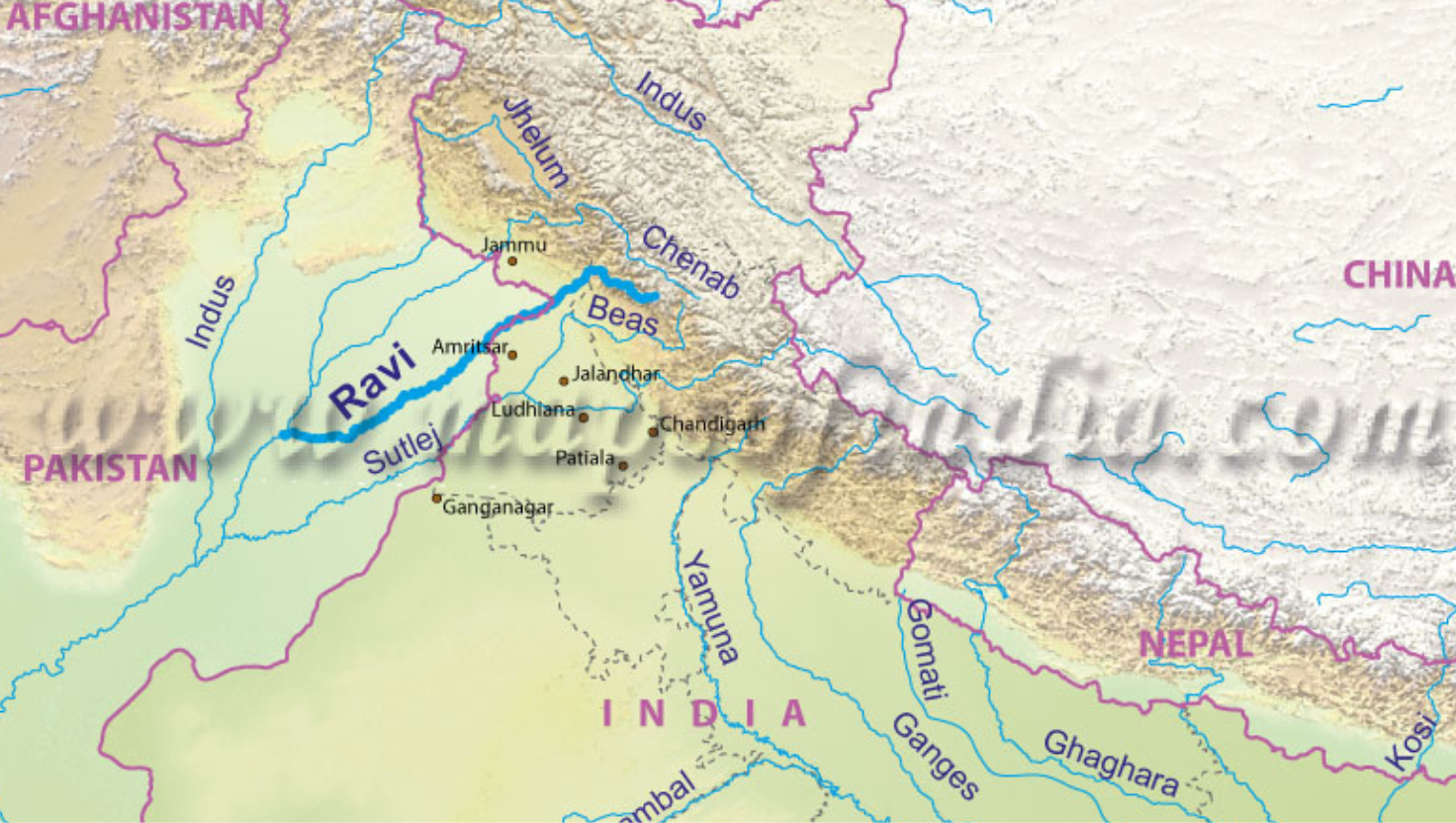
Ravi River: Indus Basin River of India and Pakistan
The Ravi River, an eastern Indus basin river, flows through India and Pakistan, supporting irrigation, hydropower, and Sikh cultural heritage.
The Ravi River, an eastern Indus basin river, flows through India and Pakistan, supporting irrigation, hydropower, and Sikh cultural heritage.

The Digital Connectivity Rating by TRAI evaluates in-building telecom quality, offering star ratings to enhance transparency, consumer choice, and 5G readiness.
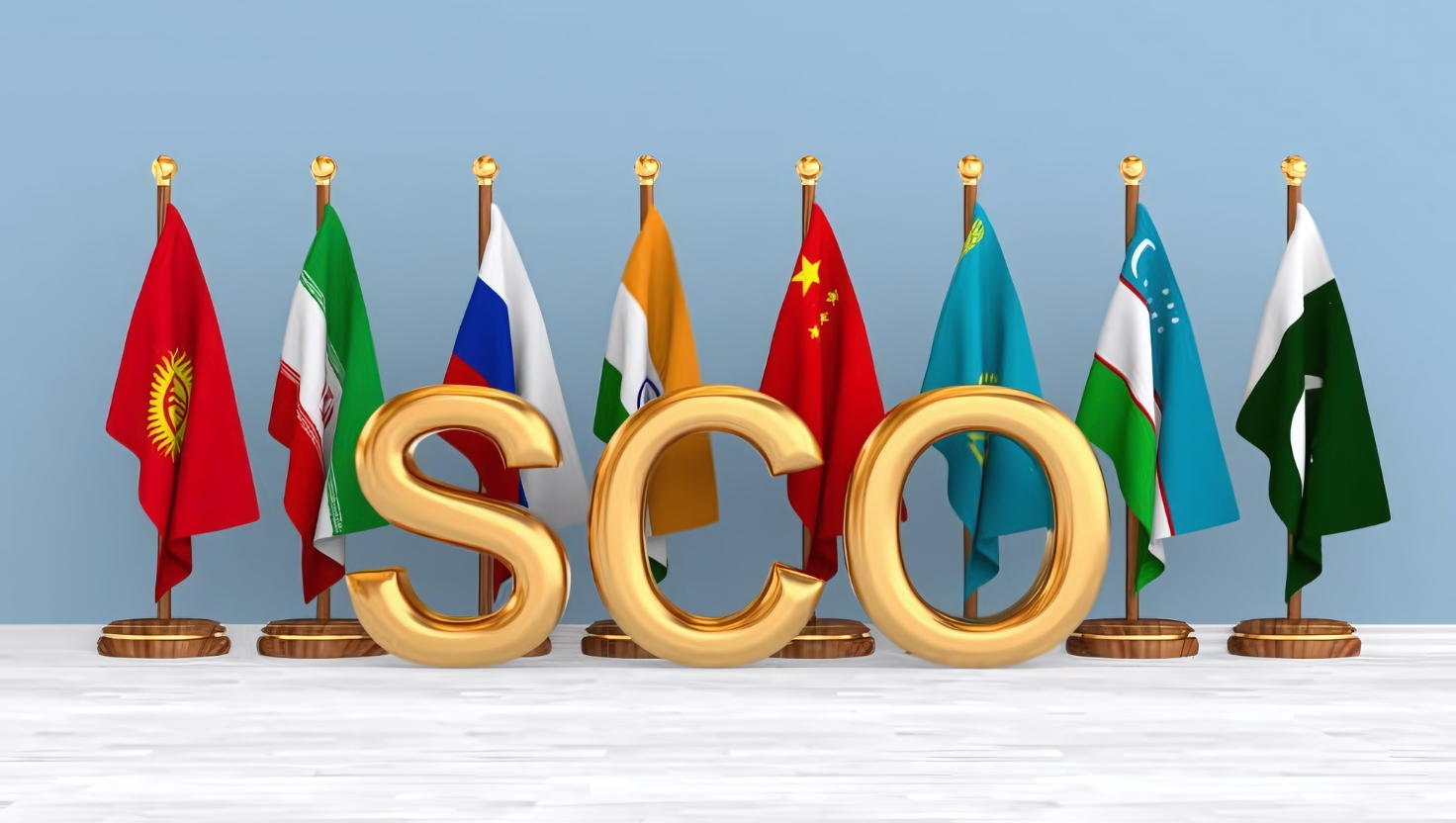
The Shanghai Cooperation Organization (SCO) 2025 Summit in Tianjin focuses on security, trade, and regional cooperation, with India playing a key role.
The State Energy Efficiency Index 2024, released by BEE, tracks state progress in energy efficiency to support India’s net-zero 2070 vision.

Guru Tegh Bahadur Ji, the ninth Sikh Guru, sacrificed his life in 1675 defending religious freedom, justice, and human dignity.

Naegleria fowleri, the brain-eating amoeba, causes rare but fatal infections linked to warm freshwater exposure.
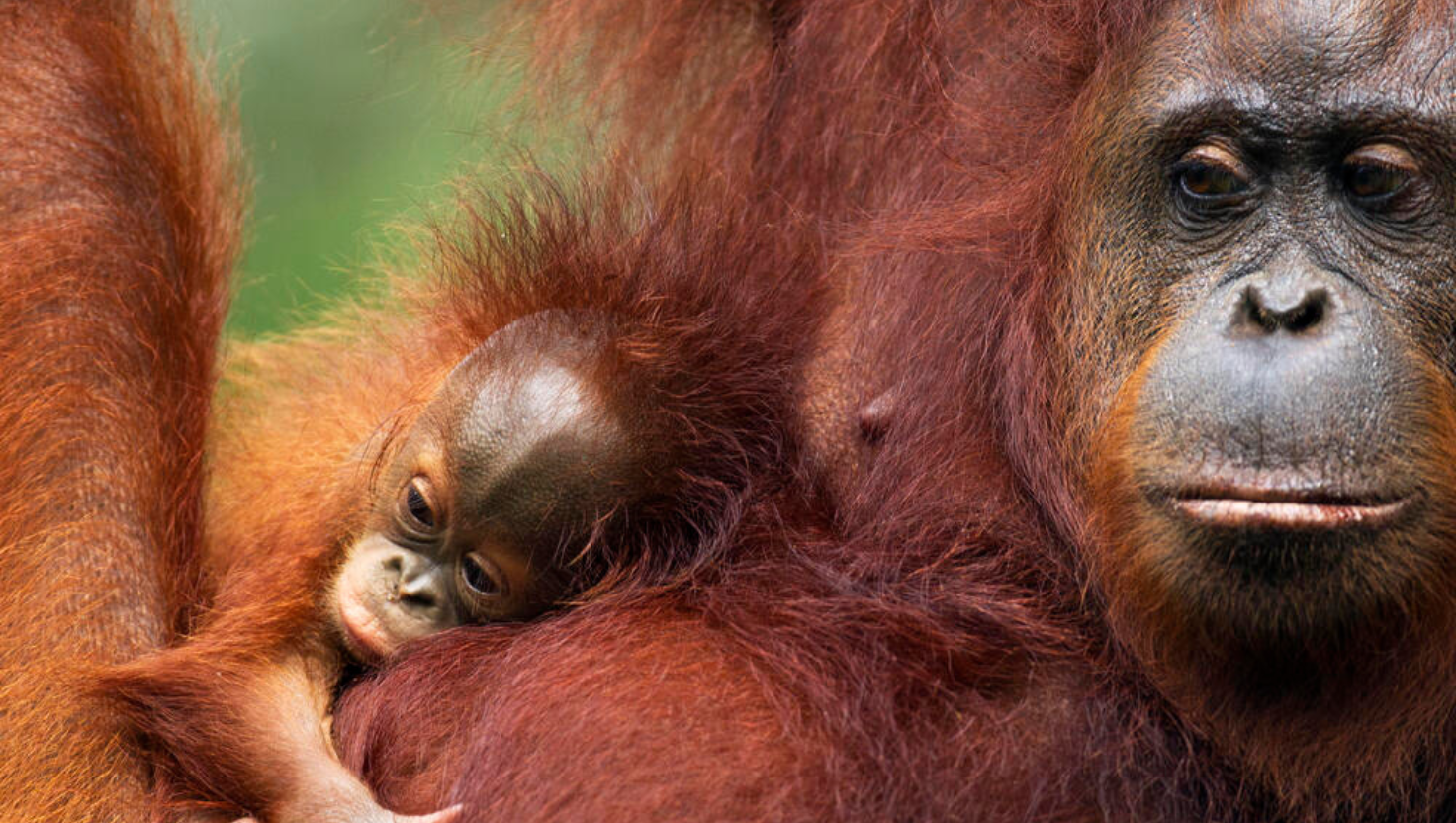
World Orangutan Day 2025 highlights the urgent need to protect orangutans from deforestation, palm oil expansion, poaching, and illegal trade.

Nepal becomes the first SE Asia nation declared free of rubella; vaccination remains key for India’s elimination goals.

Saltwater Crocodile numbers rise in Sundarbans; conservation crucial for India’s crocodilians—Saltwater Crocodile, Mugger & Gharial.
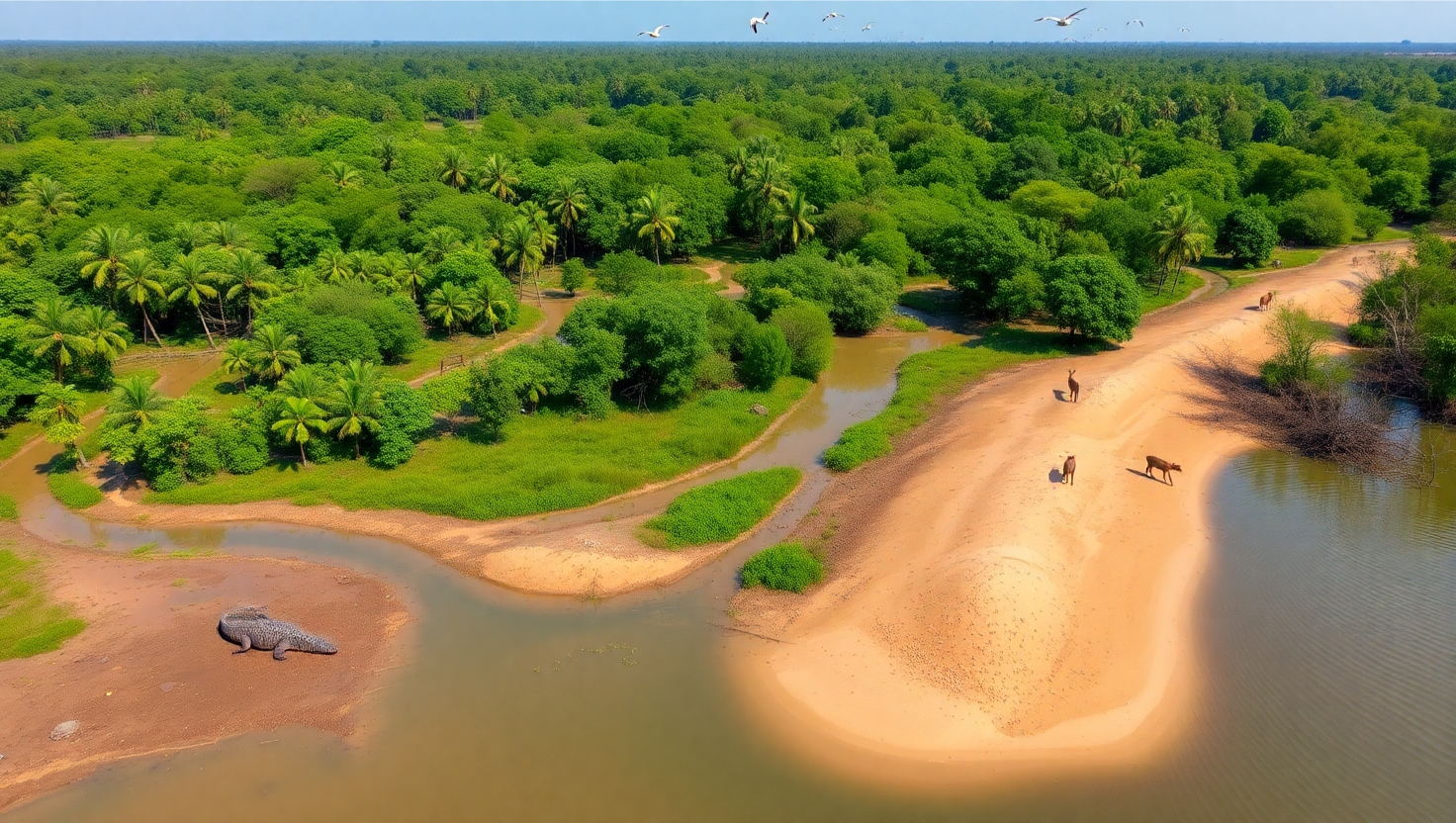
Bhitarkanika National Park, Odisha’s mangrove haven, is home to Saltwater Crocodiles, Olive Ridleys, and diverse wildlife.
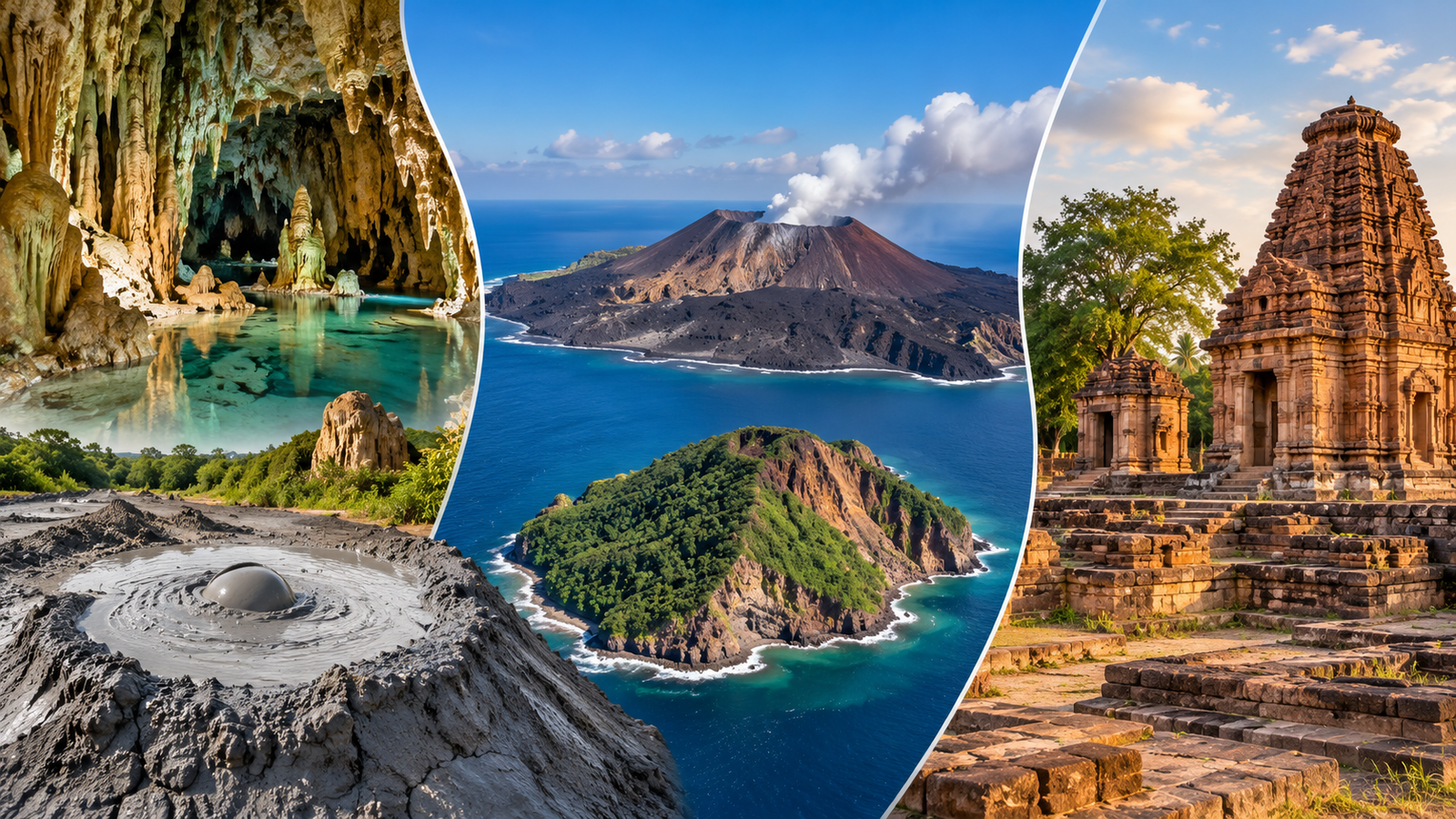
Excerpt: UNESCO has added three Indian sites to its Tentative

Explore ICMR-CHAMP at Keylong, Himachal Pradesh—its objectives, research areas, importance
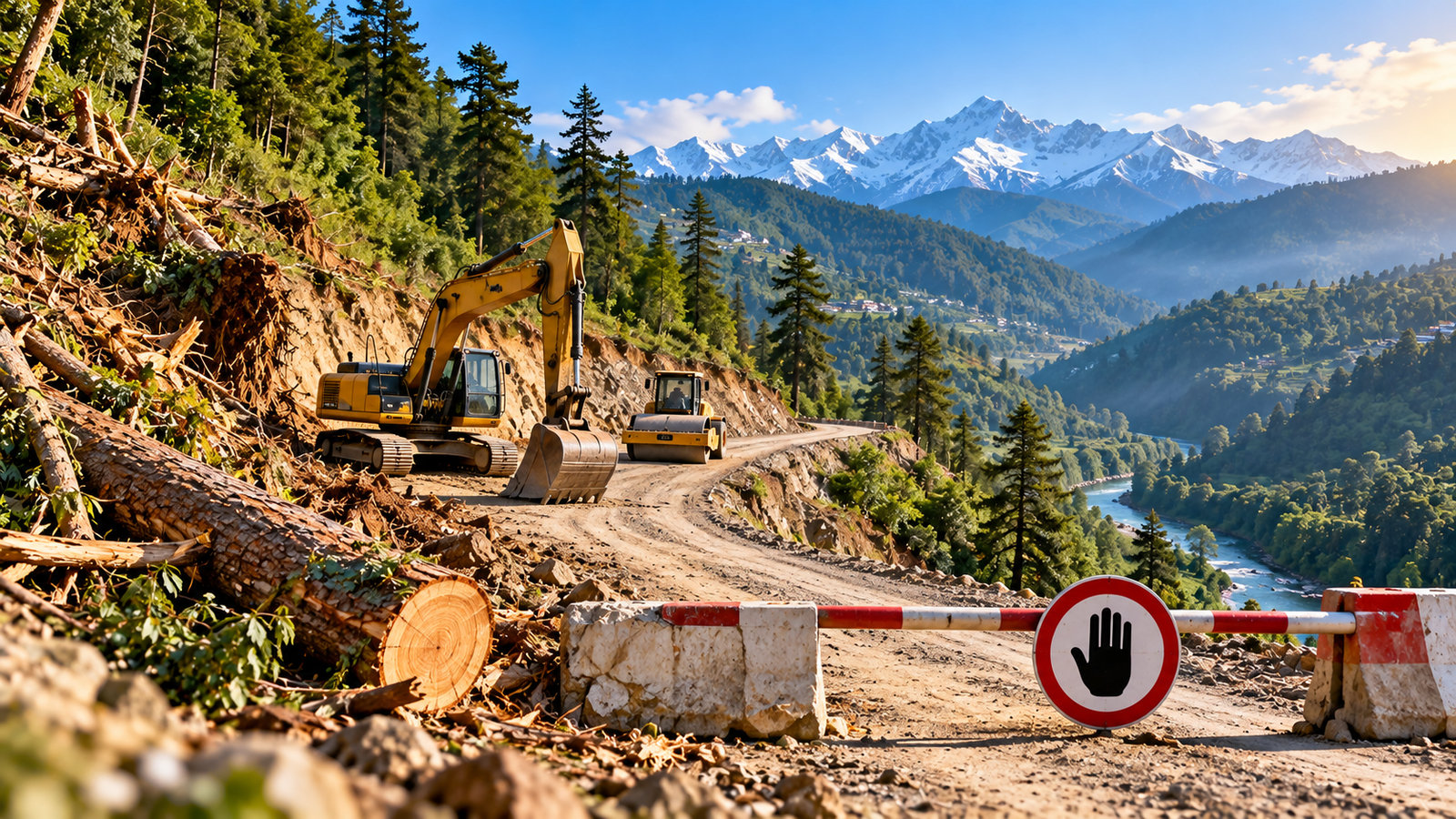
Himachal Pradesh High Court halts forest road construction and tarring
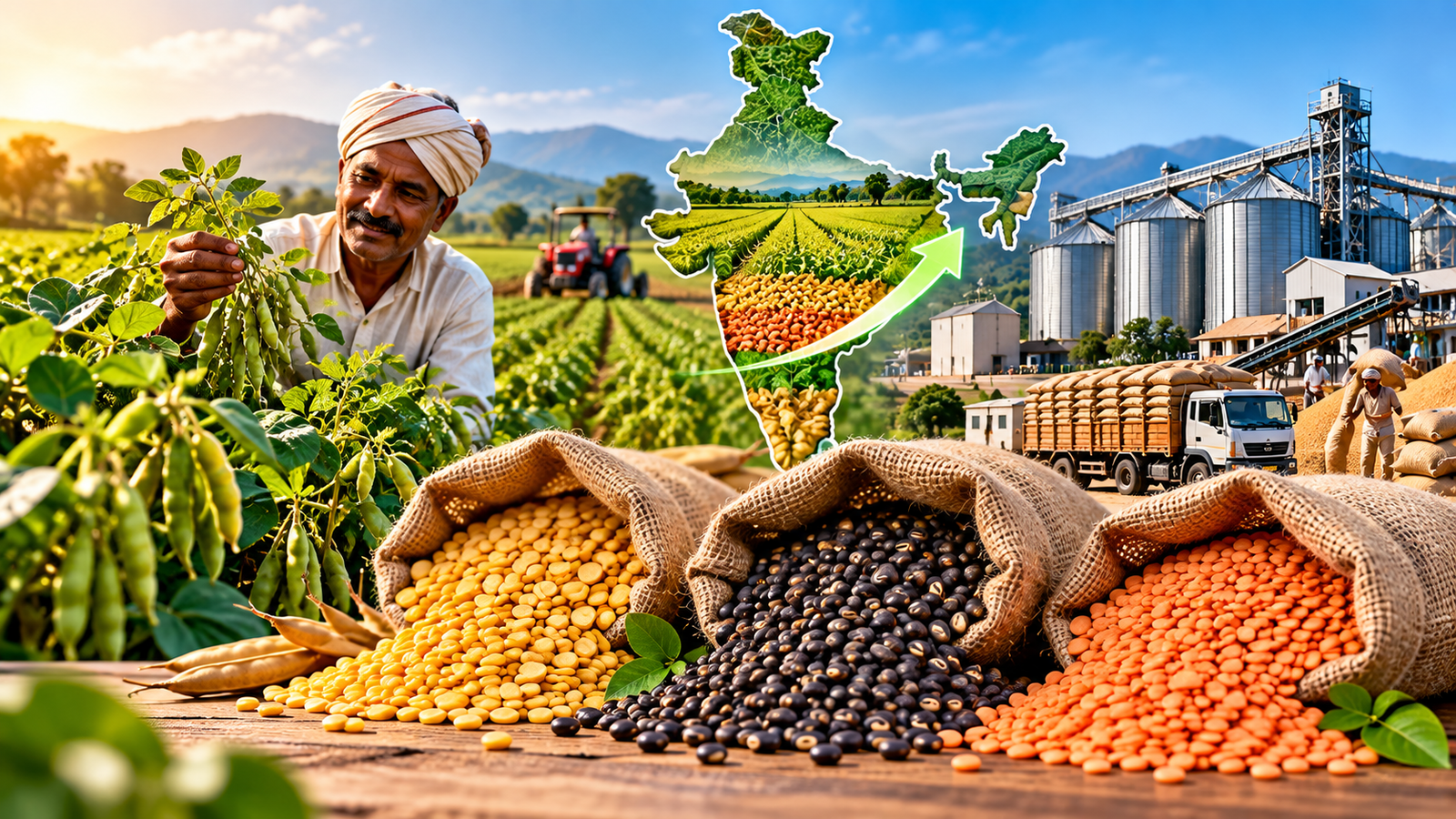
Mission for Aatmanirbharta in Pulses 2026: Explore the ₹11,440 crore

Living Planet Report 2026: Explore the 73% decline in monitored

India AI Regulation 2026: Understand the proposed AI regulatory framework,