
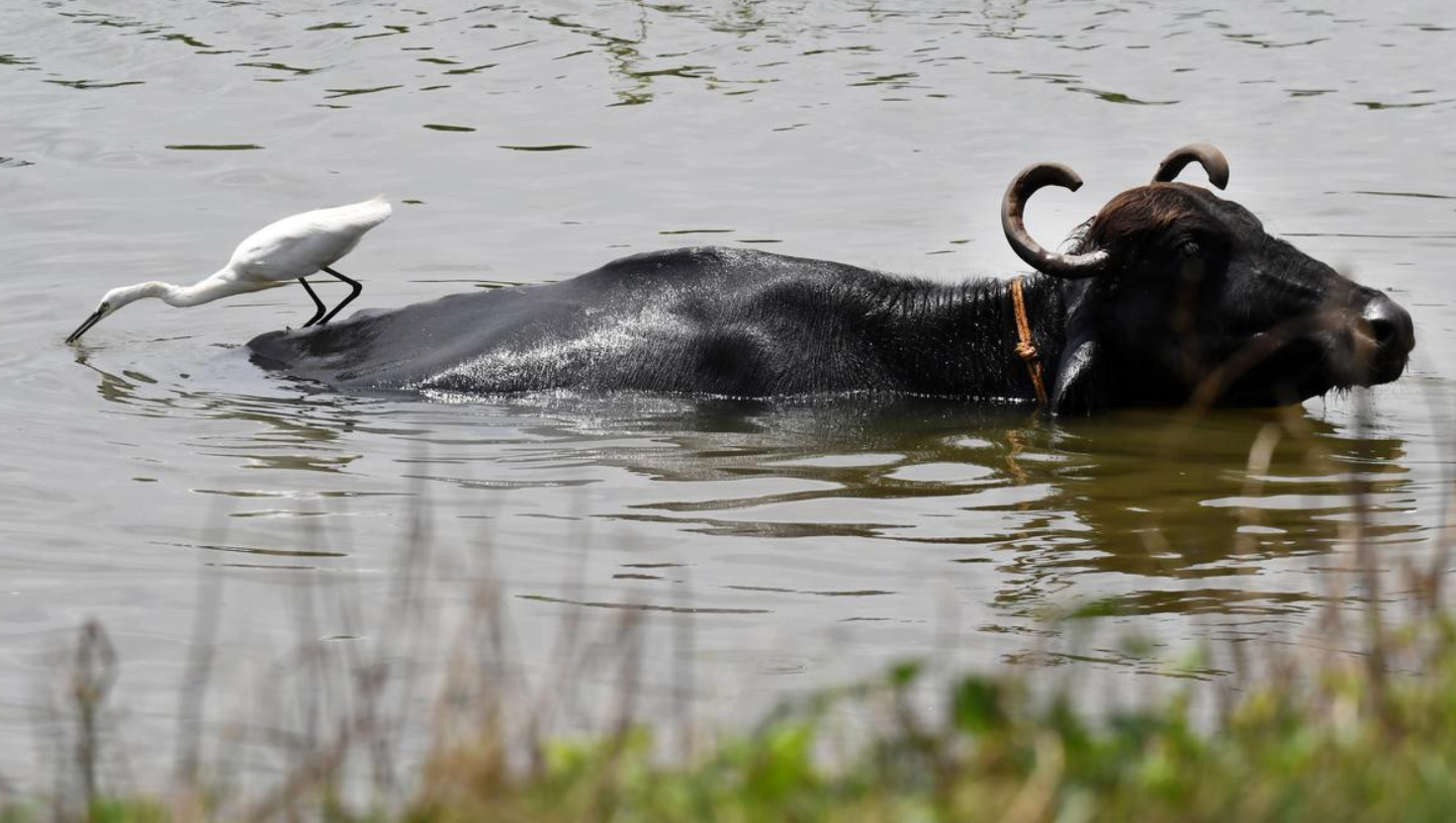
CRYODIL
CRYODIL, developed by ICAR–NIANP, is India’s first egg yolk-free semen extender, boosting buffalo breeding and supporting Atmanirbhar Bharat.
CRYODIL, developed by ICAR–NIANP, is India’s first egg yolk-free semen extender, boosting buffalo breeding and supporting Atmanirbhar Bharat.
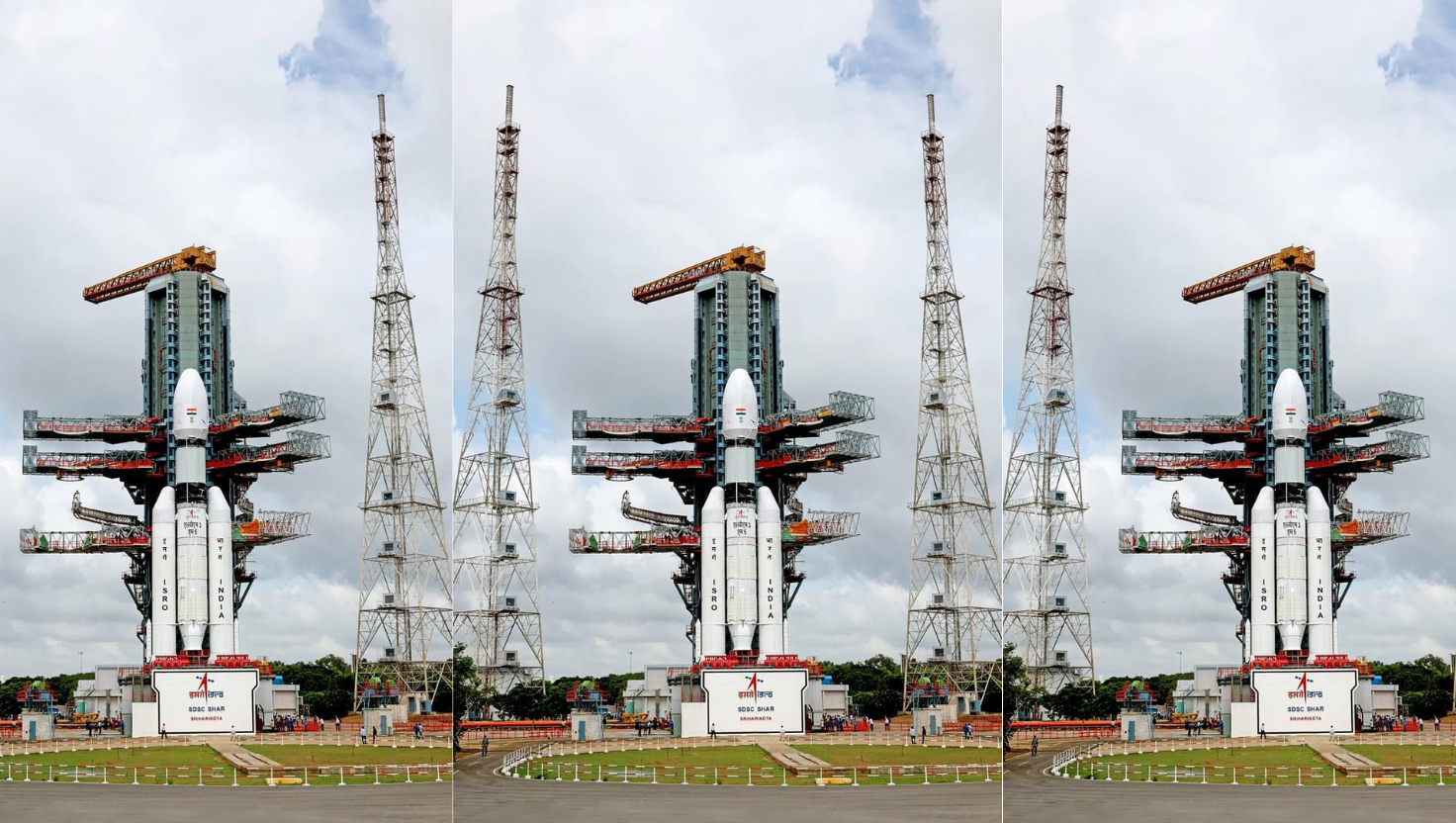
GSAT-7R Satellite (CMS-03) boosts secure defence communication, strengthening India’s maritime, air, and space-based strategic capabilities.

Cyclone Montha, forming over the Bay of Bengal, is set to hit Andhra Pradesh and Odisha, stressing the need for strong coastal preparedness.
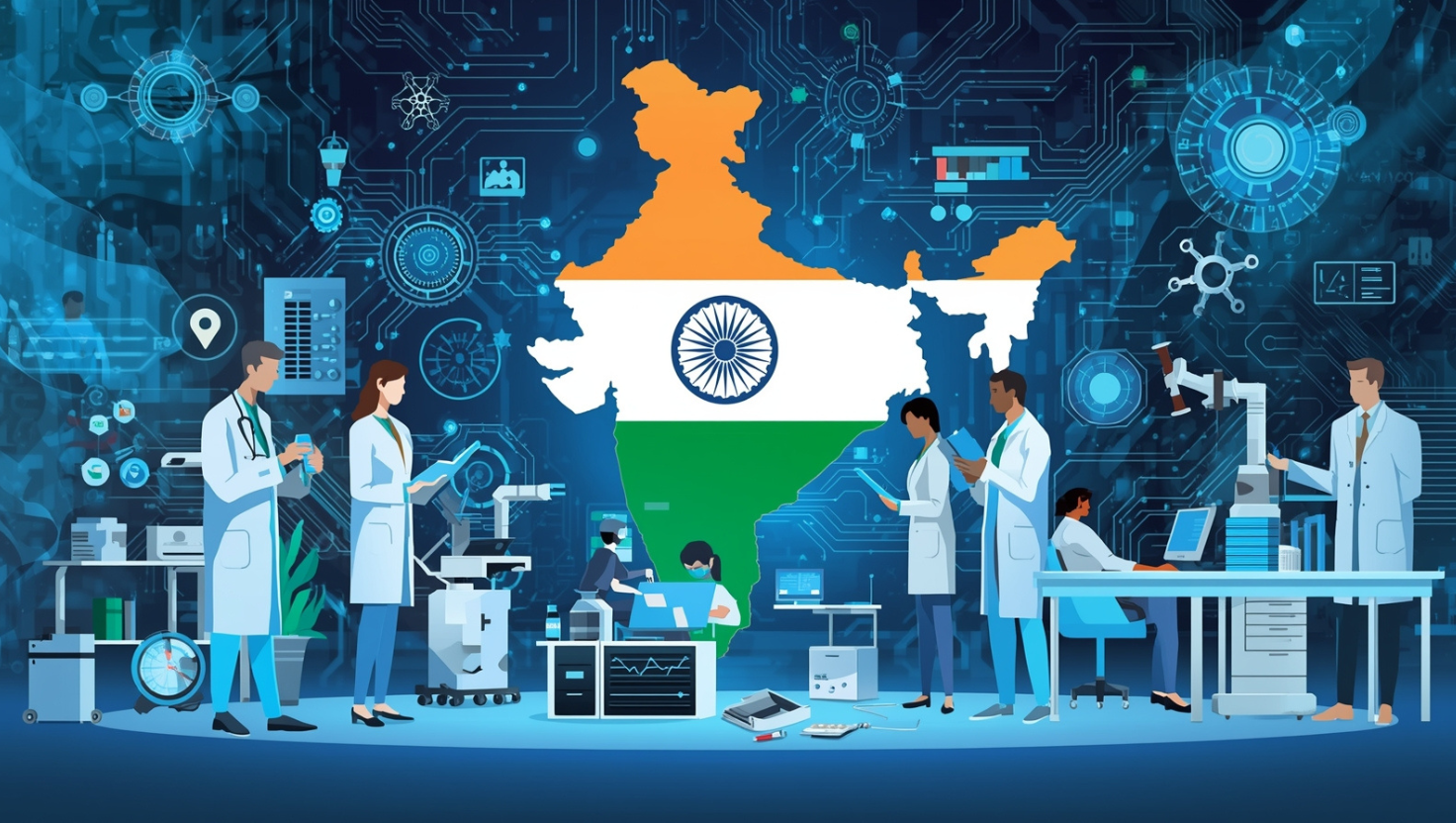
Maha MedTech Mission boosts India’s MedTech innovation, manufacturing, and self-reliance, promoting affordable, high-quality healthcare solutions.

The Children’s Booker Prize celebrates global fiction for ages 8–12, inspiring young readers and expanding the Booker legacy to children’s literature.
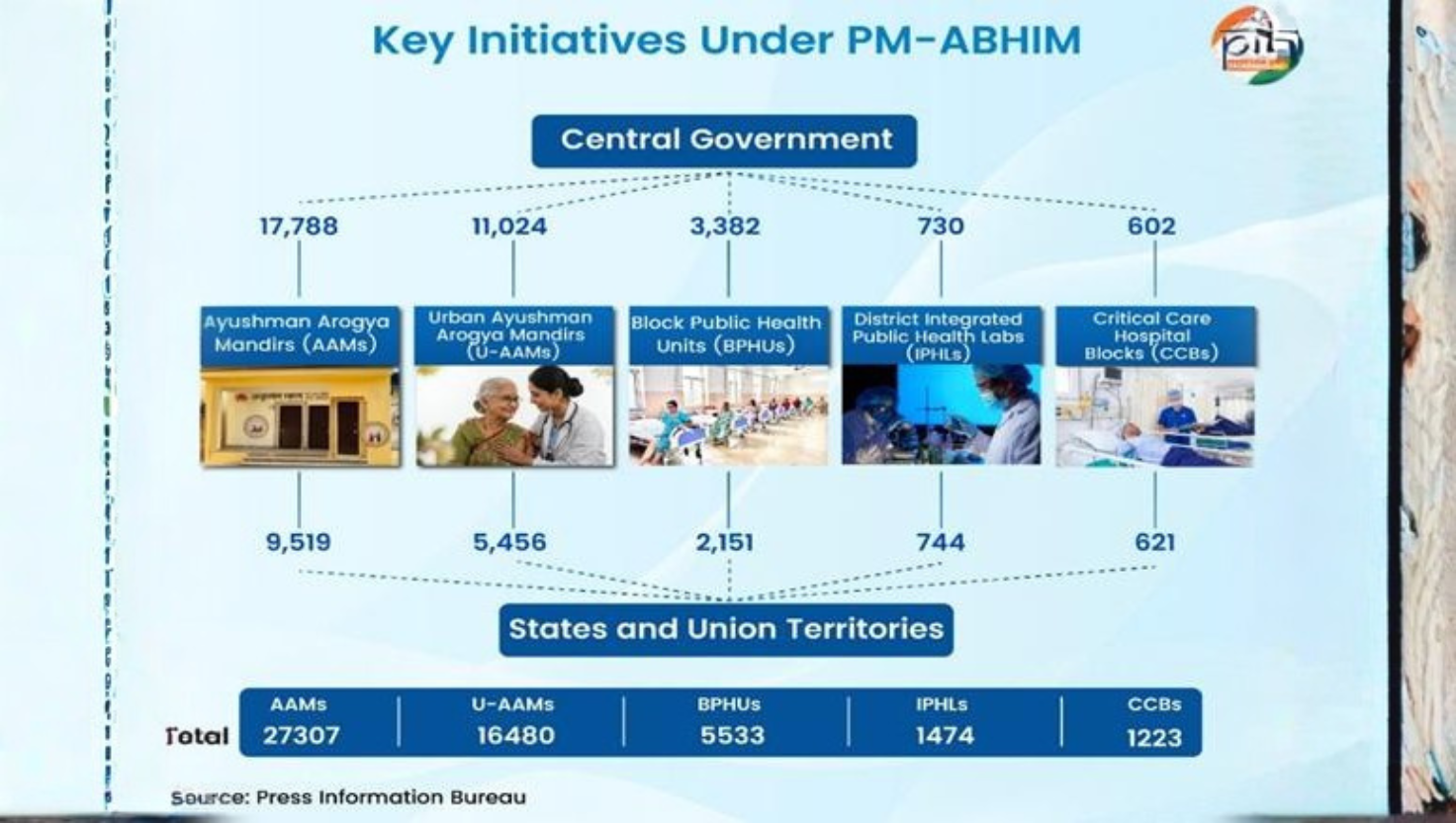
India’s PM–ABHIM strengthens pandemic-ready healthcare by upgrading infrastructure, expanding surveillance, and advancing Universal Health Coverage.

India’s Forex Reserves hit a record high, driven by rising gold holdings and RBI’s prudent management, strengthening currency stability and economic resilience.

India remains vigilant against Polio resurgence amid rising cases in neighbouring countries, reinforcing its commitment to sustained immunisation and surveillance.
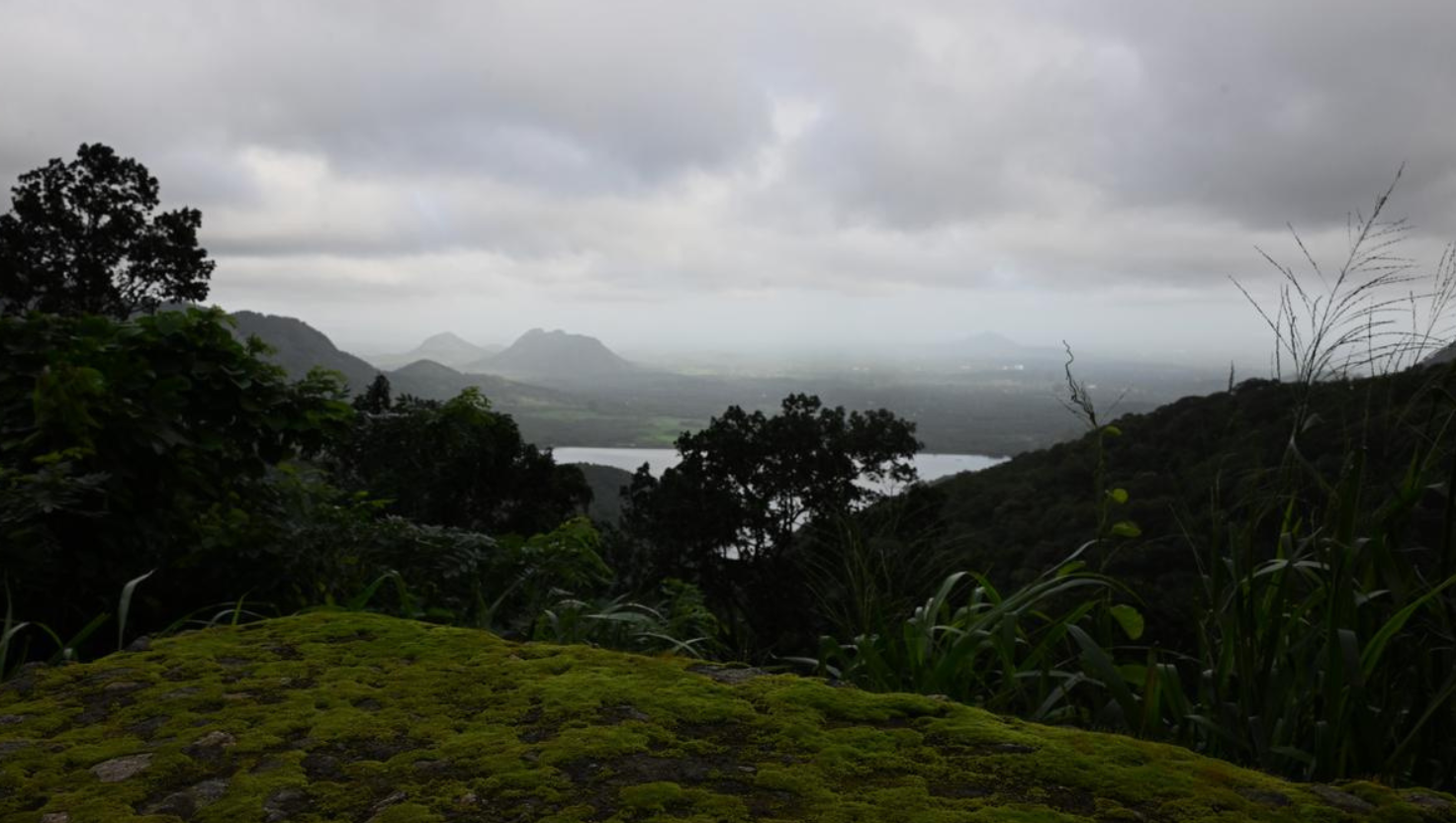
IUCN’s ‘Significant Concern’ Sites: Western Ghats, Manas, and Sundarbans face rising threats from climate change, tourism, and habitat loss.
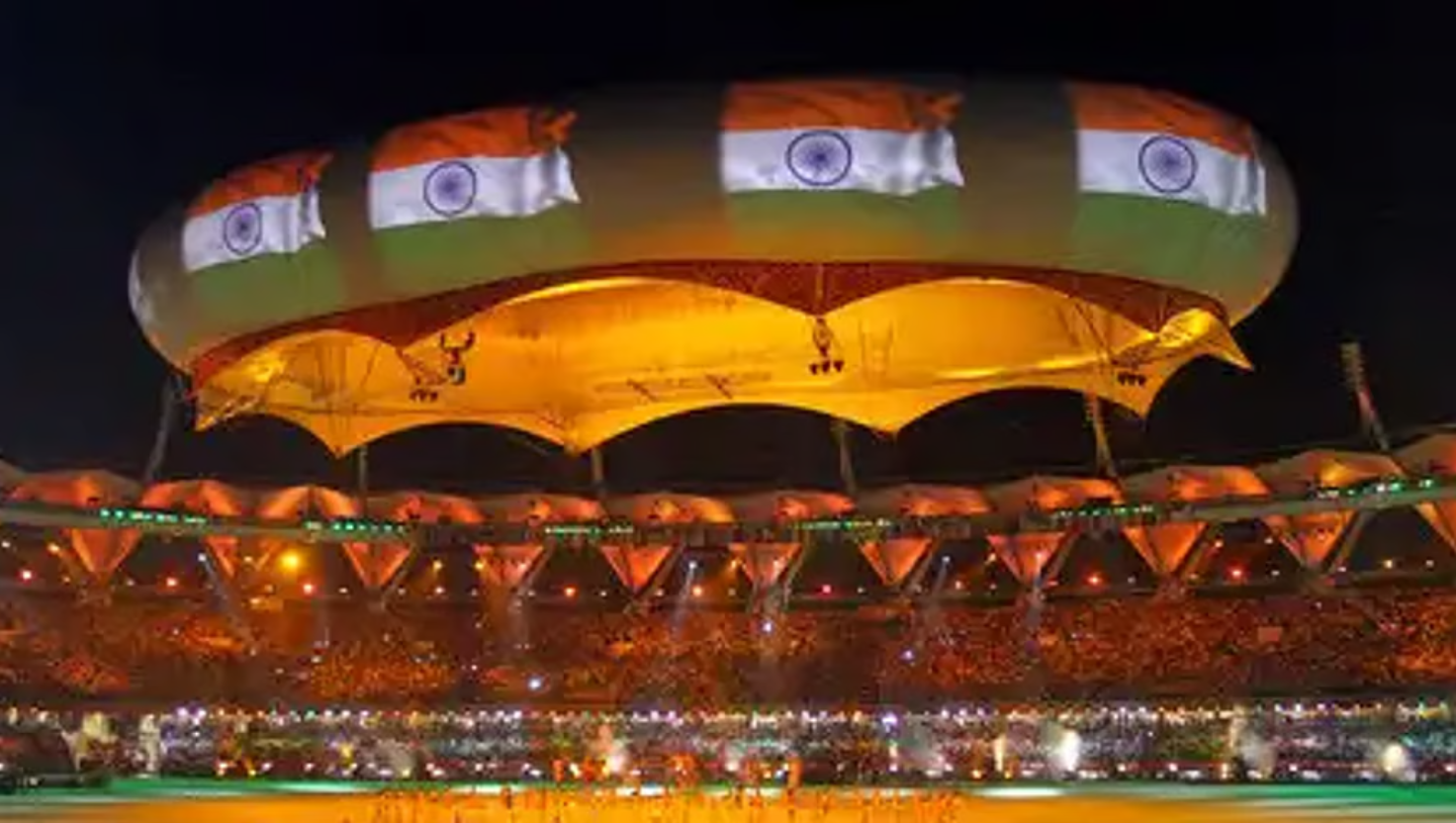
Ahmedabad has been proposed to host the 2030 Centenary Commonwealth Games, marking India’s return as host after 20 years.
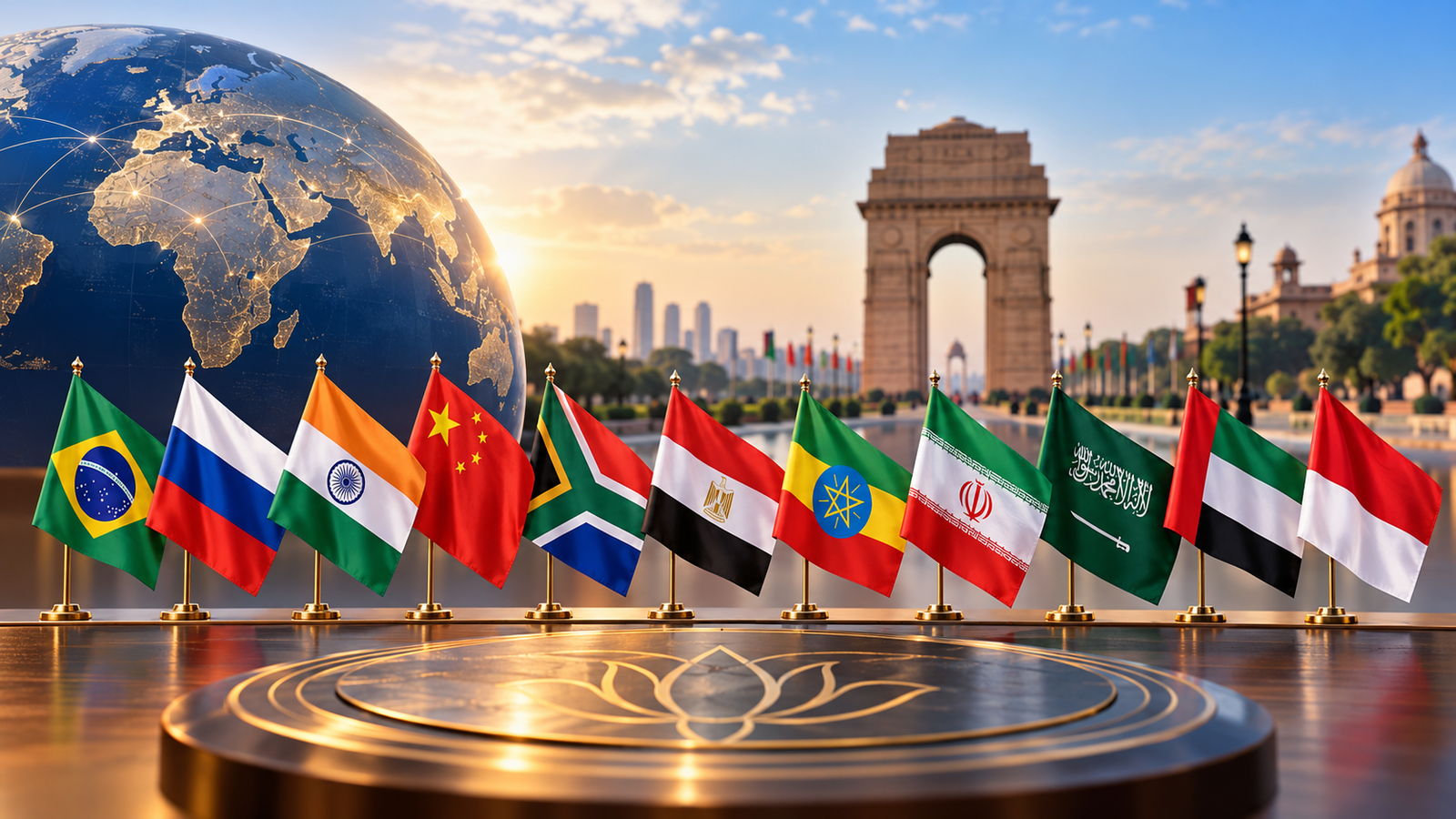
BRICS 2026: Explore the 18th BRICS Summit in New Delhi,
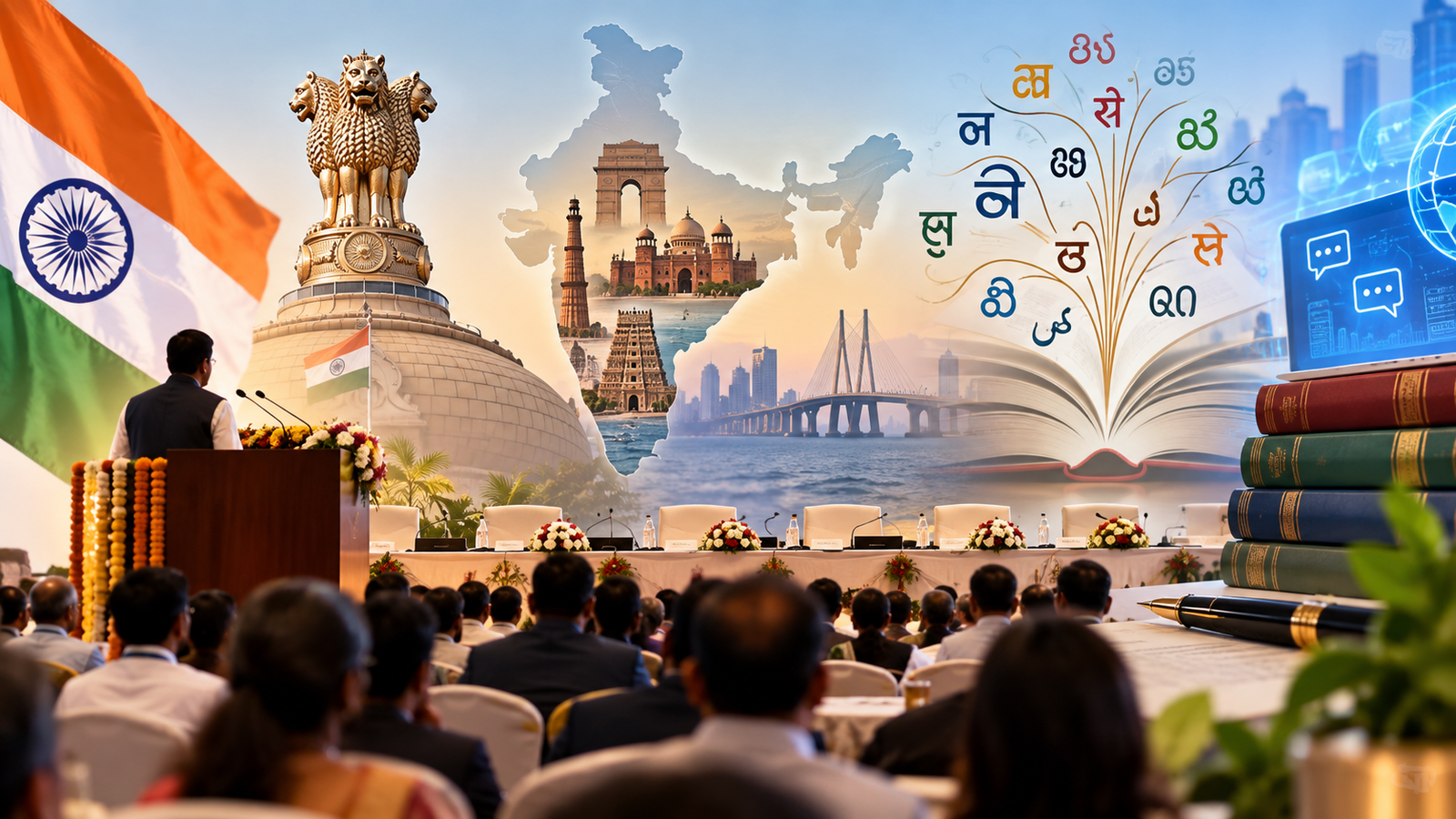
6th All India Official Language Conference 2026 in Navi Mumbai:

Discover how Bay of Bengal low-pressure systems shape India’s monsoon,

Explore the constitutional evolution of India from East India Company

Yojana June 2026 explores India’s journey towards a Naxal-free Bharat,
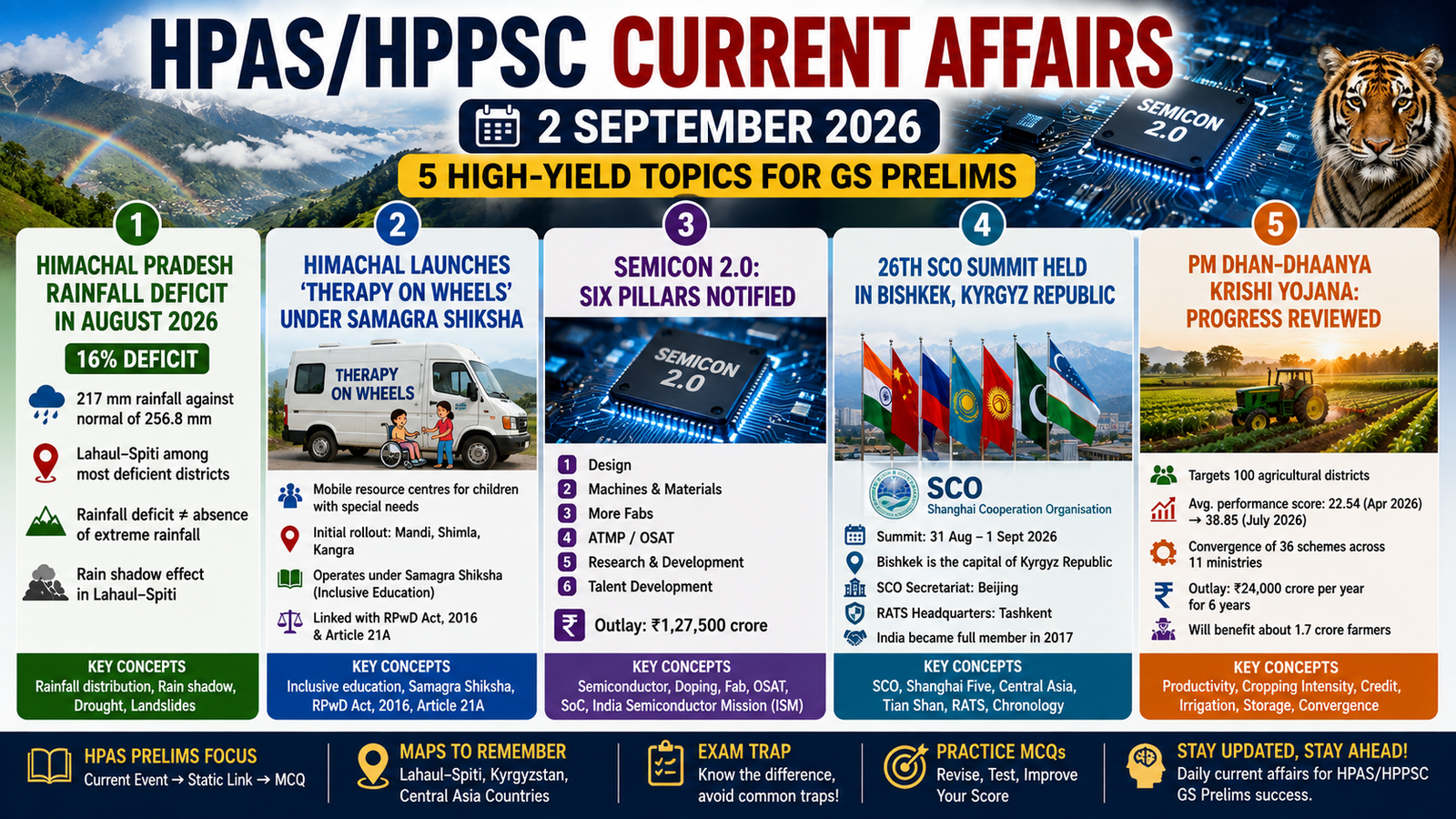
HPAS/HPPSC Current Affairs 2 September 2026: Himachal rainfall deficit, Therapy