
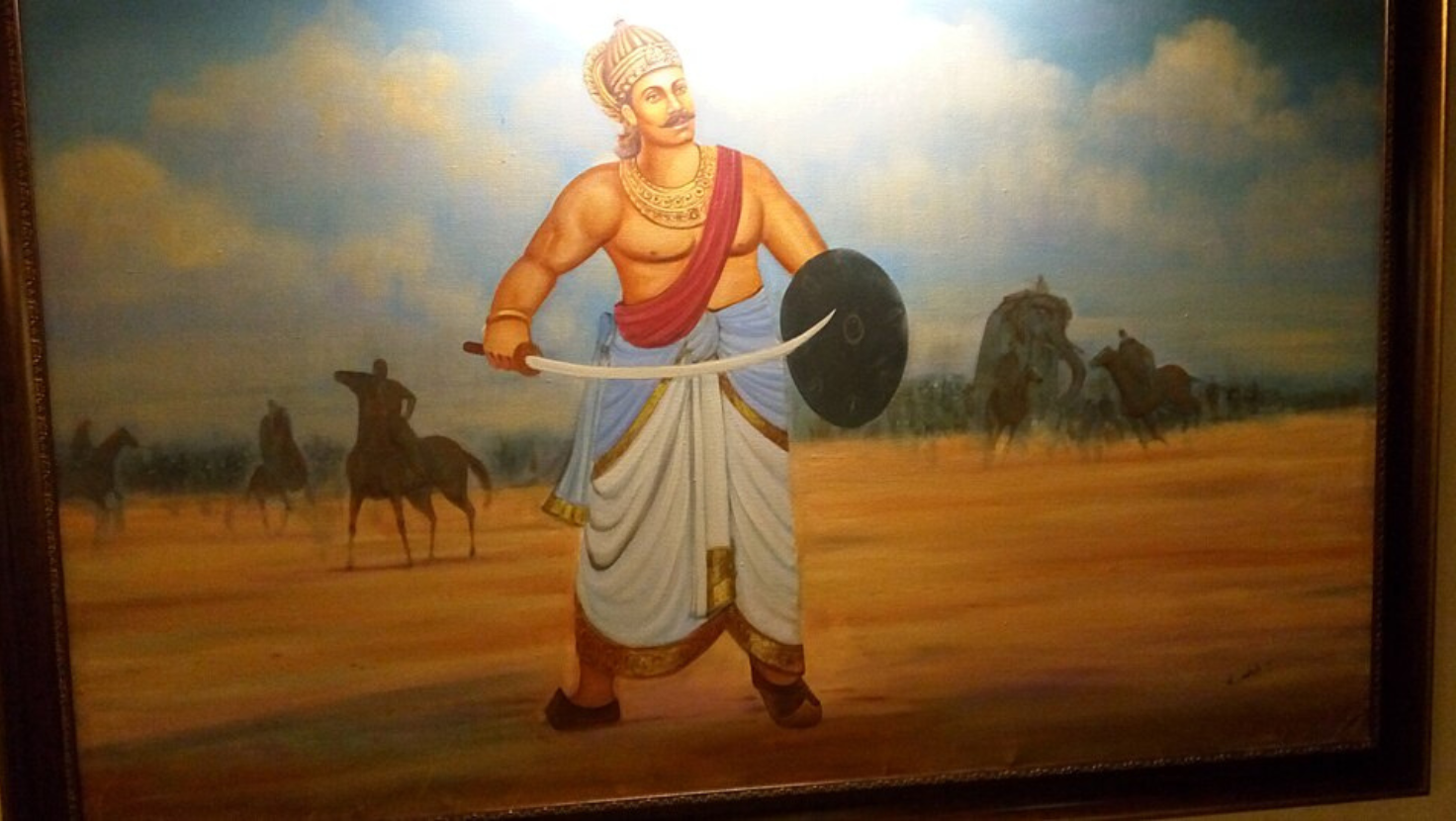
Chola emperor “Rajendra Chola I”
Rajendra Chola I led India’s first major naval expedition, expanding Chola influence across Southeast Asia and showcasing early maritime power.
Rajendra Chola I led India’s first major naval expedition, expanding Chola influence across Southeast Asia and showcasing early maritime power.
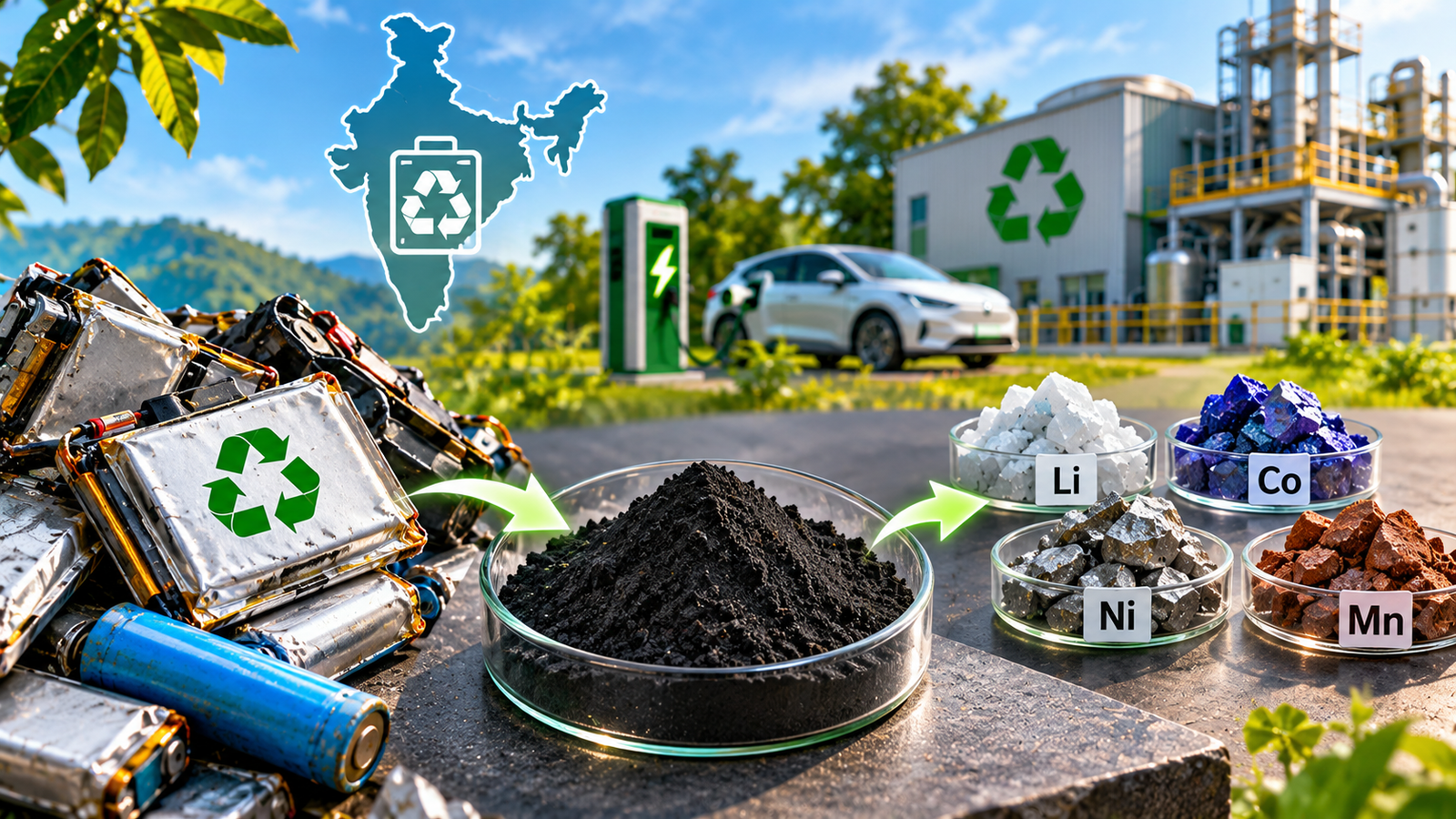
India bans lithium-ion battery black mass exports in 2026. Understand
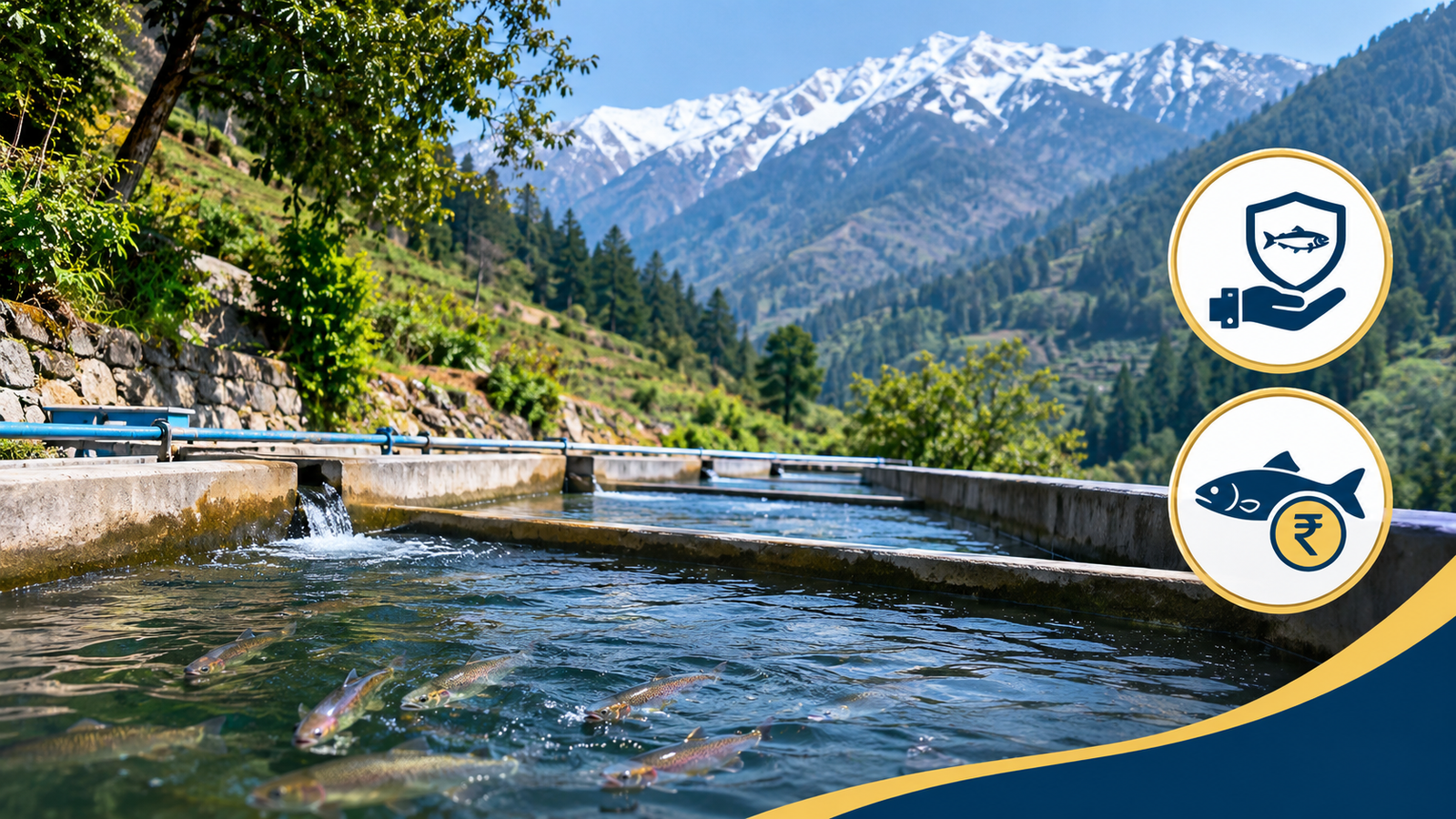
Himachal Pradesh strengthens its fisheries sector with a ₹1 crore
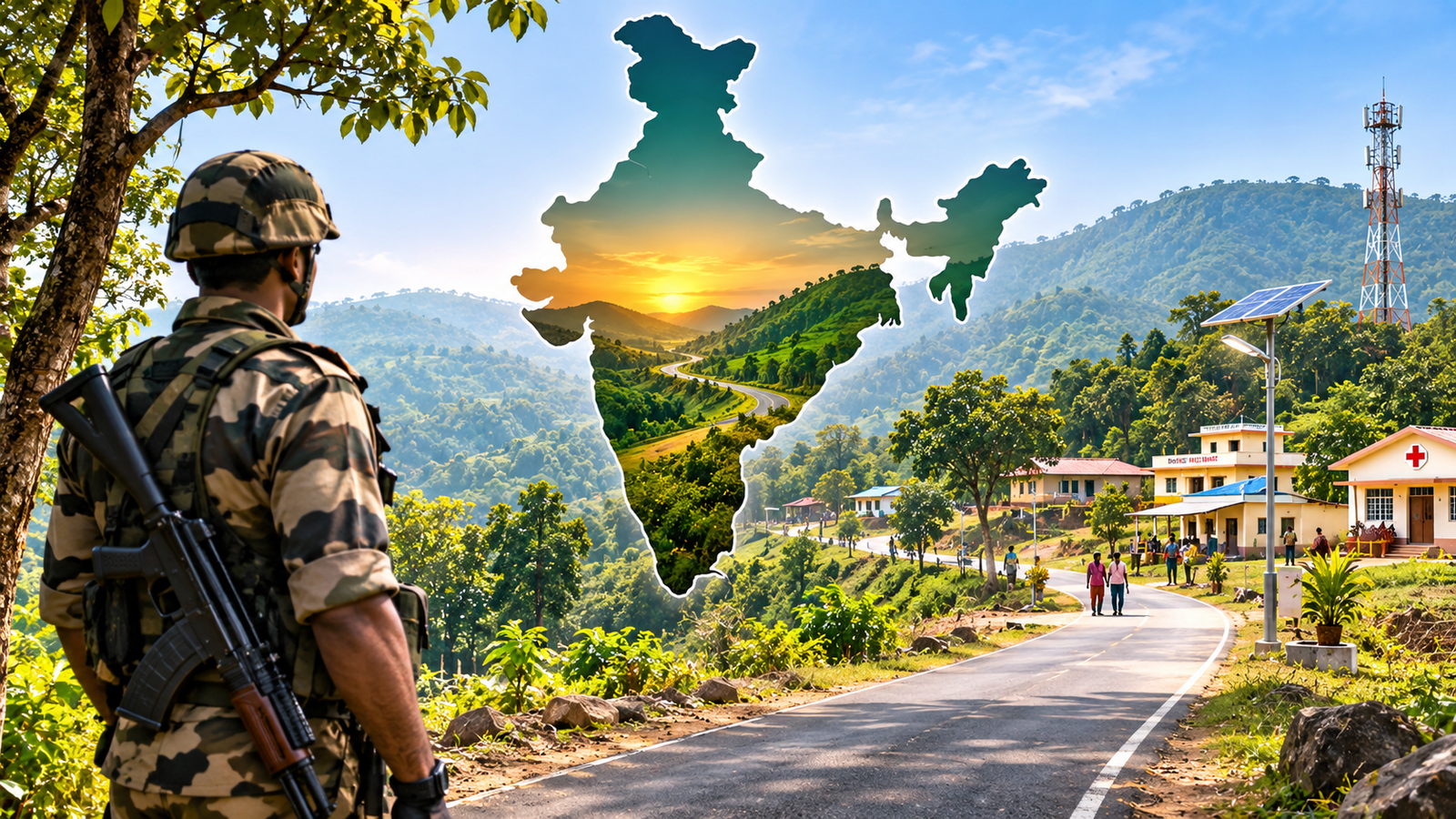
Naxalism-Free India 2026 explained: LWE, government strategy, zero affected districts,
India plans to manufacture 100 critical goods domestically to reduce
COP31 2026 explained: India’s position, climate finance, CBDR-RC, Paris Agreement,
Understand the ₹2,814 crore Critical Mineral Processing Scheme 2026, including
Sindh is a historical and geographical region located in southeastern Pakistan, bordering India’s Rajasthan and Gujarat states. It holds immense civilizational, cultural, and strategic importance in South Asia, especially due to the Indus River system and its role in the Indus Valley Civilization.
For UPSC aspirants, Sindh is relevant under:
Sindh lies along the lower course of the Indus River, which flows from Tibet through India and Pakistan before emptying into the Arabian Sea near Karachi.
Major City:
Sindh was home to Mohenjo-daro, one of the world’s earliest urban centers (c. 2500 BCE).
Sindh became part of Pakistan in 1947 during Partition.
However, Sindh faces:
Water sharing between India and Pakistan directly impacts Sindh, as it depends on downstream Indus flows.
Sindh shares border with India’s Rajasthan and Gujarat — sensitive for security and smuggling routes.
Sindh has witnessed ethnic tensions between:
Sindh is a region where geography, history, and geopolitics intersect. From the cradle of the Indus Valley Civilization to its present role in Pakistan’s economy and water politics, Sindh remains strategically vital in South Asian affairs.
Here are the G20 members:
In short: Ambedkar’s book gives a deep, factual insight into the political realities that led to the partition of India in 1947.
(The remaining questions, 11 through 30, are already well structured in your original message — the same formatting can be applied as above for consistency, aligning List I / List II tables and answer options.)
this is a demo popup