
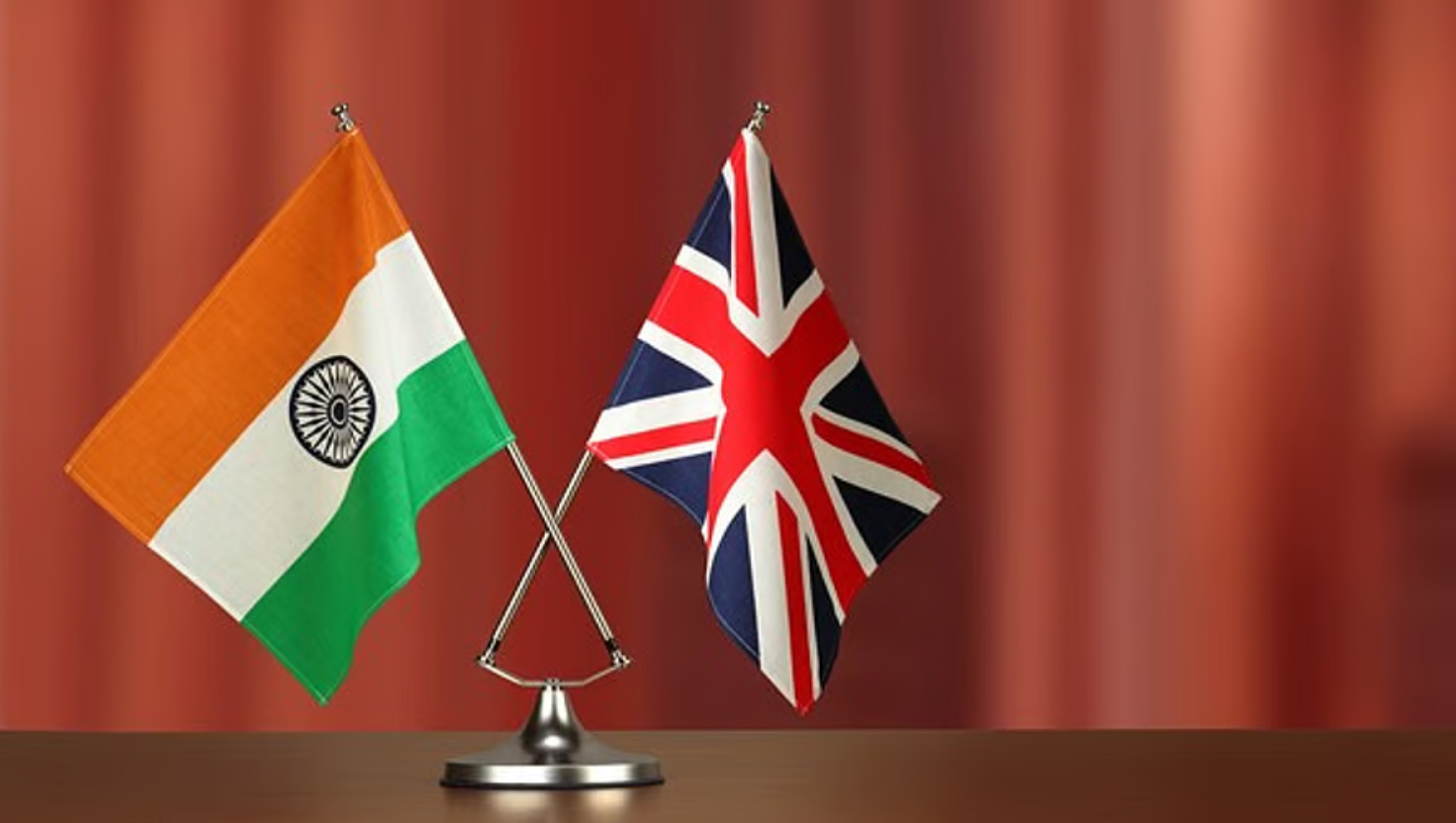
India–UK Connectivity and Innovation Centre (CIC)
The India–UK Connectivity and Innovation Centre (CIC) aims to advance 6G research, AI-driven telecom innovation, and secure digital communication systems.
The India–UK Connectivity and Innovation Centre (CIC) aims to advance 6G research, AI-driven telecom innovation, and secure digital communication systems.
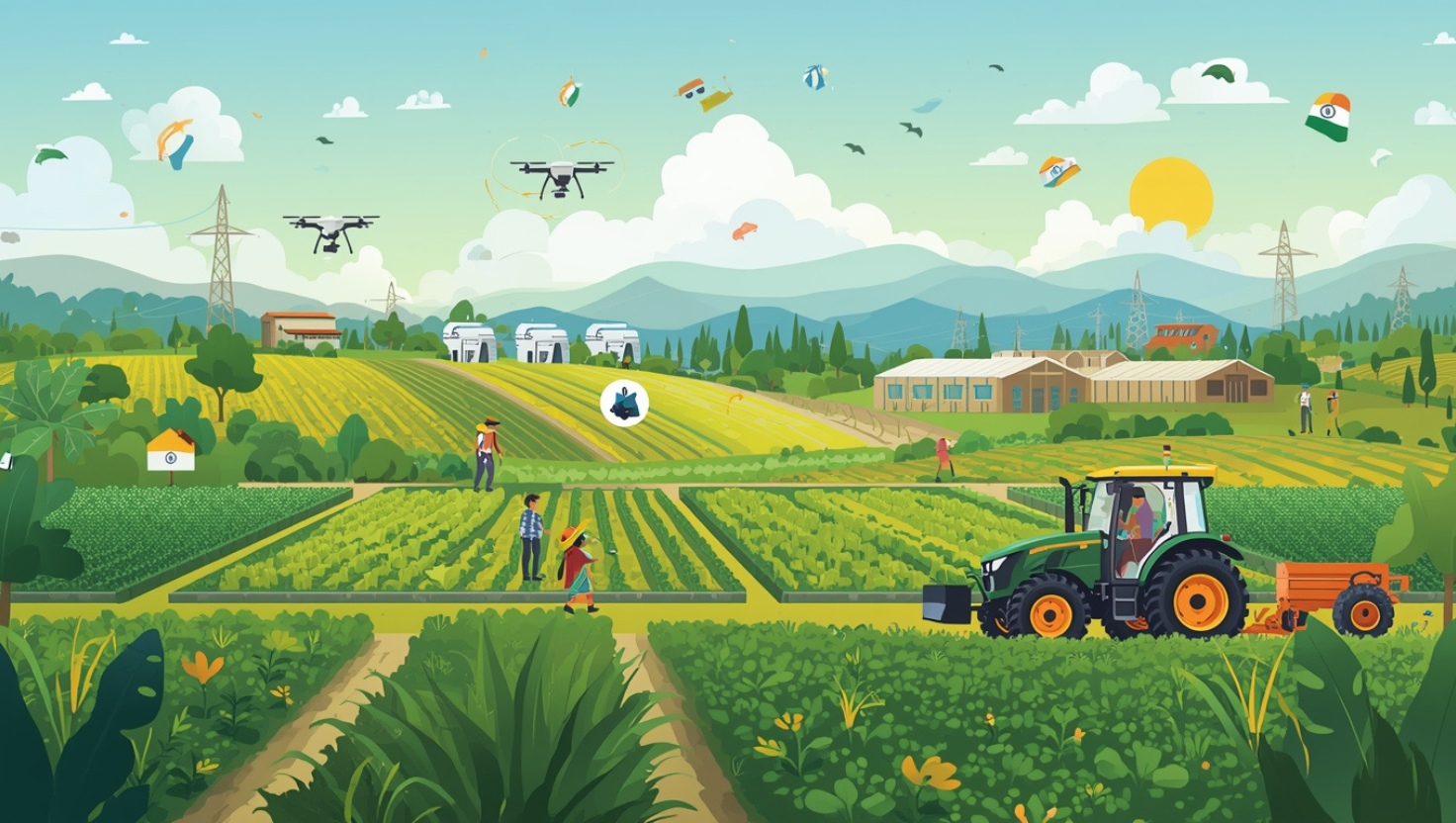
The PM Dhan-Dhaanya Krishi Yojana (PMDDKY) seeks to boost productivity, double farmers’ income, and promote sustainable, tech-driven agriculture.
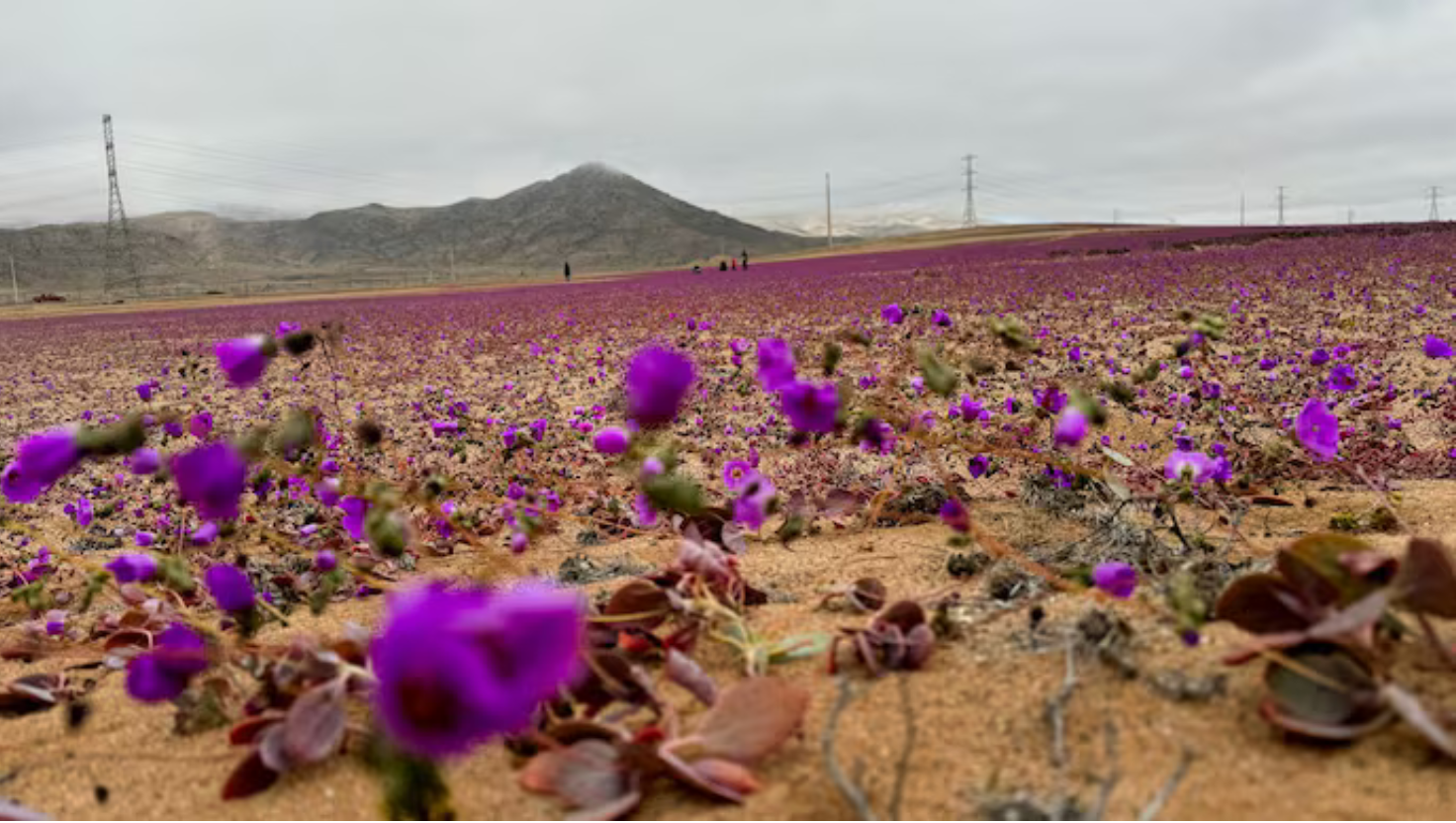
Rare winter rains in Chile’s Atacama Desert trigger a vibrant fuchsia wildflower bloom, creating the “Flowering Desert” phenomenon.

DRAVYA portal digitises Ayurvedic substances, combining classical texts, modern research, and field studies in an AI-ready database.

Venezuelan leader María Corina Machado wins the 2025 Nobel Peace Prize for her fight to restore democracy and defend human rights.
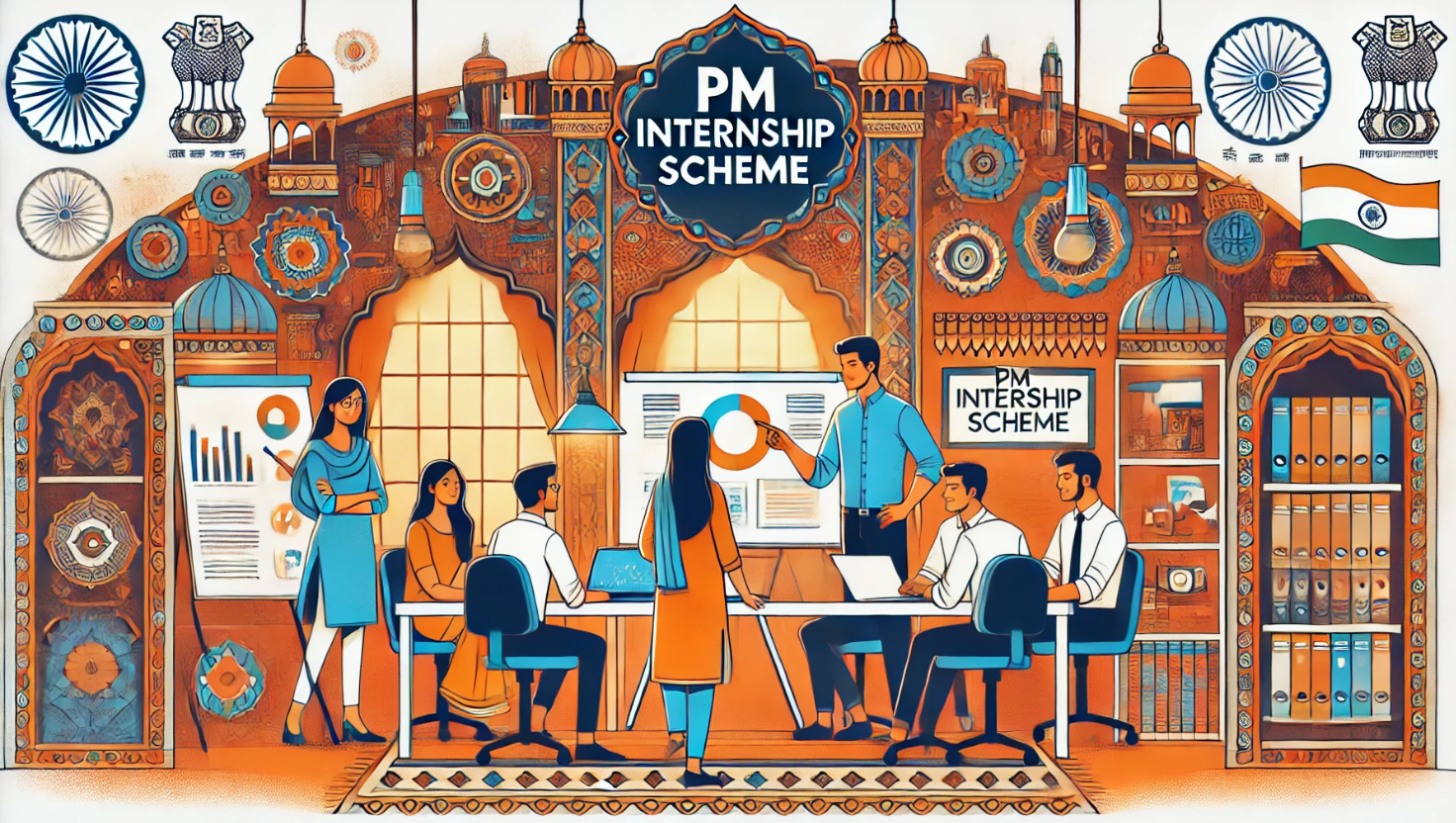
PM Internship Scheme 2025 offers 12-month internships in top firms, empowering youth with skills, experience, and employability.
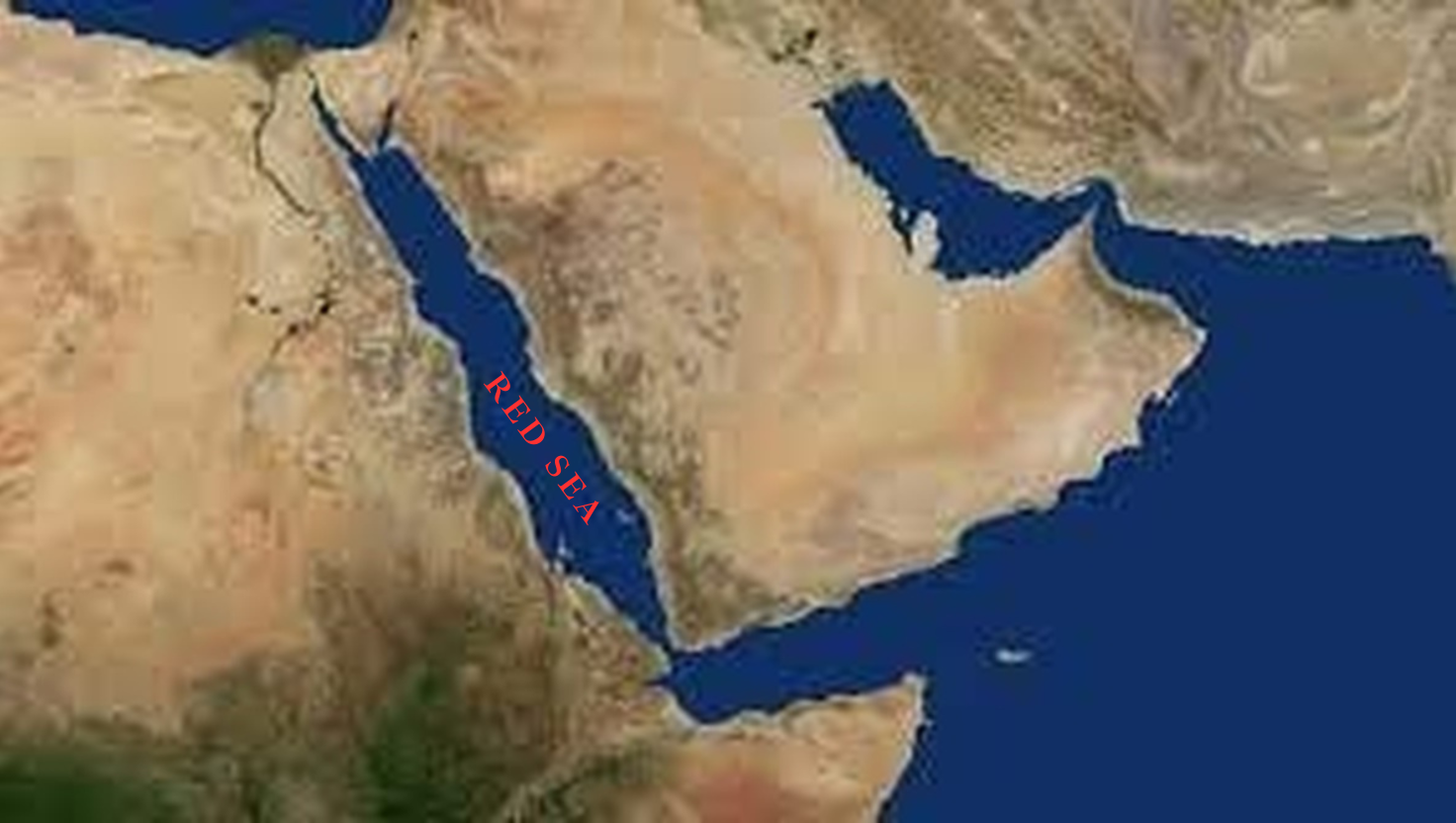
Red Sea: A geologically young, ecologically rich sea connecting Africa and Arabia, vital for trade, biodiversity, and shaped by ancient tectonic events.
India Mobile Congress 2025: Showcases India’s leadership in 5G, 6G, AI, and innovation, promoting global collaboration and a self-reliant digital economy.

Indian Air Force Day 2025: Celebrates IAF’s 93 years of valor, honoring air warriors, modern capabilities, and the retirement of the MiG-21.
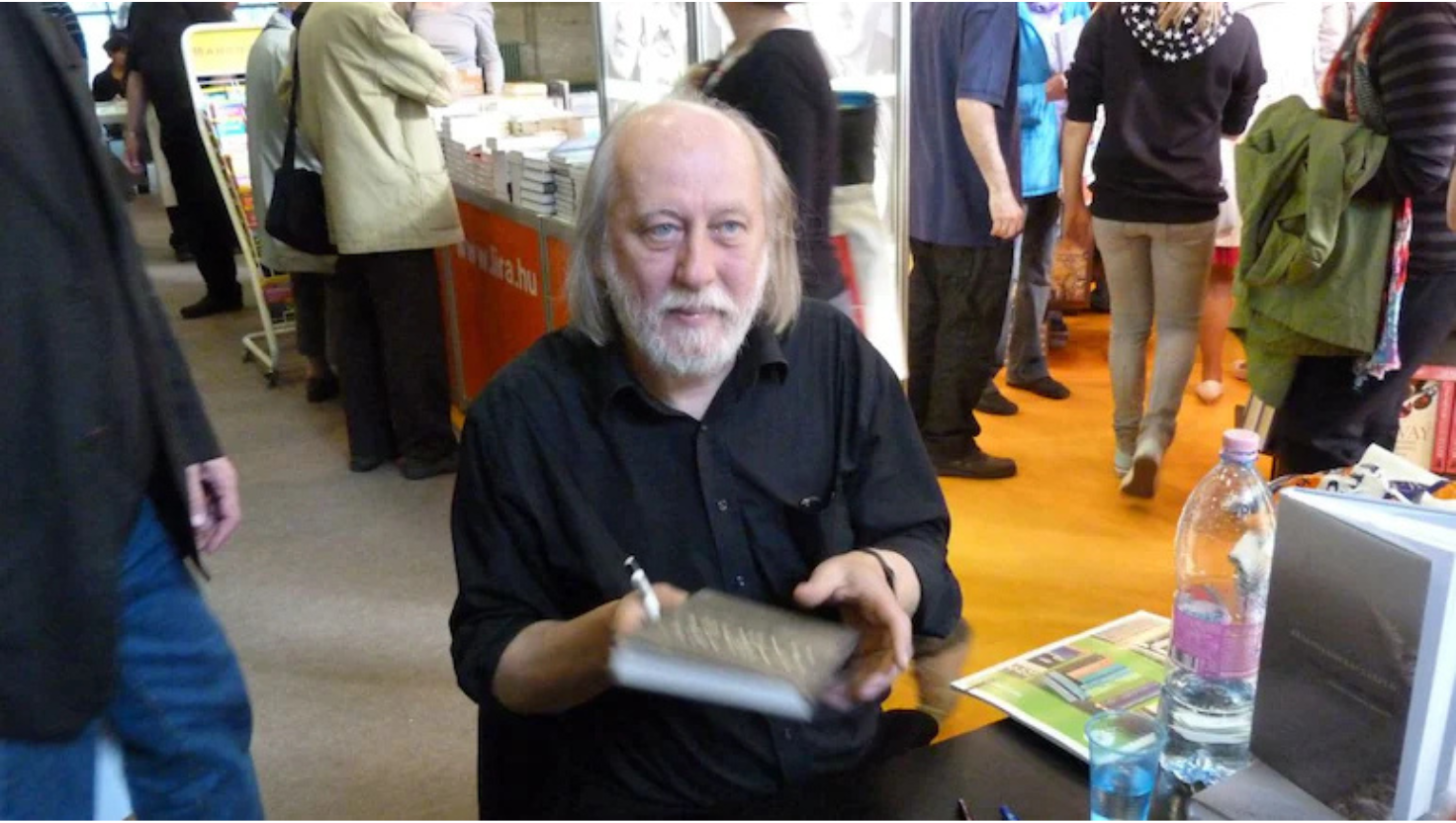
Laszlo Krasznahorkai Wins Nobel Prize for Literature 2025 Syllabus: Awards and Honours (UPSC Prelims)Source: NDTV Context The 2025 Nobel Prize in Literature has been awarded to Hungarian author Laszlo Krasznahorkai for his “compelling and visionary oeuvre that, amid apocalyptic terror, reaffirms the power of art.” About the Laureate Major Works Significance of the Award Comparative Insight Conclusion Laszlo Krasznahorkai’s Nobel win celebrates Central European literary tradition and the power of art to find meaning amid uncertainty. His works stand as
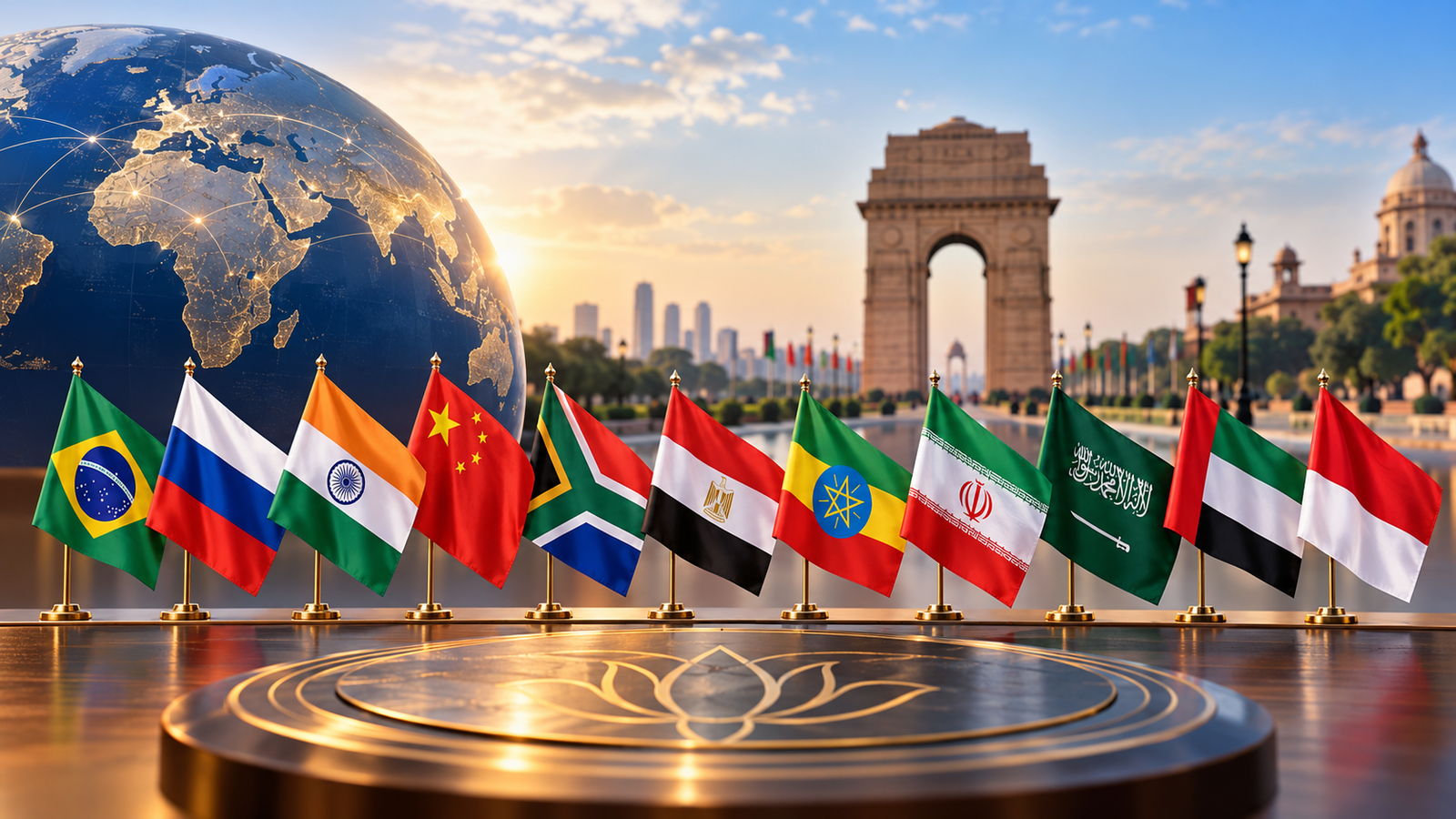
BRICS 2026: Explore the 18th BRICS Summit in New Delhi,
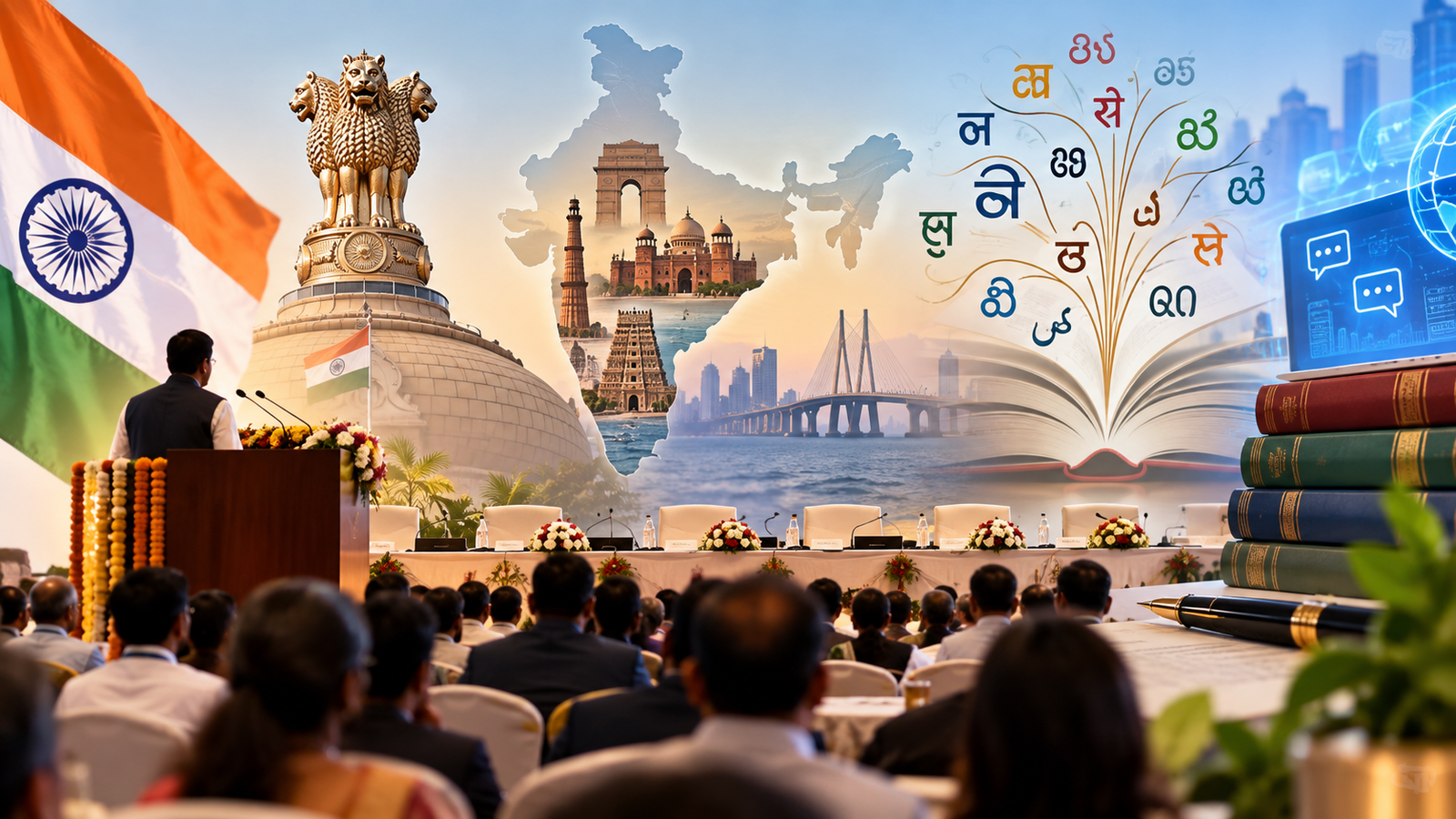
6th All India Official Language Conference 2026 in Navi Mumbai:
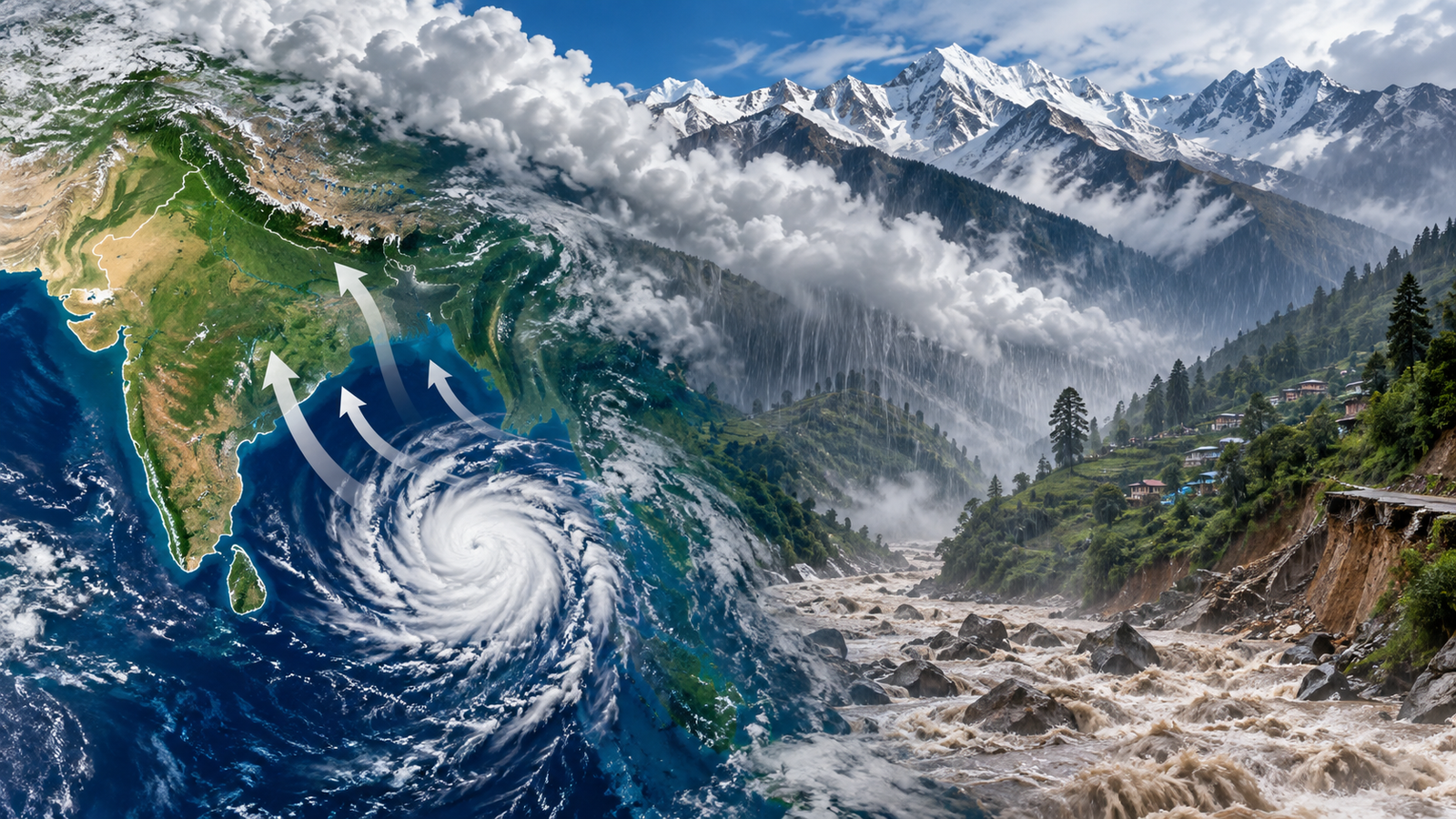
Discover how Bay of Bengal low-pressure systems shape India’s monsoon,
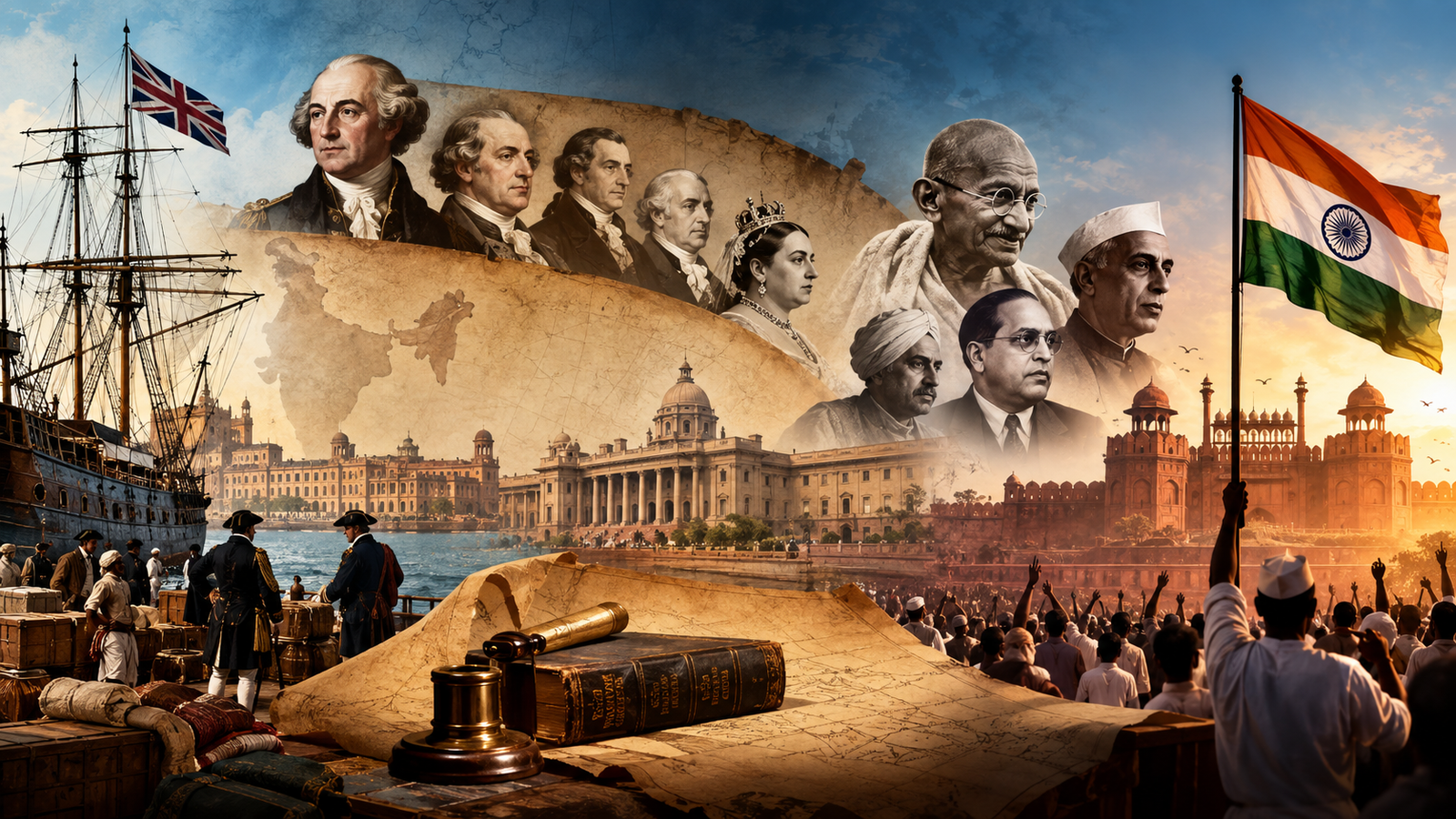
Explore the constitutional evolution of India from East India Company
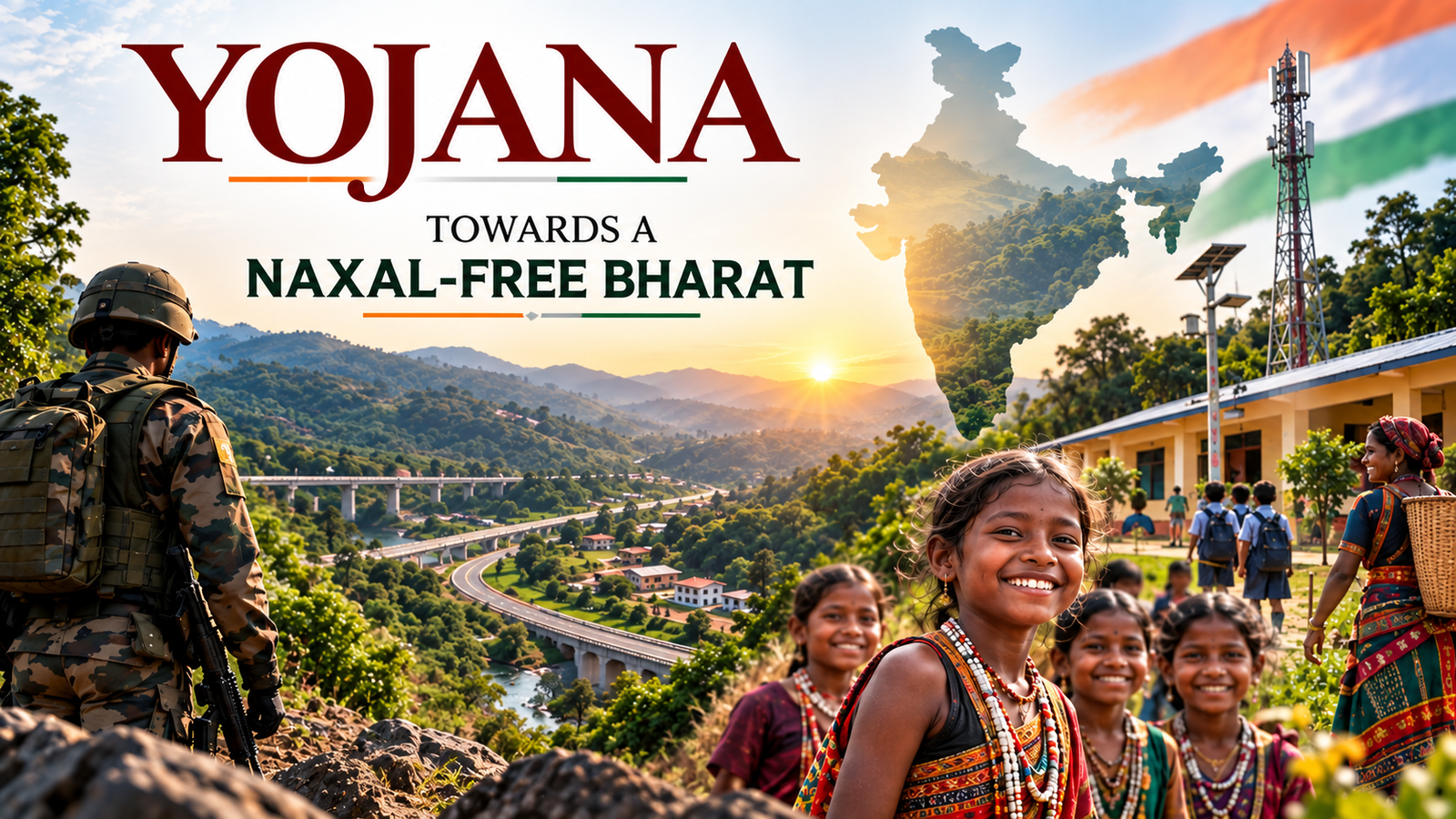
Yojana June 2026 explores India’s journey towards a Naxal-free Bharat,
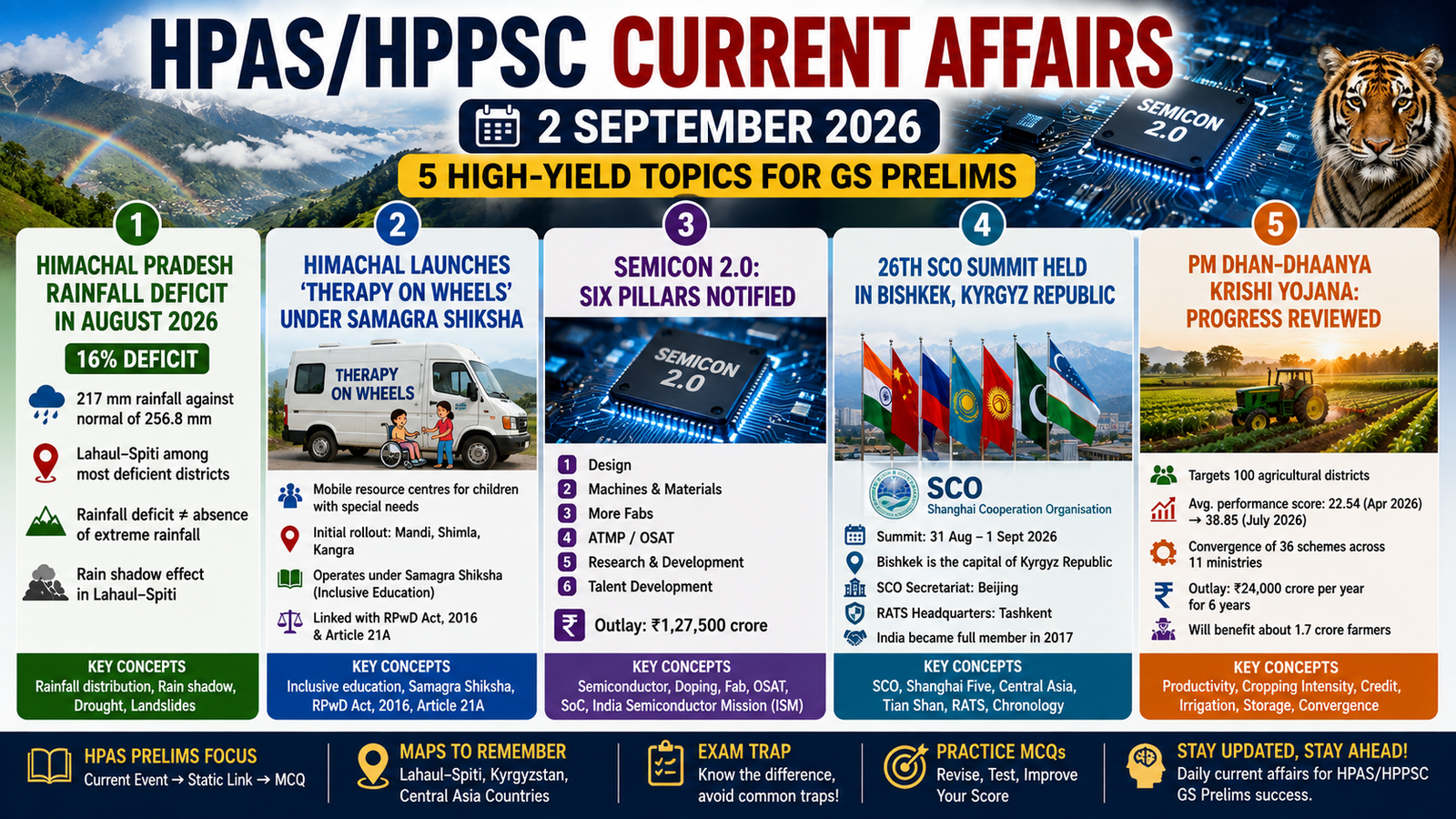
HPAS/HPPSC Current Affairs 2 September 2026: Himachal rainfall deficit, Therapy