
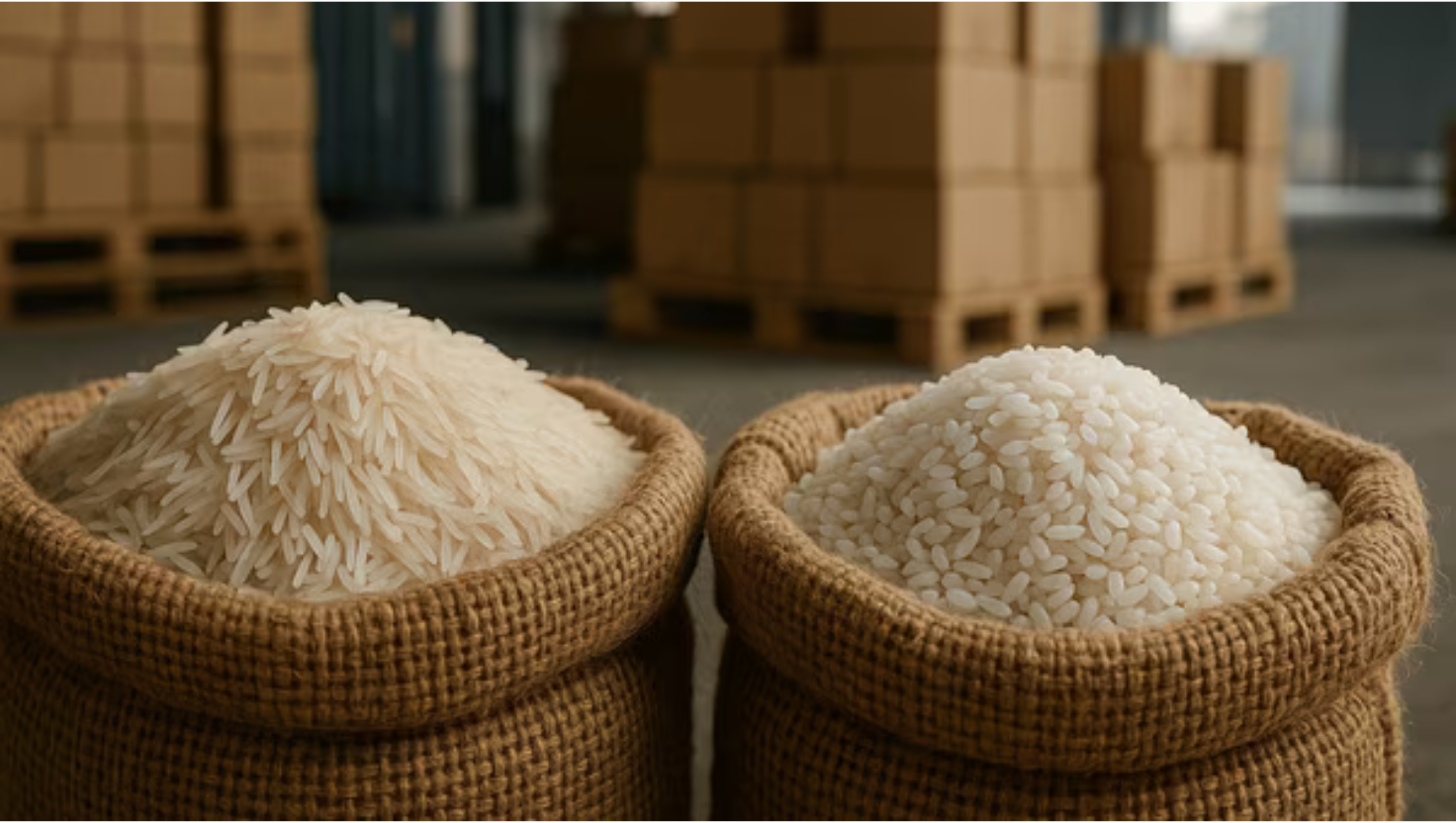
Counterfeit Seeds & GI Crops like Basmati
India combats counterfeit seeds threatening GI crops like Basmati through digital traceability, legal reforms, and farmer awareness to protect livelihoods and exports.
India combats counterfeit seeds threatening GI crops like Basmati through digital traceability, legal reforms, and farmer awareness to protect livelihoods and exports.
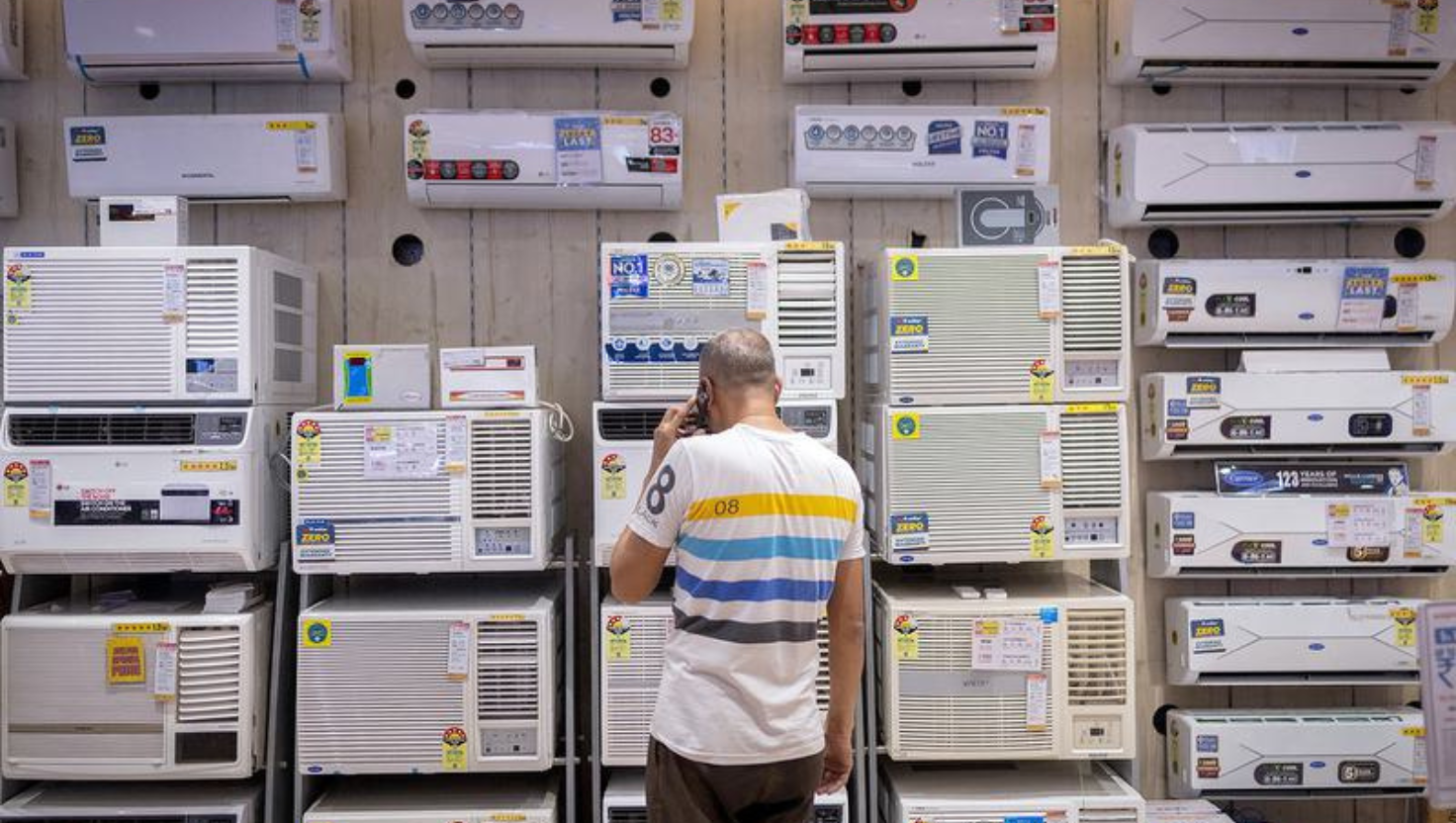
India mandates efficient ACs and promotes universal cooling as a climate adaptation tool, ensuring health, equity, and energy savings.
India has allowed export of 2G ethanol, a sustainable biofuel made from agri-waste and residues, reducing emissions and crude oil dependence.

India is hosting its first World Para Athletics Championships 2025 in New Delhi, showcasing inclusivity, accessibility, and sporting excellence.

The MiG-21, India’s first supersonic jet, served 60 years in IAF, key in wars but infamous for frequent crashes.

The Supreme Court favours Criminal Defamation in India reform, balancing free speech with civil remedies to protect reputation.

Sahyog Portal enables quick takedown of unlawful online content, balancing intermediary liability and cyber law enforcement in India.

UNEP Young Champions of the Earth 2025 honours young innovators from India, Kenya, and the US for scalable environmental solutions.

Personality rights protect name, image, voice, and likeness in India, balancing privacy, dignity, and free speech in the AI era.
The Hindu Succession Act, 1956 codifies Hindu inheritance, ensures women’s property rights, and grants daughters equal coparcenary rights.

BRICS 2026: Explore the 18th BRICS Summit in New Delhi,
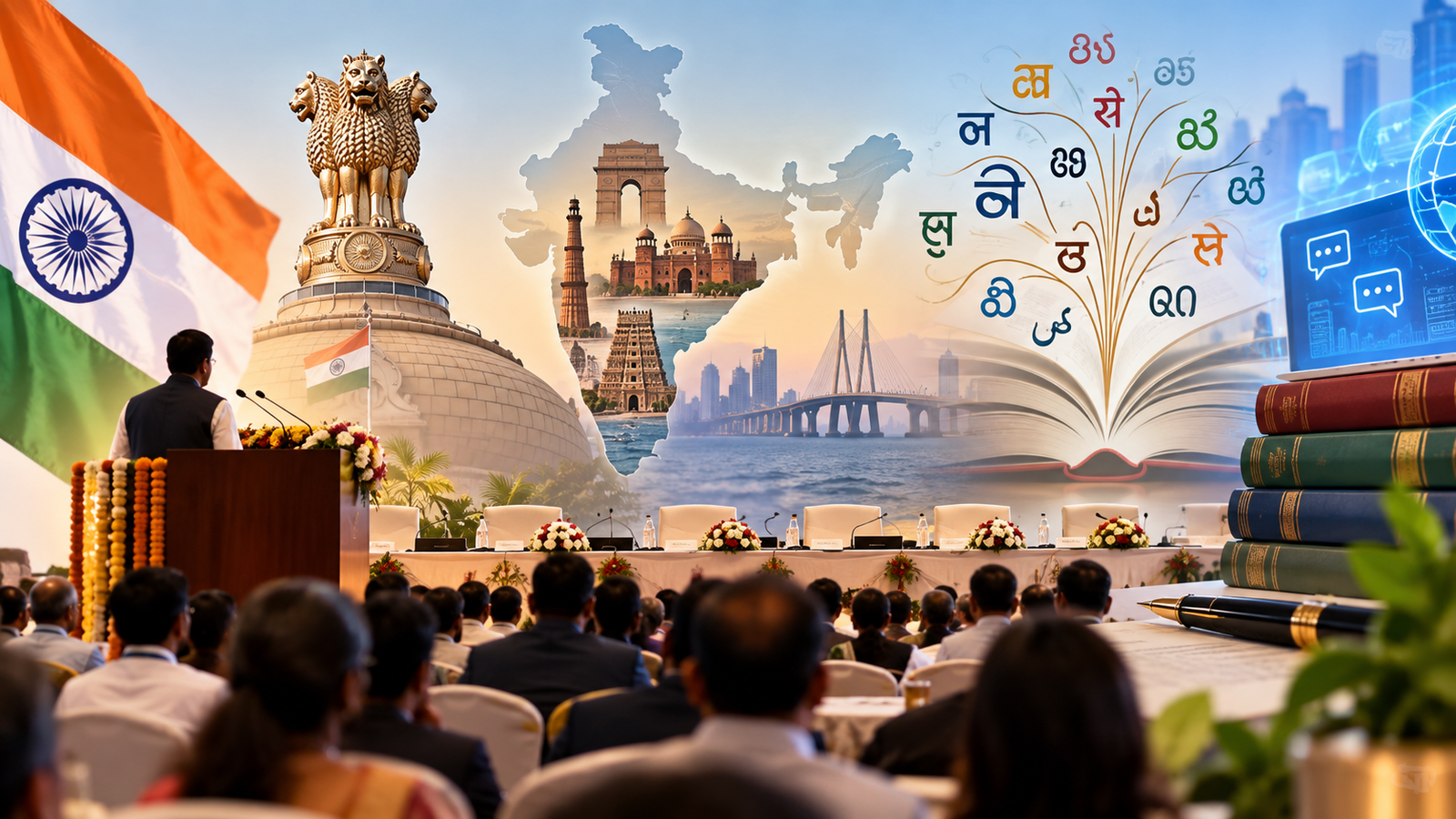
6th All India Official Language Conference 2026 in Navi Mumbai:
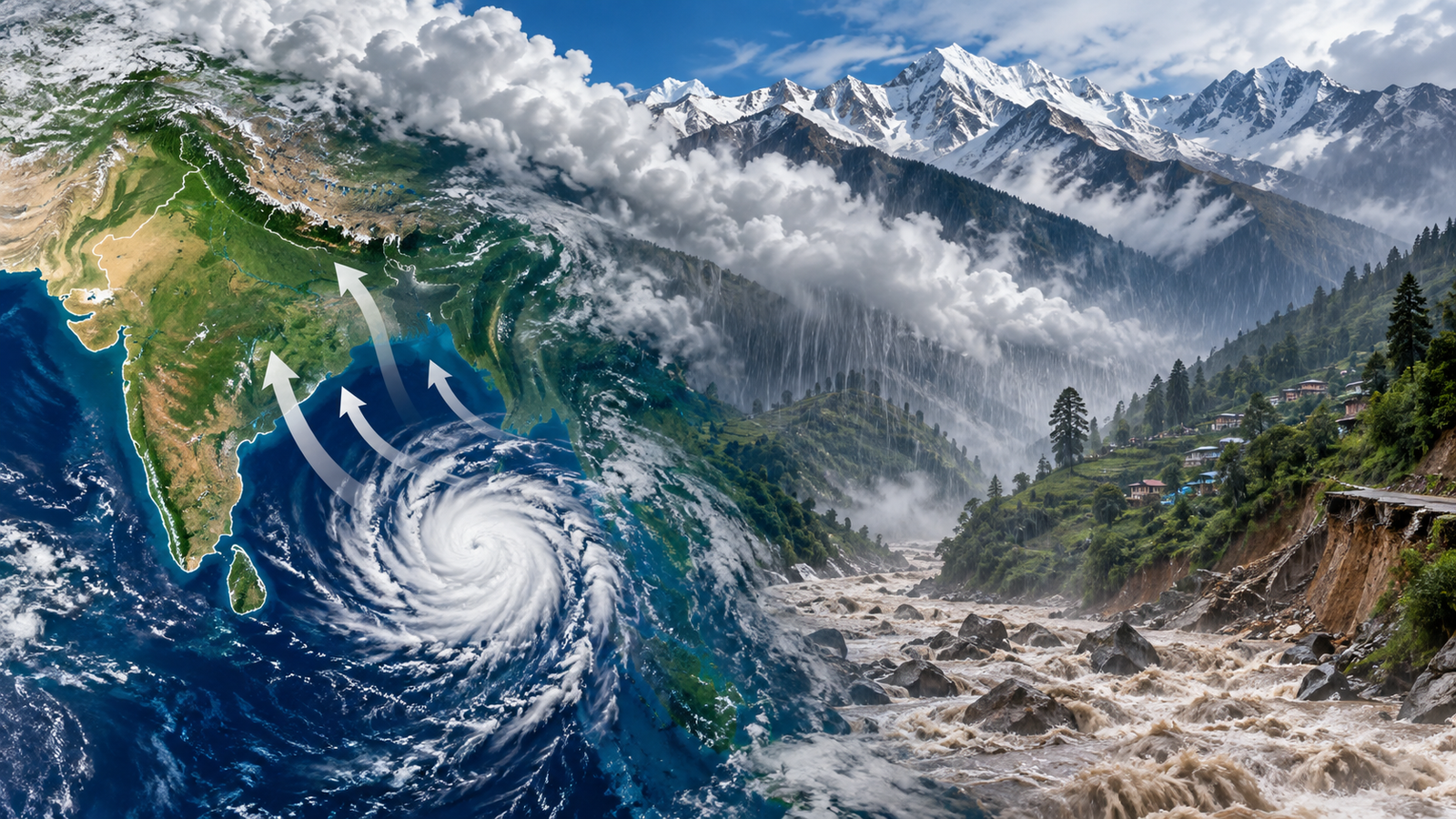
Discover how Bay of Bengal low-pressure systems shape India’s monsoon,

Explore the constitutional evolution of India from East India Company

Yojana June 2026 explores India’s journey towards a Naxal-free Bharat,
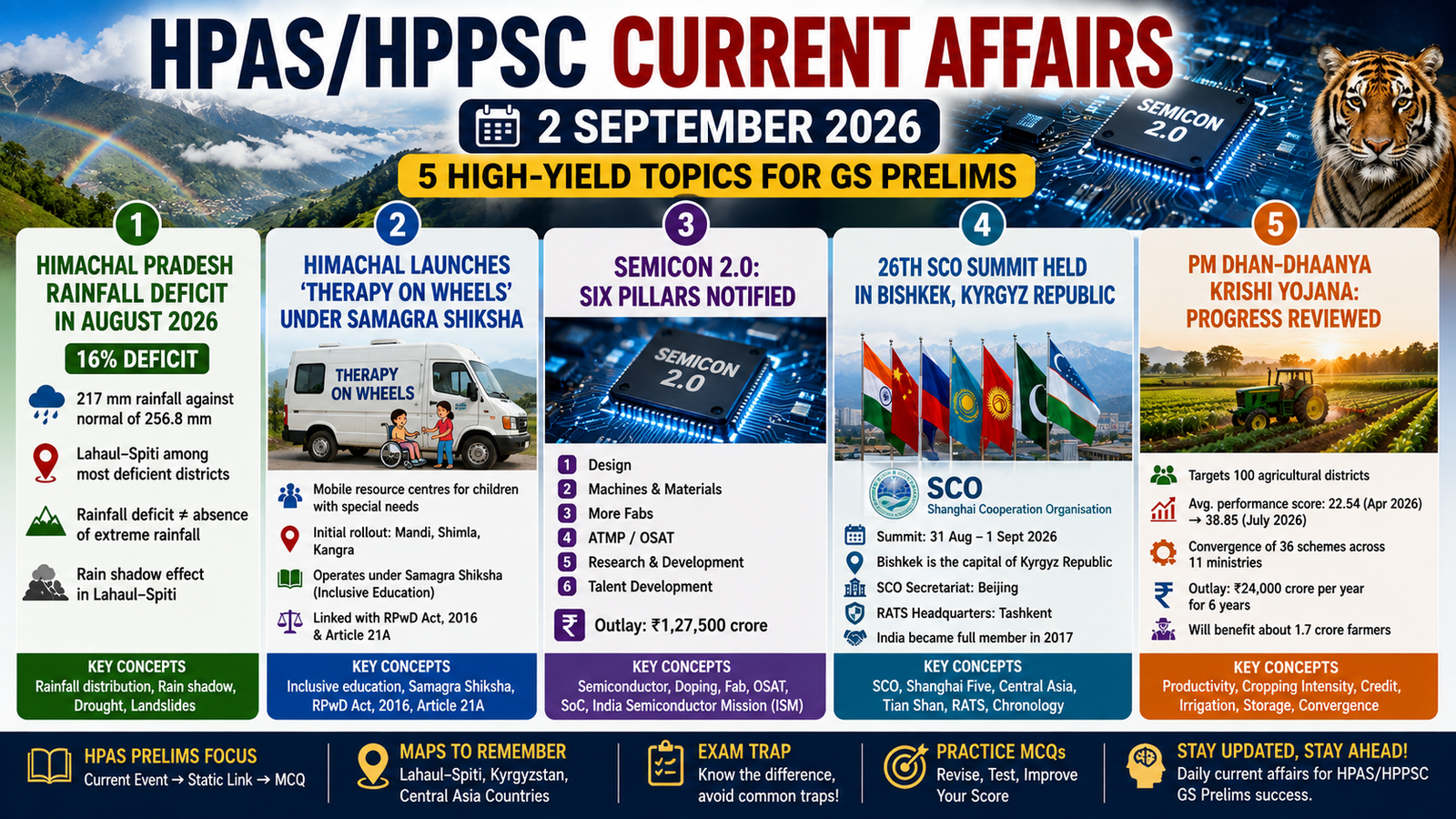
HPAS/HPPSC Current Affairs 2 September 2026: Himachal rainfall deficit, Therapy