
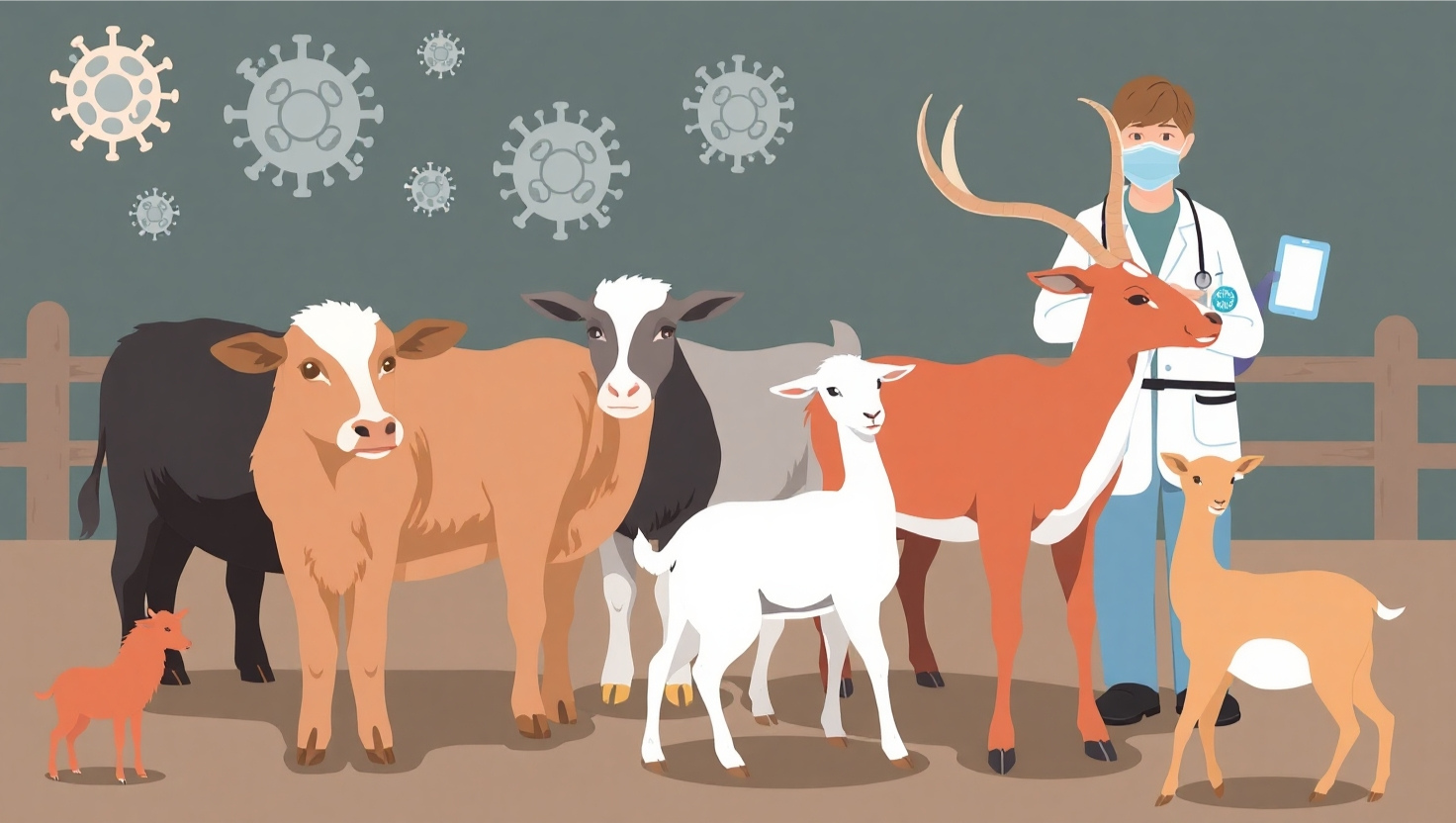
Foot and Mouth Disease (FMD)
Foot and Mouth Disease (FMD) caused 16 deer deaths in Pune Zoo, highlighting the need for strong veterinary surveillance and vaccination drives.
Foot and Mouth Disease (FMD) caused 16 deer deaths in Pune Zoo, highlighting the need for strong veterinary surveillance and vaccination drives.
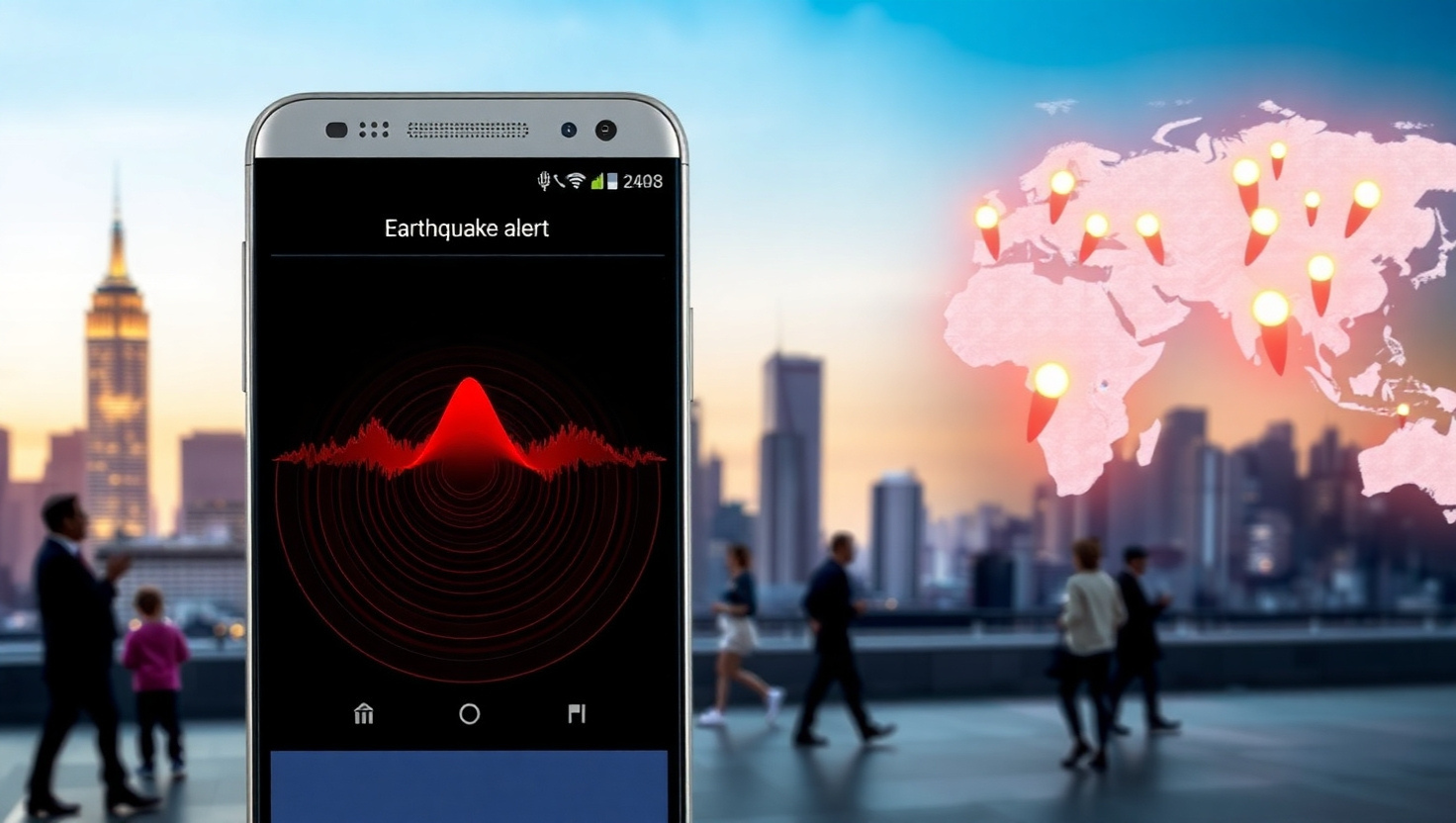
The Android Earthquake Alert System uses smartphone sensors to provide real-time quake warnings, now active in 98 countries globally.
The Internal Complaints Committee under the POSH Act ensures safe, fair, and confidential redressal of workplace sexual harassment cases.
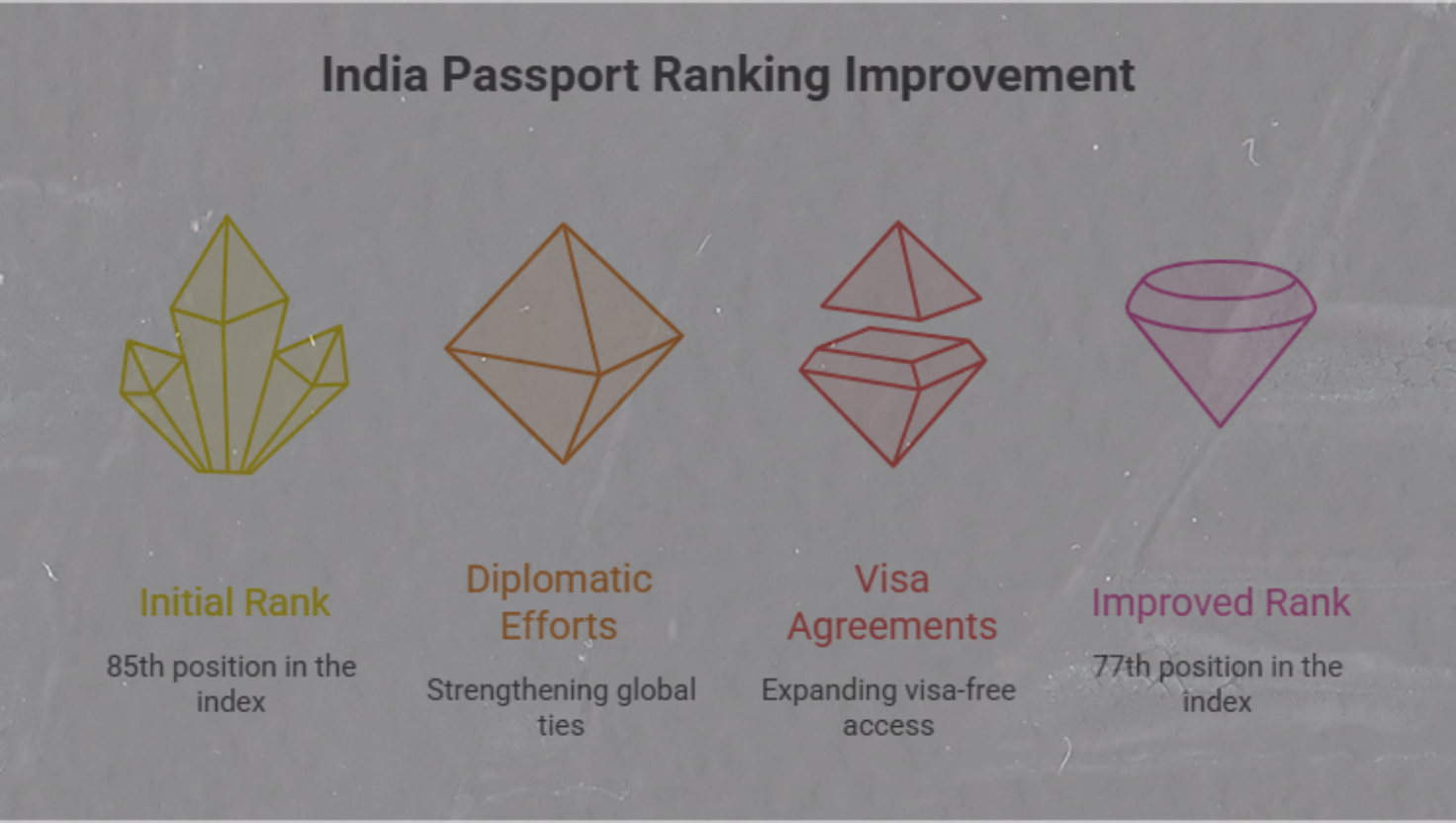
India ranks 77th in the Henley Passport Index 2025, its best-ever position, with visa-free or visa-on-arrival access to 59 countries.
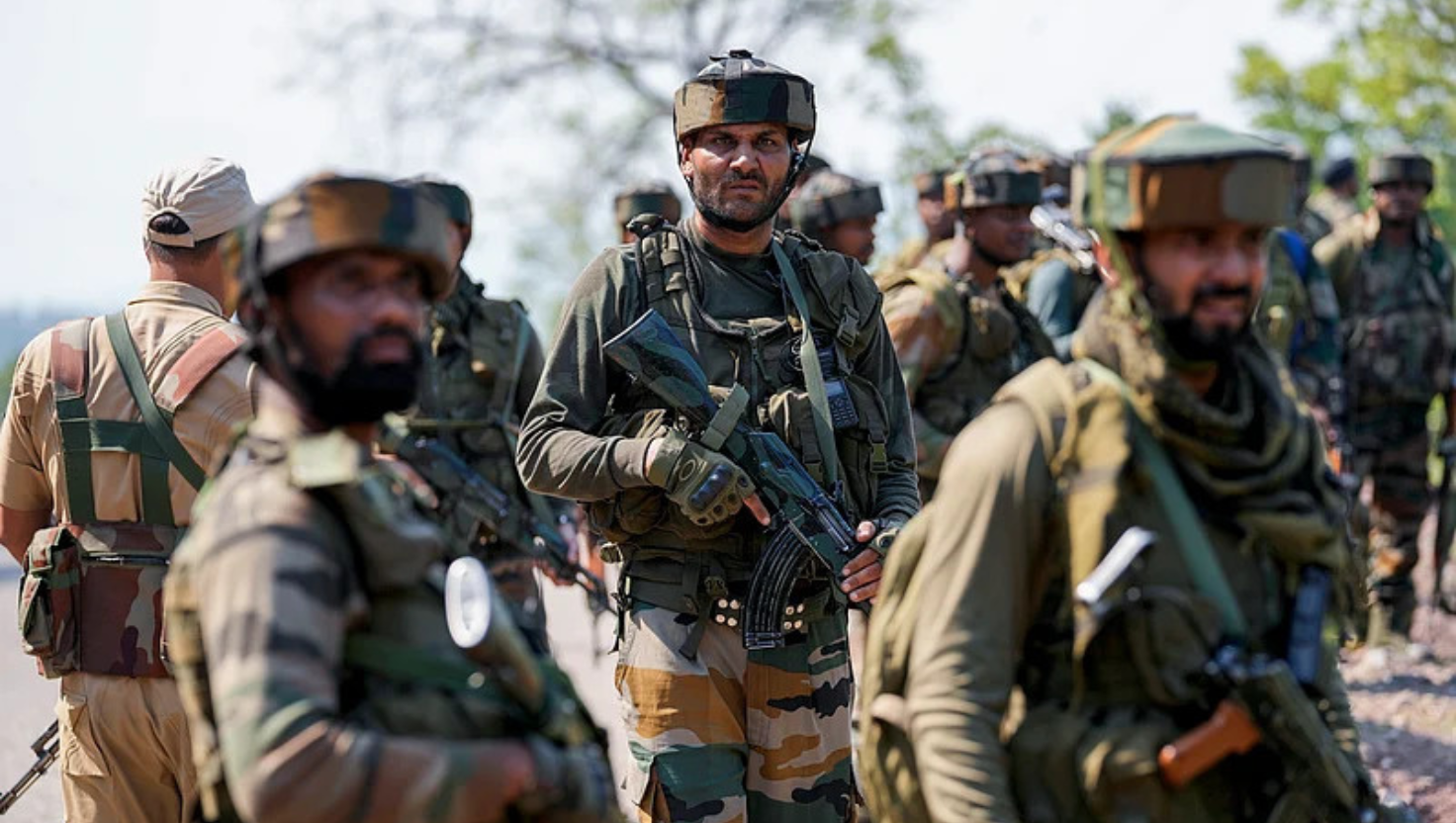
NALSA launches ‘Veer Parivar Sahayata Yojana’ to provide free legal aid to armed forces and families, linking welfare with internal security.

Glacial Lake Outburst Floods (GLOFs) are rising in the Himalayas due to warming, seismic risks, and unplanned development, posing major disaster threats.
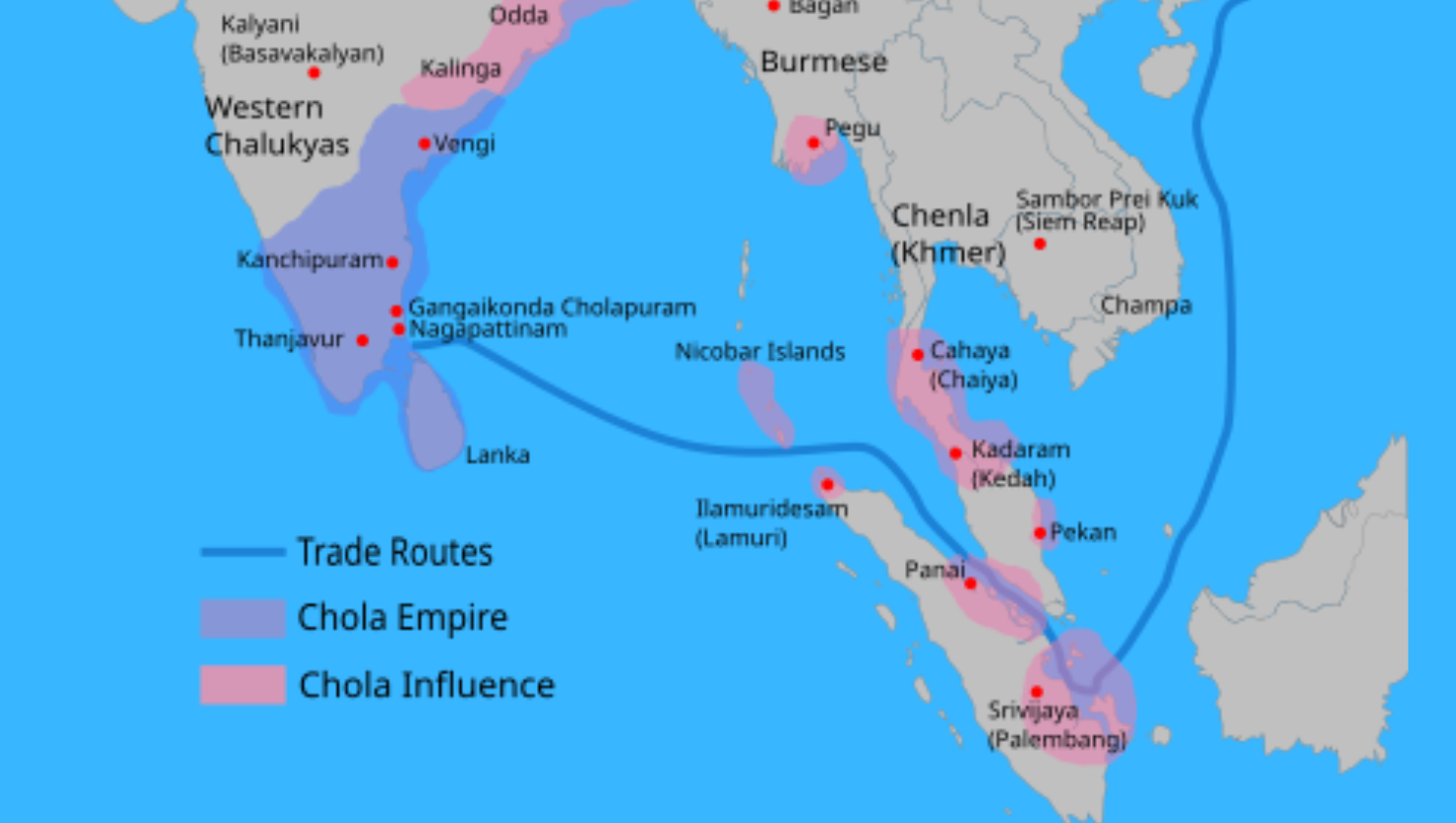
PM Modi said the Chola dynasty’s legacy of good governance, maritime strength, and cultural unity offers a roadmap for modern India.
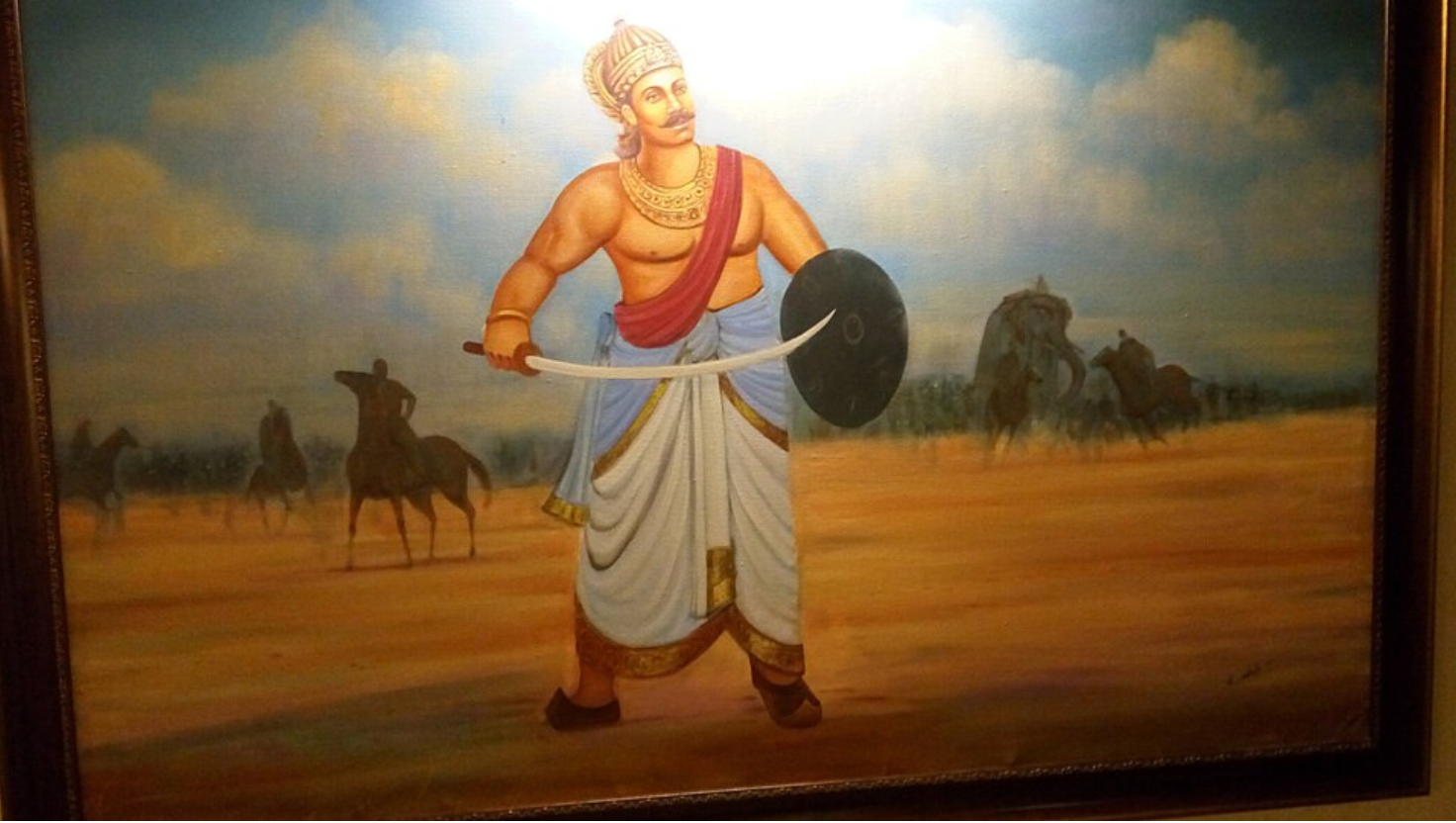
Rajendra Chola I led India’s first major naval expedition, expanding Chola influence across Southeast Asia and showcasing early maritime power.
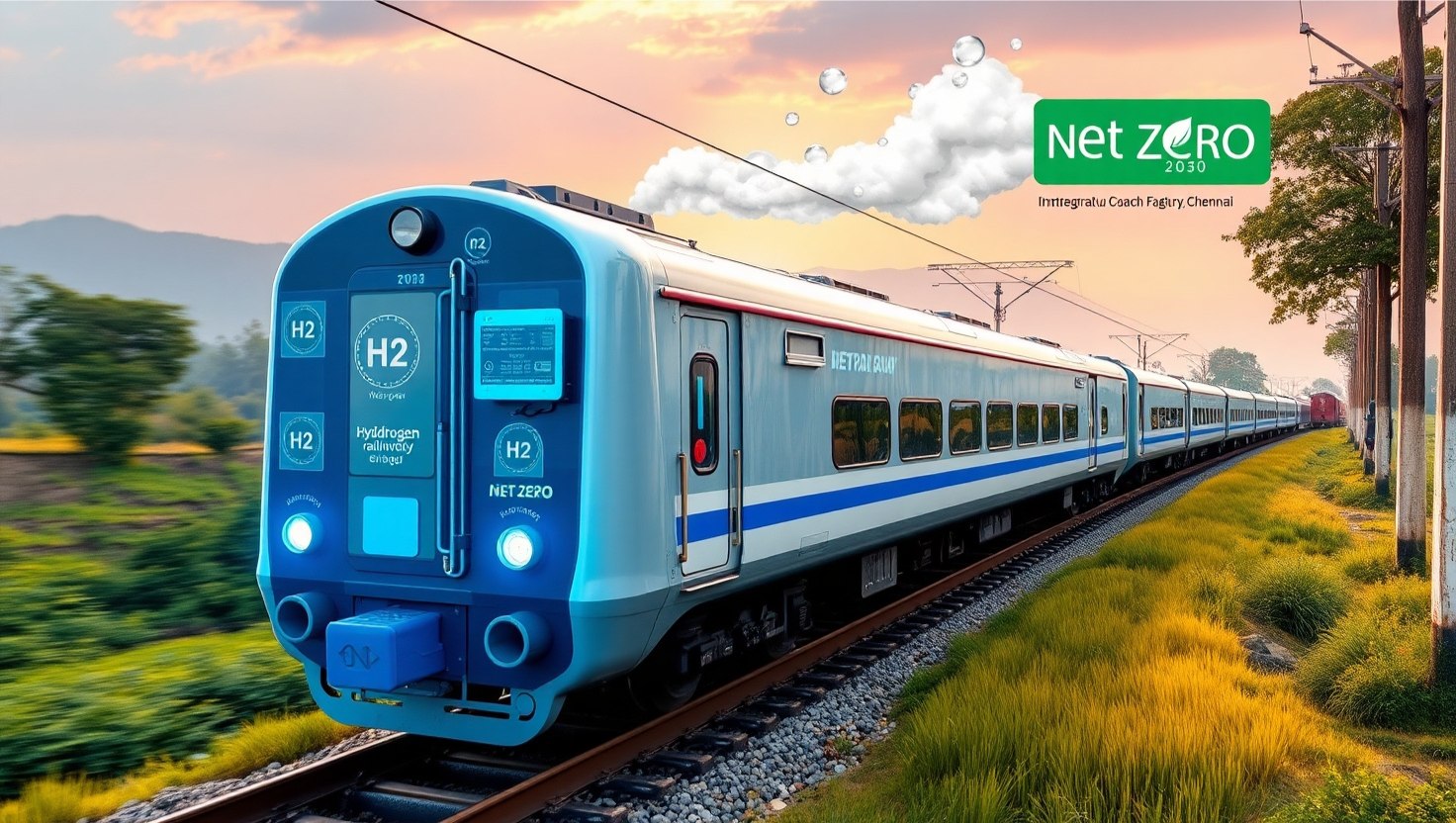
India tests its first Hydrogen-Powered train car, marking a green shift in rail transport under the ‘Hydrogen for Heritage’ scheme.
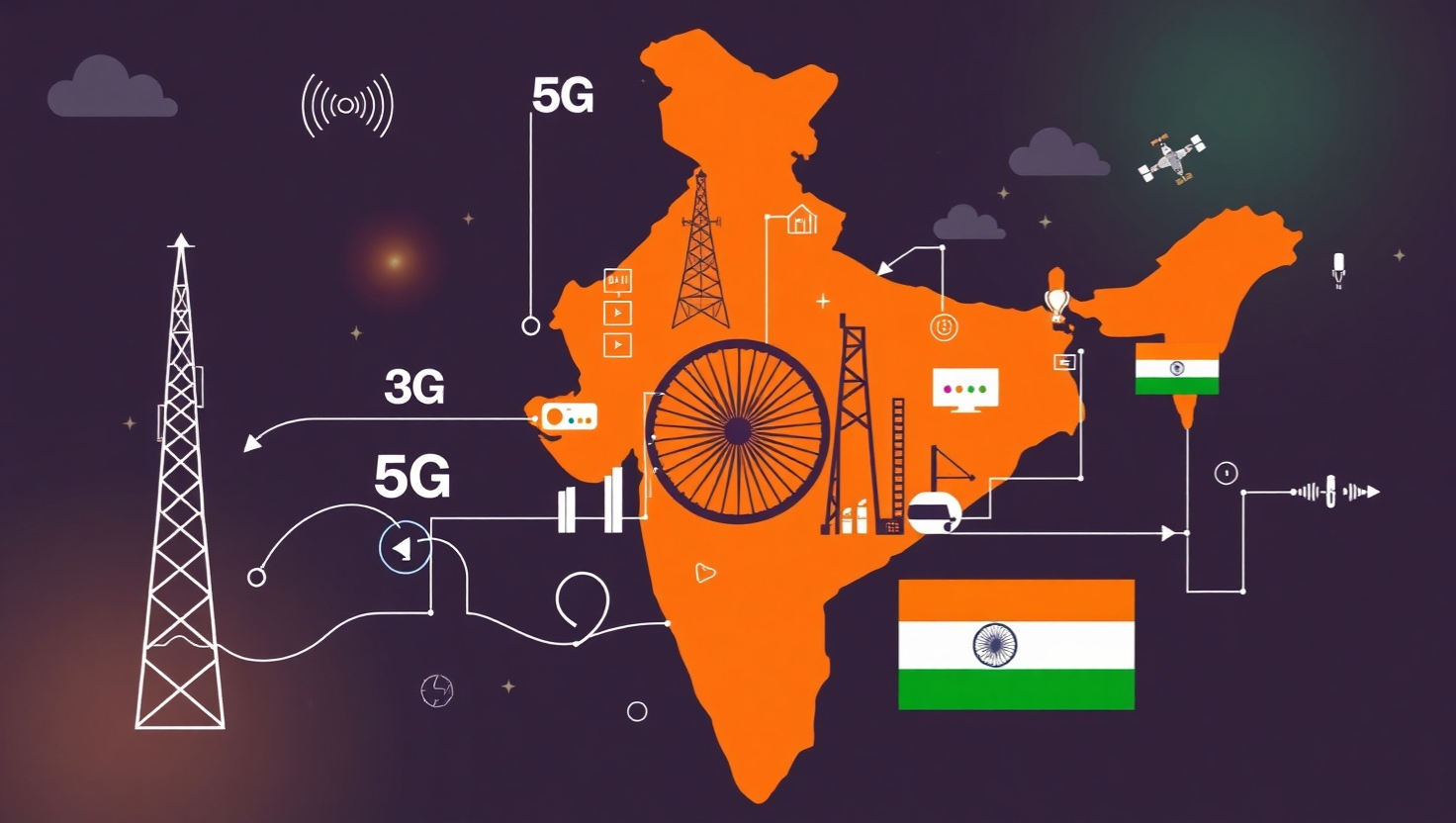
The Draft National Telecom Policy 2025 aims to boost self-reliance, expand 5G access, and promote innovation in India’s telecom sector.

BRICS 2026: Explore the 18th BRICS Summit in New Delhi,
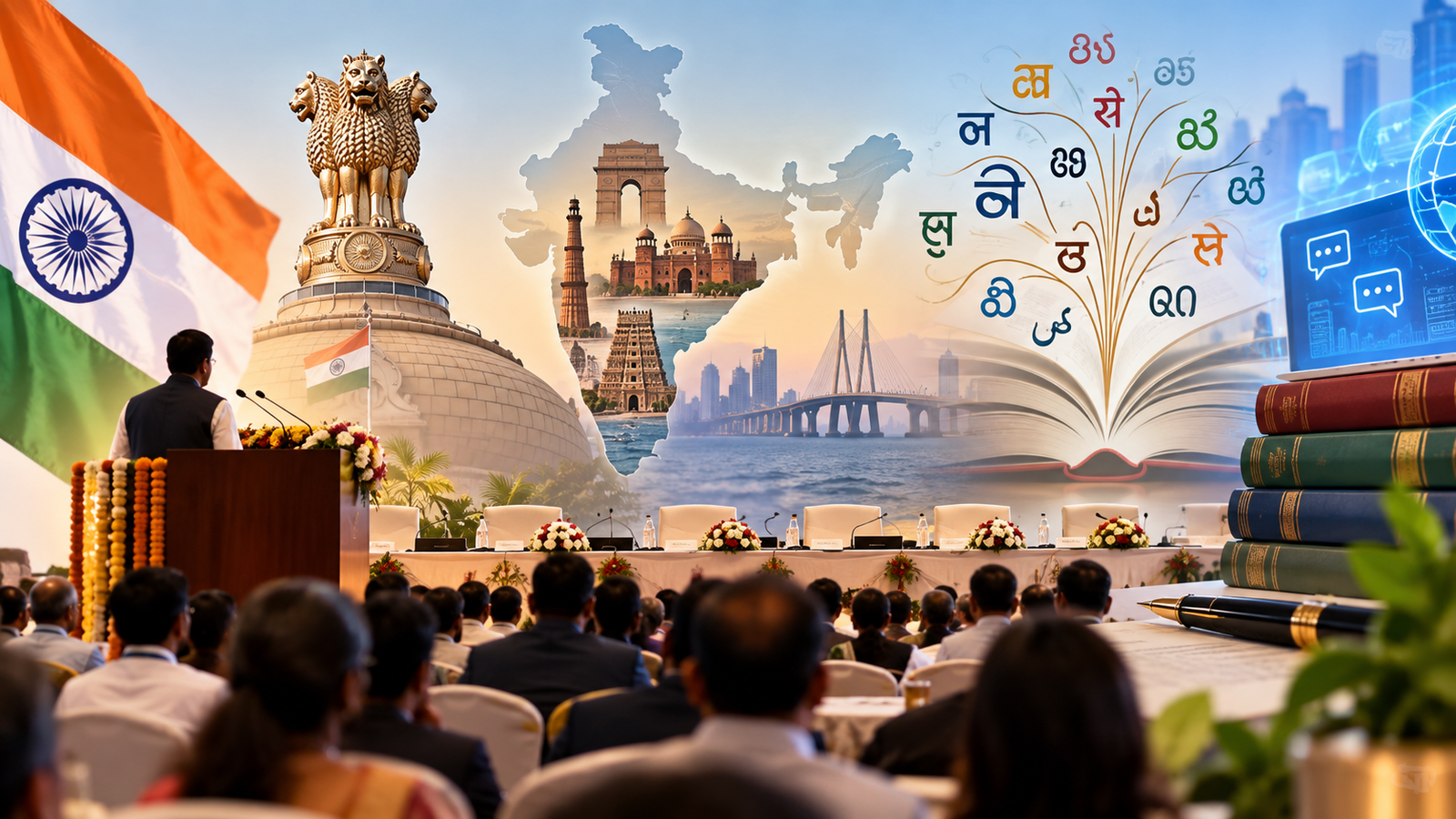
6th All India Official Language Conference 2026 in Navi Mumbai:
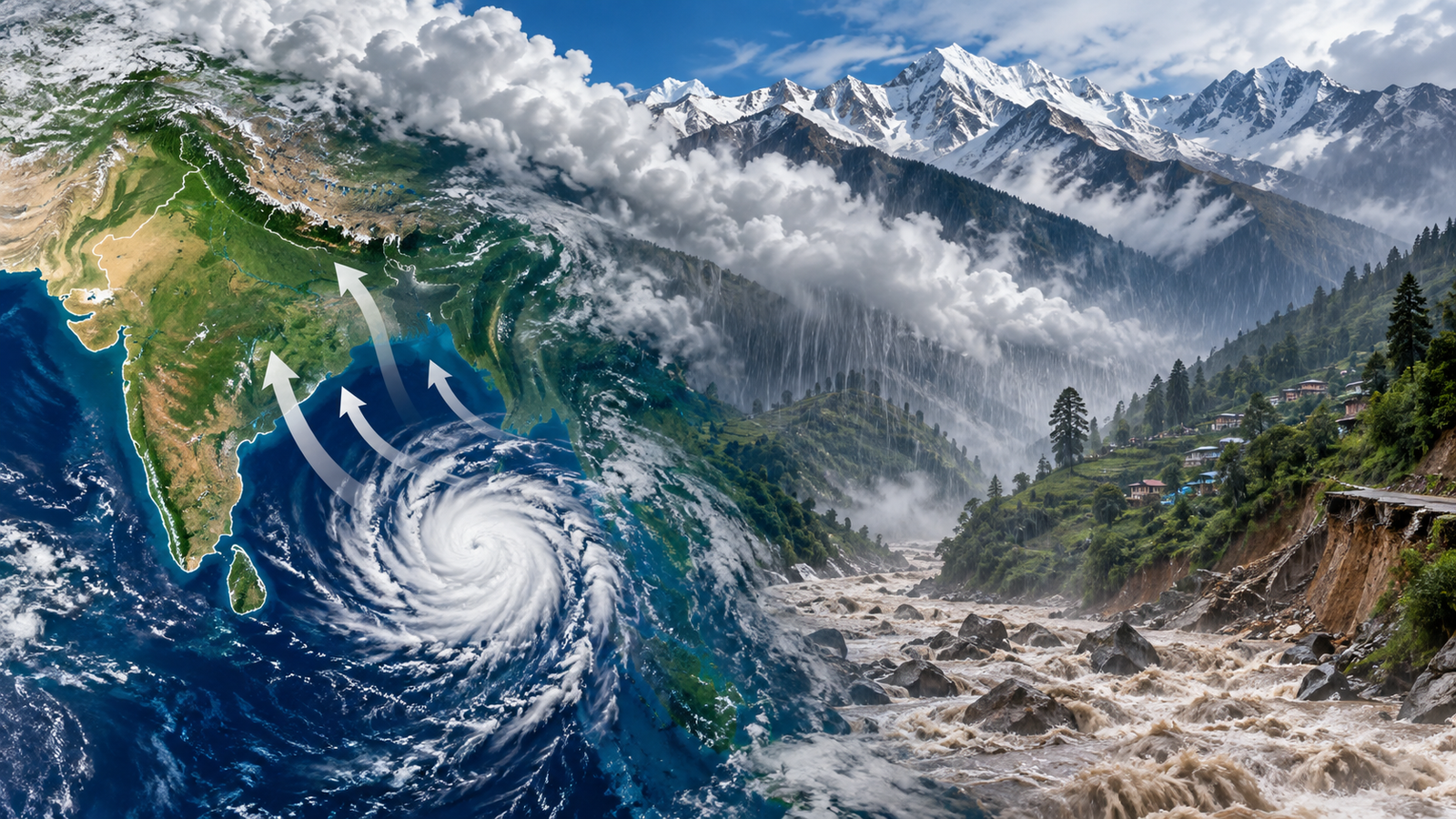
Discover how Bay of Bengal low-pressure systems shape India’s monsoon,

Explore the constitutional evolution of India from East India Company

Yojana June 2026 explores India’s journey towards a Naxal-free Bharat,
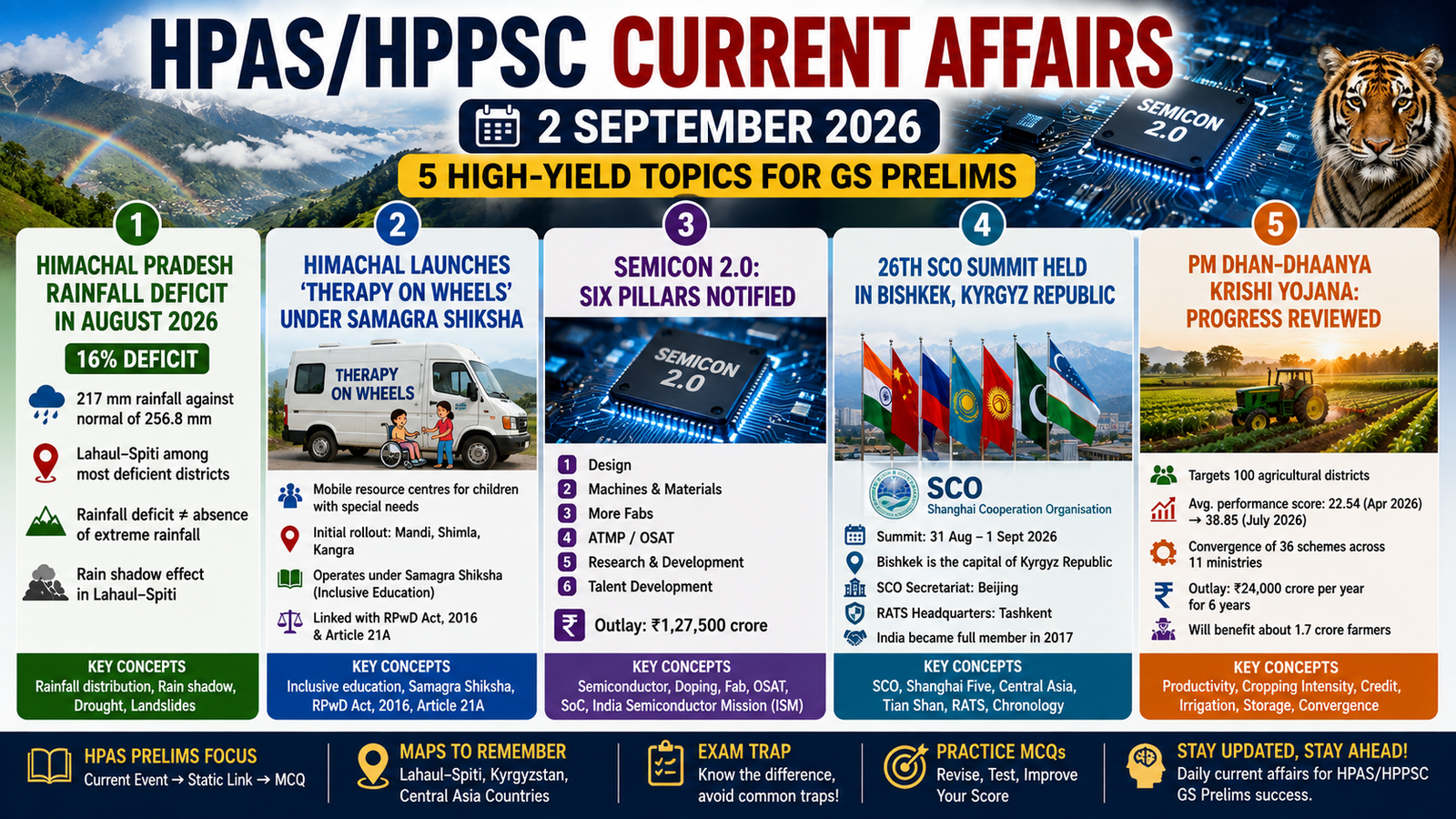
HPAS/HPPSC Current Affairs 2 September 2026: Himachal rainfall deficit, Therapy