
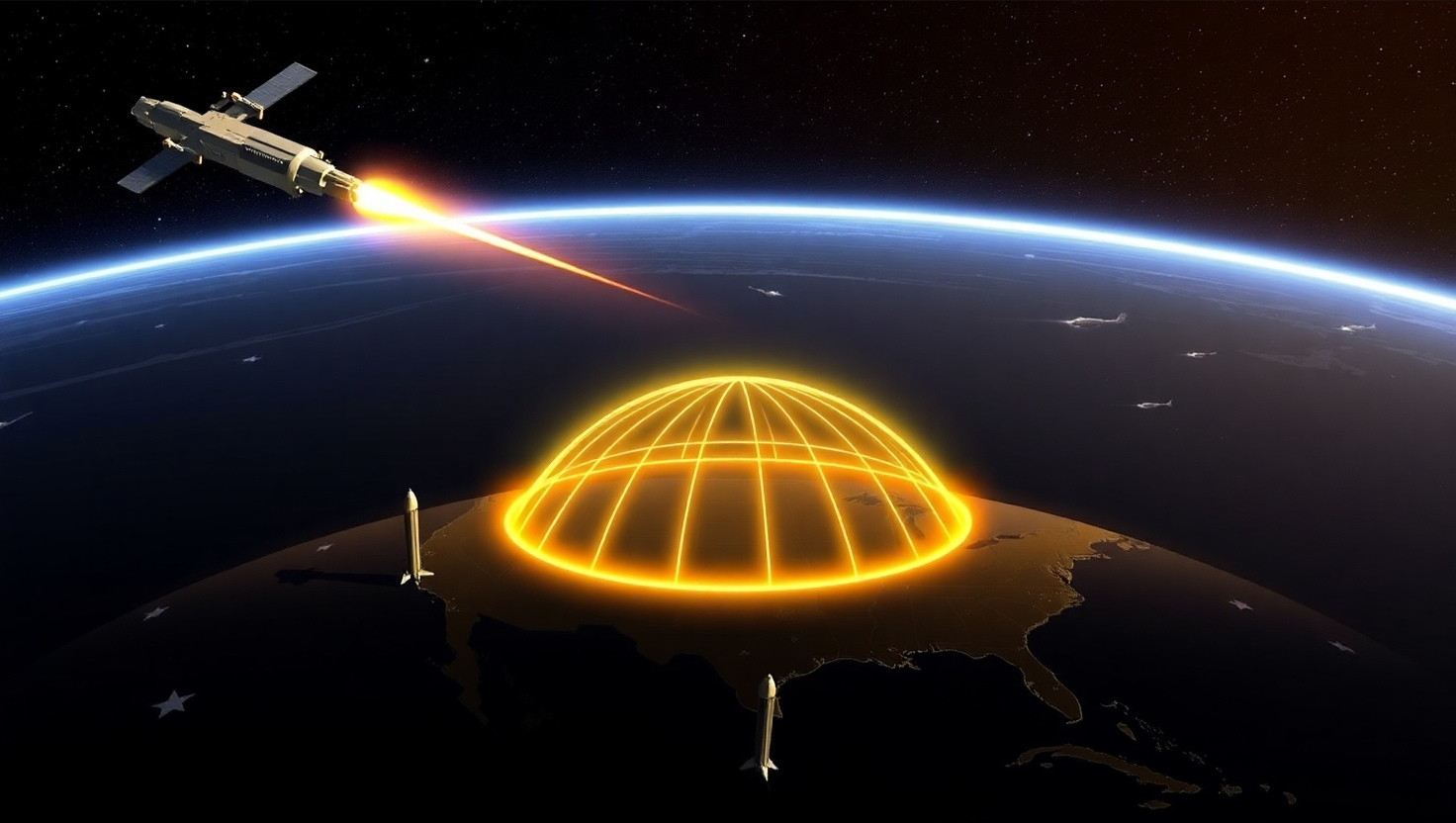
Golden Dome Missile Defense System
The U.S. unveiled the $175 billion Golden Dome Missile Defense System, a multi-layered shield against ballistic, hypersonic, and cruise missile threats.
The U.S. unveiled the $175 billion Golden Dome Missile Defense System, a multi-layered shield against ballistic, hypersonic, and cruise missile threats.

India marks the 200th birth anniversary of Mahatma Jyotiba Phule, the reformer who pioneered women’s education and fought caste discrimination.
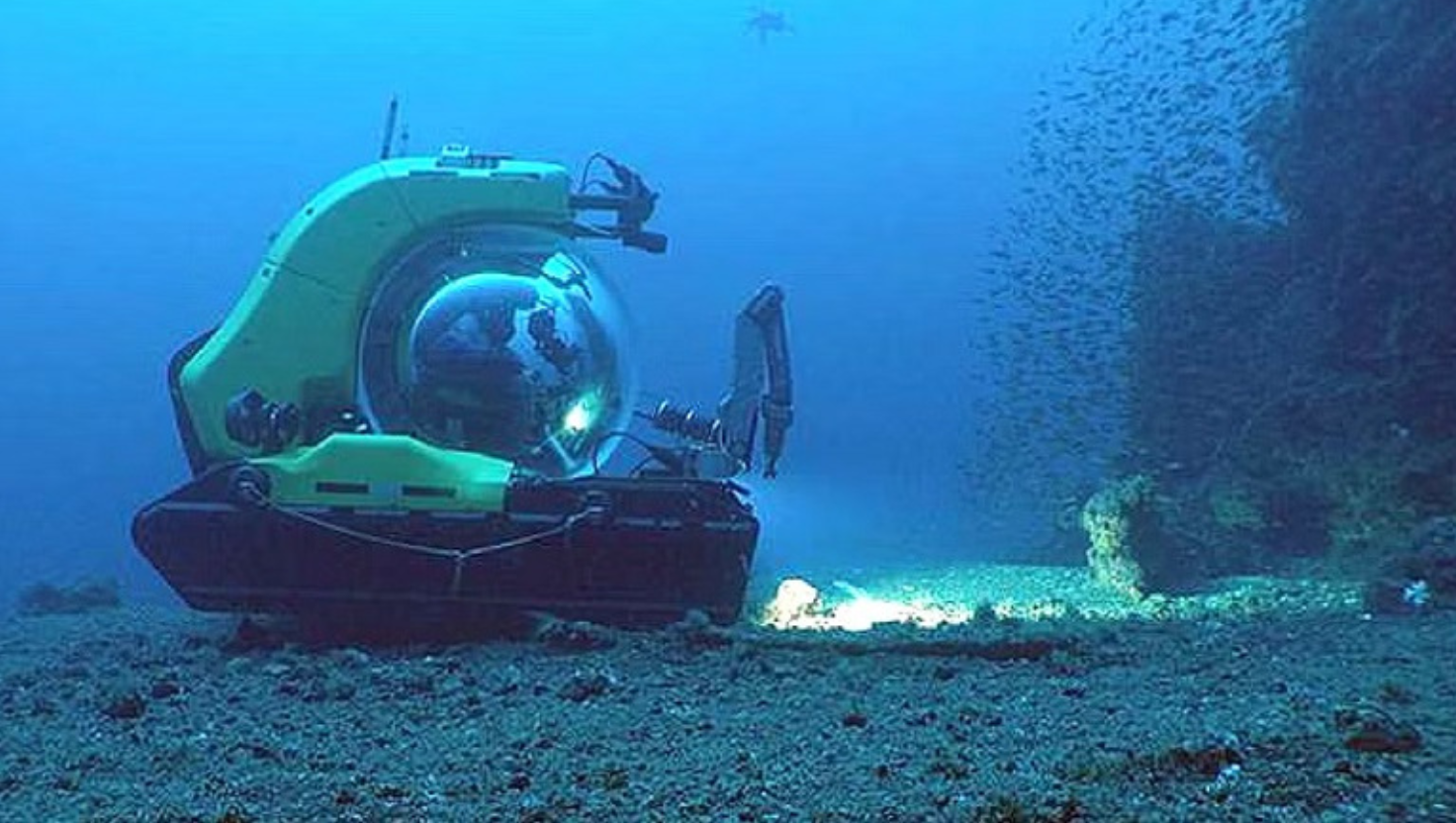
The National Deep Water Exploration Mission aims to boost offshore oil and gas discovery in the Andaman Sea and Andhra coast, reducing import dependence and strengthening India’s energy security.
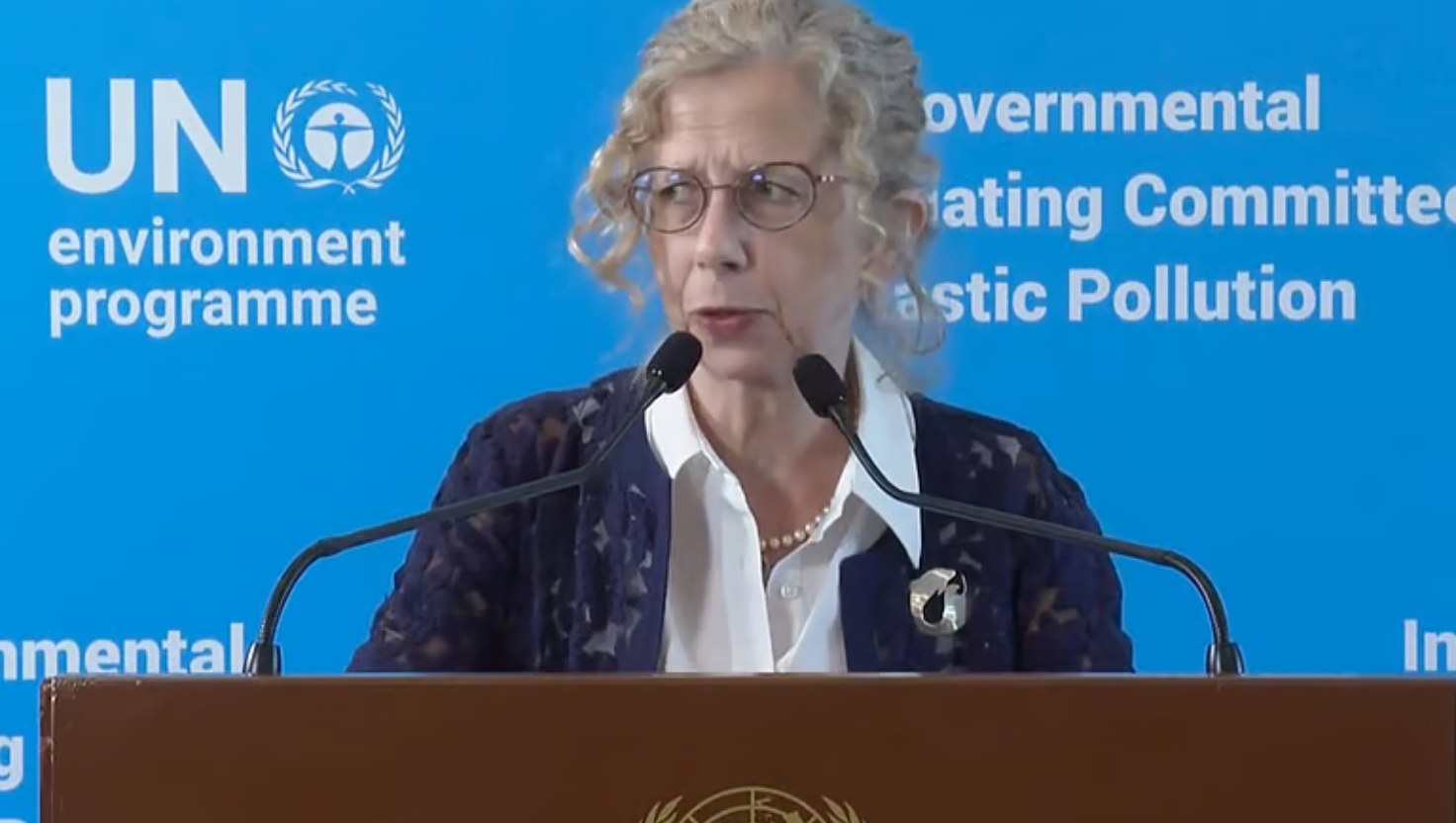
Global Plastic Treaty talks in Geneva ended in deadlock, with sharp divides over production cuts, finance, and binding measures on plastic pollution.
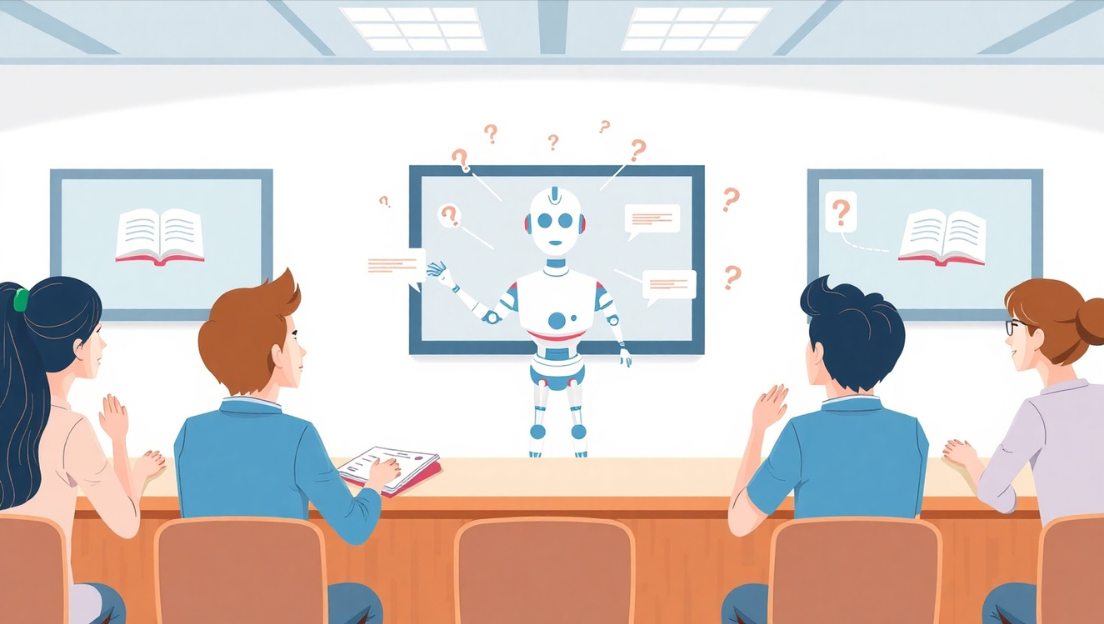
AI in Education is shifting from providing quick answers to acting as a Socratic partner, encouraging inquiry, critical thinking, and deeper learning.

The 1945 atomic bombings of Hiroshima and Nagasaki ended World War II, began the nuclear age, and reshaped global geopolitics and warfare ethics.

WHO–IARC classifies Hepatitis D virus as carcinogenic, raising urgency for HBV vaccination, universal testing, and stronger hepatitis control measures.

Carriage of Goods by Sea Bill, 2025 modernises maritime trade laws, adopts Hague–Visby Rules, and boosts India’s role as a global shipping hub.

Ectopic Pregnancies occur when a fertilised egg implants outside the uterus, posing serious risks; needs early diagnosis and urgent medical care.

India’s SIGHT Scheme achieves ₹55.75/kg Green Ammonia in SECI auction, boosting clean energy, fertiliser transition & green hydrogen adoption.
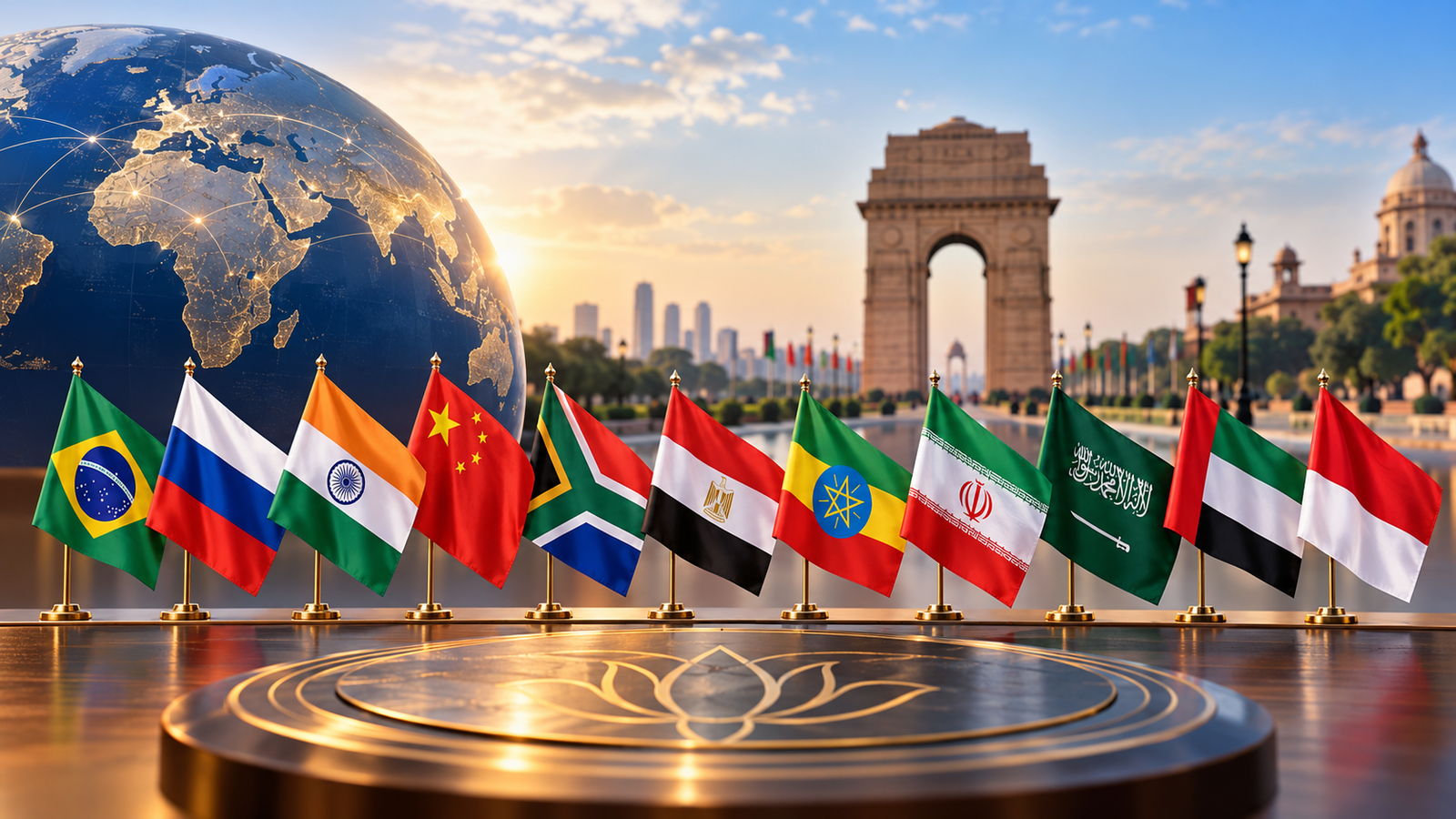
BRICS 2026: Explore the 18th BRICS Summit in New Delhi,
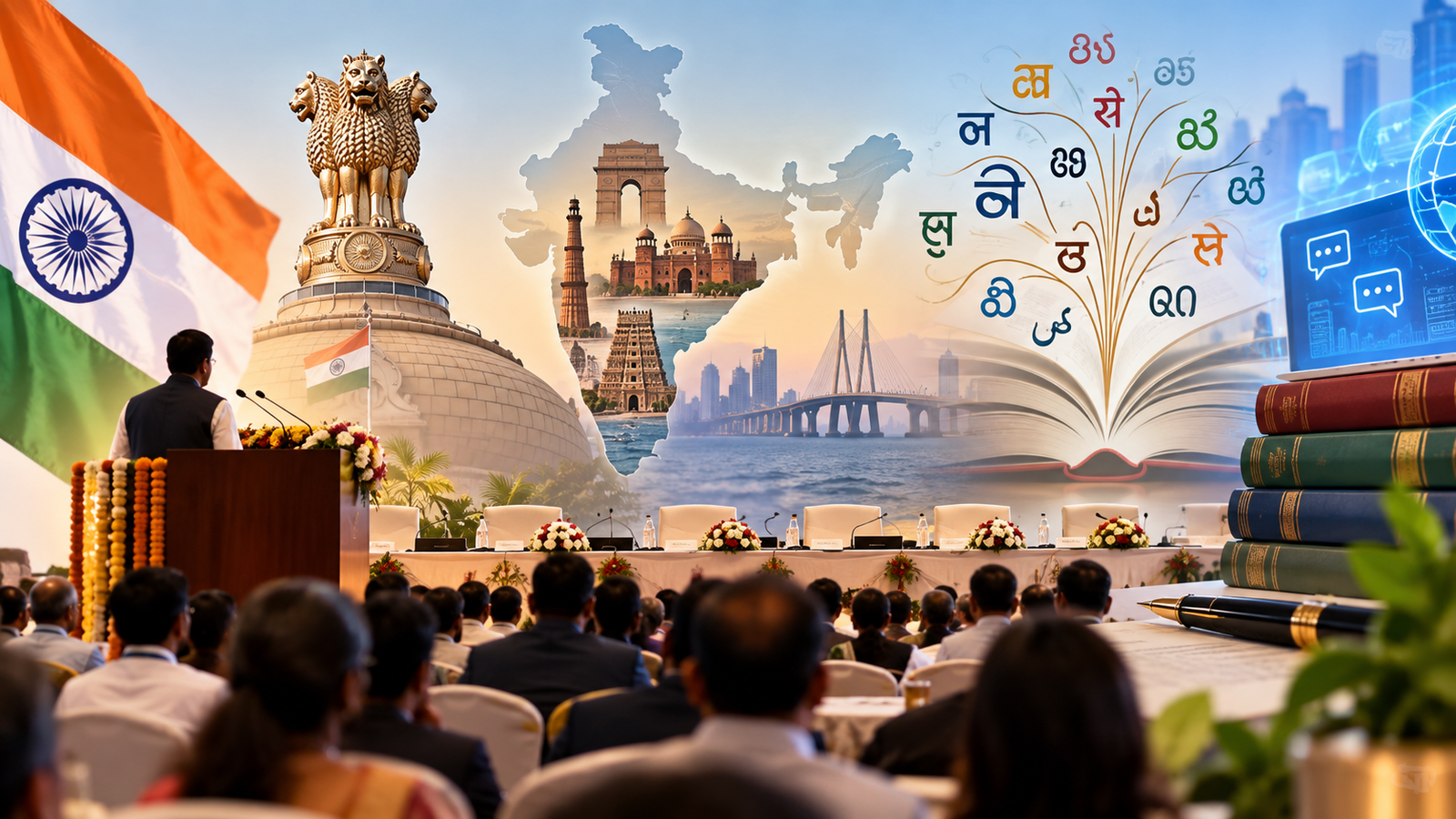
6th All India Official Language Conference 2026 in Navi Mumbai:
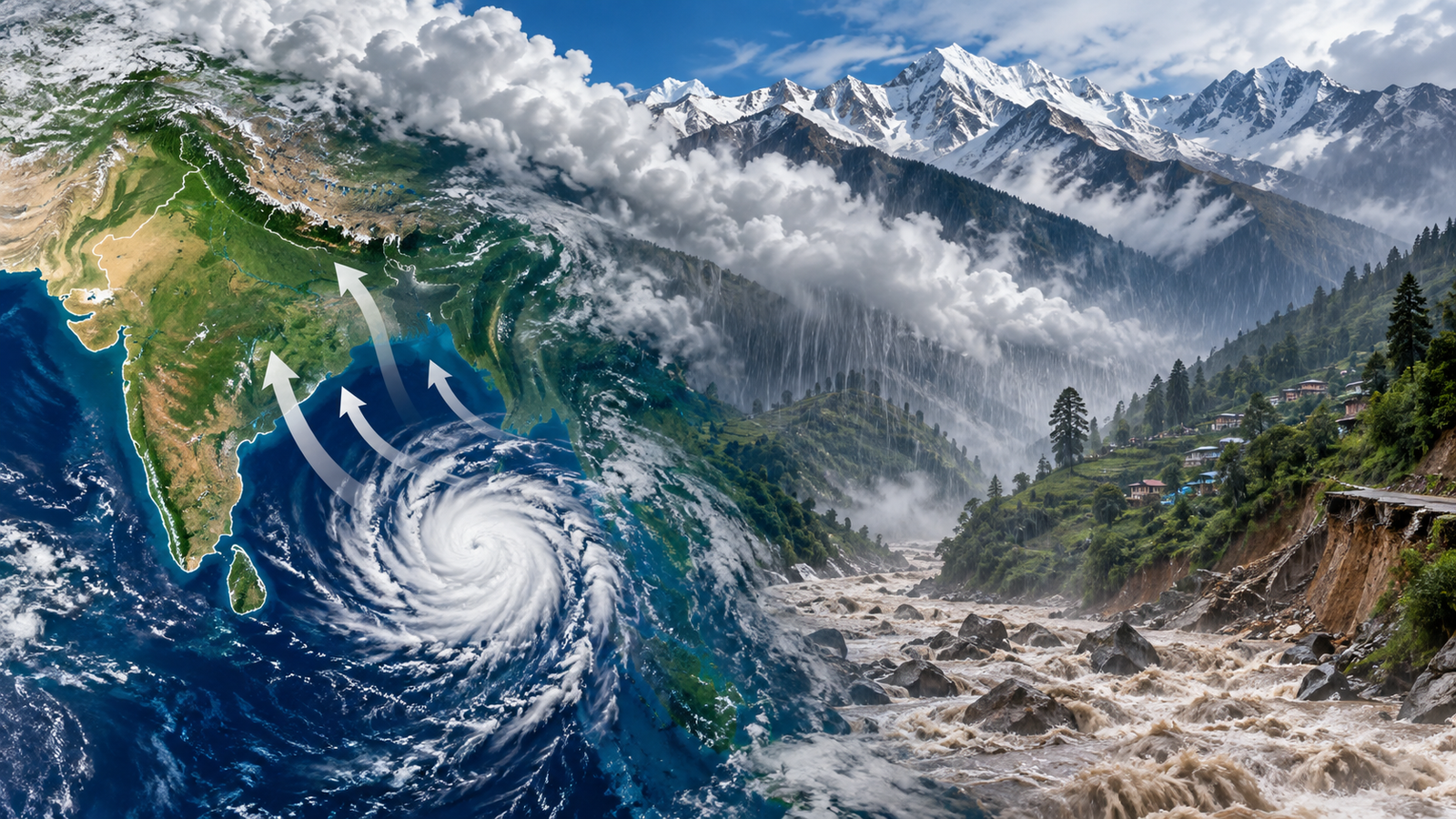
Discover how Bay of Bengal low-pressure systems shape India’s monsoon,
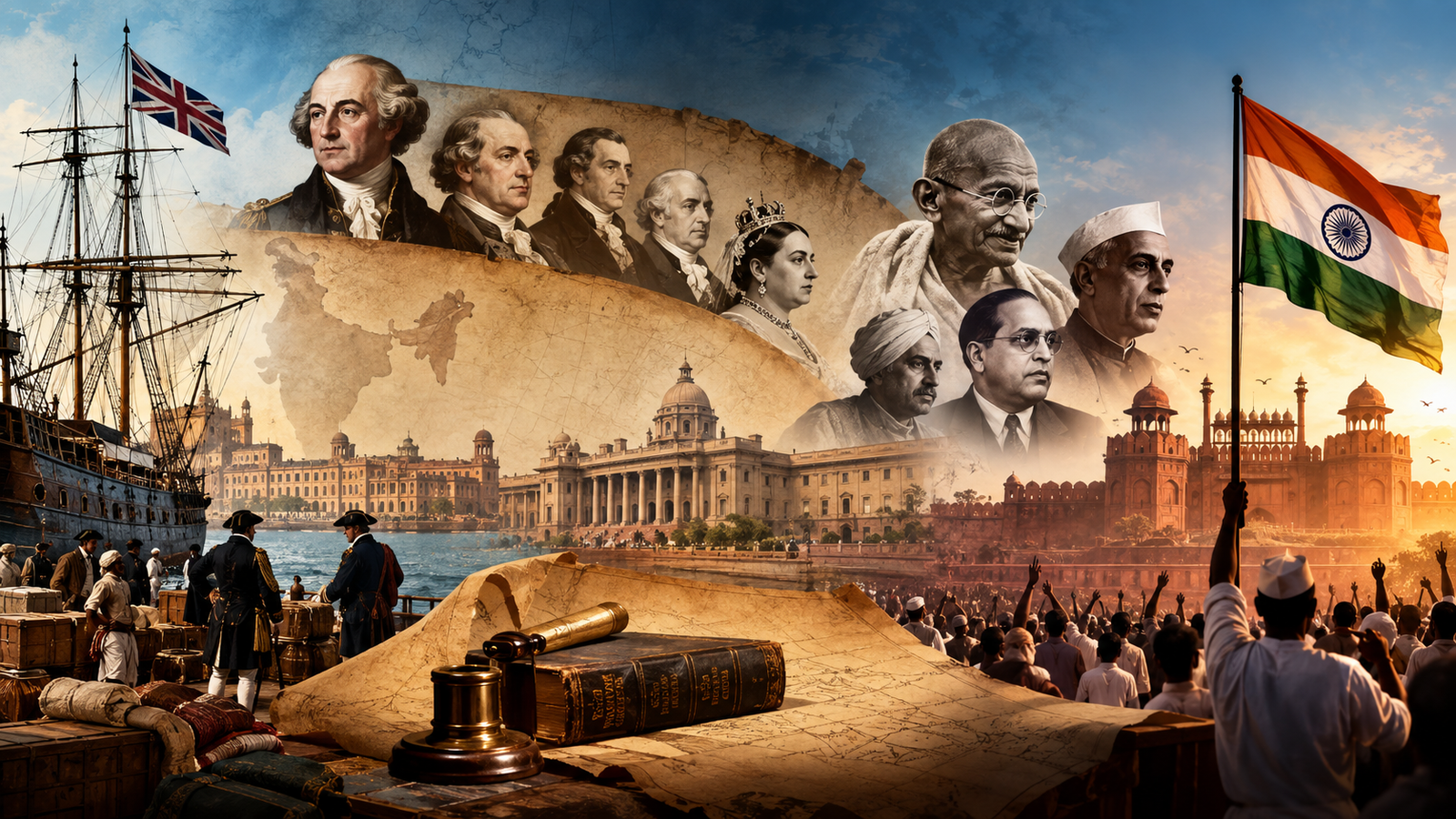
Explore the constitutional evolution of India from East India Company

Yojana June 2026 explores India’s journey towards a Naxal-free Bharat,
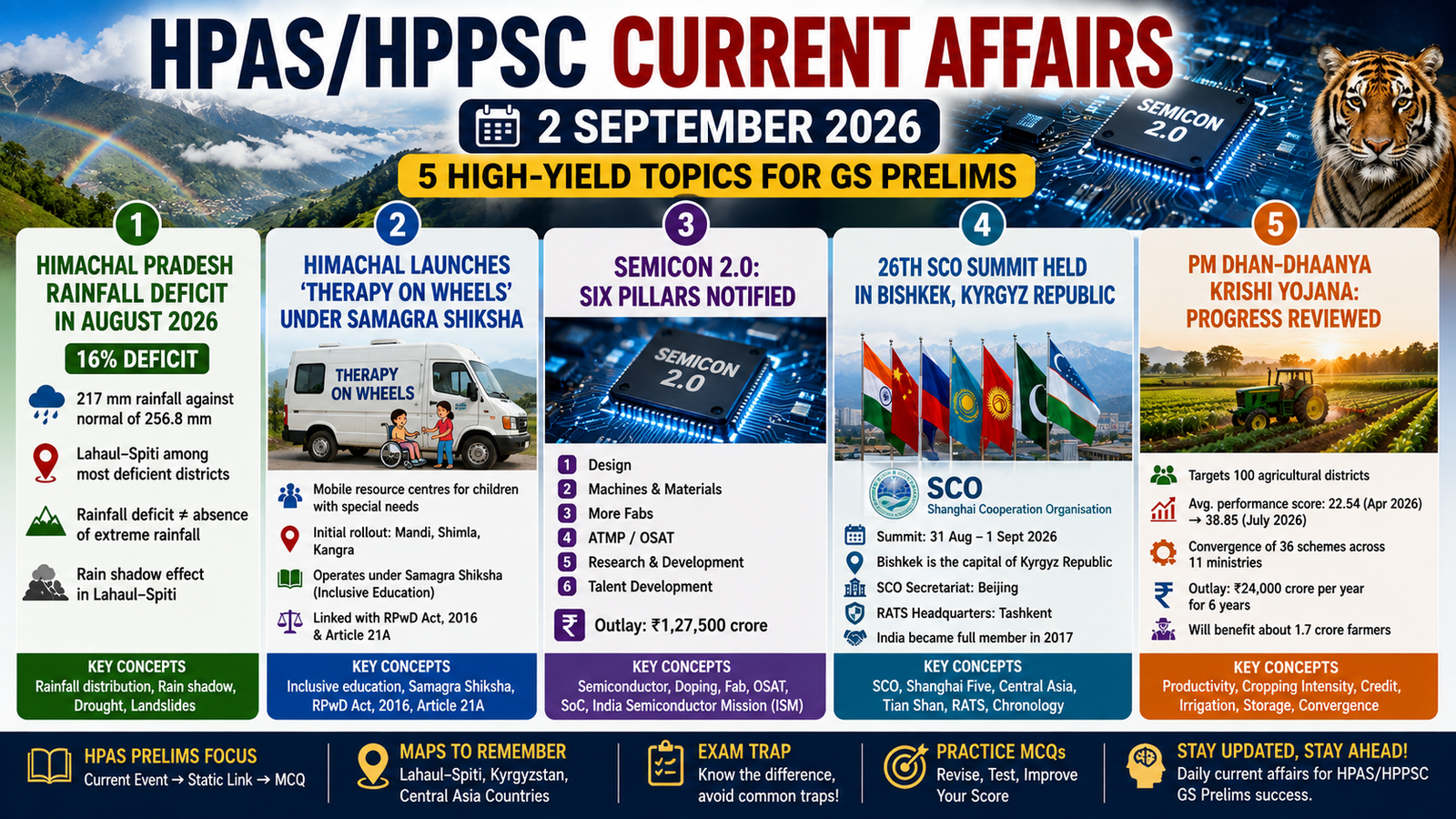
HPAS/HPPSC Current Affairs 2 September 2026: Himachal rainfall deficit, Therapy