
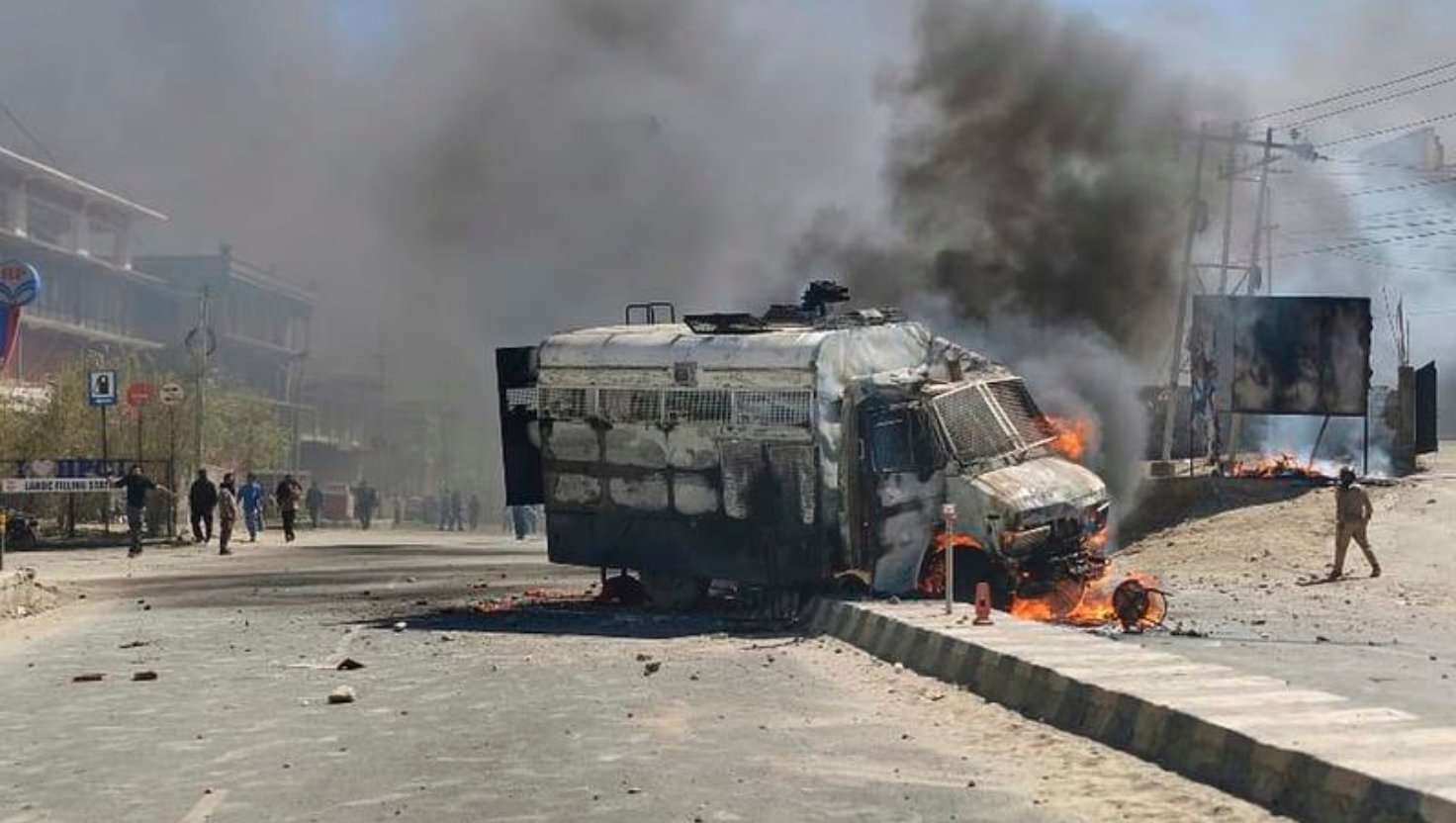
Ladakh Protests over Statehood and Sixth Schedule
Ladakh Protests over statehood and Sixth Schedule demand highlight tensions between democratic aspirations and national security.
Ladakh Protests over statehood and Sixth Schedule demand highlight tensions between democratic aspirations and national security.
Sixth Schedule ensures tribal autonomy in NE states; Ladakh demands inclusion citing 97% tribal population and ecological concerns.
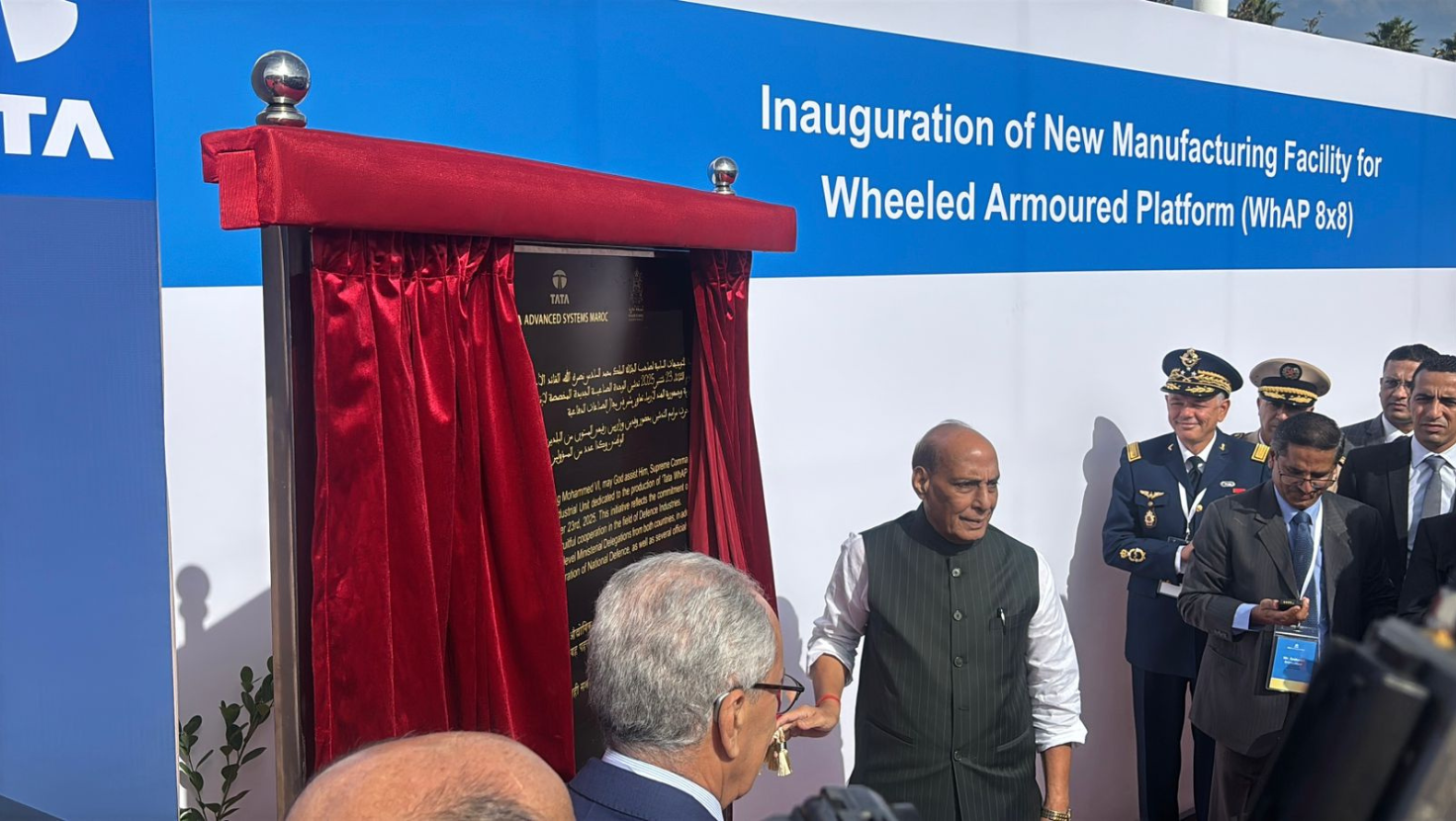
India’s first overseas defence facility in Morocco produces WhAP vehicles, boosting defence exports, India–Morocco ties, and local industry.
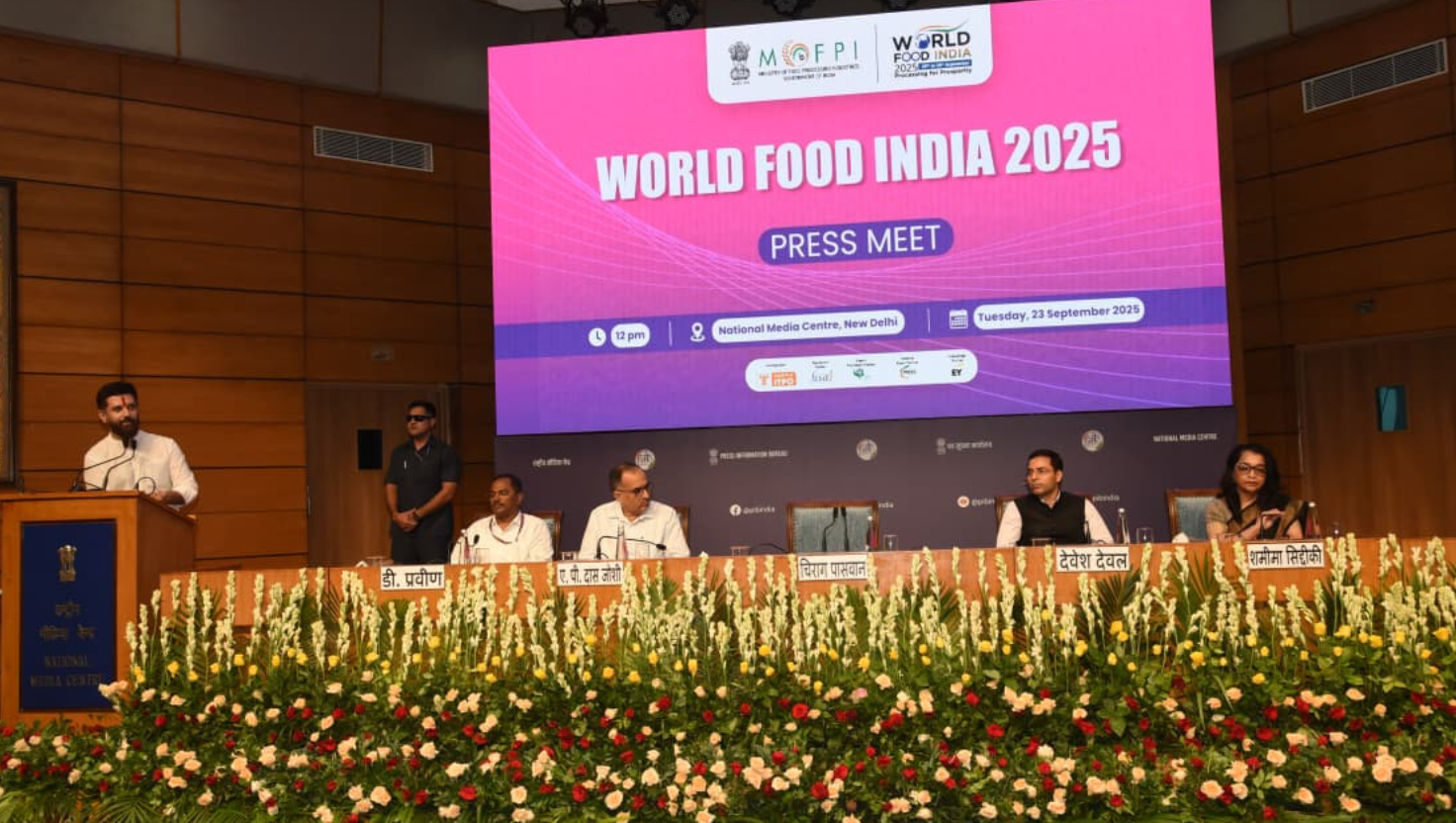
World Food India 2025 promotes India as a global food hub, focusing on investment, innovation, sustainability, and farm-to-fork growth.
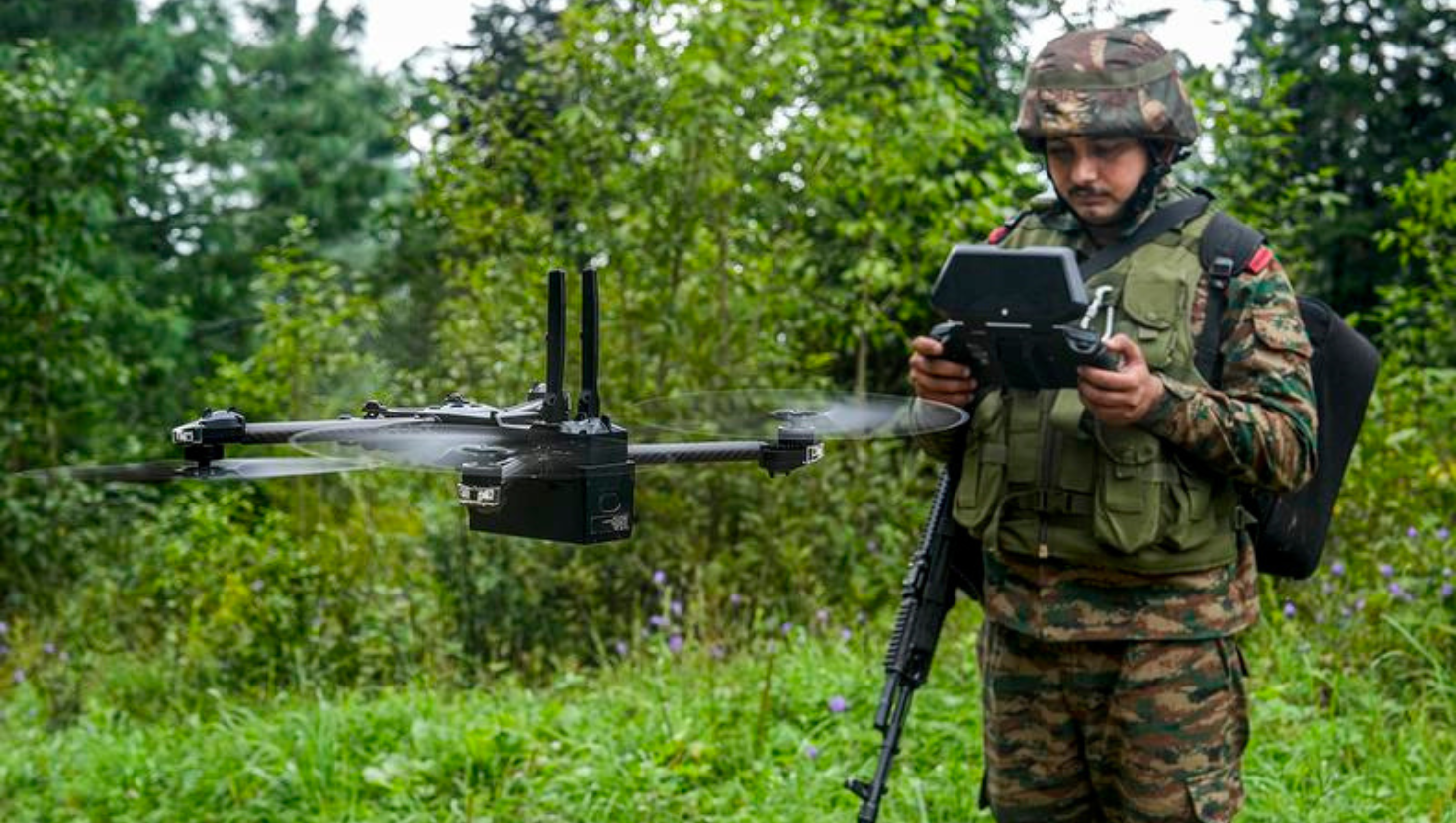
Exercise Cold Start is India’s largest tri-service drone drill, testing counter-drone systems and joint readiness for future conflicts.
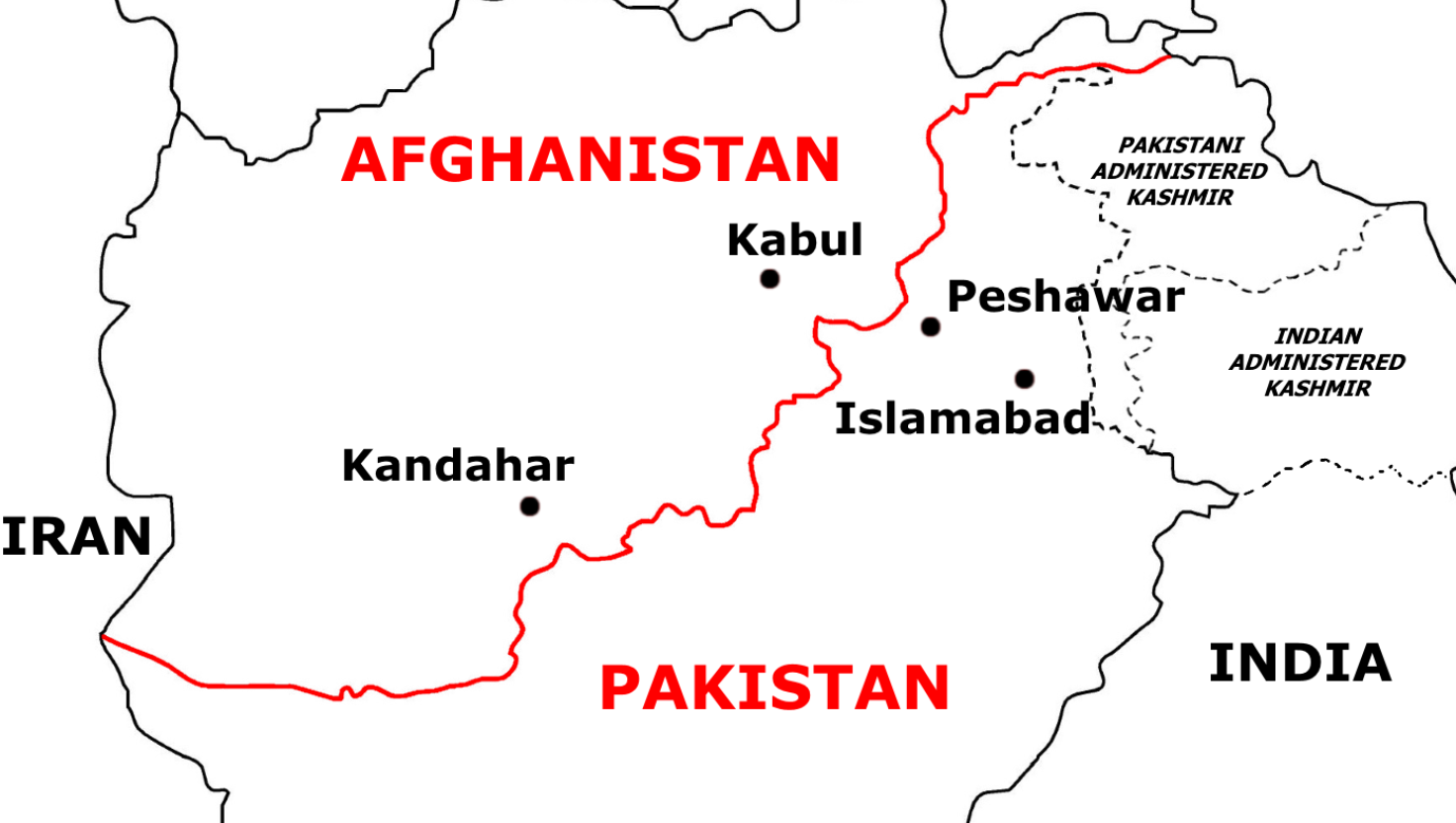
The Durand Line, a disputed 2,640 km border between Afghanistan and Pakistan, divides Pashtun tribes and fuels regional tensions.
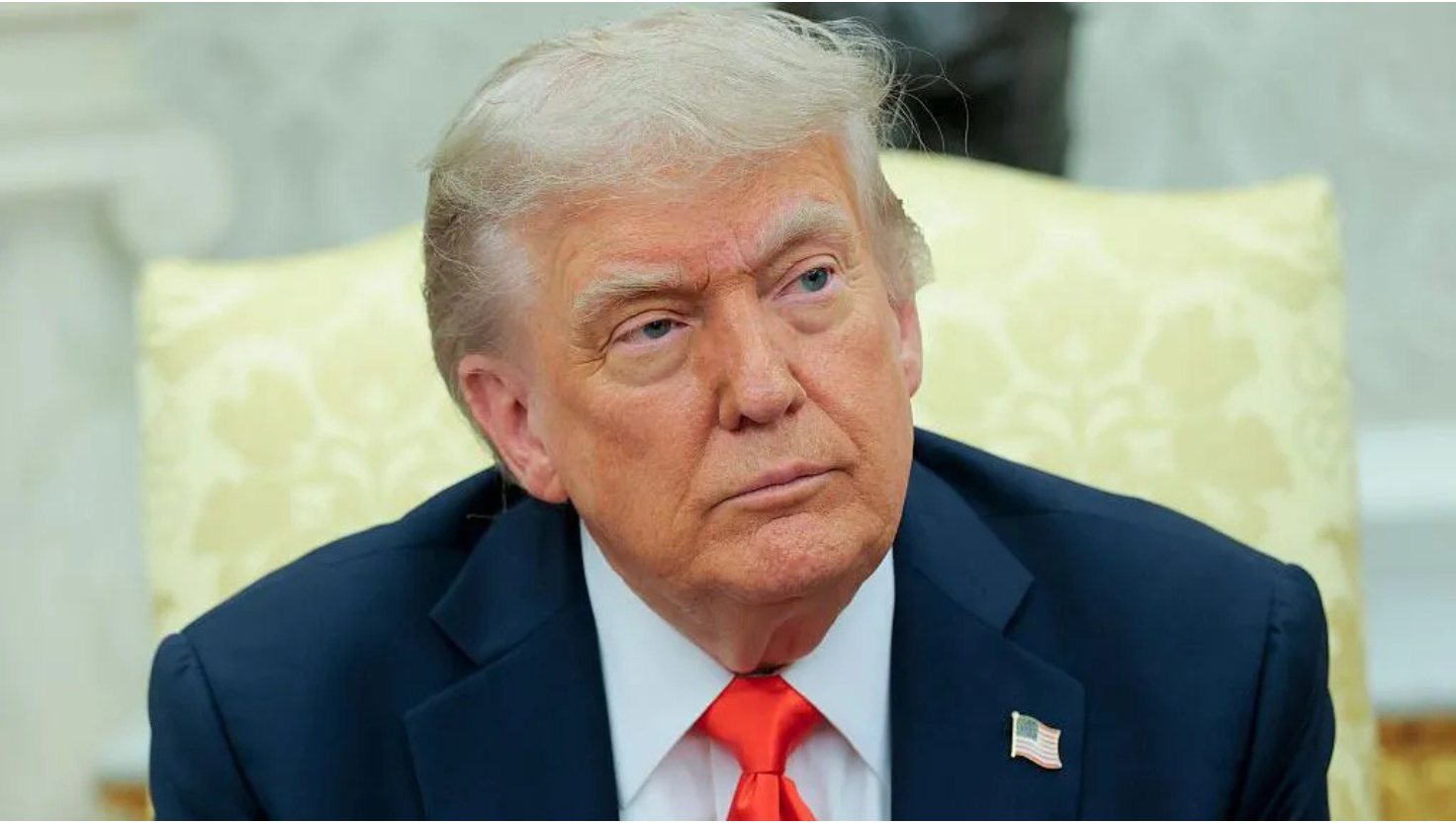
Antifa is a decentralised anti-fascist movement opposing far-right extremism, rooted in 1930s Europe and active in modern protests.
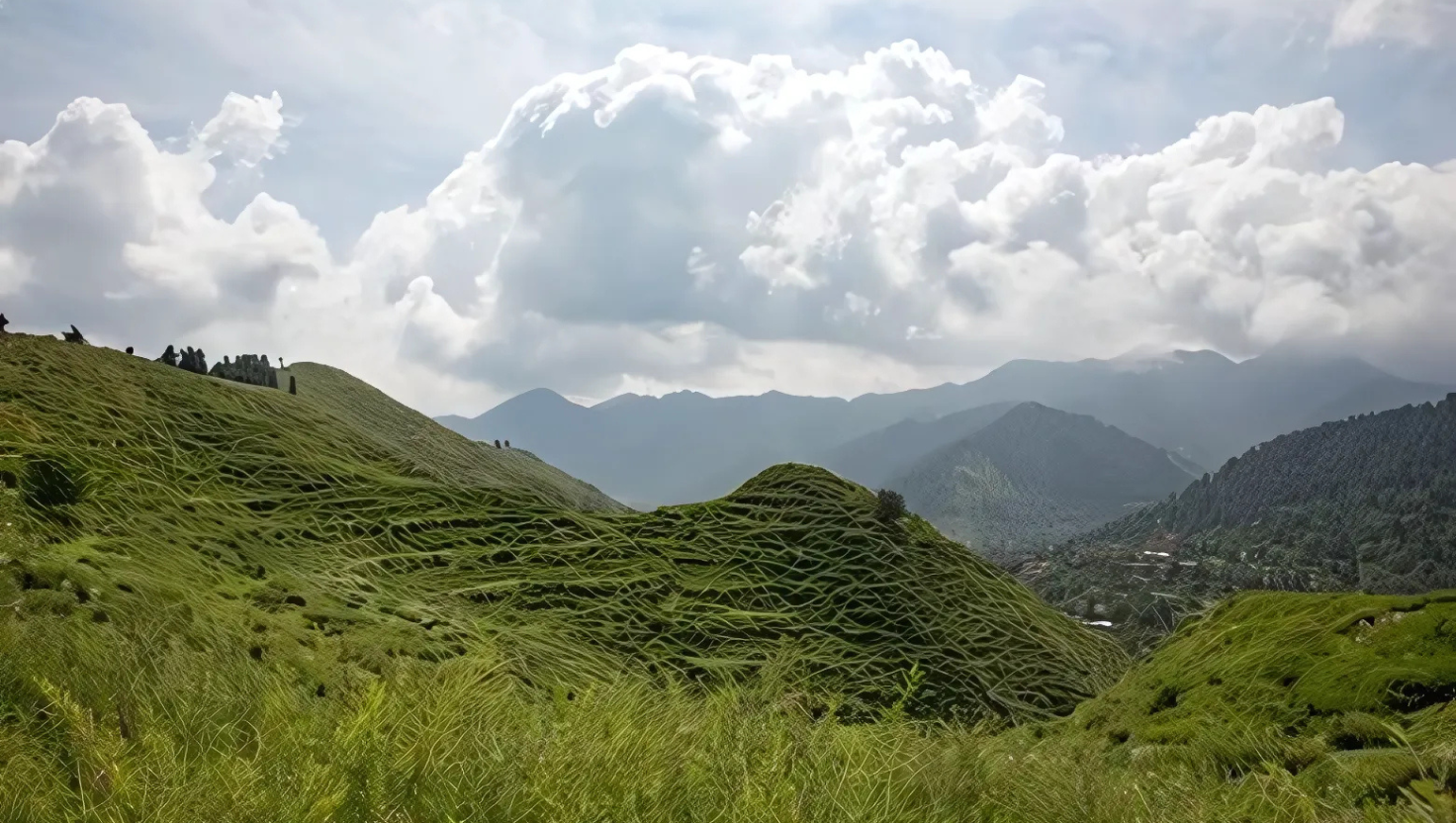
Tirah Valley in Pakistan’s Khyber Pakhtunkhwa is a tribal stronghold, historically resistant and strategically vital near the Afghan border.
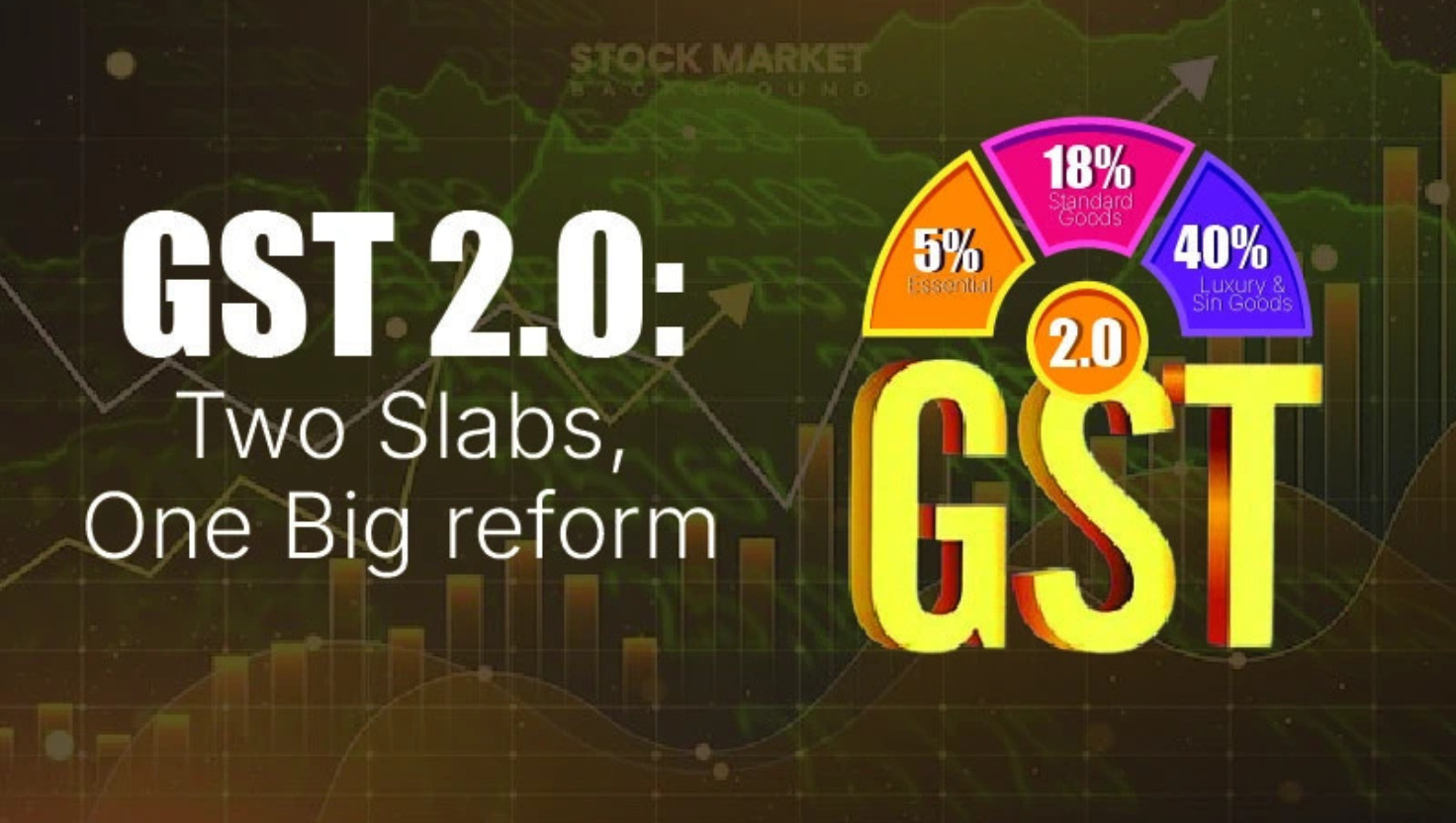
GST 2.0 simplifies tax slabs, lowers rates on essentials, boosts consumption, and encourages investment across key sectors.
CORE Programme strengthens civil–military coordination, strategic leadership, and preparedness for multidimensional security threats
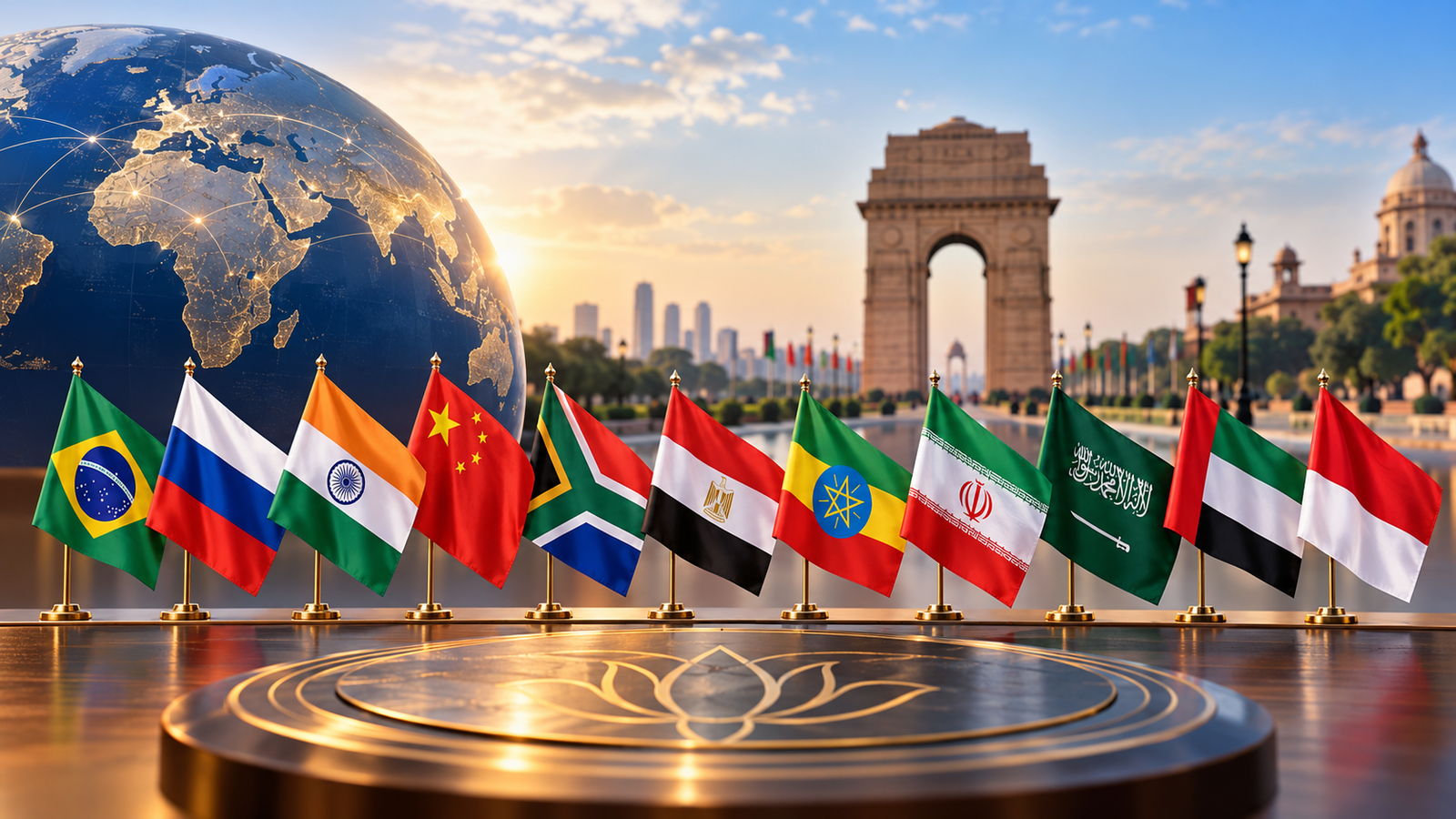
BRICS 2026: Explore the 18th BRICS Summit in New Delhi,
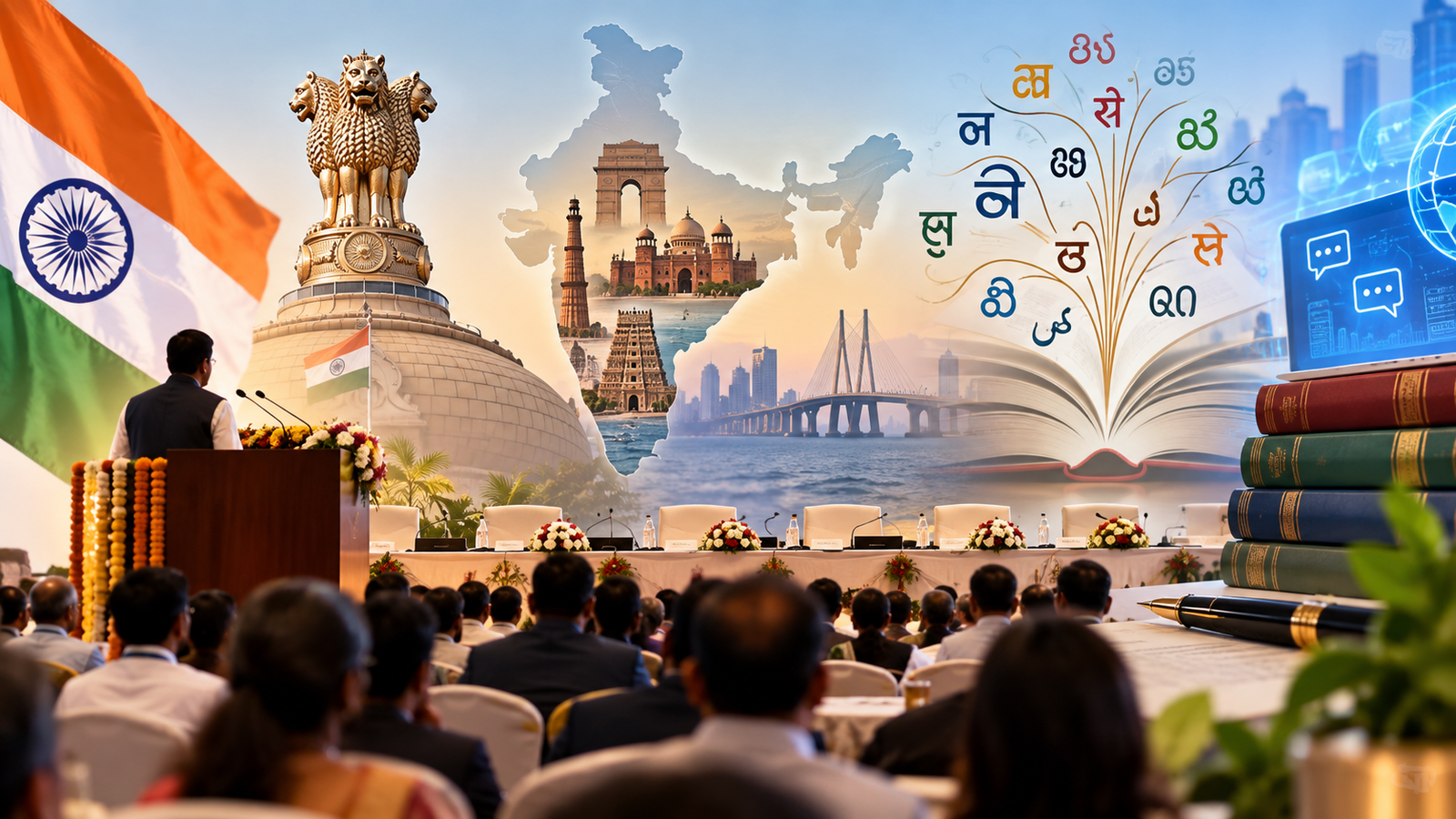
6th All India Official Language Conference 2026 in Navi Mumbai:
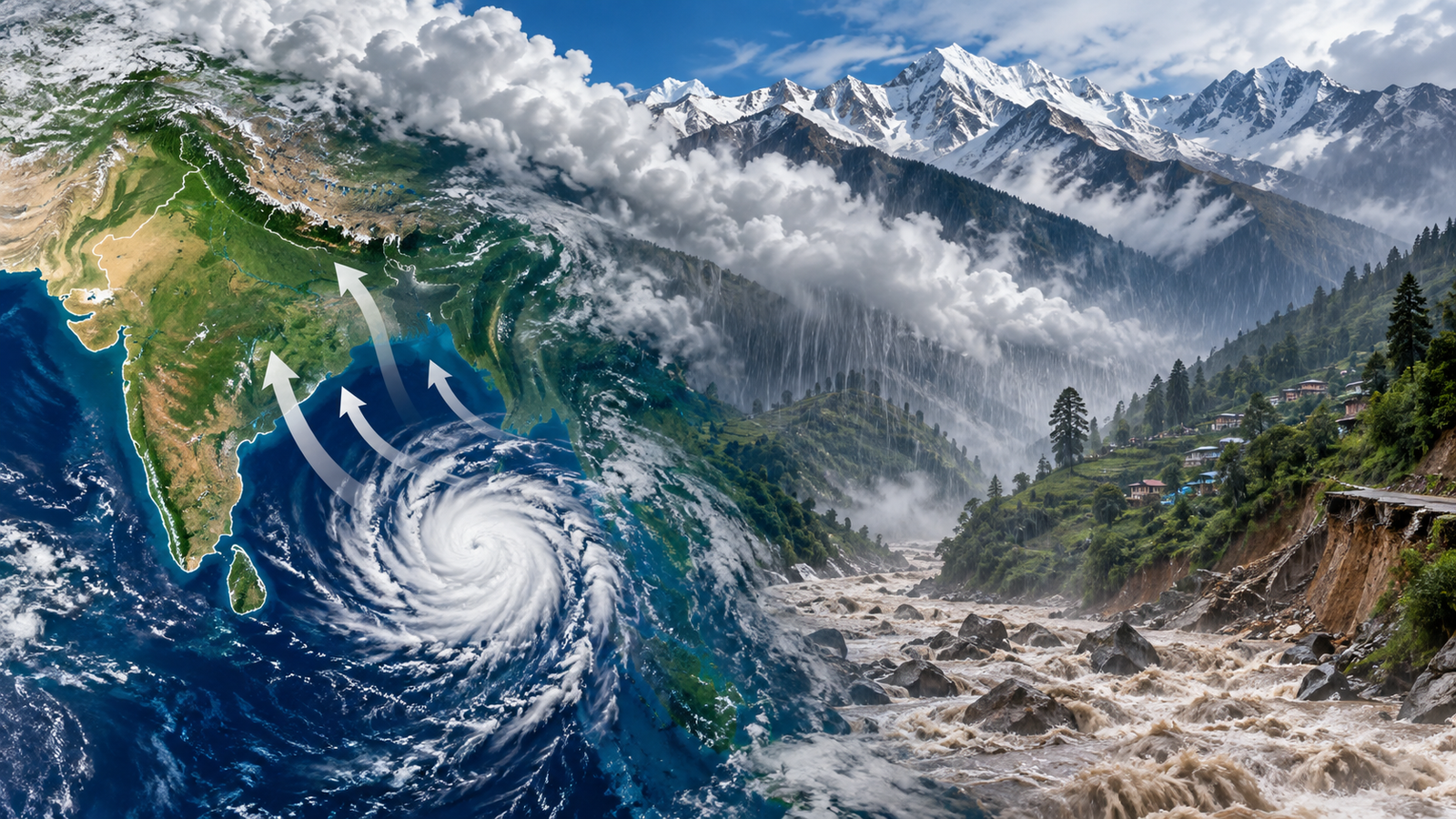
Discover how Bay of Bengal low-pressure systems shape India’s monsoon,
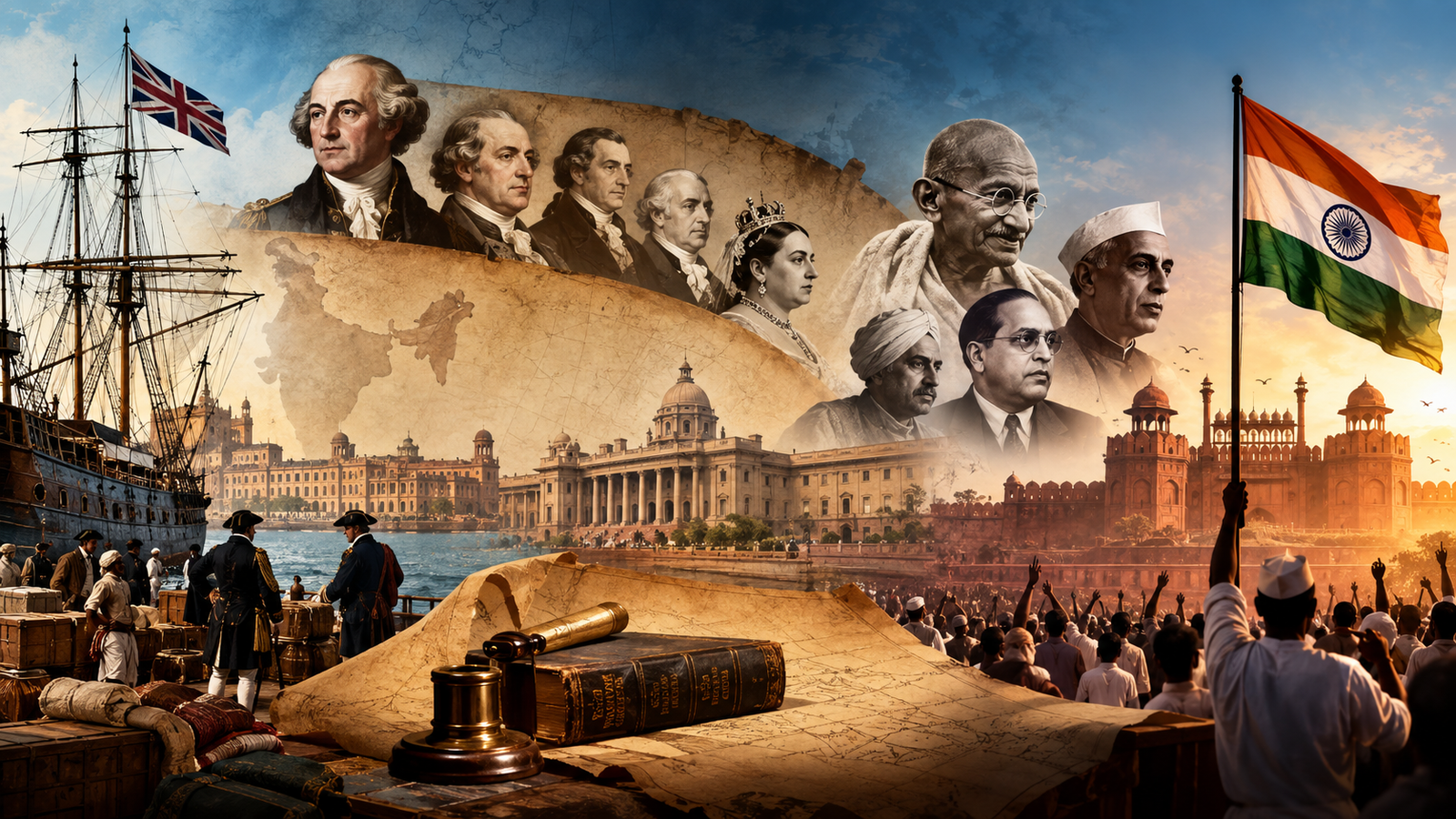
Explore the constitutional evolution of India from East India Company
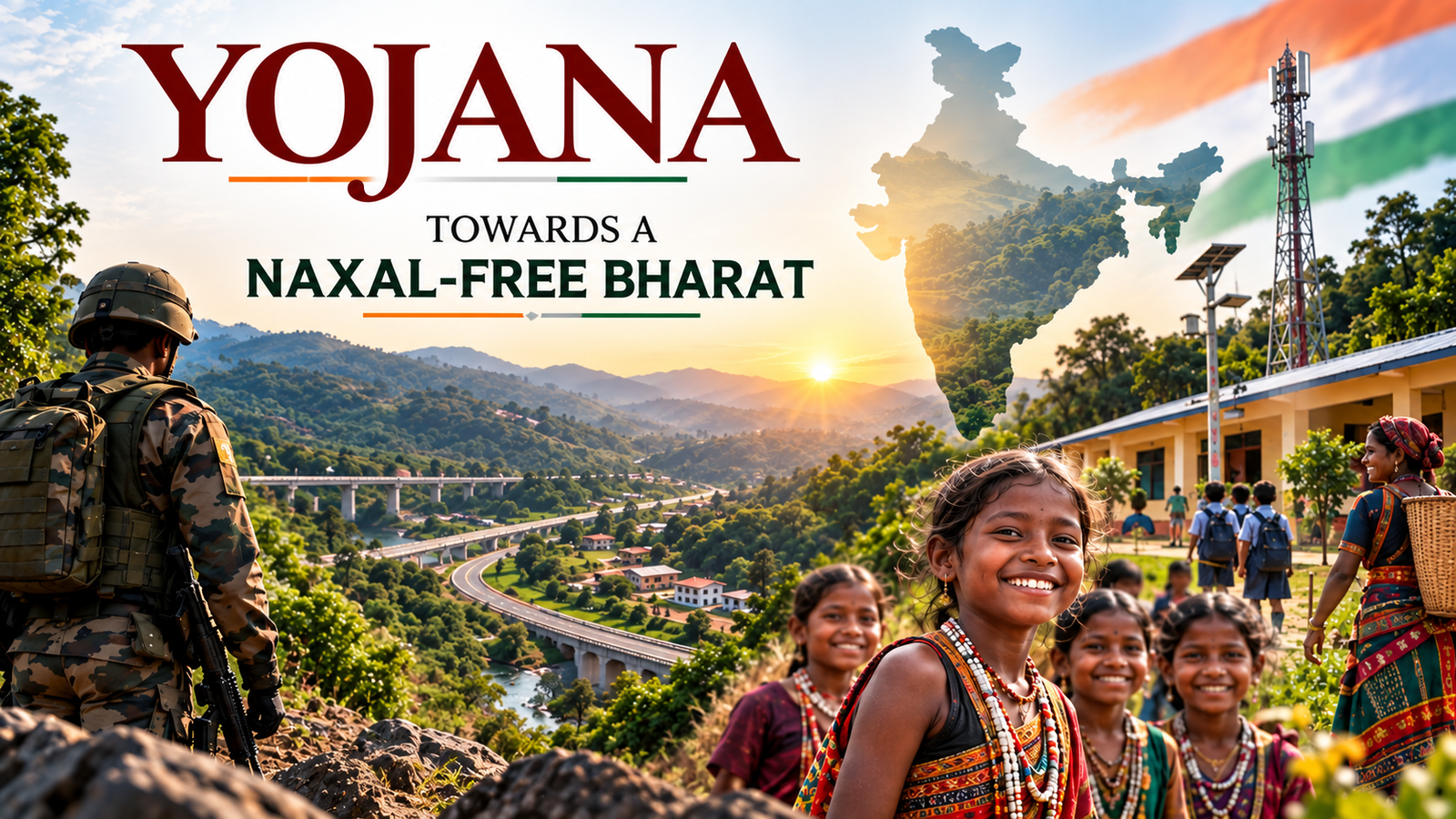
Yojana June 2026 explores India’s journey towards a Naxal-free Bharat,
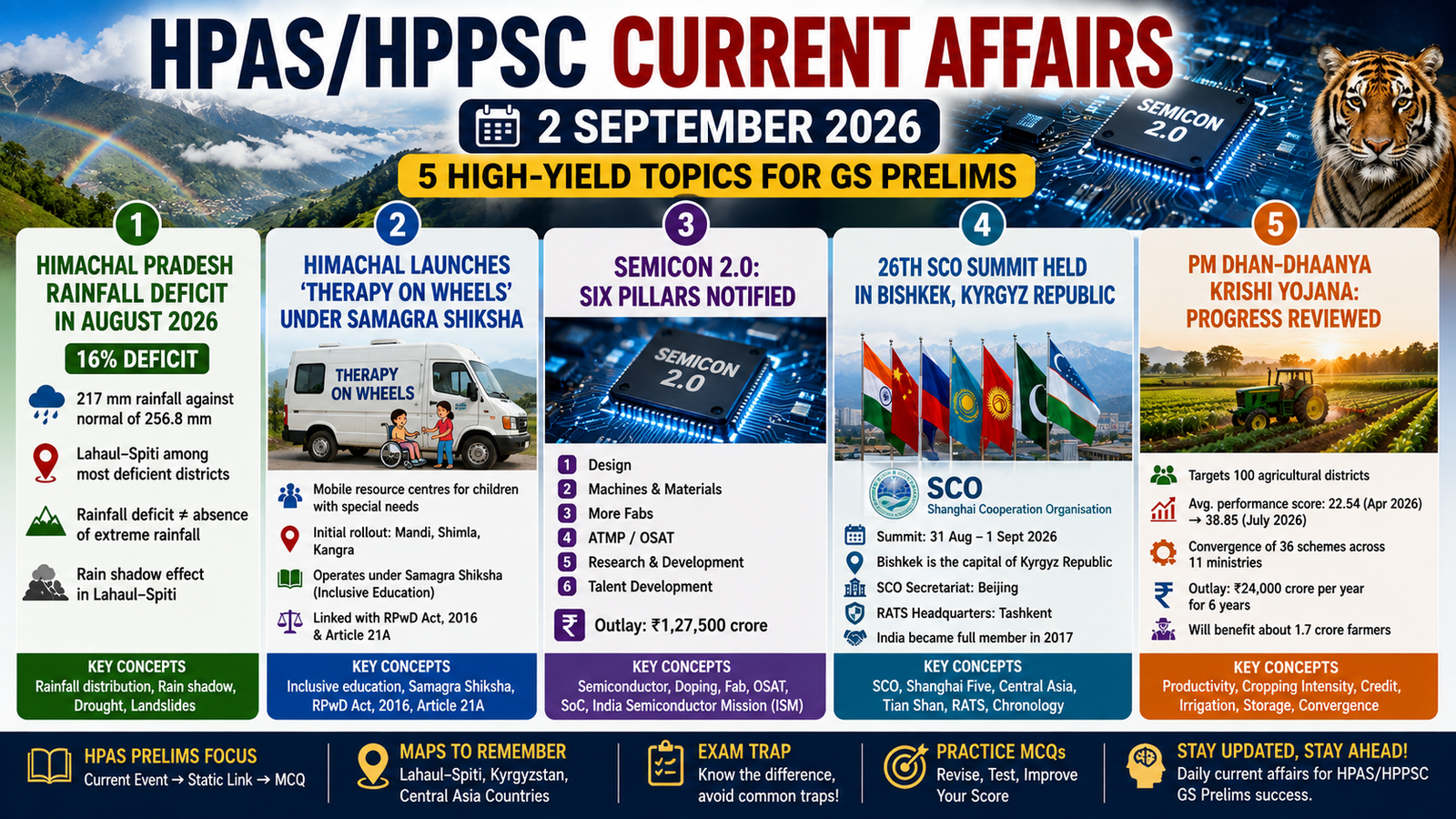
HPAS/HPPSC Current Affairs 2 September 2026: Himachal rainfall deficit, Therapy