

Model Code of Conduct (MCC)
The Model Code of Conduct ensures free and fair elections by regulating political behaviour and preventing misuse of government power during polls.
The Model Code of Conduct ensures free and fair elections by regulating political behaviour and preventing misuse of government power during polls.

NITI Aayog’s roadmap aims to use frontier technologies to boost farm productivity, sustainability, and inclusive growth by 2047.

Lucknow joins UNESCO’s Creative Cities Network 2025 as a City of Gastronomy, celebrating its rich Awadhi cuisine and vibrant culinary heritage.
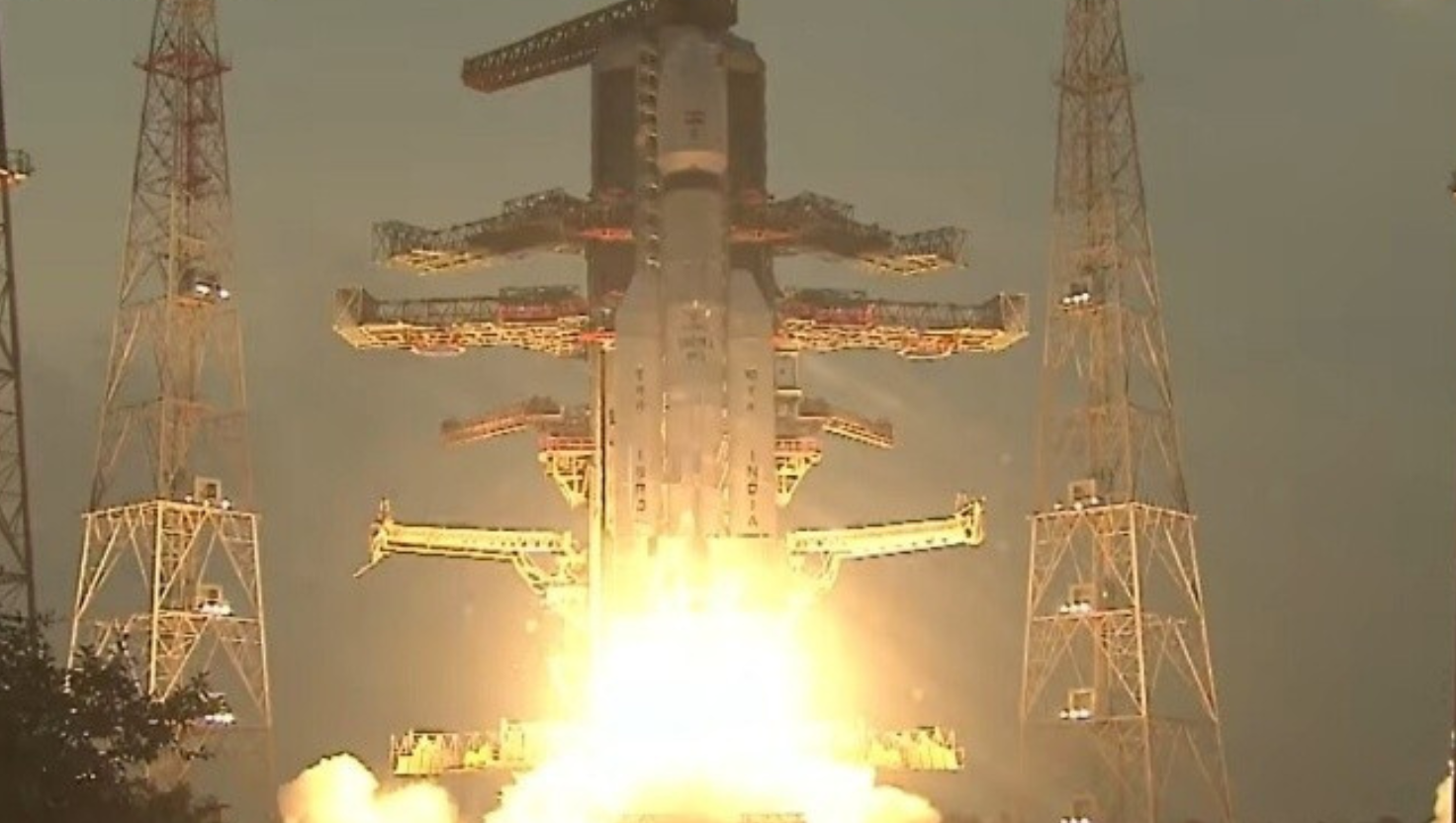
ISRO launches India’s heaviest satellite, CMS-03 (GSAT-7R), using the LVM3-M5 rocket, boosting secure communication and self-reliance in space tech.
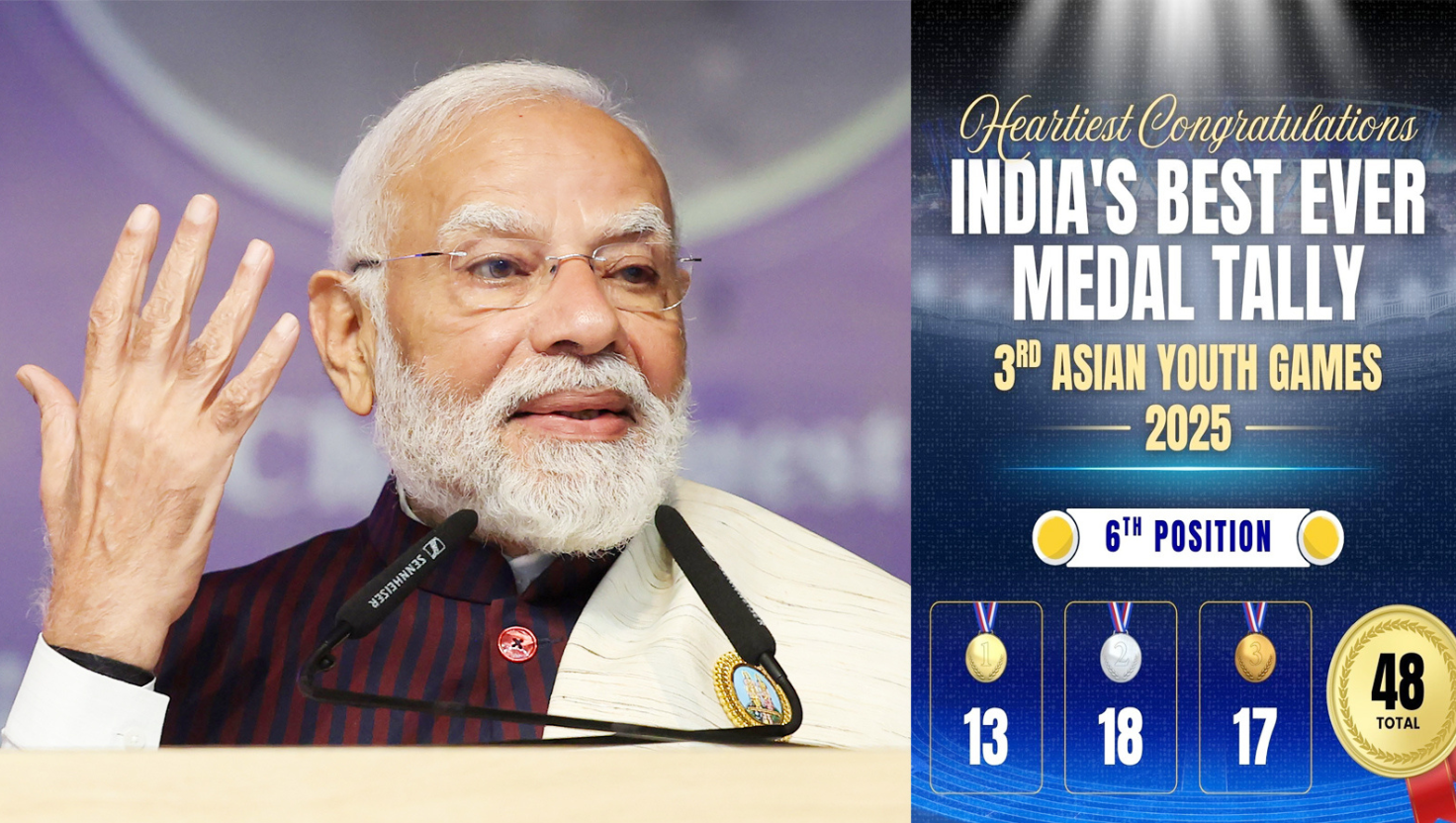
India shines at the Asian Youth Games 2025 in Bahrain, winning a record 48 medals — its best-ever performance, showcasing rising youth sports talent.
The Employee’s Enrolment Scheme 2025 allows employers to voluntarily enrol uncovered workers under EPF, expanding social security and formalisation.

Tanzania faces post-election unrest amid political tensions, even as it remains a key East African nation rich in natural and ecological diversity.
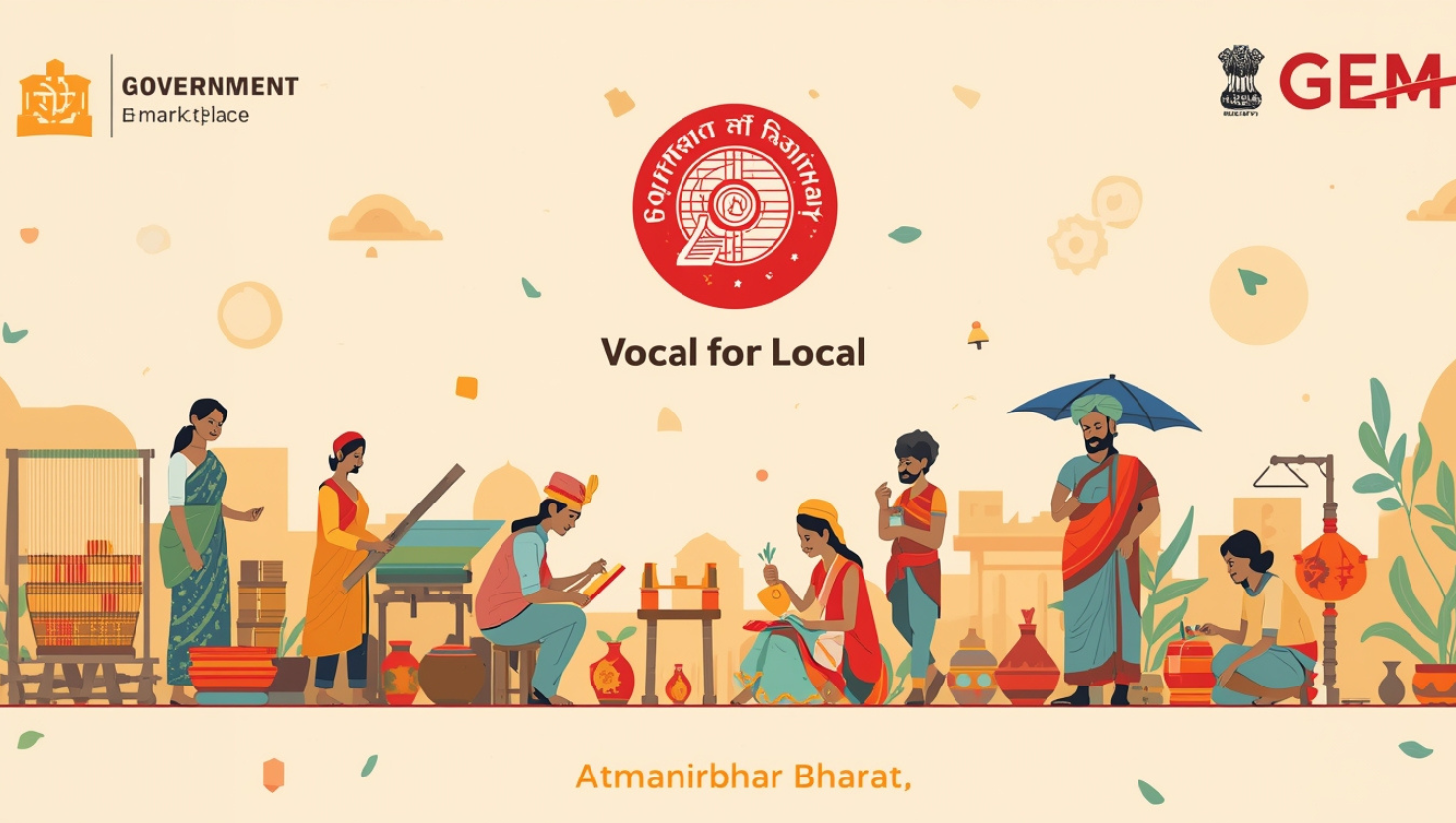
Indian Railways supports ‘Aabhar’ online store on GeM to boost sales of handloom, handicraft, and GI products by local artisans.
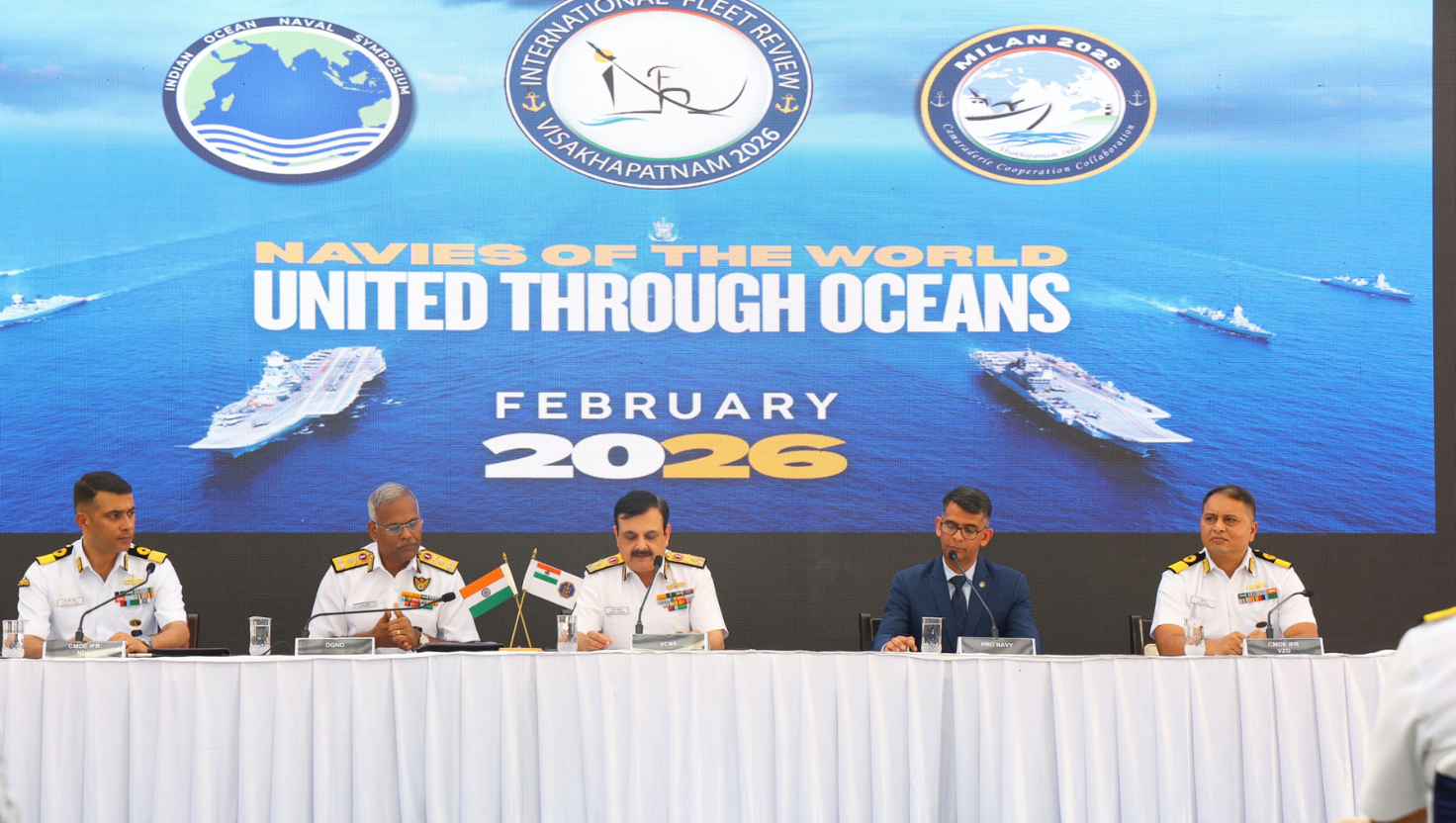
India to host Exercise MILAN 2026 at Visakhapatnam, uniting 40+ navies to advance maritime cooperation under the MAHASAGAR vision.
MHA announces Kendriya Grihmantri Dakshata Padak to honour 1,466 police personnel for excellence and integrity in national policing.
BRICS 2026: Explore the 18th BRICS Summit in New Delhi,
6th All India Official Language Conference 2026 in Navi Mumbai:
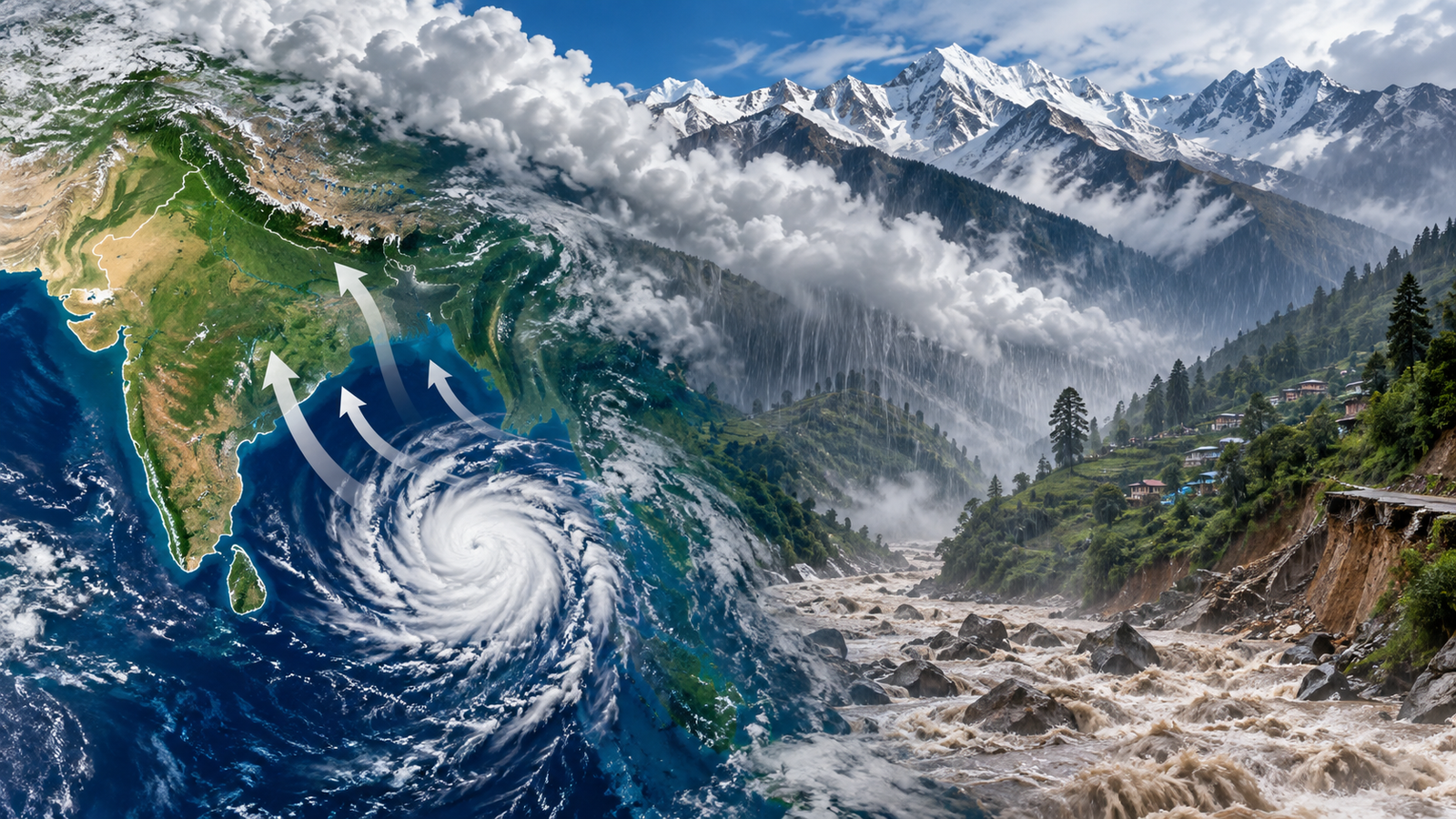
Discover how Bay of Bengal low-pressure systems shape India’s monsoon,
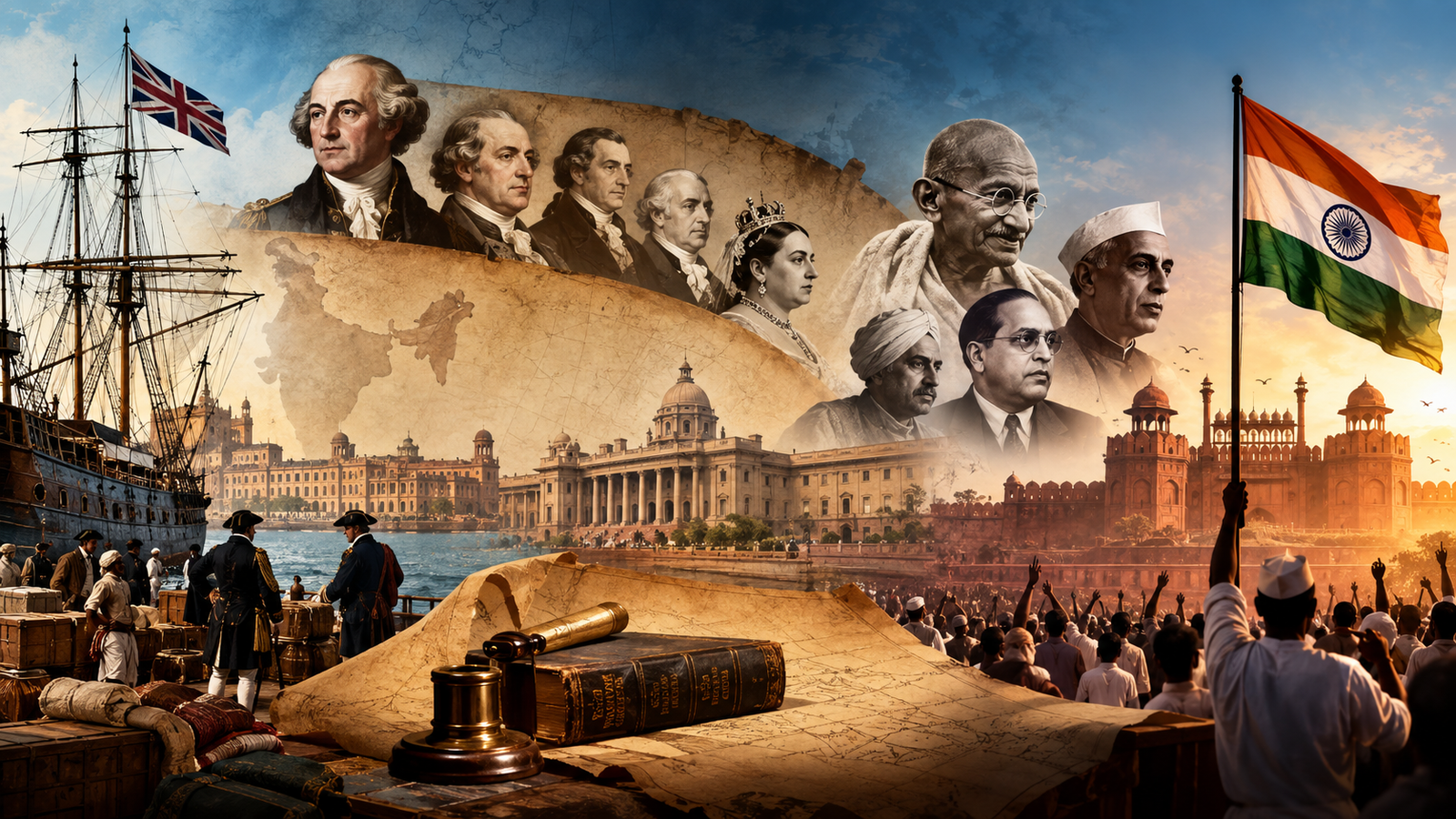
Explore the constitutional evolution of India from East India Company

Yojana June 2026 explores India’s journey towards a Naxal-free Bharat,
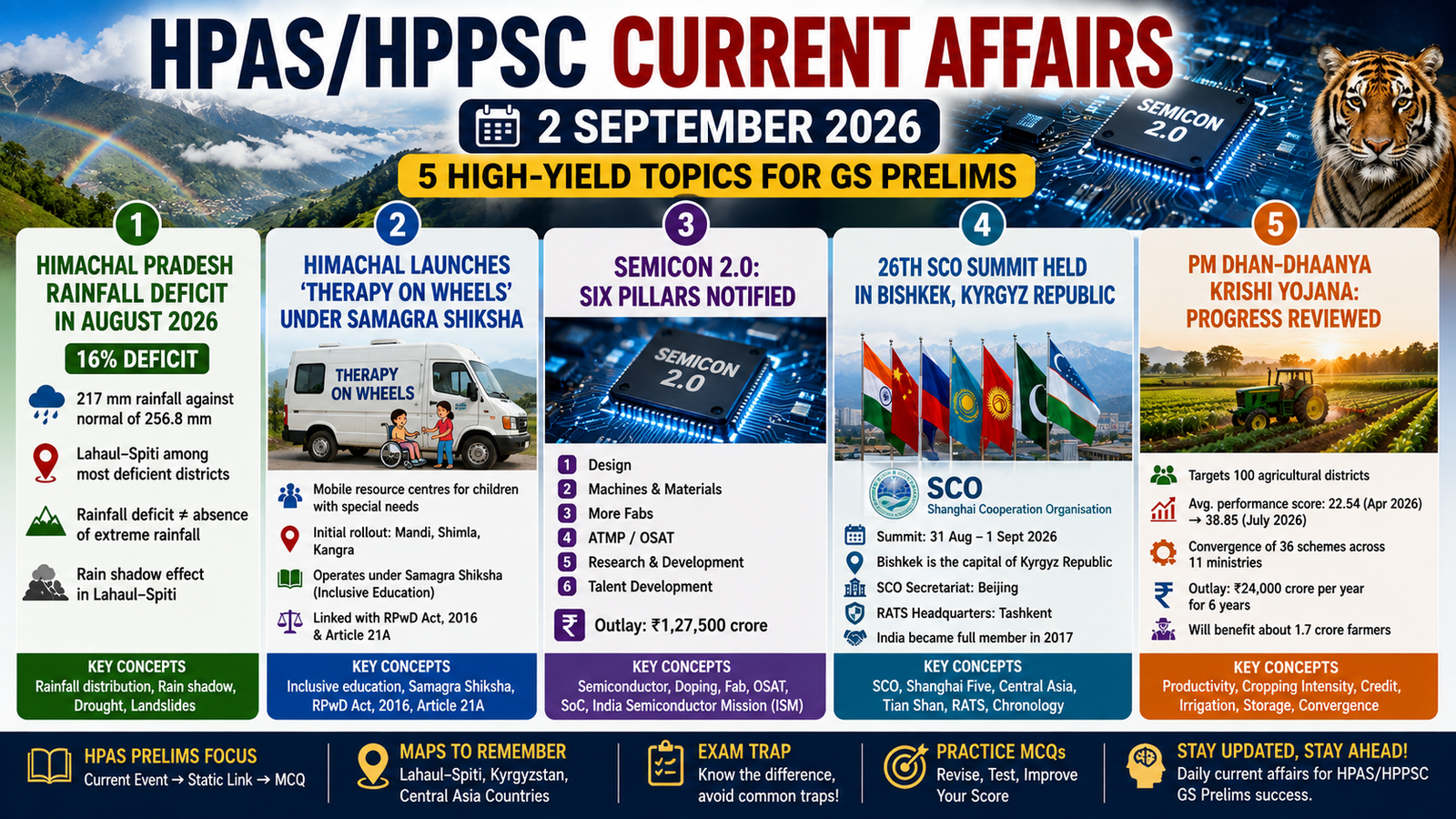
HPAS/HPPSC Current Affairs 2 September 2026: Himachal rainfall deficit, Therapy