

Children’s Booker Prize
The Children’s Booker Prize celebrates global fiction for ages 8–12, inspiring young readers and expanding the Booker legacy to children’s literature.
The Children’s Booker Prize celebrates global fiction for ages 8–12, inspiring young readers and expanding the Booker legacy to children’s literature.
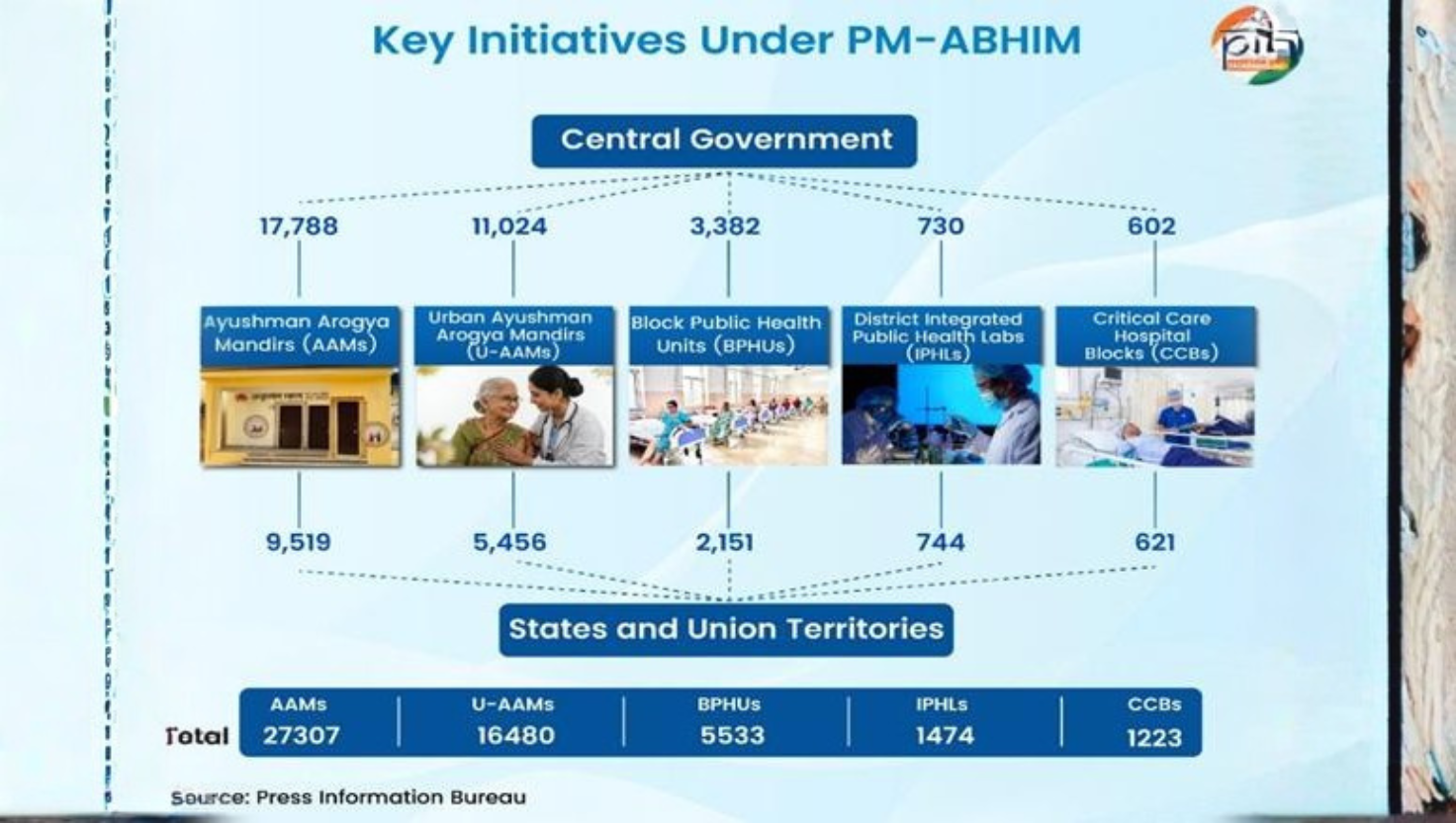
India’s PM–ABHIM strengthens pandemic-ready healthcare by upgrading infrastructure, expanding surveillance, and advancing Universal Health Coverage.

India’s Forex Reserves hit a record high, driven by rising gold holdings and RBI’s prudent management, strengthening currency stability and economic resilience.

India remains vigilant against Polio resurgence amid rising cases in neighbouring countries, reinforcing its commitment to sustained immunisation and surveillance.

The ICAI’s revised Code of Ethics promotes professional autonomy and transparency, marking a shift toward modern, value-based ethical standards in India.
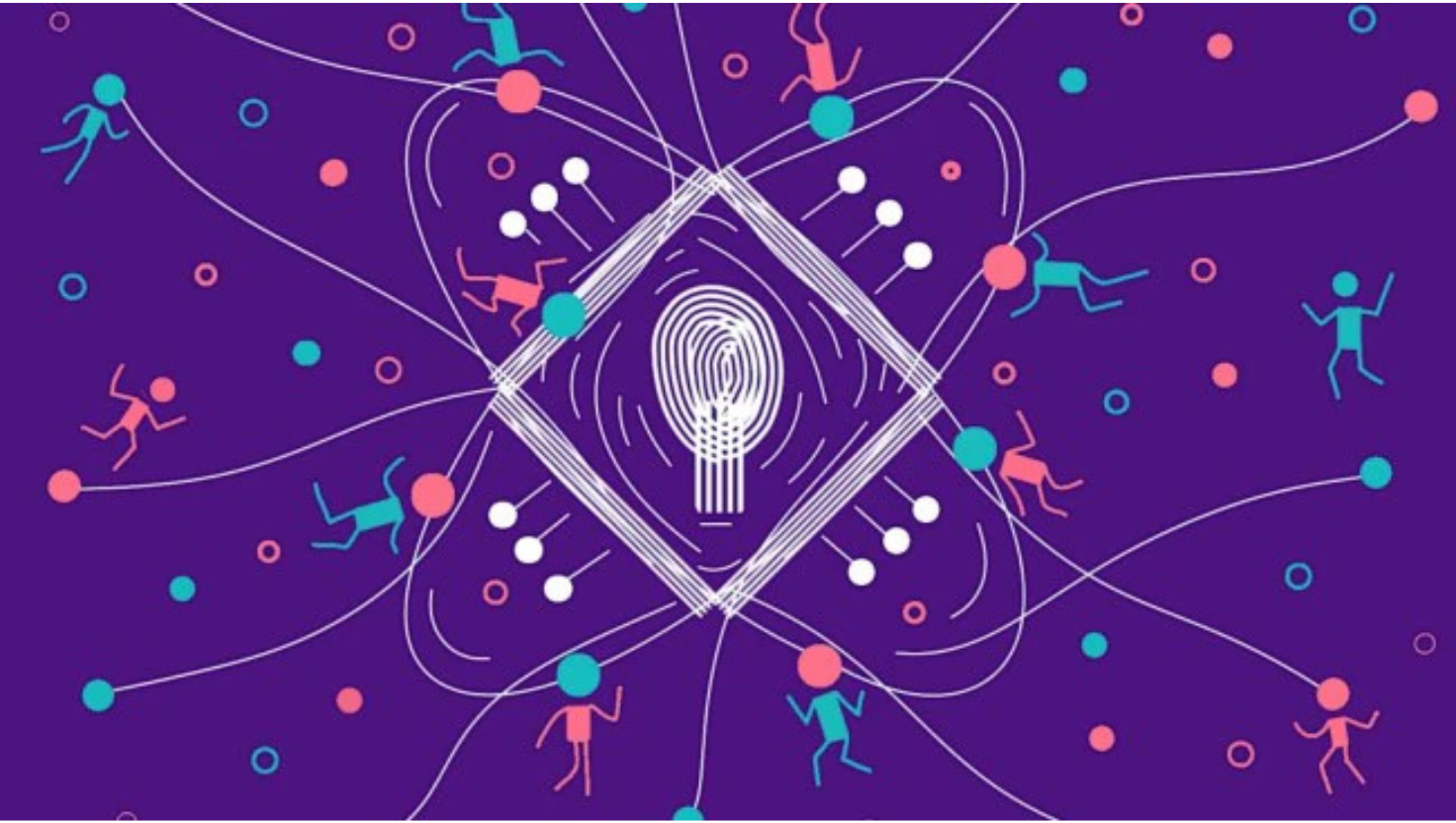
India’s new policies aim at Reversing the Brain Drain by bringing global talent home through research reforms, incentives, and innovation.
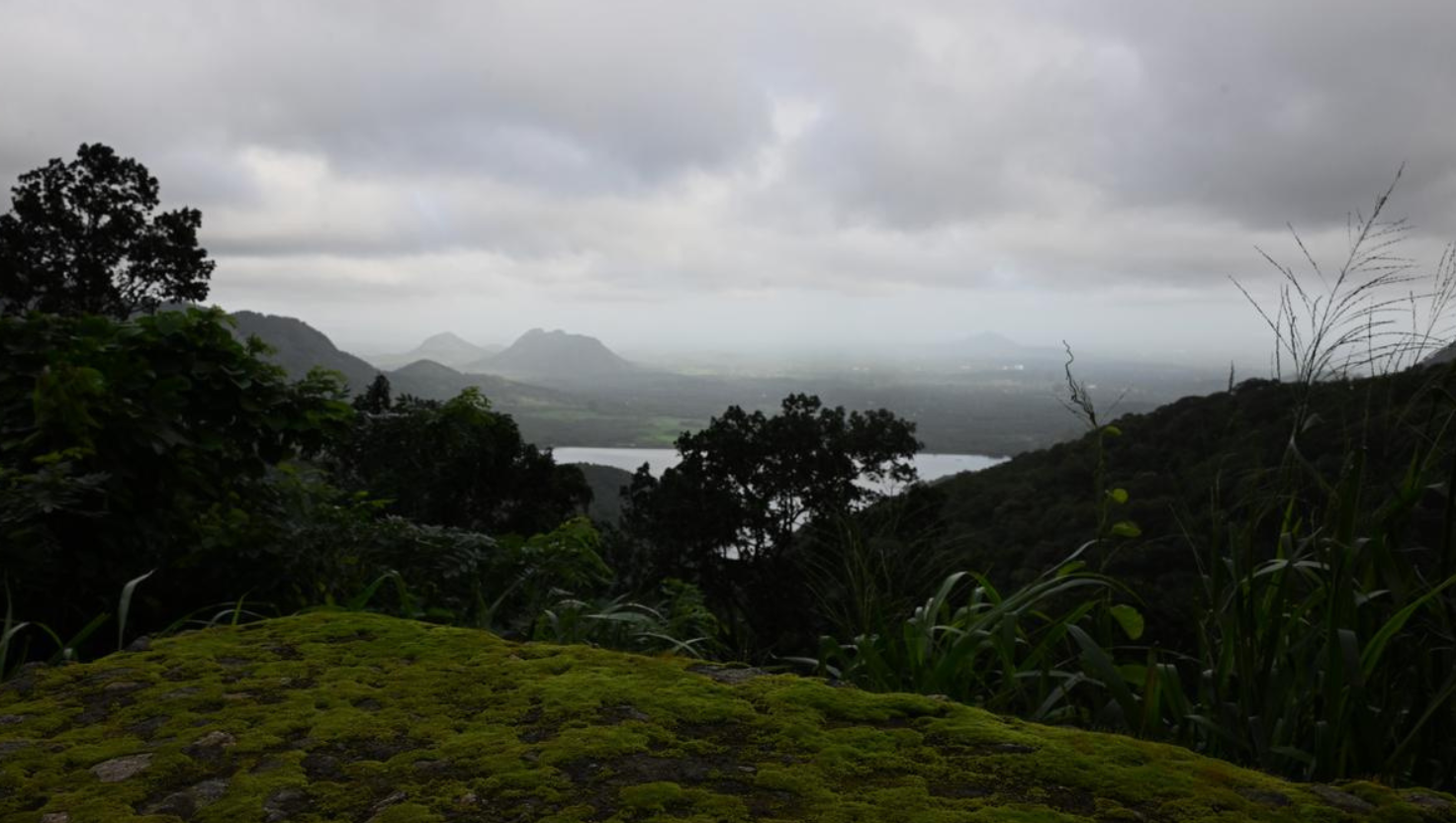
IUCN’s ‘Significant Concern’ Sites: Western Ghats, Manas, and Sundarbans face rising threats from climate change, tourism, and habitat loss.
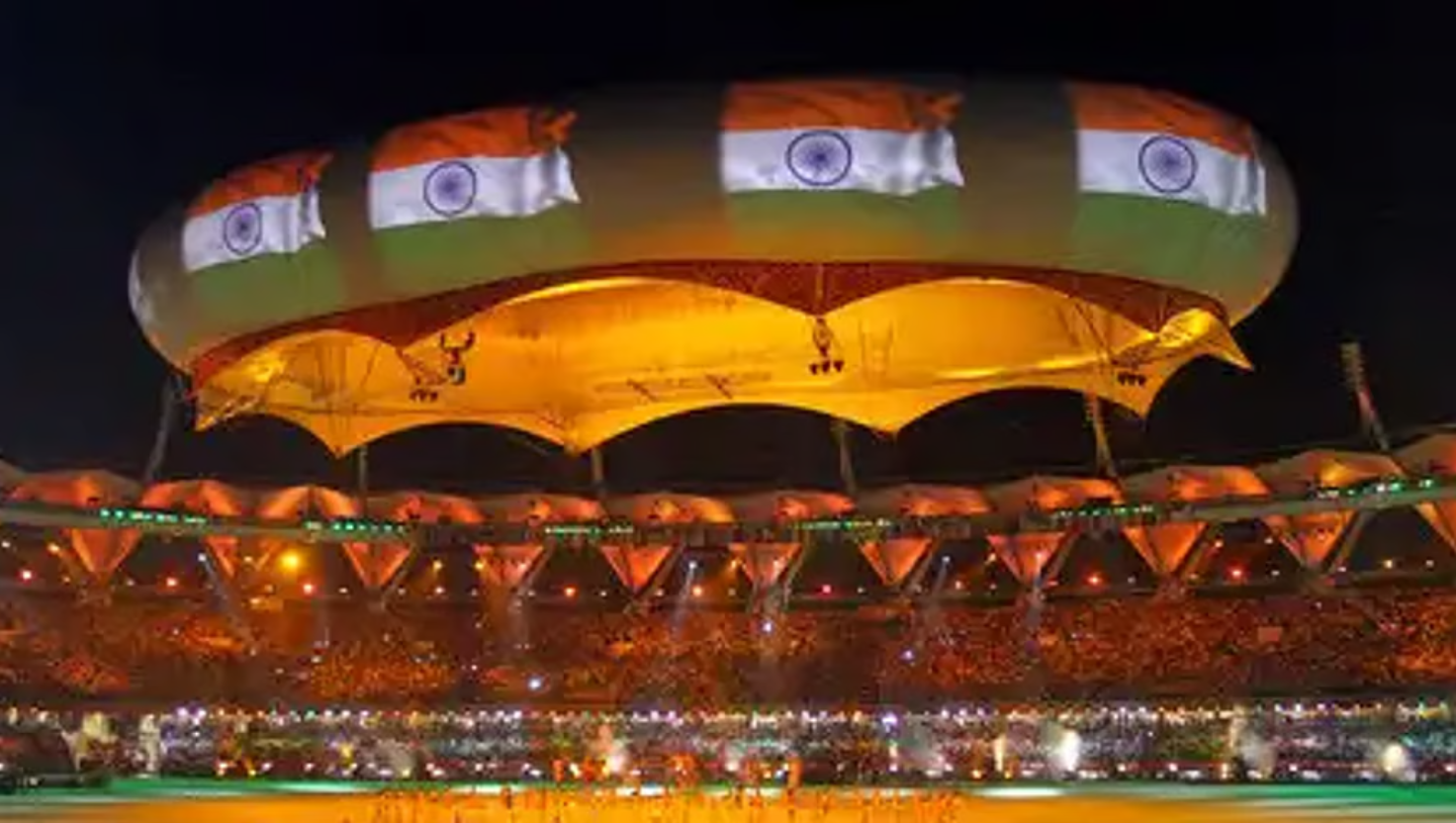
Ahmedabad has been proposed to host the 2030 Centenary Commonwealth Games, marking India’s return as host after 20 years.
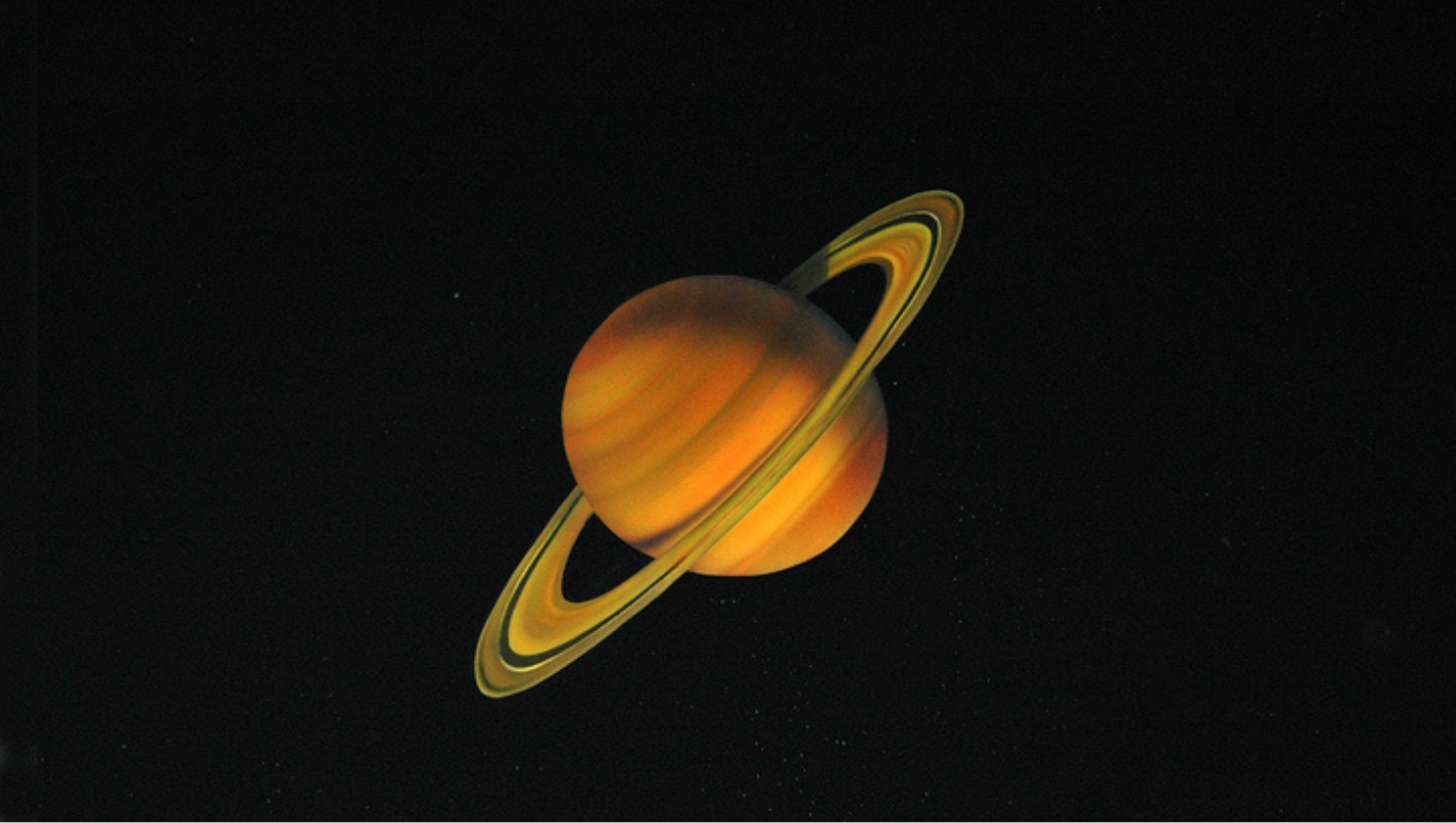
Astronomers observed ring formation around Chiron, marking the first real-time discovery of rings around a minor planet between Saturn and Uranus.
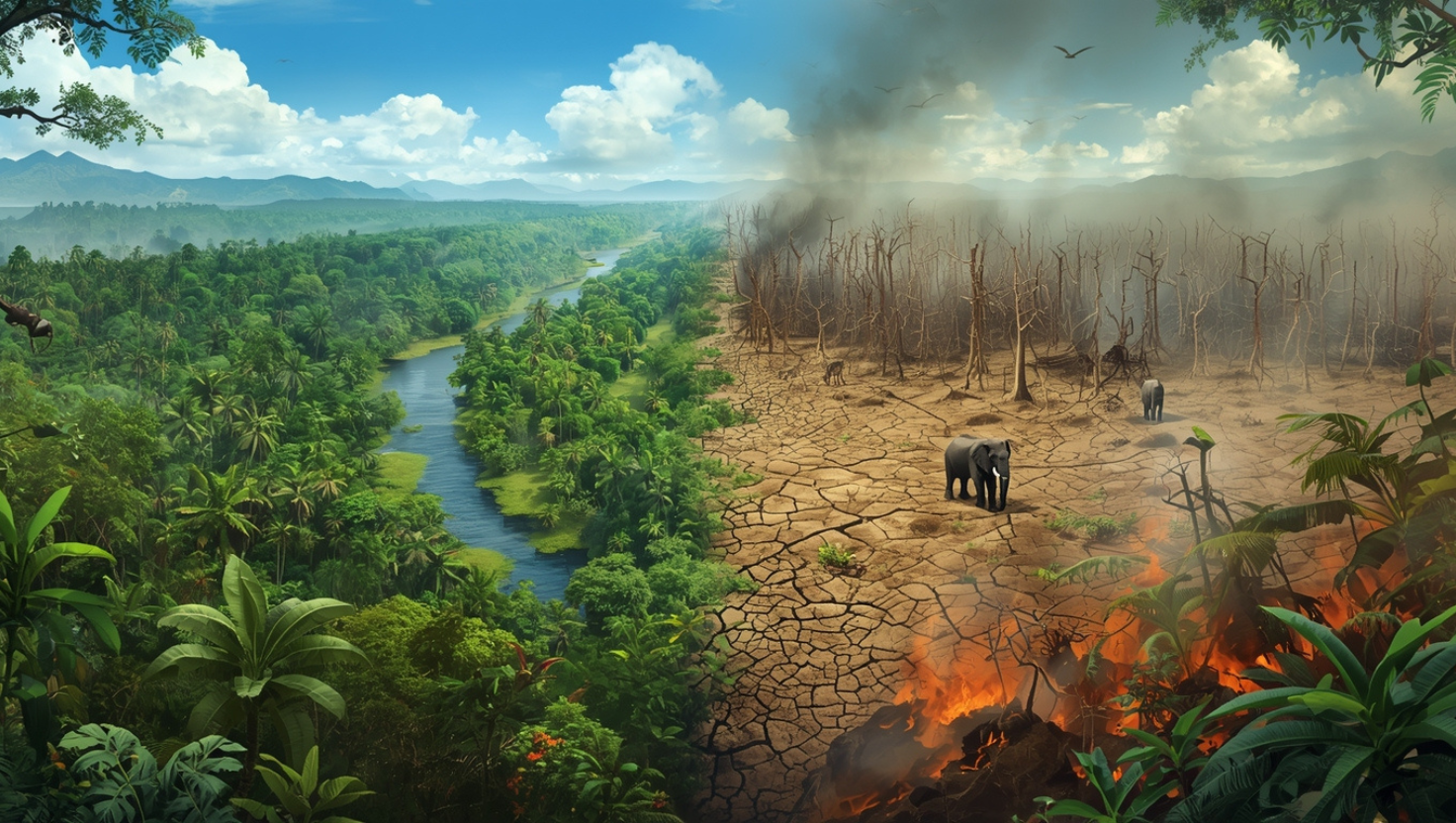
The Forest Declaration Assessment 2025 warns global deforestation hit 8.1M ha in 2024, leaving the world 63% off-track for 2030 goals.

BRICS 2026: Explore the 18th BRICS Summit in New Delhi,
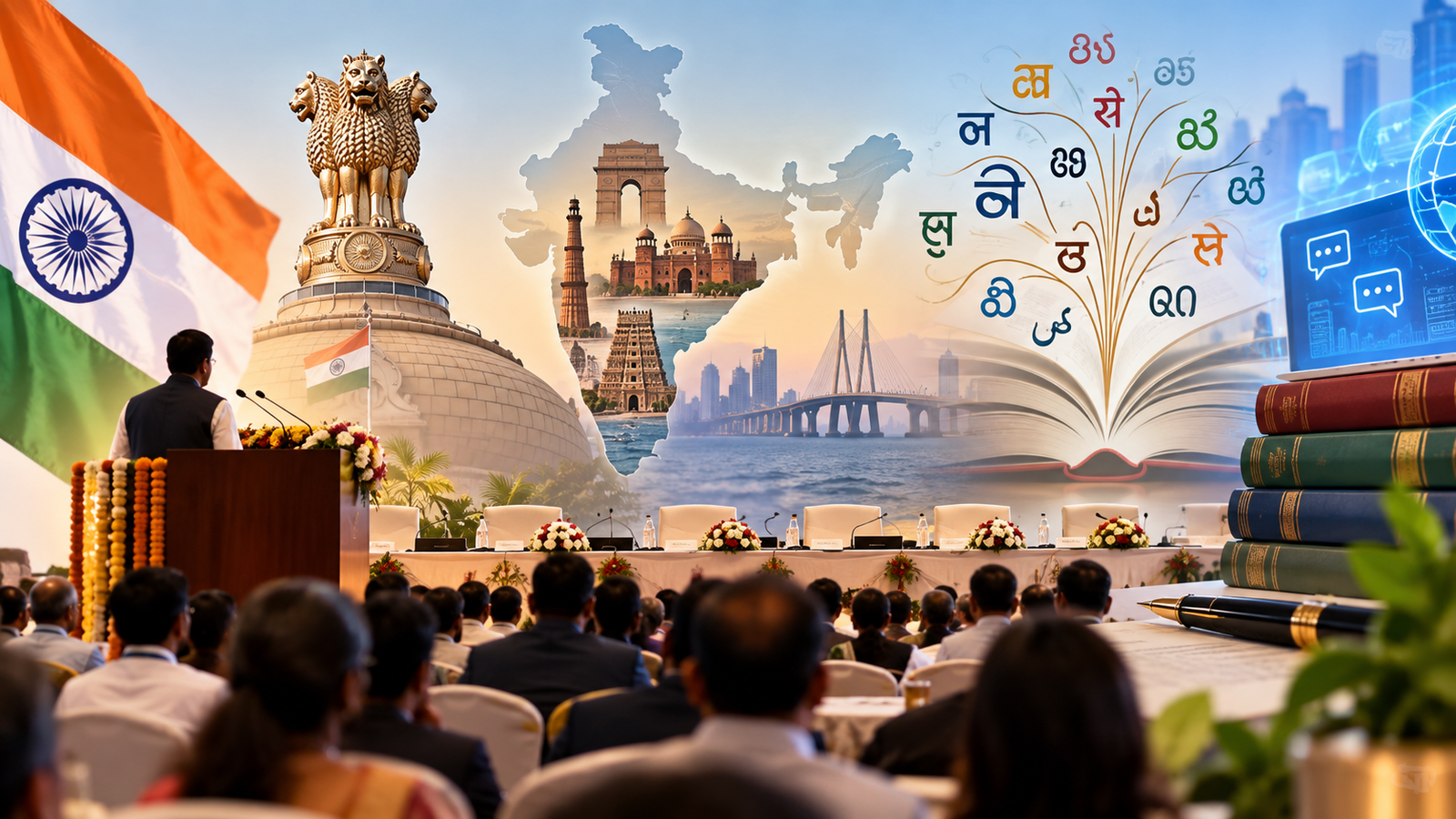
6th All India Official Language Conference 2026 in Navi Mumbai:
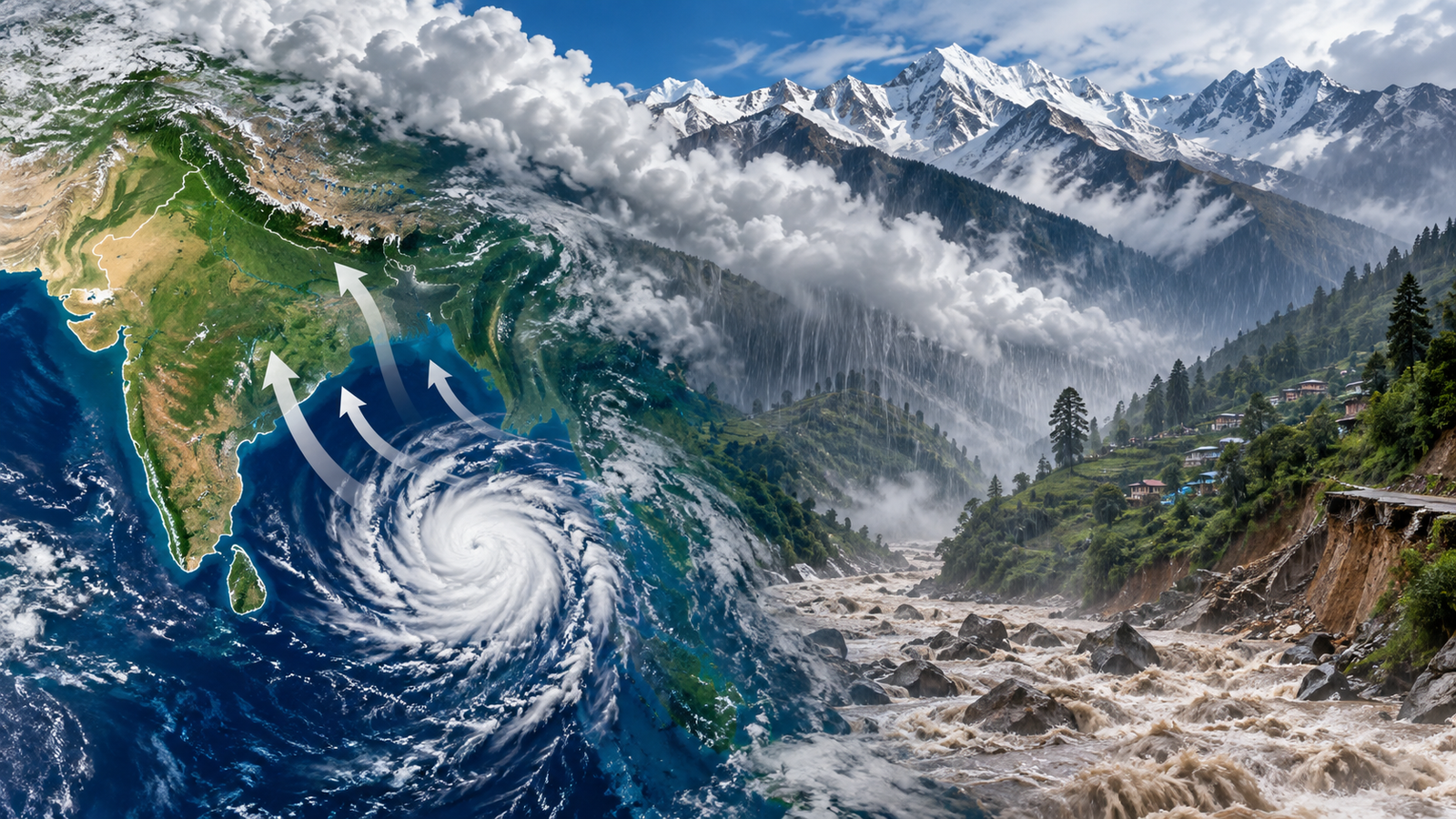
Discover how Bay of Bengal low-pressure systems shape India’s monsoon,

Explore the constitutional evolution of India from East India Company

Yojana June 2026 explores India’s journey towards a Naxal-free Bharat,
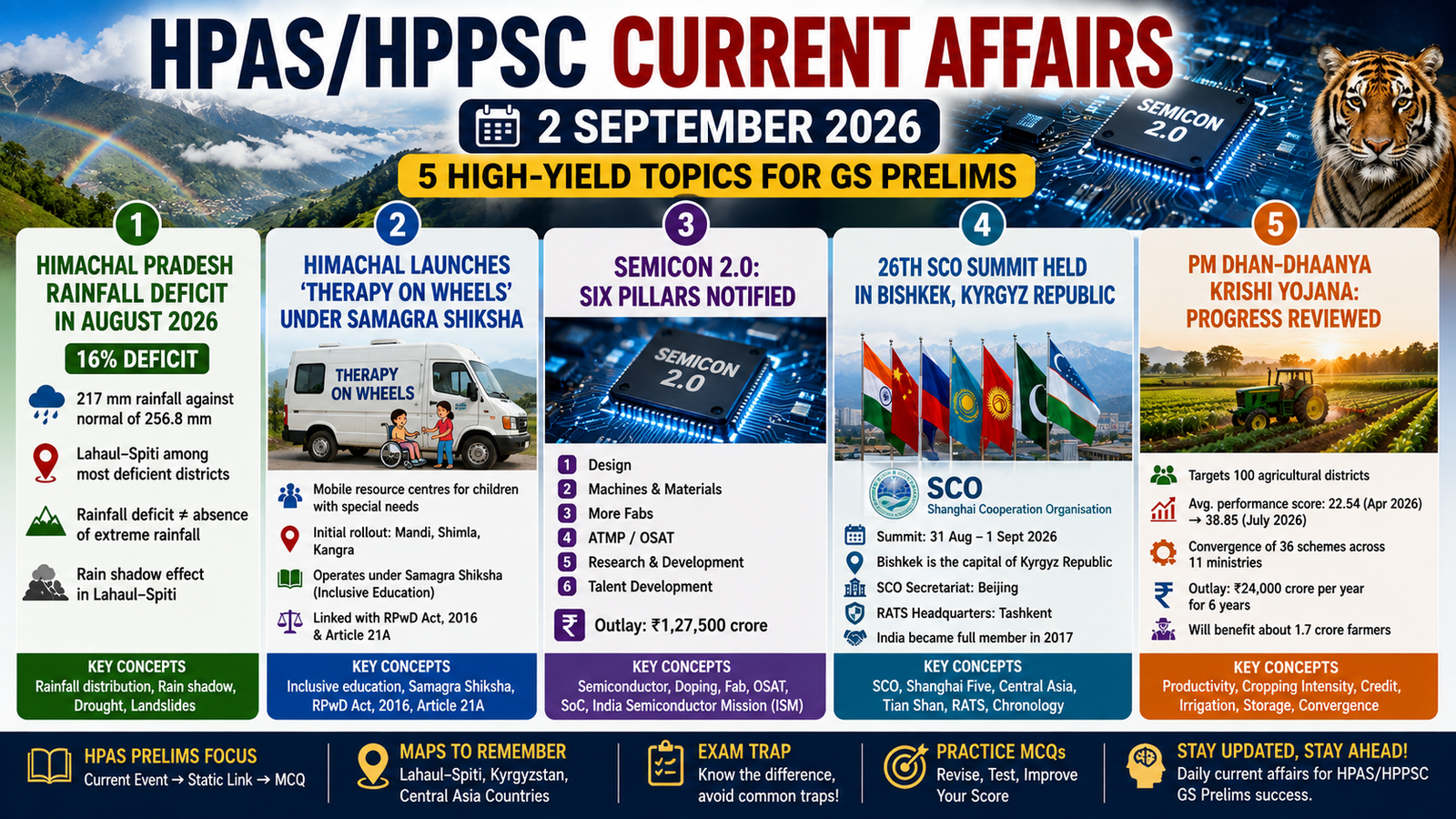
HPAS/HPPSC Current Affairs 2 September 2026: Himachal rainfall deficit, Therapy