
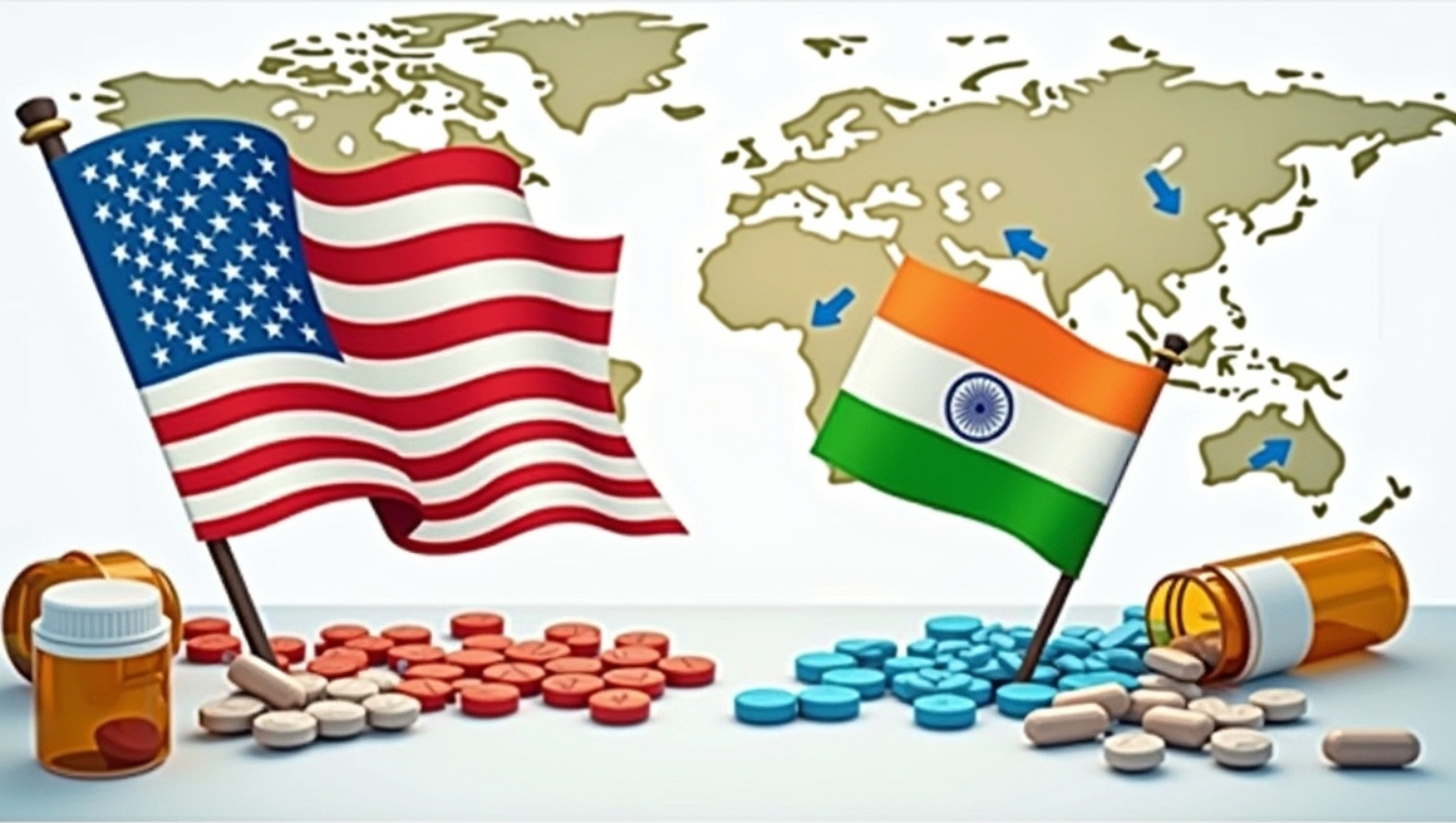
US Tariff Shock on Pharma: Implications for India
US Tariff on pharmaceuticals threatens India’s $8B exports, highlighting risks to pharma sector, global trade ties, and strategic interests.
US Tariff on pharmaceuticals threatens India’s $8B exports, highlighting risks to pharma sector, global trade ties, and strategic interests.
UPSC at 100 celebrates a century of merit-based recruitment, integrity, and its vital role in inclusive nation-building.
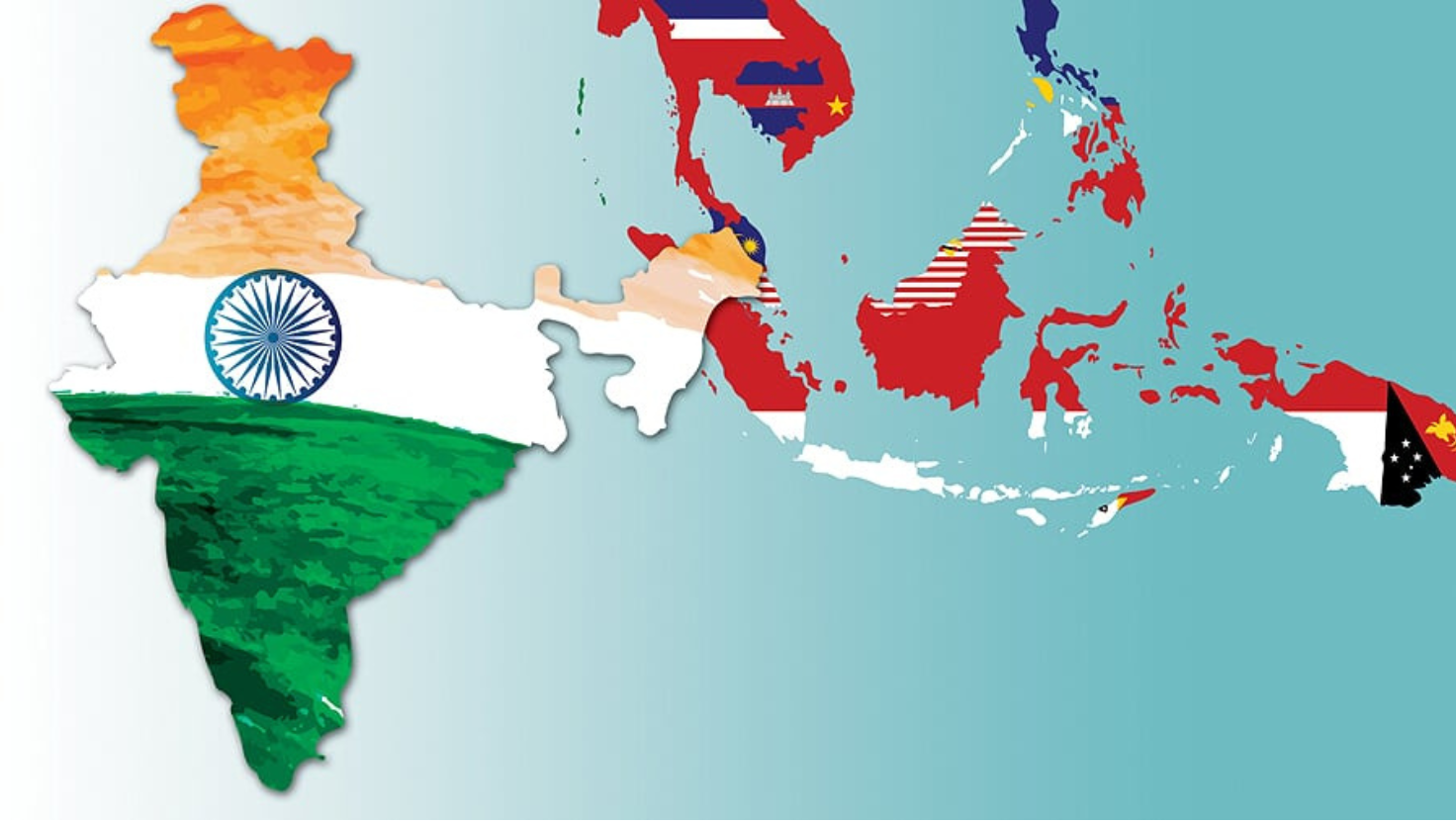
India’s Act East Policy strengthens economic, strategic, and cultural ties with Southeast Asia and the Indo-Pacific, balancing China’s regional rise.

The Kokrajhar–Gelephu Special Railway Project, India’s first link to Bhutan, enhances connectivity, trade, and strategic ties under the Act East Policy.
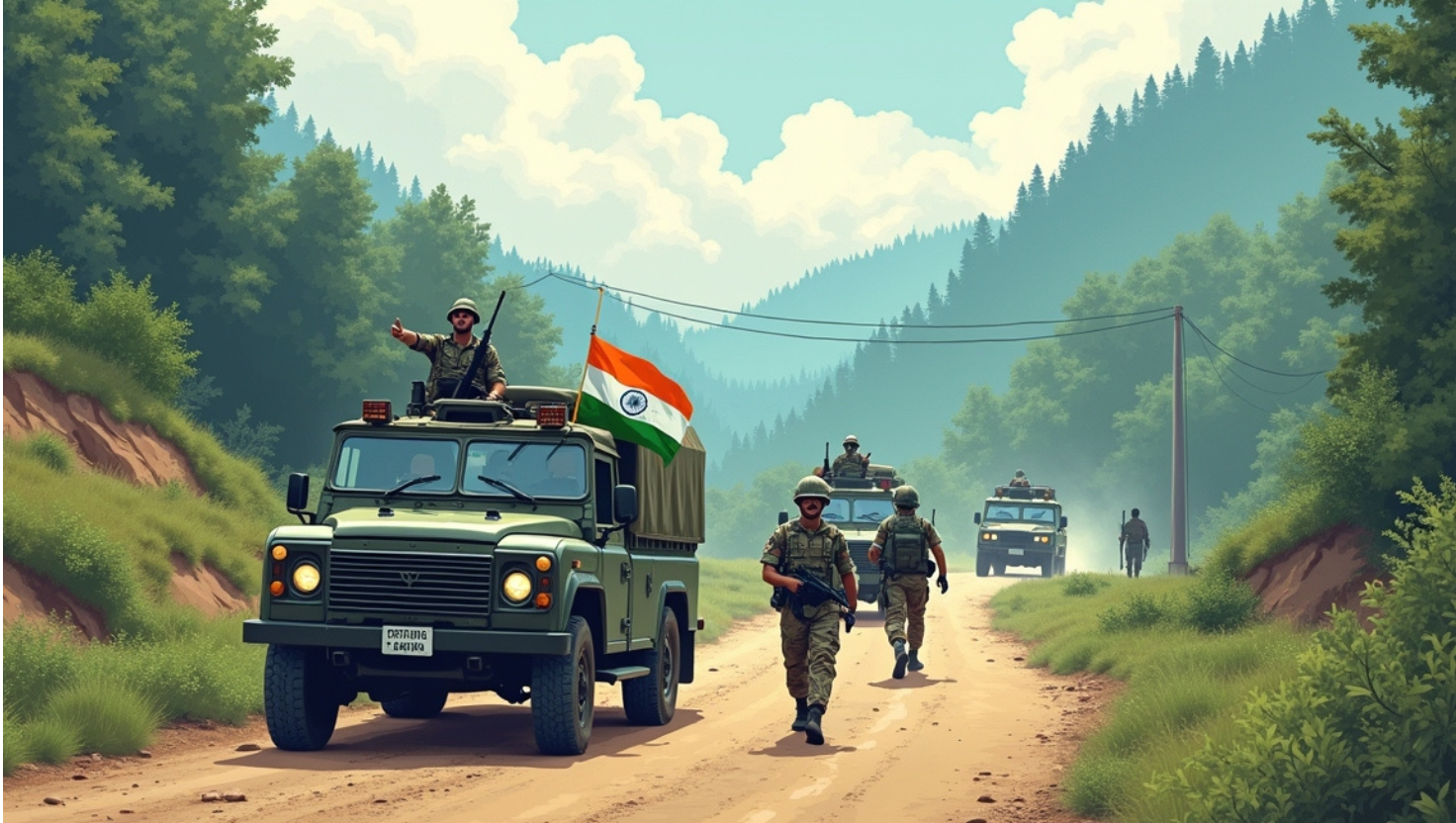
The Armed Forces (Special Powers) Act, 1958 empowers security forces to maintain peace and assist civil authorities in disturbed areas.
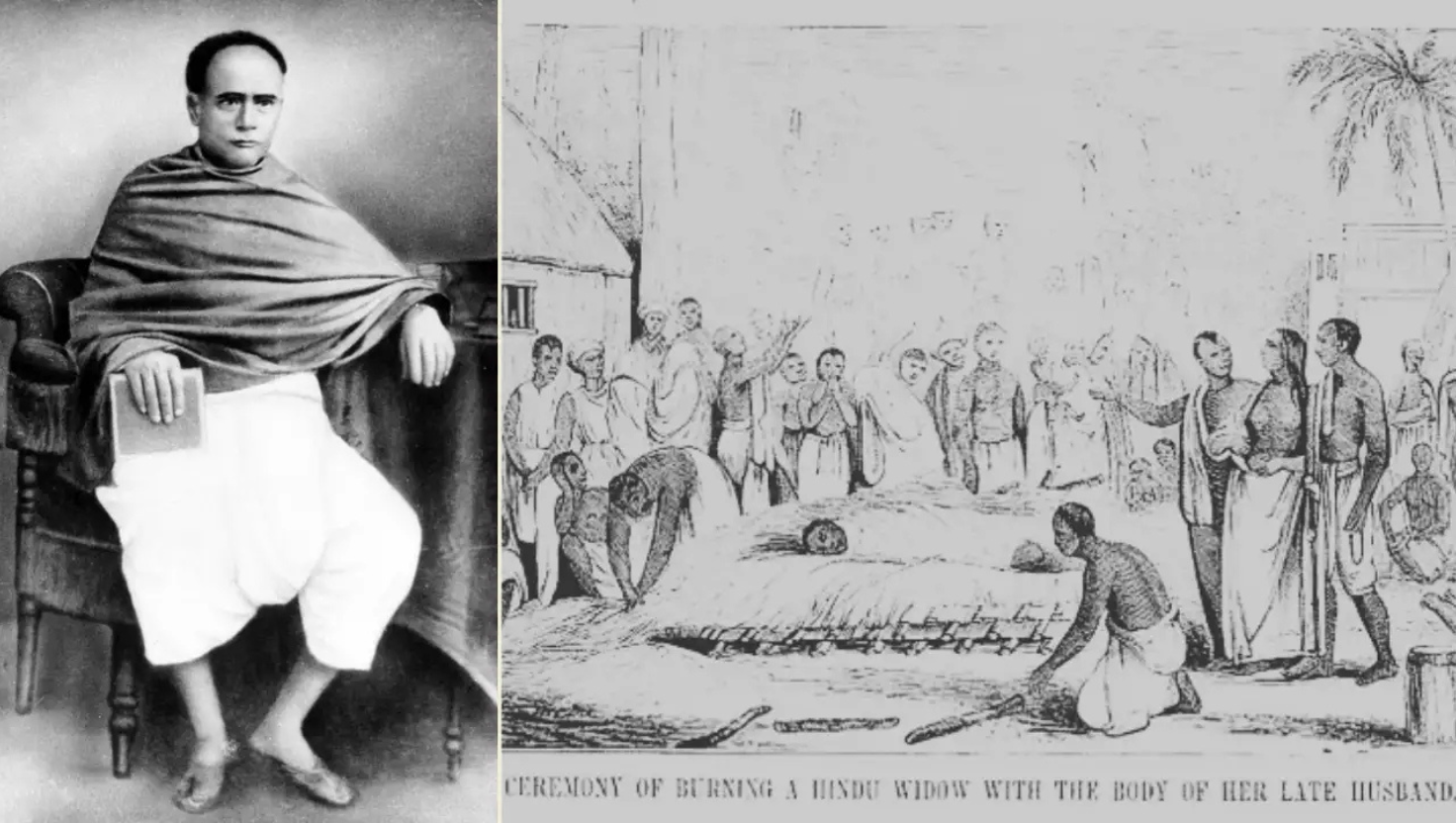
Ishwar Chandra Vidyasagar, 19th-century social reformer and educationist, championed women’s education, widow remarriage, and social equality in Bengal.
The Foreign Contribution (Regulation) Act regulates foreign donations in India, ensuring funds are used properly while protecting national interests.
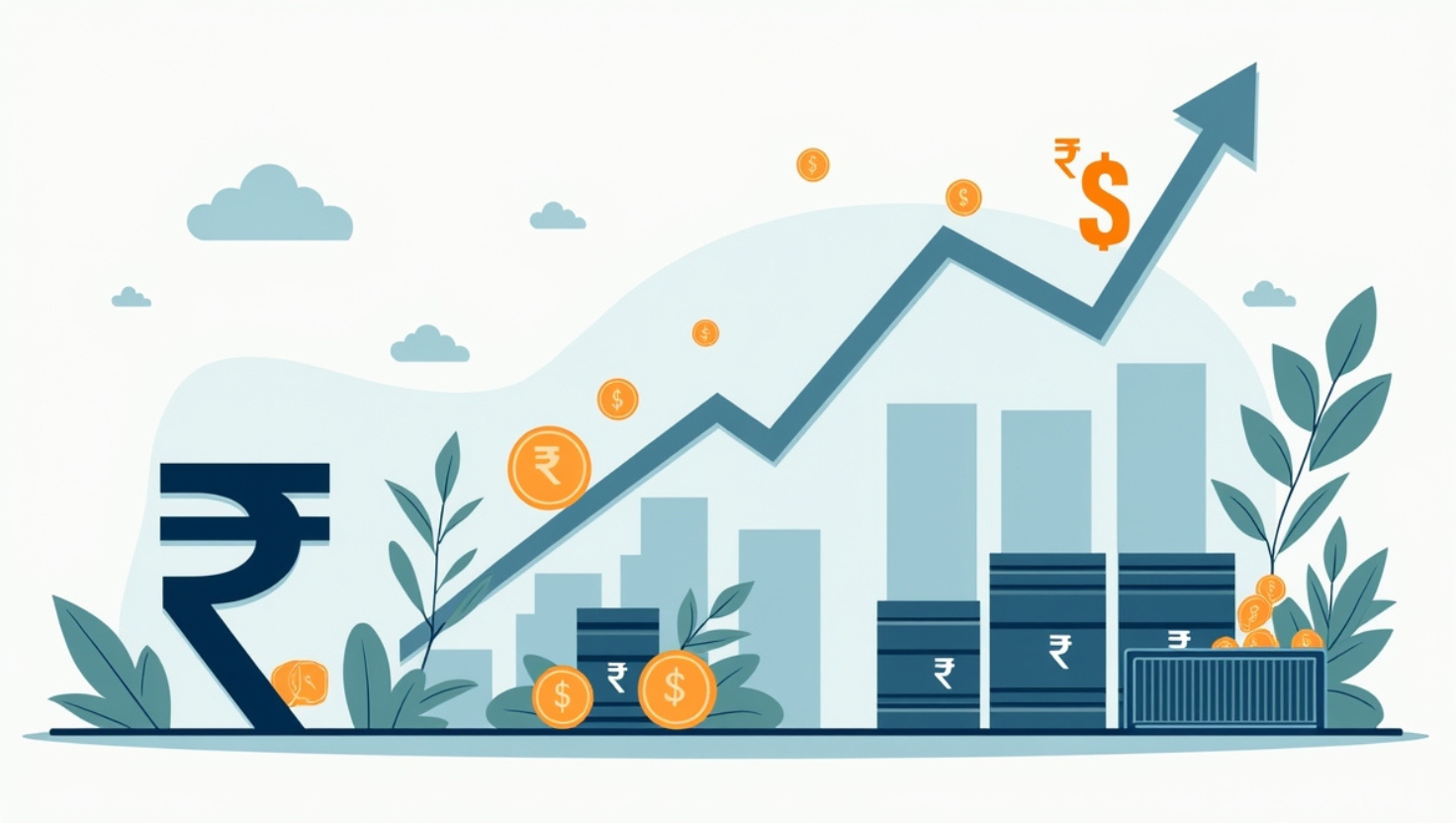
The Weakening Rupee in 2025 reflects trade imbalances and weak capital flows, raising inflation risks but offering export competitiveness.

Maternity reintegration ensures women’s smooth return to work, vital for gender equality and economic growth.

RTI ensures transparency and accountability in governance; reviving it requires filling vacancies, protecting activists, and restoring commission autonomy.
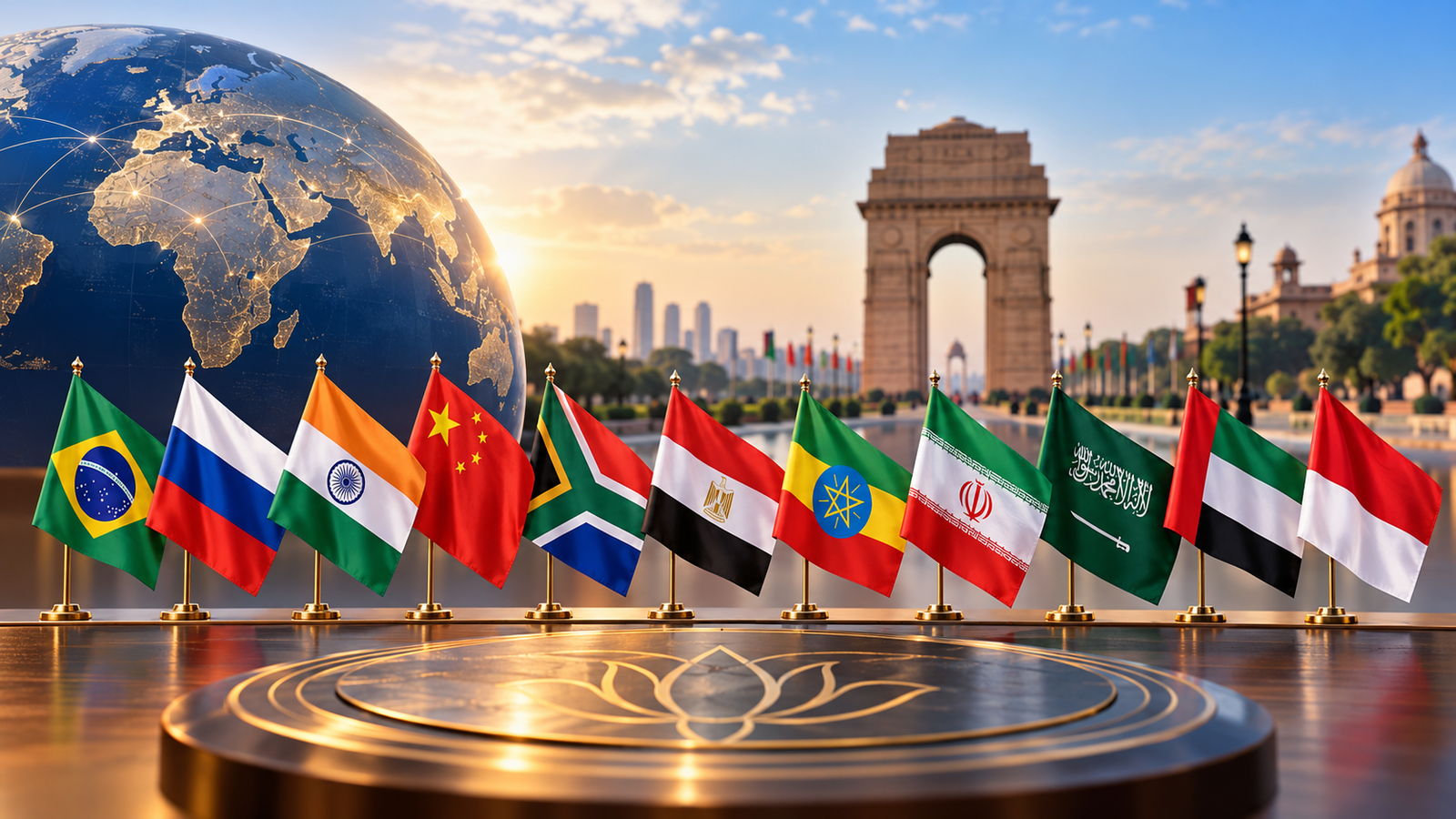
BRICS 2026: Explore the 18th BRICS Summit in New Delhi,
6th All India Official Language Conference 2026 in Navi Mumbai:
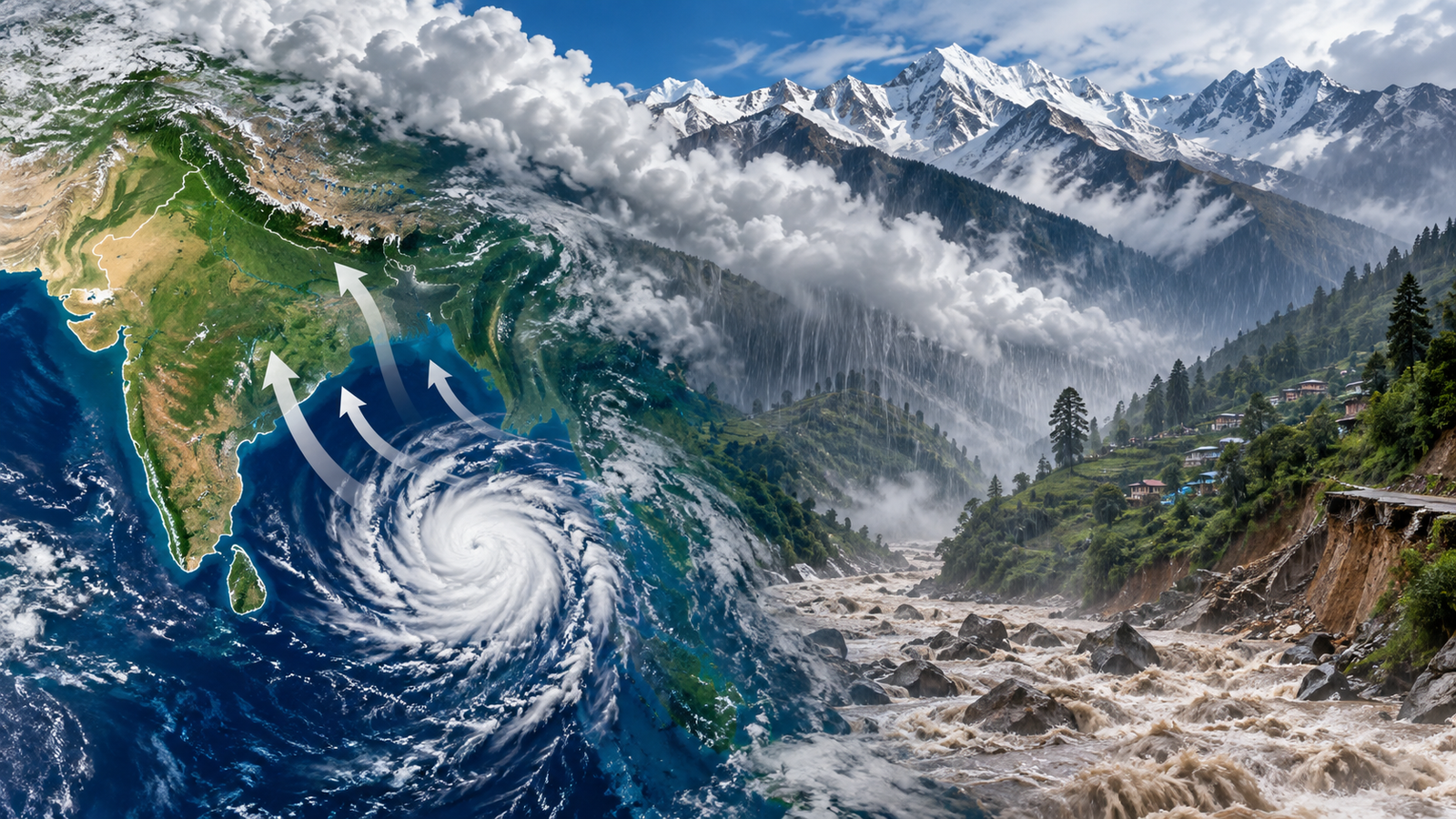
Discover how Bay of Bengal low-pressure systems shape India’s monsoon,
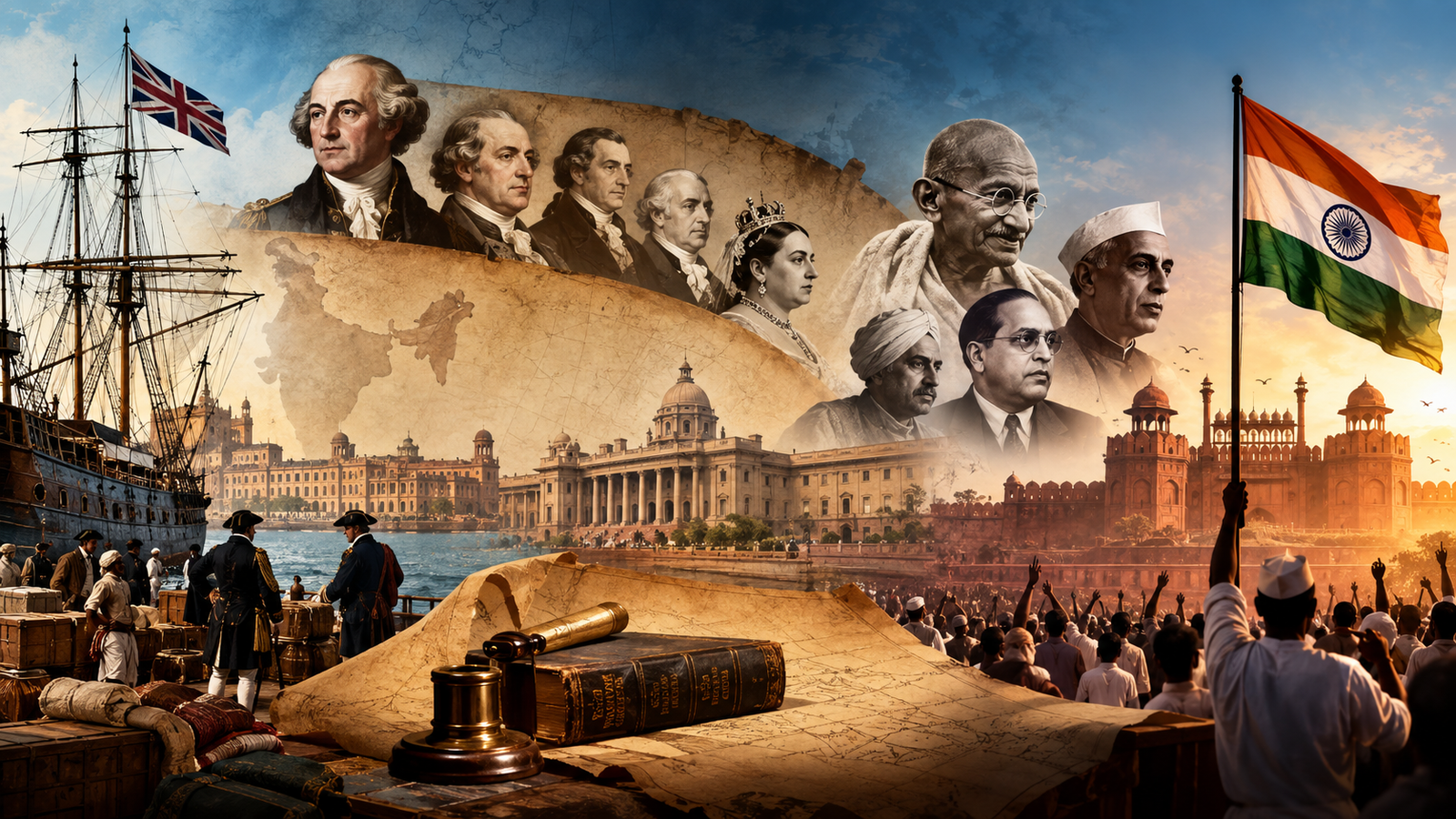
Explore the constitutional evolution of India from East India Company

Yojana June 2026 explores India’s journey towards a Naxal-free Bharat,
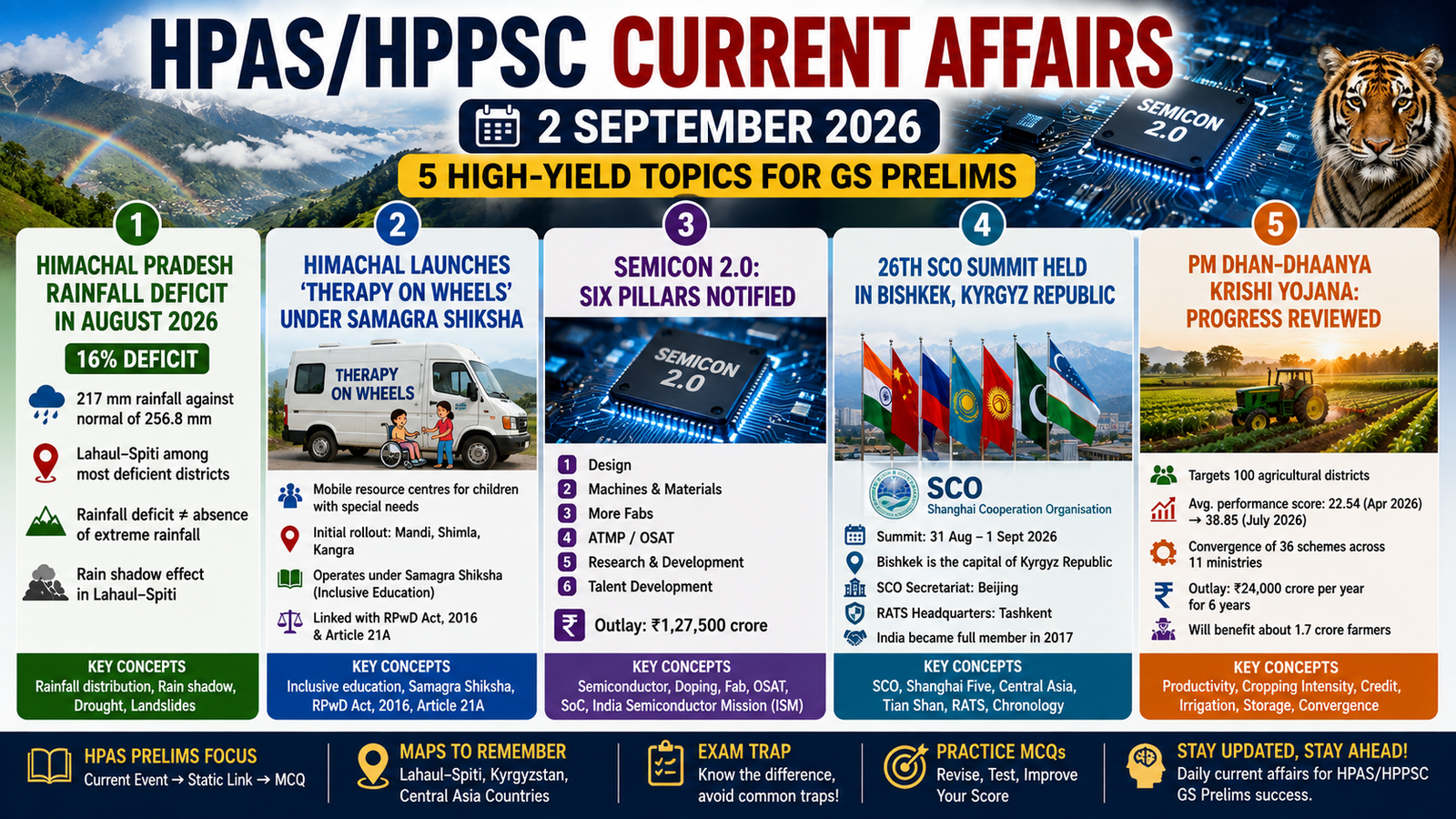
HPAS/HPPSC Current Affairs 2 September 2026: Himachal rainfall deficit, Therapy