

Birsa Munda -tribal freedom fighter
Birsa Munda’s 150th birth anniversary honors his role as a tribal freedom fighter who led the Ulgulan movement and defended tribal land and identity.
Birsa Munda’s 150th birth anniversary honors his role as a tribal freedom fighter who led the Ulgulan movement and defended tribal land and identity.

India’s rural sector faces rising costs, low incomes, and uneven development. Strengthening markets, skills, and infrastructure is key to rebuilding rural India.

Indian Railways’ new AI-based system DRISHTI uses real-time cameras and machine learning to detect tampered or unlocked freight wagon doors, boosting cargo security and reducing manual inspections.

The Moon’s Sphere of Influence is the region where the Moon’s gravity dominates spacecraft motion, guiding lunar flybys and orbit planning.

Rising outbreaks and declining immunity have renewed calls to include Hepatitis A vaccination in India’s Universal Immunisation Programme (UIP).

Pakistan’s 27th Constitutional Amendment Bill centralises military power, weakens judicial oversight, and grants sweeping immunity to top officers.

Draft Seeds Bill 2025 proposes a modern seed regulation framework with mandatory registration, digital traceability, and stronger farmer protections.

India Skills Report 2026 shows employability rising to 56.35%, driven by tech skills, women’s participation, and a growing shift toward a skills-first workforce.

Himalayan Black Bears are becoming increasingly aggressive in Uttarakhand as climate change disrupts their hibernation cycles, escalating human–wildlife conflicts.

White-collar terrorism is rising in India, with educated professionals using skills and technology to plan sophisticated extremist acts, posing new security risks.

BRICS 2026: Explore the 18th BRICS Summit in New Delhi,
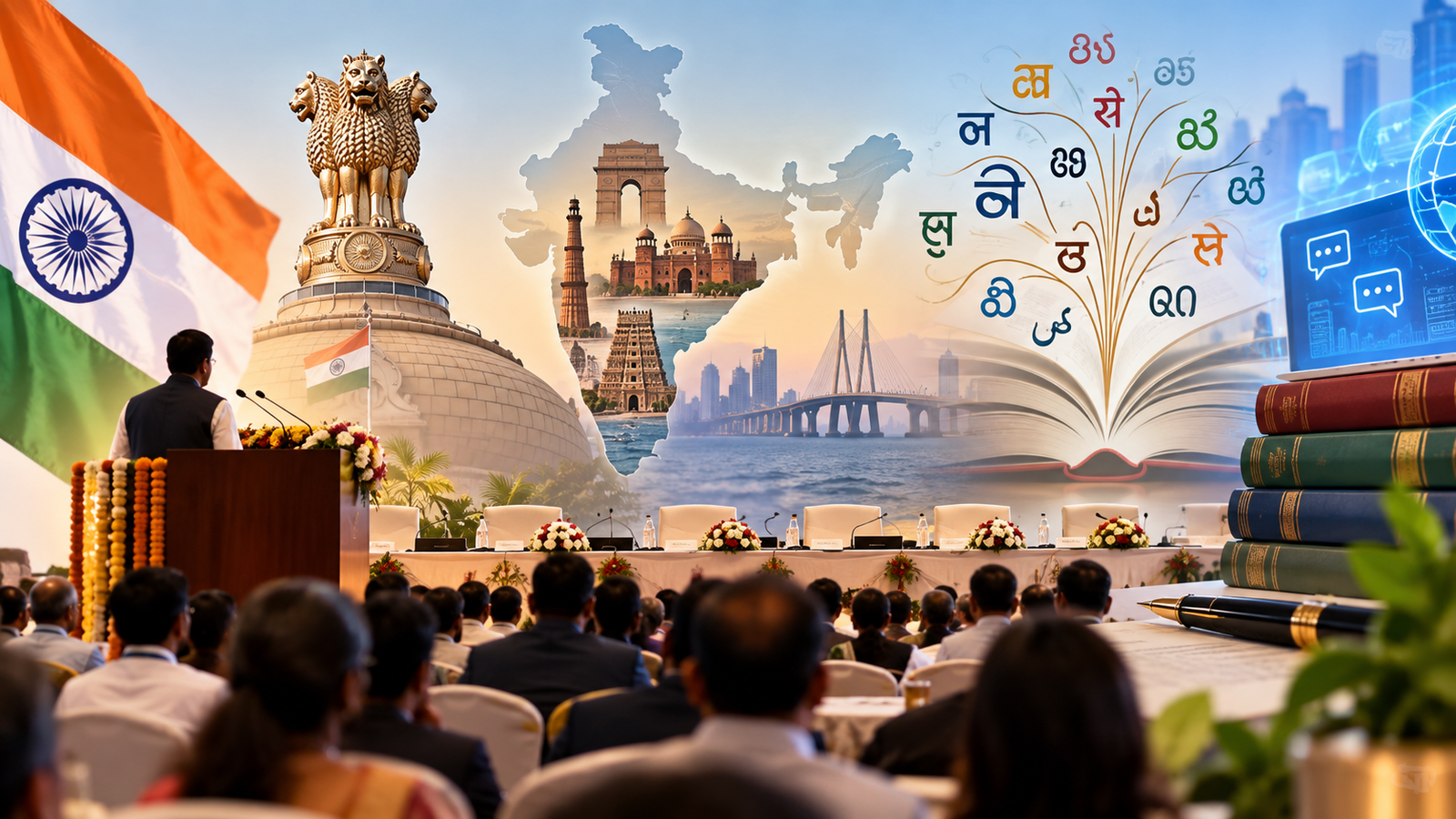
6th All India Official Language Conference 2026 in Navi Mumbai:
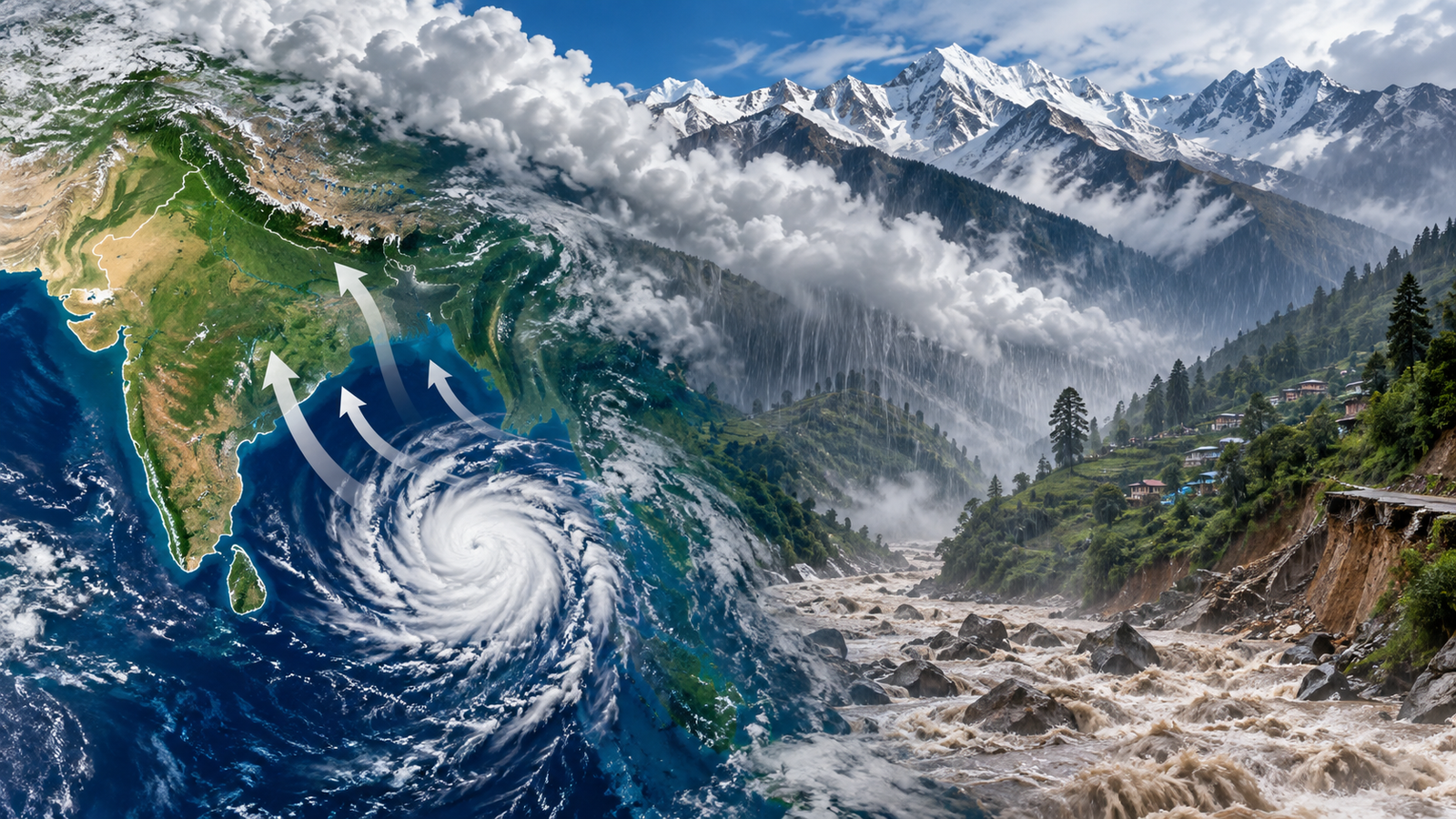
Discover how Bay of Bengal low-pressure systems shape India’s monsoon,

Explore the constitutional evolution of India from East India Company

Yojana June 2026 explores India’s journey towards a Naxal-free Bharat,
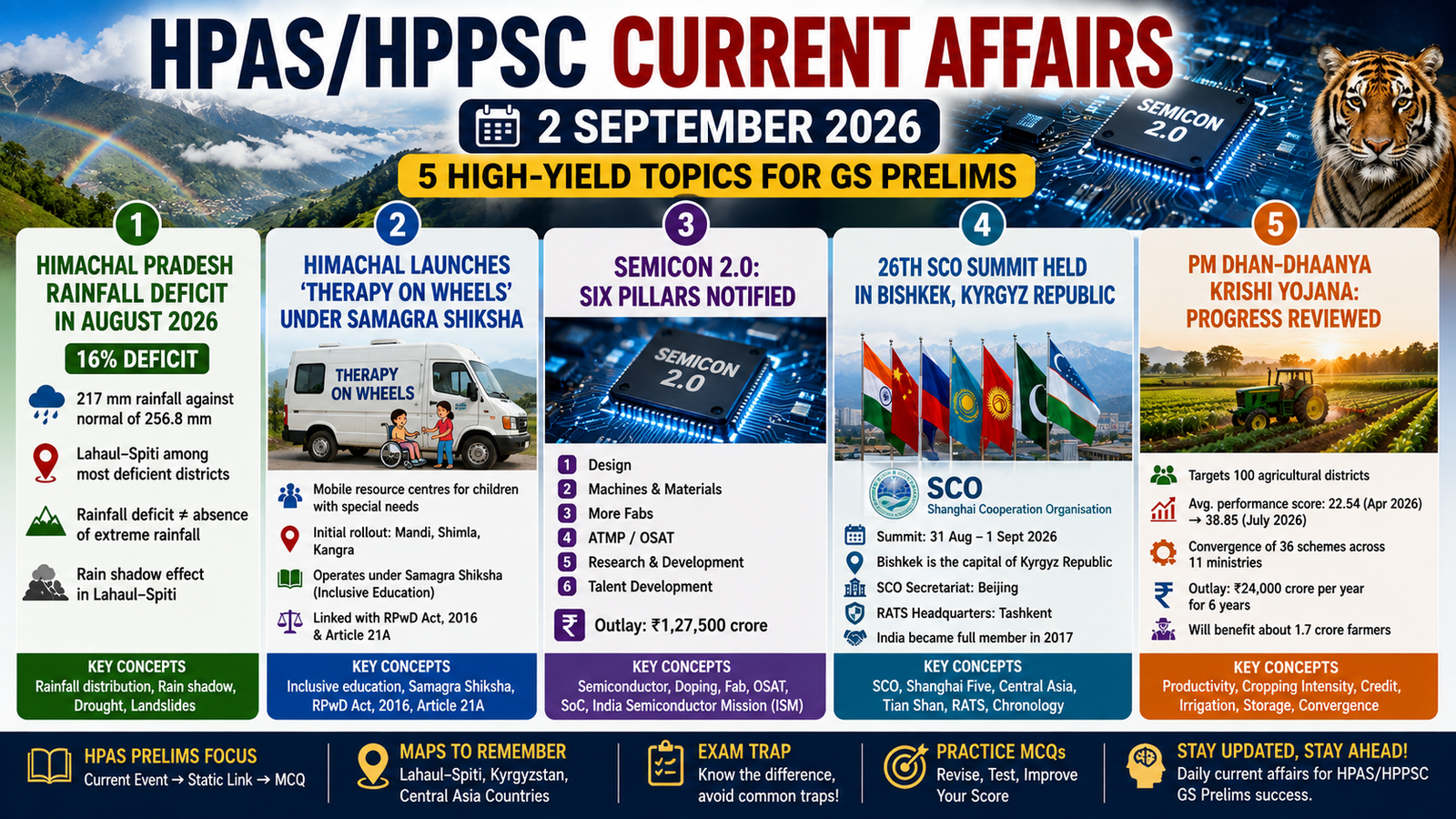
HPAS/HPPSC Current Affairs 2 September 2026: Himachal rainfall deficit, Therapy