

Nine Years of the Insolvency and Bankruptcy Code (IBC)
IBC completes nine years, resolving ₹26 lakh crore debt and cutting NPAs to record lows, strengthening India’s credit and corporate governance.
IBC completes nine years, resolving ₹26 lakh crore debt and cutting NPAs to record lows, strengthening India’s credit and corporate governance.
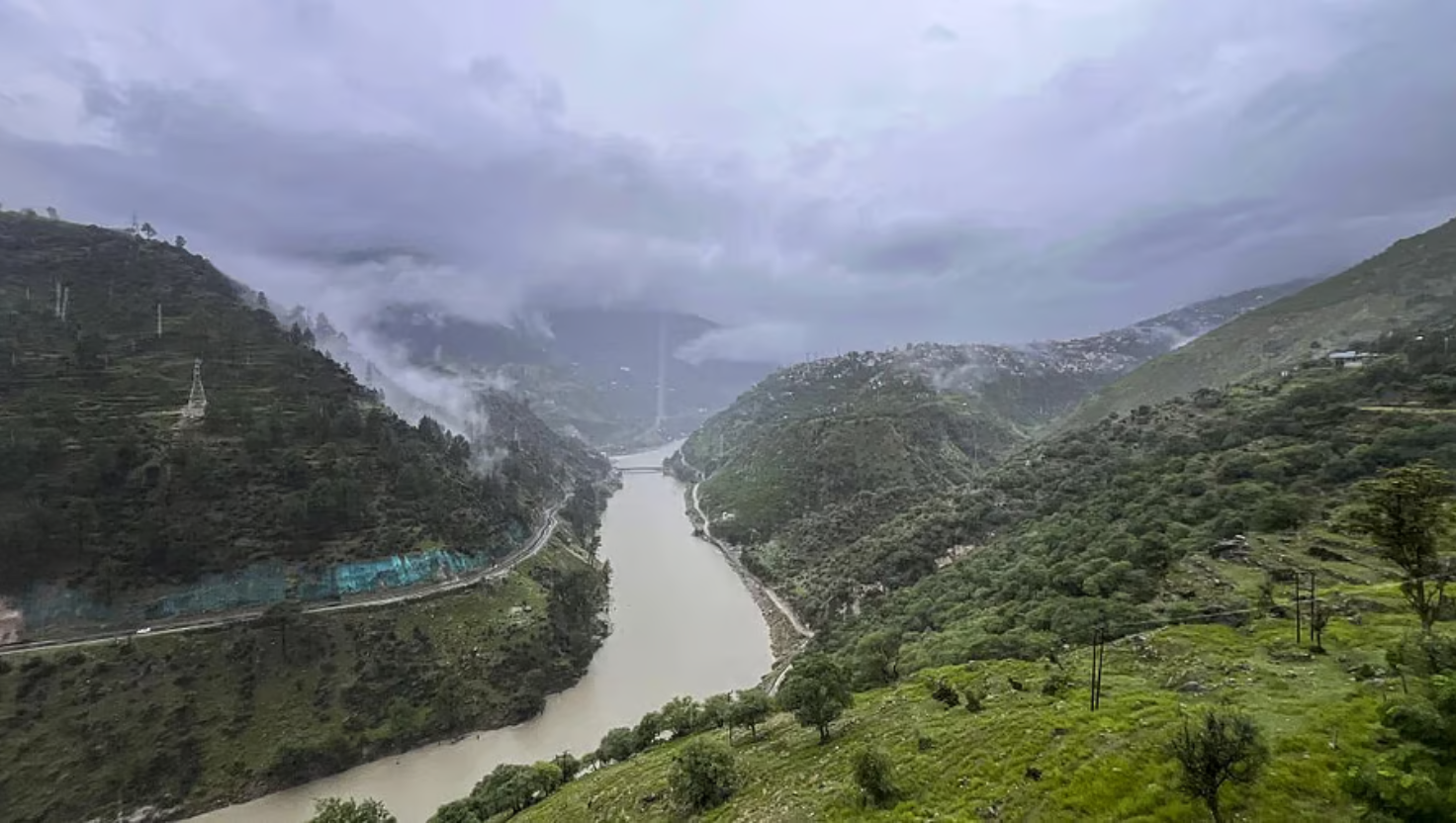
EAC grants fresh clearance to Sawalkote Hydro Project on Chenab River, boosting clean energy and strategic water use in Jammu & Kashmir.
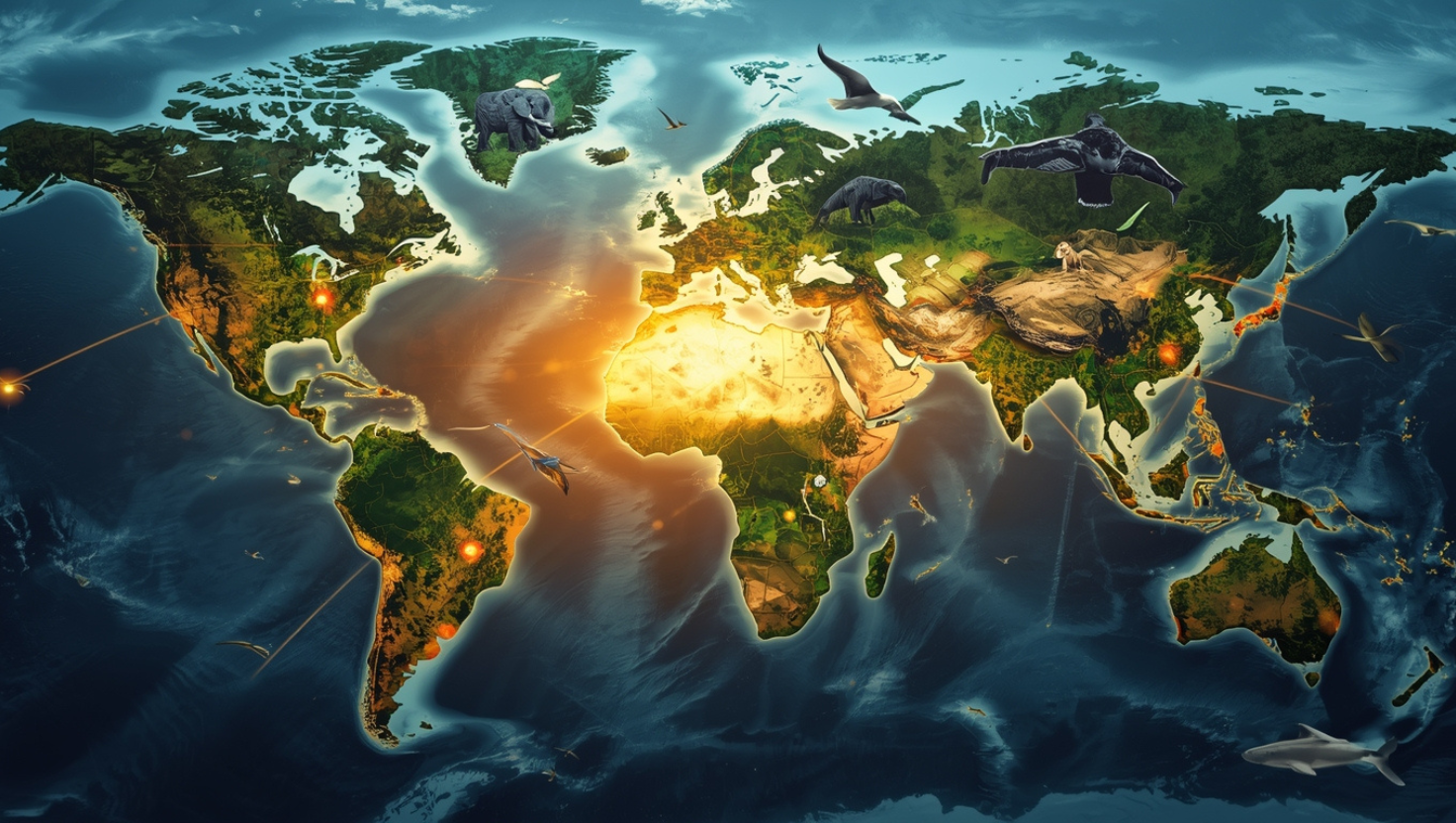
IUCN Outlook 2025 warns of rising climate threats to World Heritage Sites; India shows mixed progress in site conservation and management.
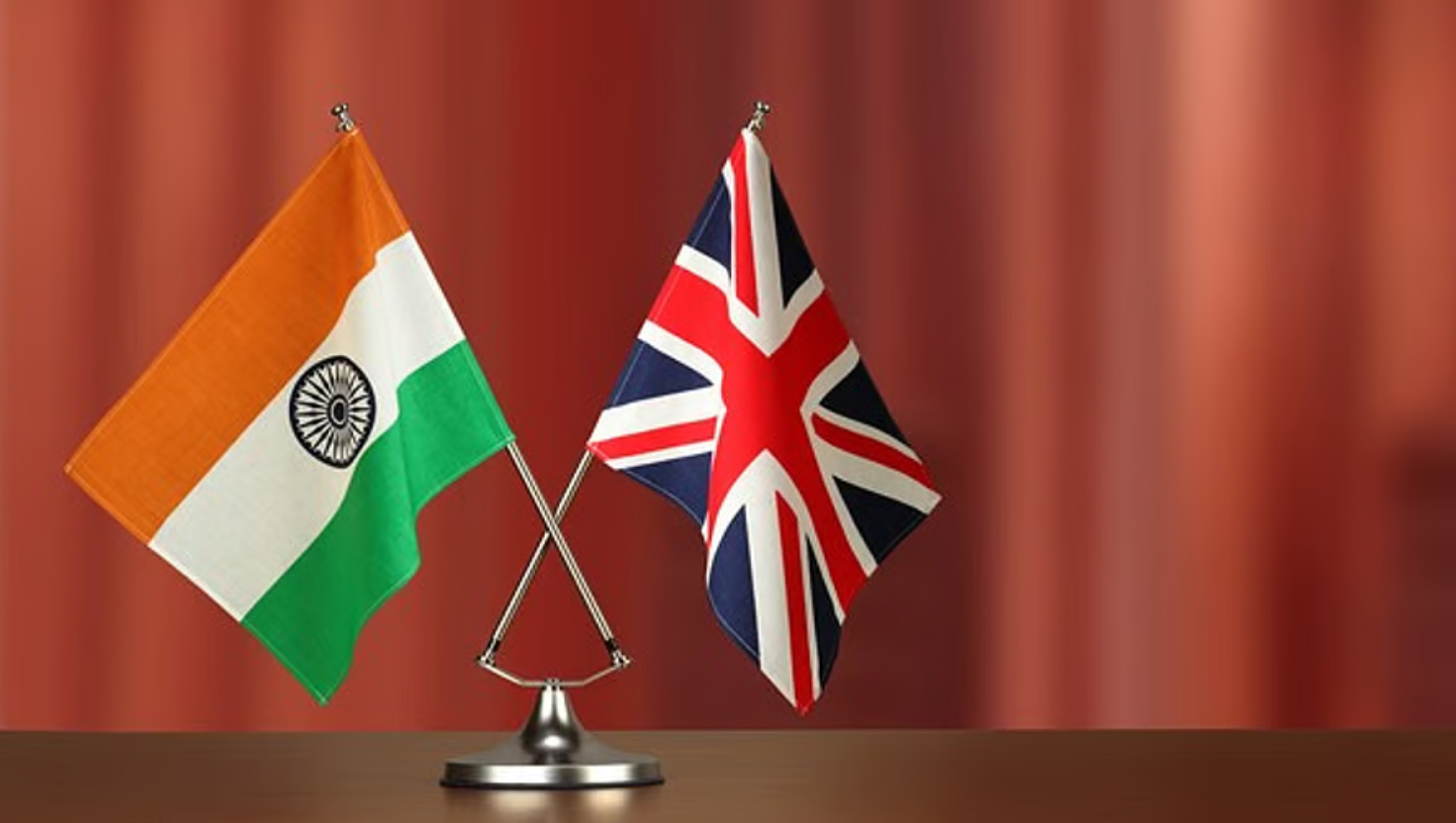
The India–UK Connectivity and Innovation Centre (CIC) aims to advance 6G research, AI-driven telecom innovation, and secure digital communication systems.
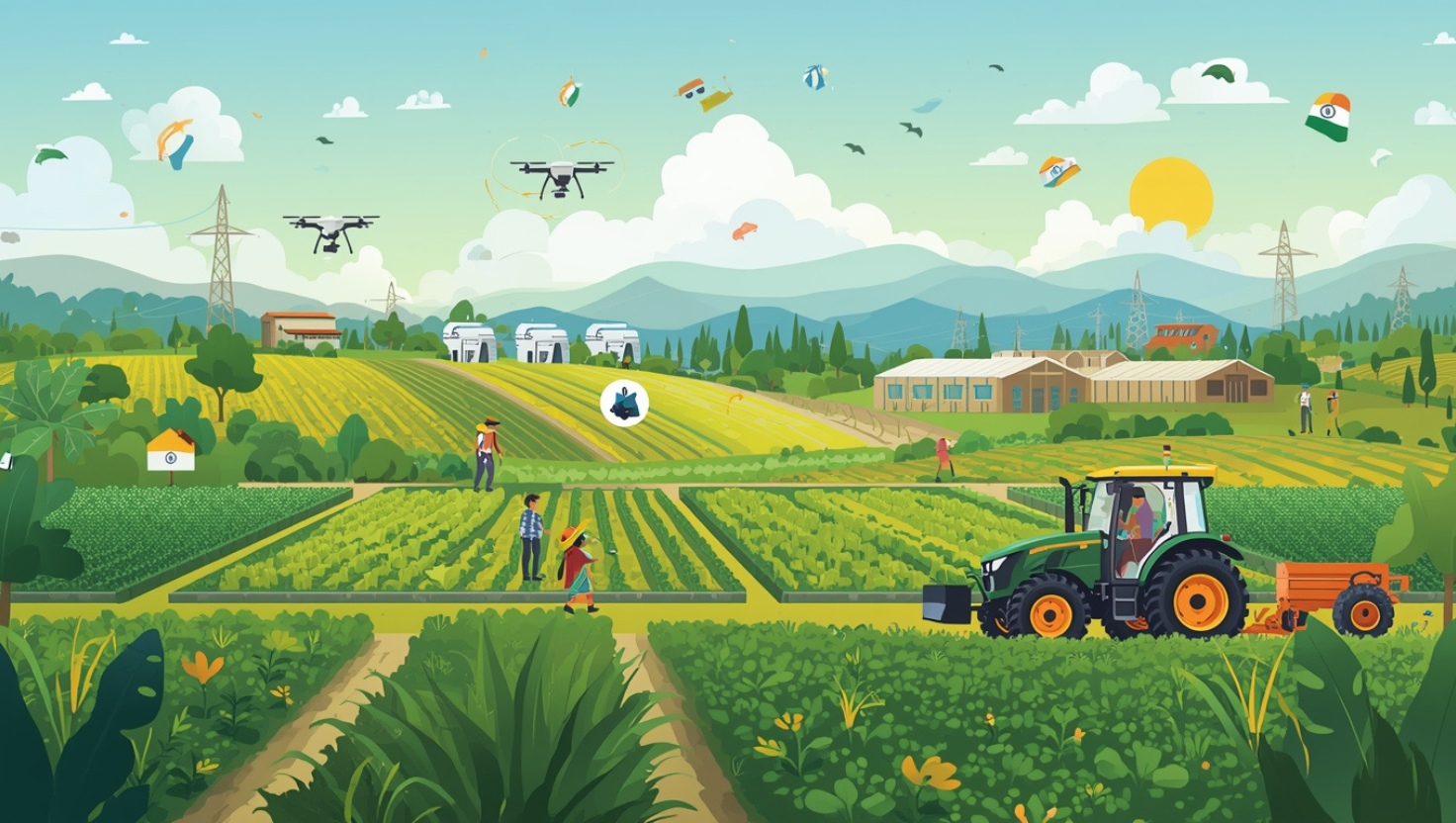
The PM Dhan-Dhaanya Krishi Yojana (PMDDKY) seeks to boost productivity, double farmers’ income, and promote sustainable, tech-driven agriculture.

The National Demographic Mission aims to monitor India’s population trends, curb illegal infiltration, and ensure balanced and sustainable development.
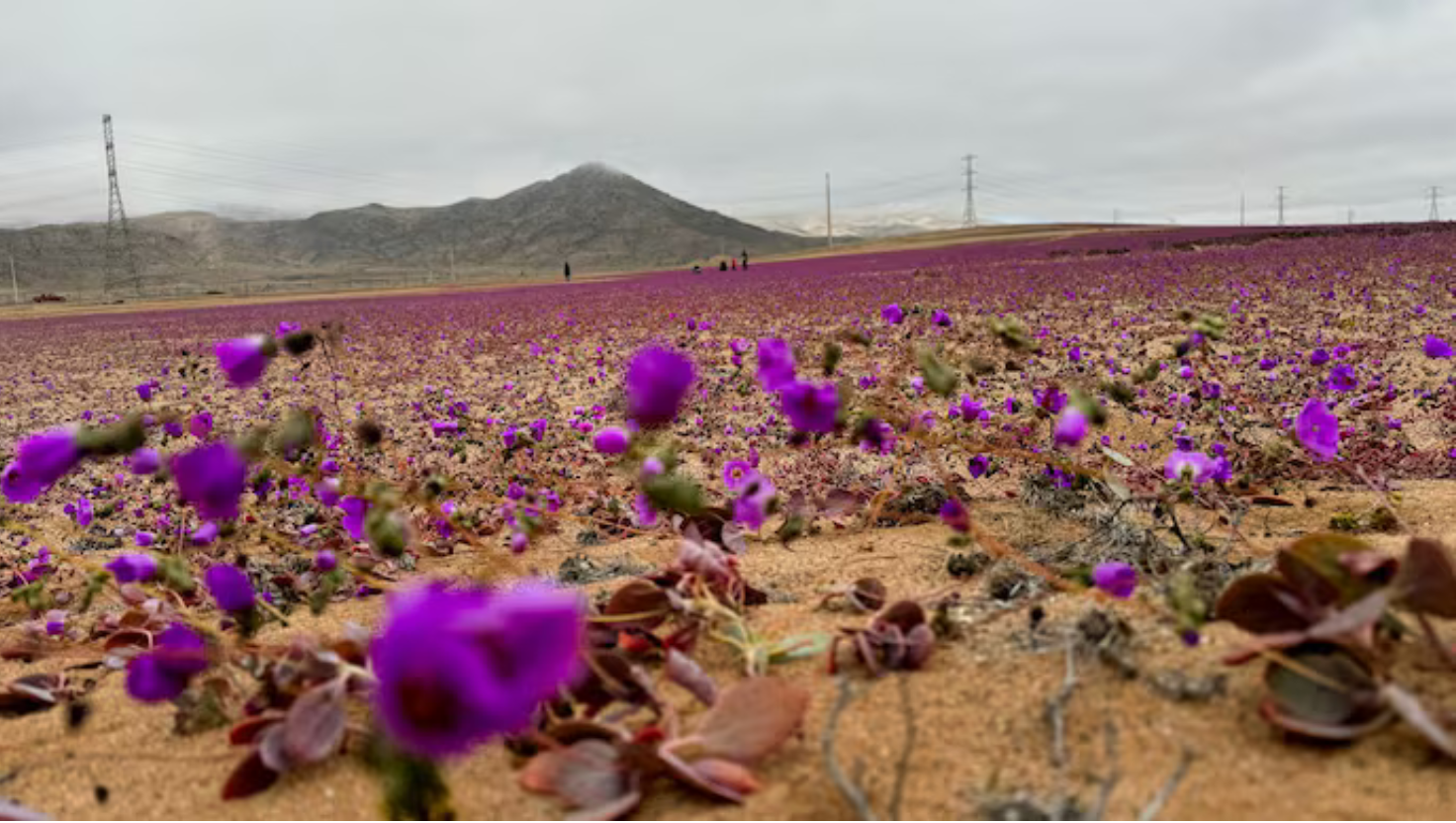
Rare winter rains in Chile’s Atacama Desert trigger a vibrant fuchsia wildflower bloom, creating the “Flowering Desert” phenomenon.

DRAVYA portal digitises Ayurvedic substances, combining classical texts, modern research, and field studies in an AI-ready database.
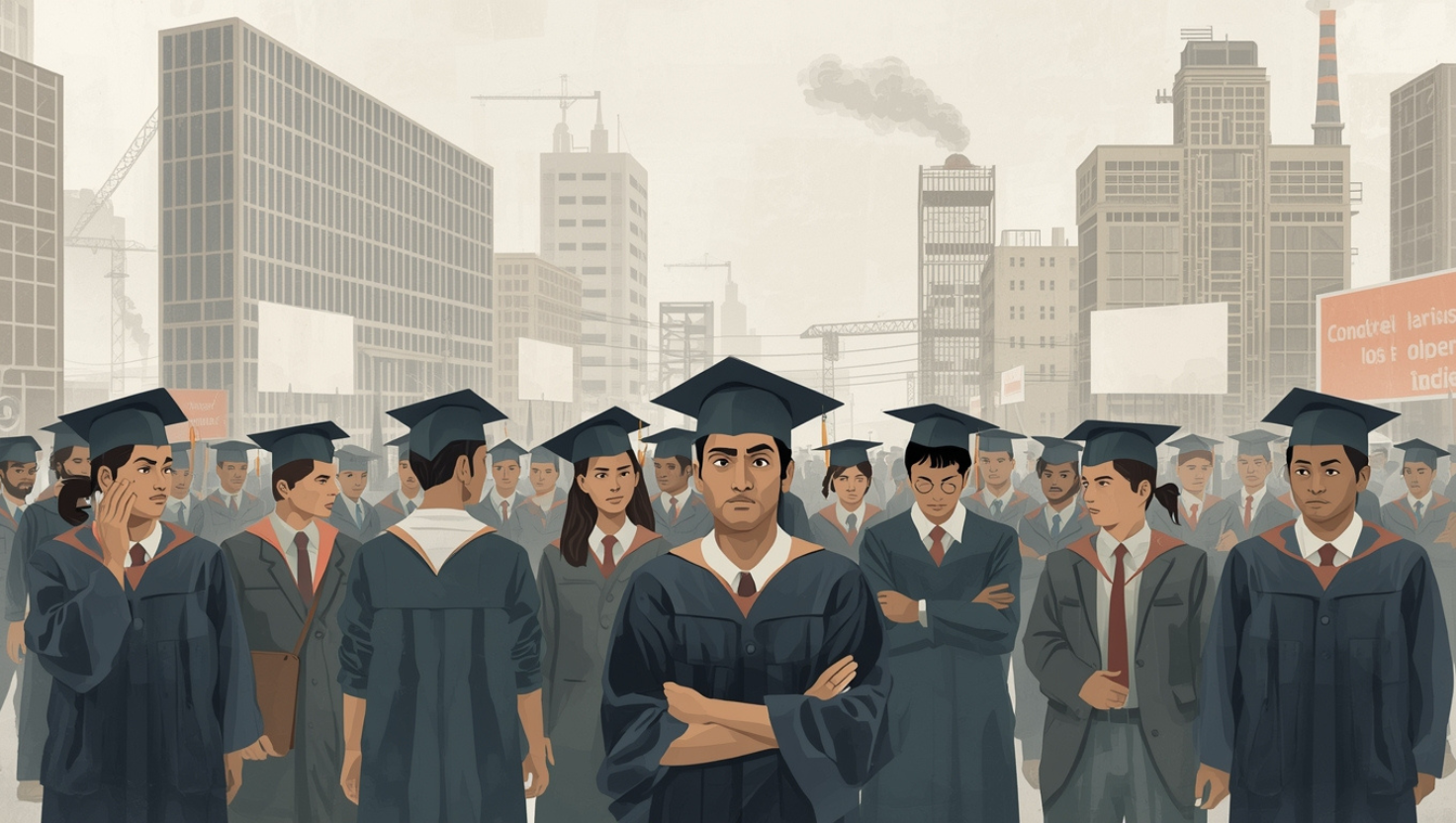
Educated unemployment in India reveals a deep skill-job mismatch, risking the loss of its demographic dividend.

Venezuelan leader María Corina Machado wins the 2025 Nobel Peace Prize for her fight to restore democracy and defend human rights.
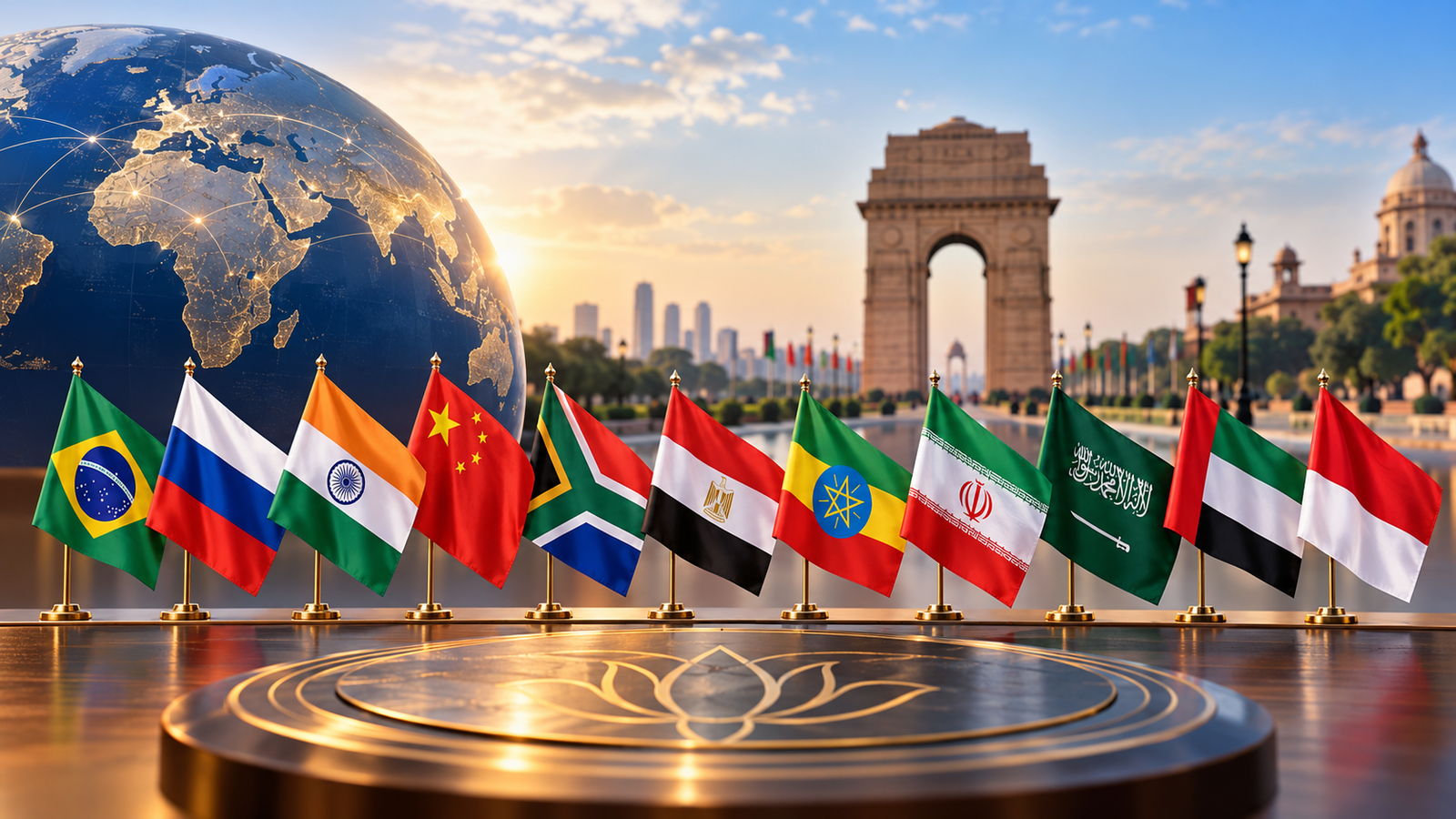
BRICS 2026: Explore the 18th BRICS Summit in New Delhi,
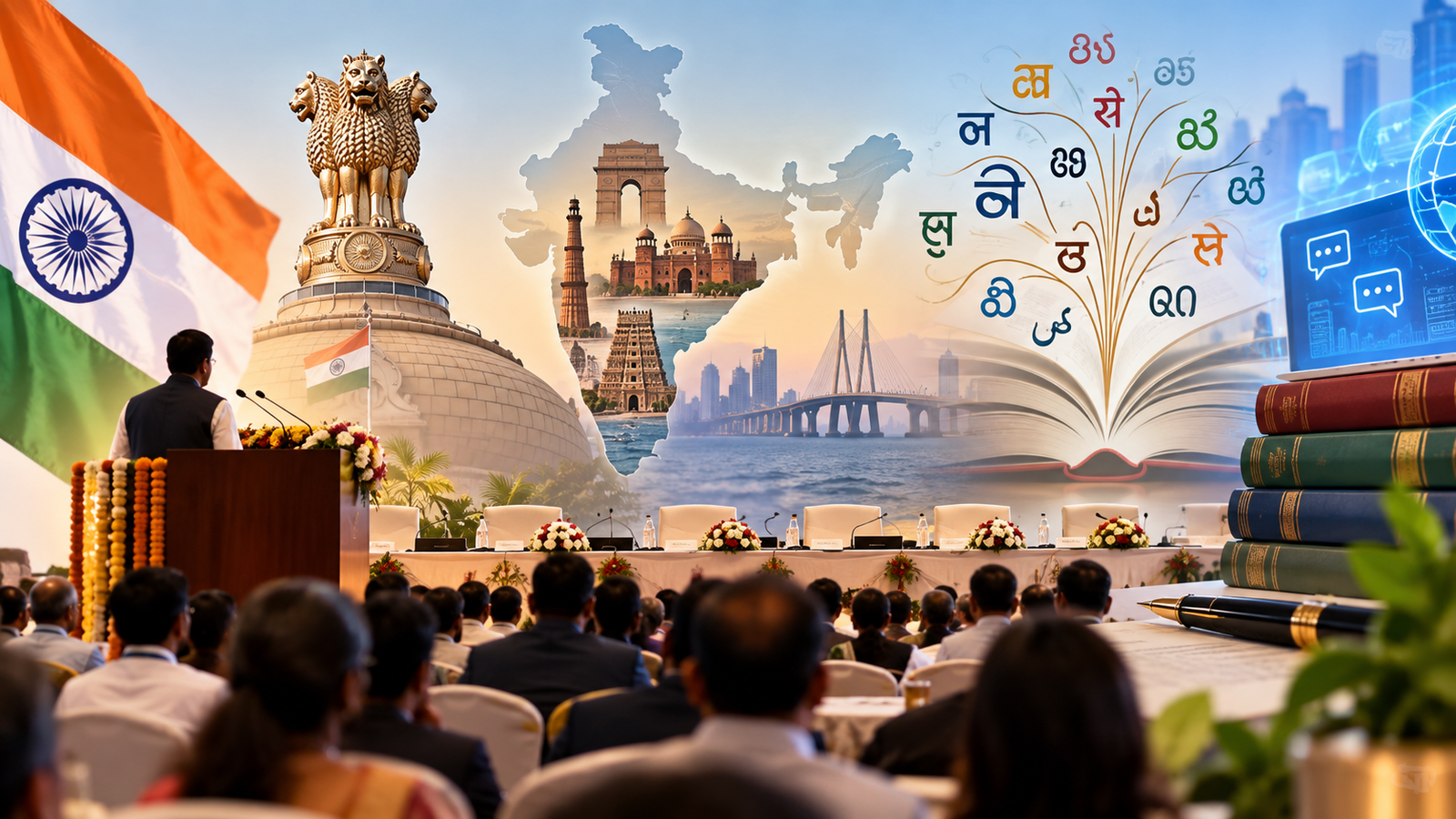
6th All India Official Language Conference 2026 in Navi Mumbai:
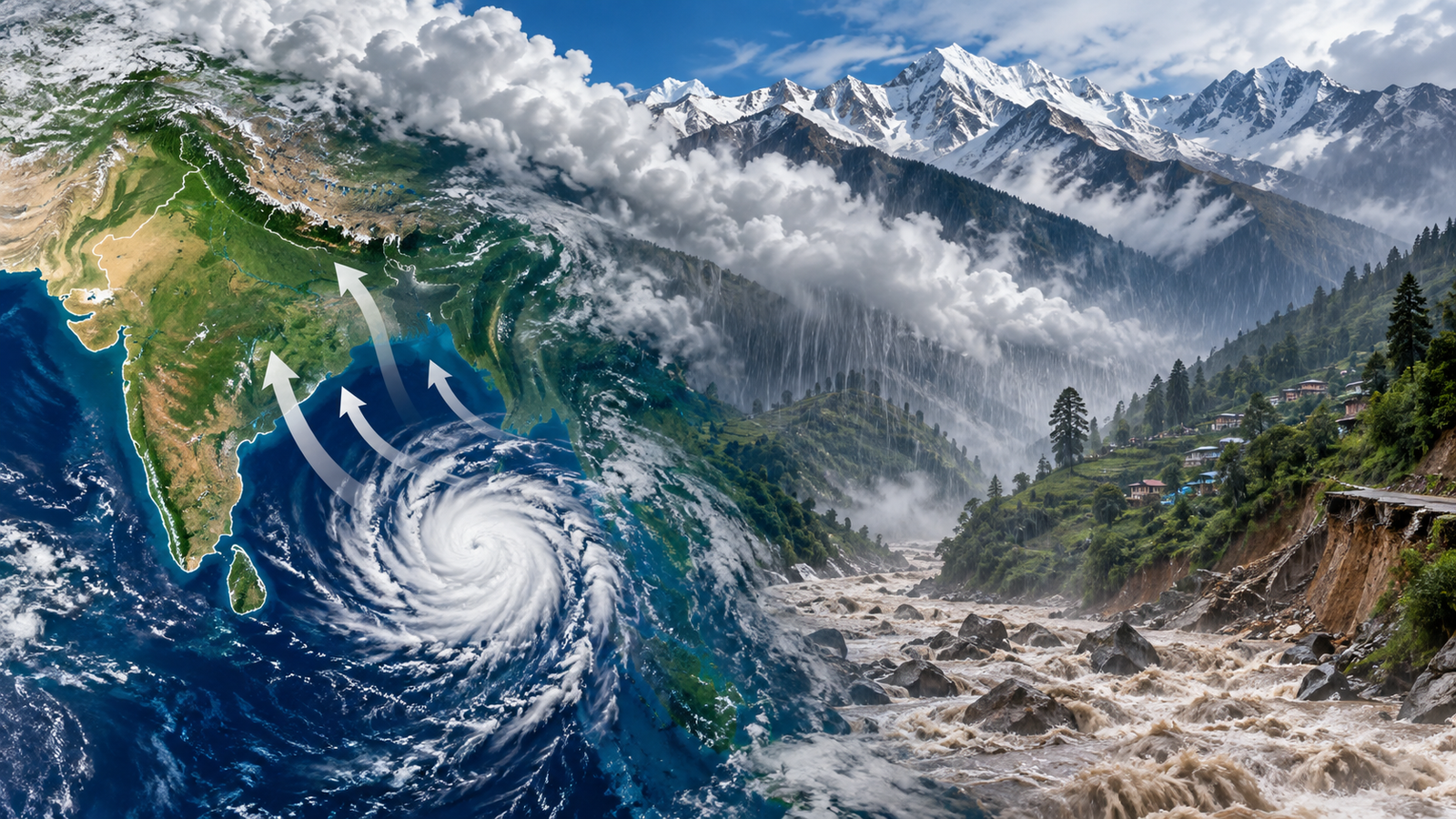
Discover how Bay of Bengal low-pressure systems shape India’s monsoon,
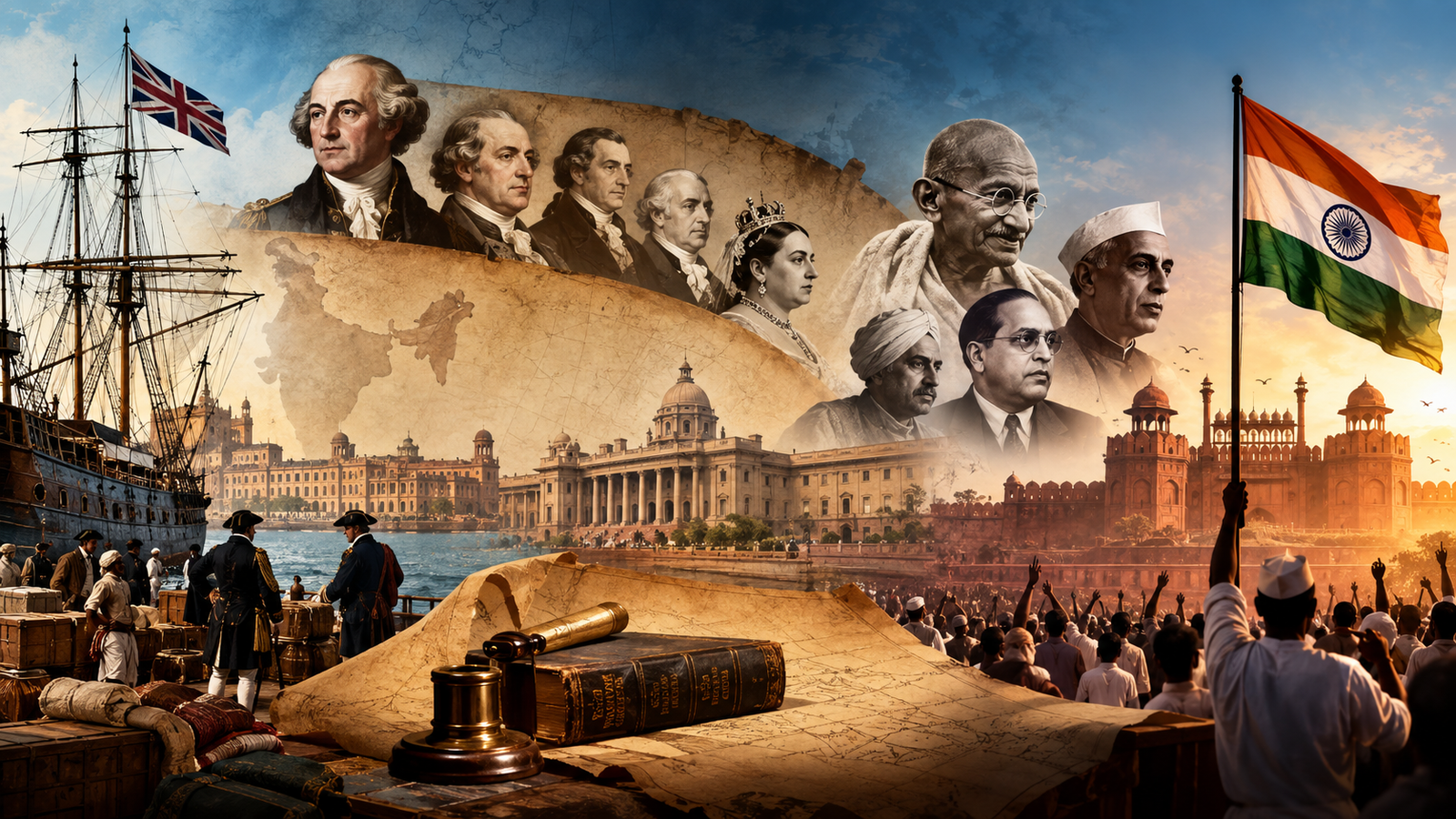
Explore the constitutional evolution of India from East India Company

Yojana June 2026 explores India’s journey towards a Naxal-free Bharat,
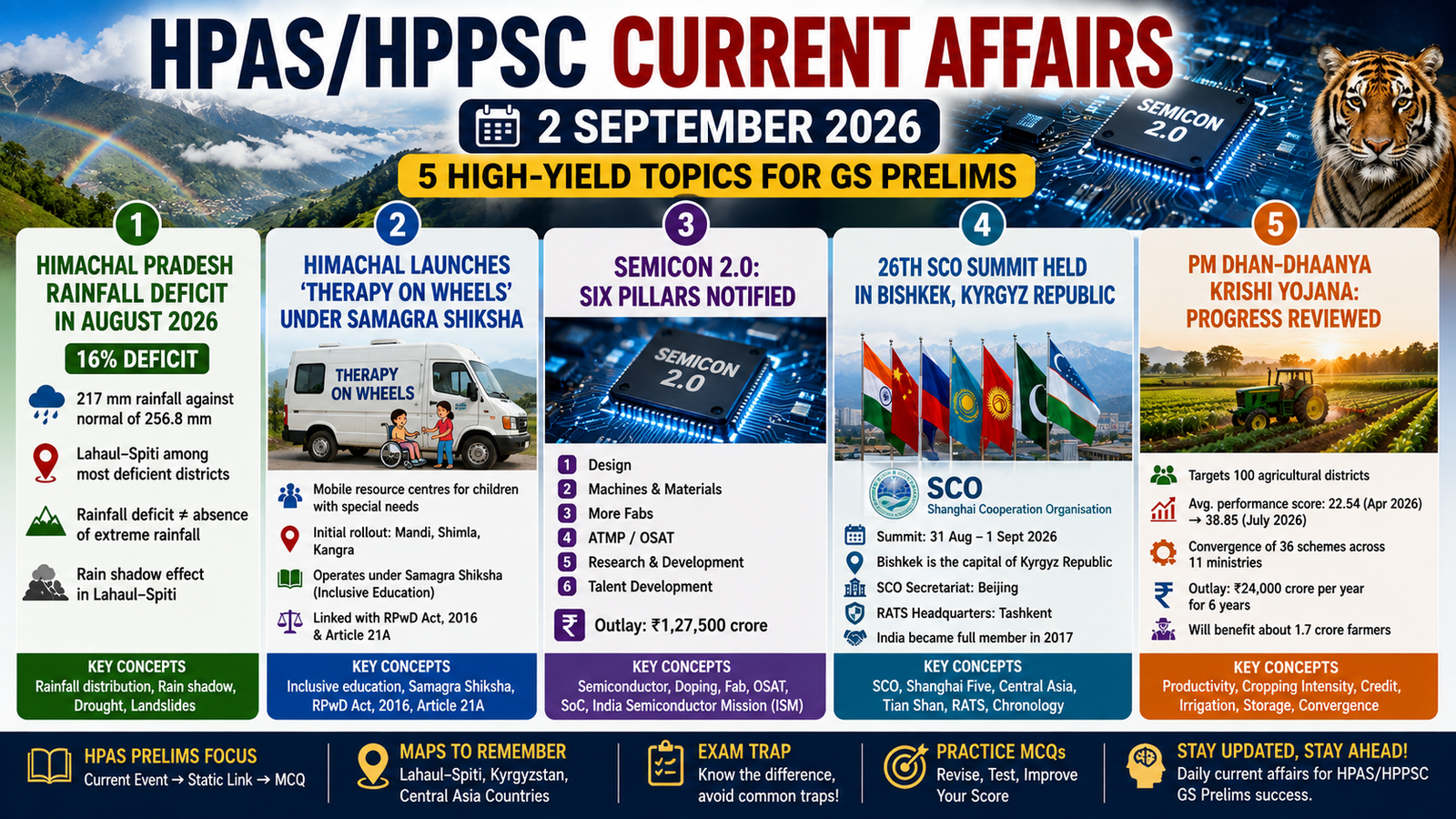
HPAS/HPPSC Current Affairs 2 September 2026: Himachal rainfall deficit, Therapy