
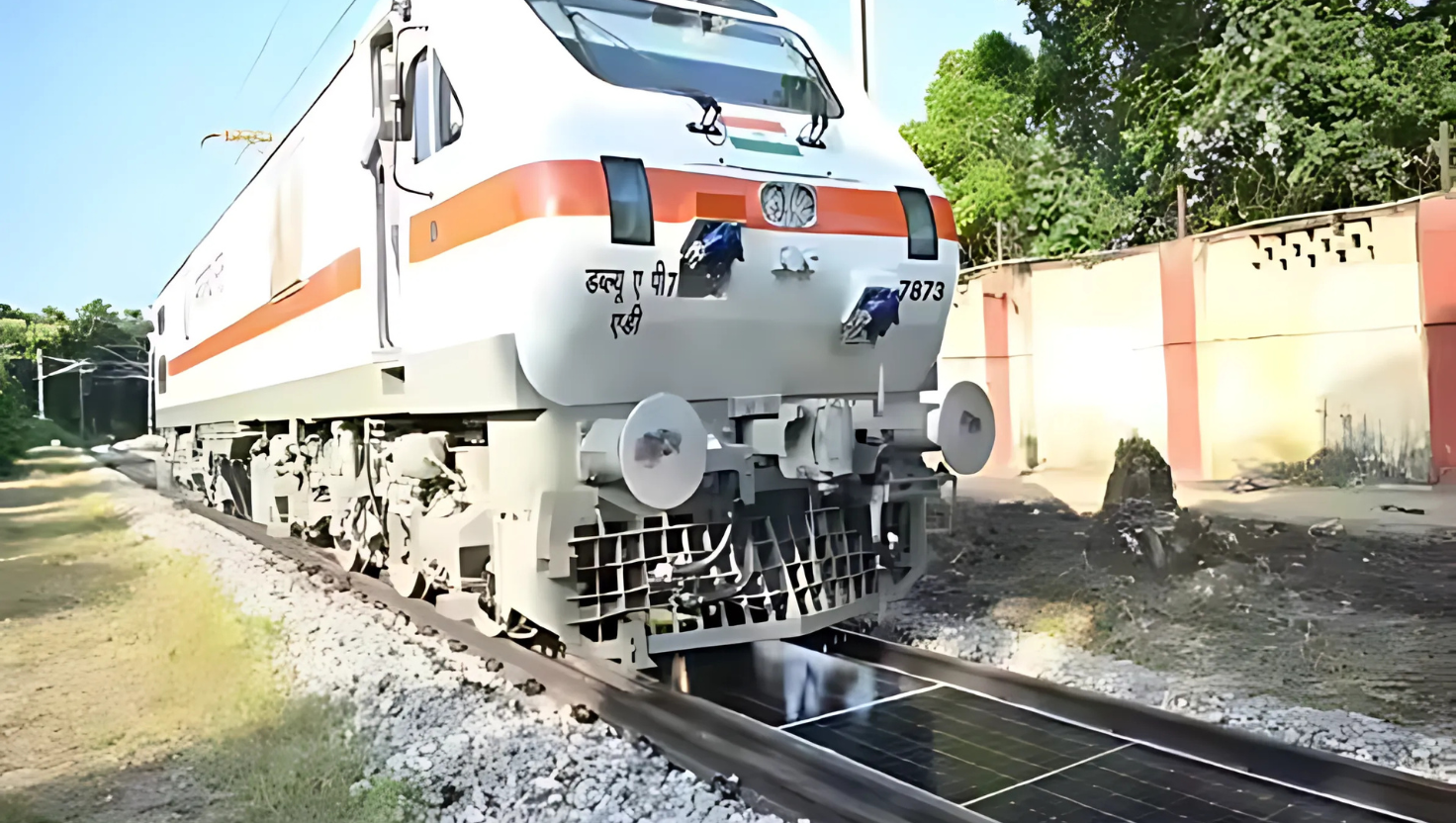
Removable Solar Panel System
Indian Railways installed its first removable solar panel system at Varanasi in Aug 2025, generating 15 KWp power by using space between tracks.
Indian Railways installed its first removable solar panel system at Varanasi in Aug 2025, generating 15 KWp power by using space between tracks.
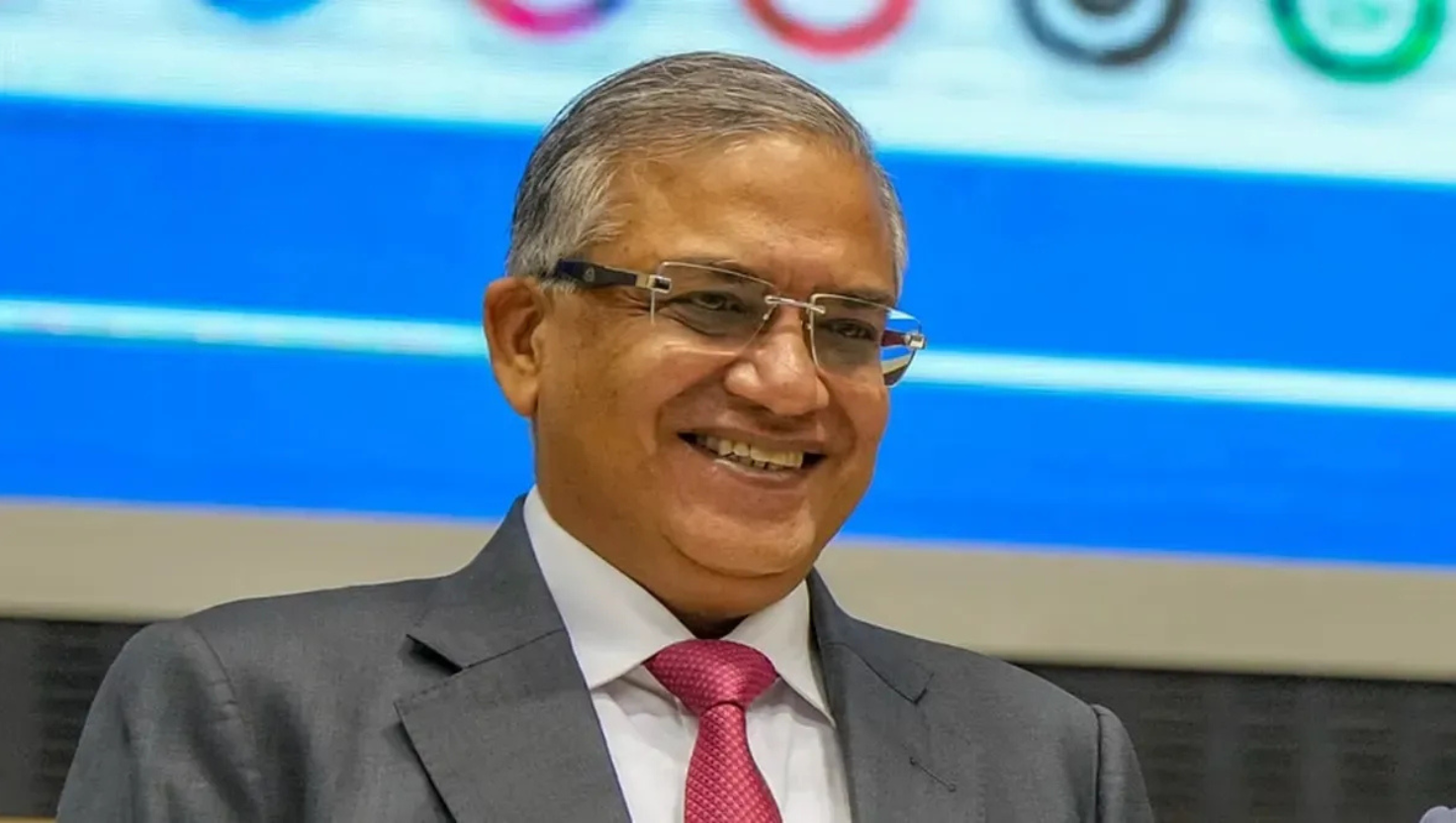
CEC can be removed like an SC judge, only for misbehaviour/incapacity, with 2/3rd majority in Parliament; none removed till date.
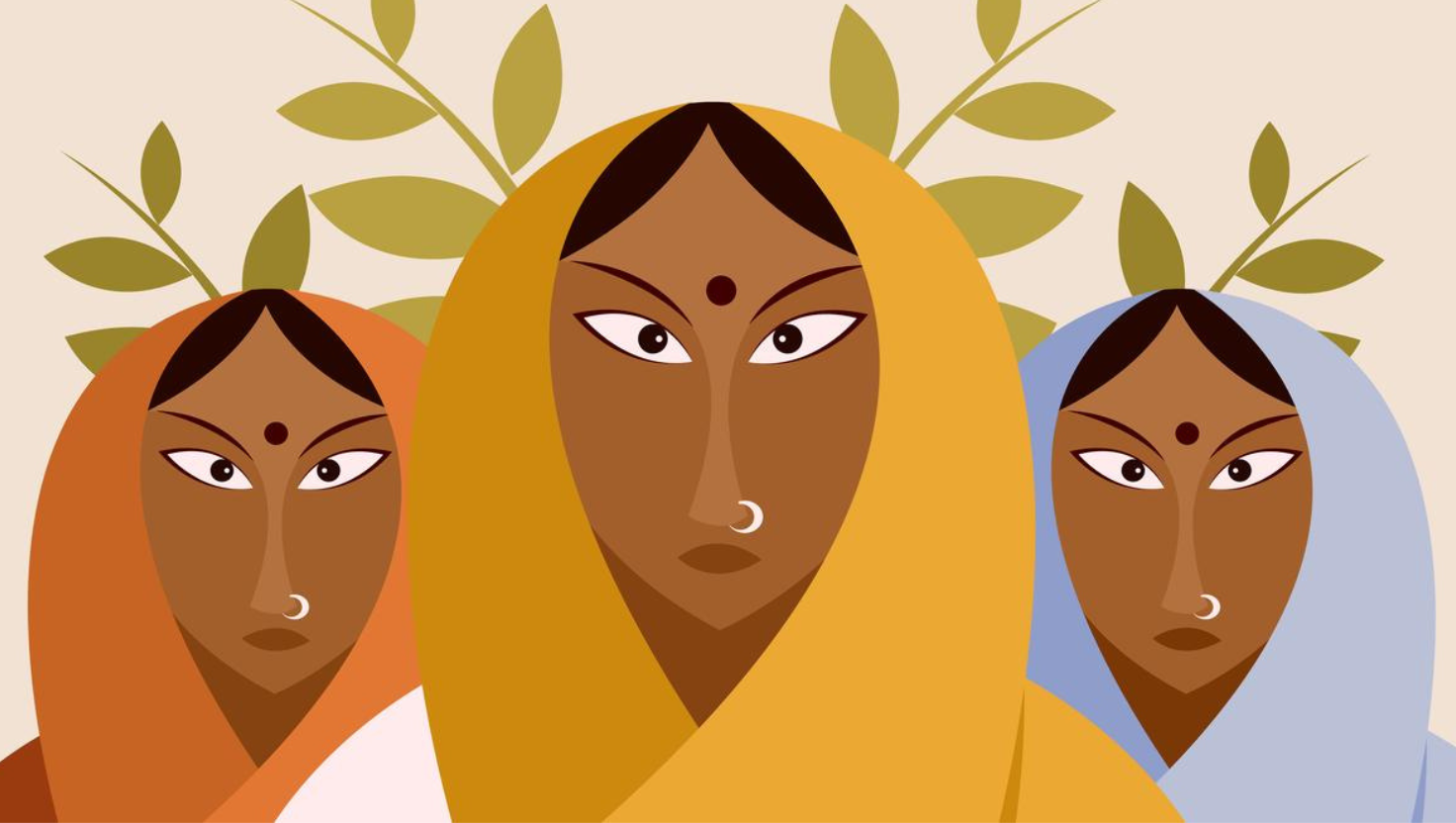
Empowerment of Women means more than tokenism—it requires systemic support, justice, dignity, and rehabilitation for survivors.
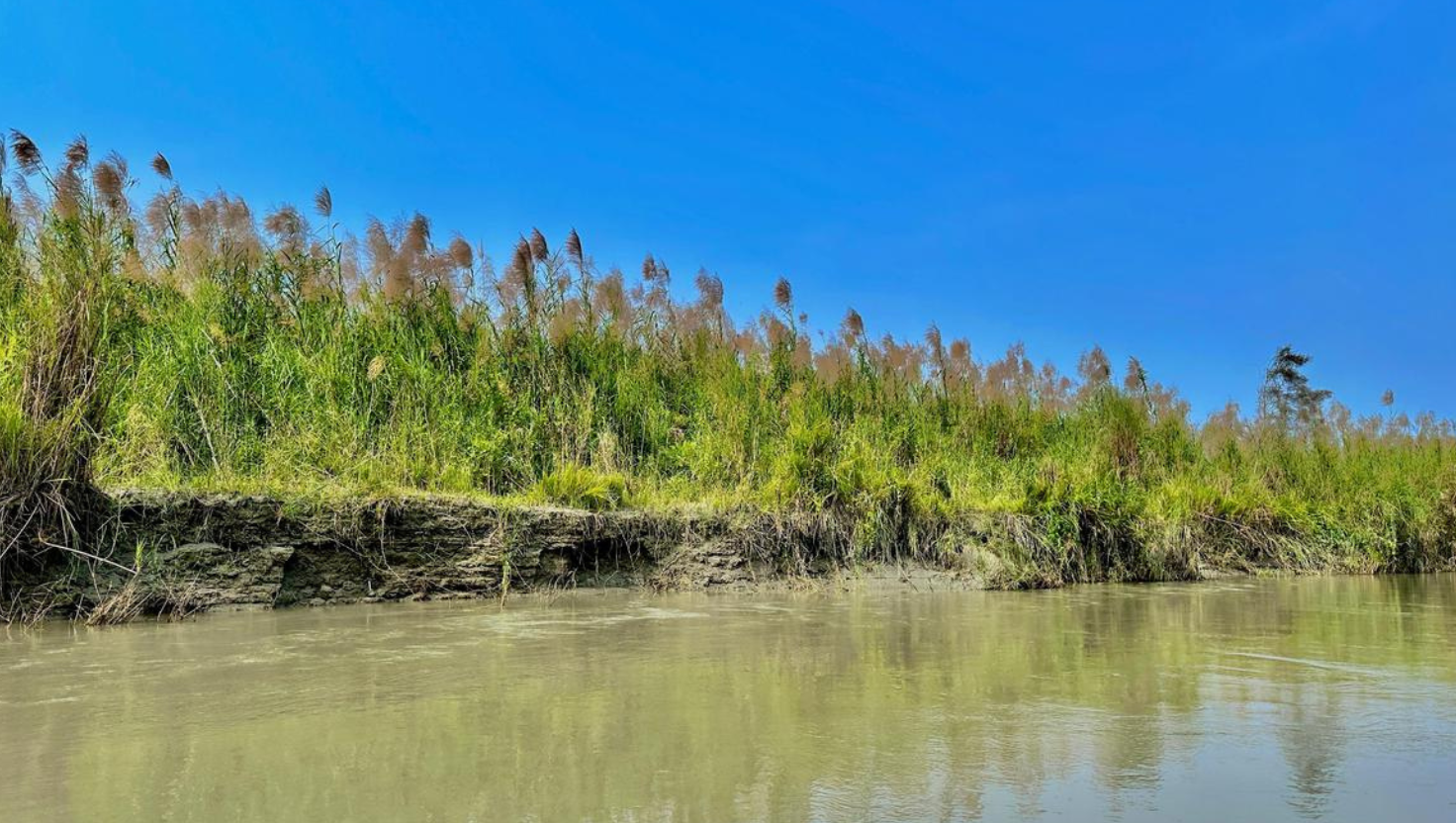
Dibru–Saikhowa National Park in Assam faces habitat loss as invasive plants and floods threaten grasslands, feral horses, and rare species.
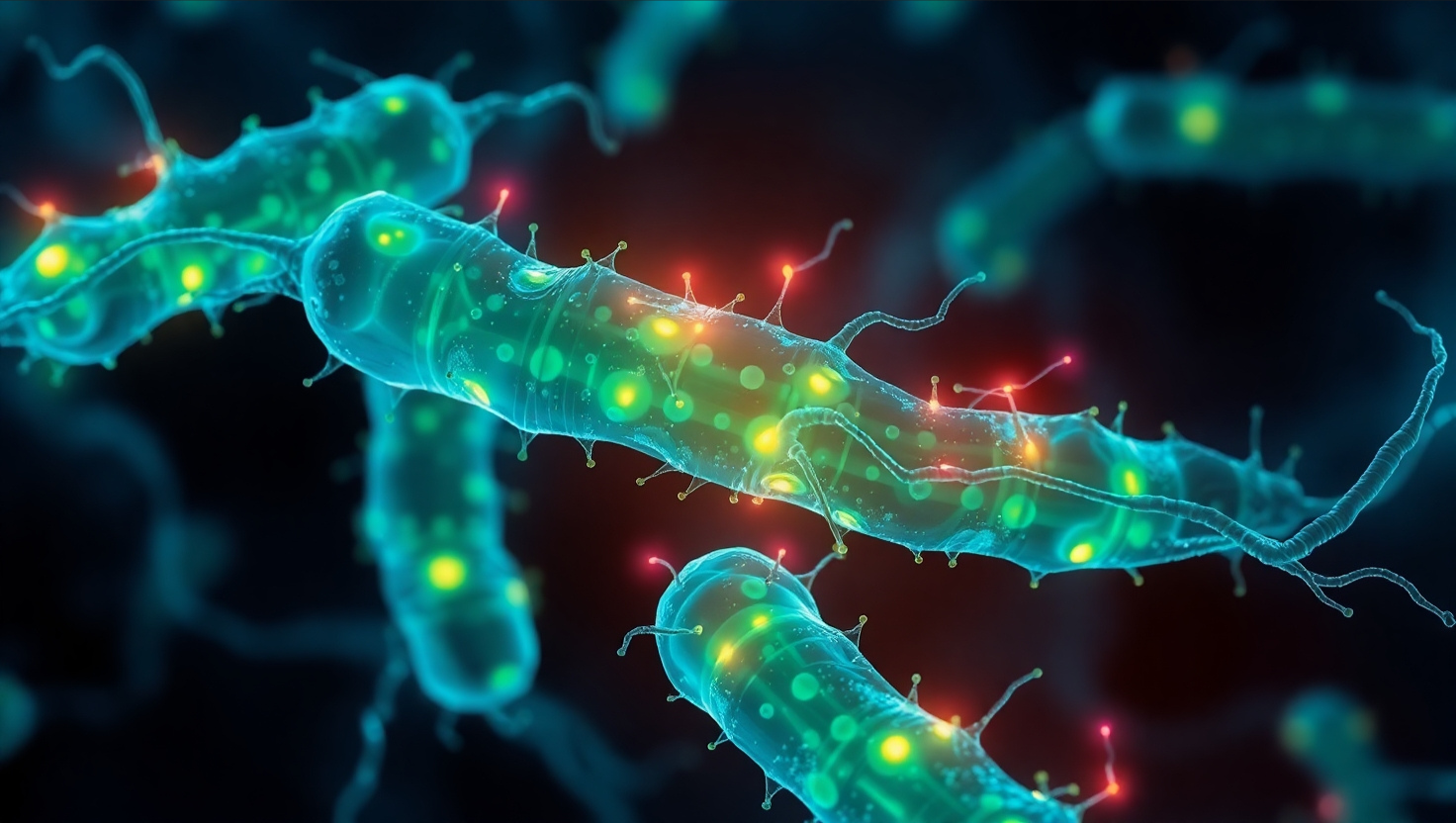
Engineered E. coli works as a mercury sensor, converting toxic metal presence in water into readable electric signals.
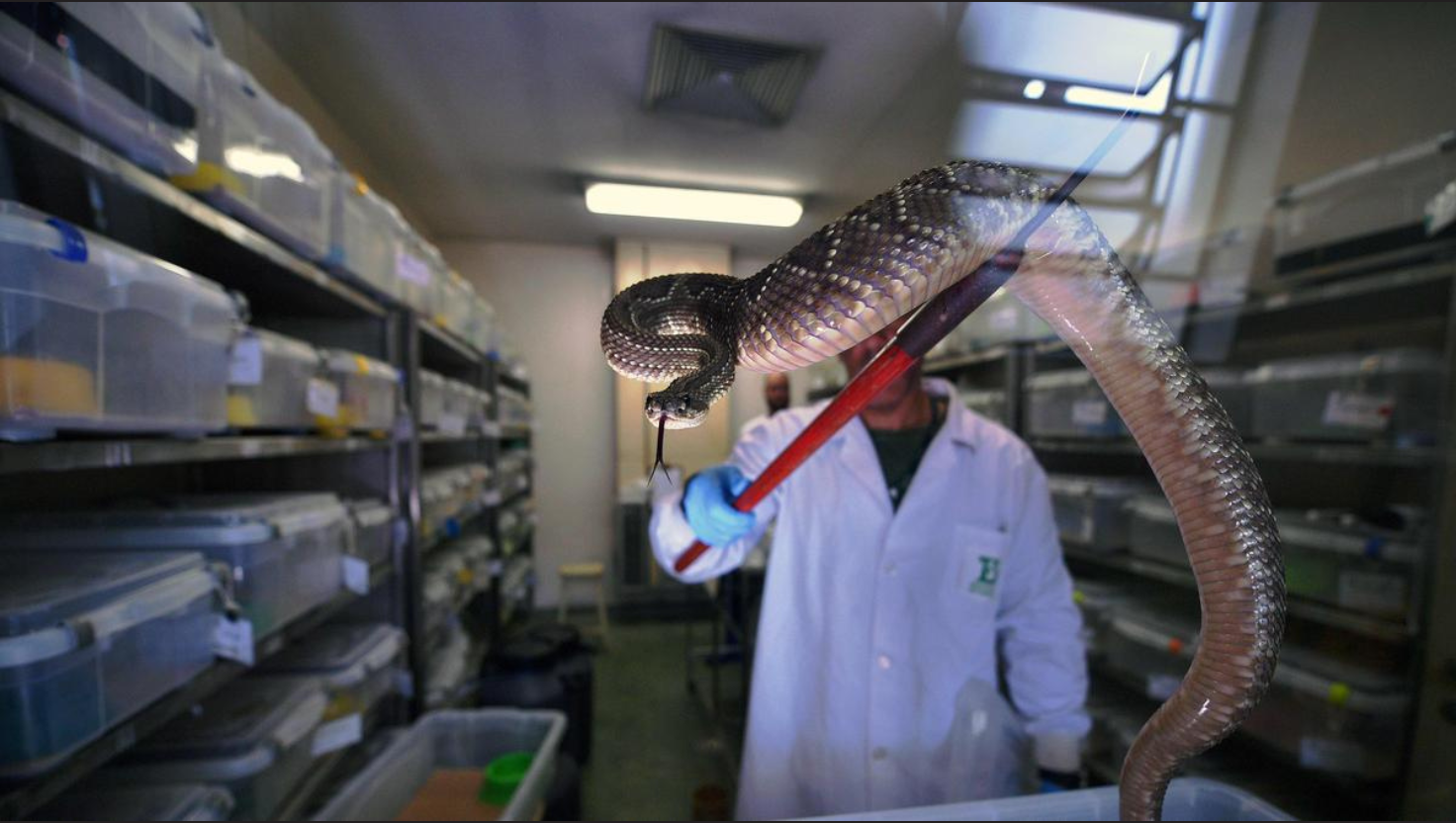
Indian Polyvalent Antivenom counters bites from the “Big Four” snakes but is less effective in Northeast, calling for region-specific solutions.
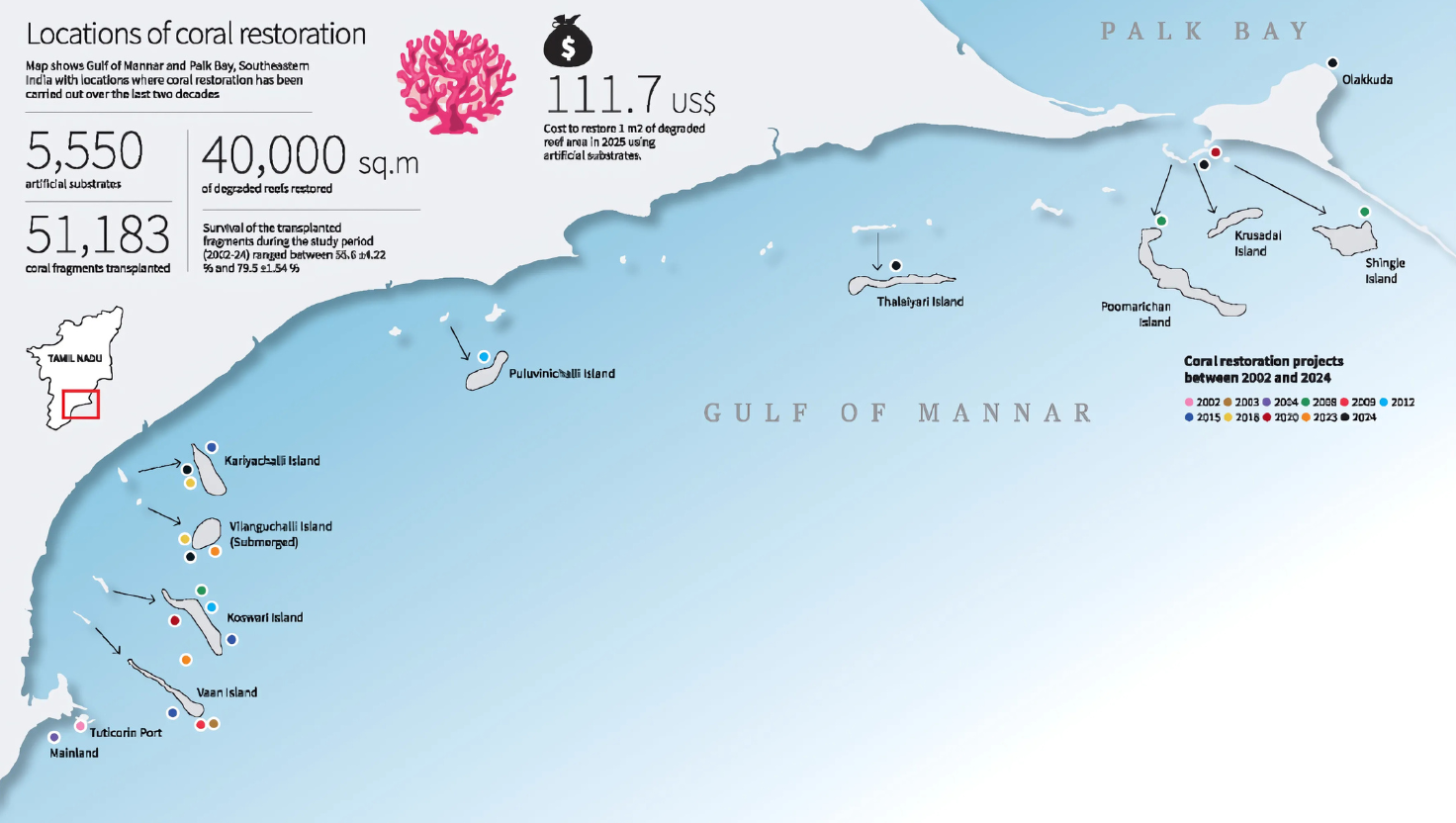
Revival of Coral Reefs in Gulf of Mannar shows how science, community action, and policy can restore biodiversity and support livelihoods.
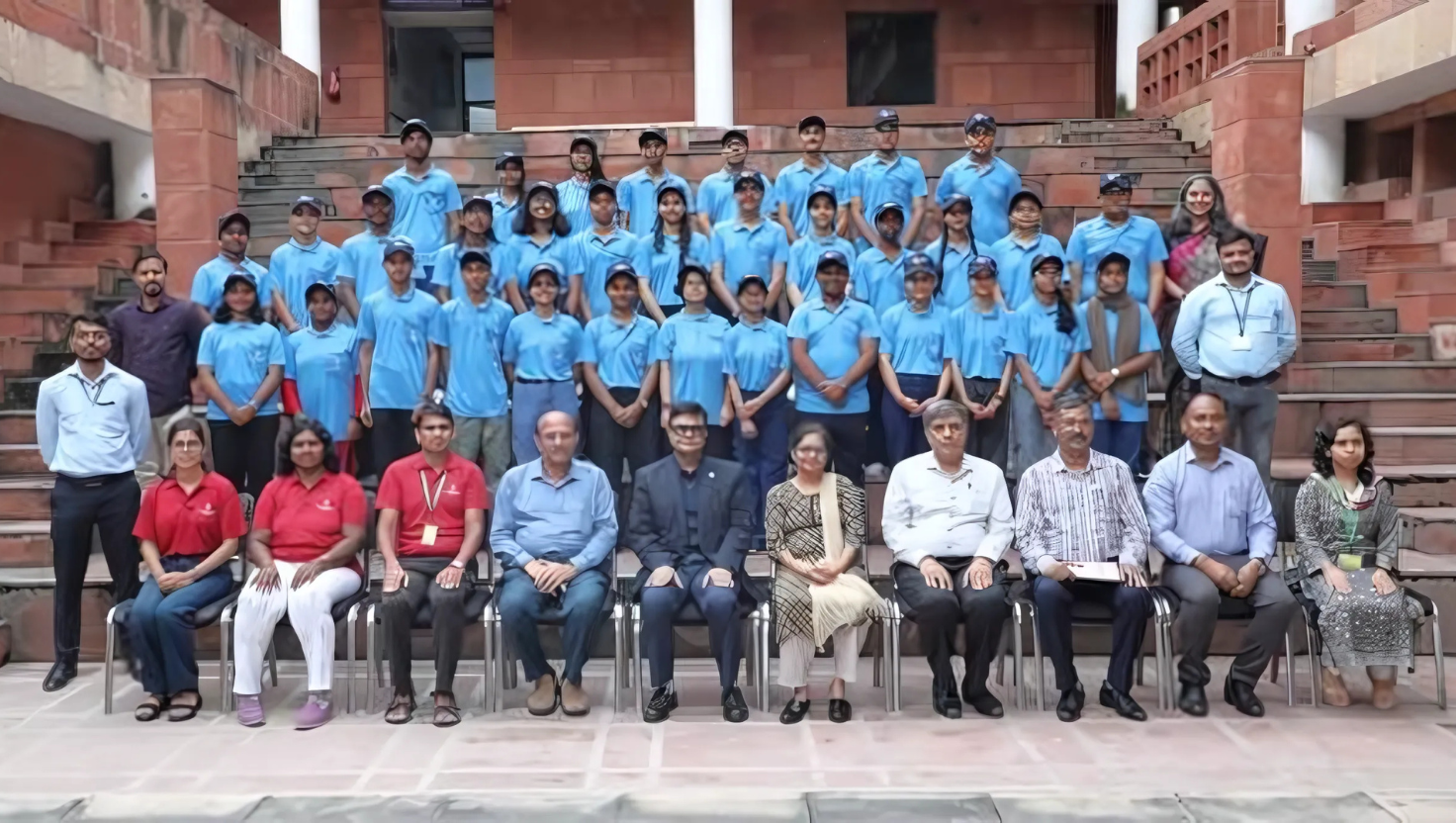
Sakura Science Programme fosters youth exchange, scientific learning, and cultural ties between India, Japan, and other nations.
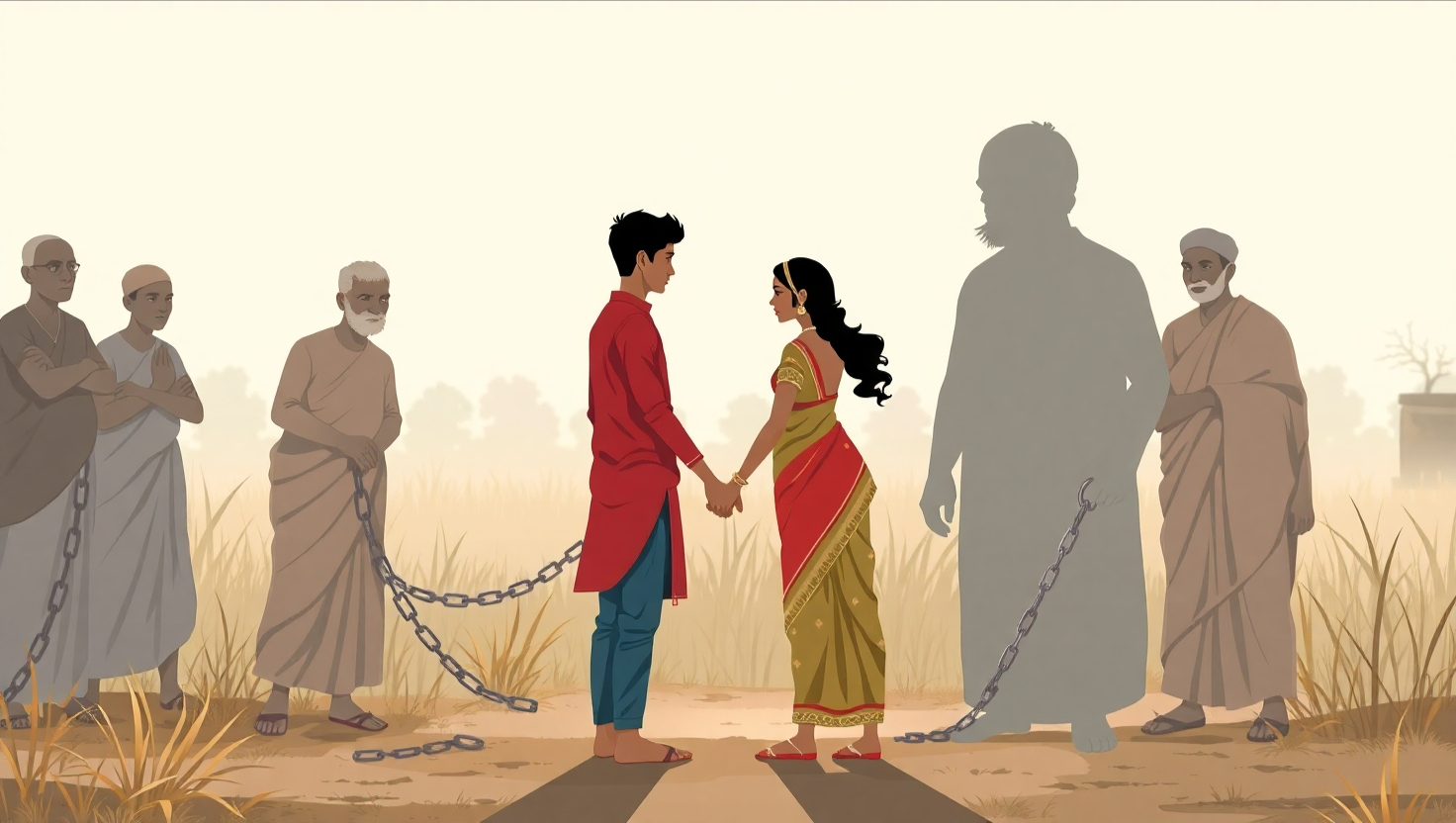
Honour killings in India reflect caste, patriarchy, and social control, violating rights and undermining equality despite legal safeguards.
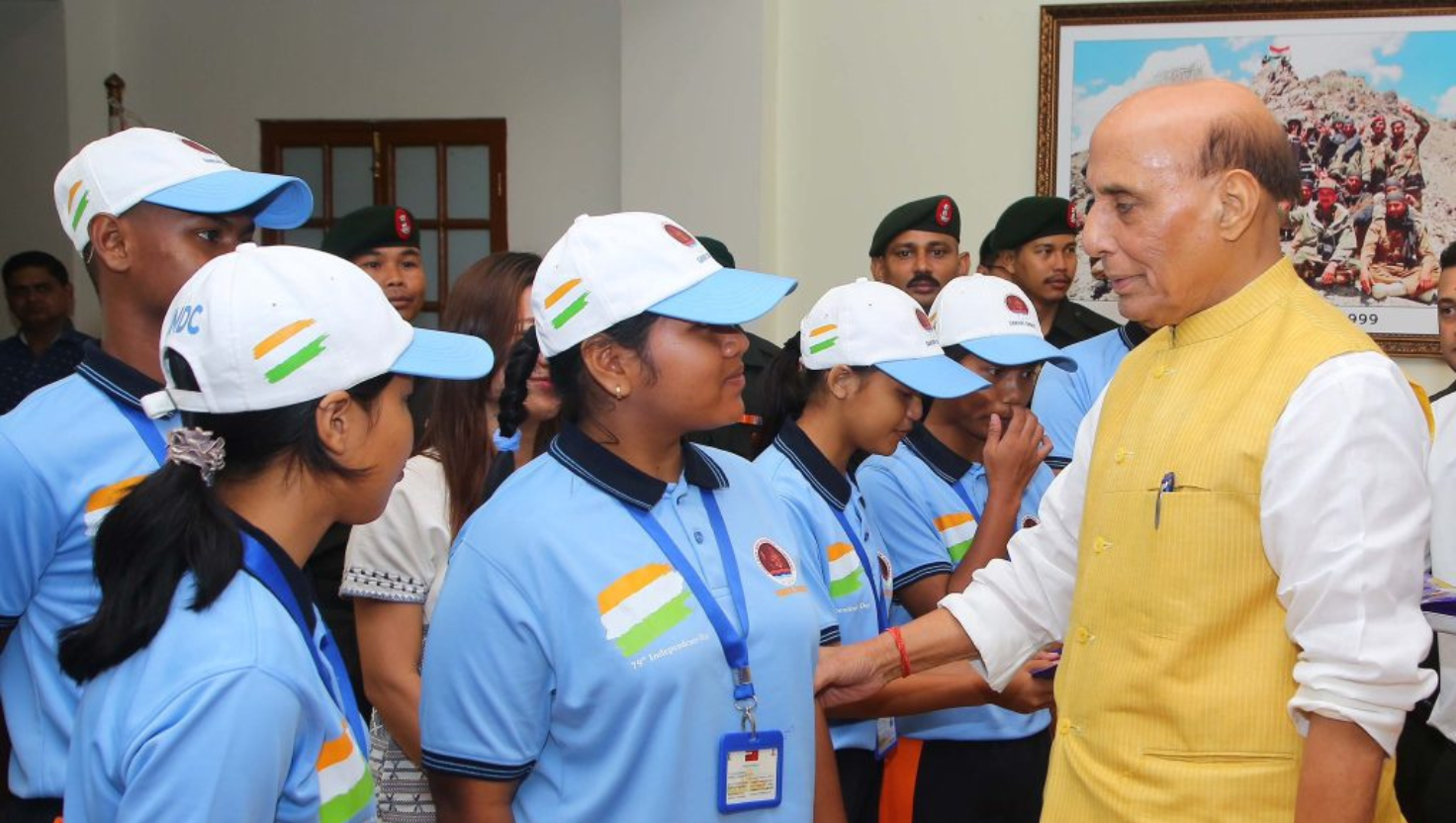
The Aarohan Programme is a National Integration Tour by the Andaman & Nicobar Command, connecting tribal youth with India’s culture, education, and opportunities.

BRICS 2026: Explore the 18th BRICS Summit in New Delhi,
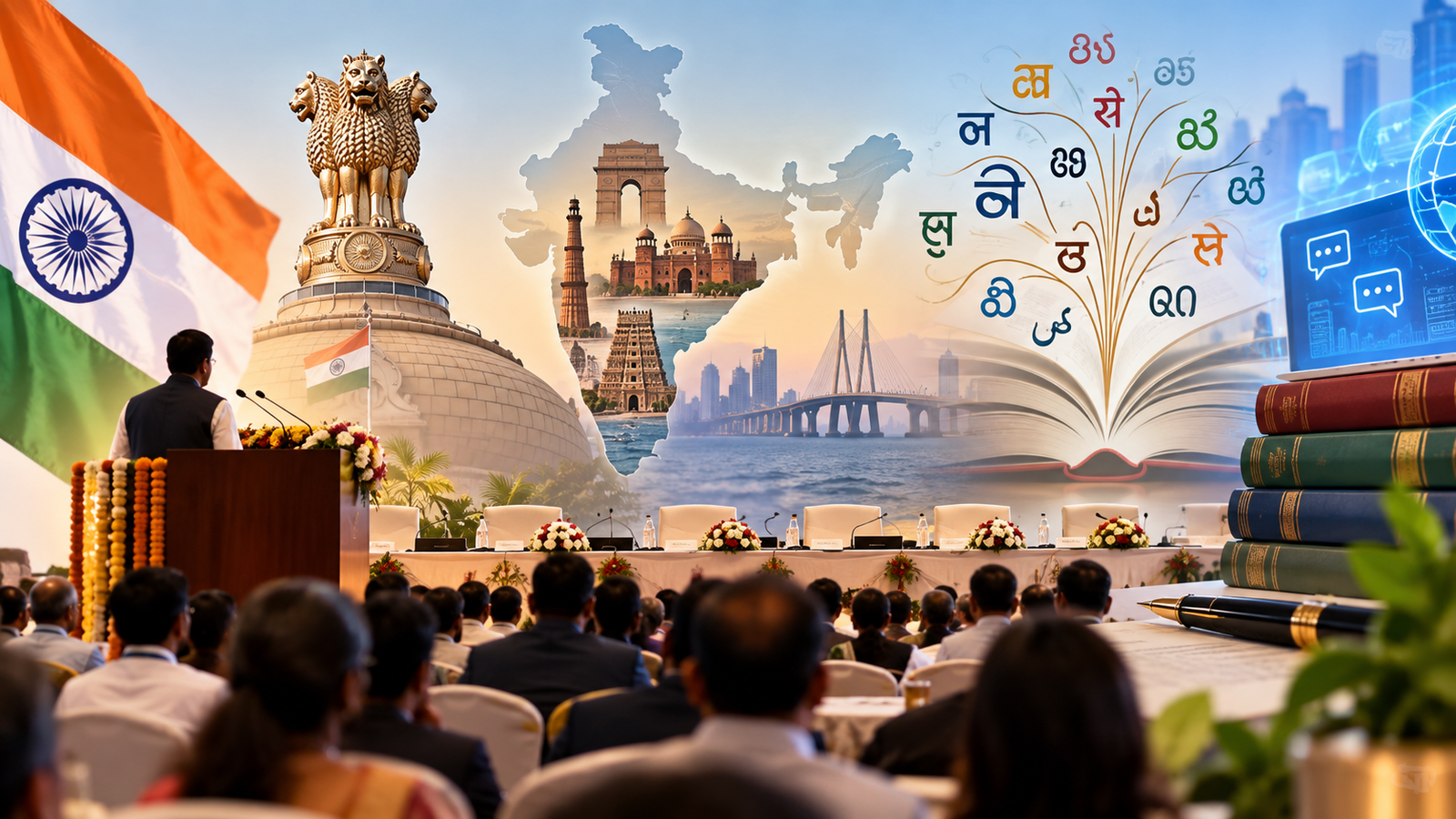
6th All India Official Language Conference 2026 in Navi Mumbai:
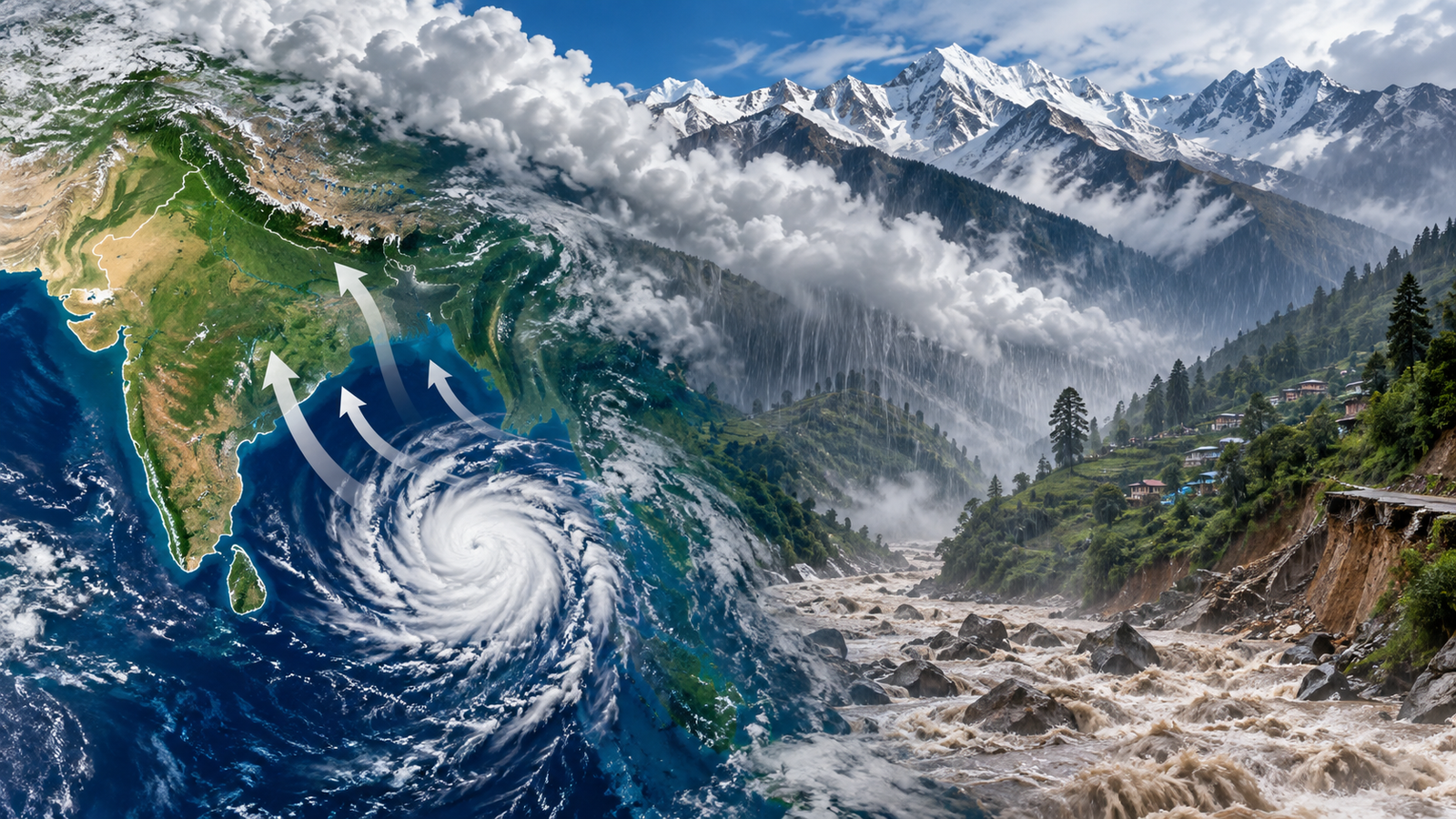
Discover how Bay of Bengal low-pressure systems shape India’s monsoon,
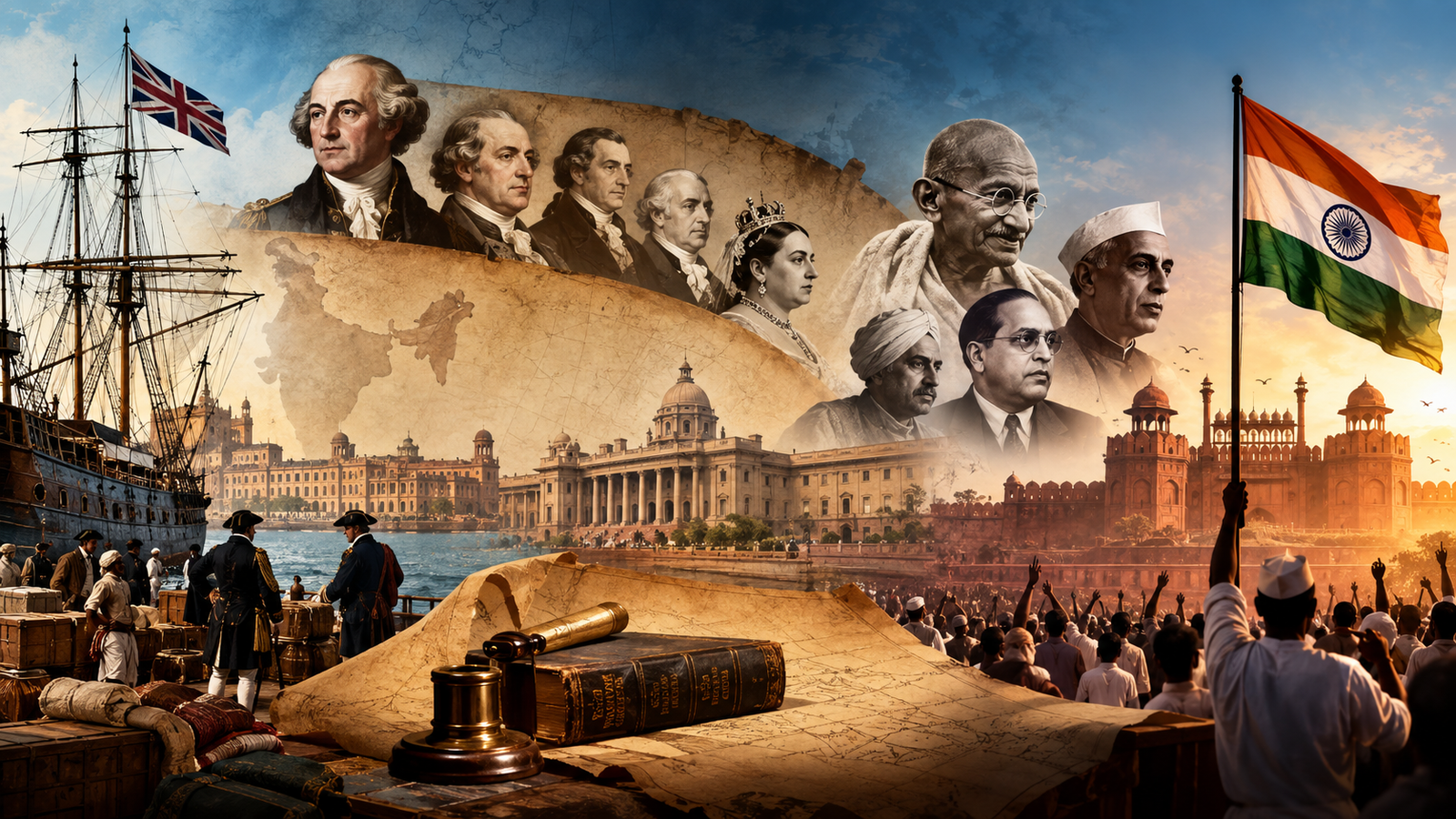
Explore the constitutional evolution of India from East India Company

Yojana June 2026 explores India’s journey towards a Naxal-free Bharat,
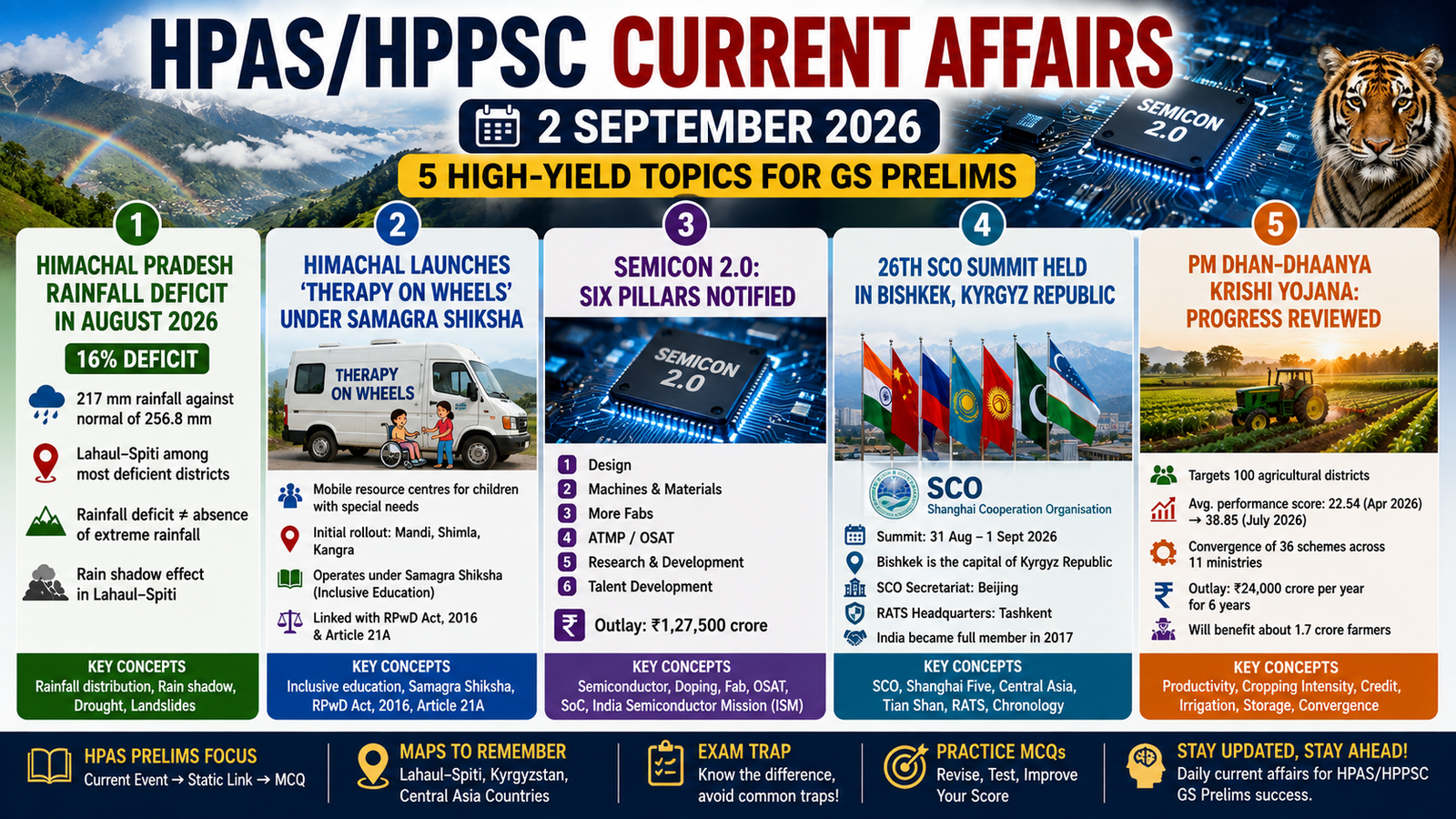
HPAS/HPPSC Current Affairs 2 September 2026: Himachal rainfall deficit, Therapy