

National Cooperative Development Corporation (NCDC)
The government has approved ₹2,000 crore for NCDC to boost cooperative-led rural development, focusing on agriculture, allied sectors, and job creation.
The government has approved ₹2,000 crore for NCDC to boost cooperative-led rural development, focusing on agriculture, allied sectors, and job creation.

Despite population growth, Asiatic lion cub mortality in Gir highlights urgent conservation and veterinary care challenges.

India’s mangrove restoration efforts are boosting biodiversity, protecting shores, and empowering coastal communities.
Low legal aid access and underutilised funds highlight the urgent need to strengthen NALSA and decentralise legal aid delivery

The Banking Laws (Amendment) Act, 2025 brings key reforms in governance, audit, depositor protection, and cooperative bank regulation.

The U.S. has imposed a 25% tariff on Indian imports, citing trade imbalance and India’s continued defence and energy ties with Russia.

India launched the NASA–ISRO NISAR satellite, marking the first joint Earth observation mission to monitor land, ice, and climate with high precision.
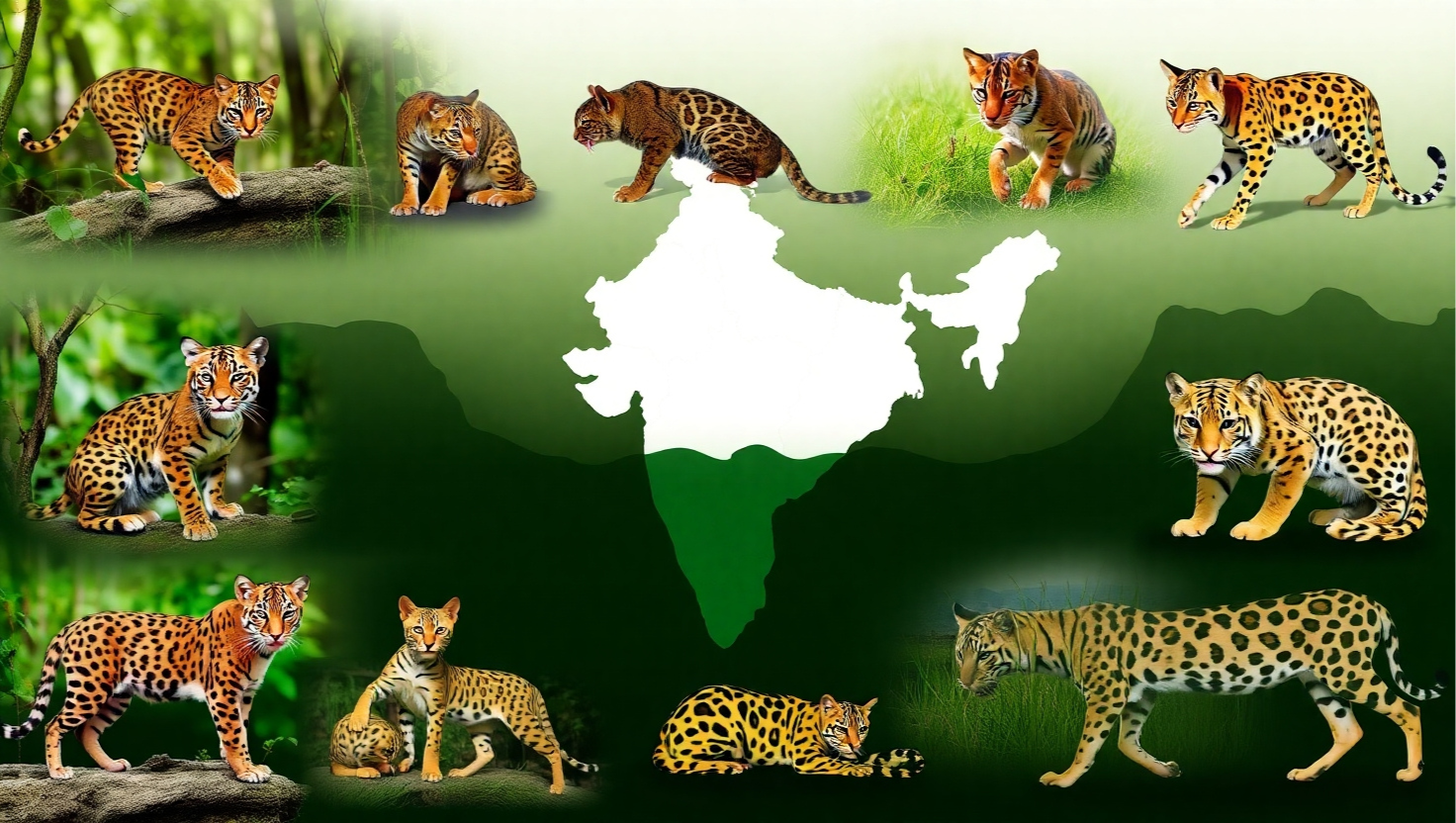
The report maps nine small wild cat species in India’s tiger habitats, highlighting their distribution, threats, and urgent conservation needs.

Indian Army’s Exercise Divya Drishti tested AI-based surveillance, UAV synergy, and sensor-to-shooter tech in high-altitude East Sikkim terrain.

Mount Cilo in Turkey has lost over 50% of its glacier cover in 40 years due to climate change, with rising heatwaves and reduced rainfall accelerating the melt.

BRICS 2026: Explore the 18th BRICS Summit in New Delhi,

6th All India Official Language Conference 2026 in Navi Mumbai:

Discover how Bay of Bengal low-pressure systems shape India’s monsoon,

Explore the constitutional evolution of India from East India Company

Yojana June 2026 explores India’s journey towards a Naxal-free Bharat,

HPAS/HPPSC Current Affairs 2 September 2026: Himachal rainfall deficit, Therapy