
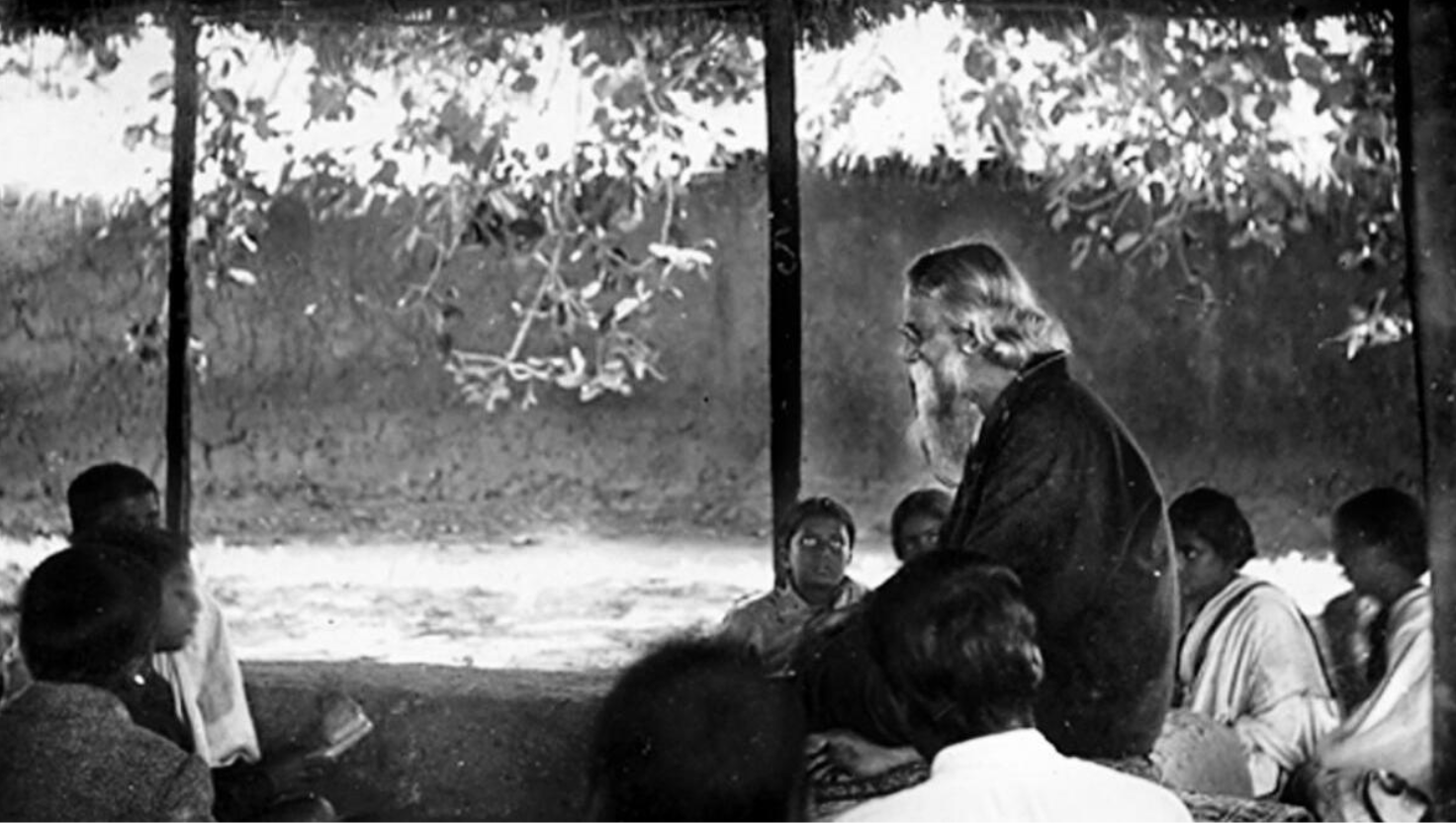
Visva-Bharati University
Visva-Bharati University, founded by Rabindranath Tagore in 1921, faces an institutional crisis amid NEP 2020 reforms, funding cuts, and faculty unrest.
Visva-Bharati University, founded by Rabindranath Tagore in 1921, faces an institutional crisis amid NEP 2020 reforms, funding cuts, and faculty unrest.

RTI Act at 20 shows declining transparency due to vacancies, weak enforcement, and new privacy laws undermining citizens’ right to information.

LEAPS 2025 promotes innovation, sustainability, and efficiency to boost India’s logistics competitiveness and global standing.

NITI Aayog’s report outlines a roadmap for sustainable deep-sea and offshore fisheries, boosting exports, livelihoods, and India’s Blue Economy.
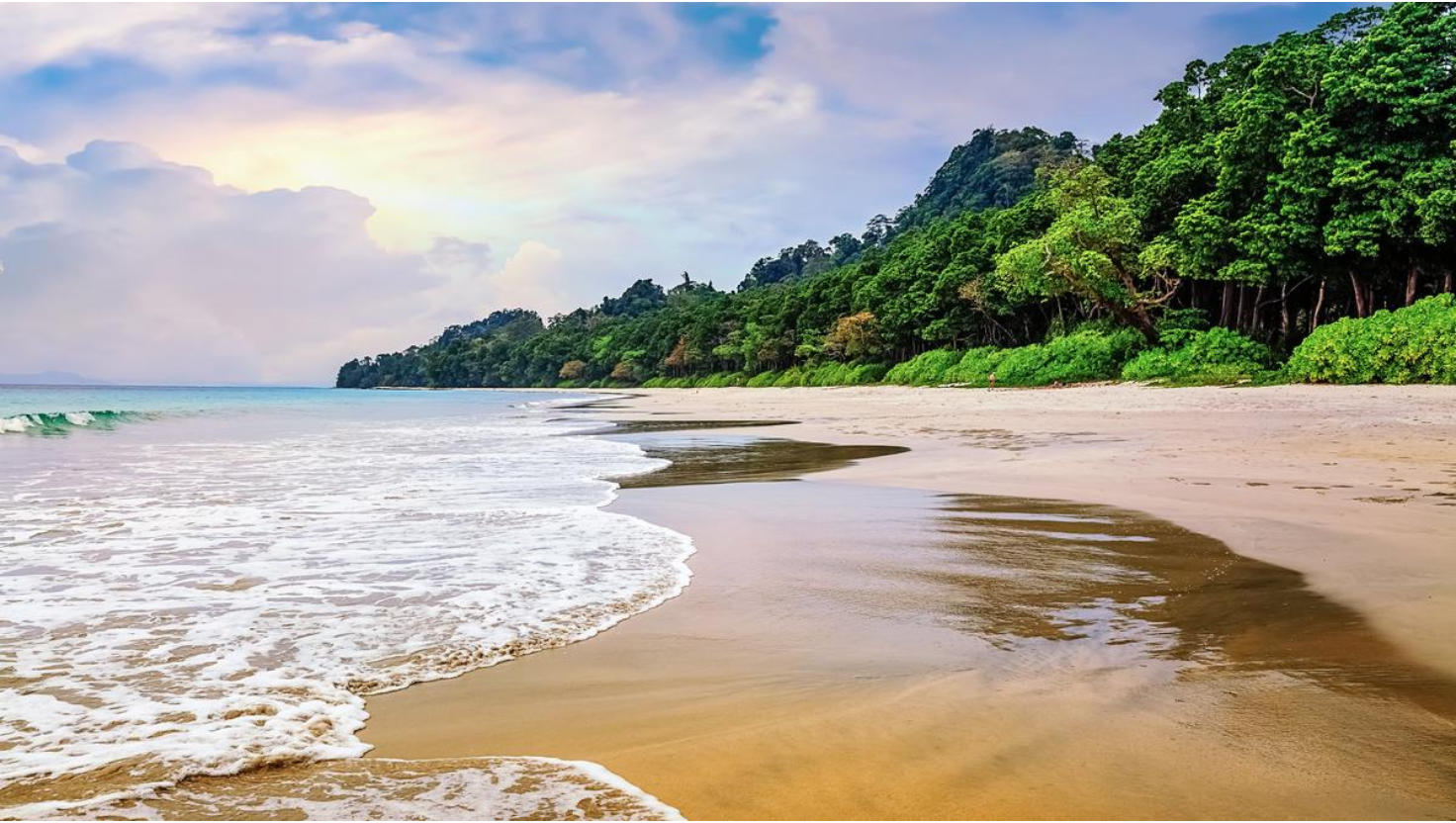
The Great Nicobar Project aims to develop a port, airport, and township on India’s southernmost island, balancing strategic goals with ecological and tribal concerns.
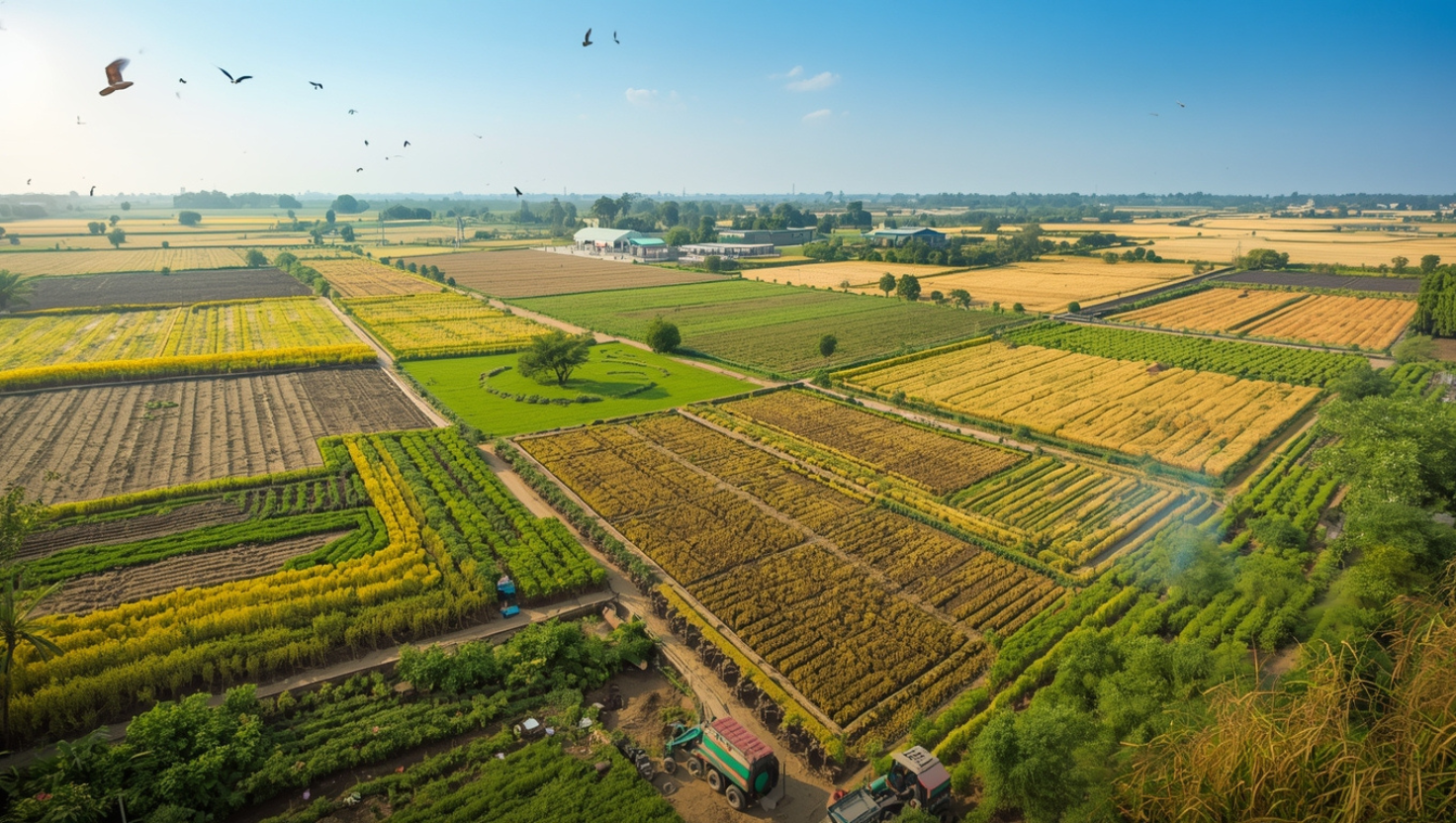
PM launches Mission for Aatmanirbharta in Pulses (2025–31) to boost production to 350 lakh tonnes, ensure MSP, expand cultivation, and enhance farmer incomes.
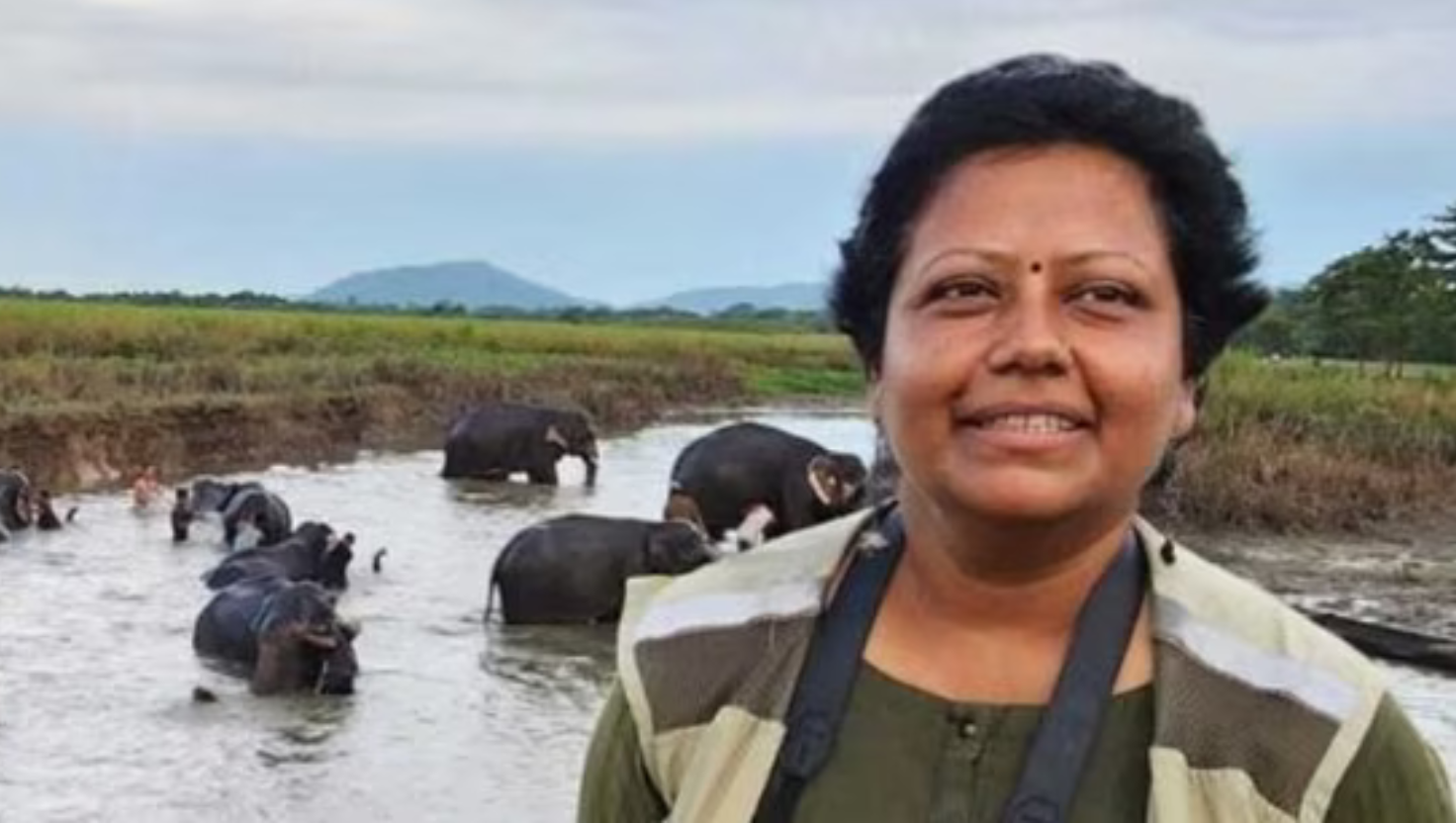
Dr. Sonali Ghosh becomes first Indian to win IUCN Kenton Miller Award 2025 for innovation and leadership in protected area conservation.
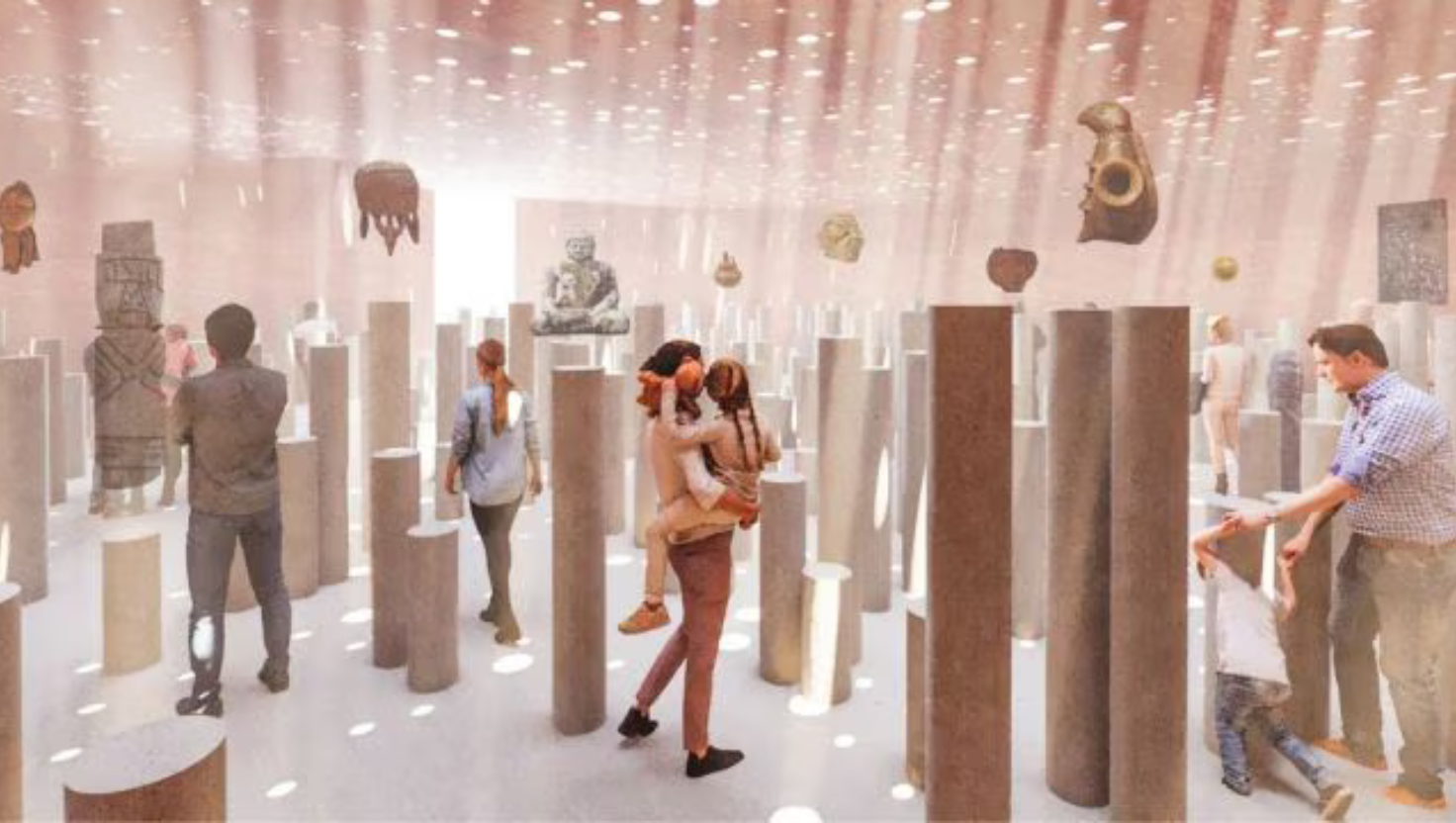
UNESCO launches the world’s first Virtual Museum of Stolen Cultural Objects, digitally showcasing and tracing looted artifacts to promote heritage restitution.
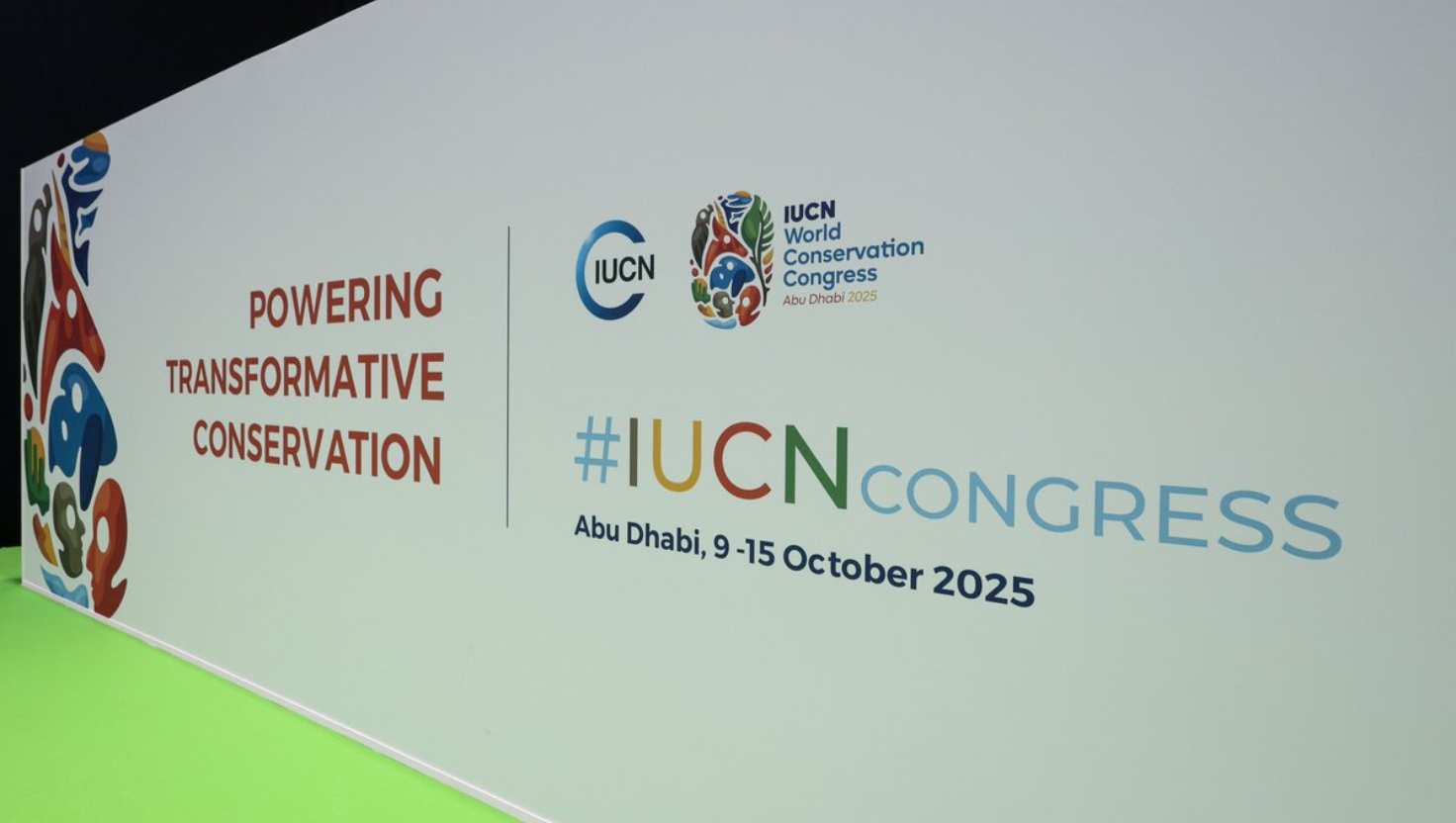
Armenia joins the IUCN at the 2025 Abu Dhabi Congress, enhancing its role in global biodiversity conservation and sustainable ecosystem management.
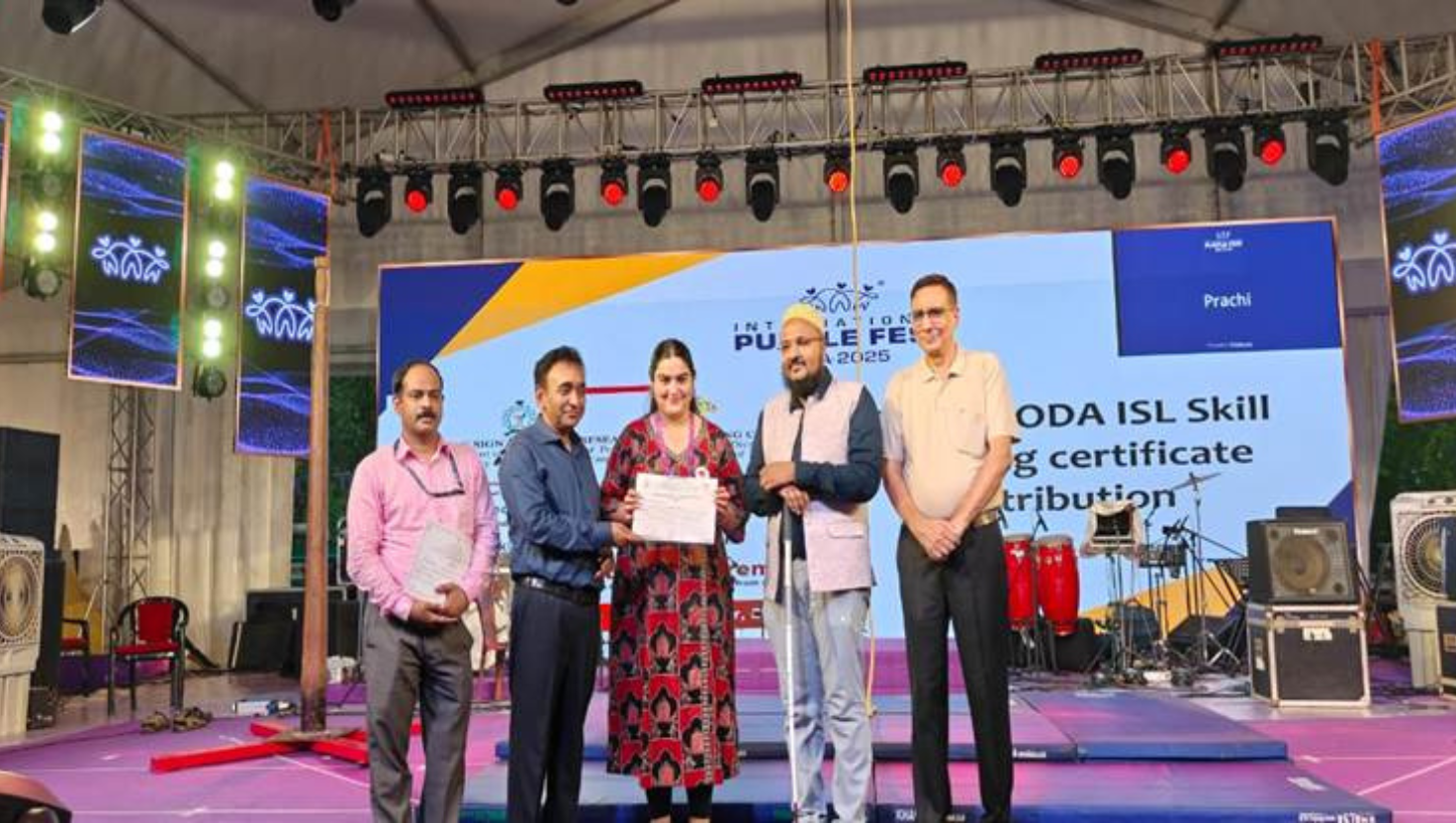
International Purple Fest 2025 in Goa promoted inclusion and accessibility, empowering persons with disabilities through innovation and awareness.

BRICS 2026: Explore the 18th BRICS Summit in New Delhi,
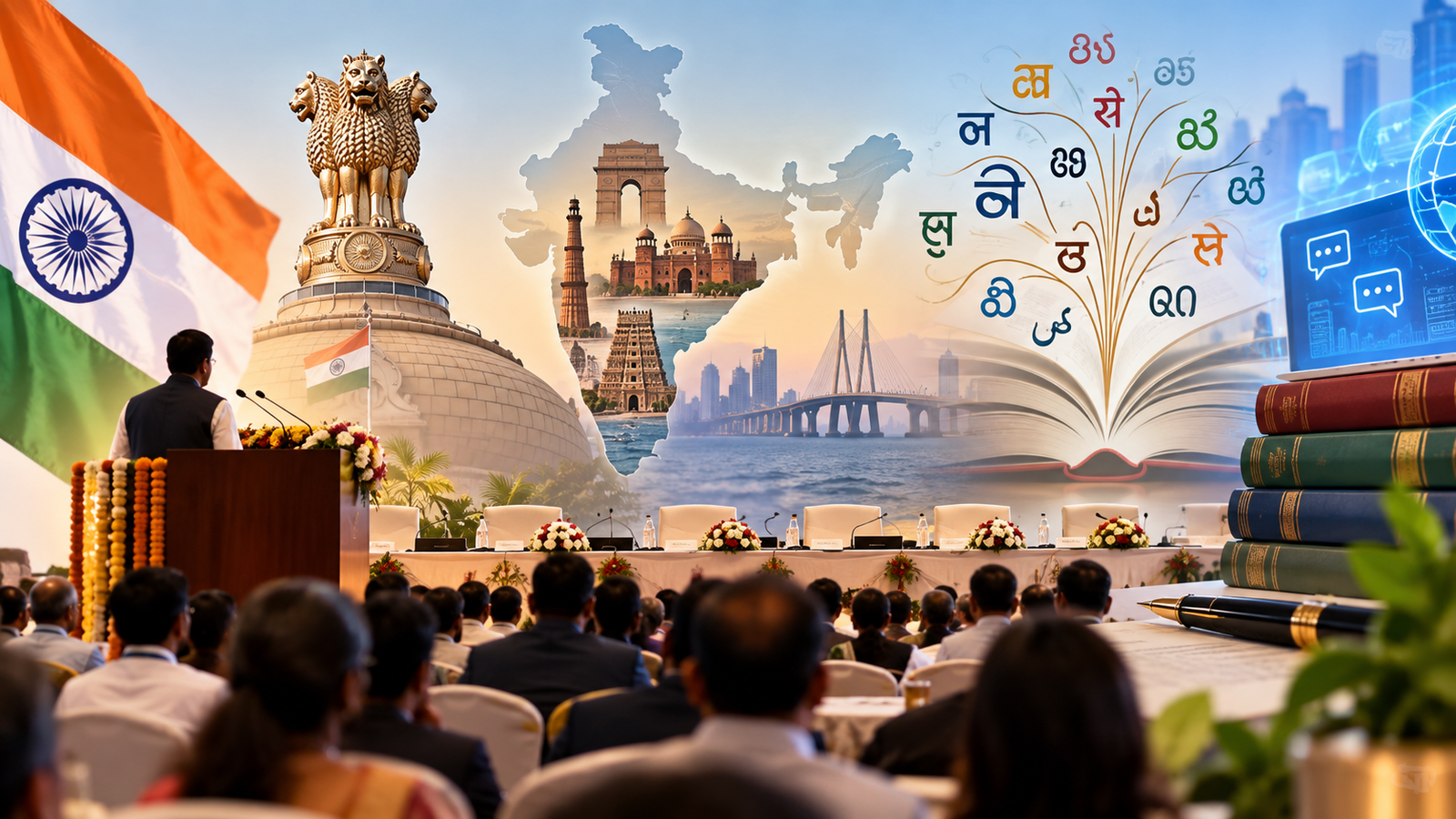
6th All India Official Language Conference 2026 in Navi Mumbai:
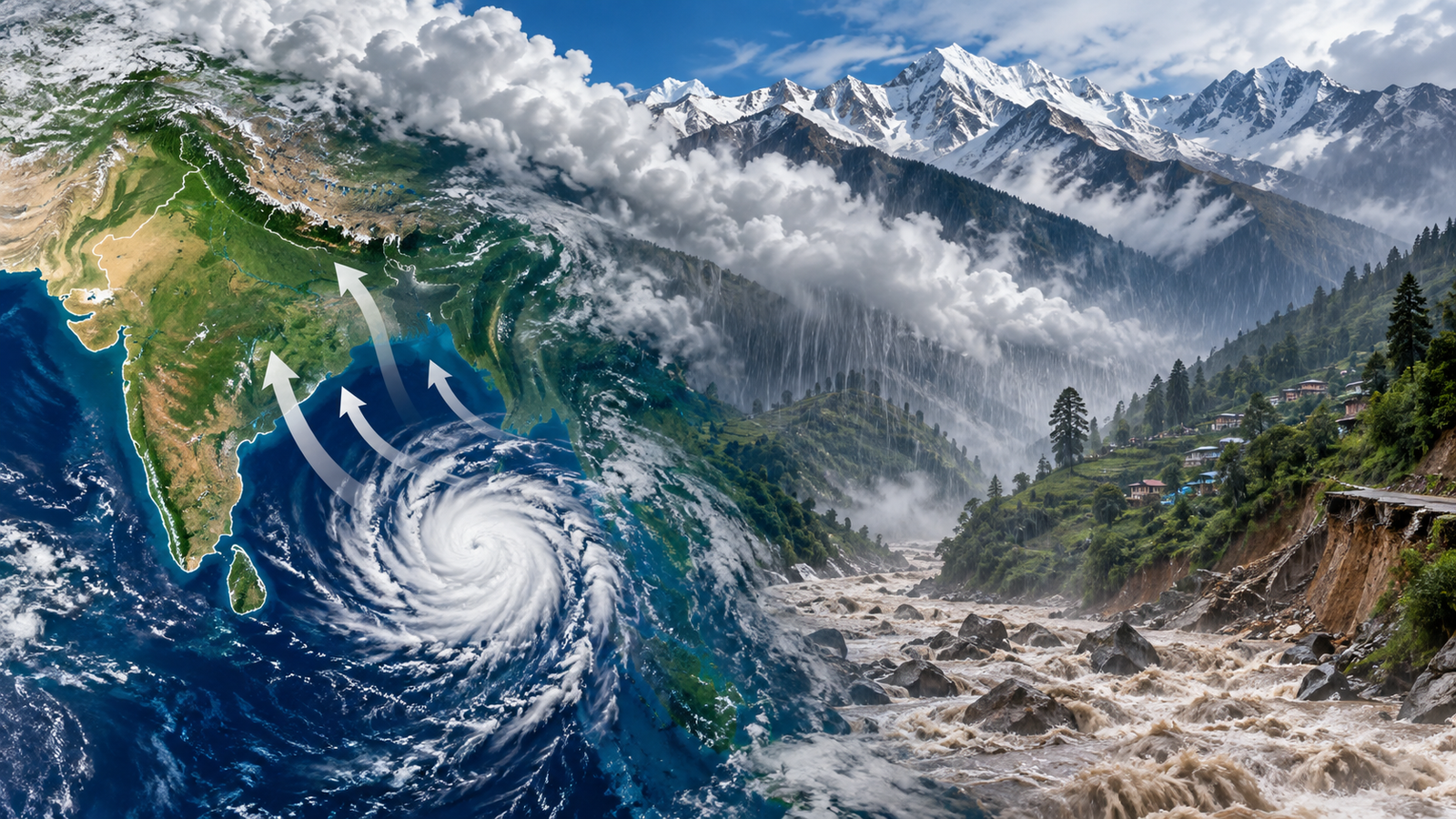
Discover how Bay of Bengal low-pressure systems shape India’s monsoon,

Explore the constitutional evolution of India from East India Company

Yojana June 2026 explores India’s journey towards a Naxal-free Bharat,
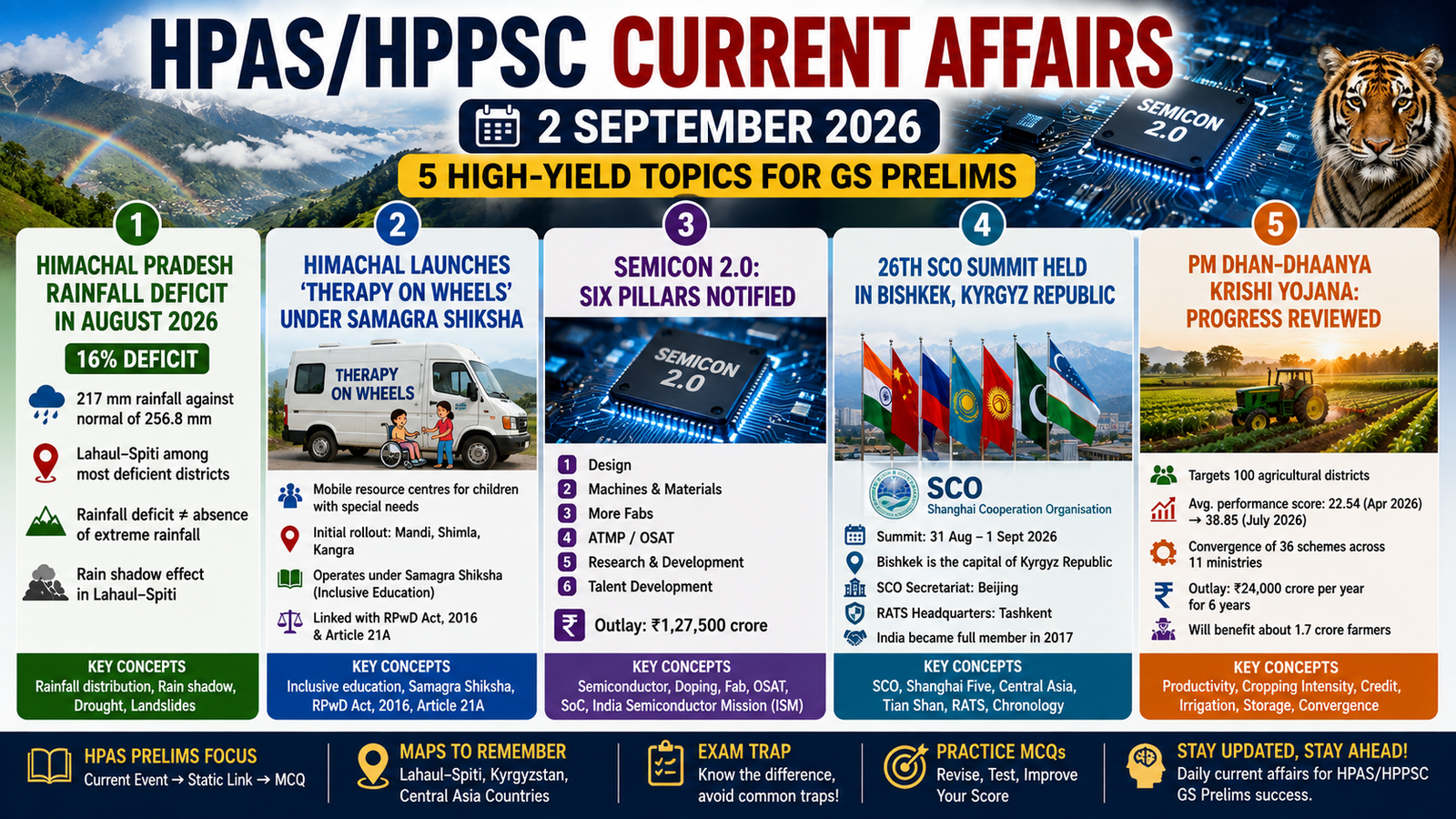
HPAS/HPPSC Current Affairs 2 September 2026: Himachal rainfall deficit, Therapy