
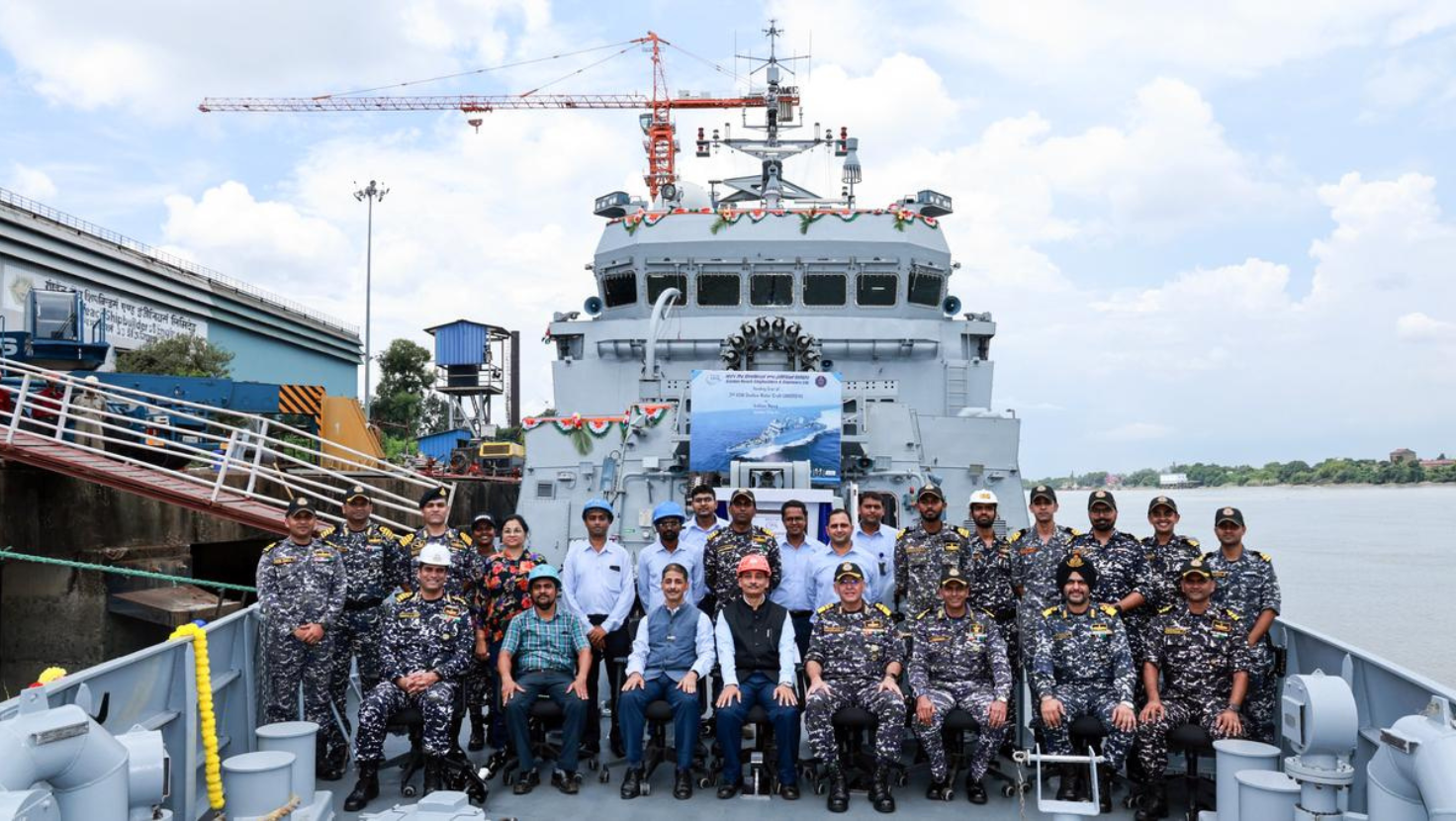
Androth Anti-Submarine Warfare Ship
Indian Navy inducts Androth, second indigenously built ASW Shallow Water Craft, enhancing coastal and anti-submarine capabilities.
Indian Navy inducts Androth, second indigenously built ASW Shallow Water Craft, enhancing coastal and anti-submarine capabilities.
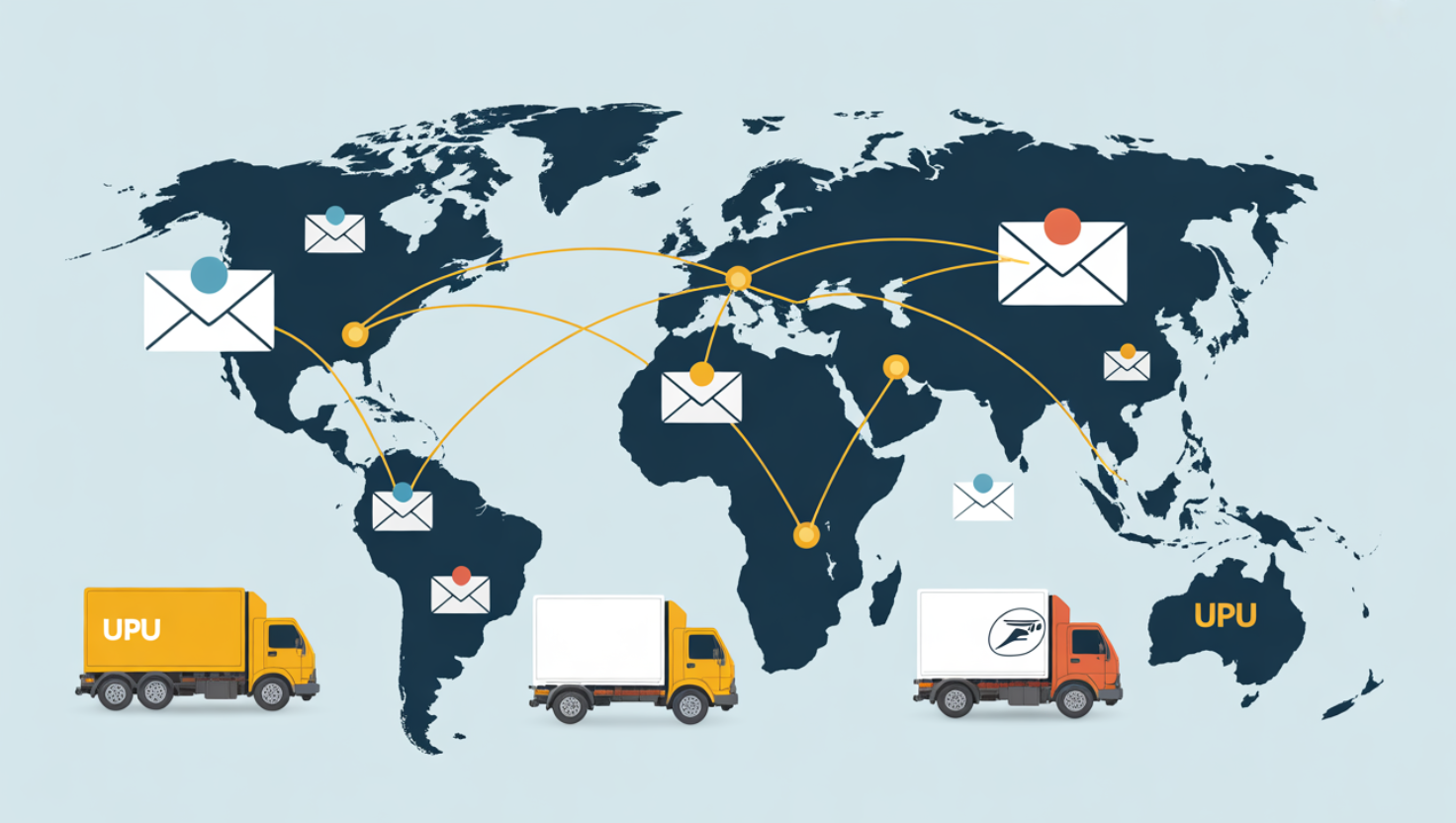
India re-elected to the Council of Administration and Postal Operations Council of the Universal Postal Union (UPU).
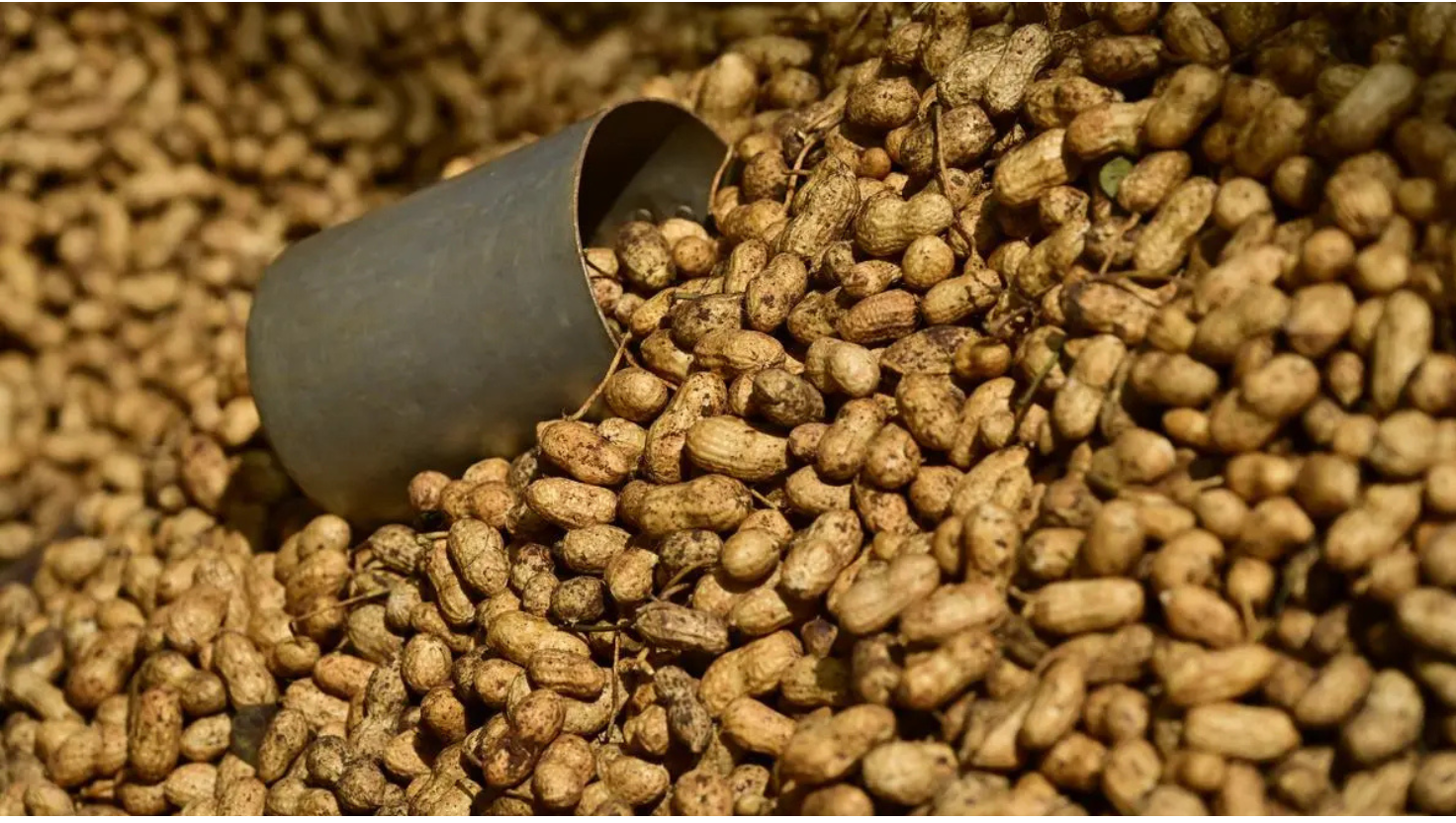
Indonesia halts Indian groundnut imports due to aflatoxin contamination, raising food safety and trade concerns.
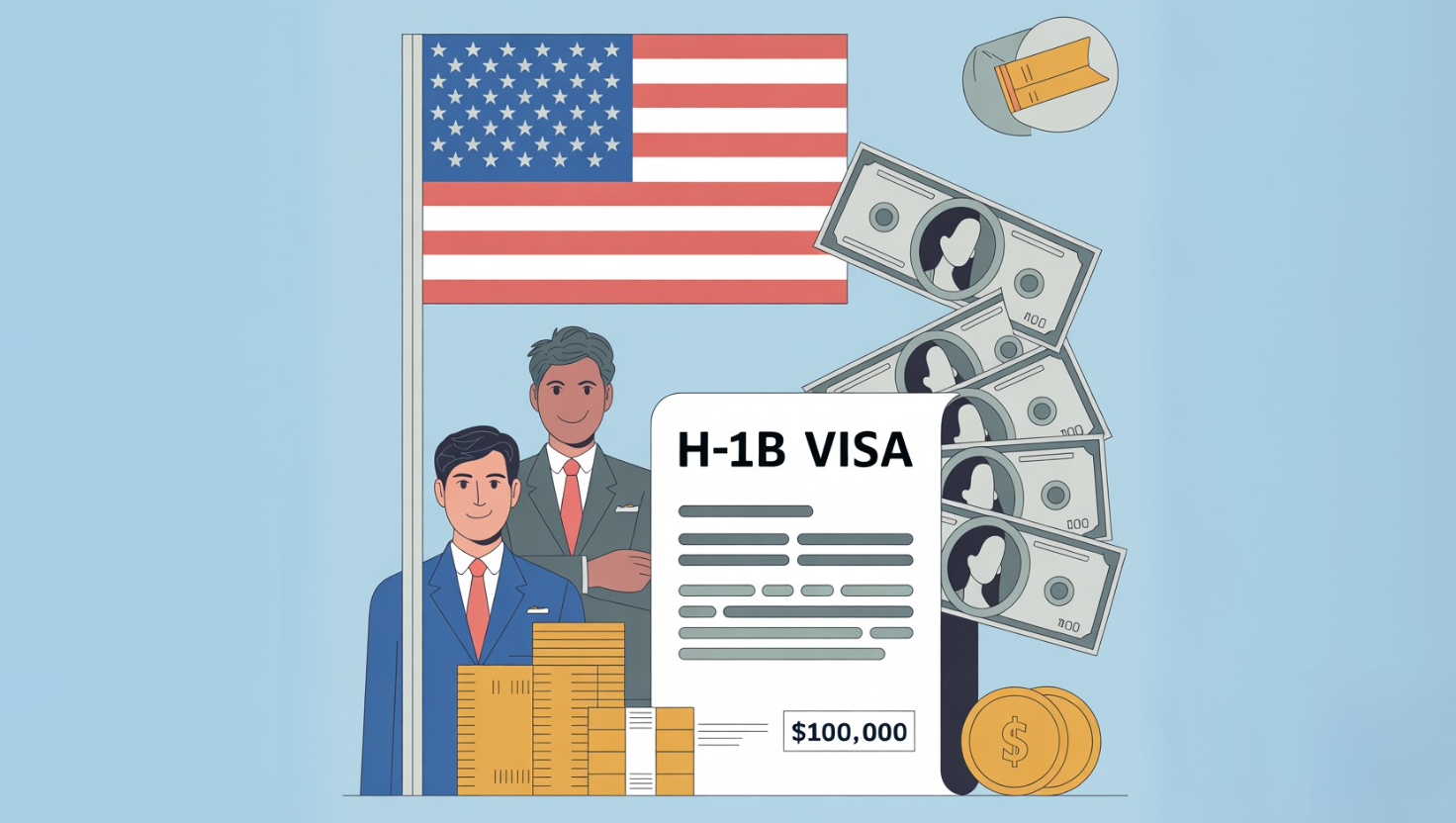
US hikes H-1B visa fee to $100,000, raising costs for Indian IT firms and affecting skilled workforce migration.
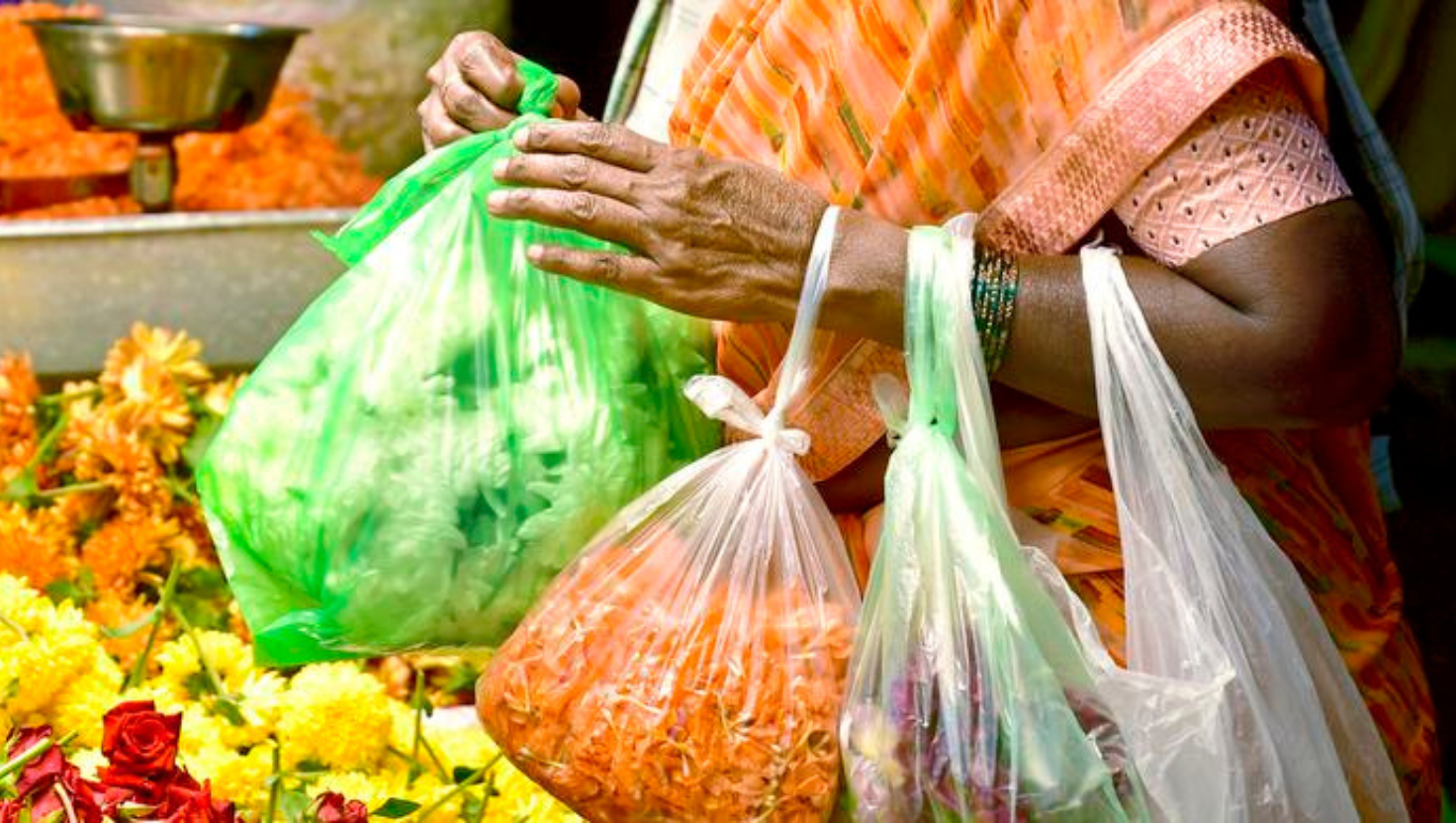
Single-Use Plastic Ban Syllabus: Pollution (UPSC GS III)Source: The Hindu Why in News? Despite Karnataka’s 2016 ban under the Environment (Protection) Act, 1986, single-use plastics (SUPs) are still widely used. Weak enforcement, illegal production, and low public awareness remain major hurdles. About the Ban Scale of the Problem Plastic Enforcement Data in Bengaluru: Why It Matters Legal & Policy Framework Key Challenges Way Forward Conclusion The single-use plastic ban is ineffective without strict enforcement, behavioural change, and market incentives. Karnataka’s
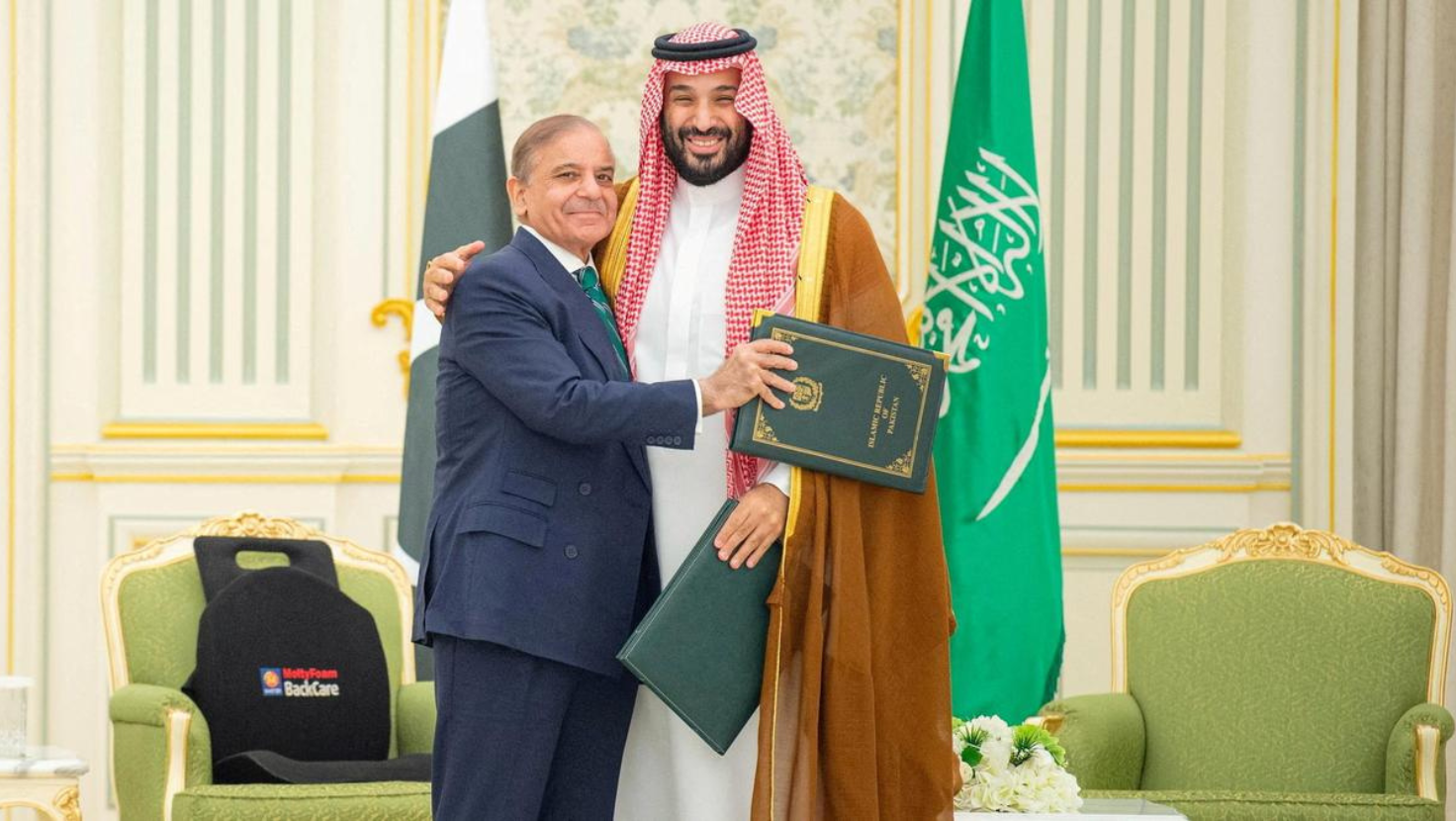
Saudi Arabia and Pakistan signed the Strategic Mutual Defence Agreement (SMDA), boosting defence ties with wider regional implications.
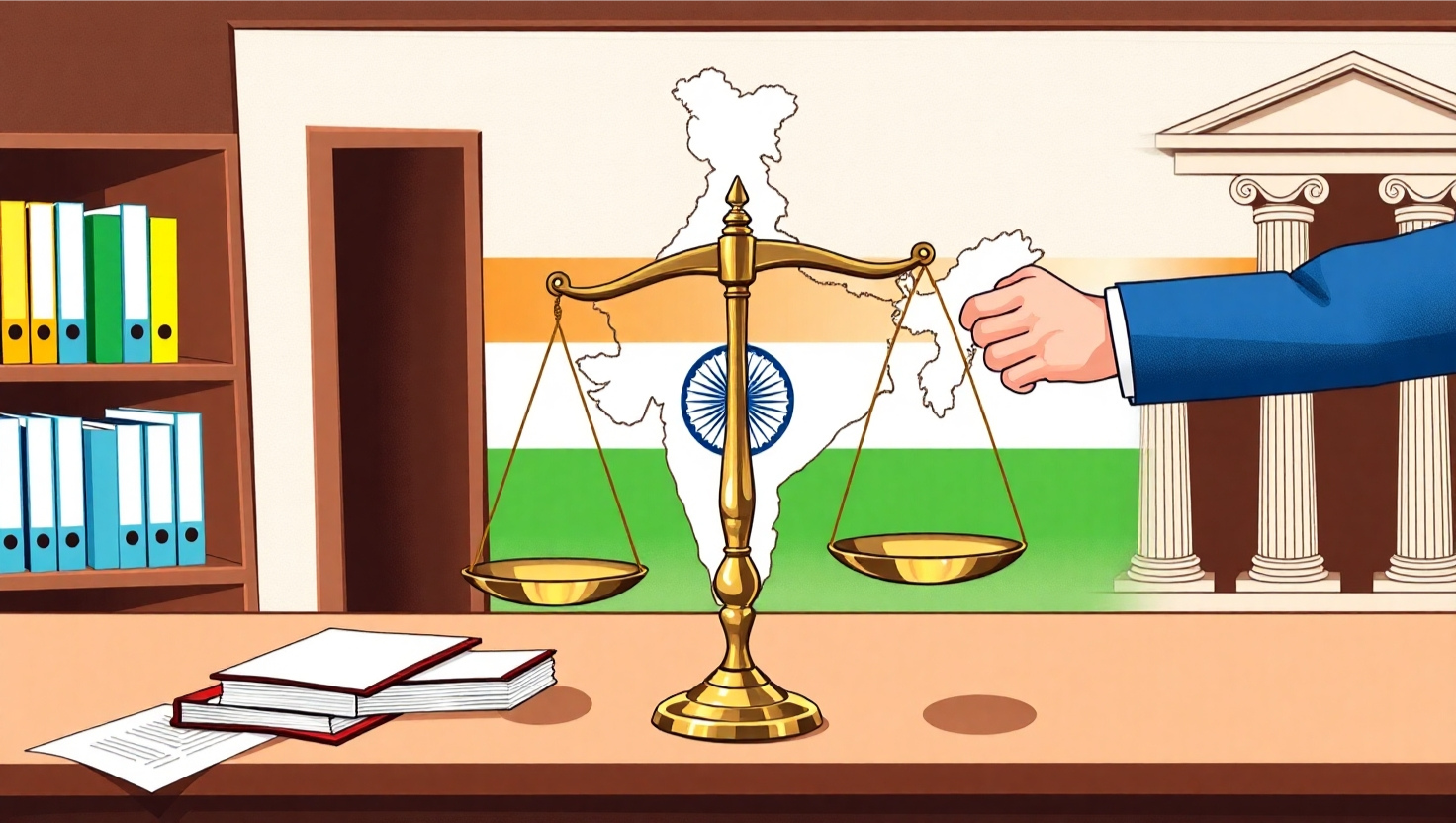
Political interference weakens neutrality, fairness, and public trust, harming good governance and democratic values in administration.
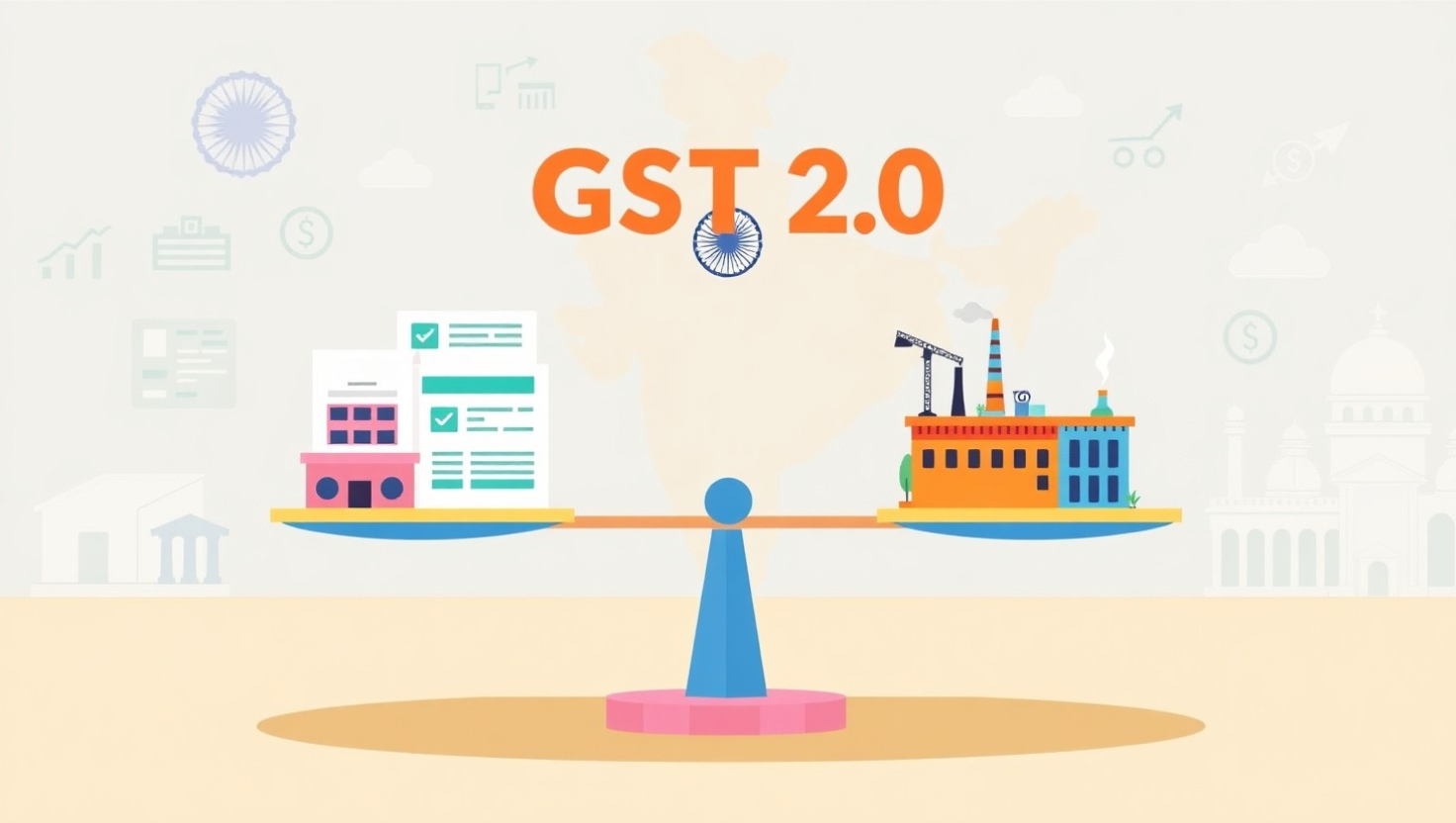
GST 2.0 aims to simplify taxes, boost compliance, and promote fair, long-term economic growth for businesses and citizens across India.
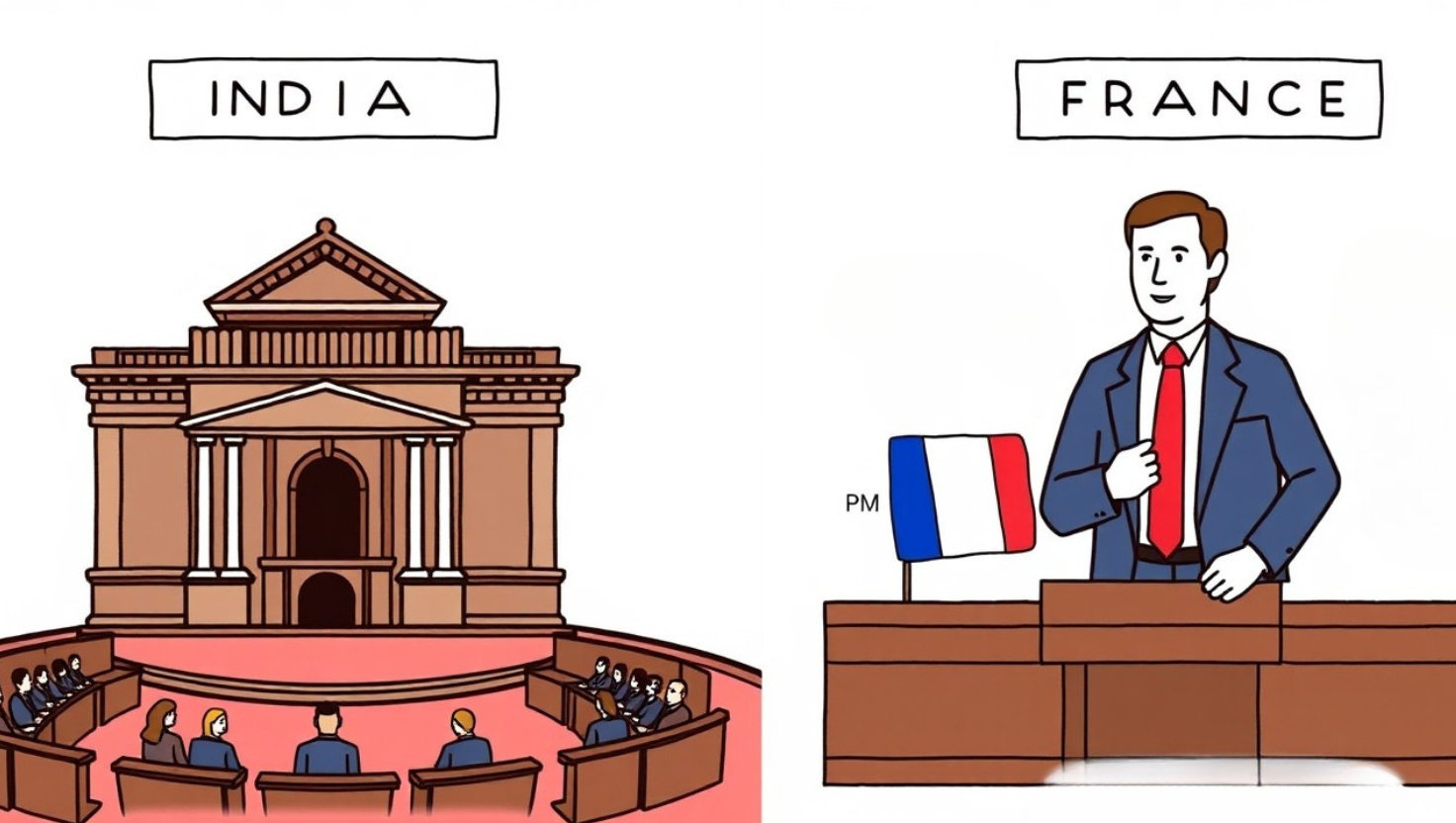
A comparison of India’s and France’s systems shows how confidence votes differ, highlighting India’s parliamentary supremacy and France’s dual executive model.
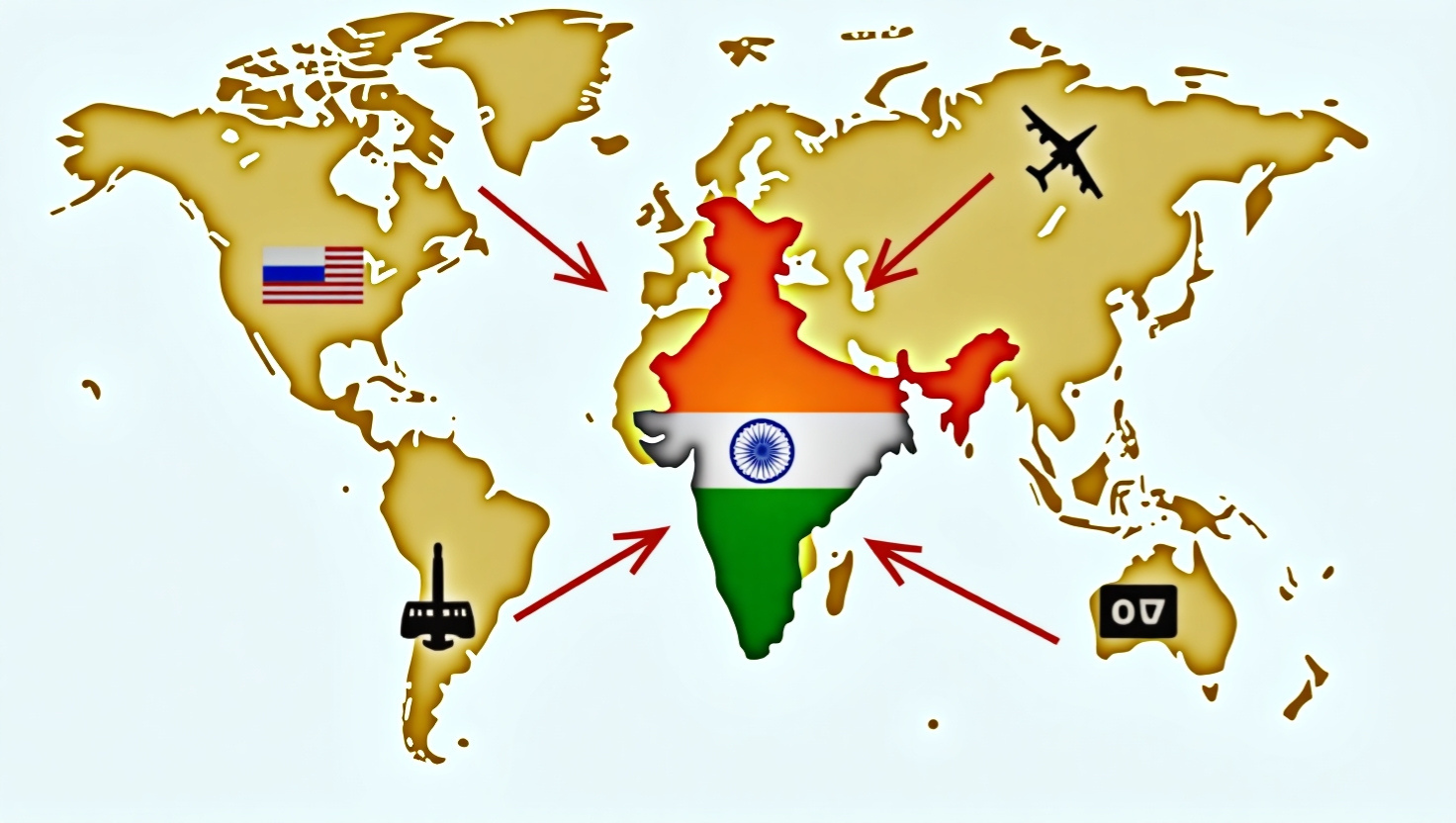
India’s strategic autonomy enables independent foreign policy choices in a multipolar world, balancing major powers while safeguarding sovereignty and growth.
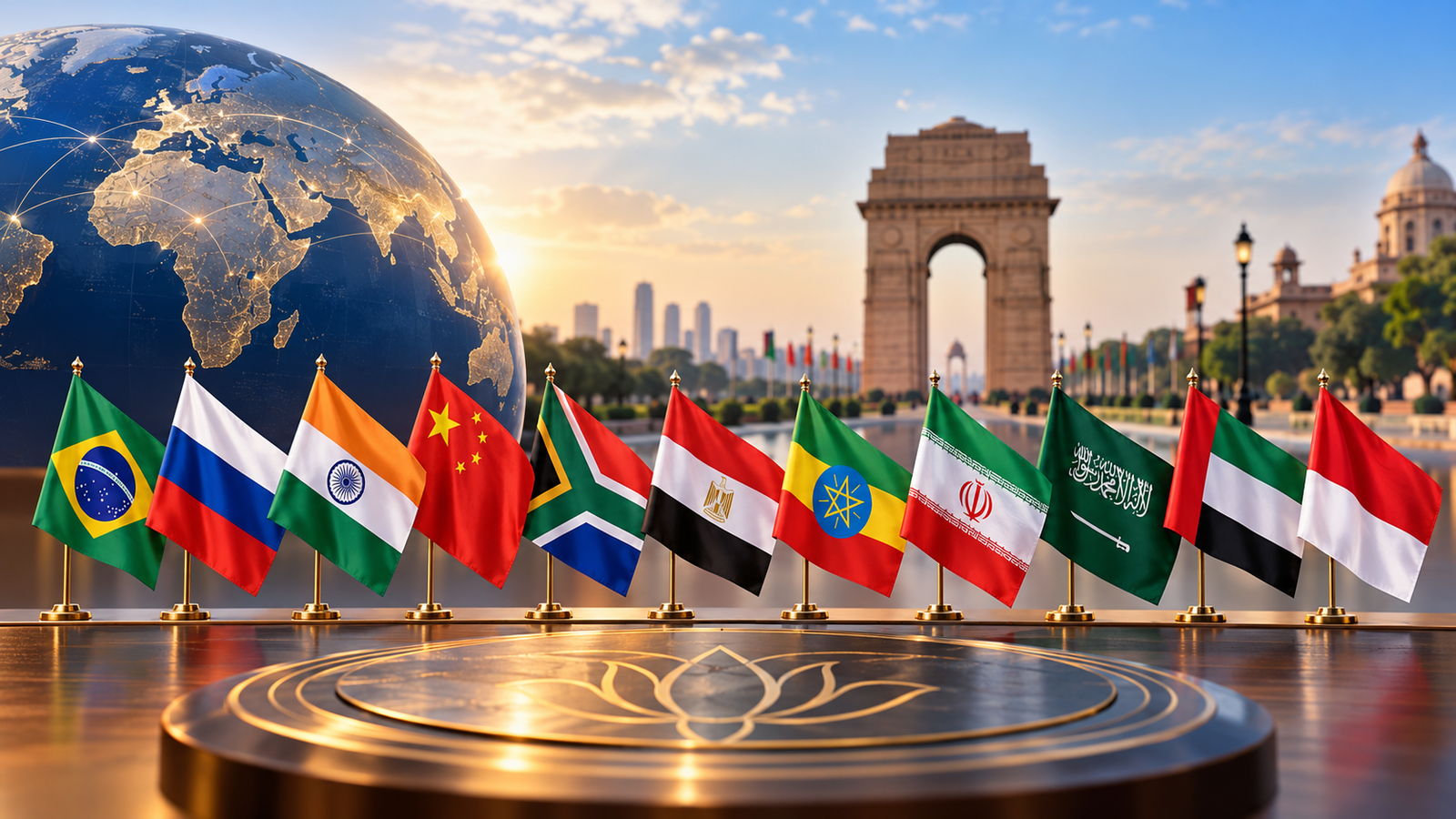
BRICS 2026: Explore the 18th BRICS Summit in New Delhi,
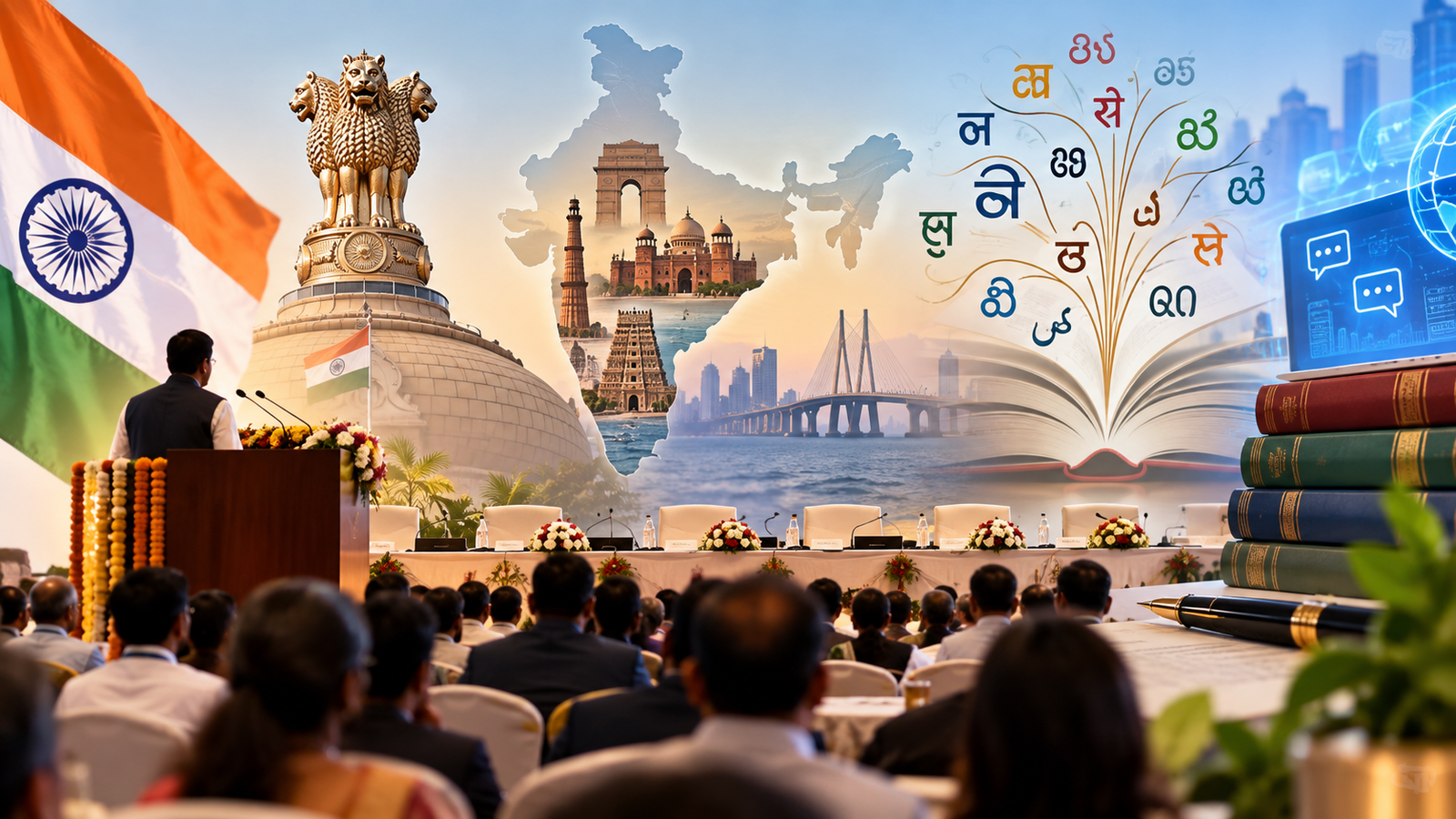
6th All India Official Language Conference 2026 in Navi Mumbai:
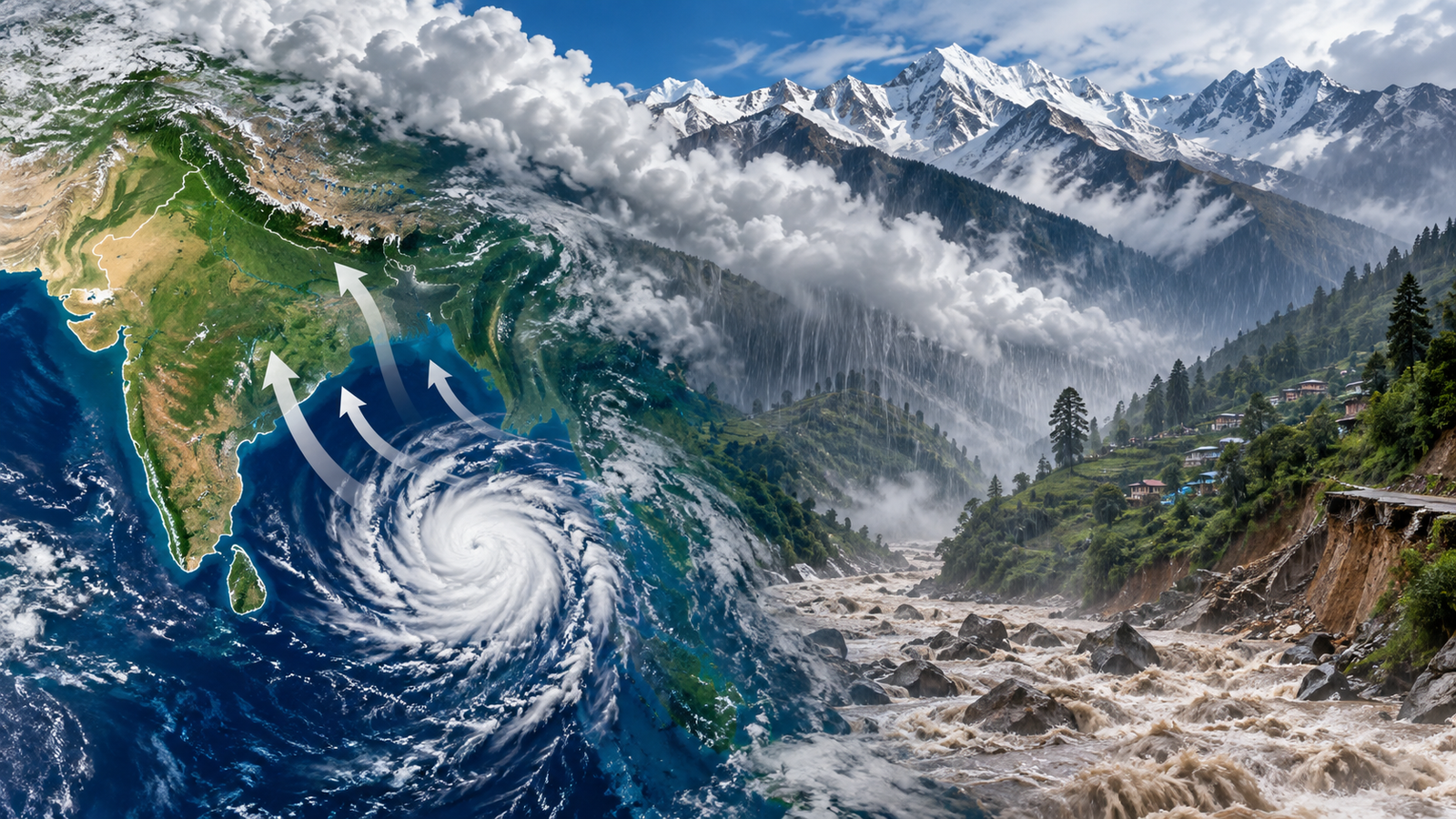
Discover how Bay of Bengal low-pressure systems shape India’s monsoon,
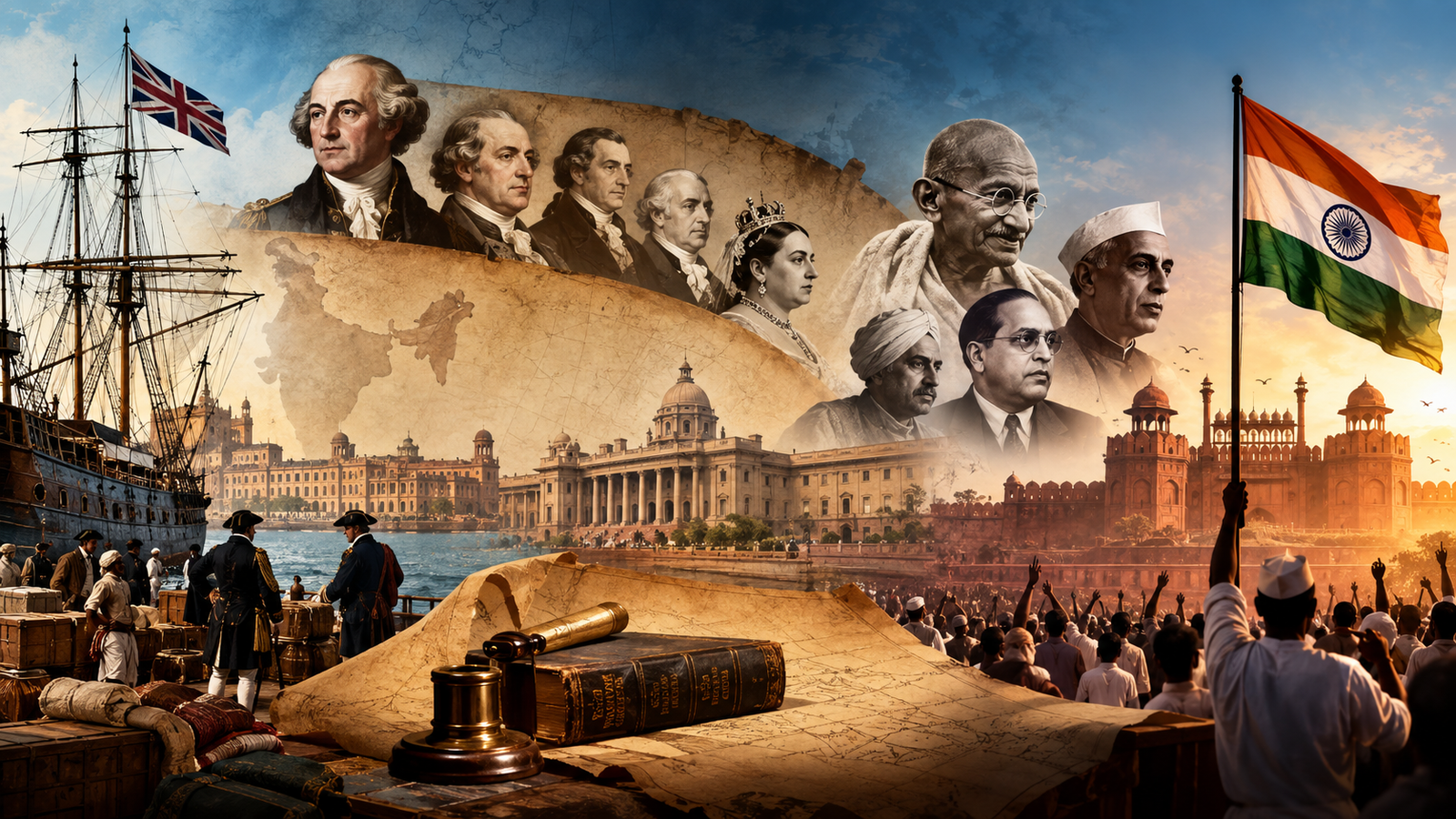
Explore the constitutional evolution of India from East India Company
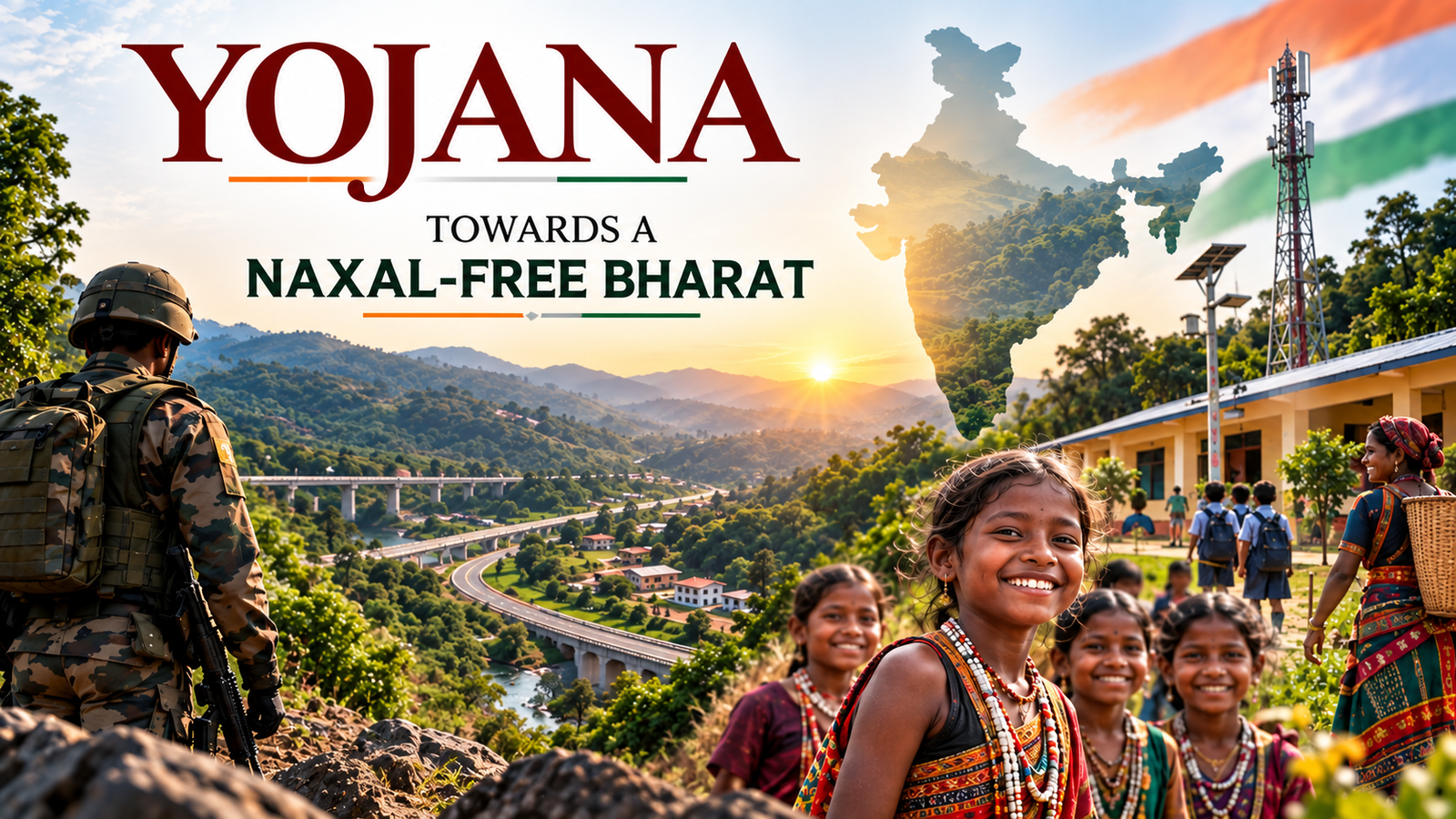
Yojana June 2026 explores India’s journey towards a Naxal-free Bharat,
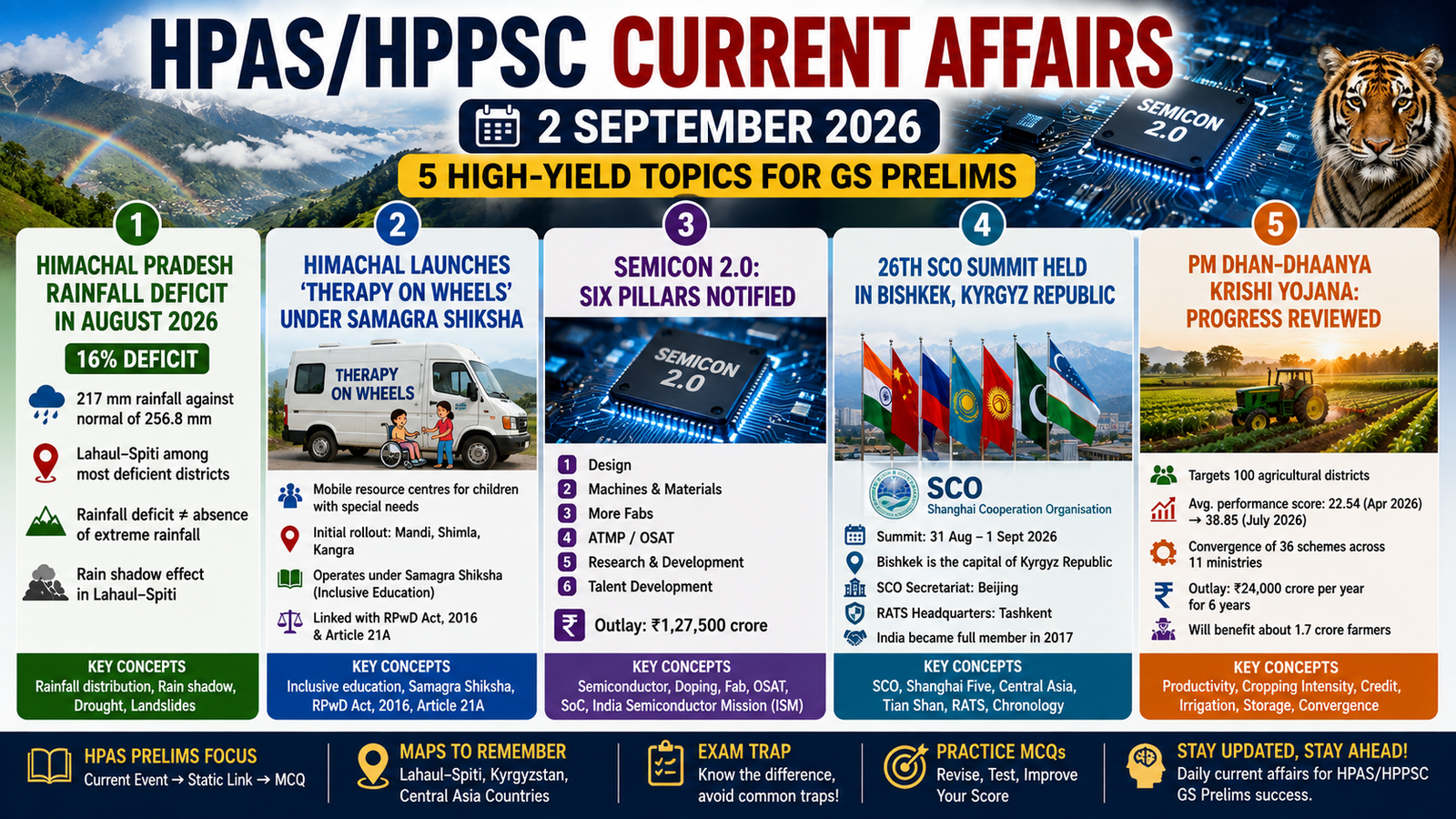
HPAS/HPPSC Current Affairs 2 September 2026: Himachal rainfall deficit, Therapy