
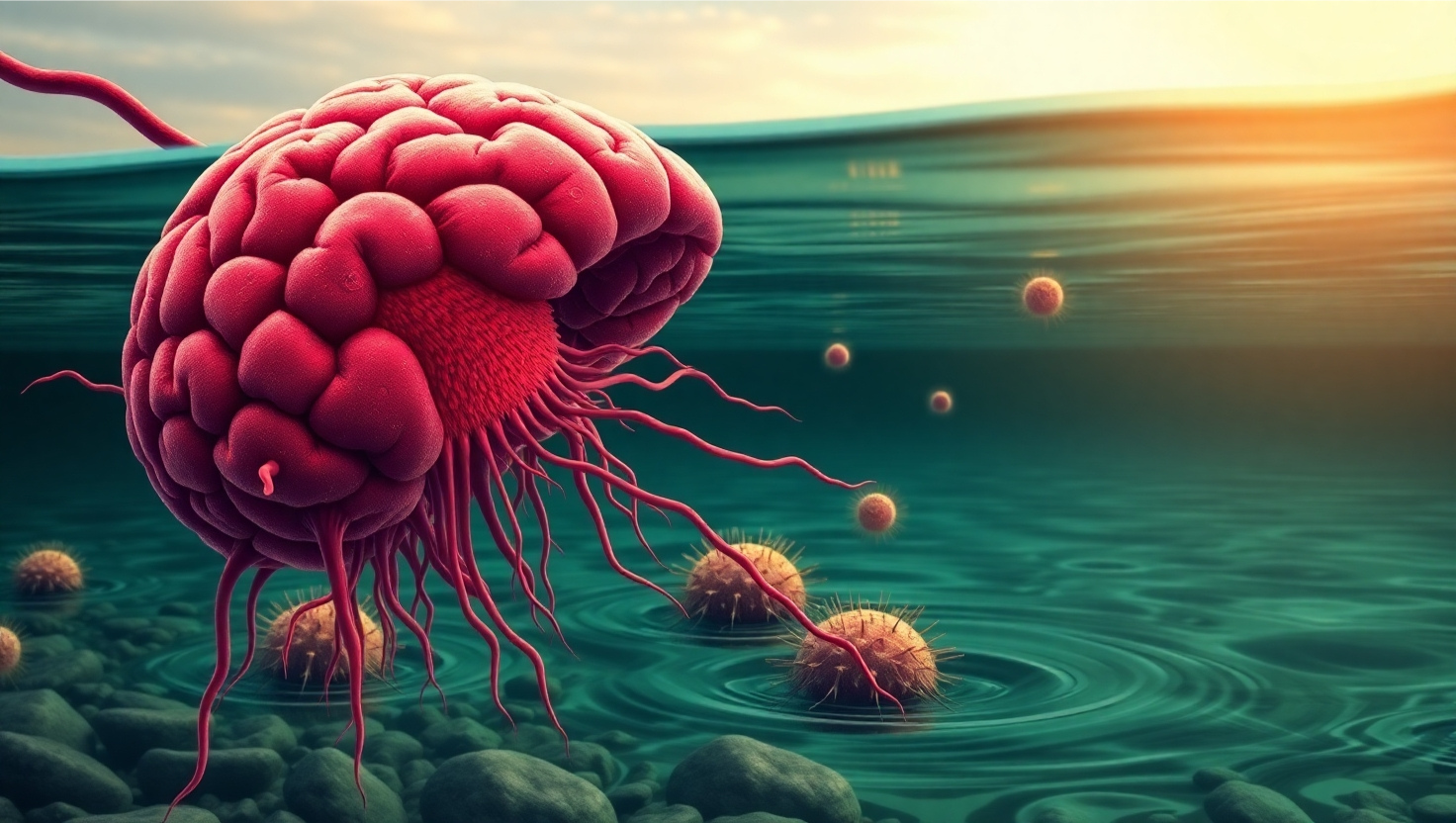
Brain-Eating Amoeba
Naegleria fowleri, the brain-eating amoeba, causes rare but fatal infections linked to warm freshwater exposure.
Naegleria fowleri, the brain-eating amoeba, causes rare but fatal infections linked to warm freshwater exposure.
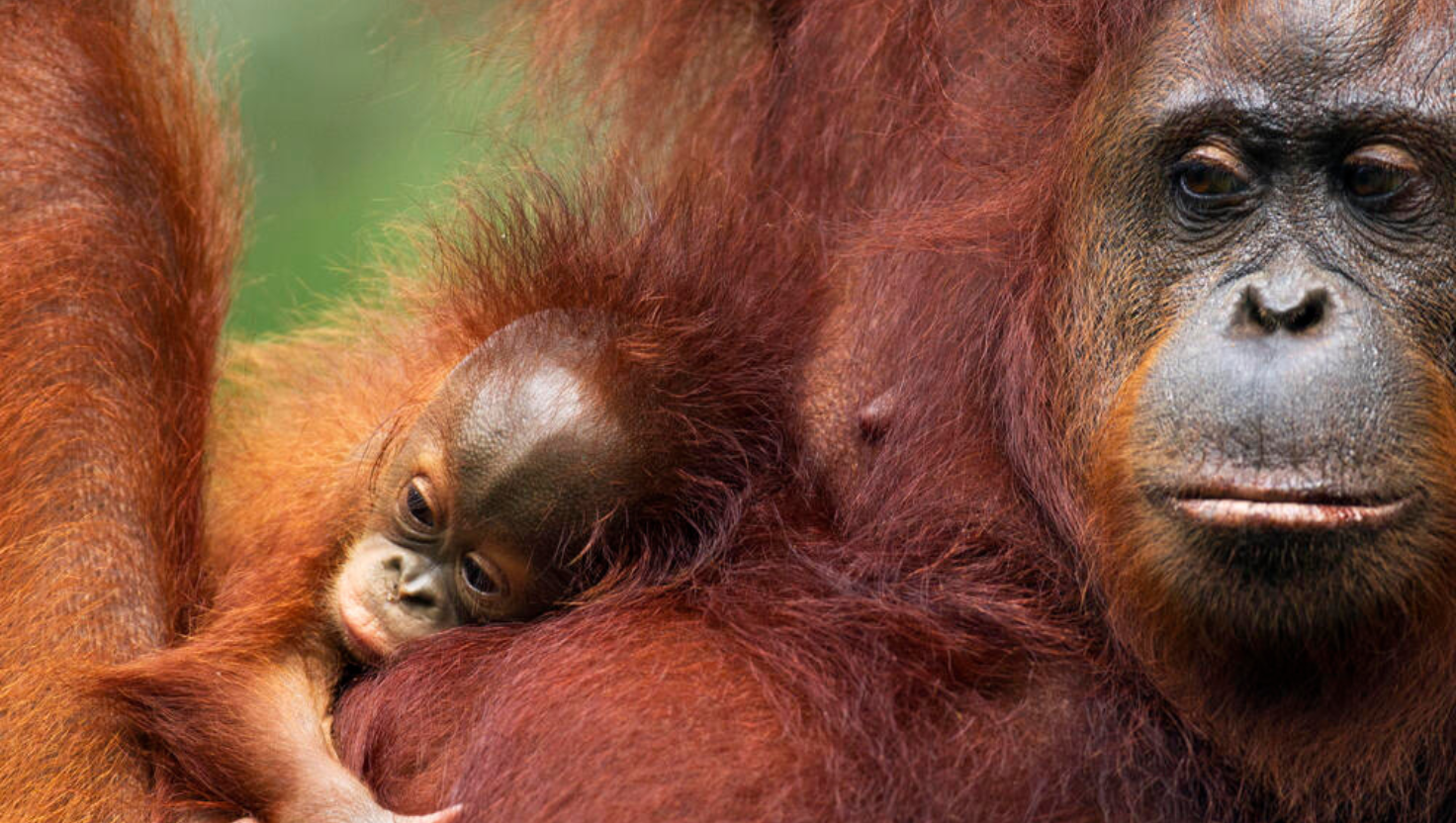
World Orangutan Day 2025 highlights the urgent need to protect orangutans from deforestation, palm oil expansion, poaching, and illegal trade.
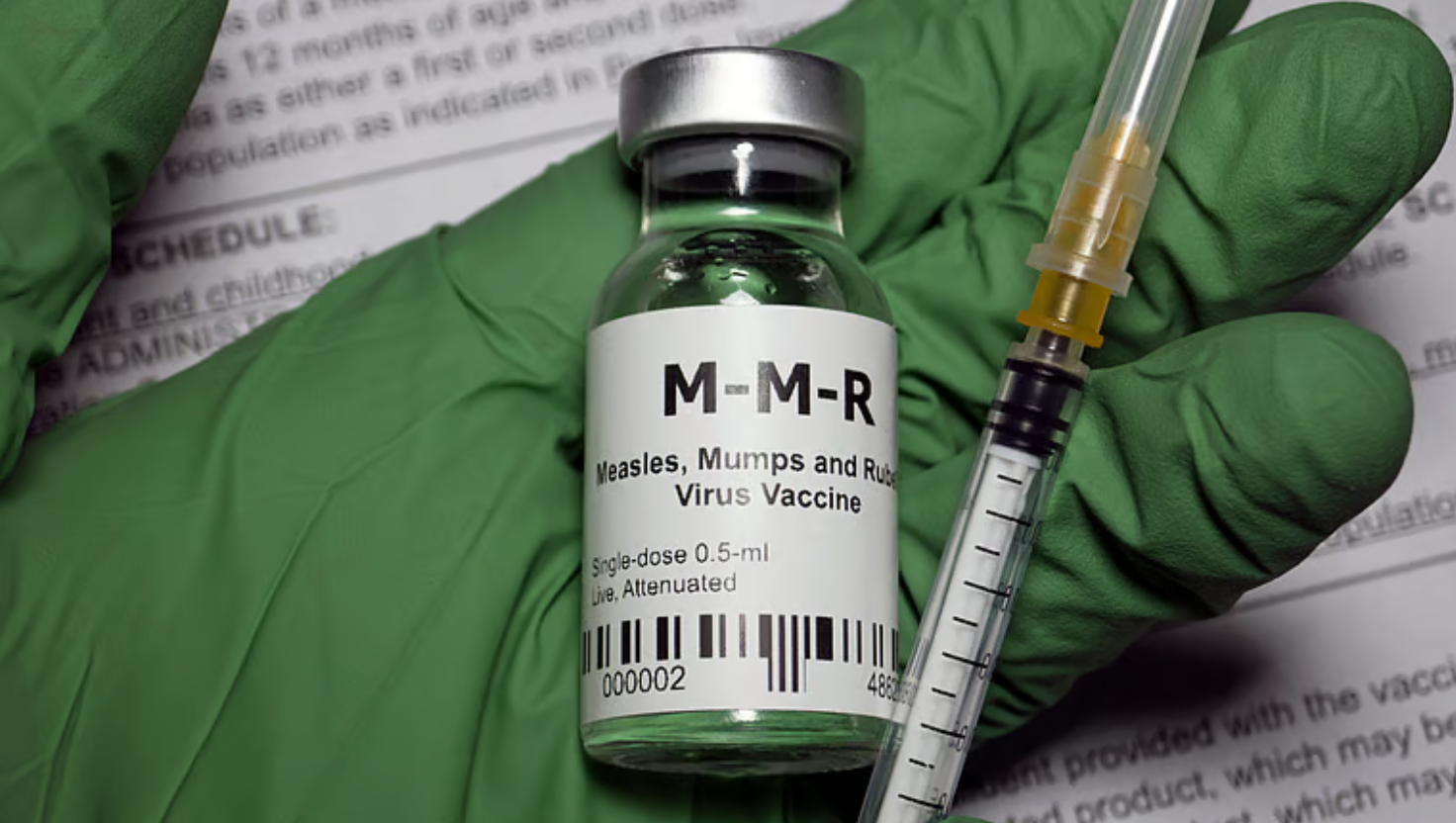
Nepal becomes the first SE Asia nation declared free of rubella; vaccination remains key for India’s elimination goals.
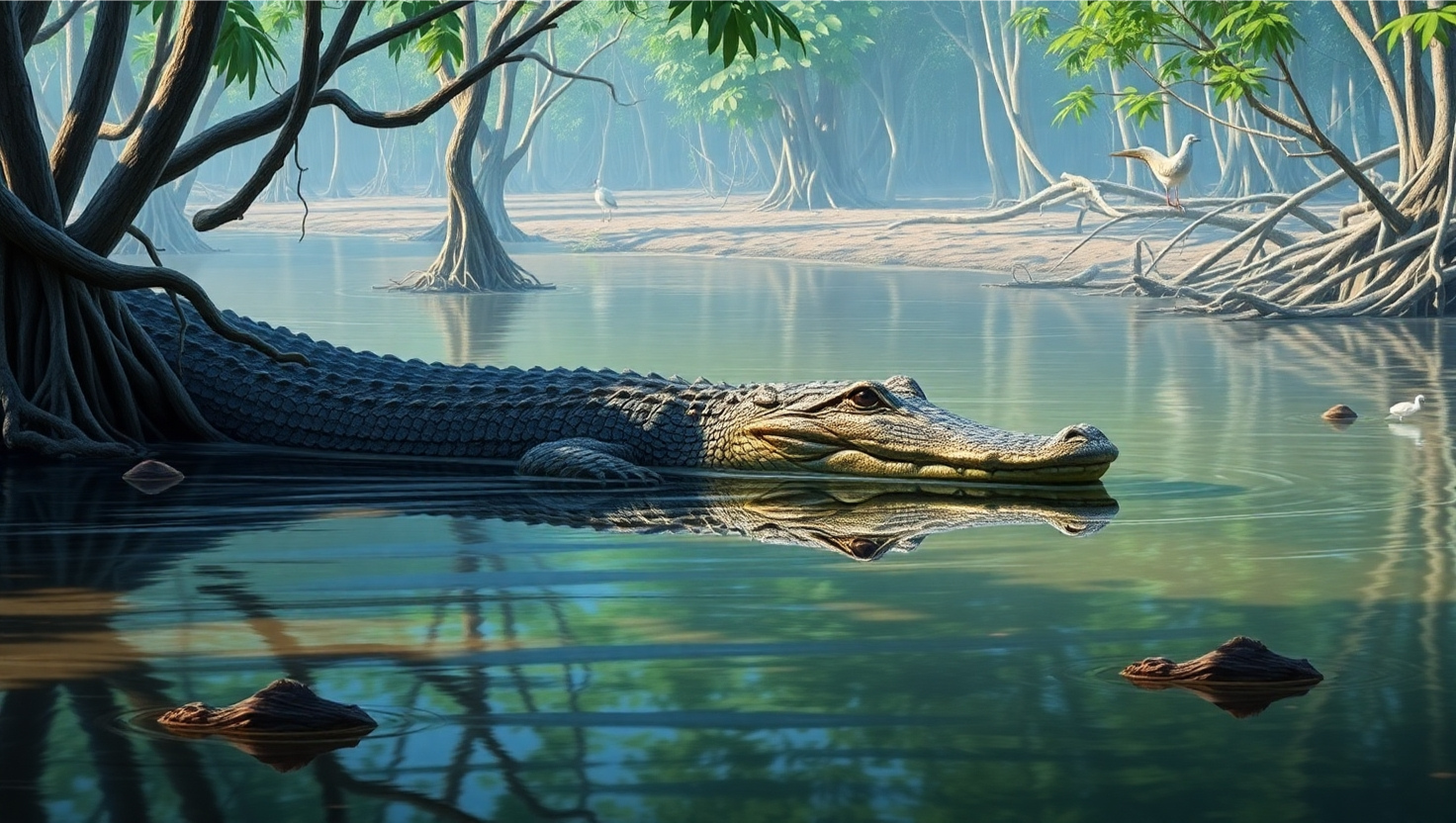
Saltwater Crocodile numbers rise in Sundarbans; conservation crucial for India’s crocodilians—Saltwater Crocodile, Mugger & Gharial.
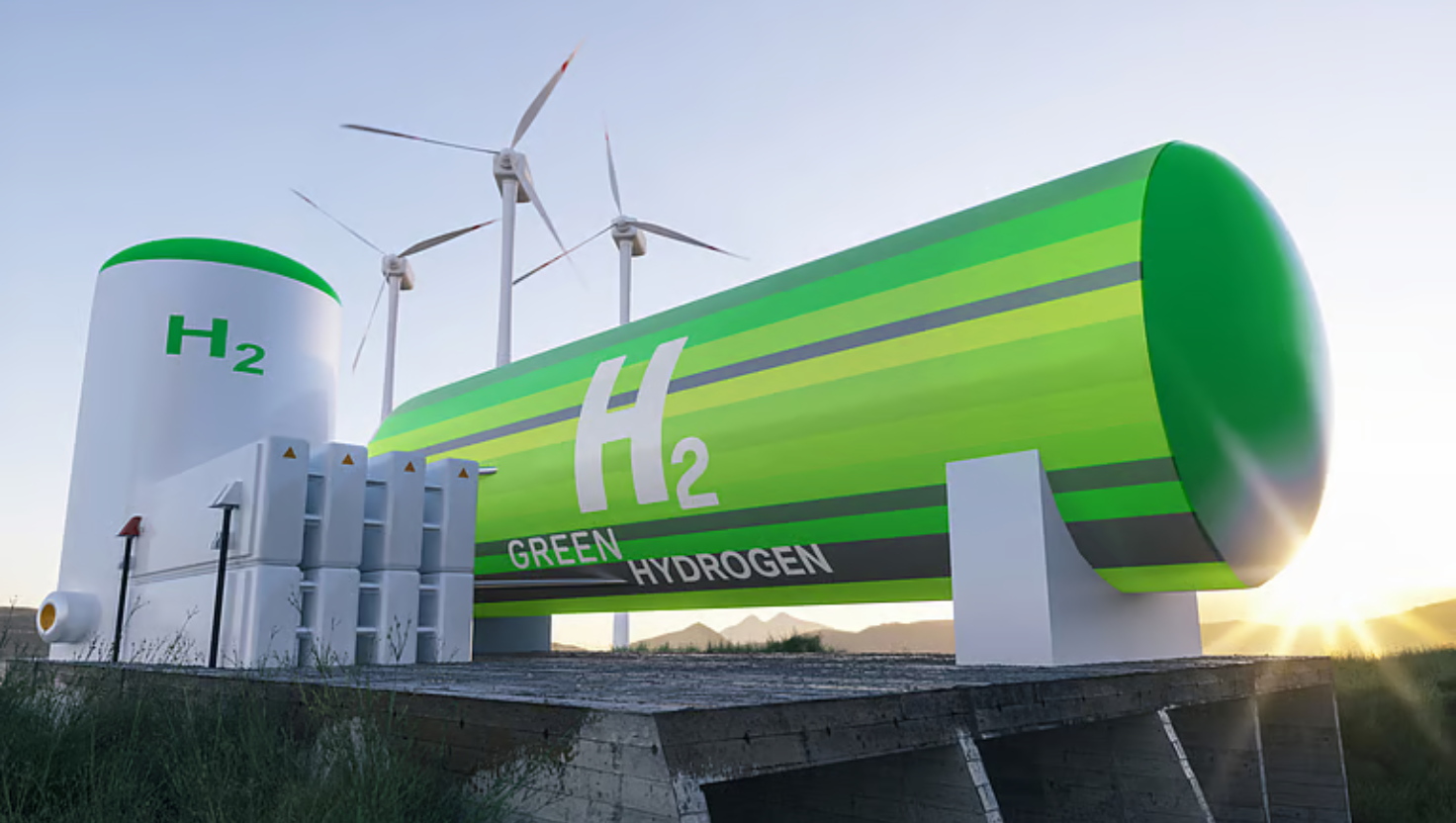
India can capture 10% of the global green hydrogen market by 2030 with subsidy shifts, demand mandates, and strong infrastructure.

Uniform creamy layer norms for OBCs aim to remove anomalies, ensure fairness, and strengthen social justice in reservations.
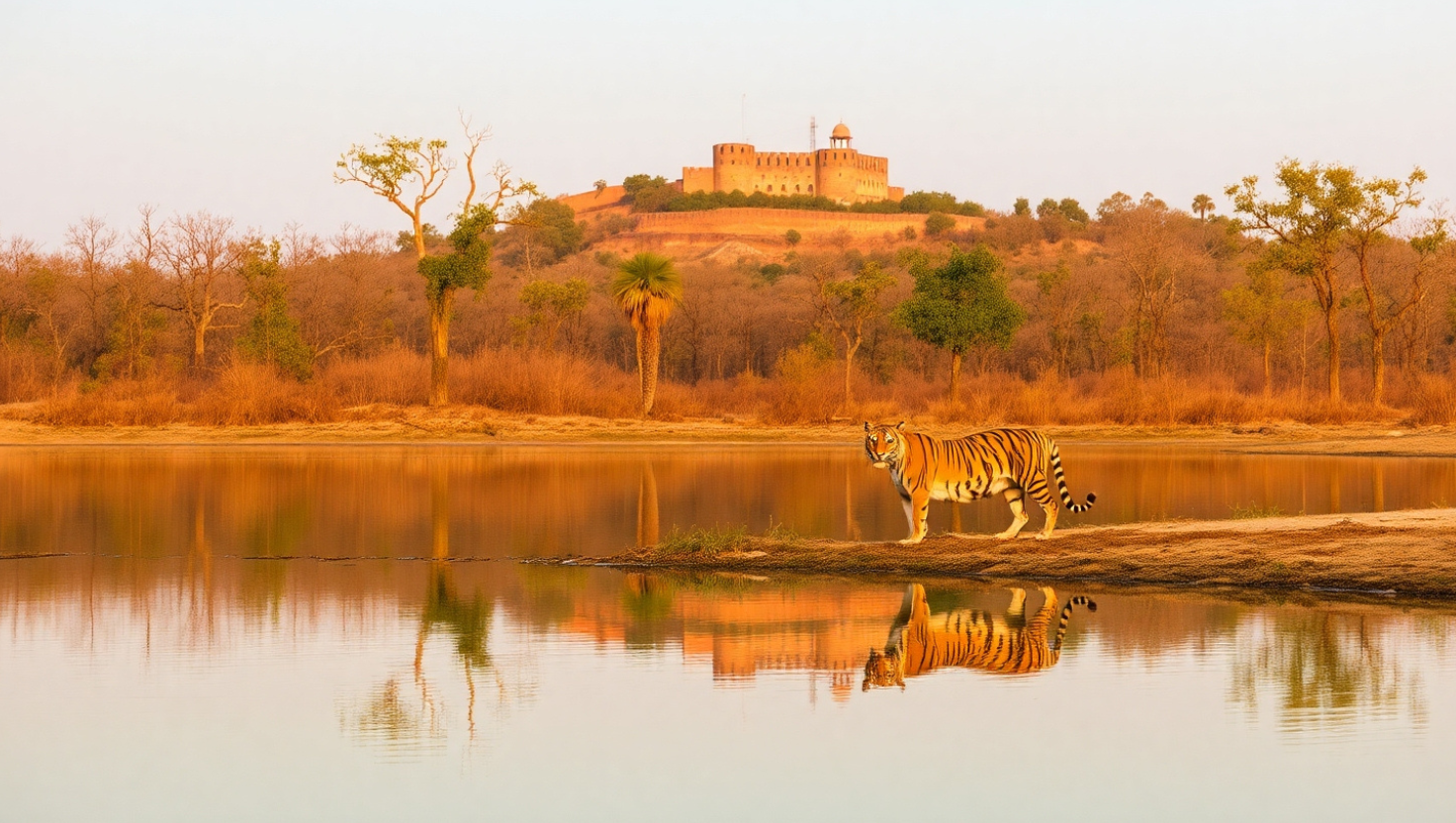
Ranthambore National Park in Rajasthan, part of Project Tiger, is famous for Bengal tigers, rich biodiversity, and the historic Ranthambore Fort.

UNHCR, set up in 1950, protects refugees, stateless persons, and displaced people, ensuring aid, non-refoulement, and durable resettlement solutions.

In Union Territory Assemblies, nominated MLAs are appointed by the Centre or LG, unlike States where Governors act on ministerial advice. J&K allows 5 such nominees.

Indian Ports Bill, 2025 Syllabus: Governance (UPSC Prelims)Source: FPJ Context: The Rajya Sabha has passed the Indian Ports Bill, 2025, replacing the colonial-era Indian Ports Act, 1908. What It Is Objectives Key Provisions Institutional Reforms Operational Reforms Environmental & Safety Measures Importance

BRICS 2026: Explore the 18th BRICS Summit in New Delhi,
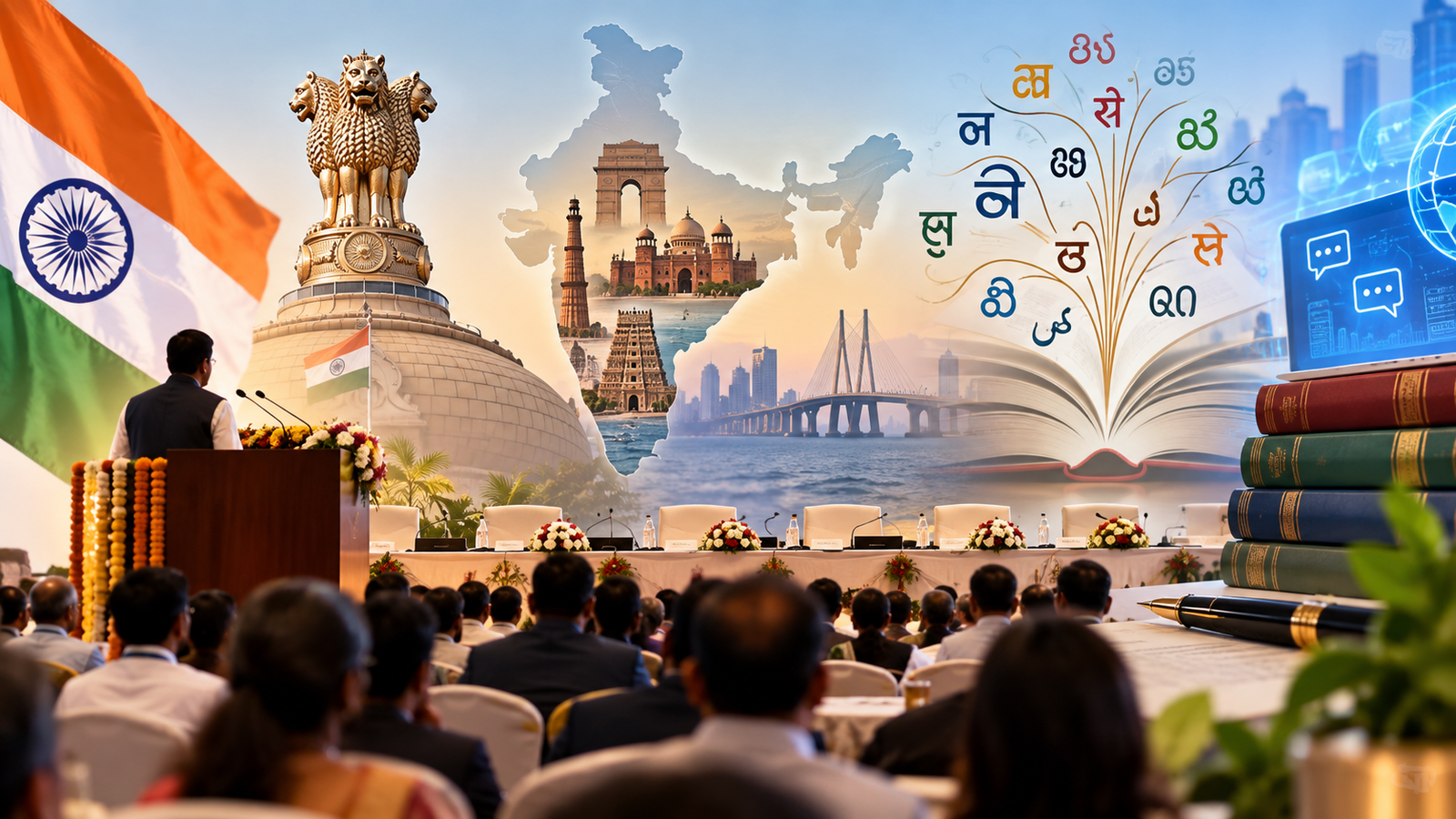
6th All India Official Language Conference 2026 in Navi Mumbai:
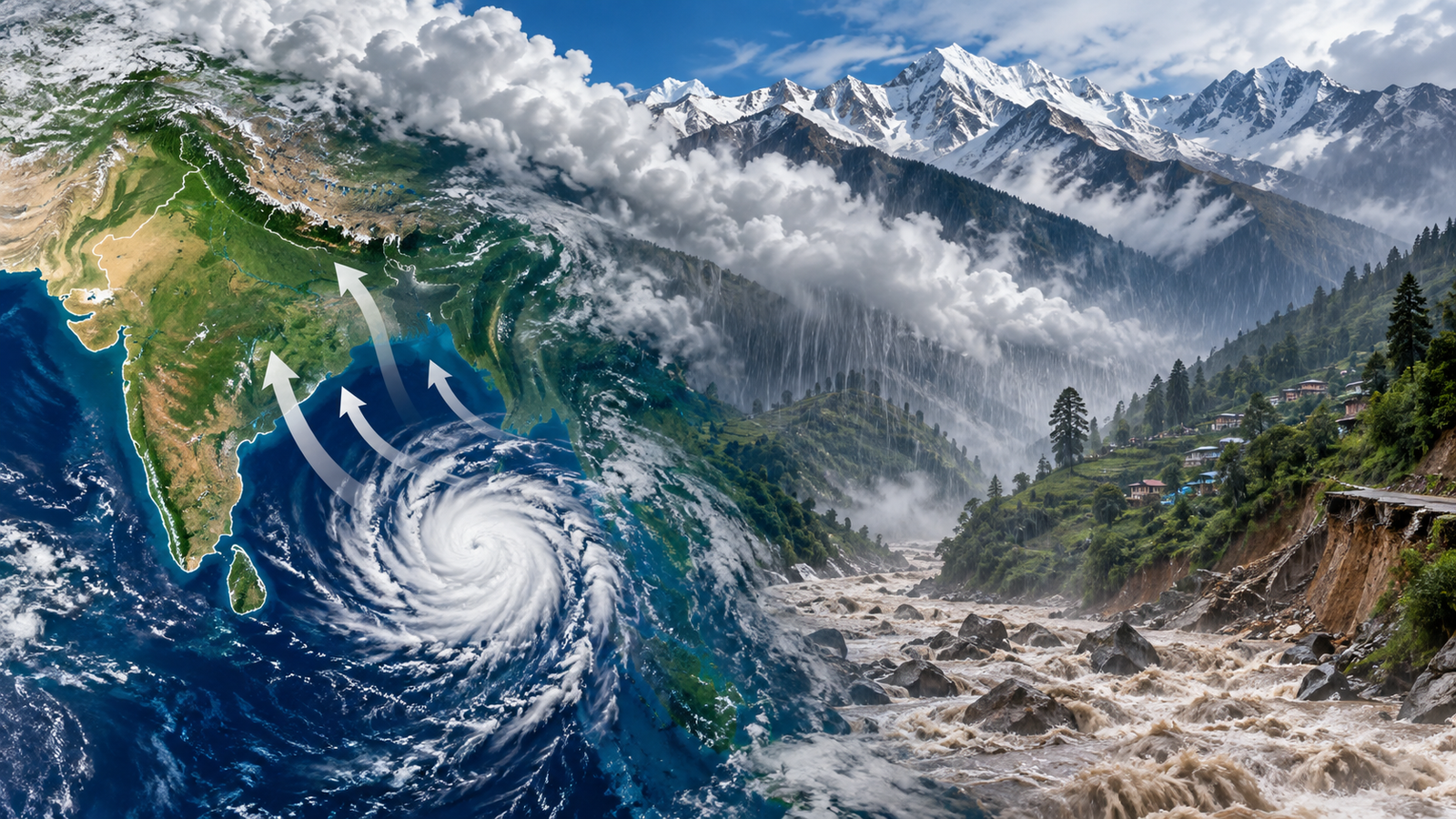
Discover how Bay of Bengal low-pressure systems shape India’s monsoon,

Explore the constitutional evolution of India from East India Company

Yojana June 2026 explores India’s journey towards a Naxal-free Bharat,
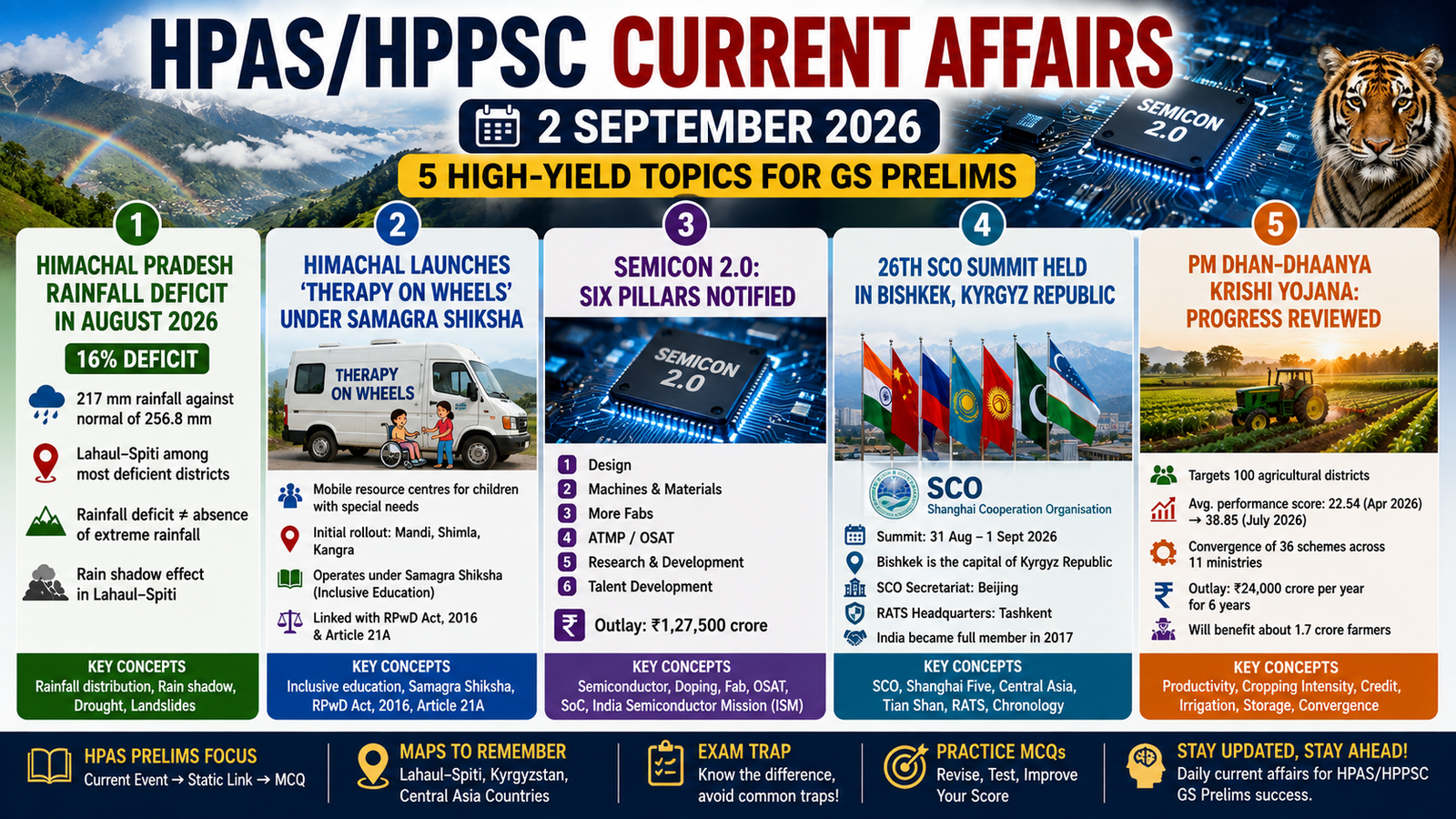
HPAS/HPPSC Current Affairs 2 September 2026: Himachal rainfall deficit, Therapy