
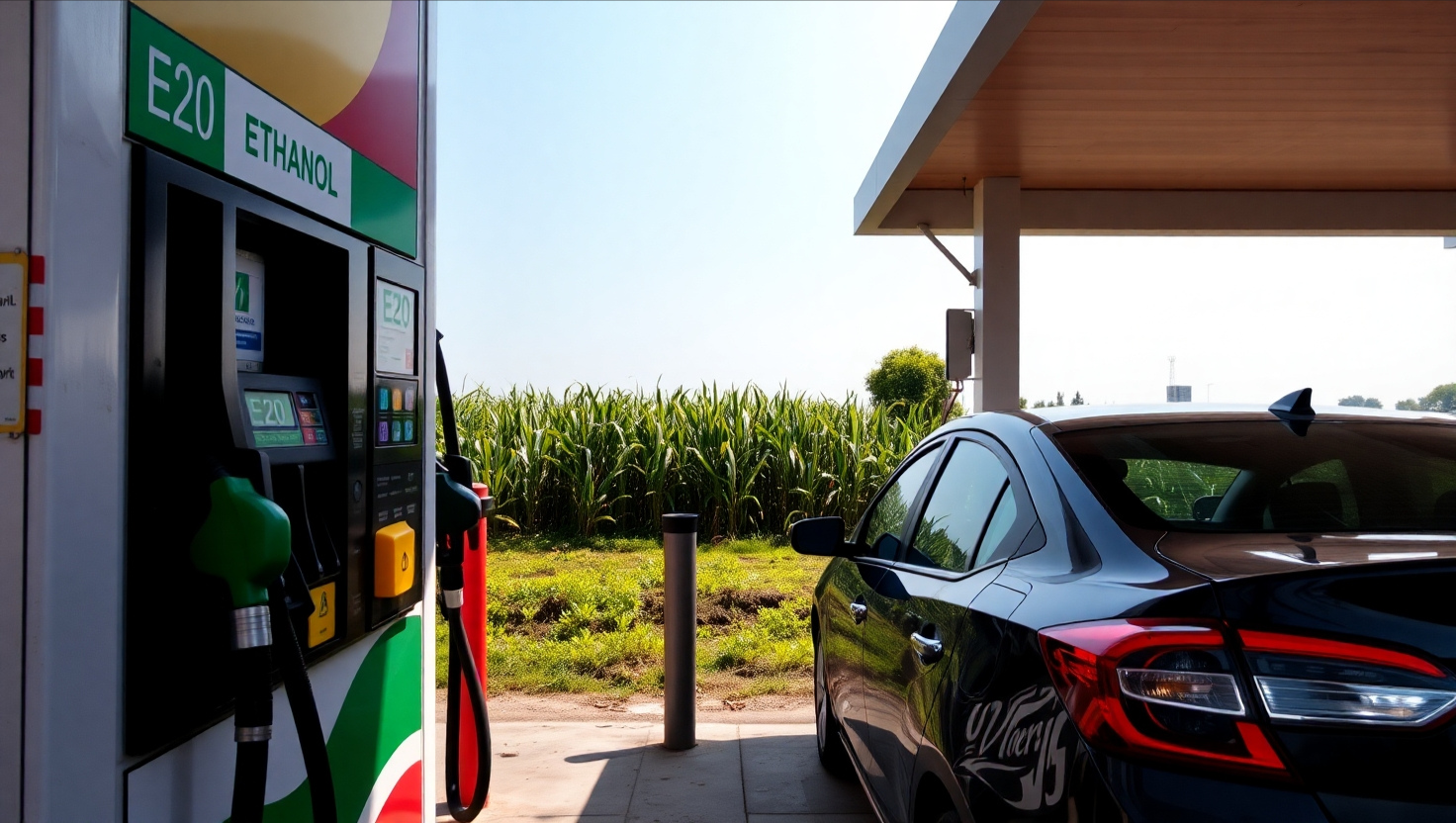
Ethanol Blending Programme: Progress, Policies and Pitfalls
India achieves E20 ethanol blending target ahead of schedule, boosting clean energy goals but raising concerns over engine efficiency and fuel economy.
India achieves E20 ethanol blending target ahead of schedule, boosting clean energy goals but raising concerns over engine efficiency and fuel economy.
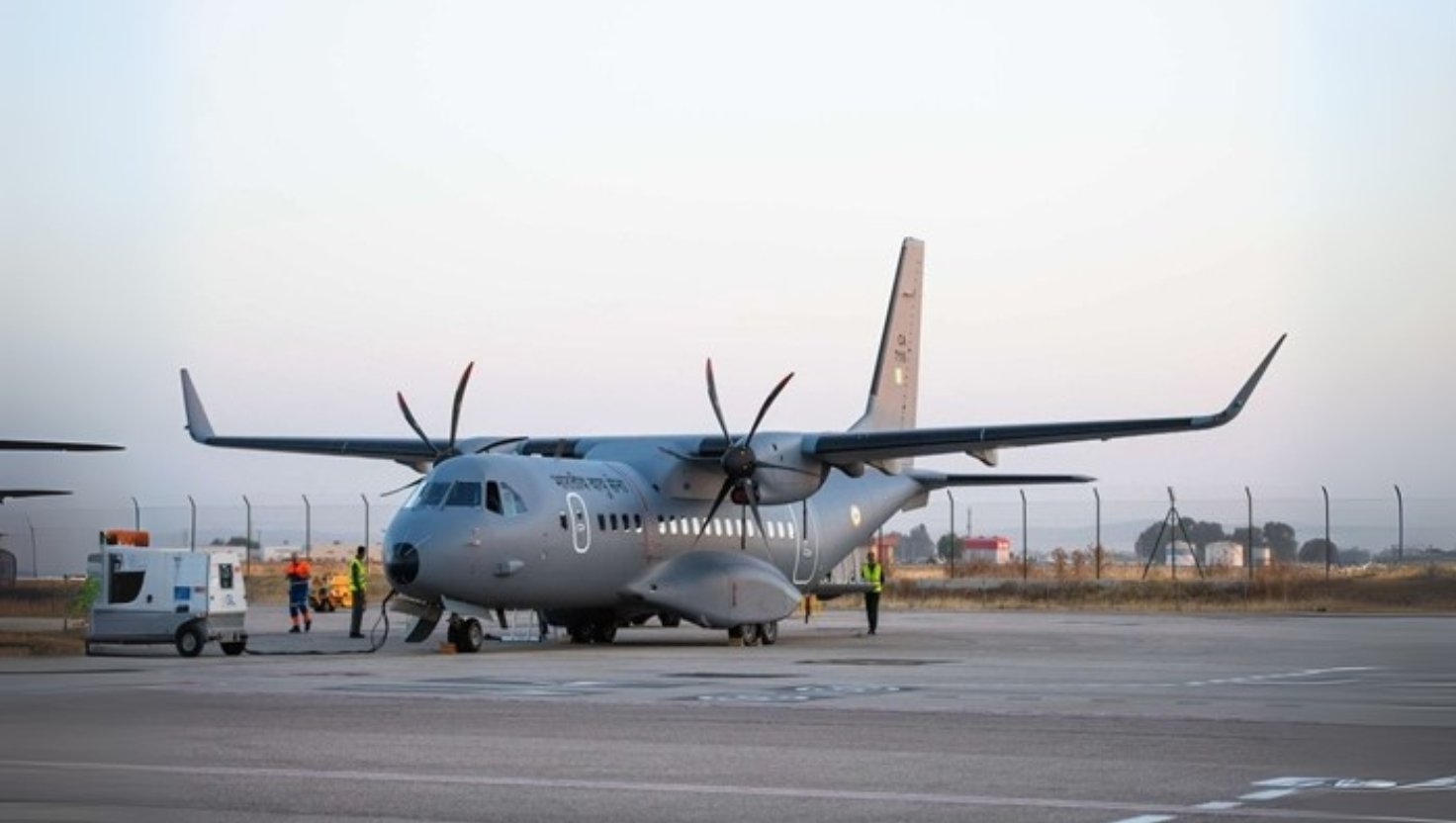
India receives all 16 Airbus C-295 Aircraft from Spain, boosting tactical airlift and marking a key step in defence indigenisation and modernisation.

Odisha and Chhattisgarh agree to resolve the Mahanadi River water dispute through dialogue, marking a shift towards cooperative federalism.

Framework Agreement marks 10 years of Indo-Naga peace talks, reaffirming NSCN-IM’s call for shared sovereignty and recognition of Naga identity.

India’s wind energy capacity reached 51.3 GW in 2025, but rising bird deaths in the Thar Desert raise ecological concerns around renewable energy expansion.

India’s first AI-Powered Anganwadi launched in Nagpur to boost rural preschool education through AI, VR, and digital learning under Mission Bal Bharari.

27 States approved for PM Ekta Malls to promote ODOP, GI, and handicraft products with ₹4,795 Cr sanctioned under the SASCI scheme.

India to launch Repairability Index; experts highlight the need to integrate informal repairers into Right to Repair and digital policies.

PMKVY completes 10 years, training 1.63 crore youth with a focus on industry skills, inclusion, and emerging tech under Skill India Mission.

Apna Ghar Initiative boosts road safety & dignity for truckers via rest hubs; key welfare move under Ministry of Petroleum and Natural Gas.
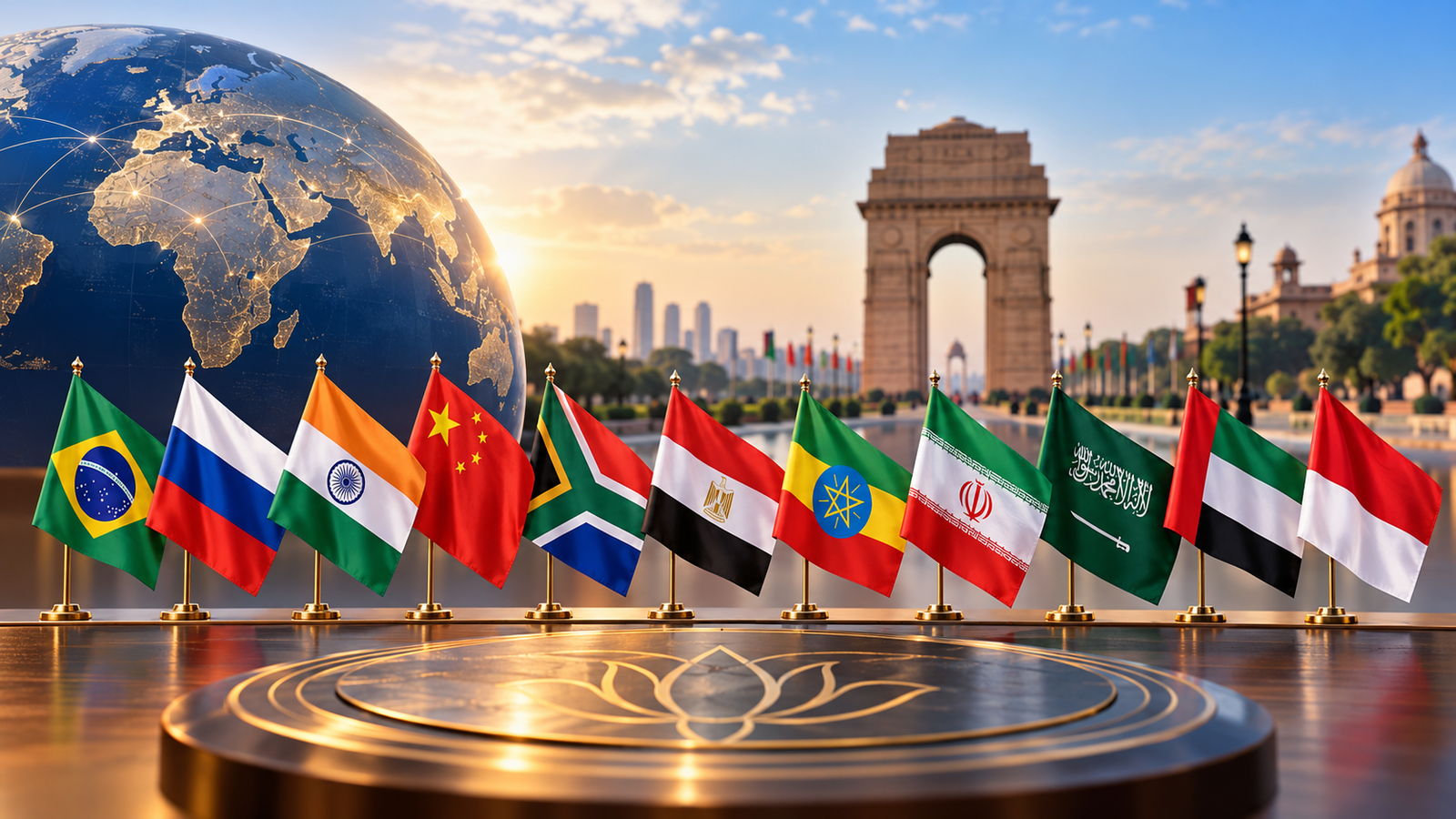
BRICS 2026: Explore the 18th BRICS Summit in New Delhi,
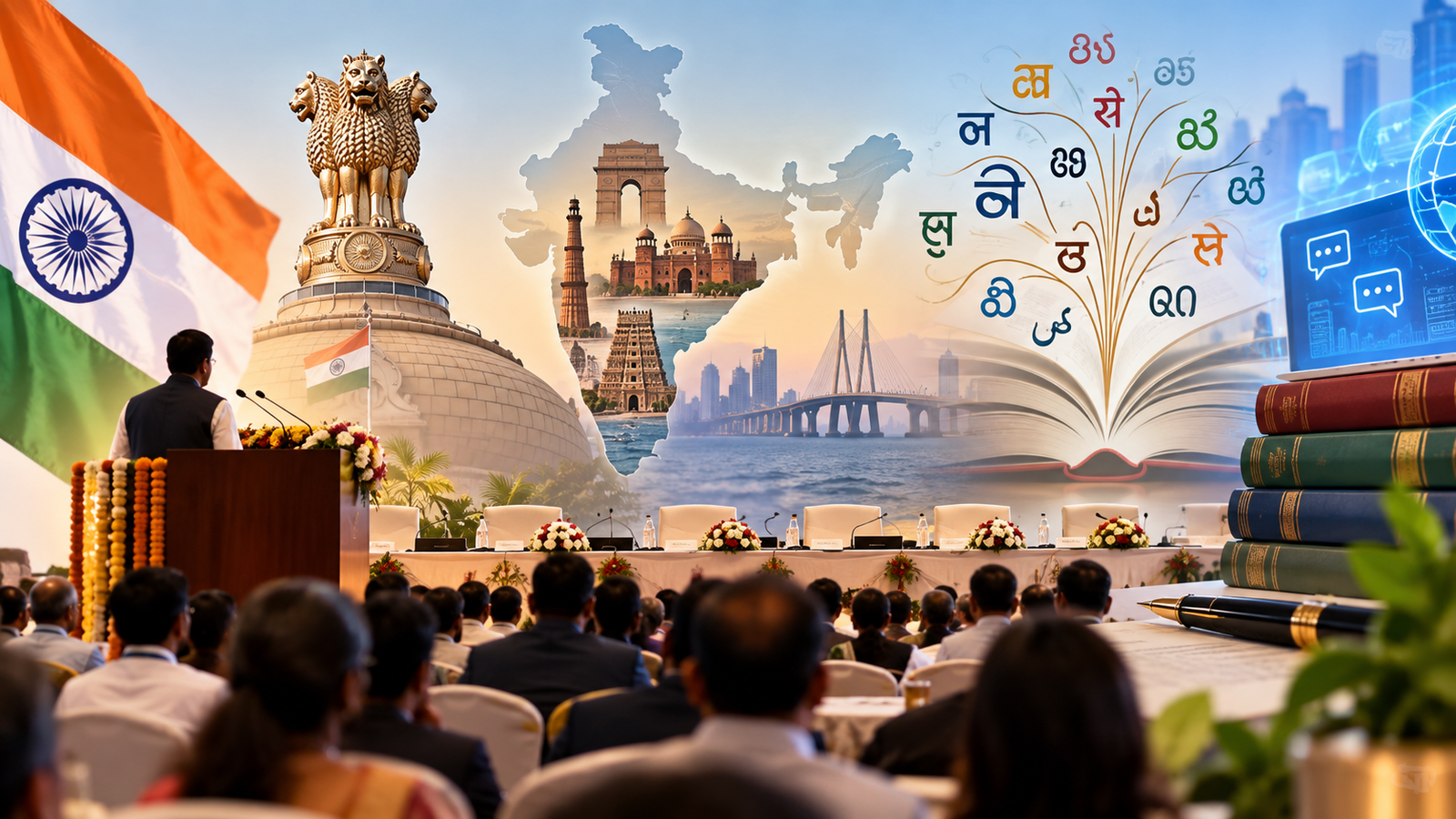
6th All India Official Language Conference 2026 in Navi Mumbai:
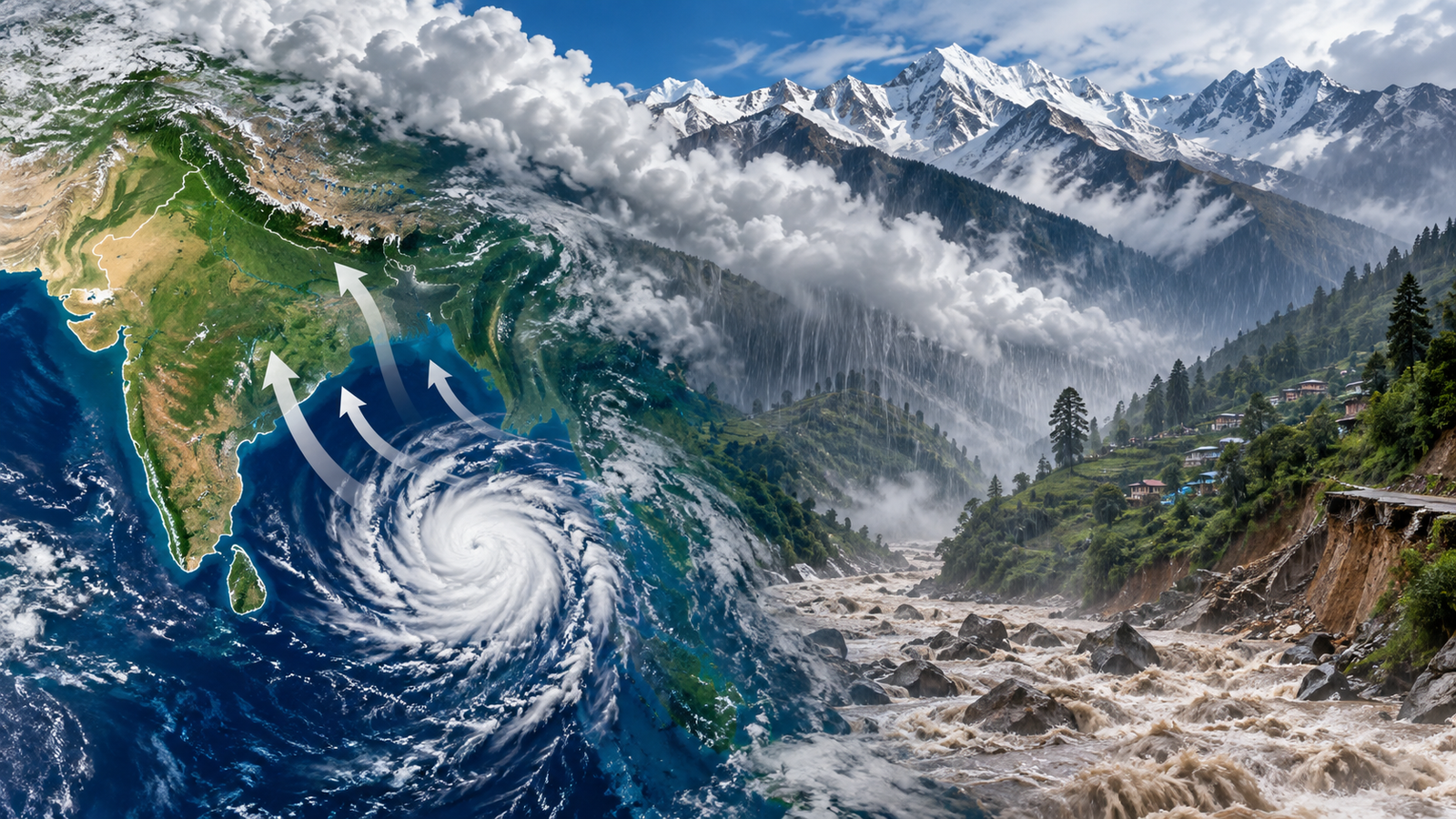
Discover how Bay of Bengal low-pressure systems shape India’s monsoon,
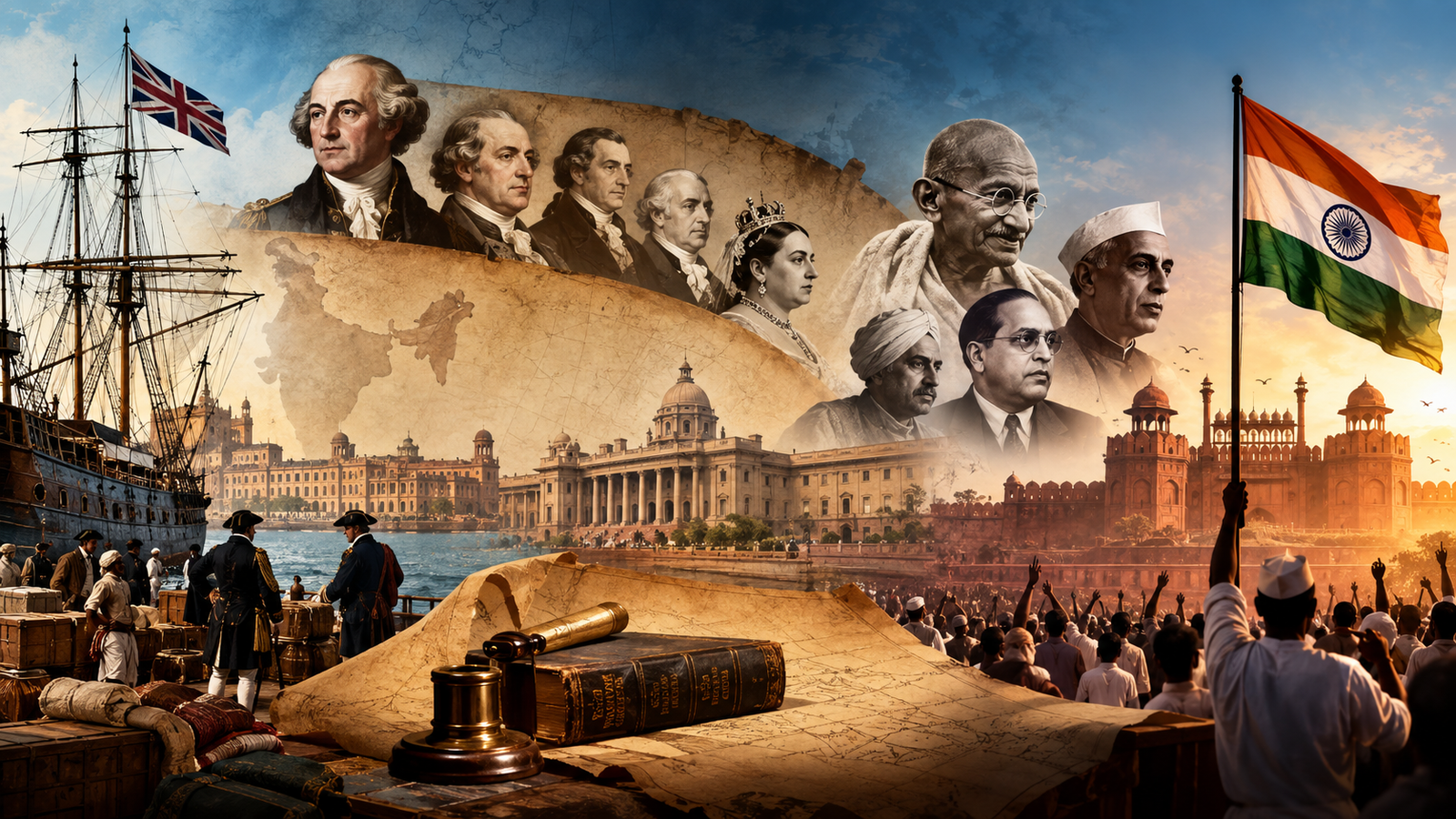
Explore the constitutional evolution of India from East India Company

Yojana June 2026 explores India’s journey towards a Naxal-free Bharat,
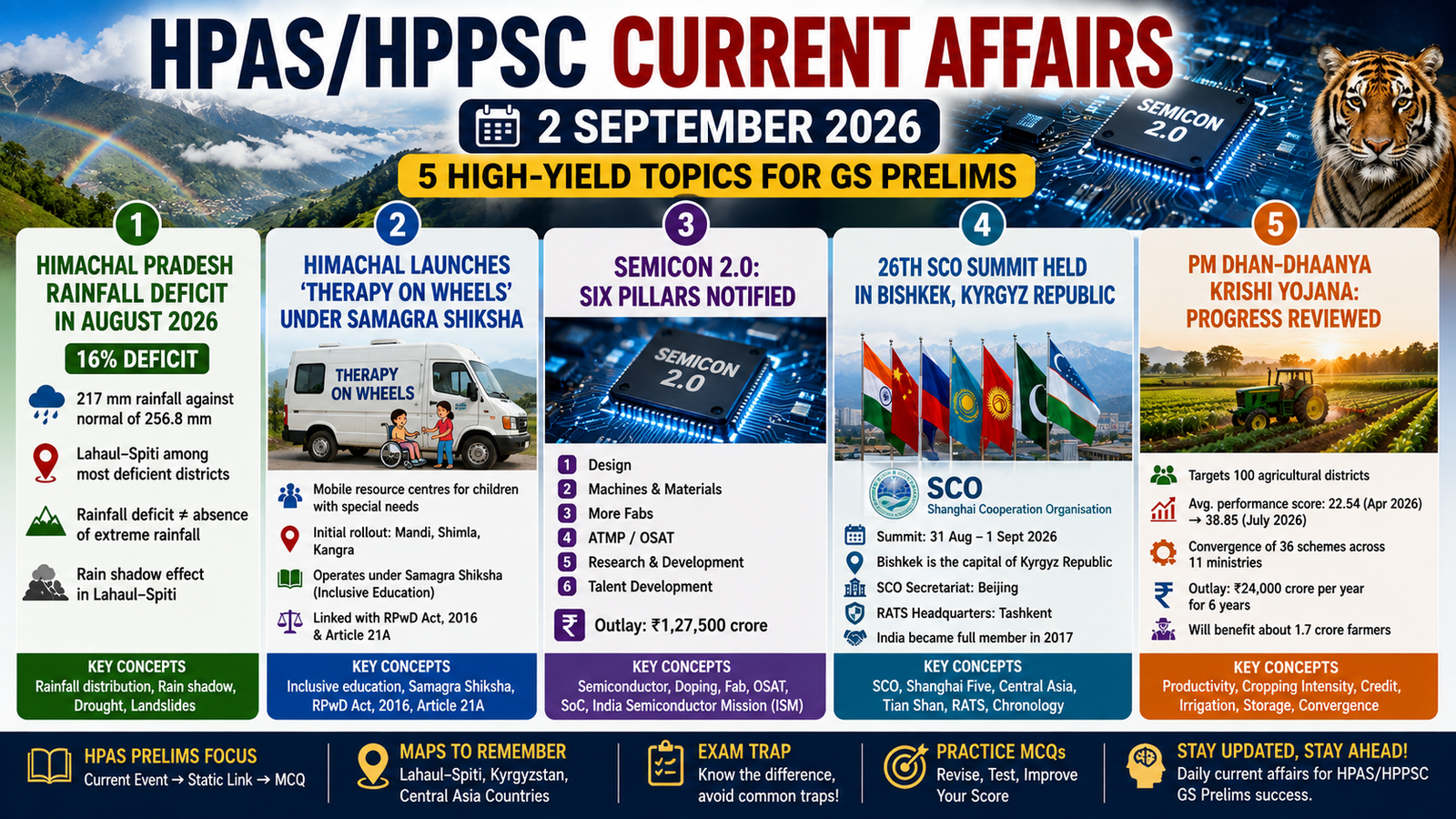
HPAS/HPPSC Current Affairs 2 September 2026: Himachal rainfall deficit, Therapy