

Hurricane Gilbert (1988)
Hurricane Gilbert (1988) devastated Jamaica and Mexico as a Category 5 storm, causing $5.5 billion in damage and over 300 deaths.
Hurricane Gilbert (1988) devastated Jamaica and Mexico as a Category 5 storm, causing $5.5 billion in damage and over 300 deaths.
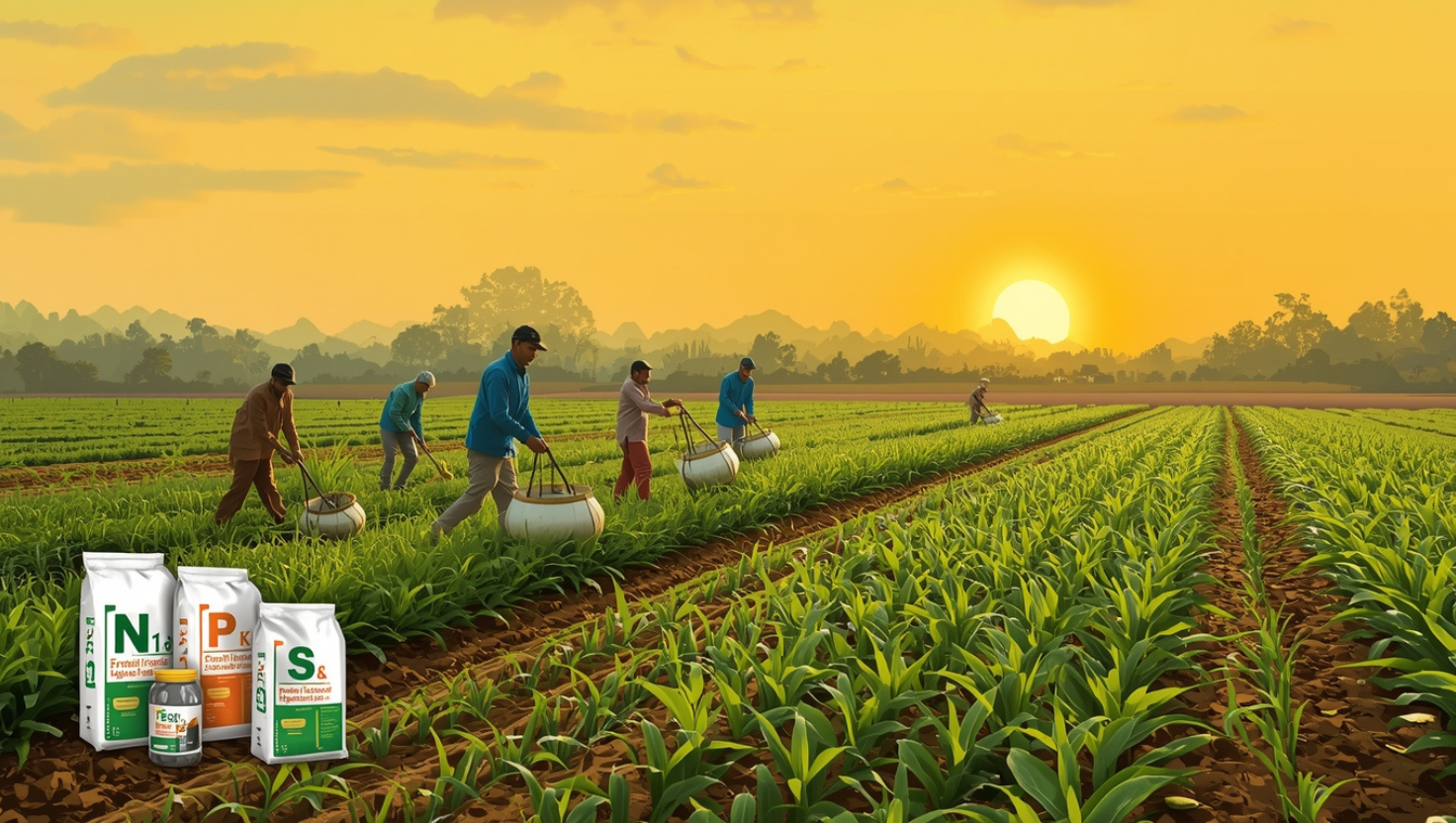
The Nutrient Based Subsidy (NBS) Scheme ensures affordable, balanced fertilizer use and sustainable soil health for Indian farmers.
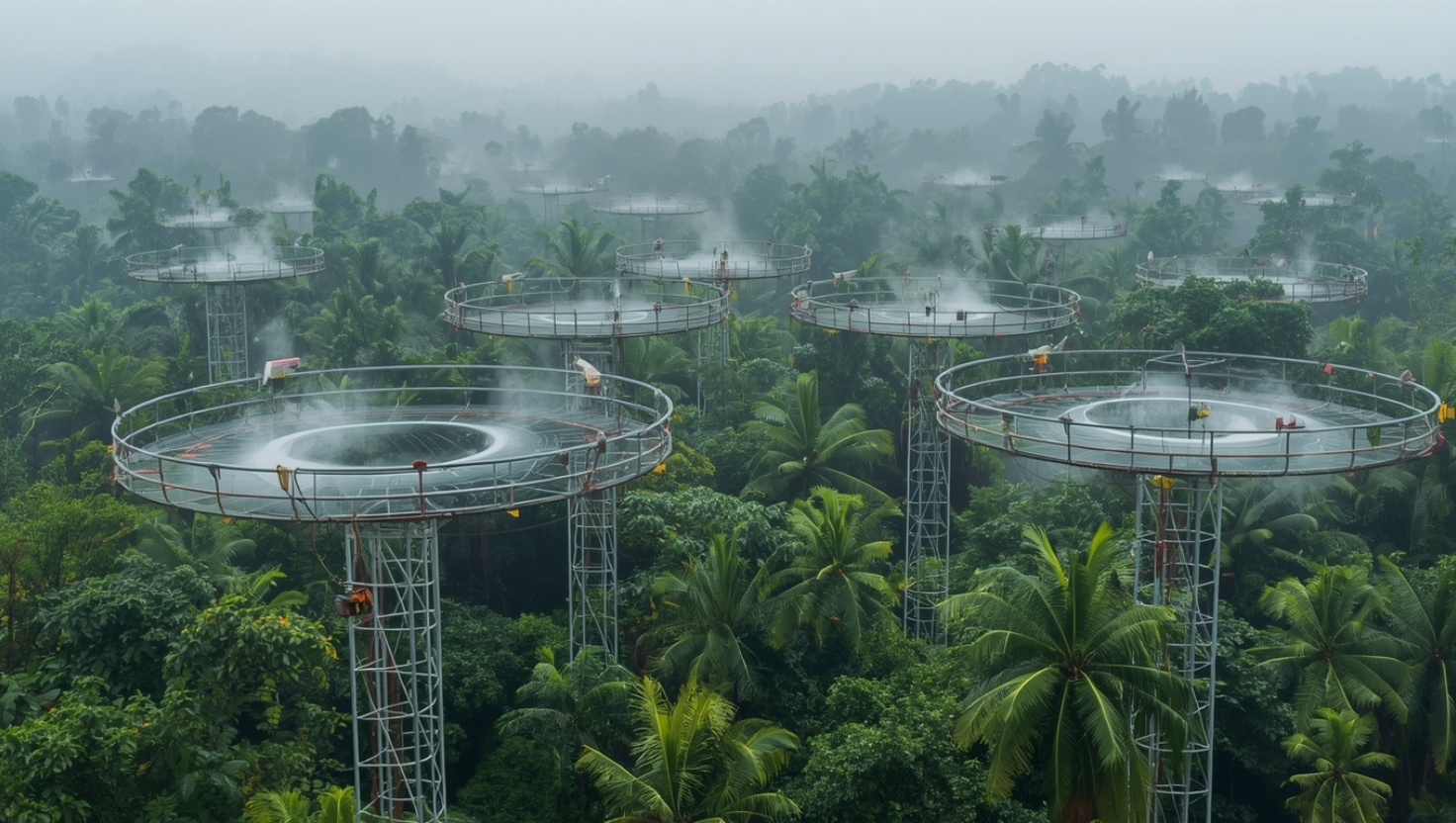
AmazonFACE Experiment in Brazil simulates future CO₂ levels to study how tropical rainforests like the Amazon will adapt to climate change.

The 8th Central Pay Commission (CPC) will revise pay, pensions, and allowances for government employees from January 2026.
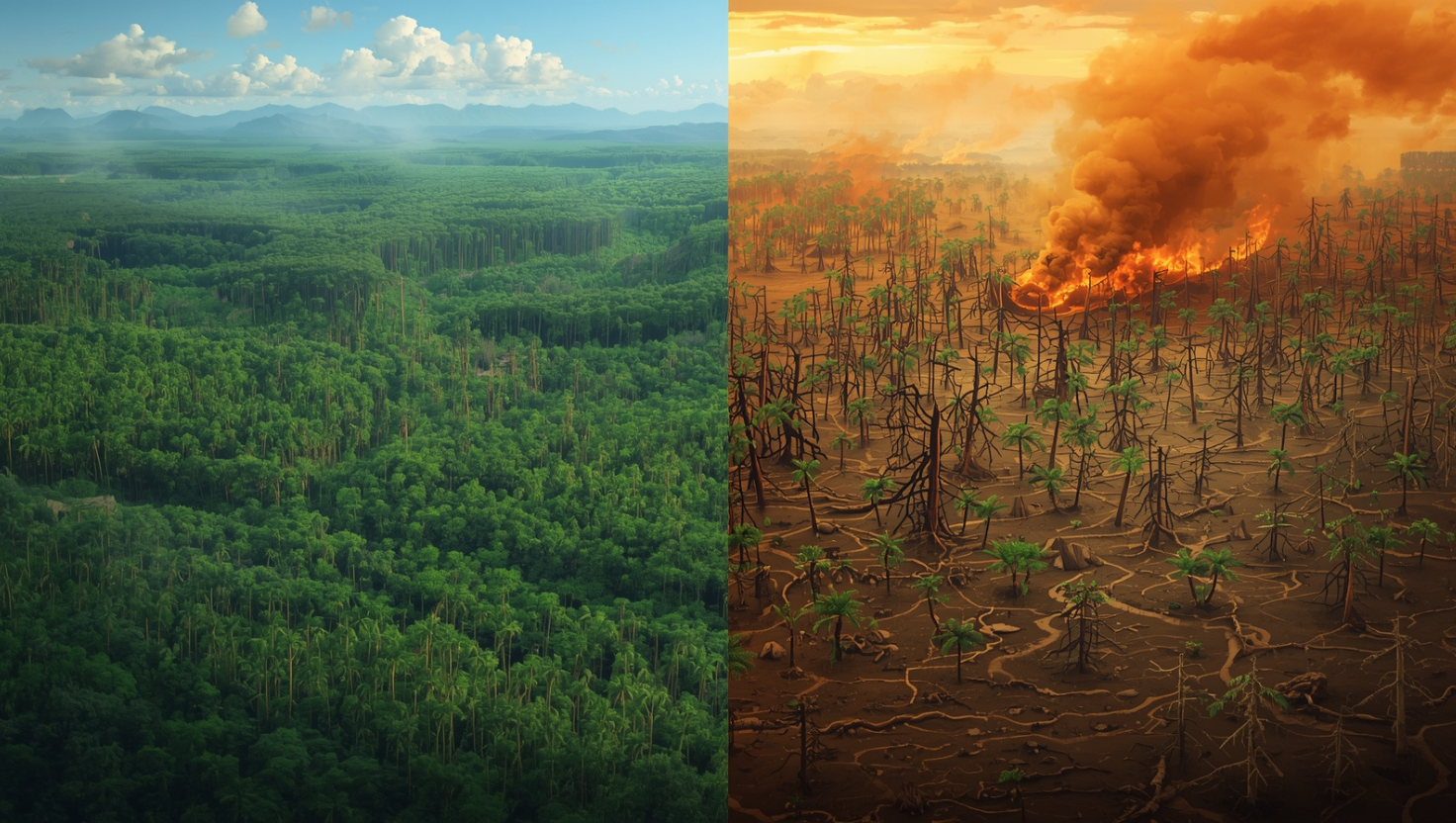
Tropical rainforests are turning from carbon sinks to emitters, warning of global climate risks and urgent need for forest resilience.
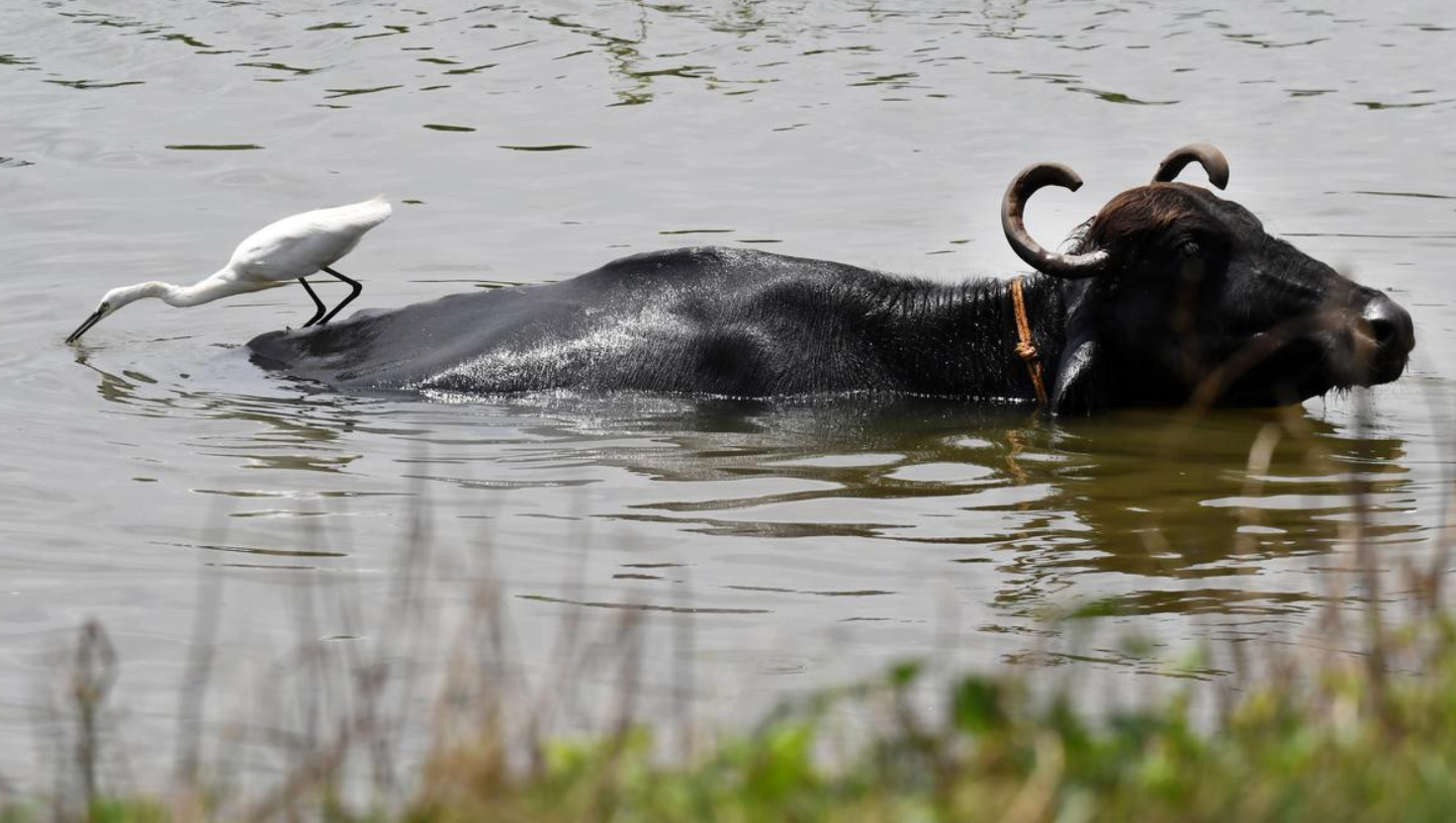
CRYODIL, developed by ICAR–NIANP, is India’s first egg yolk-free semen extender, boosting buffalo breeding and supporting Atmanirbhar Bharat.
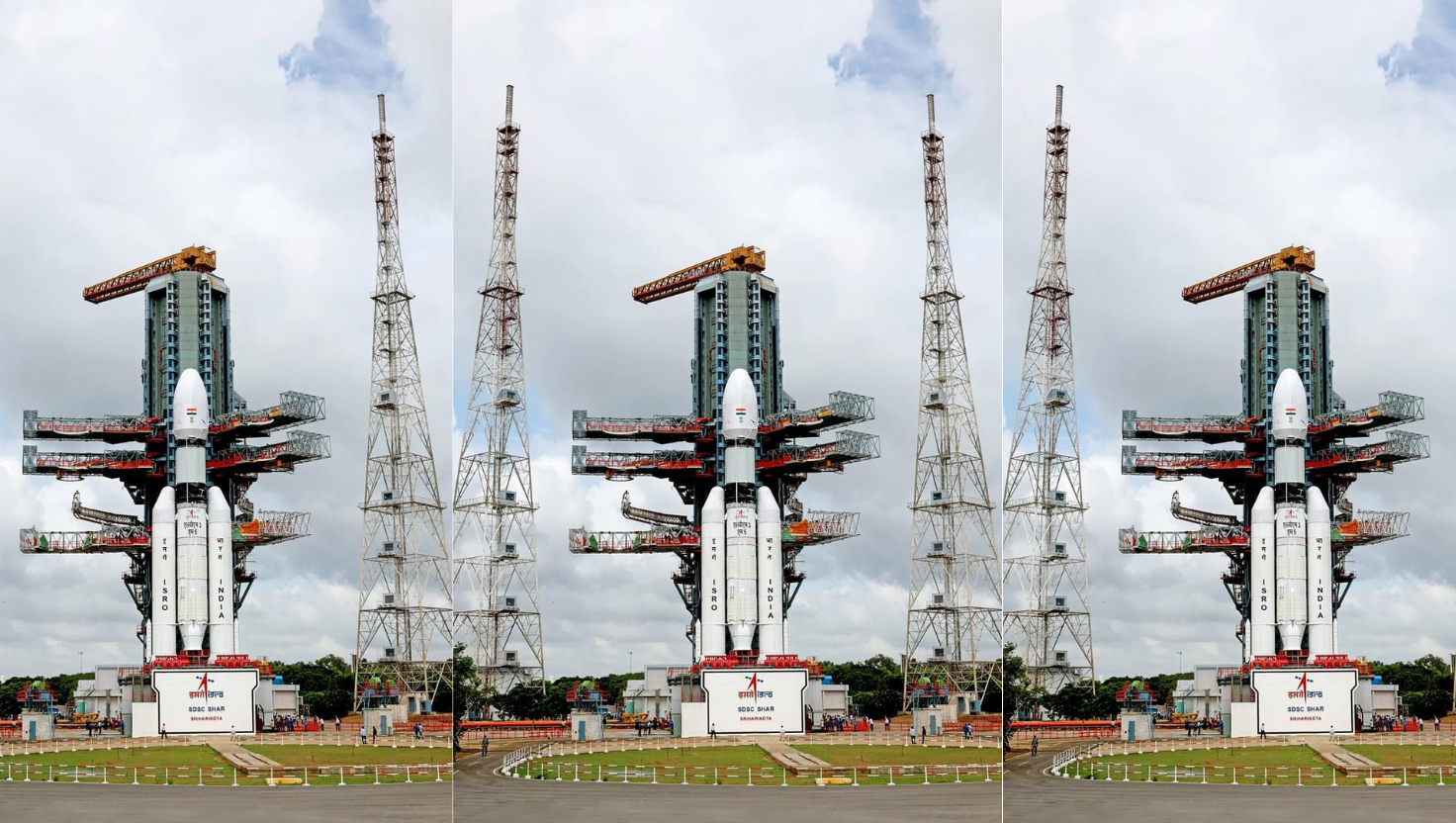
GSAT-7R Satellite (CMS-03) boosts secure defence communication, strengthening India’s maritime, air, and space-based strategic capabilities.

Cyclone Montha, forming over the Bay of Bengal, is set to hit Andhra Pradesh and Odisha, stressing the need for strong coastal preparedness.
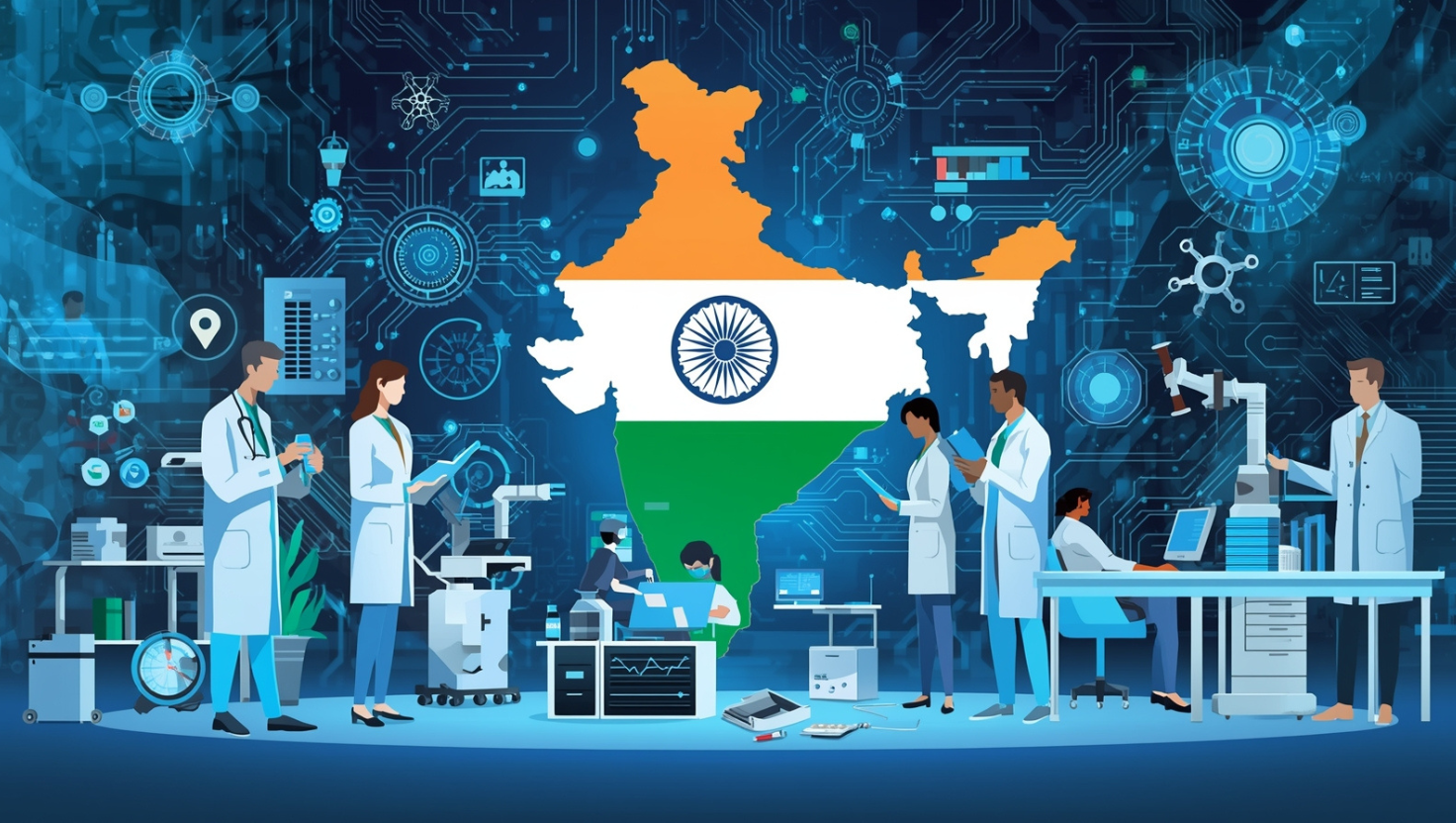
Maha MedTech Mission boosts India’s MedTech innovation, manufacturing, and self-reliance, promoting affordable, high-quality healthcare solutions.

Lokpal, India’s anti-corruption body, faces declining complaints, weak transparency, and calls for reform to regain public trust and credibility.

BRICS 2026: Explore the 18th BRICS Summit in New Delhi,
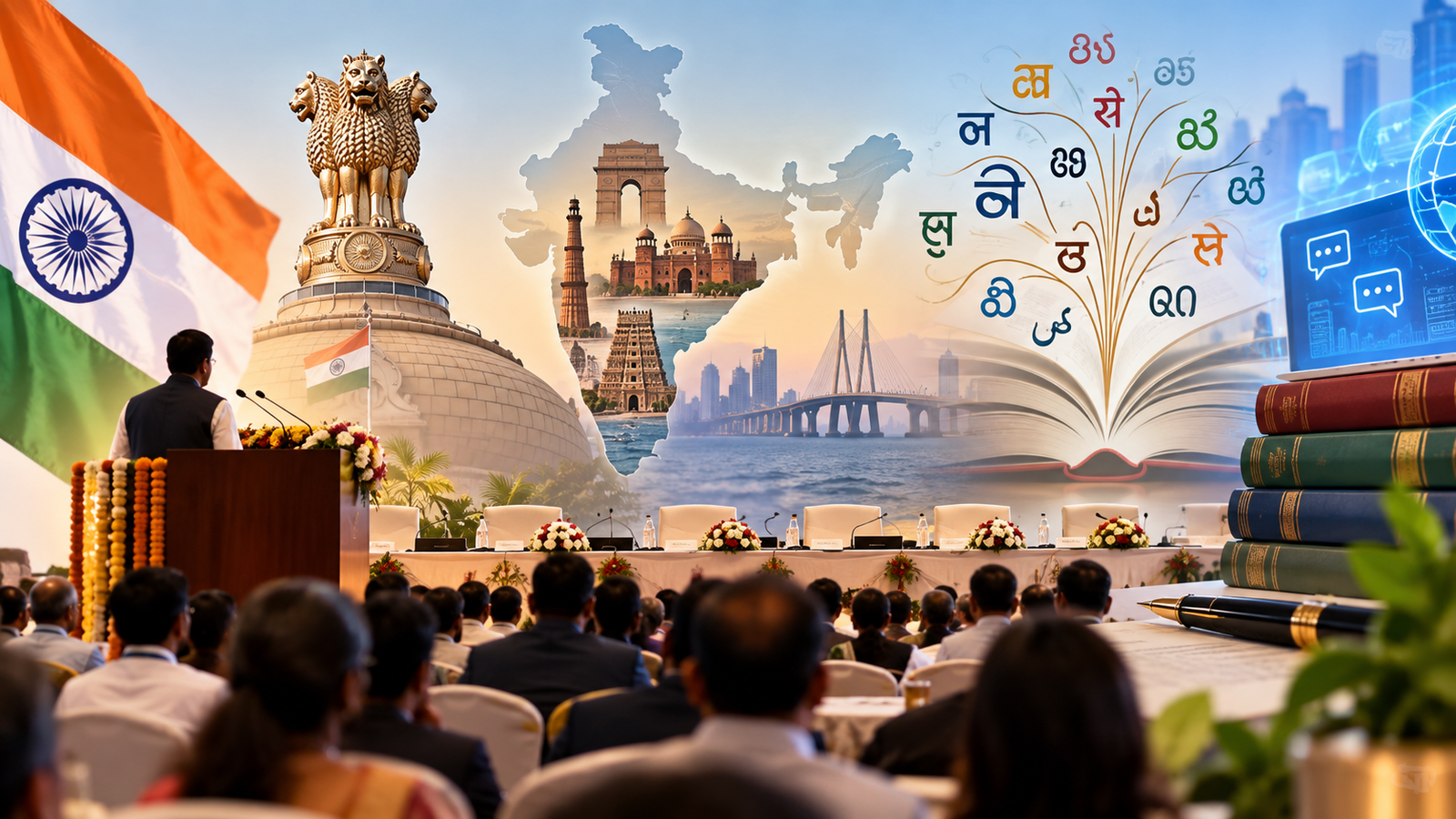
6th All India Official Language Conference 2026 in Navi Mumbai:
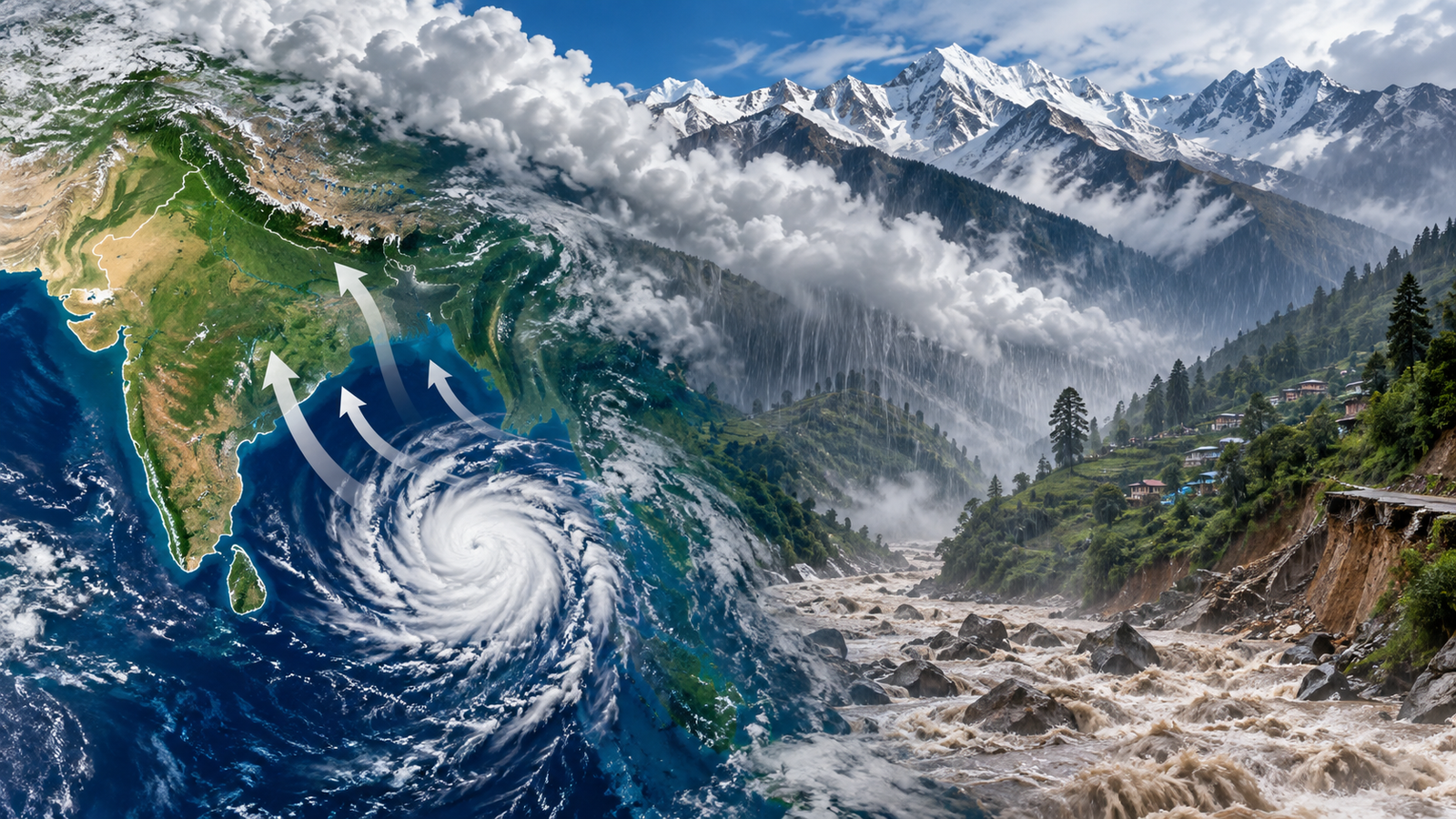
Discover how Bay of Bengal low-pressure systems shape India’s monsoon,

Explore the constitutional evolution of India from East India Company

Yojana June 2026 explores India’s journey towards a Naxal-free Bharat,
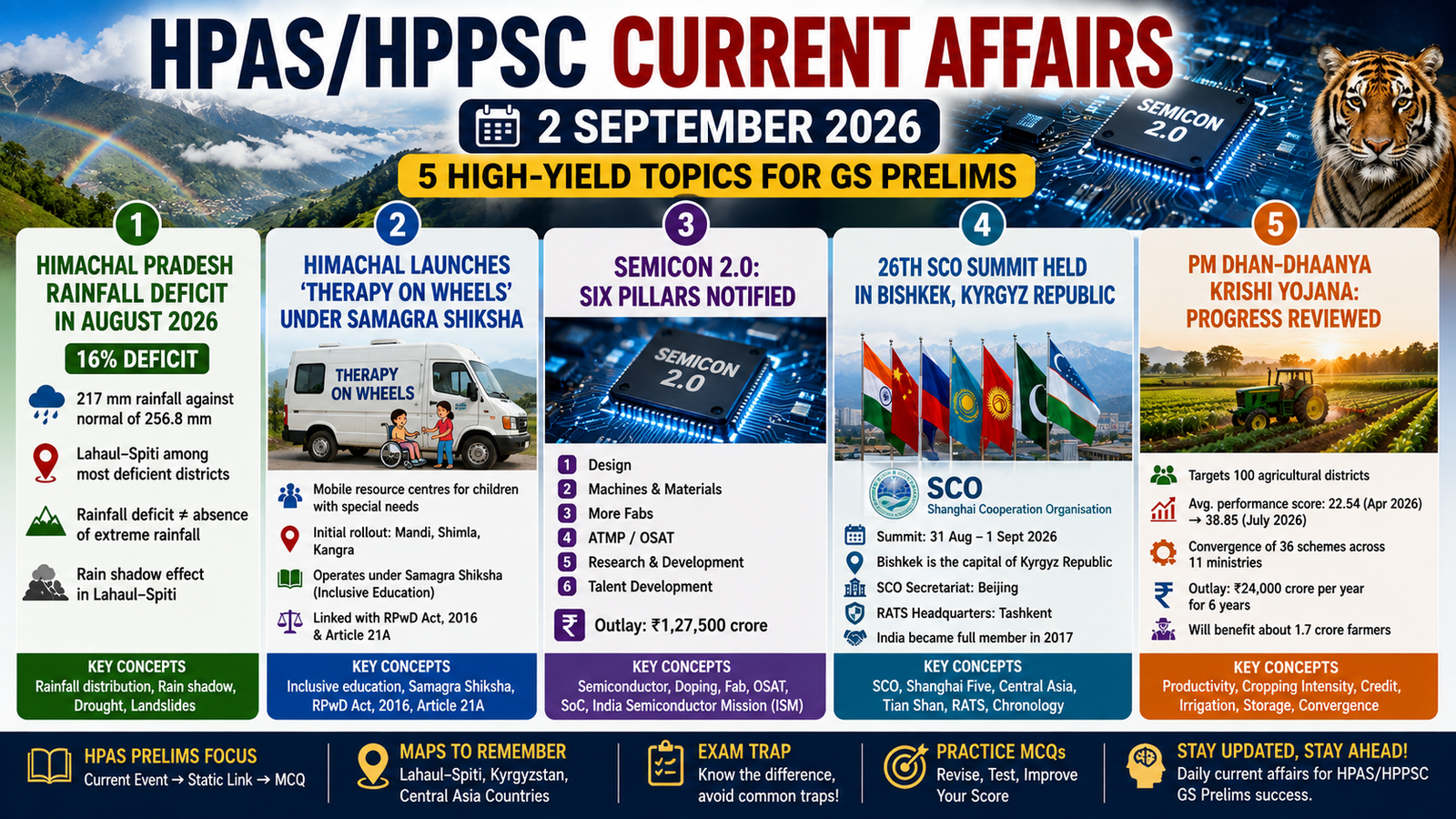
HPAS/HPPSC Current Affairs 2 September 2026: Himachal rainfall deficit, Therapy