
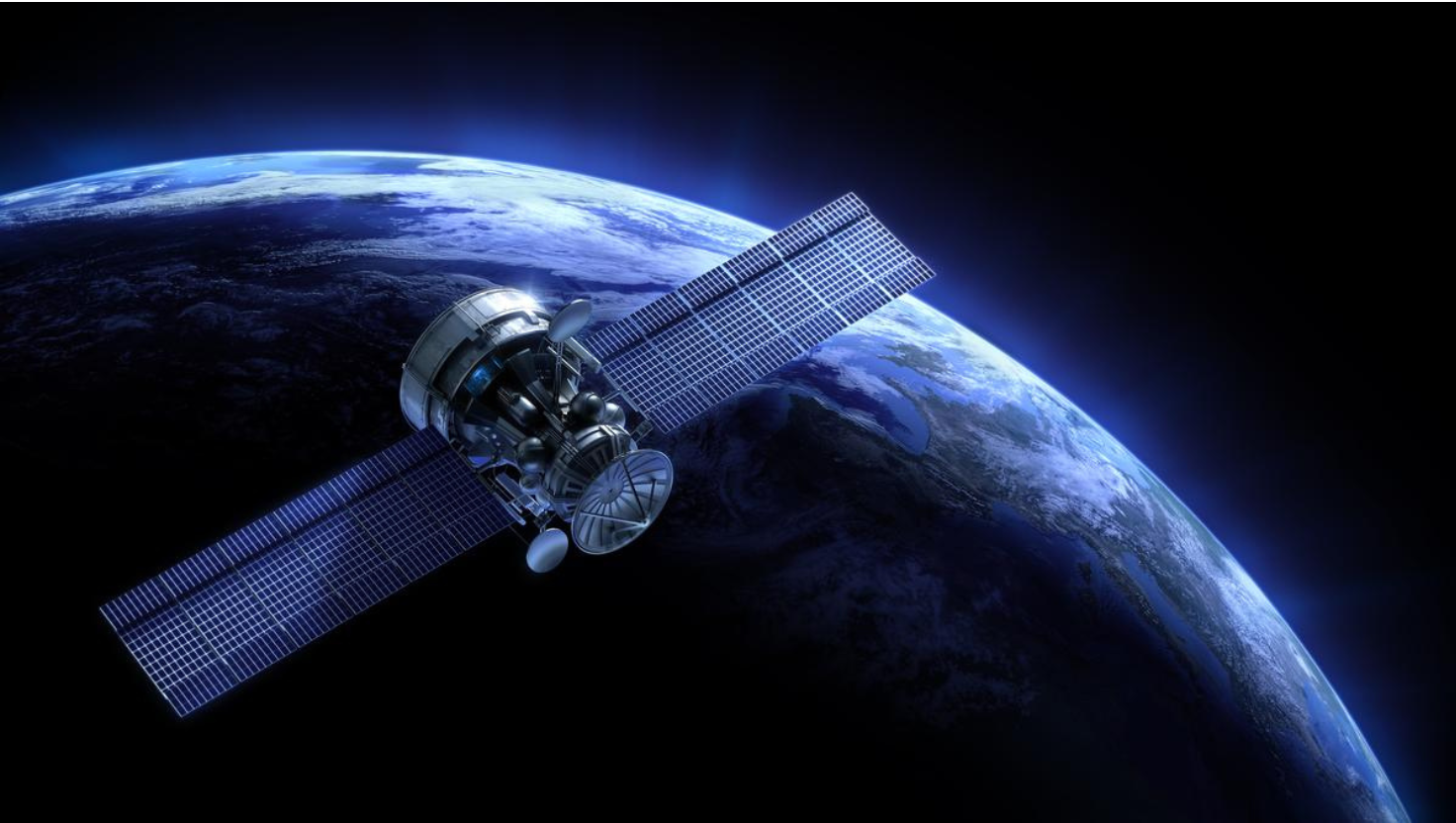
Securing India’s Satellites: Technology and Strategy
Protecting India’s satellites is vital for security, economy, and communication, using tech, policy, and sustainable space measures.
Protecting India’s satellites is vital for security, economy, and communication, using tech, policy, and sustainable space measures.
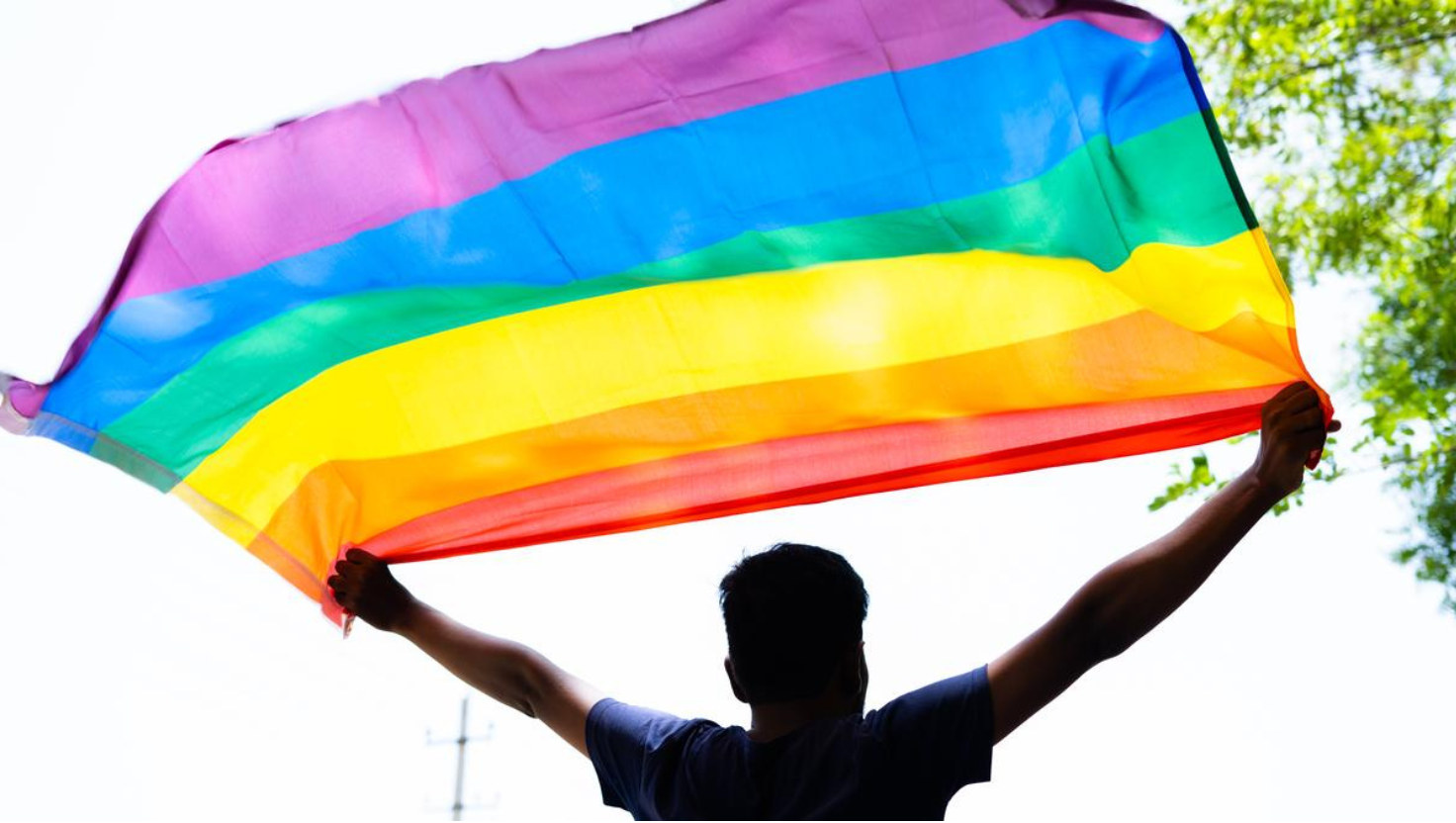
Transgender Rights in India need a shift from welfare promises to real inclusion in education, jobs, healthcare, and politics.
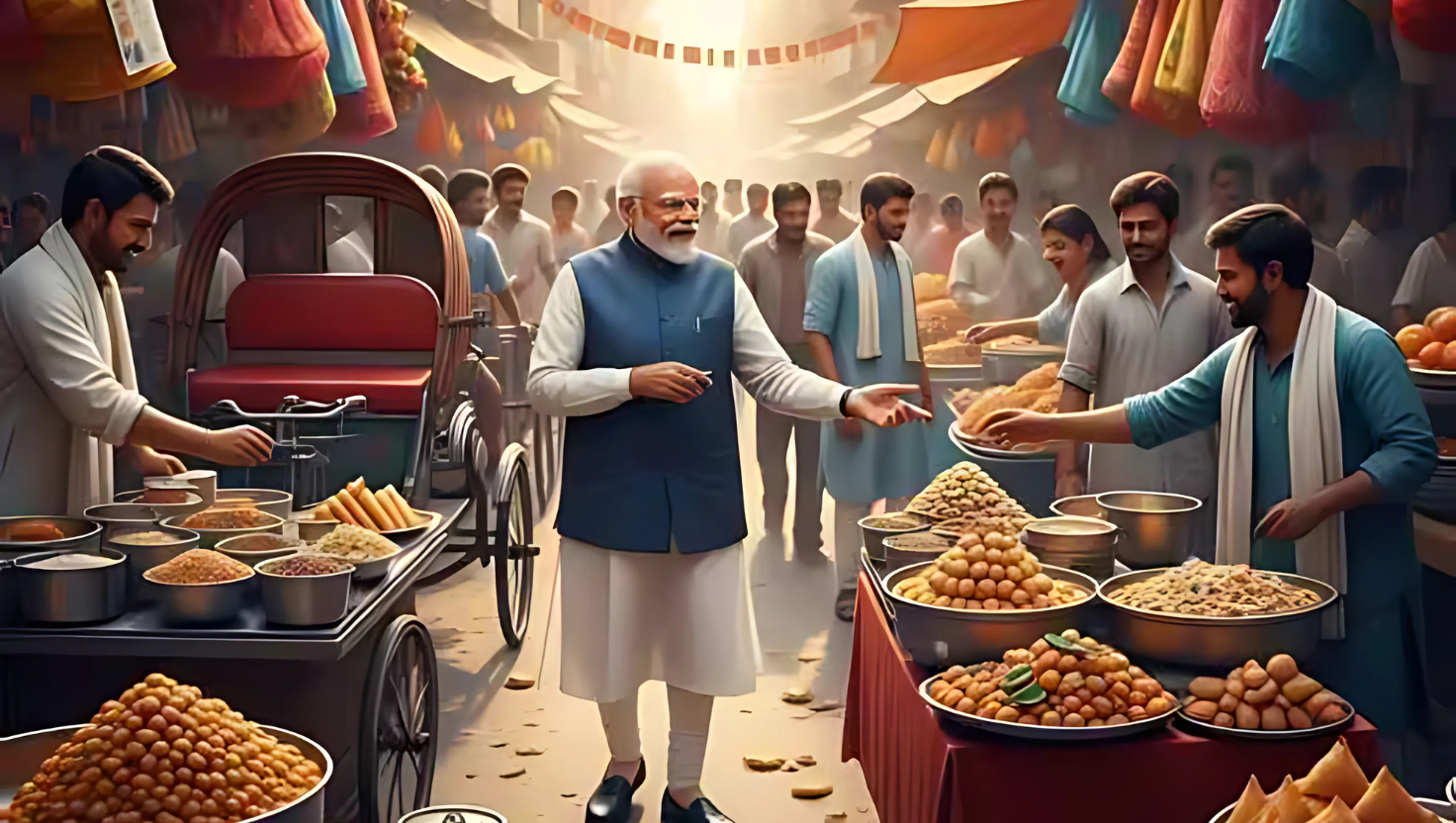
PM SVANidhi Scheme (2020): पीएम स्वनिधि योजना रेहड़ी-पटरी वालों को बिना गारंटी ऋण, ब्याज सब्सिडी और डिजिटल प्रोत्साहन देती है।
PM SVANidhi provides collateral-free loans, subsidies, and digital incentives to support street vendors’ livelihoods and inclusion.
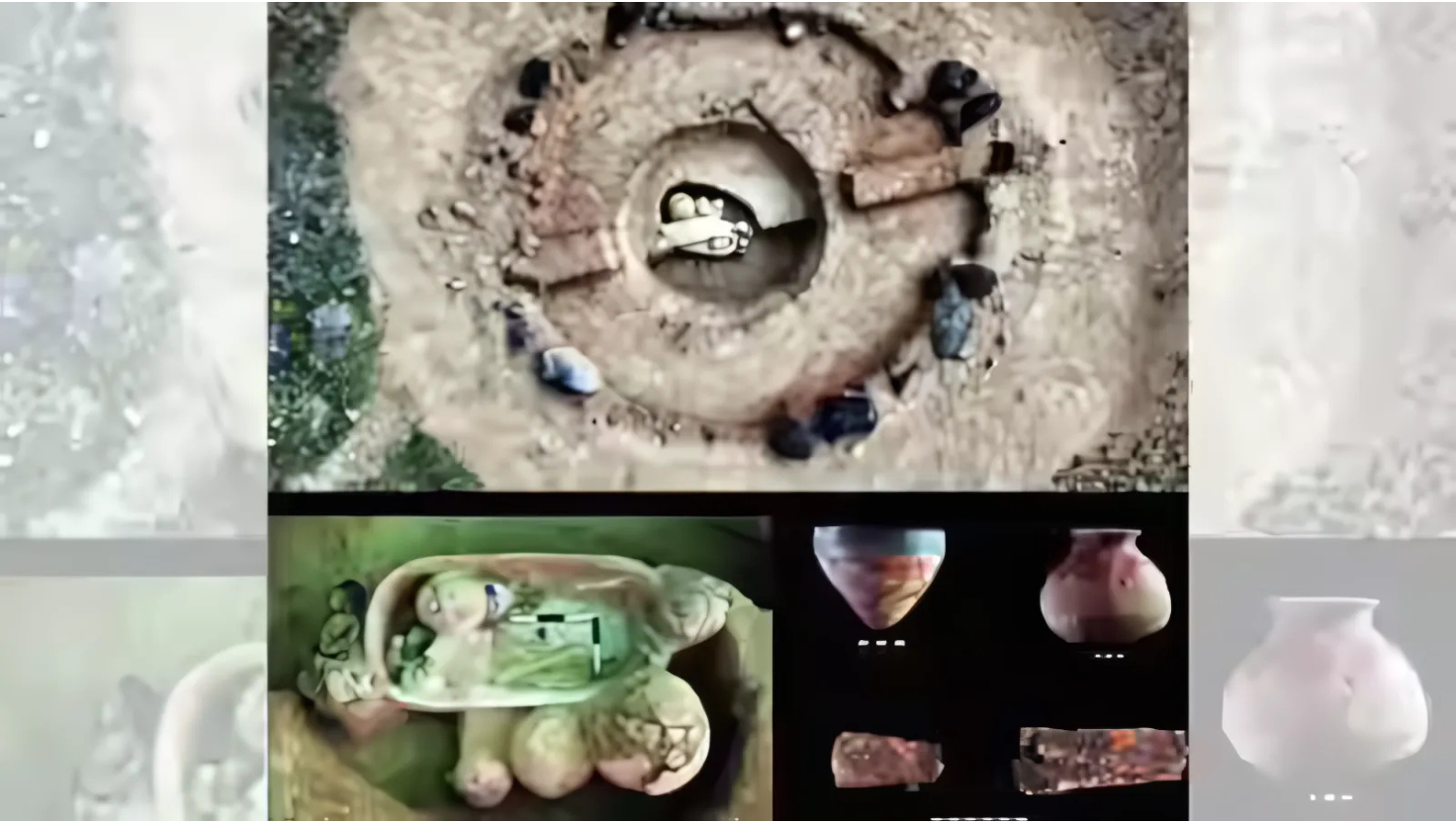
Ancient Sarcophagus from 1692 BCE in Tamil Nadu reveals Late Harappan trade links and early graffiti, highlighting a complex ancient society.
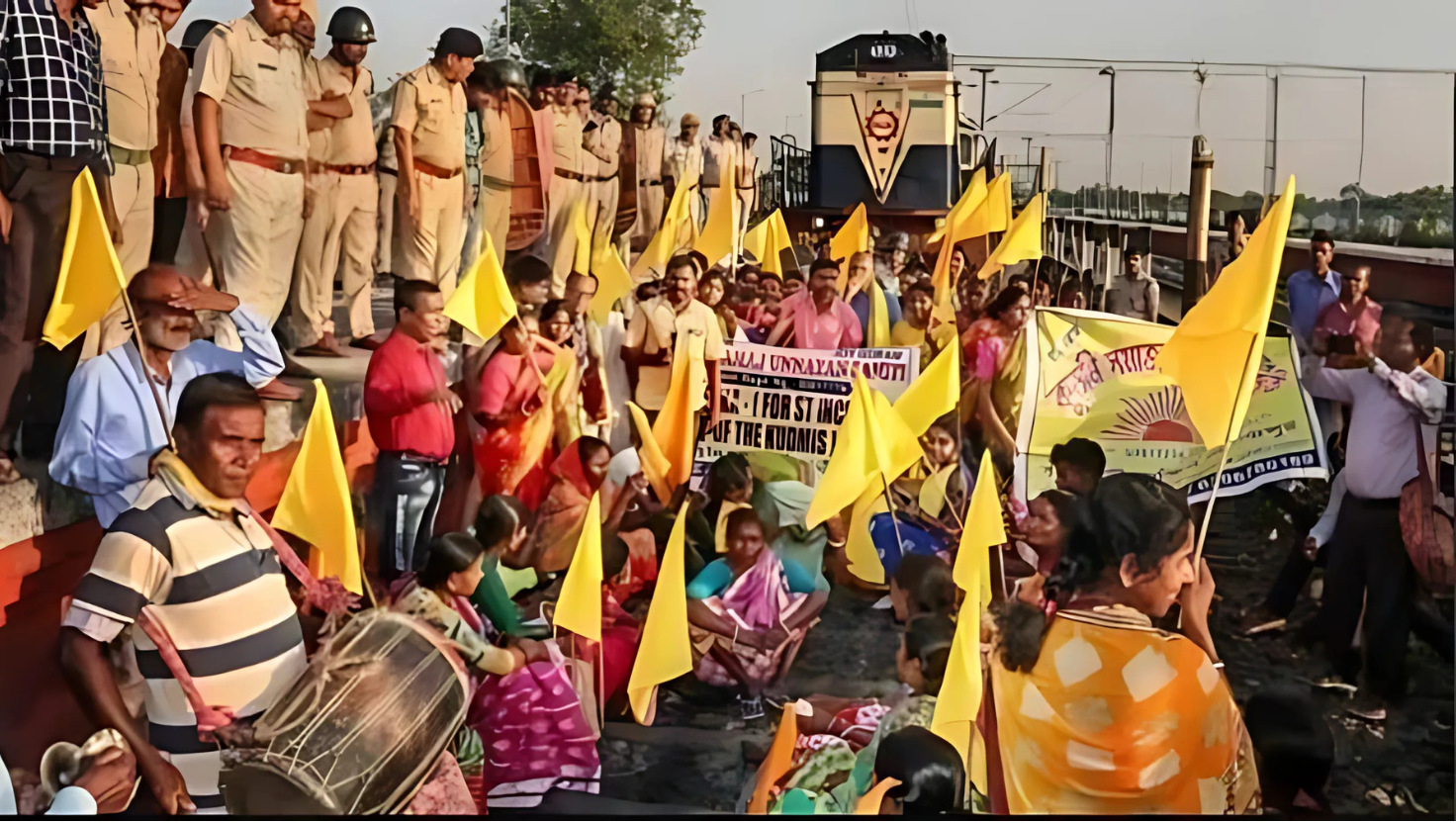
Kurmis Community in Bengal, Jharkhand, and Odisha seek ST status and inclusion of Kurmali language in the Eighth Schedule.
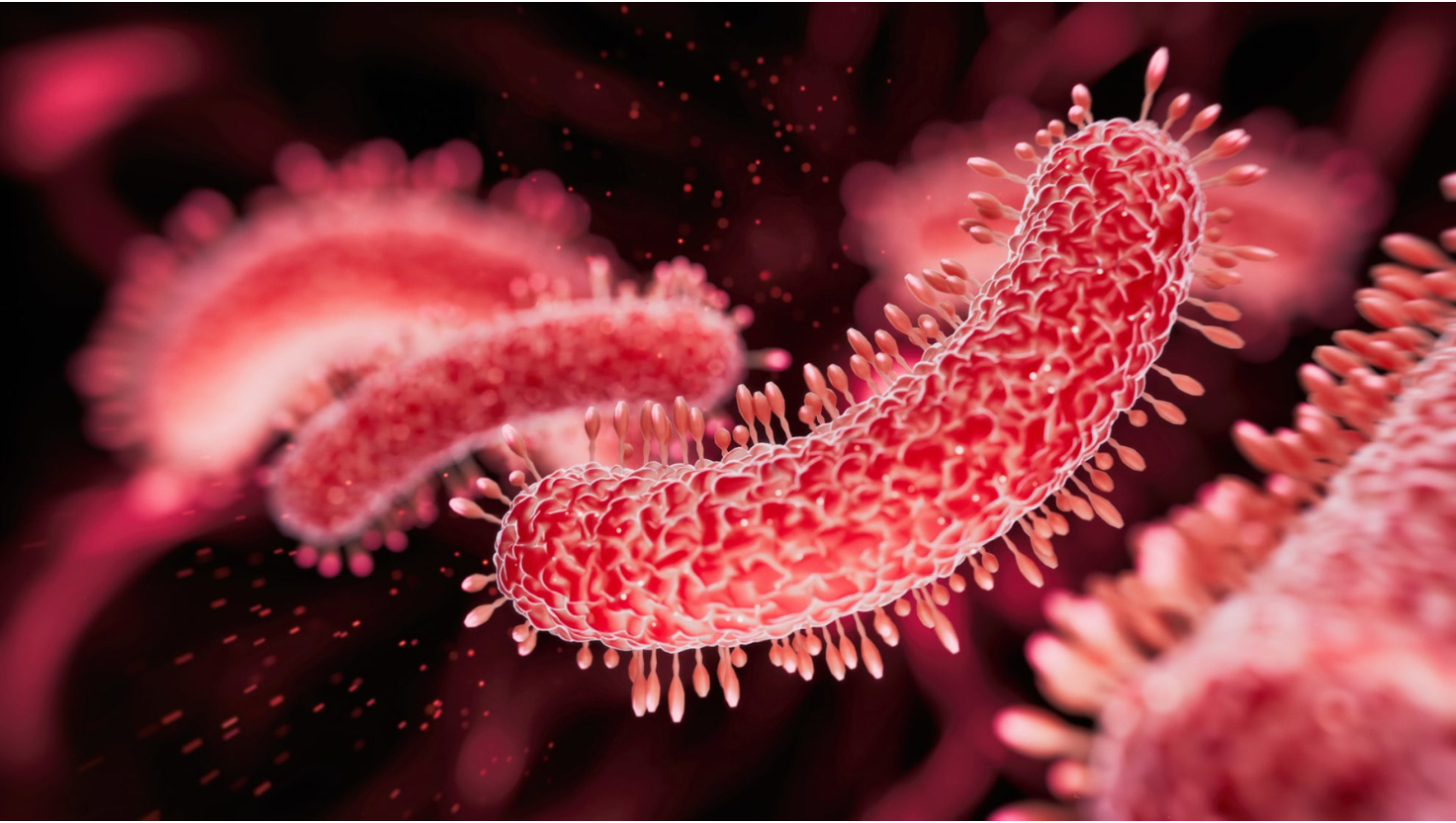
Evo AI Model designs therapeutic viruses using genomics AI, speeding research and fighting drug-resistant bacterial infections.
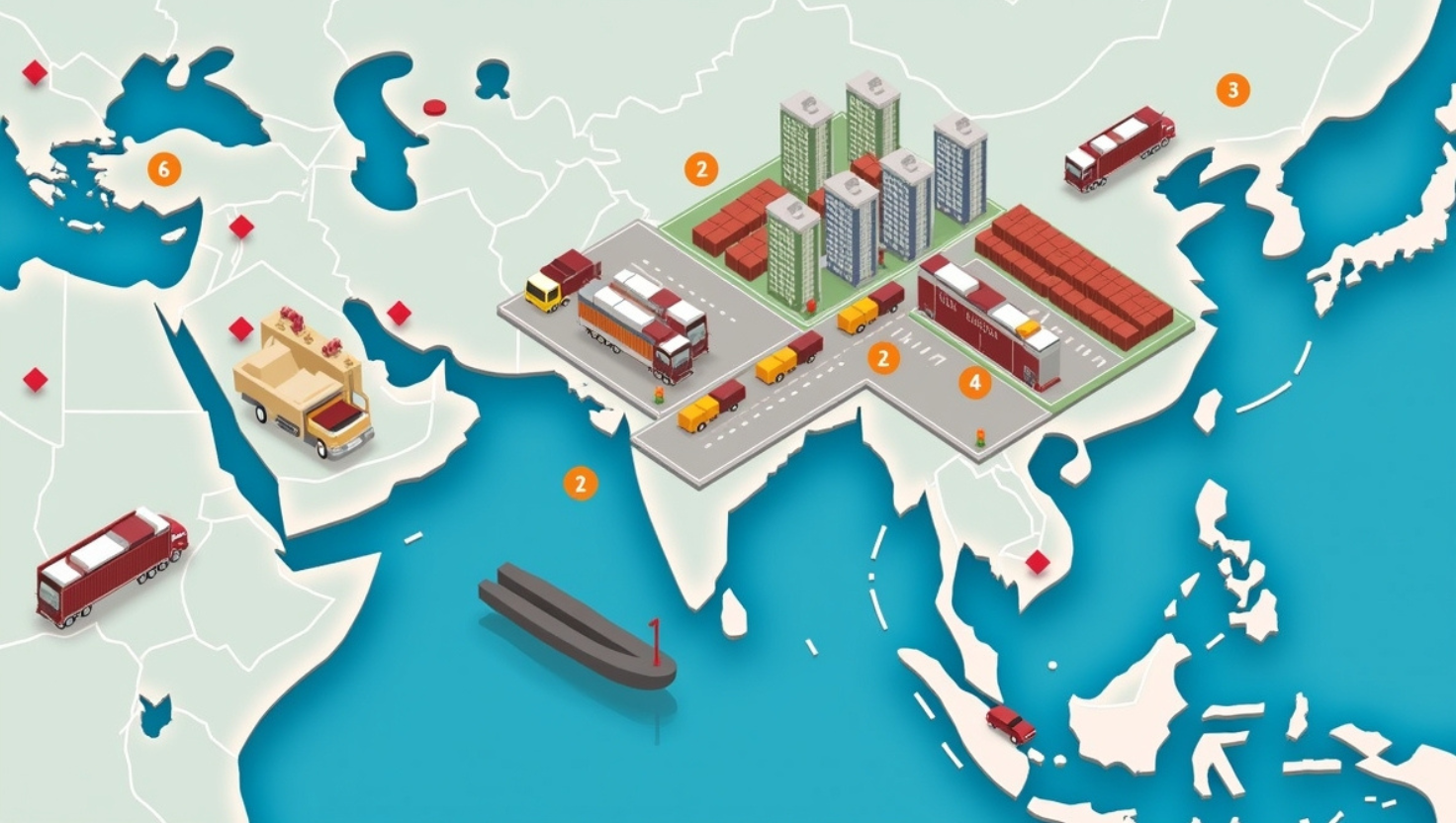
LEADS 2025 ranks Indian States on logistics efficiency, guiding infrastructure planning, policy reforms, and supply chain improvements for smoother trade.
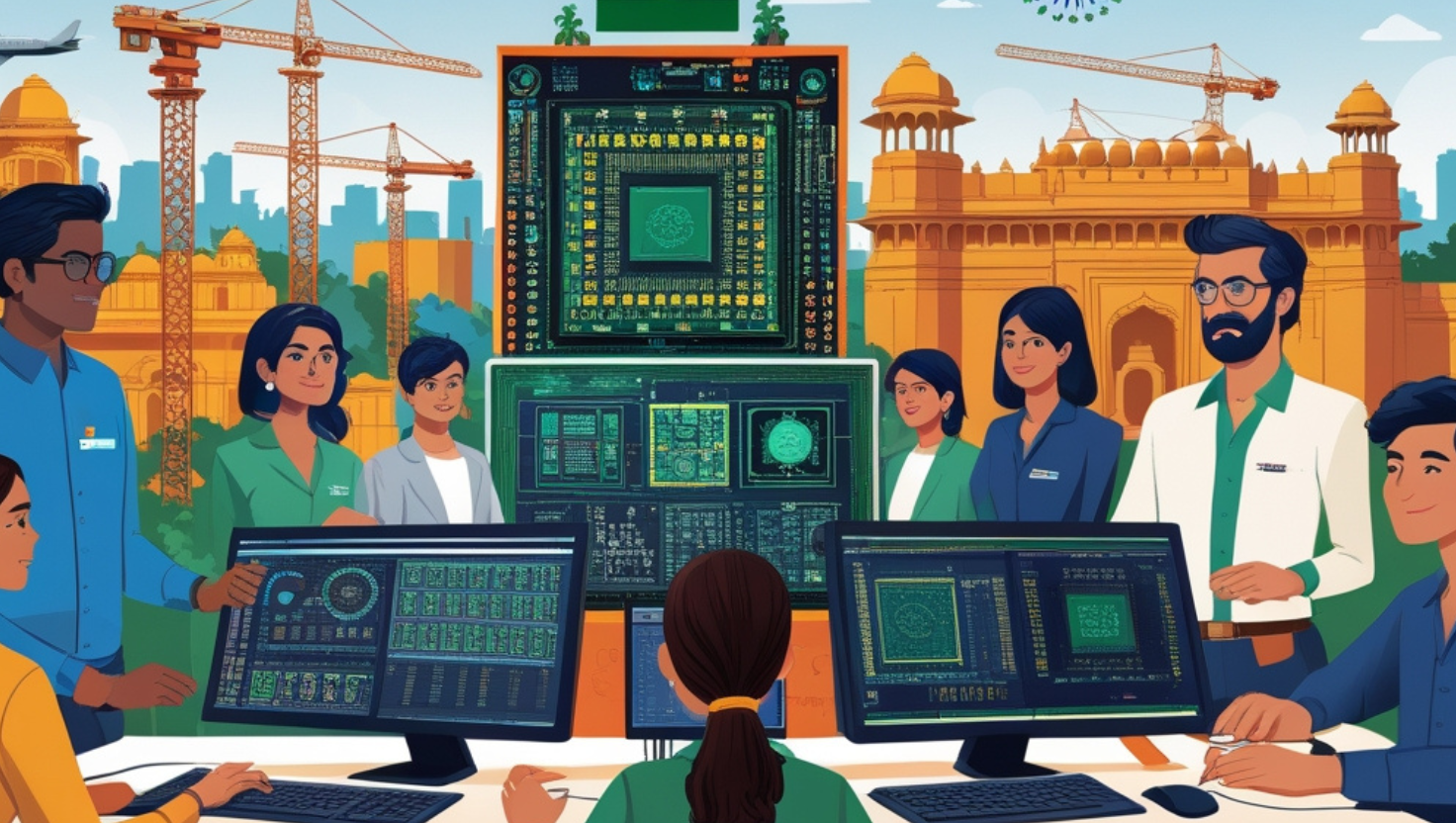
India’s semiconductor design edge and policy push under the Semicon India Mission aim to make the country a global chip hub, boosting innovation, jobs, and strategic security
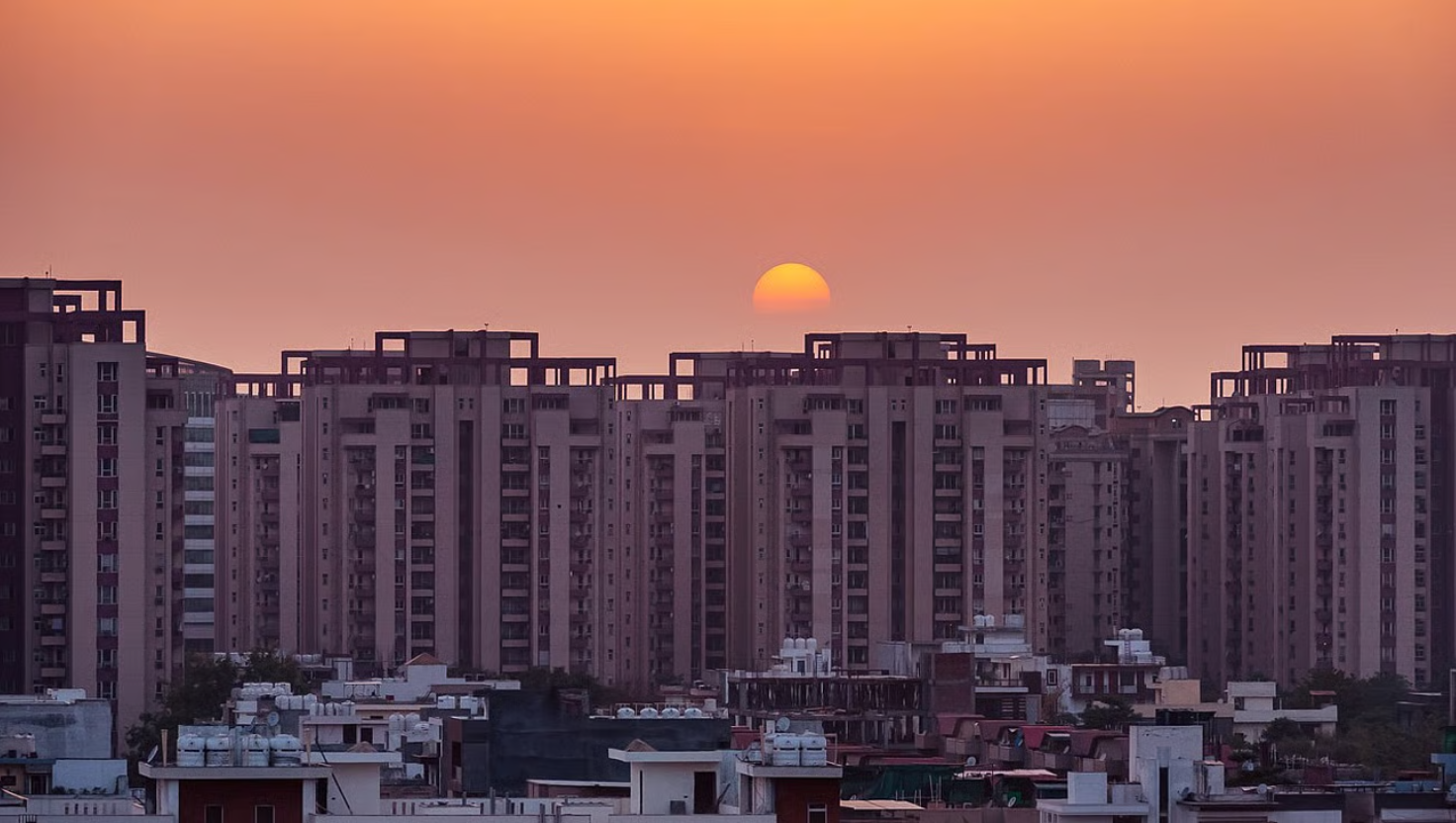
The Supreme Court reaffirmed housing as a right under Article 21, urging reforms to protect homebuyers and ensure affordable, dignified housing.
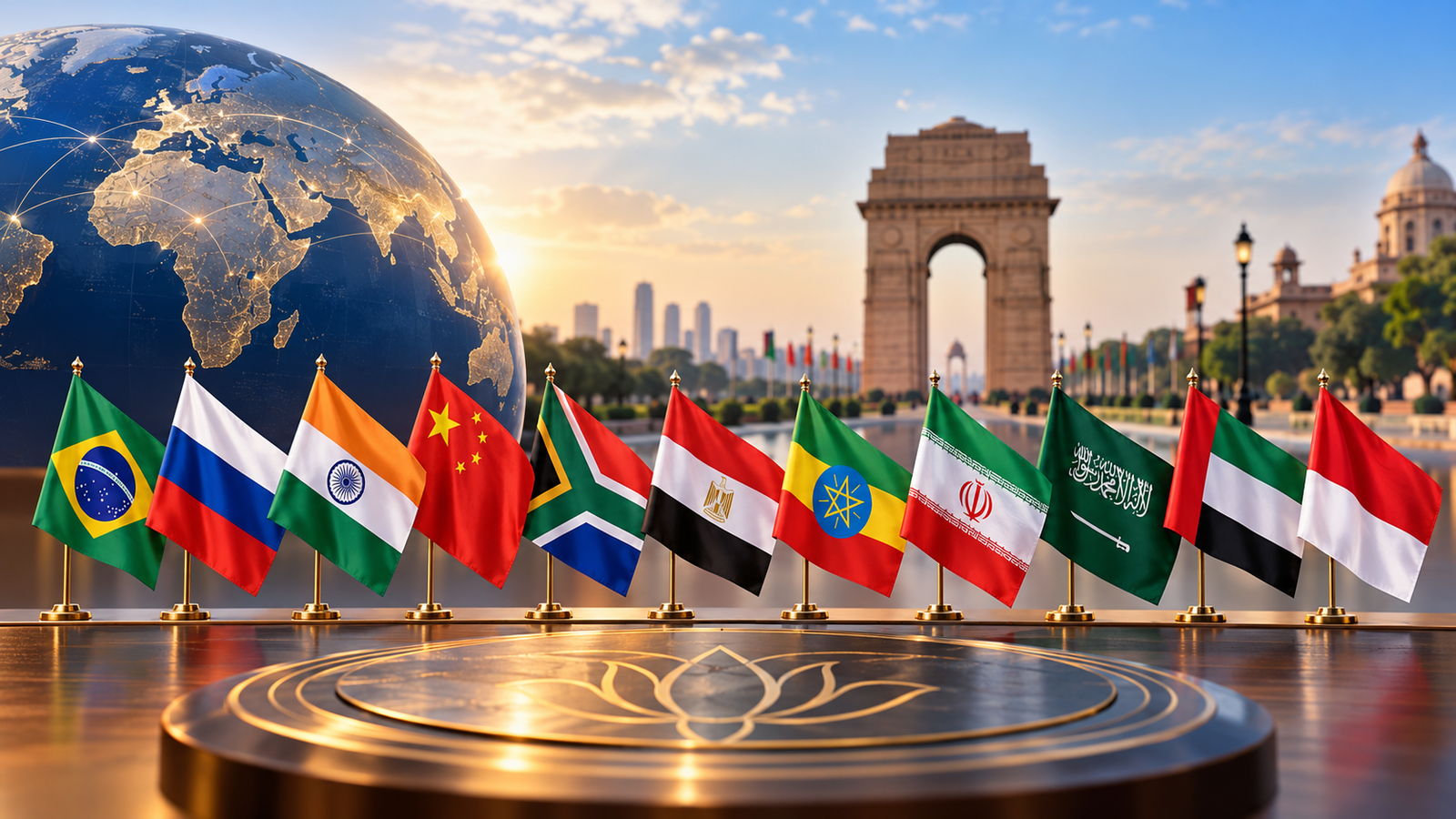
BRICS 2026: Explore the 18th BRICS Summit in New Delhi,
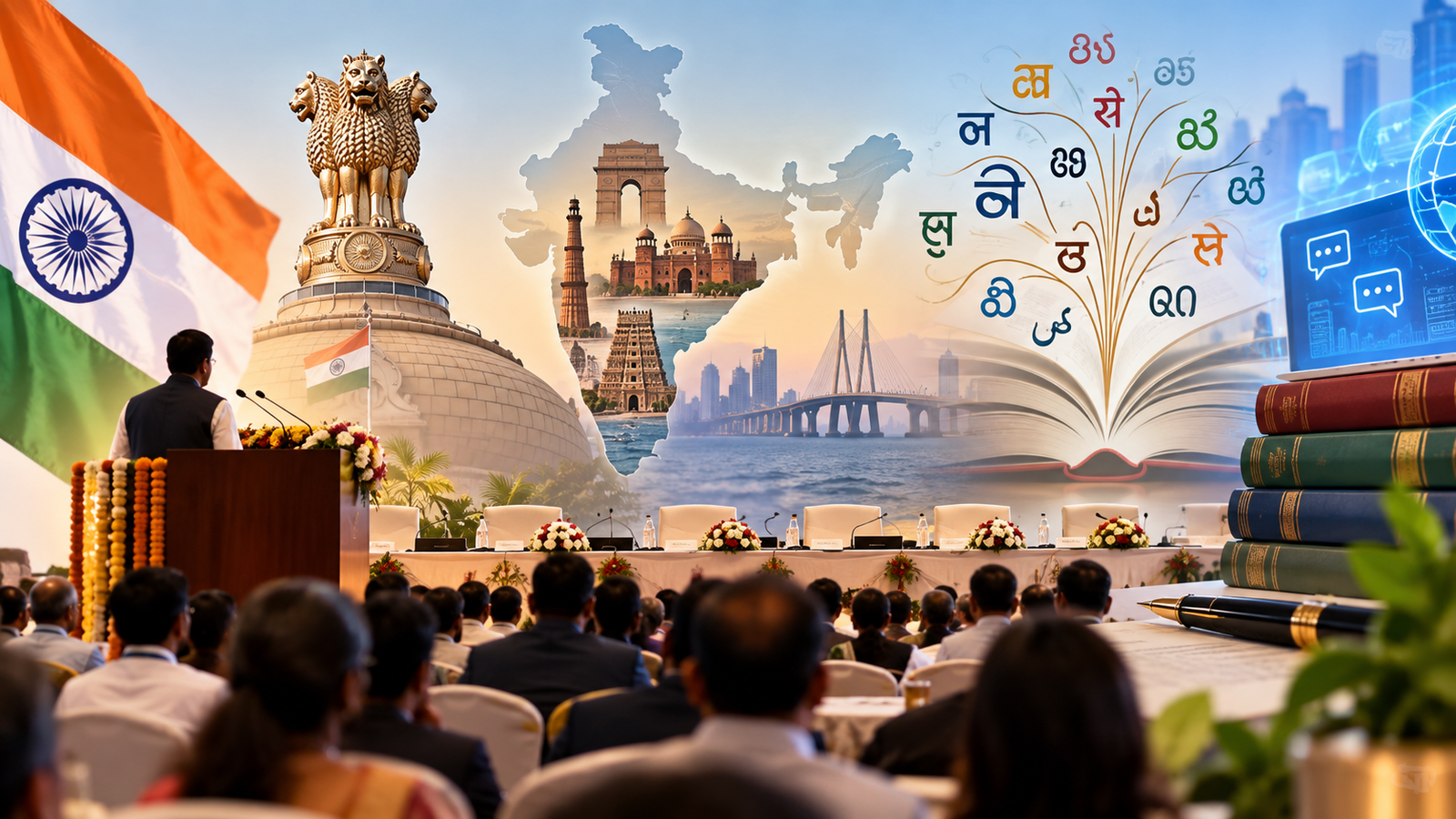
6th All India Official Language Conference 2026 in Navi Mumbai:
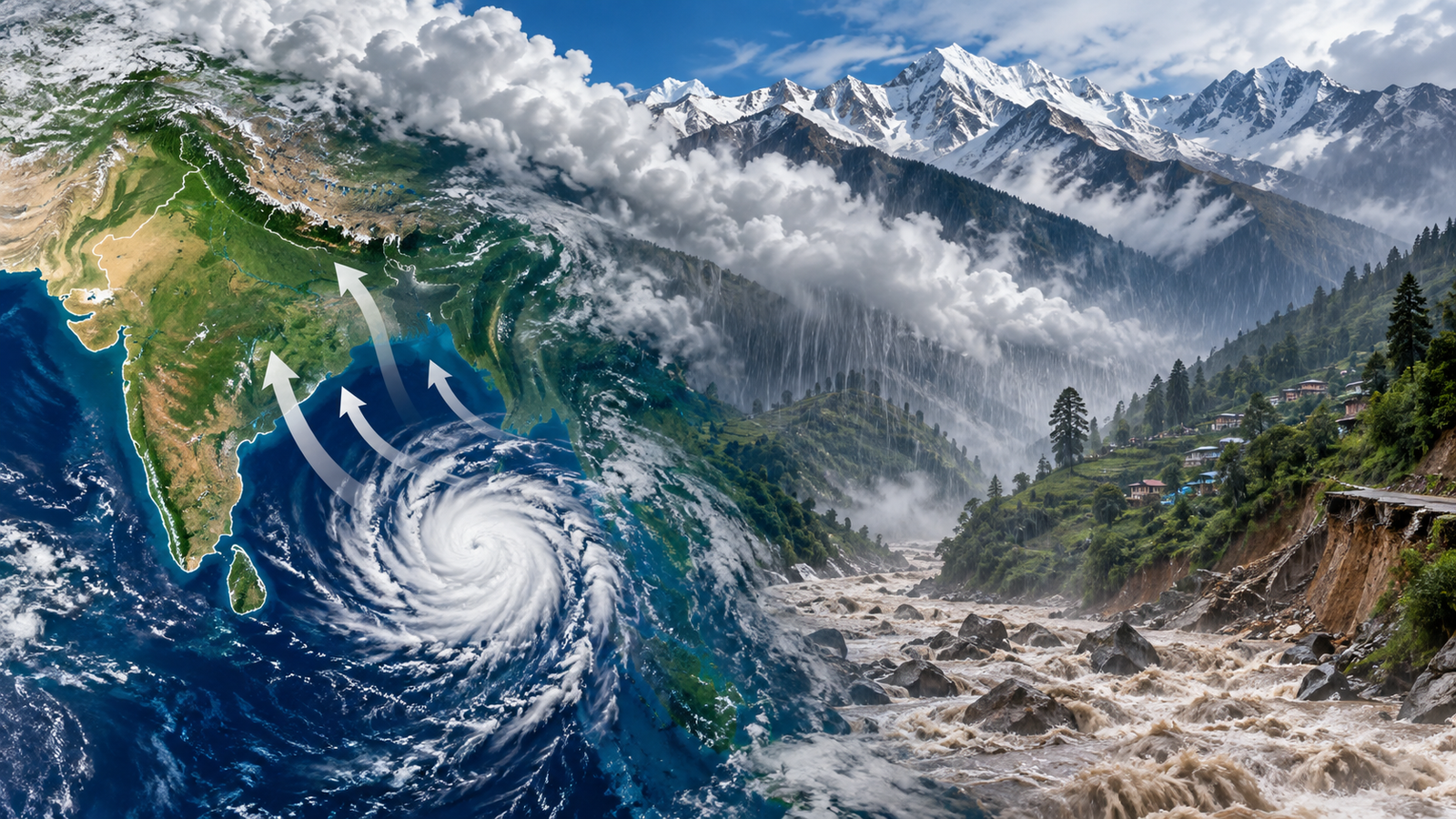
Discover how Bay of Bengal low-pressure systems shape India’s monsoon,
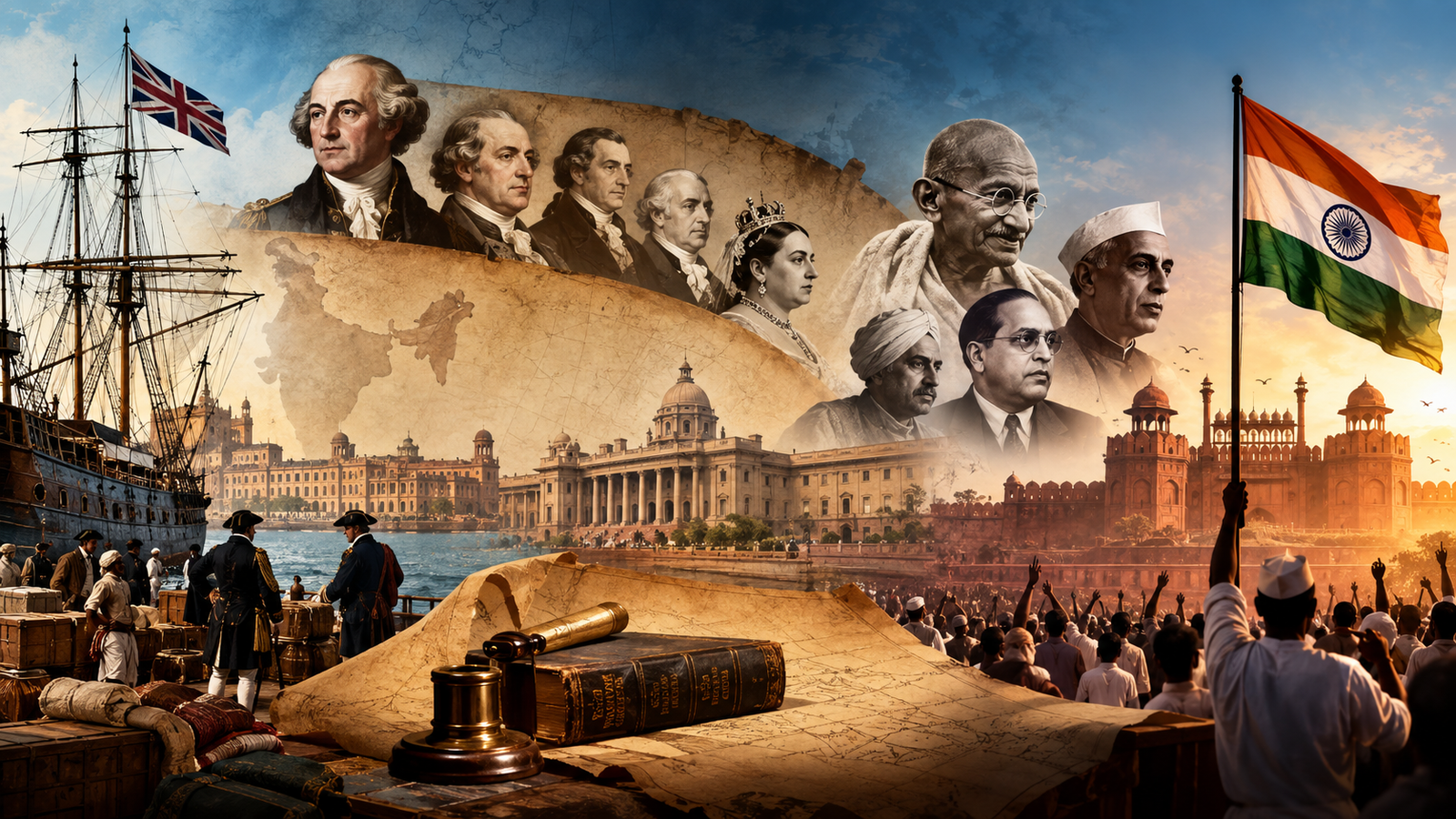
Explore the constitutional evolution of India from East India Company

Yojana June 2026 explores India’s journey towards a Naxal-free Bharat,
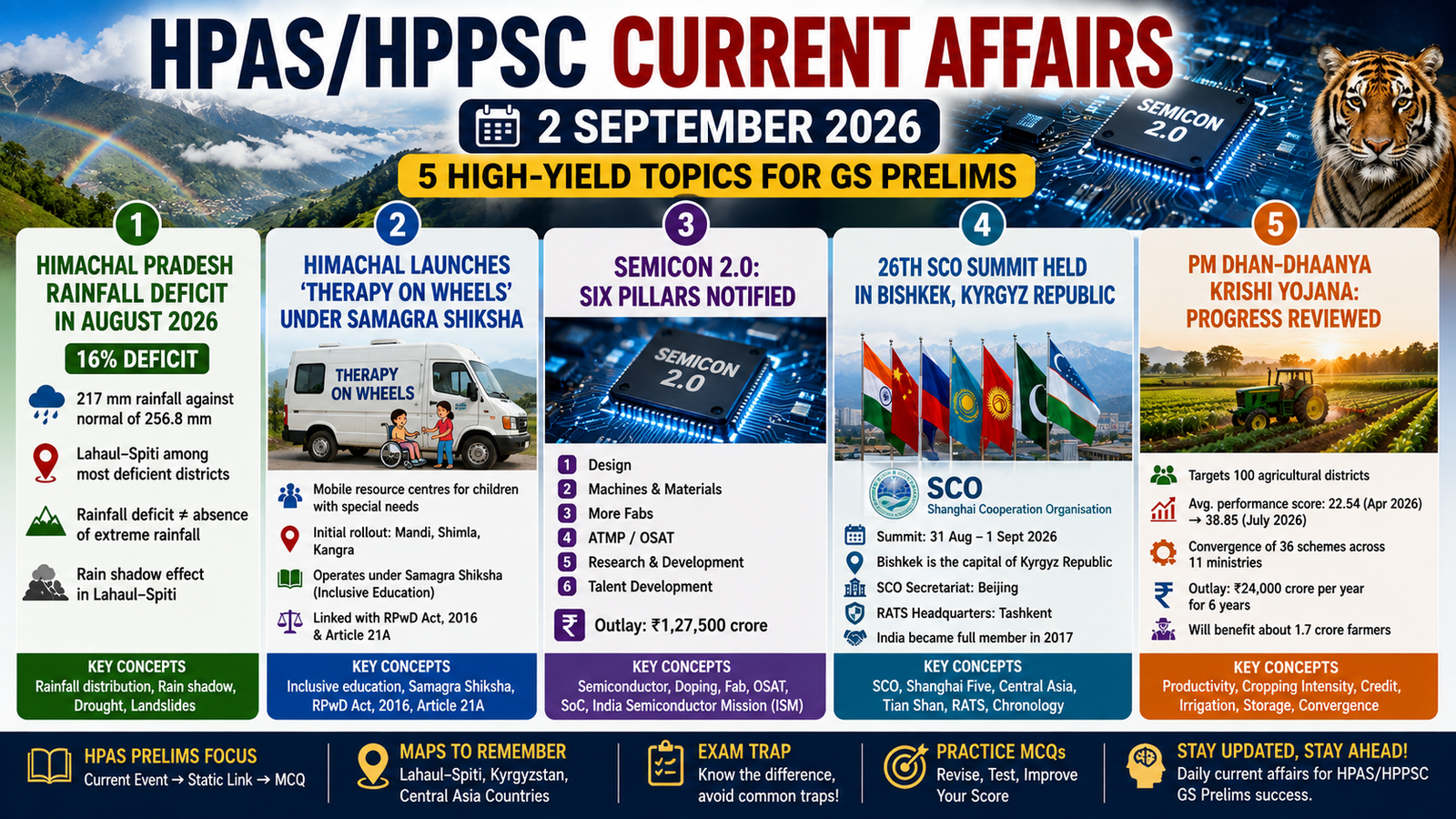
HPAS/HPPSC Current Affairs 2 September 2026: Himachal rainfall deficit, Therapy