

Money Laundering Using Cryptocurrency
ED’s ₹260 cr Money Laundering probe shows crypto misuse via anonymity, mixers & weak KYC; stronger AML laws, global ties & tech needed to curb it.
ED’s ₹260 cr Money Laundering probe shows crypto misuse via anonymity, mixers & weak KYC; stronger AML laws, global ties & tech needed to curb it.
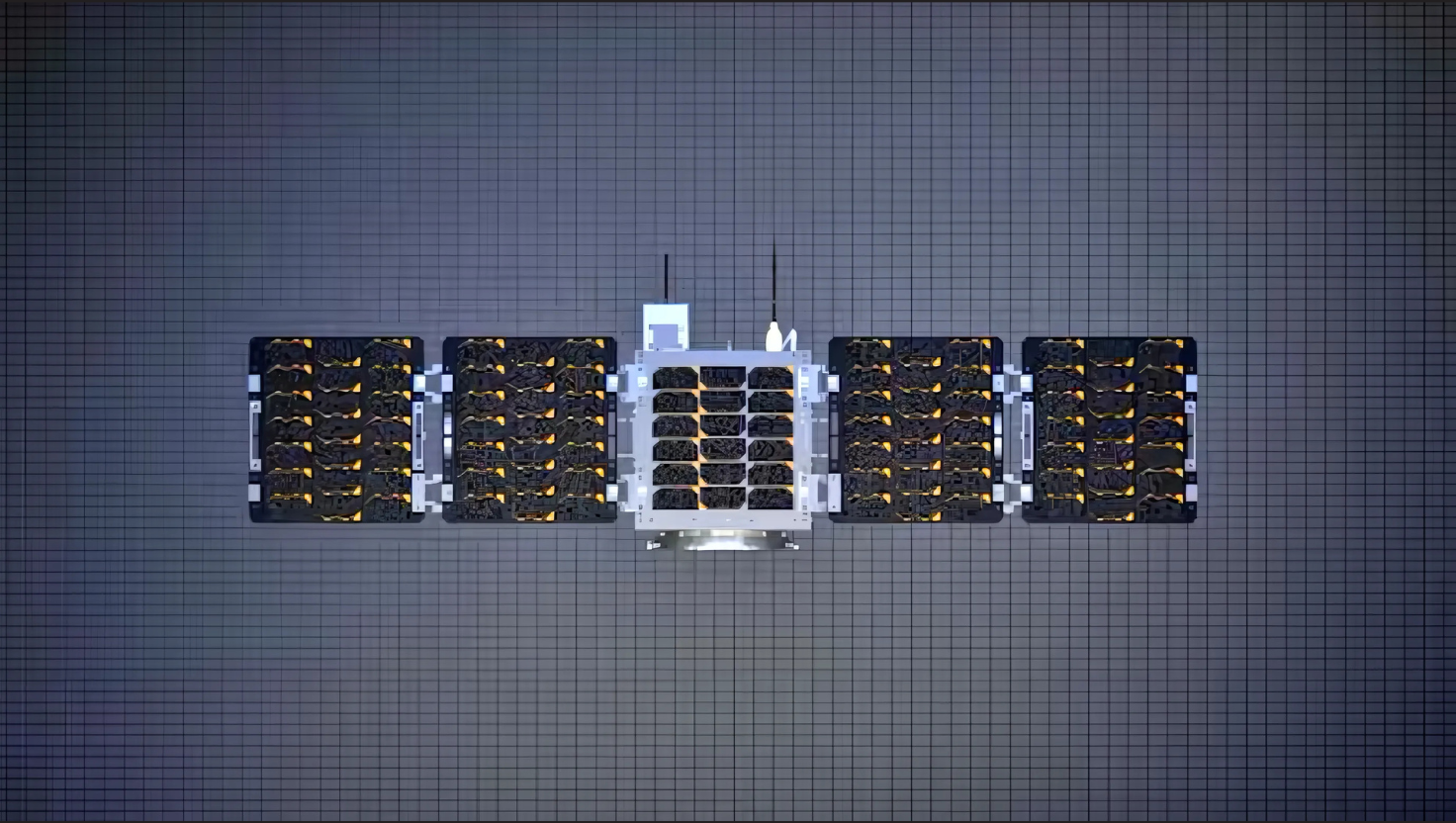
LEAP-1 Mission by Dhruva Space will launch on SpaceX Falcon 9, showcasing AI and hyperspectral imaging for global commercial applications.
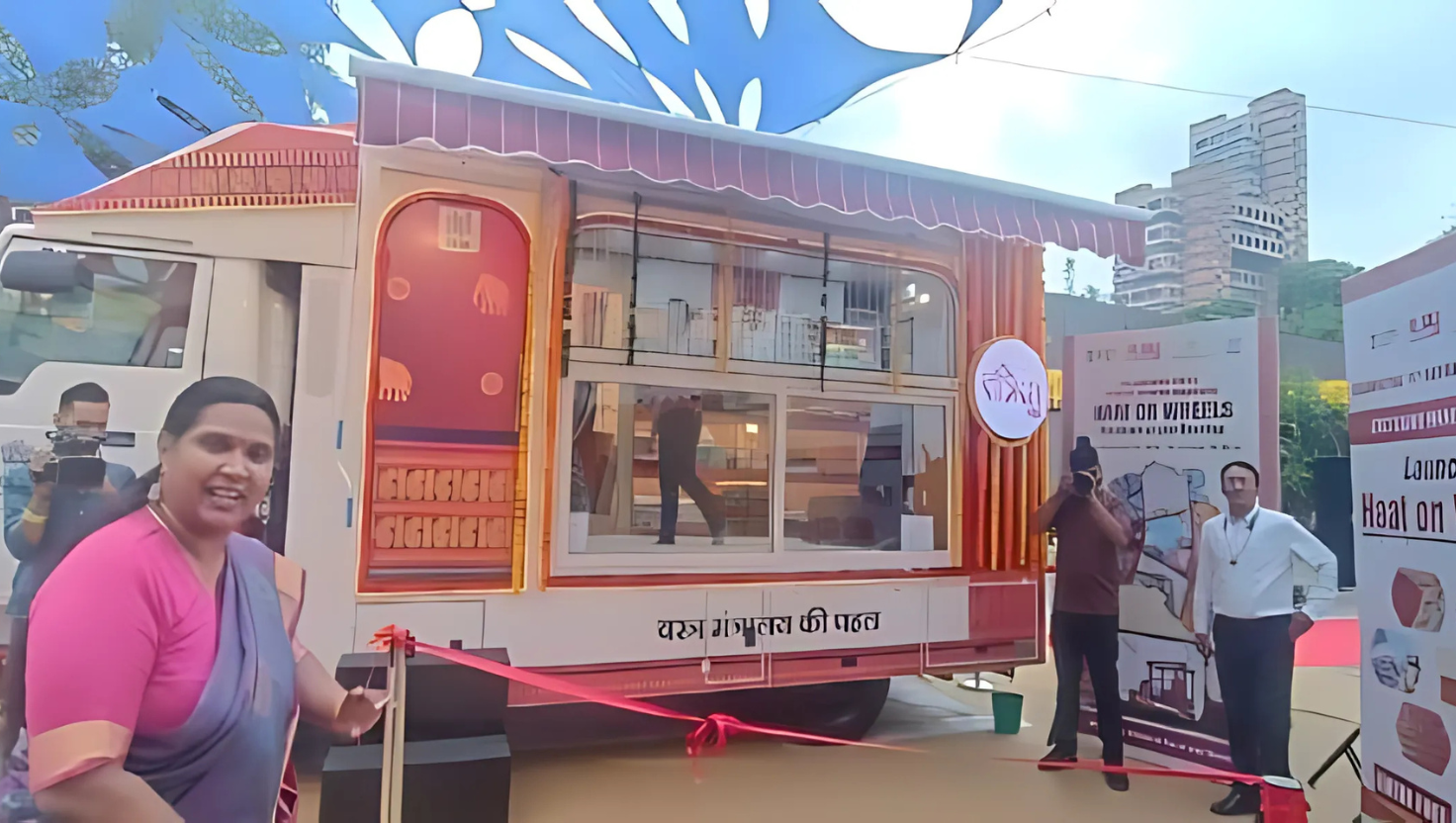
Haat on Wheels brings 116 regional weaves to urban buyers via mobile vans, boosting weavers’ income and promoting India’s handloom heritage.
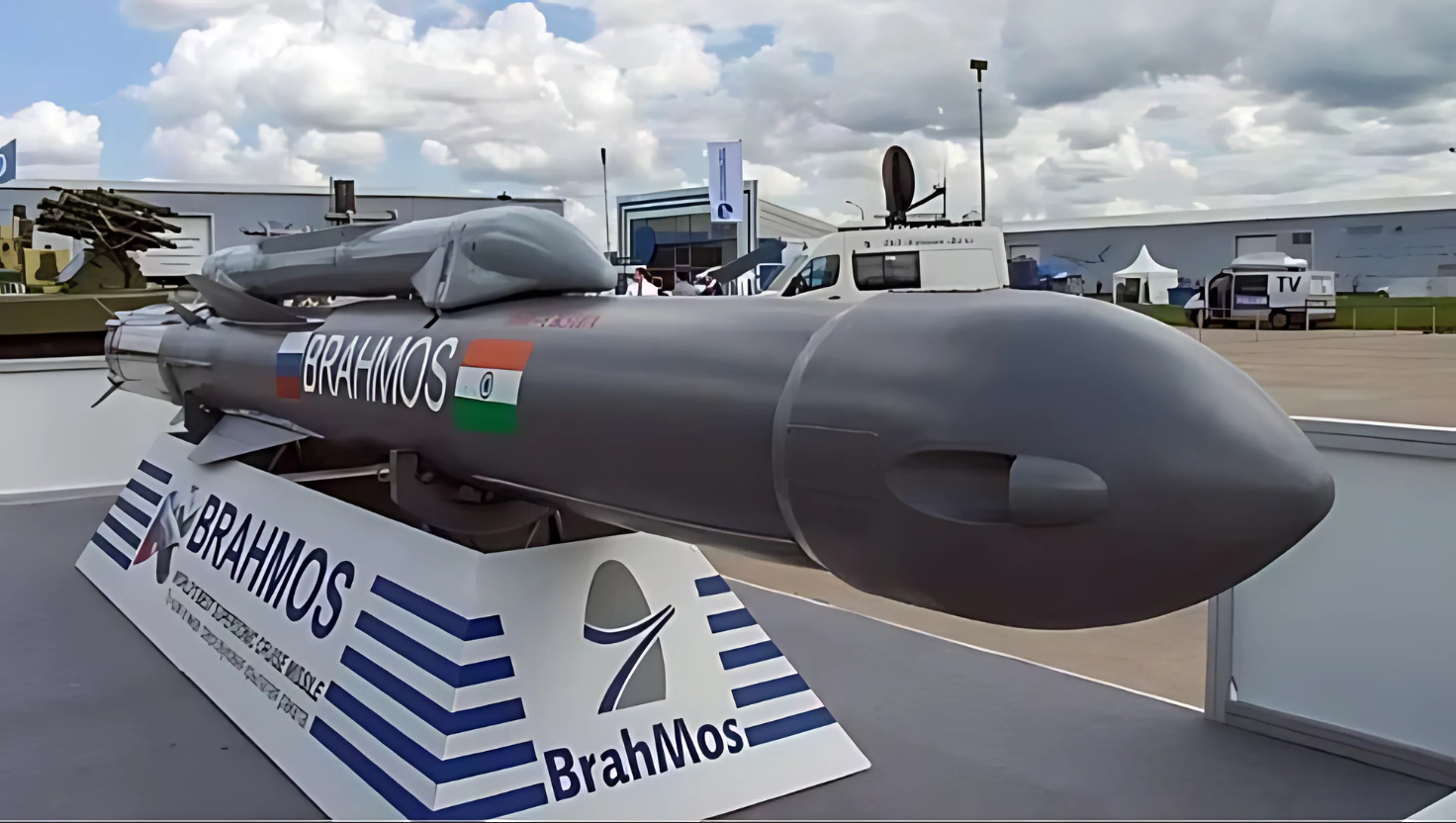
BrahMos Supersonic Cruise Missile, jointly developed by India and Russia, boosts precision-strike capability with multi-platform deployment.
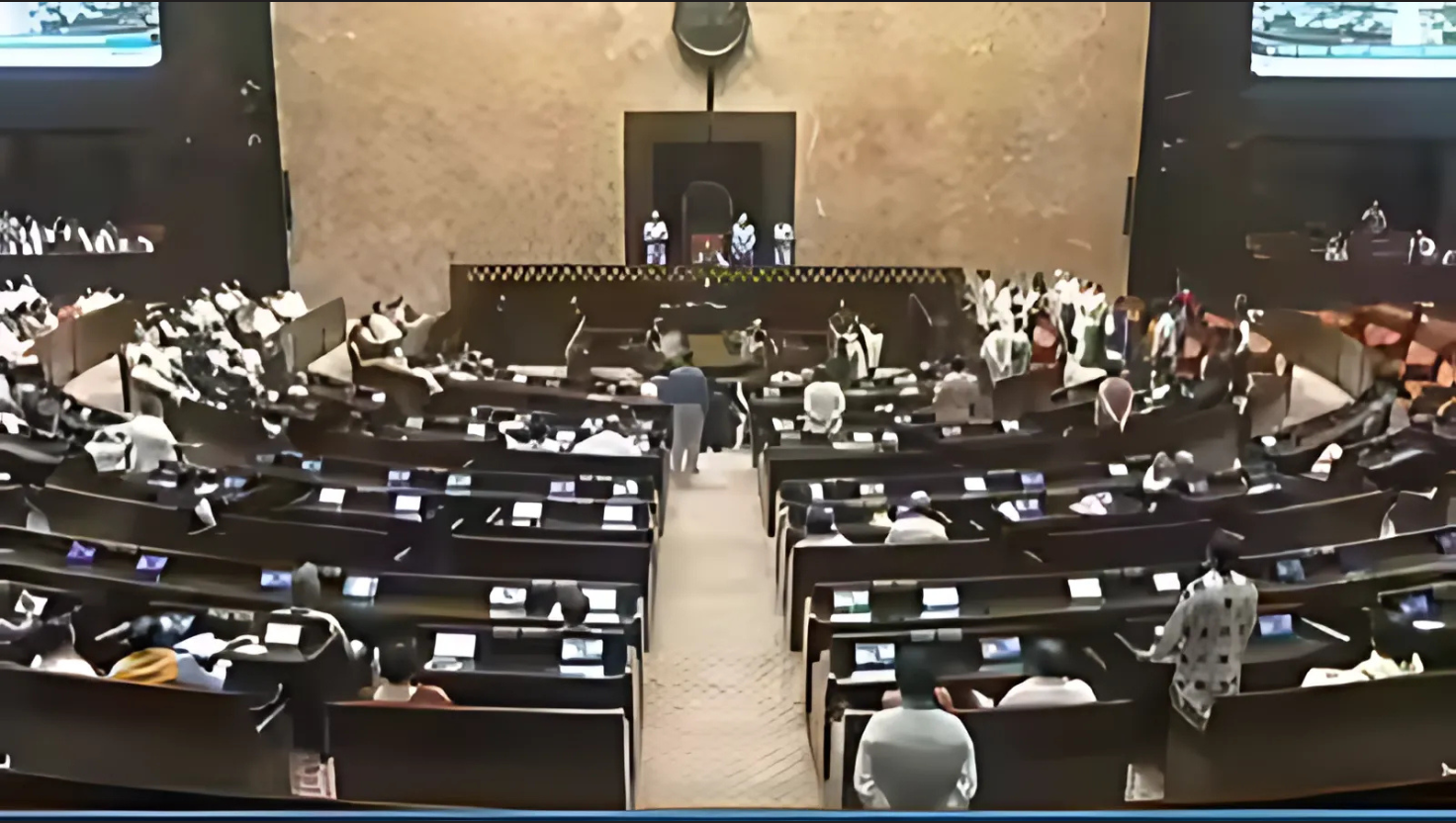
Parliament extends President’s Rule in Manipur by six months, continuing central governance under Article 356 due to constitutional breakdown.
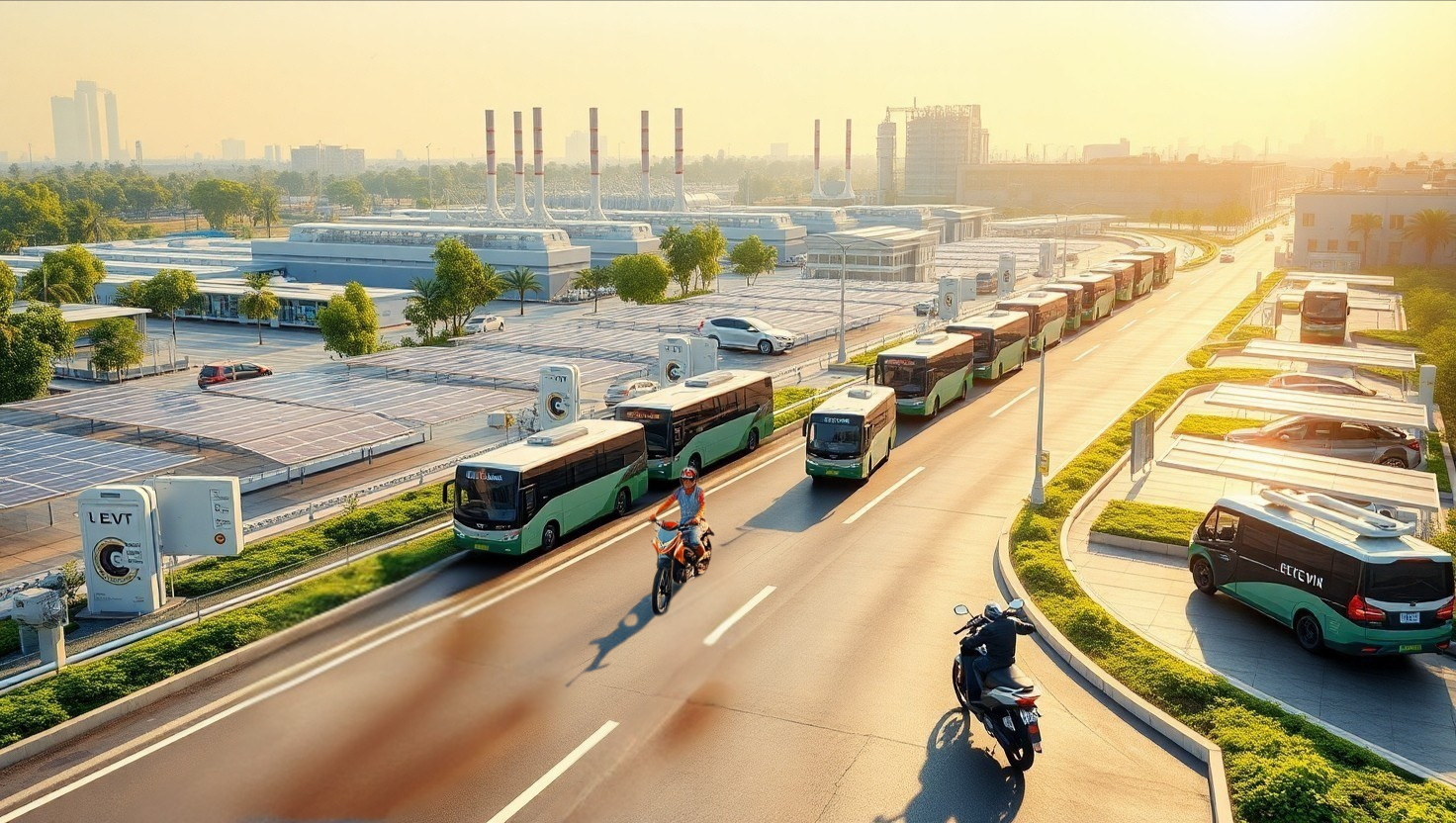
NITI Aayog projects a $200 Billion EV market in India by 2035, boosting jobs, manufacturing, clean mobility, and energy security.
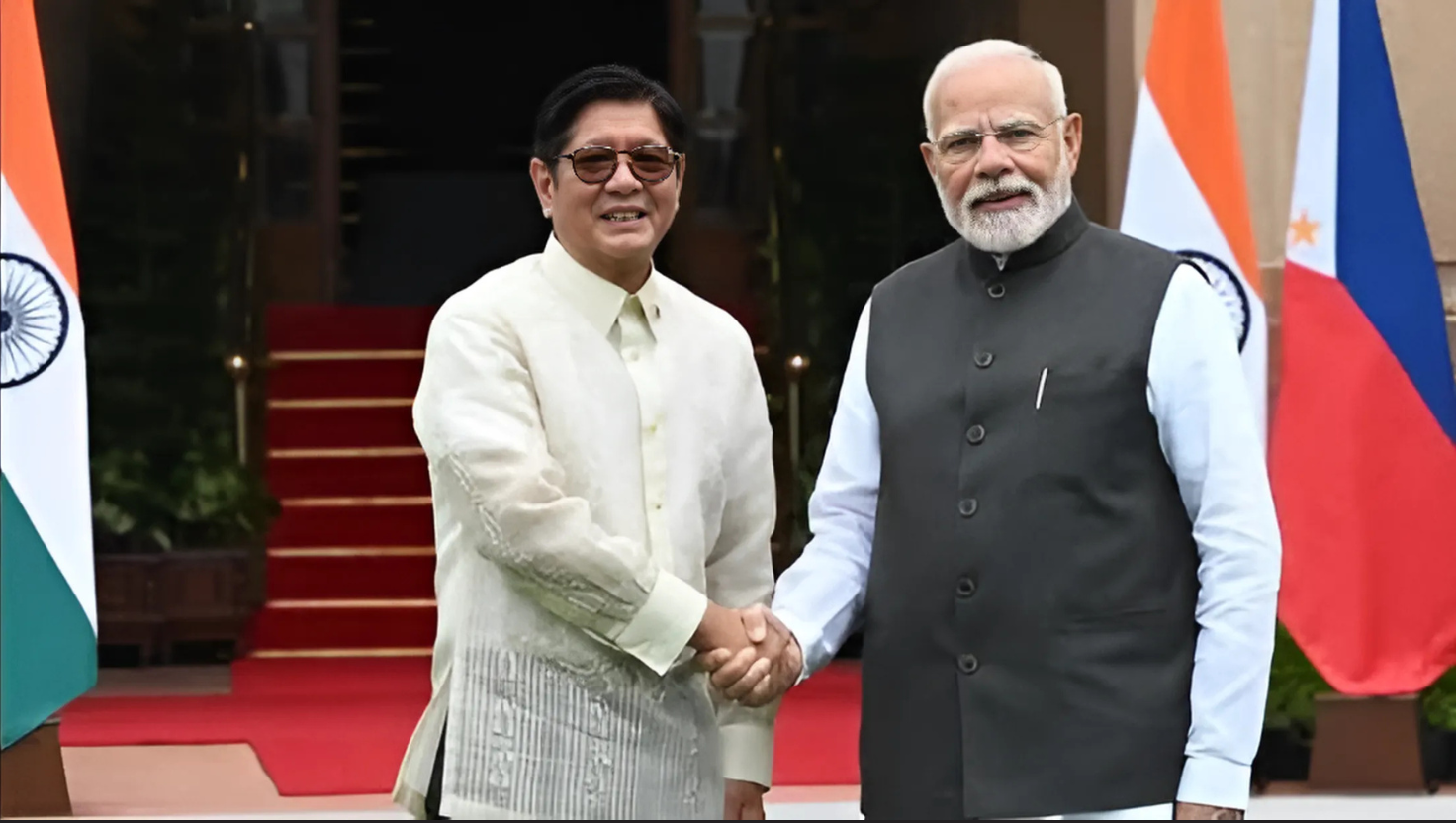
India–Philippines ties elevated to a Strategic Partnership, boosting defence, maritime, space, trade, and digital cooperation in the Indo-Pacific.

Bengaluru ranks 26th in Global Artificial Intelligence (AI) City Index 2025, emerging as India’s top AI hub in research and data infrastructure.
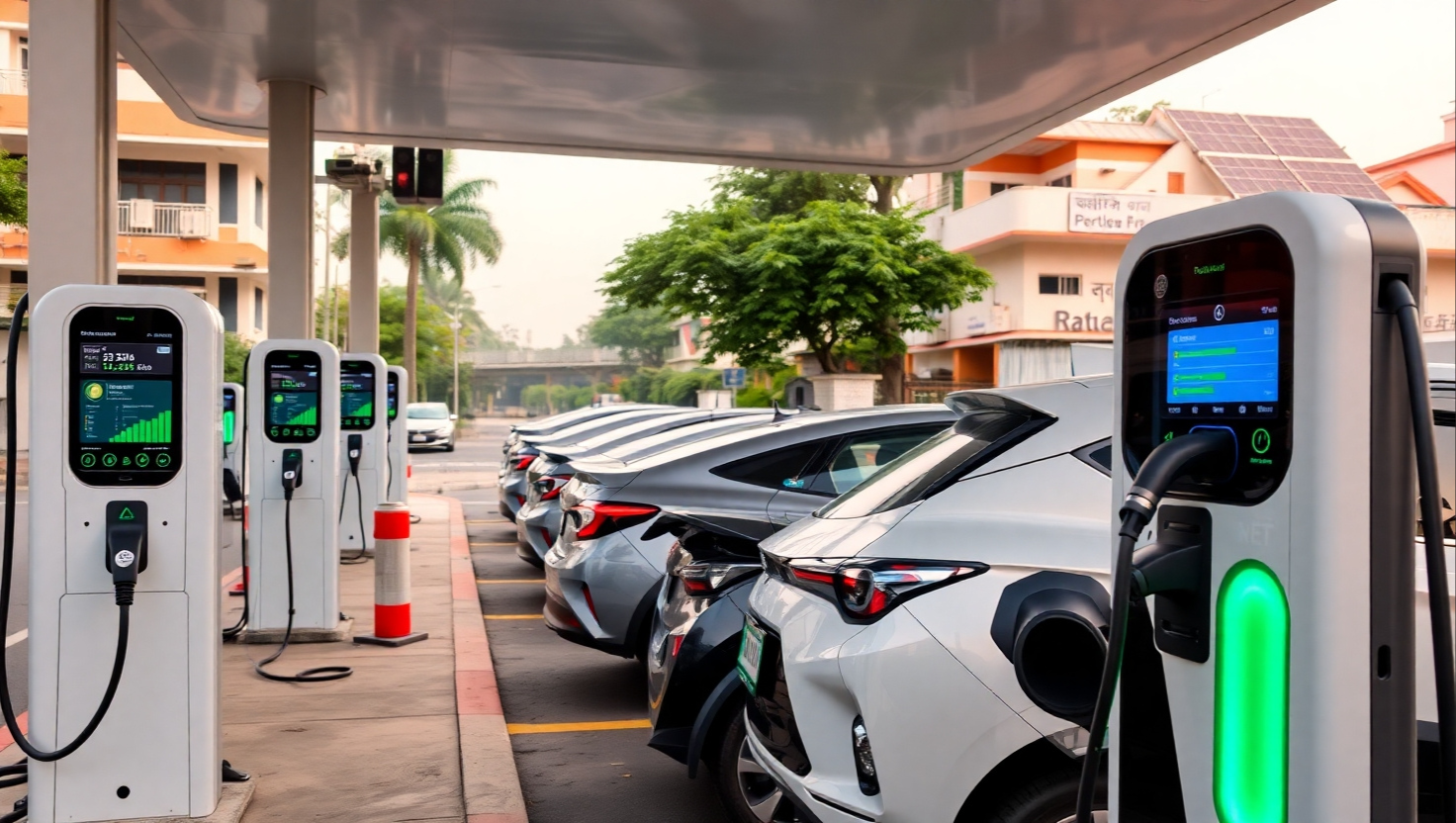
NITI Aayog launched the India Electric Mobility Index to rank States/UTs on EV adoption, infra readiness & innovation for green mobility.
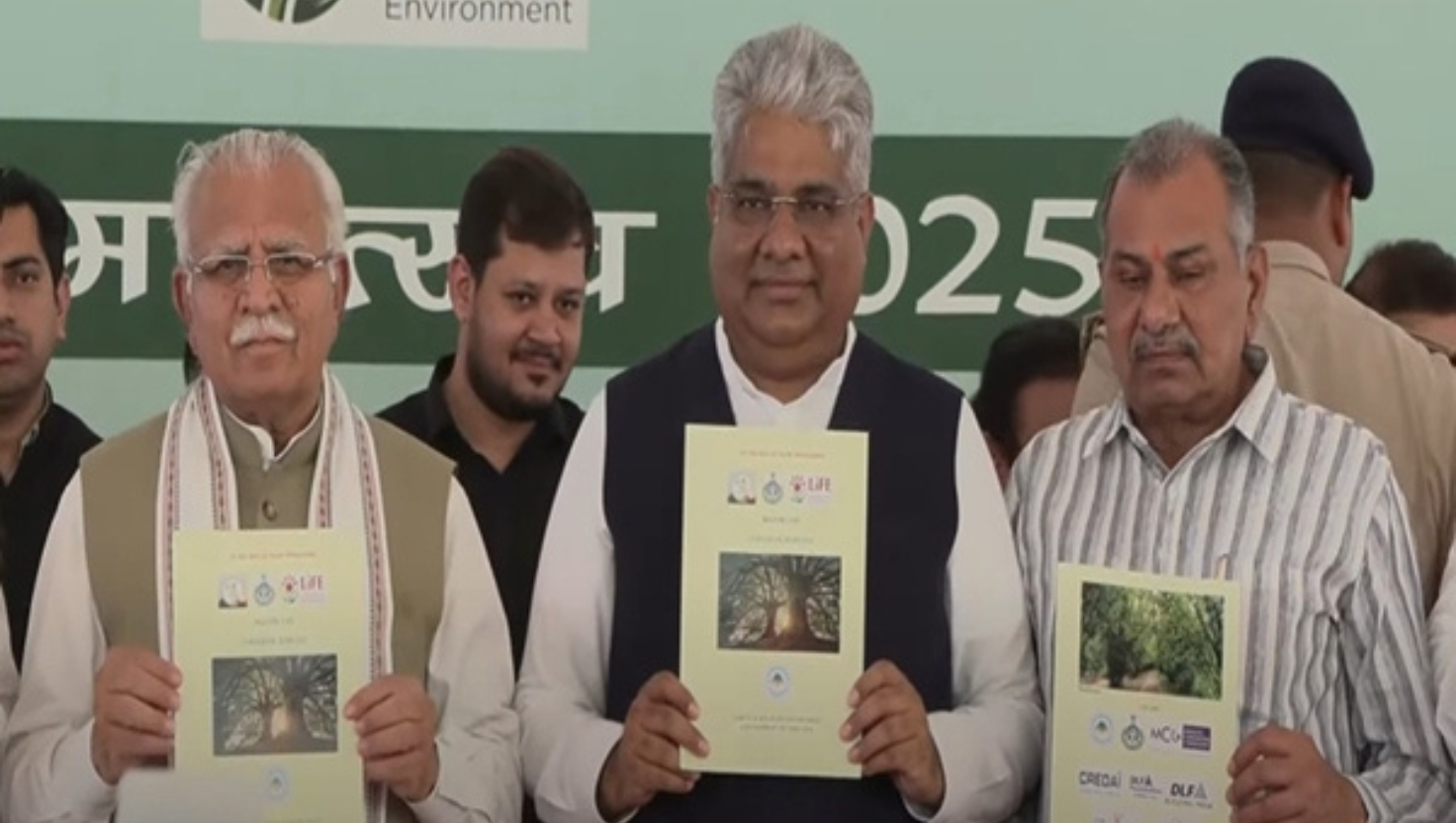
Matri Van Initiative, a 750-acre urban forest in Gurugram, focuses on restoring the Aravalli ecosystem through community-driven ecological efforts.
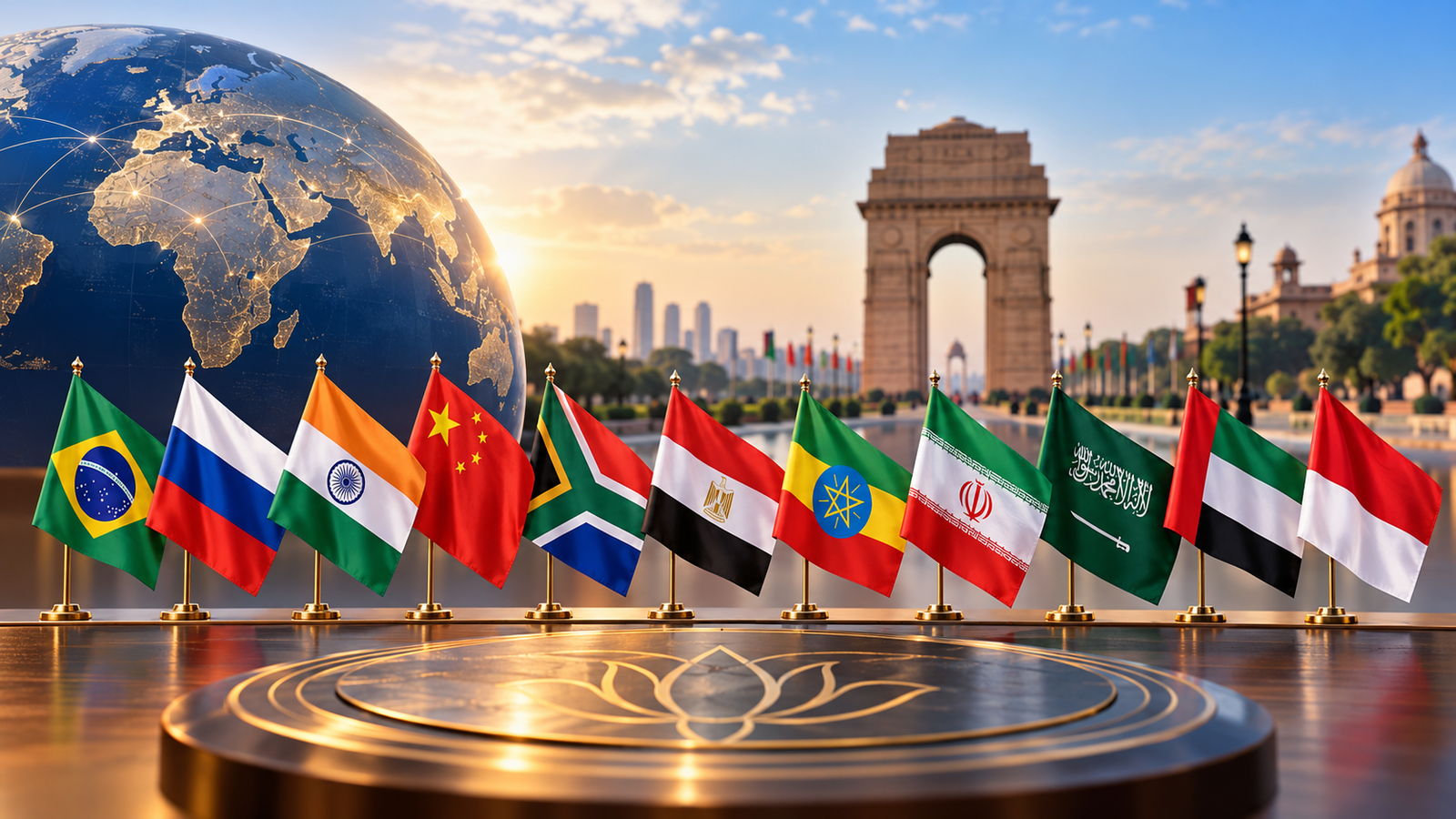
BRICS 2026: Explore the 18th BRICS Summit in New Delhi,
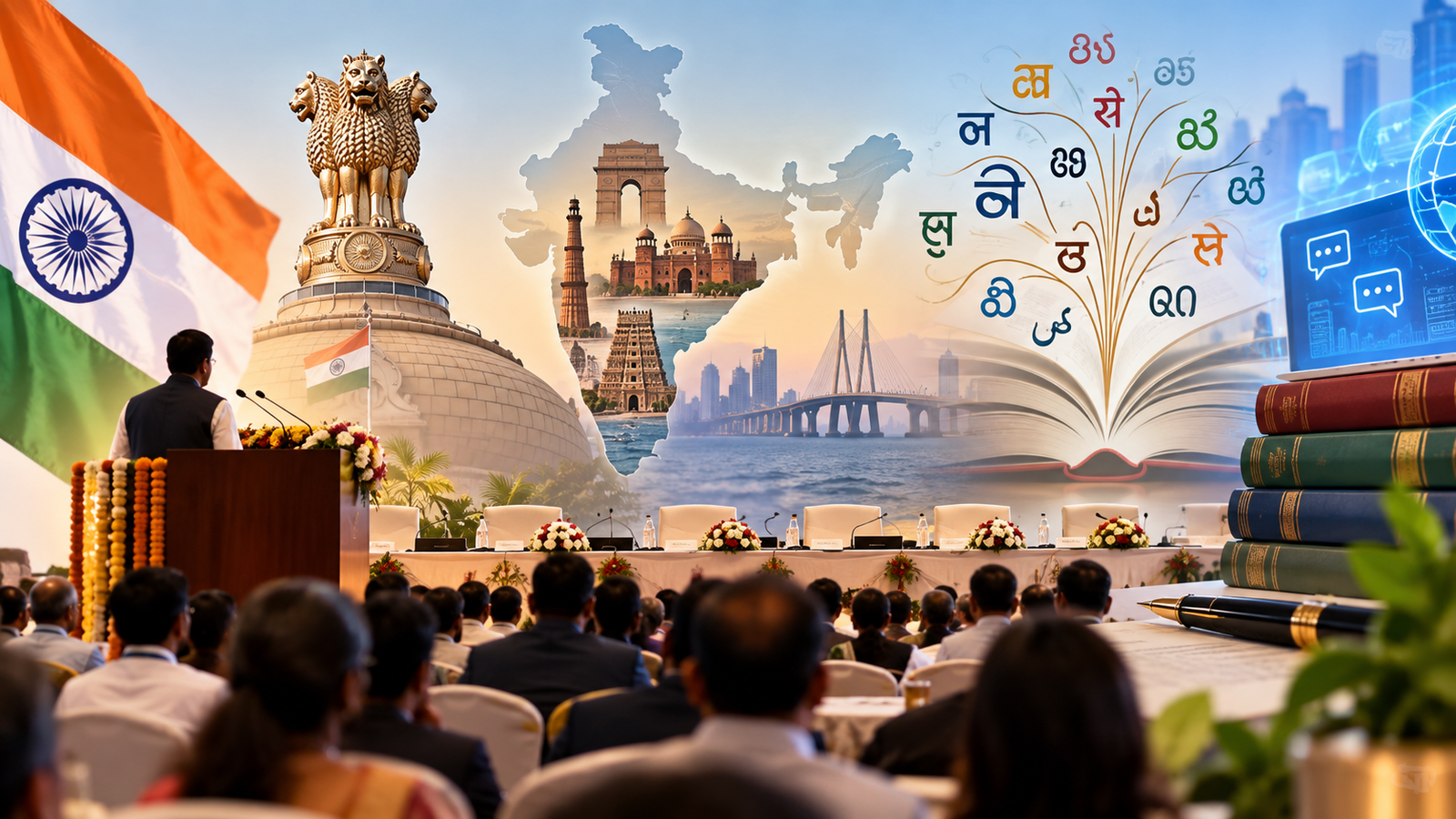
6th All India Official Language Conference 2026 in Navi Mumbai:

Discover how Bay of Bengal low-pressure systems shape India’s monsoon,
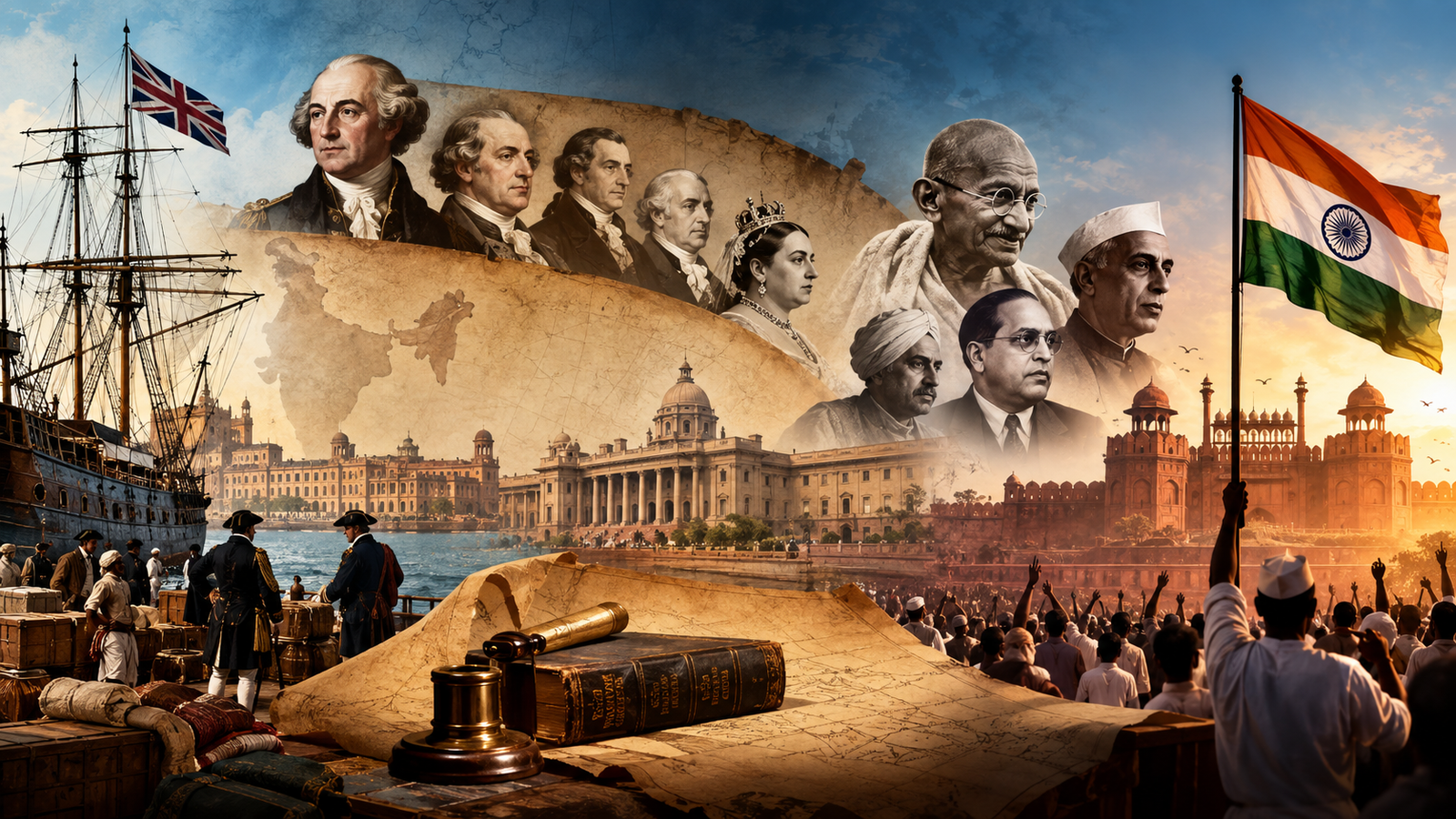
Explore the constitutional evolution of India from East India Company

Yojana June 2026 explores India’s journey towards a Naxal-free Bharat,
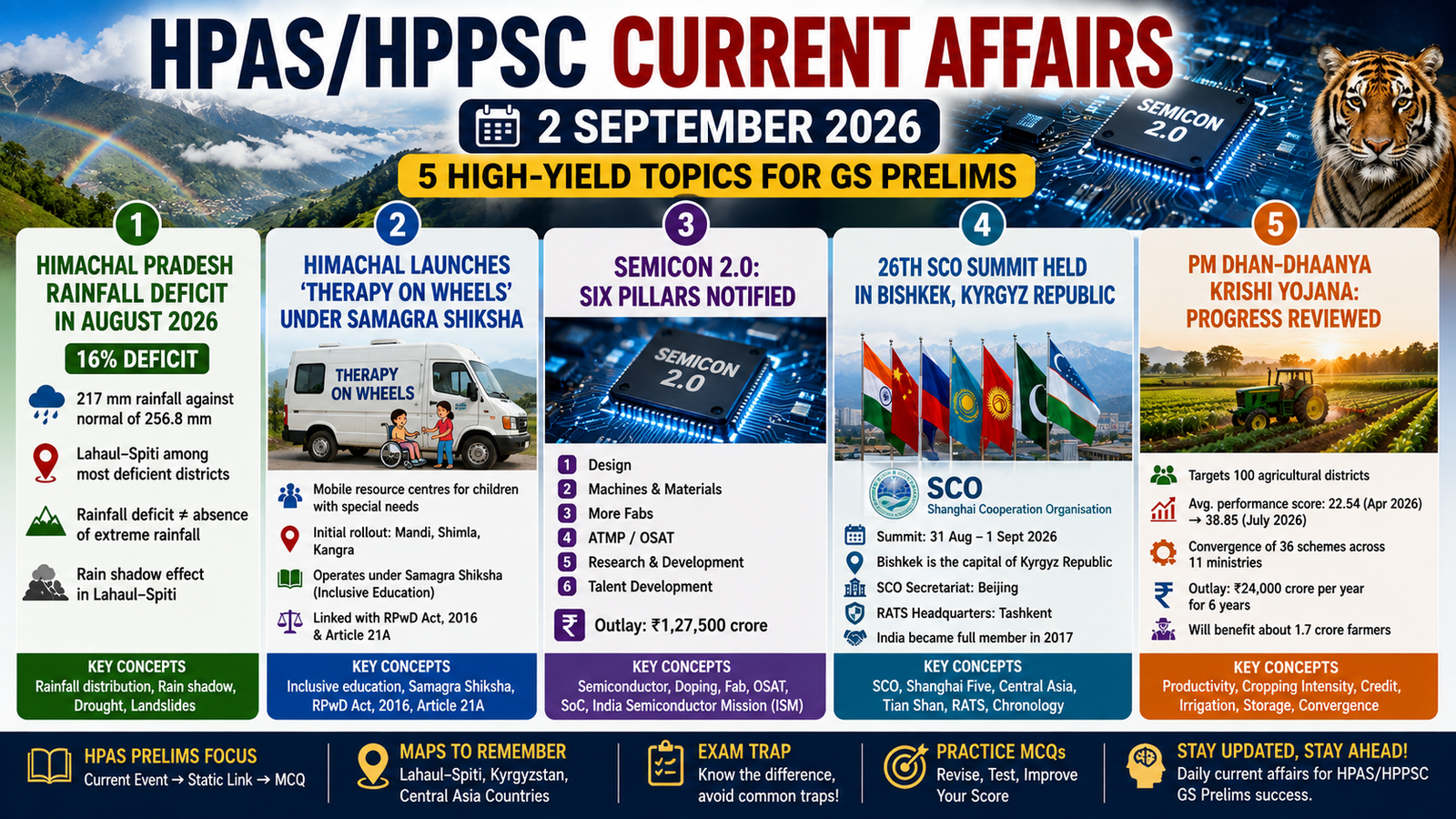
HPAS/HPPSC Current Affairs 2 September 2026: Himachal rainfall deficit, Therapy