Atmospheric Impact of Volcanic Eruptions: How Volcanoes Shape Climate, Weather, and Earth’s Systems
Syllabus: UPSC GS I (Physical Geography), GS III (Environment, Disaster Management, and Climate Change).
Why is it in News?
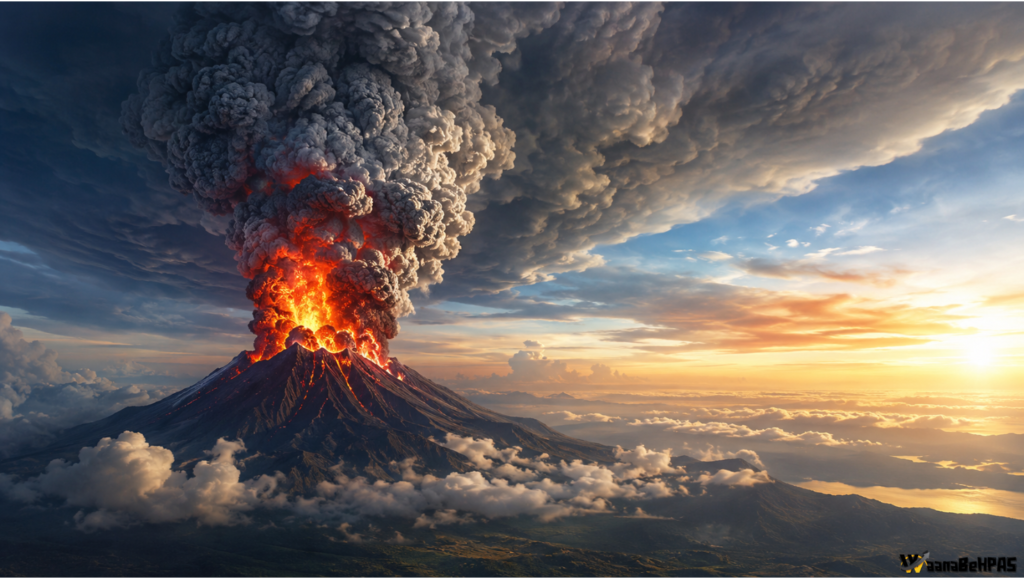
In 2022, the Hunga Tonga–Hunga Ha’apai volcanic eruption in the Pacific Ocean attracted global scientific attention. New satellite studies showed that this eruption released huge amounts of gases, water vapor, and ash into the atmosphere. Scientists also found that methane gas reacted with volcanic particles and sunlight, forming formaldehyde. This discovery has improved our understanding of how volcanoes affect the atmosphere and climate.
Introduction
A volcanic eruption occurs when magma, gases, ash, and rock materials from inside the Earth come out onto the surface. Volcanoes are powerful natural events that can affect land, air, climate, and human life.
When a volcano erupts, it releases many substances into the atmosphere. These substances can:
- Change weather patterns
- Cool or warm the Earth
- Damage the ozone layer
- Cause air pollution
- Affect rainfall and agriculture
Thus, volcanic eruptions play an important role in Earth’s atmospheric system.
How Volcanic Eruptions Affect the Atmosphere
Two Main Atmospheric Layers:
1. Troposphere
- Lowest layer of the atmosphere
- Where weather occurs
- Volcanic materials here are removed quickly by rain
2. Stratosphere
- Above the troposphere
- Materials remain here for months or years
- Causes long-term climate effects
Important Point:
If volcanic gases and ash reach the stratosphere, they can affect the global climate.
Major Materials Released by Volcanoes
1. Sulfur Dioxide (SO₂)
- Most important gas for climate impact
- Forms sulfate aerosols in the stratosphere
- Reflects sunlight back into space
- Causes temporary cooling
2. Volcanic Ash
- Tiny rock and dust particles
- Blocks sunlight
- Causes breathing problems
- Can disrupt air travel
3. Water Vapor
- Large amount released
- Can affect atmospheric moisture levels
4. Carbon Dioxide (CO₂)
- Greenhouse gas
- Can contribute to warming over time
5. Chlorine and Bromine Gases
- Damage the ozone layer
Major Atmospheric Impacts
1. Global Cooling (Volcanic Winter)
Sulfur aerosols reflect sunlight, reducing heat reaching Earth.
Effects:
- Temporary drop in global temperature
- Cooler summers
- Crop failures
- Food shortages
Example:
Mount Pinatubo (1991):
- Reduced global temperature by about 0.5°C
2. Stratospheric Warming
While the Earth’s surface cools, volcanic aerosols can warm the stratosphere by trapping heat.
Result:
- Disturbs atmospheric balance
3. Ozone Layer Damage
Volcanic gases speed up chemical reactions that destroy ozone.
Effects:
- Increased harmful UV radiation
- Environmental damage
4. Acid Rain
Volcanic gases mix with rainwater.
Consequences:
- Damages crops
- Pollutes water
- Harms forests
5. Air Pollution
Volcanic ash and gases reduce air quality.
Health Problems:
- Asthma
- Eye irritation
- Lung diseases
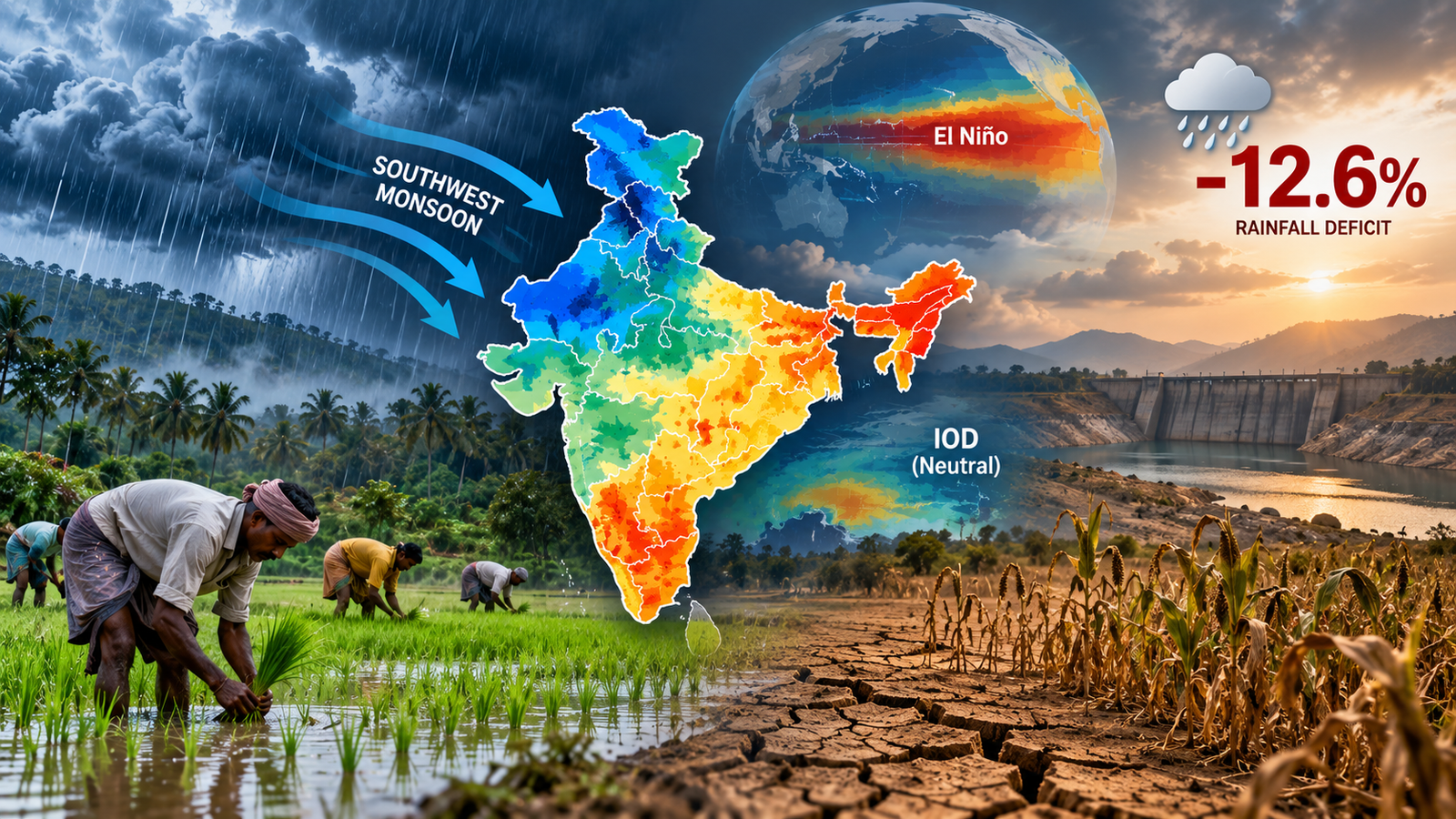
6. Monsoon and Rainfall Changes
Large eruptions can disturb global wind systems.
Effects:
- Weak monsoon
- Droughts
- Reduced rainfall
Example:
Indian monsoon may weaken after major eruptions.
Recent Example: Hunga Tonga Eruption (2022)
This eruption was special because:
- It happened underwater
- Injected huge water vapor into the stratosphere
- Released gases affecting atmospheric chemistry
- Changed methane into formaldehyde
Importance:
It showed that volcanic eruptions can have more complex atmospheric effects than previously thought.
Historical Examples
| Volcano | Year | Major Impact |
|---|---|---|
| Tambora | 1815 | Year Without a Summer |
| Krakatoa | 1883 | Global cooling |
| Pinatubo | 1991 | Temporary cooling |
| Hunga Tonga | 2022 | New chemical discoveries |
Effects on Human Life
Agriculture:
- Crop loss
- Reduced sunlight
- Food insecurity
Economy:
- Flight disruptions
- Damage costs
- Tourism decline
Health:
- Respiratory diseases
- Pollution-related illnesses
Positive Effects of Volcanoes
Volcanoes also provide benefits:
- Fertile soil for farming
- New land formation
- Mineral resources
- Scientific knowledge
Conclusion
Volcanic eruptions are natural events that can strongly affect the atmosphere. By releasing ash, gases, and aerosols, they can cool the Earth, damage the ozone layer, disturb rainfall, and affect human health.
For UPSC aspirants, understanding volcanic atmospheric impacts is important because it connects:
- Geography
- Environment
- Climate change
- Disaster management
- Current affairs
In simple terms, volcanoes are not just geological events—they are major forces that can influence the entire Earth system.