
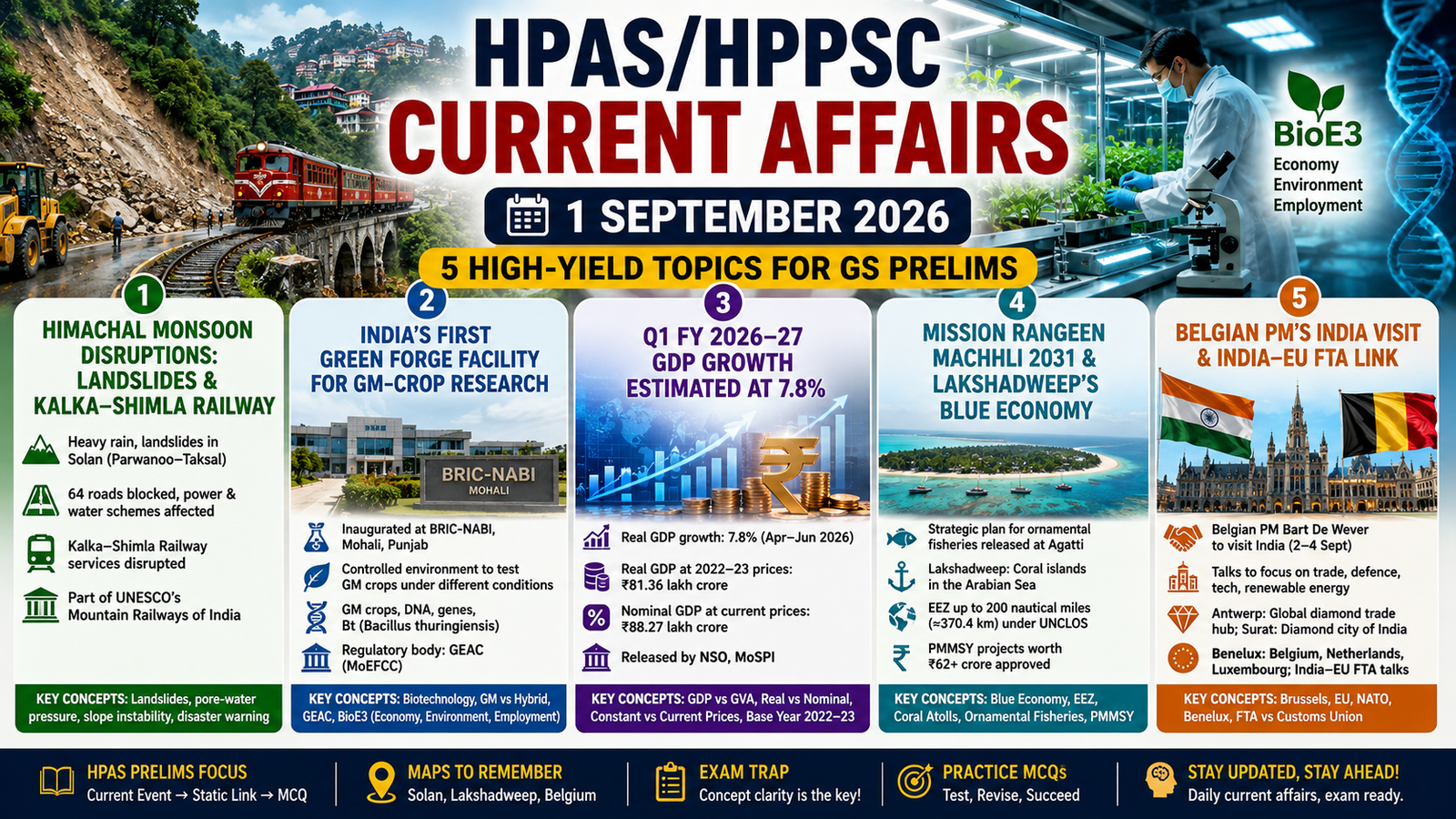
HPAS/HPPSC Current Affairs | 1 September 2026
HPAS/HPPSC Current Affairs 1 September 2026: Himachal landslides, Green Forge, GDP growth, Mission Rangeen Machhli and Belgium visit with static links, traps and MCQs.
HPAS/HPPSC Current Affairs 1 September 2026: Himachal landslides, Green Forge, GDP growth, Mission Rangeen Machhli and Belgium visit with static links, traps and MCQs.

Learn the Supreme Court’s constitutional view on indefinite hunger strikes, the State’s duty to preserve life under Article 21, the right to protest, and the legal balance between individual liberty and government responsibility.

A U.S. court has struck down the proposed $100,000 H-1B visa fee, reaffirming that major taxation measures require Congressional approval. The ruling highlights the balance between immigration policy, constitutional governance, and global talent mobility, with significant implications for Indian professionals and the diaspora.

India and Indonesia are strengthening their Comprehensive Strategic Partnership through deeper cooperation in maritime security, defense, trade, digital connectivity, and infrastructure. As key Indo-Pacific powers, both nations play a vital role in promoting regional stability and economic growth.
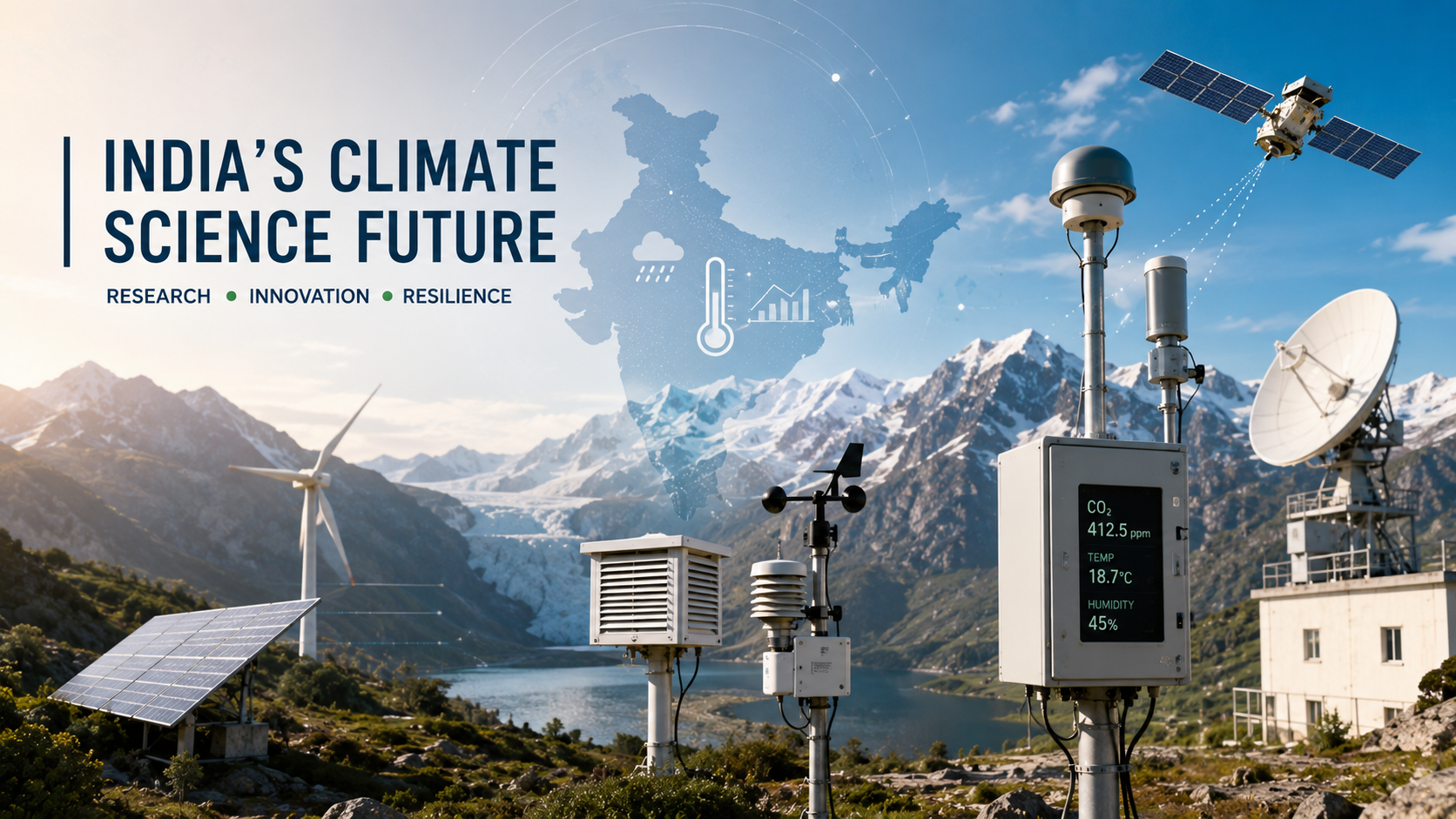
India’s climate scientists have warned of a growing dependence on imported scientific instruments, raising concerns about data accuracy and research capability. The Mega Science Vision-2035 report calls for rebuilding indigenous climate technologies to strengthen scientific self-reliance and climate resilience.
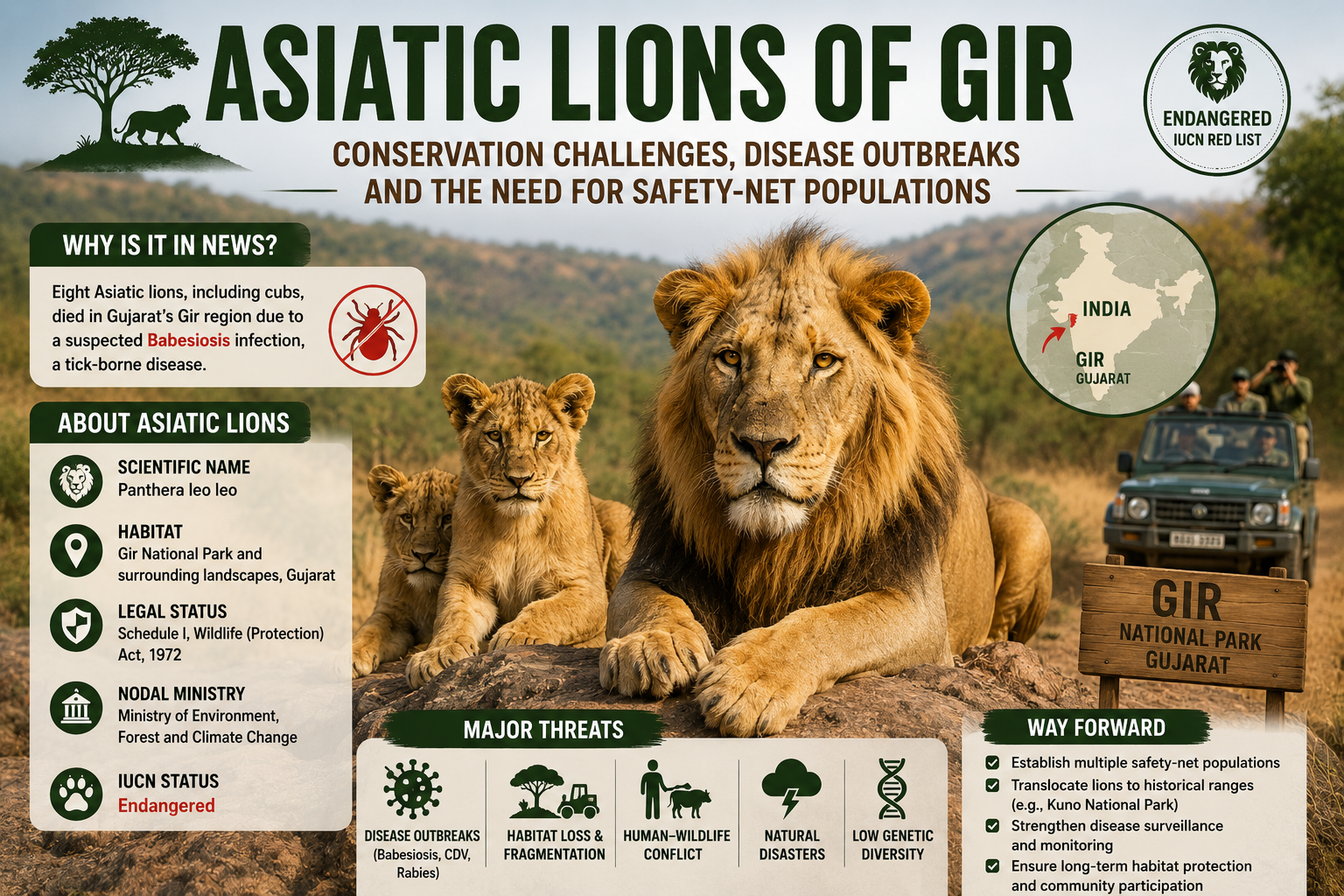
The recent deaths of Asiatic lions in Gujarat’s Gir landscape due to a suspected Babesiosis outbreak have highlighted the risks of maintaining a single wild population and the urgent need for stronger disease surveillance and alternative habitats.
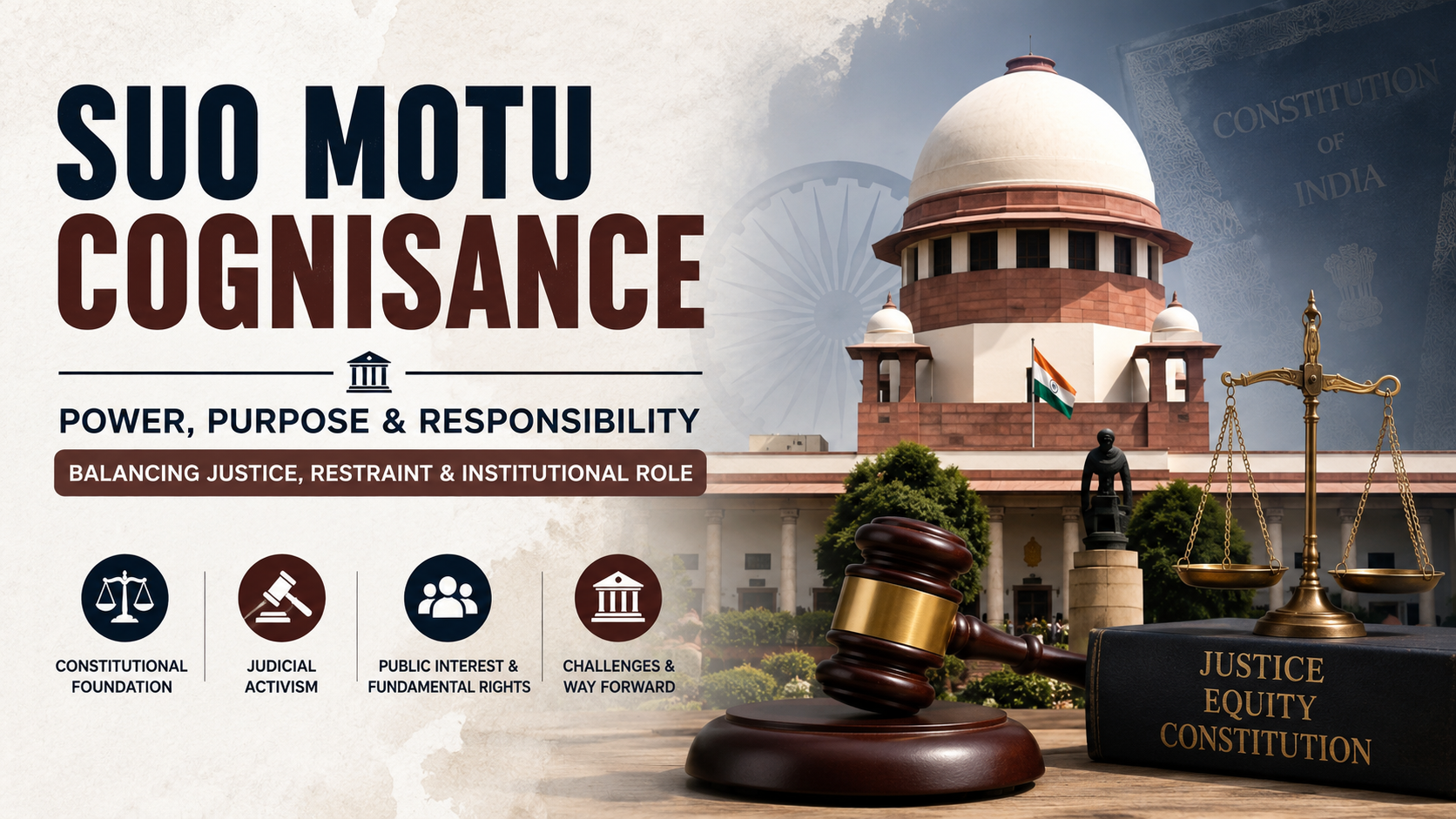
Suo motu cognisance allows courts to take up matters on their own without a formal petition. As its use by the Supreme Court grows, debates over judicial activism, overreach, and the role of lower courts have intensified.
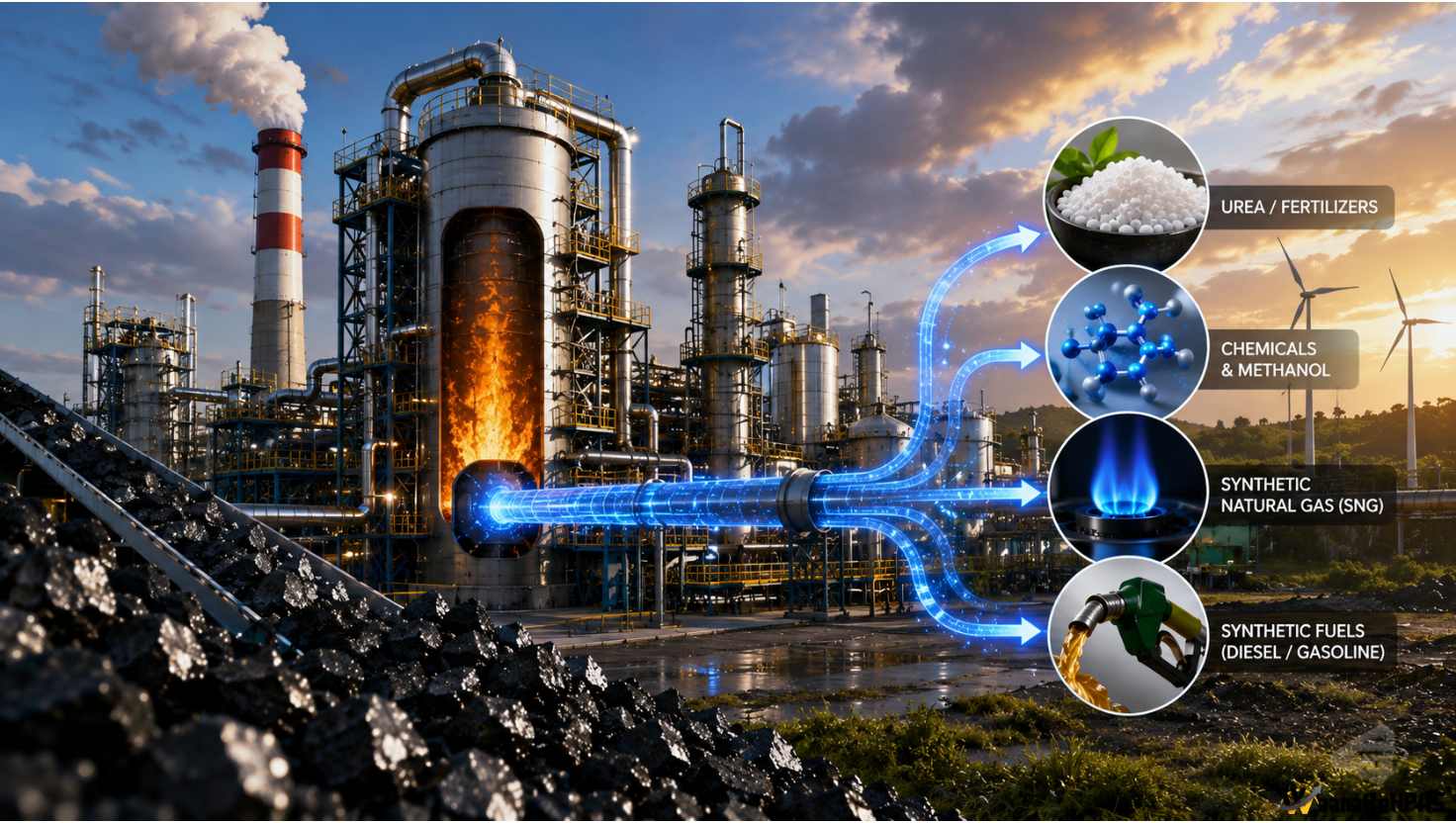
India’s ₹37,500 crore coal gasification package aims to convert domestic coal into cleaner fuels, fertilizers, and chemicals, boosting energy security, reducing imports, and driving industrial self-reliance.
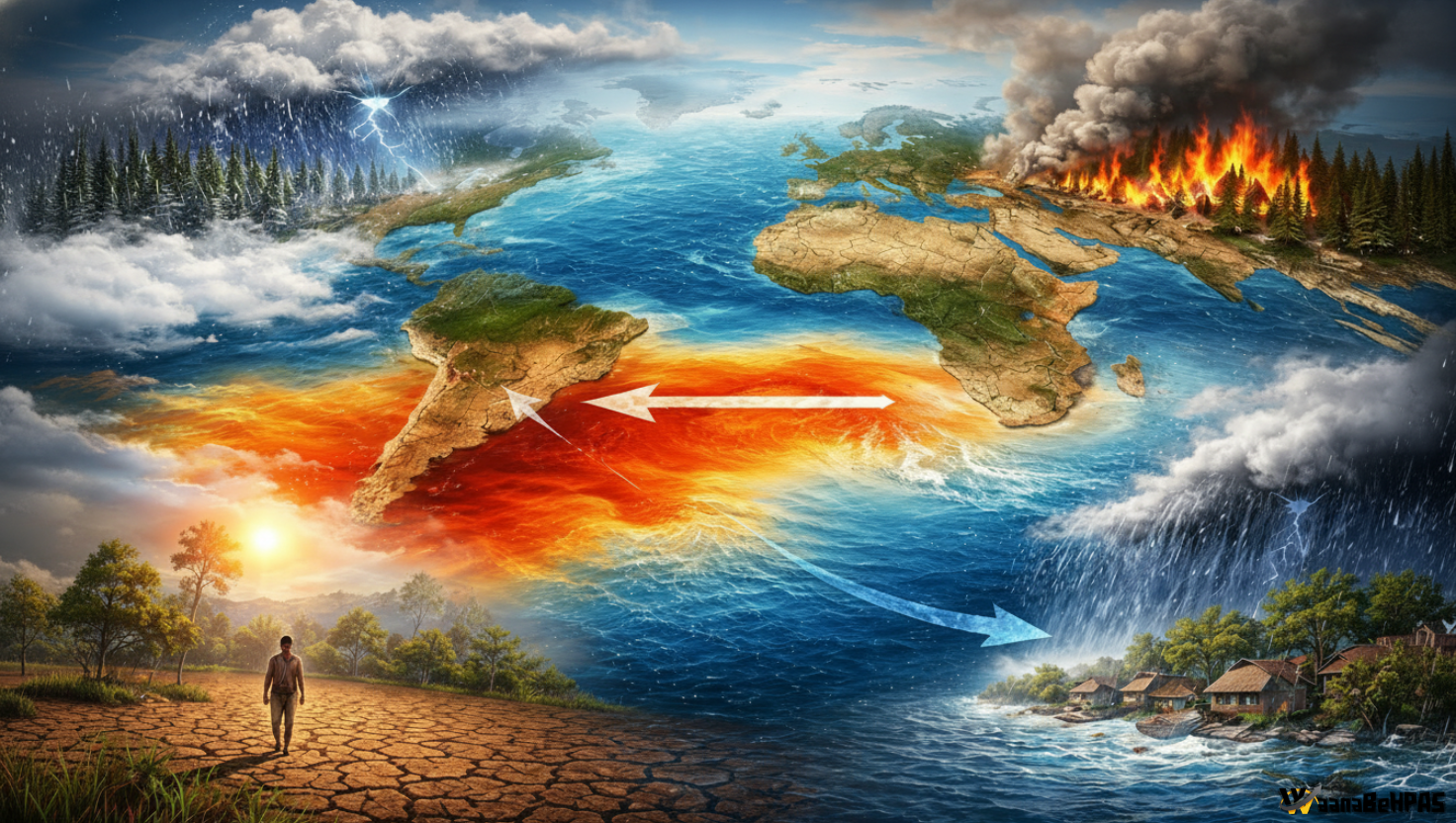
Super El Niño 2026 is a powerful climate event marked by extreme Pacific warming, disrupting global weather patterns, weakening monsoons, increasing heatwaves, and causing floods and droughts worldwide.
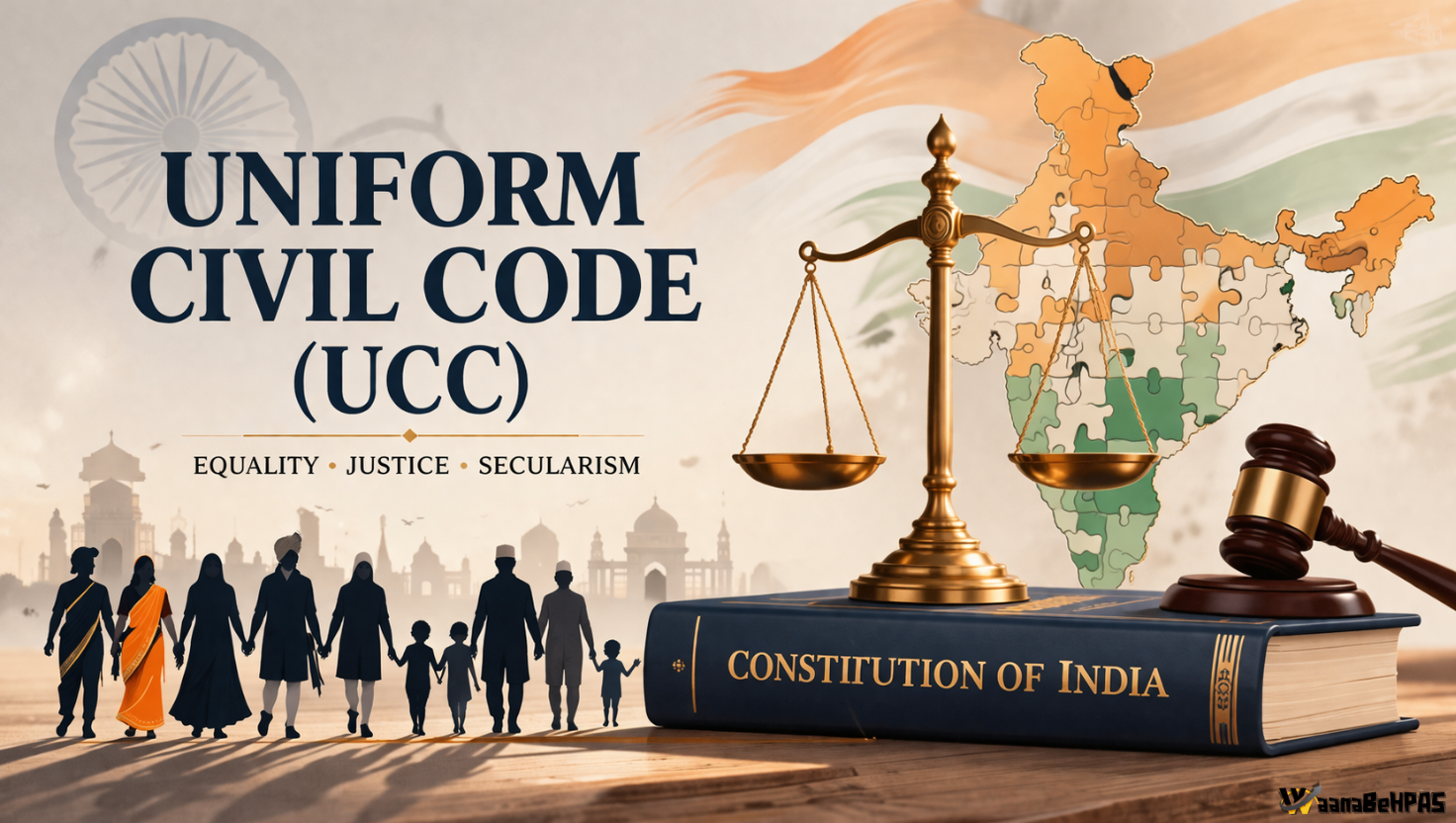
The Uniform Civil Code (UCC) proposes one common law for all citizens in matters like marriage, divorce, and inheritance. It aims to ensure equality, gender justice, and national unity while balancing religious freedom and diversity.
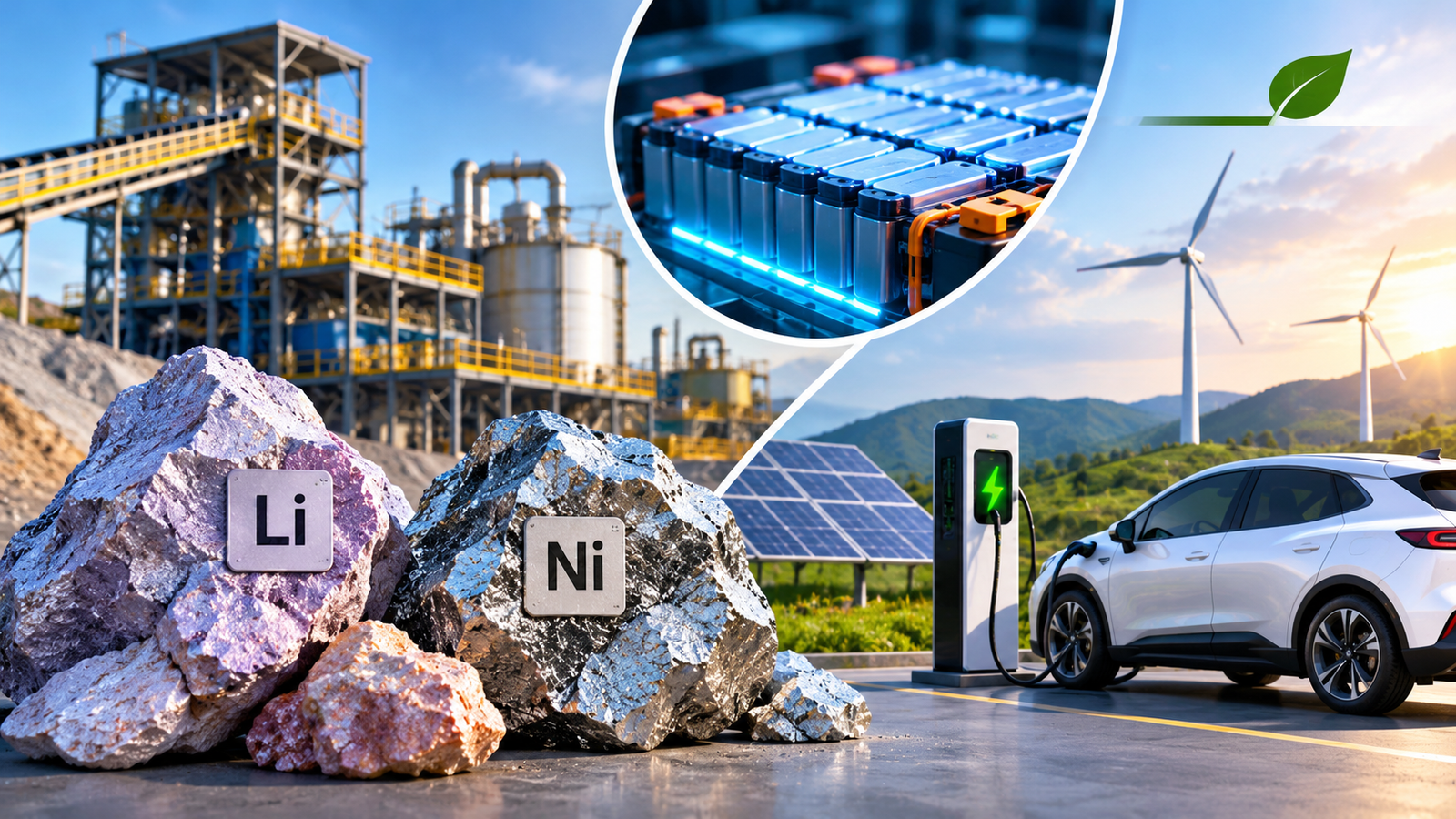
Understand the ₹2,814 crore Critical Mineral Processing Scheme 2026, including

Excerpt: UNESCO has added three Indian sites to its Tentative

Explore ICMR-CHAMP at Keylong, Himachal Pradesh—its objectives, research areas, importance

Himachal Pradesh High Court halts forest road construction and tarring
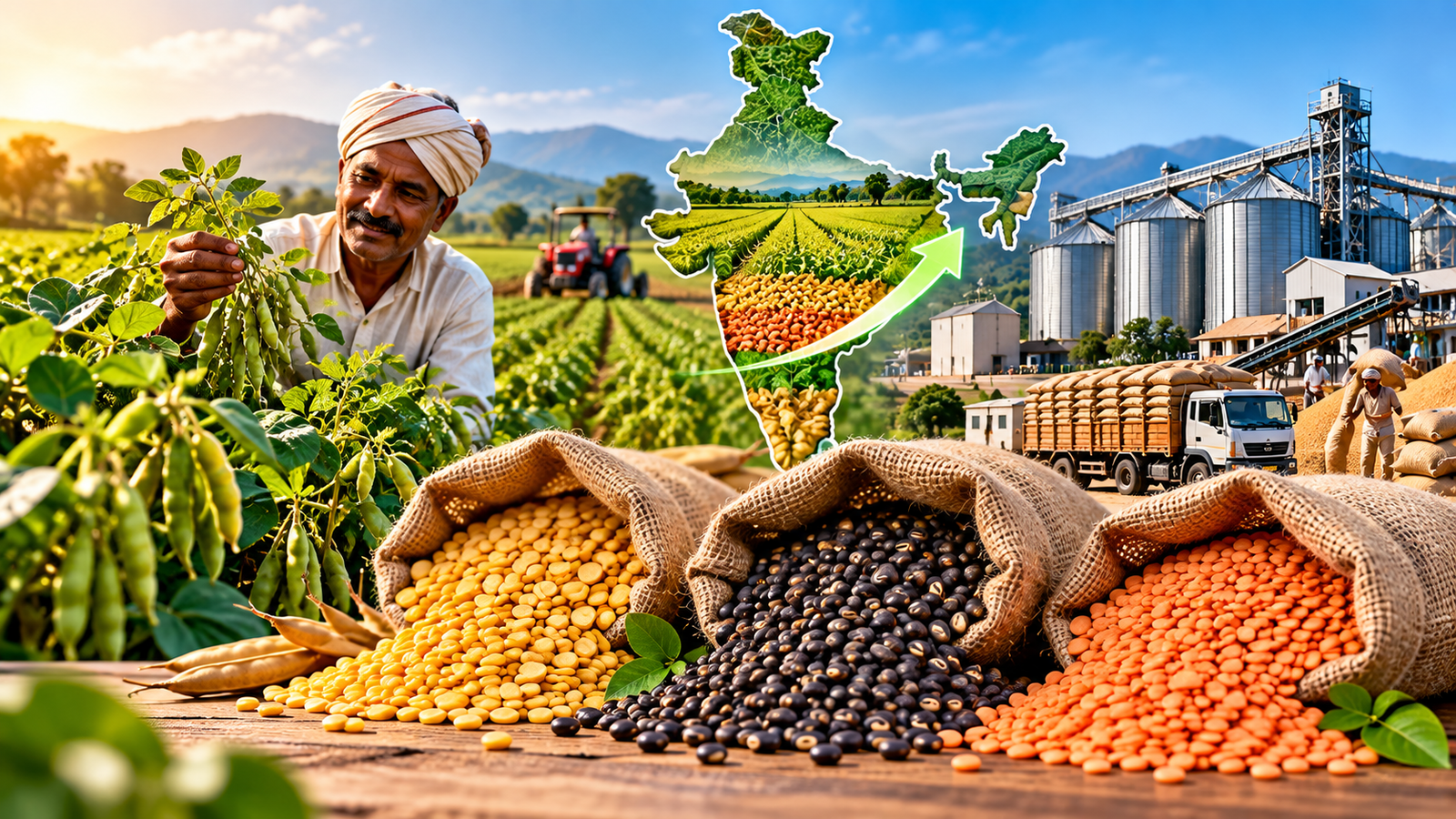
Mission for Aatmanirbharta in Pulses 2026: Explore the ₹11,440 crore

Living Planet Report 2026: Explore the 73% decline in monitored