
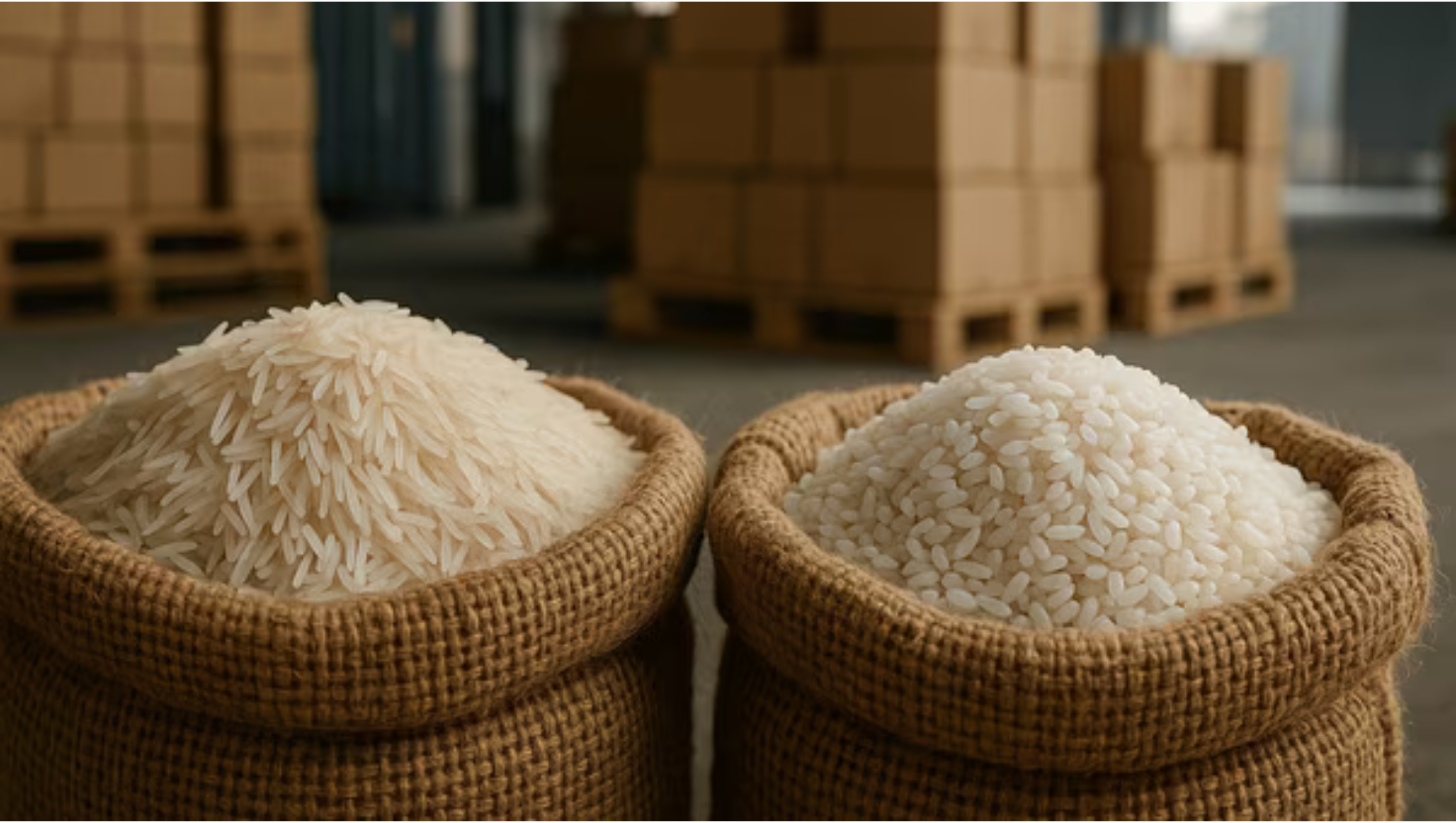
Counterfeit Seeds & GI Crops like Basmati
India combats counterfeit seeds threatening GI crops like Basmati through digital traceability, legal reforms, and farmer awareness to protect livelihoods and exports.
India combats counterfeit seeds threatening GI crops like Basmati through digital traceability, legal reforms, and farmer awareness to protect livelihoods and exports.
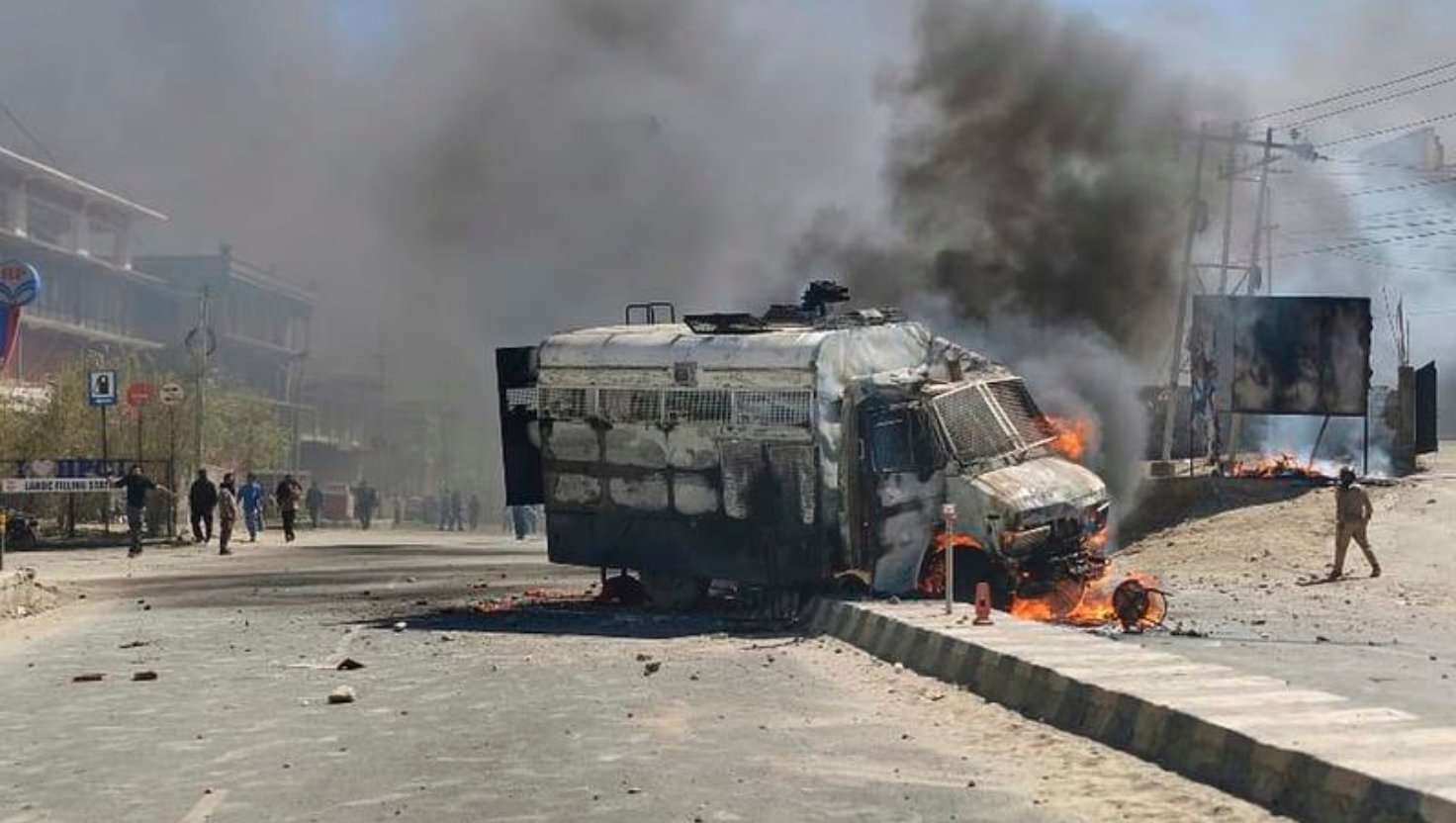
Ladakh Protests over statehood and Sixth Schedule demand highlight tensions between democratic aspirations and national security.
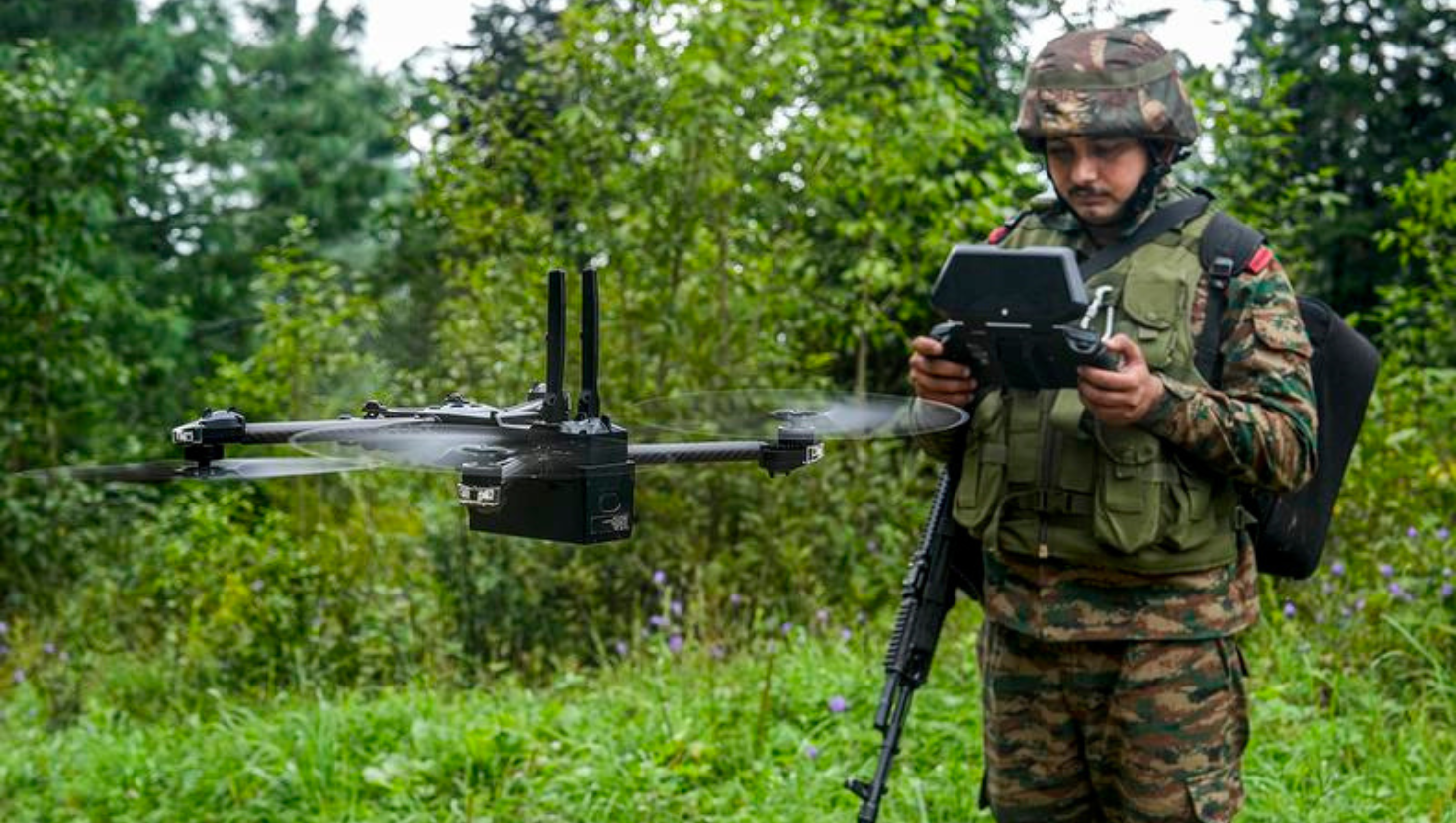
Exercise Cold Start is India’s largest tri-service drone drill, testing counter-drone systems and joint readiness for future conflicts.
Revitalizing MSMEs with finance, digitalization, compliance, and market access boosts inclusive growth, jobs, and exports in India.
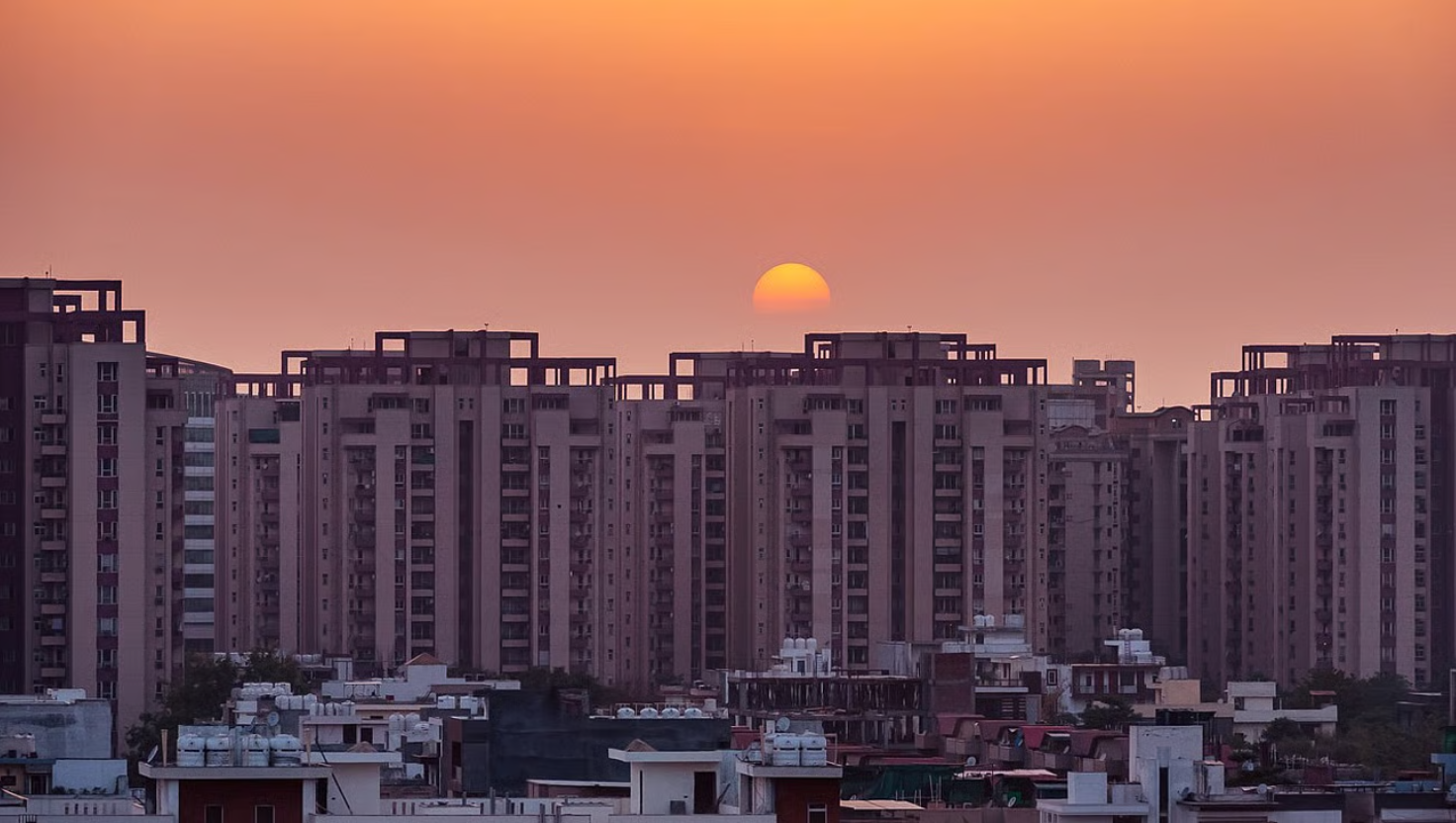
The Supreme Court reaffirmed housing as a right under Article 21, urging reforms to protect homebuyers and ensure affordable, dignified housing.
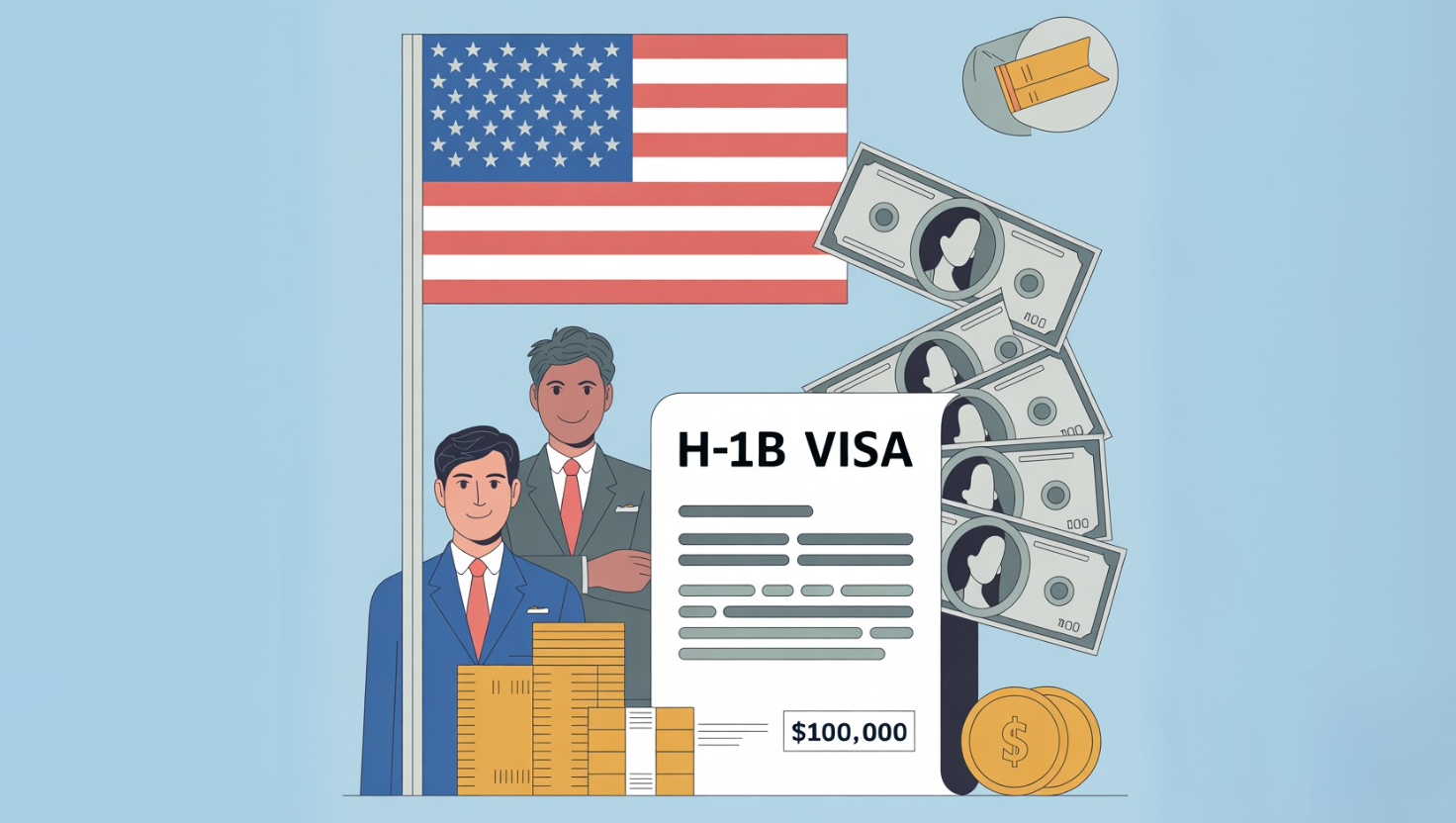
US hikes H-1B visa fee to $100,000, raising costs for Indian IT firms and affecting skilled workforce migration.
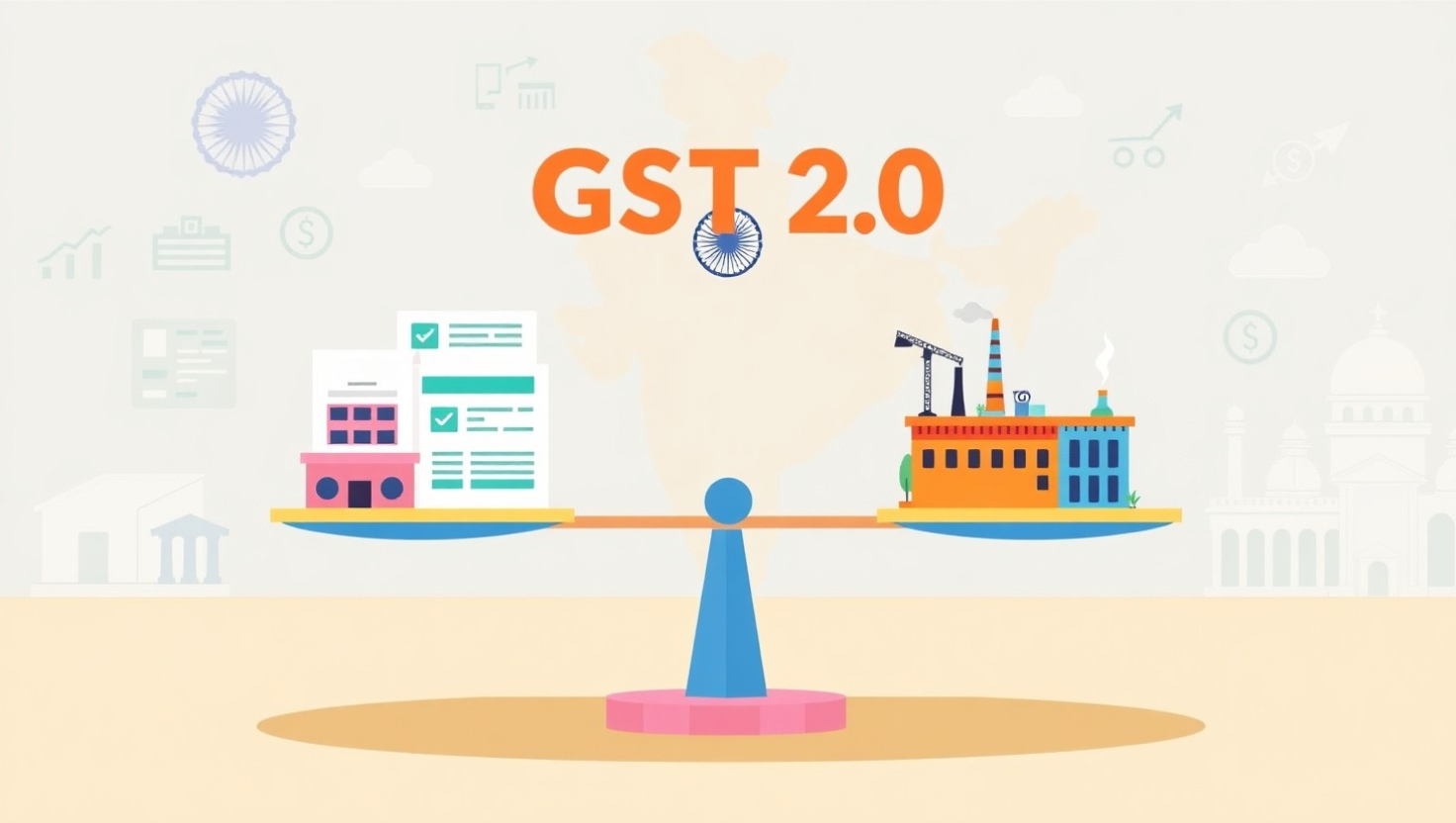
GST 2.0 aims to simplify taxes, boost compliance, and promote fair, long-term economic growth for businesses and citizens across India.
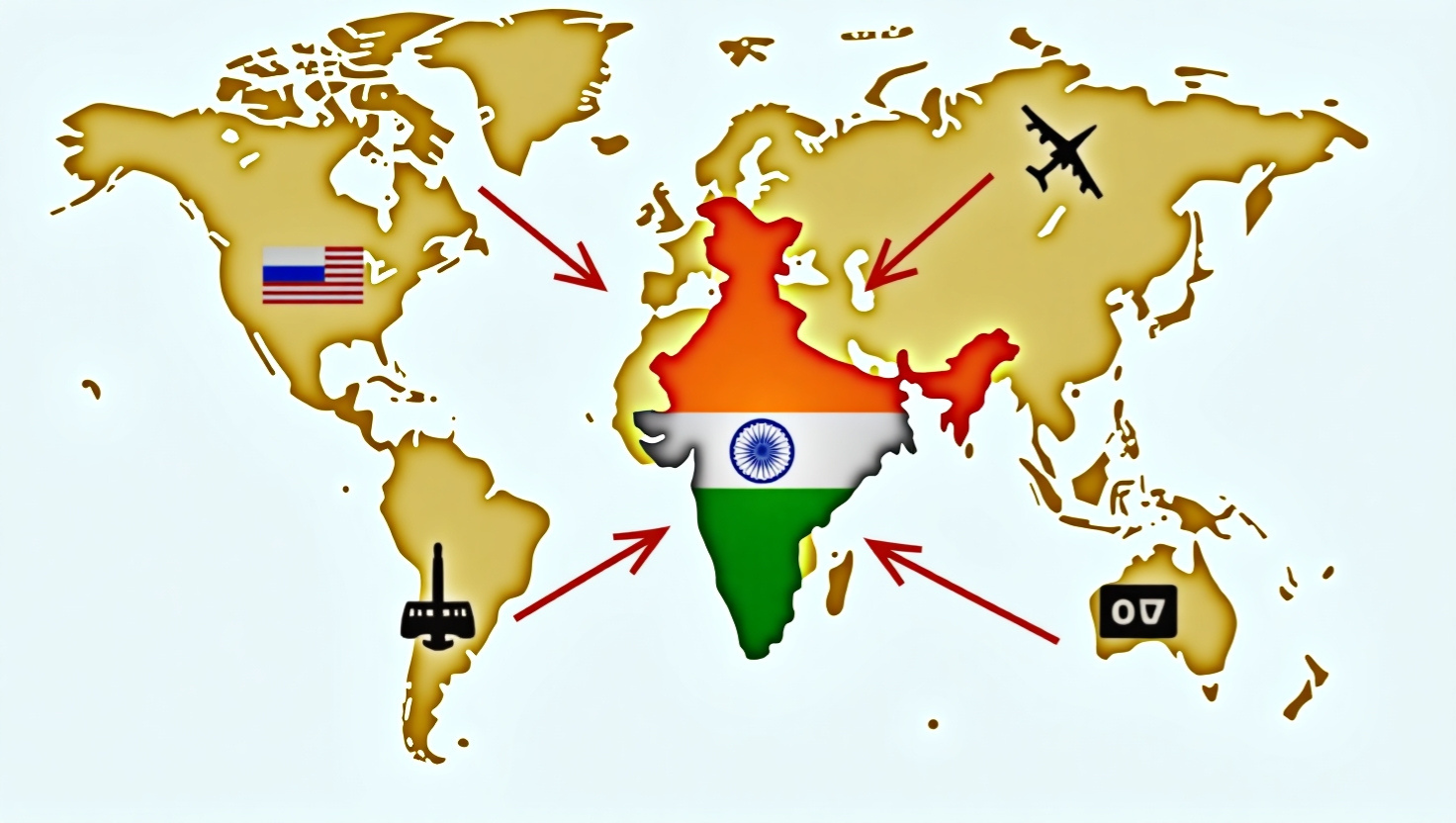
India’s strategic autonomy enables independent foreign policy choices in a multipolar world, balancing major powers while safeguarding sovereignty and growth.
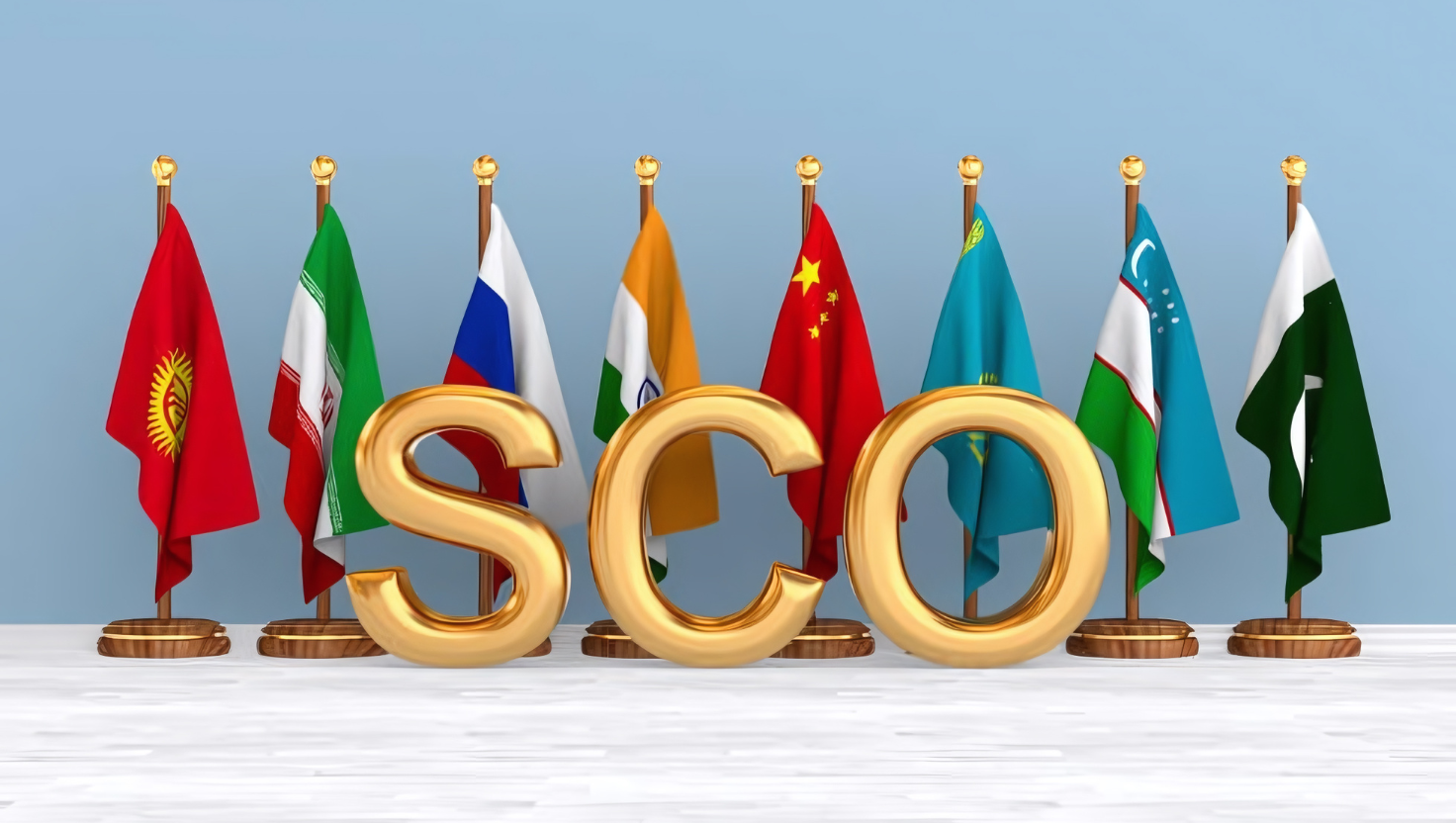
The Shanghai Cooperation Organization (SCO) 2025 Summit in Tianjin focuses on security, trade, and regional cooperation, with India playing a key role.

India can capture 10% of the global green hydrogen market by 2030 with subsidy shifts, demand mandates, and strong infrastructure.

BRICS 2026: Explore the 18th BRICS Summit in New Delhi,

6th All India Official Language Conference 2026 in Navi Mumbai:

Discover how Bay of Bengal low-pressure systems shape India’s monsoon,

Explore the constitutional evolution of India from East India Company

Yojana June 2026 explores India’s journey towards a Naxal-free Bharat,
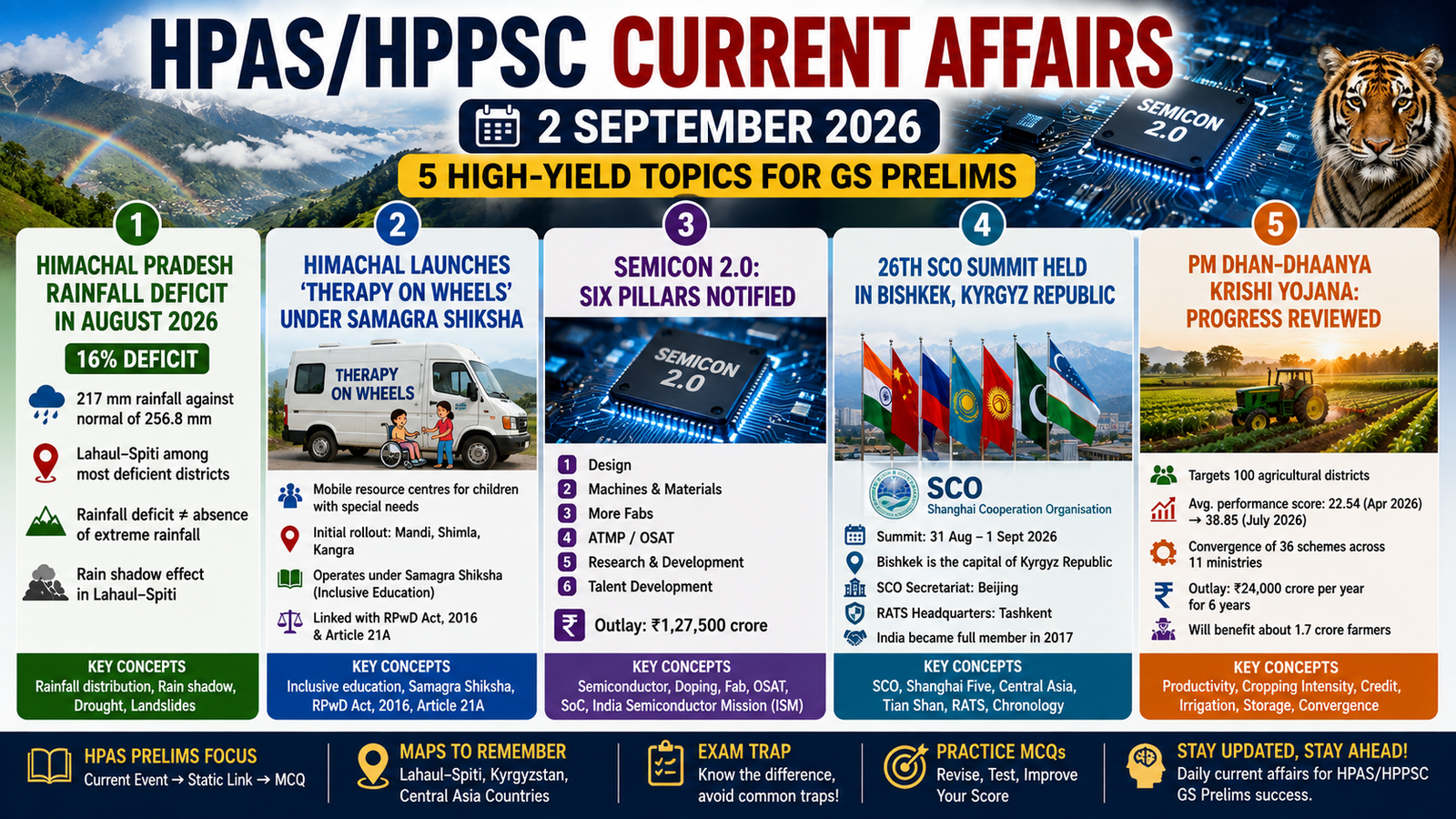
HPAS/HPPSC Current Affairs 2 September 2026: Himachal rainfall deficit, Therapy