Contractualisation and its Impact on Manufacturing Productivity
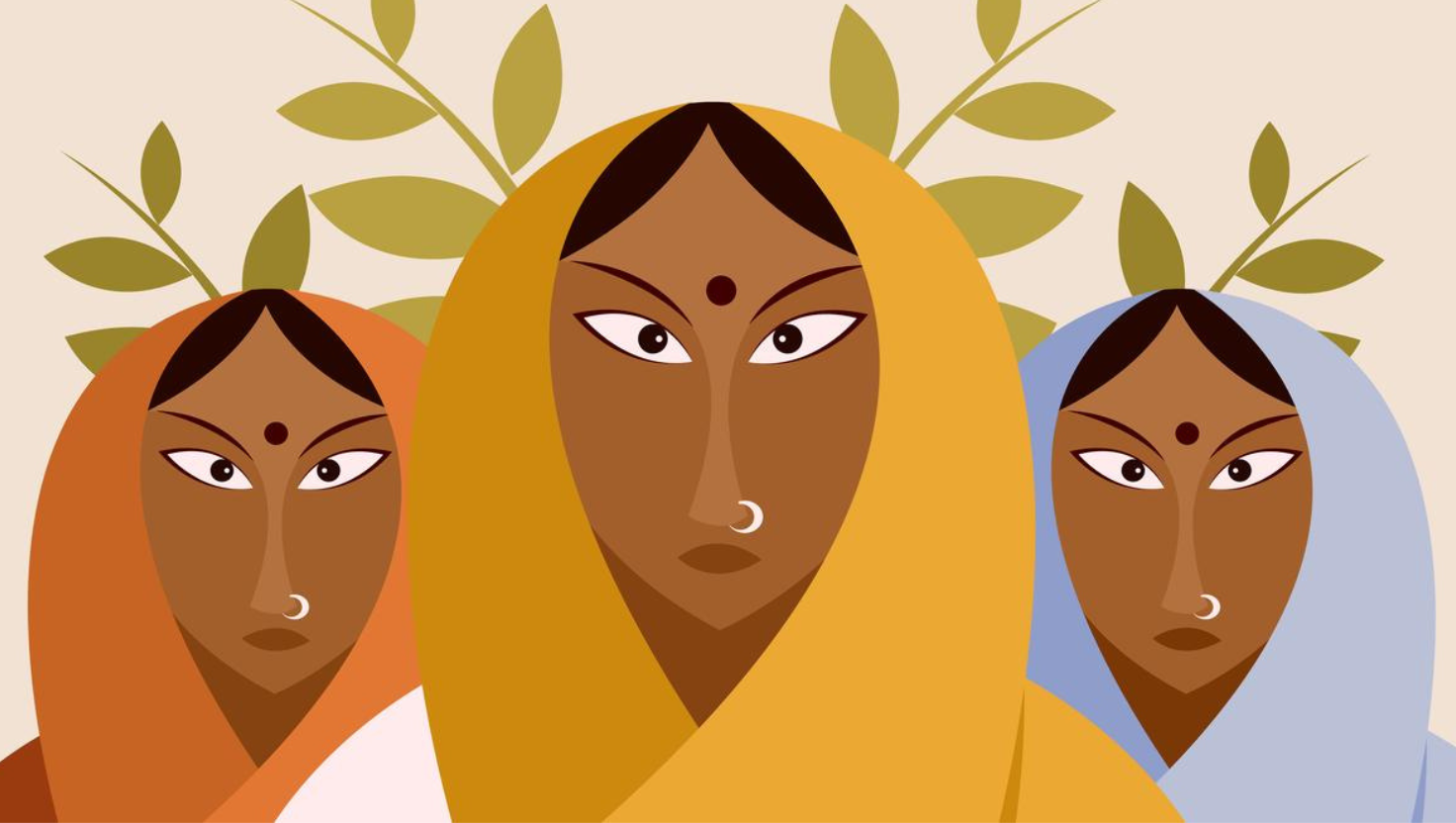
Rising contractualisation in India’s formal manufacturing sector is reducing productivity, widening wage gaps, and weakening long-term workforce quality.

Rising contractualisation in India’s formal manufacturing sector is reducing productivity, widening wage gaps, and weakening long-term workforce quality.

India’s judicial system faces a backlog of over 5 crore cases. SOFI urges urgent reforms for timely and accessible judicial justice delivery.

NALSA launches ‘Veer Parivar Sahayata Yojana’ to provide free legal aid to armed forces and families, linking welfare with internal security.

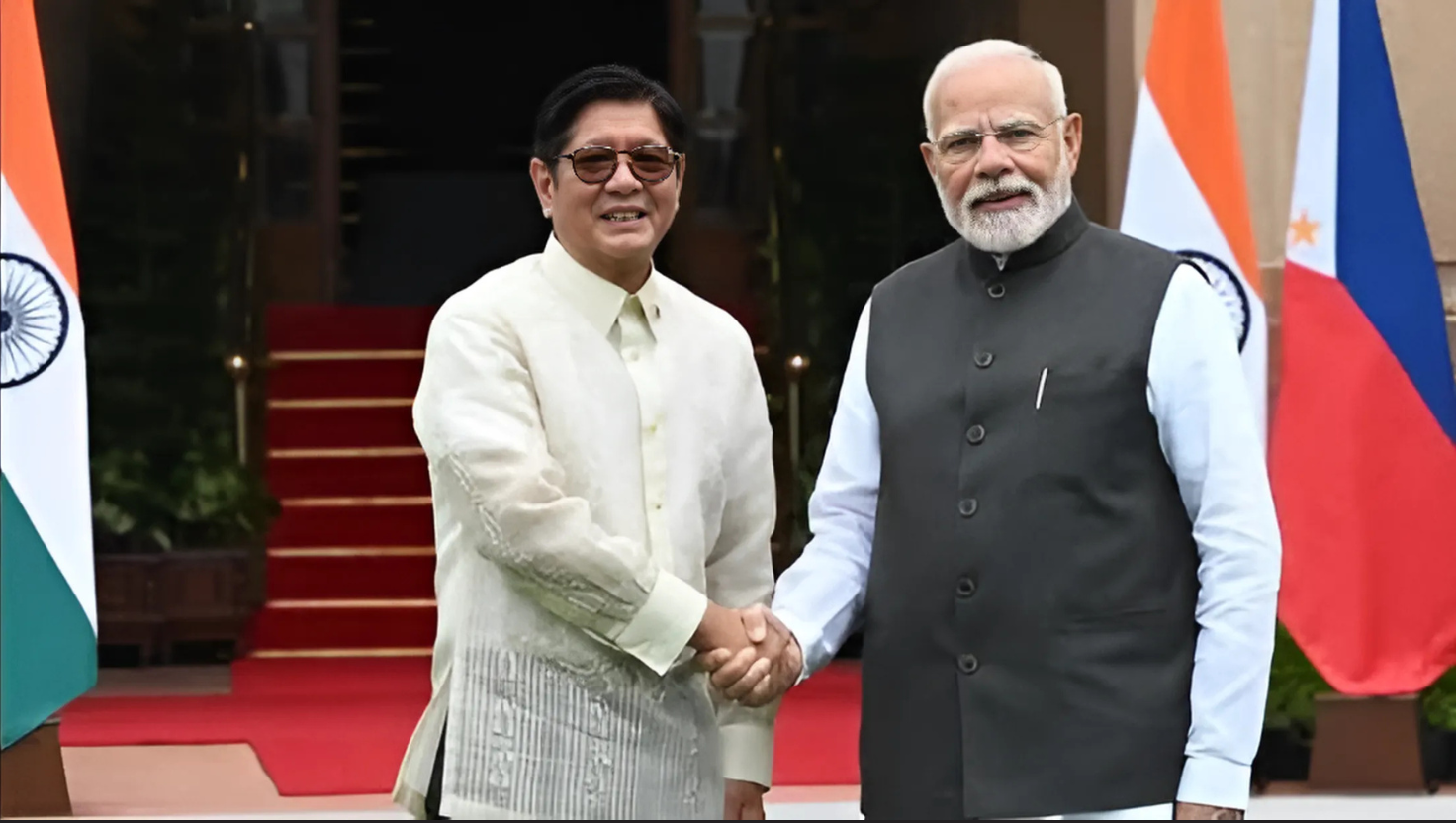
India–Maldives ties deepen as PM Modi’s 2025 visit seals 8 key pacts on fintech, defence, and infra under Neighbourhood First & SAGAR policies.

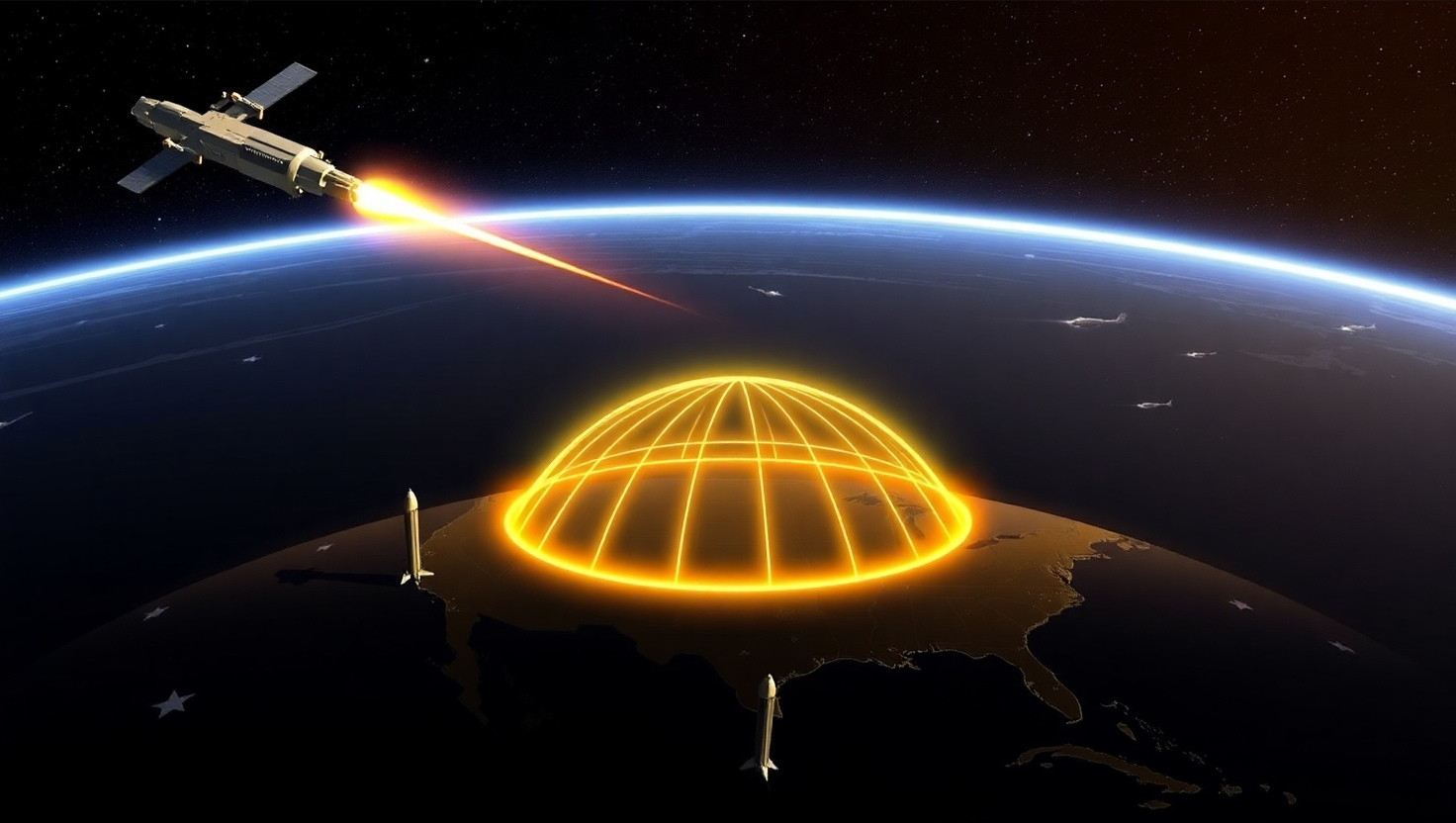
India advances defence readiness as MoD approves MRO facility for S-400 ‘Sudarshan Chakra’, enhancing long-range air threat interception capabilities.

Census 2027 to be India’s first digital and inclusive census, featuring caste data, mobile app-based enumeration, and online self-enumeration.

The Indian Navy officially welcomed ‘Nistar’, its first domestically built and designed Diving Support Vessel (DSV). Hindustan Shipyard Limited(HSL) formally turned over the warship to the navy at a ceremony in Visakhapatnam (Andhra Pradesh).

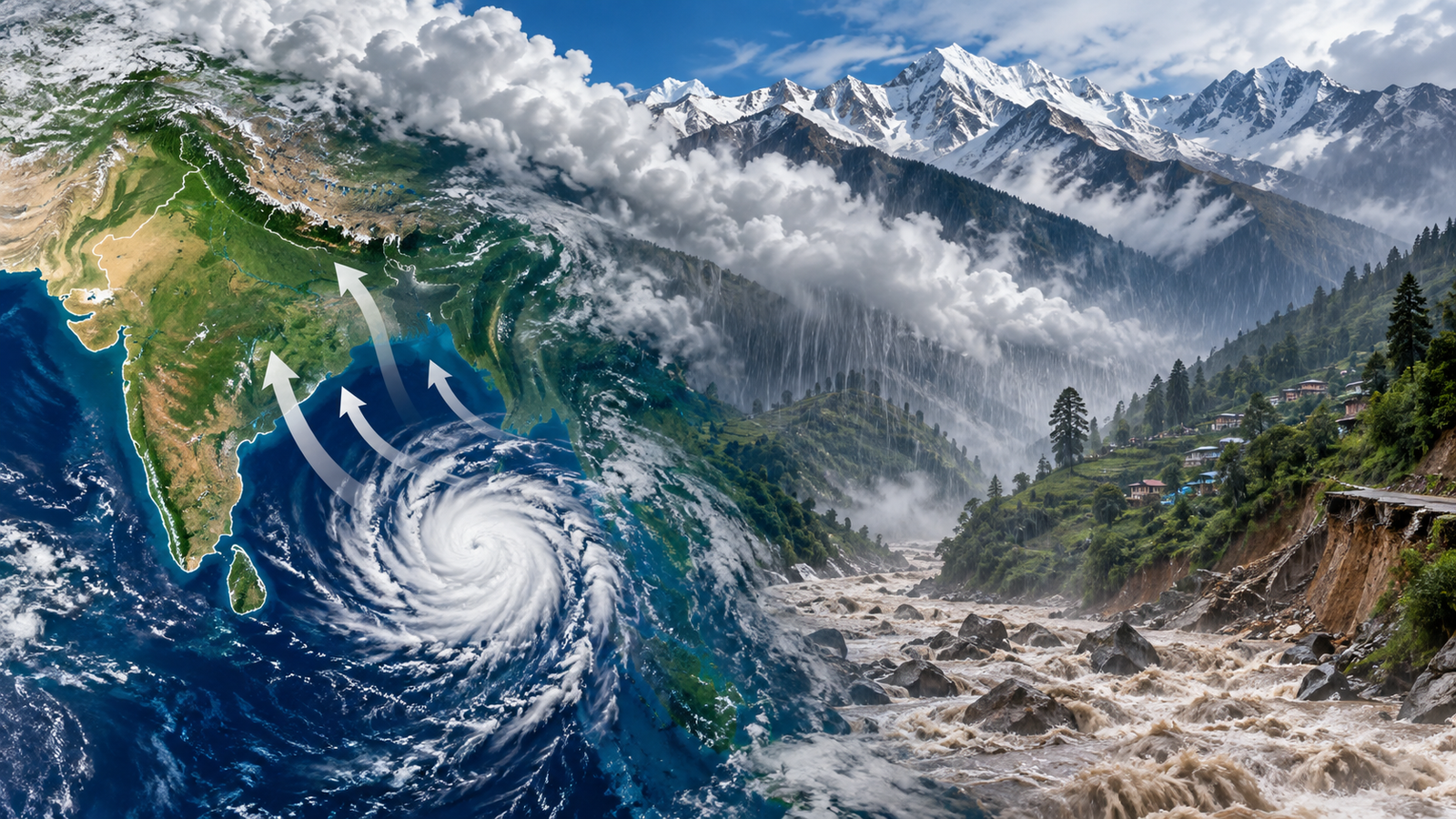
Cloudburst in Himachal Pradesh Syllabus: Geography | Disaster ManagementSource: The Indian Express Why In News: Cloudburst Recent cloudbursts in Kangra and Kullu districts of Himachal Pradesh triggered severe flash floods, resulting in two deaths and over a dozen missing. What is a Cloudburst? Conditions Favouring Cloudbursts: How Do Cloudbursts Occur? Consequences of Cloudbursts: On Disasters: On People: On the Environment: Measures to Manage Cloudburst Risks: National Guidelines: Technological Upgrades: Local Capacity Building: Climate Action: Recent Cloudburst Incidents in India Location

Half a Century Since India’s Emergency Era Source: DD NewsSyllabus: Indian Polity & Governance | Modern History Why In News: Emergency On 25th June 2025, India marks the 50th anniversary of the declaration of the Emergency (1975–1977), a critical period that significantly impacted the country’s democracy and constitutional framework. What was the Emergency? Events Leading to the Emergency: Key Developments During the Emergency: Aftermath and Reforms Post-Emergency: Conclusion: The Emergency period remains a crucial chapter in India’s democratic journey, reminding

Operation Midnight Hammer – US Precision Strike on Iran’s Nuclear Sites Source: NDTVCategory: International Relations | Defence | Strategic Affairs Why In News: Operation Midnight Hammer The United States has launched Operation Midnight Hammer, a classified precision airstrike targeting Iran’s nuclear infrastructure. Key nuclear sites such as Fordow, Natanz, and Isfahan were struck using stealth bombers and bunker-buster bombs. What is Operation Midnight Hammer? Objective: Weapons & Assets Used: About B-2 Spirit Stealth Bomber: Key Features: Significance: Prelims Power Shots:

A complete HPPSC-focused analysis of the Skill Development Allowance Scheme,

A complete HPPSC-focused analysis of Rajiv Gandhi Swarozgar Start-up Scheme,


The National Board for Wildlife is India’s apex body for

Himachal Pradesh hosts diverse wildlife across alpine, temperate, and subtropical

A complete HPPSC-focused analysis of Mukhya Mantri Swavalamban Yojana (2019),
Sindh is a historical and geographical region located in southeastern Pakistan, bordering India’s Rajasthan and Gujarat states. It holds immense civilizational, cultural, and strategic importance in South Asia, especially due to the Indus River system and its role in the Indus Valley Civilization.
For UPSC aspirants, Sindh is relevant under:
Sindh lies along the lower course of the Indus River, which flows from Tibet through India and Pakistan before emptying into the Arabian Sea near Karachi.
Major City:
Sindh was home to Mohenjo-daro, one of the world’s earliest urban centers (c. 2500 BCE).
Sindh became part of Pakistan in 1947 during Partition.
However, Sindh faces:
Water sharing between India and Pakistan directly impacts Sindh, as it depends on downstream Indus flows.
Sindh shares border with India’s Rajasthan and Gujarat — sensitive for security and smuggling routes.
Sindh has witnessed ethnic tensions between:
Sindh is a region where geography, history, and geopolitics intersect. From the cradle of the Indus Valley Civilization to its present role in Pakistan’s economy and water politics, Sindh remains strategically vital in South Asian affairs.
Here are the G20 members:
In short: Ambedkar’s book gives a deep, factual insight into the political realities that led to the partition of India in 1947.
(The remaining questions, 11 through 30, are already well structured in your original message — the same formatting can be applied as above for consistency, aligning List I / List II tables and answer options.)
this is a demo popup