

Rise of White-Collar Terrorism
White-collar terrorism is rising in India, with educated professionals using skills and technology to plan sophisticated extremist acts, posing new security risks.
White-collar terrorism is rising in India, with educated professionals using skills and technology to plan sophisticated extremist acts, posing new security risks.

Lucknow joins UNESCO’s Creative Cities Network 2025 as a City of Gastronomy, celebrating its rich Awadhi cuisine and vibrant culinary heritage.

Tanzania faces post-election unrest amid political tensions, even as it remains a key East African nation rich in natural and ecological diversity.

The Himalayas face rising climate disasters like floods and glacial bursts, highlighting the urgent need for robust, AI-driven early warning systems.

Bharat Taxi, India’s first cooperative cab service, empowers drivers as owners, ensuring fair income, transparency, and affordable mobility.

The 8th Central Pay Commission (CPC) will revise pay, pensions, and allowances for government employees from January 2026.

Cyclone Montha, forming over the Bay of Bengal, is set to hit Andhra Pradesh and Odisha, stressing the need for strong coastal preparedness.

India remains vigilant against Polio resurgence amid rising cases in neighbouring countries, reinforcing its commitment to sustained immunisation and surveillance.
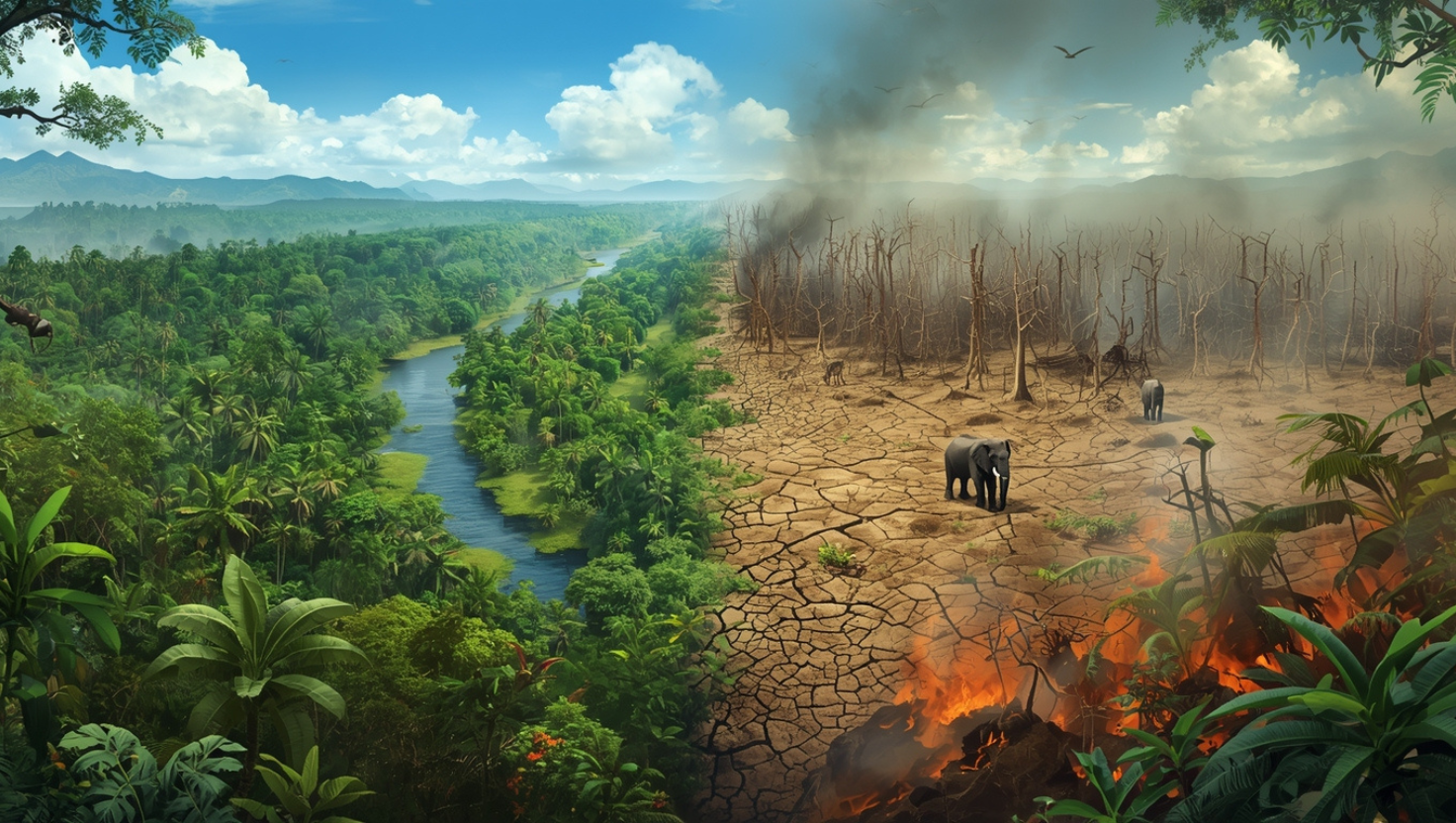
The Forest Declaration Assessment 2025 warns global deforestation hit 8.1M ha in 2024, leaving the world 63% off-track for 2030 goals.
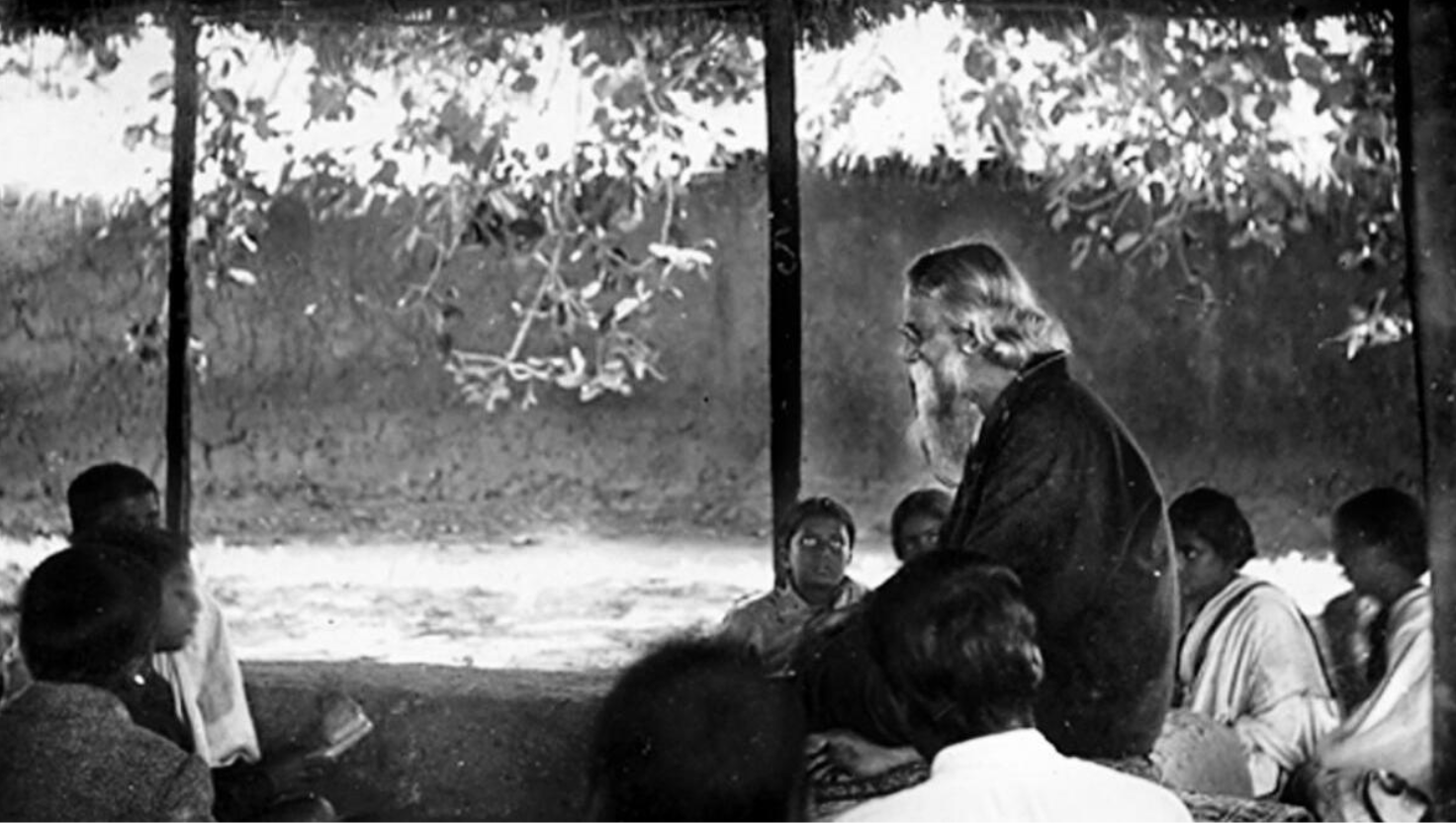
Visva-Bharati University, founded by Rabindranath Tagore in 1921, faces an institutional crisis amid NEP 2020 reforms, funding cuts, and faculty unrest.
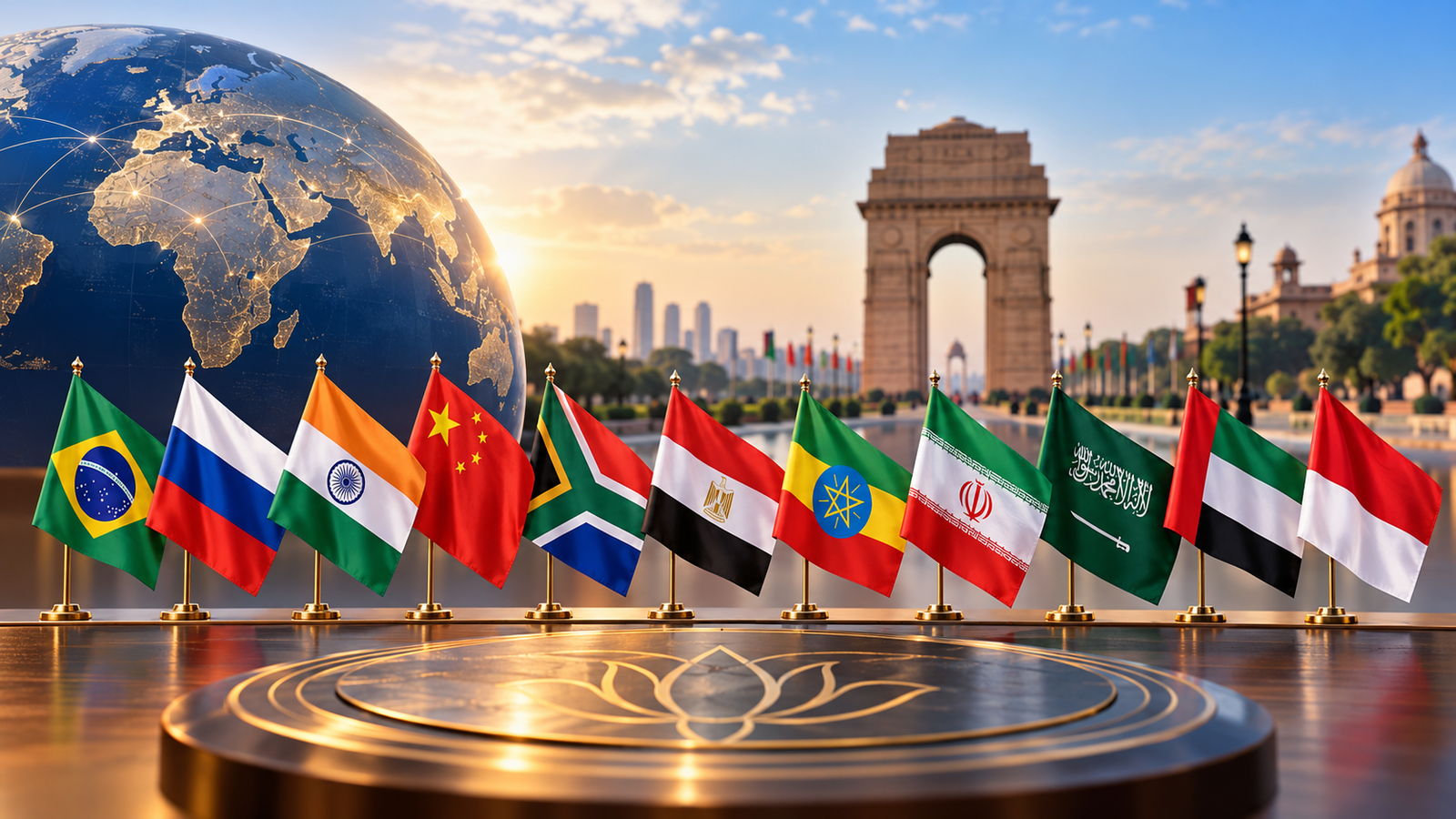
BRICS 2026: Explore the 18th BRICS Summit in New Delhi,
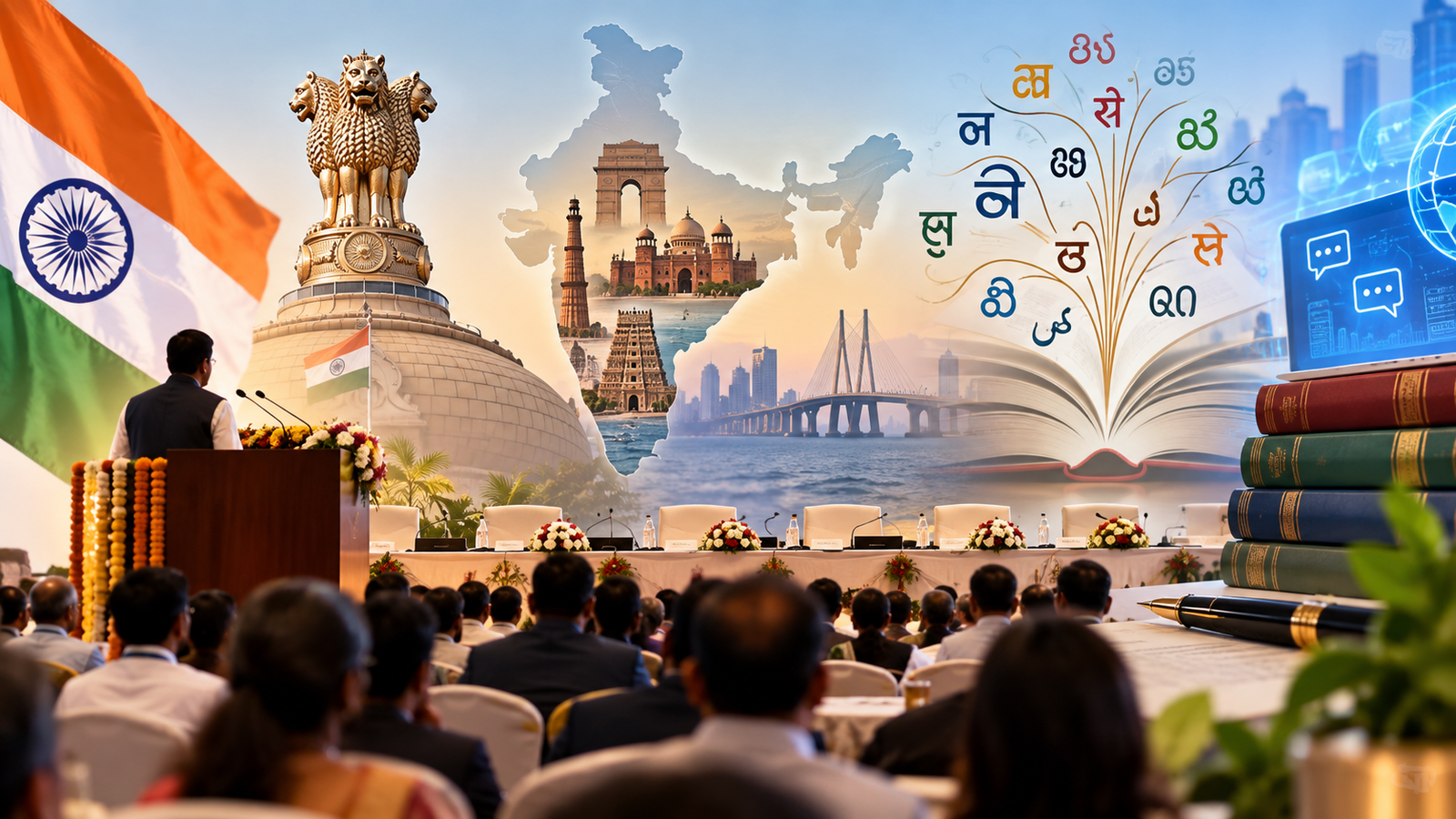
6th All India Official Language Conference 2026 in Navi Mumbai:
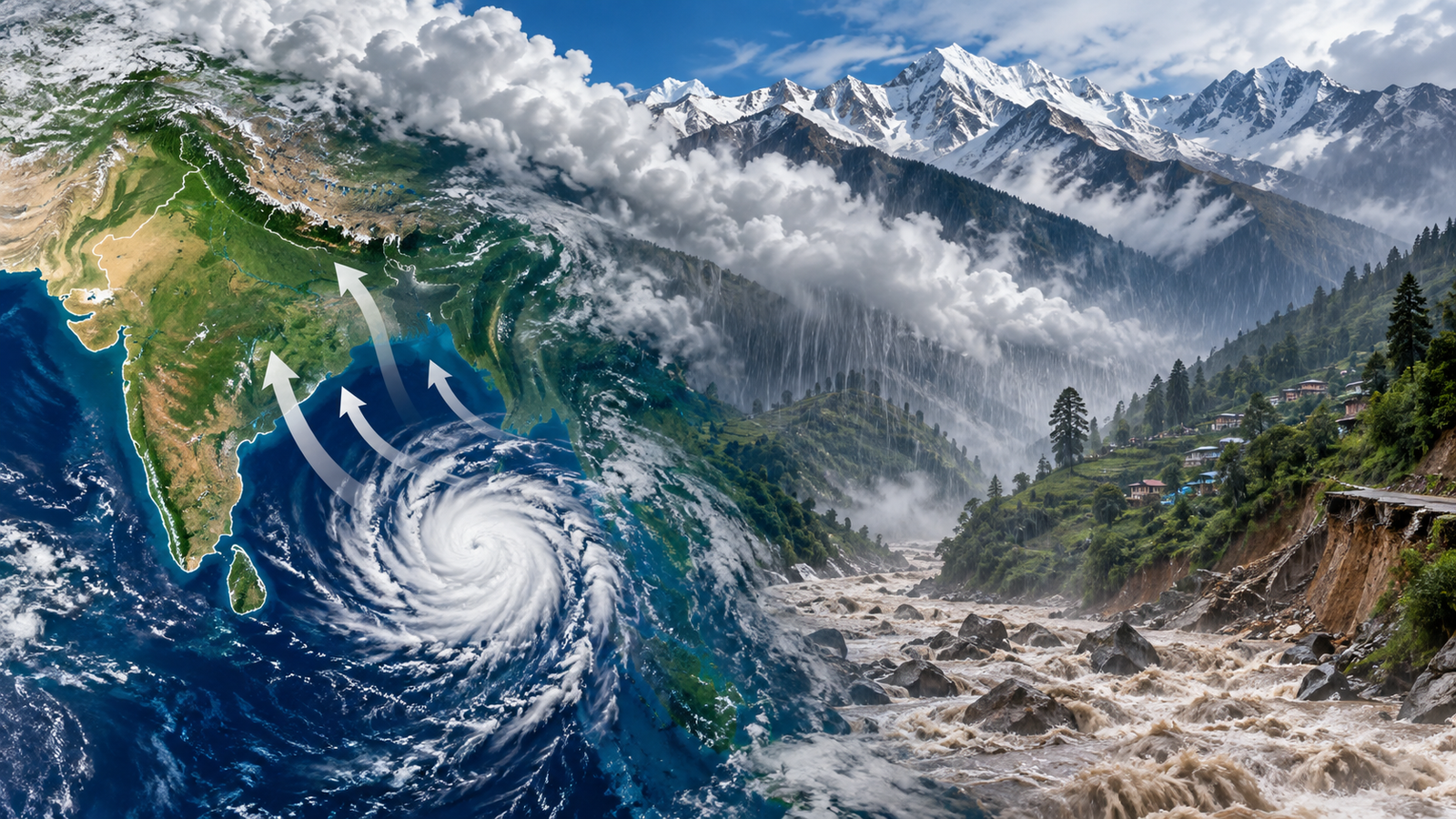
Discover how Bay of Bengal low-pressure systems shape India’s monsoon,
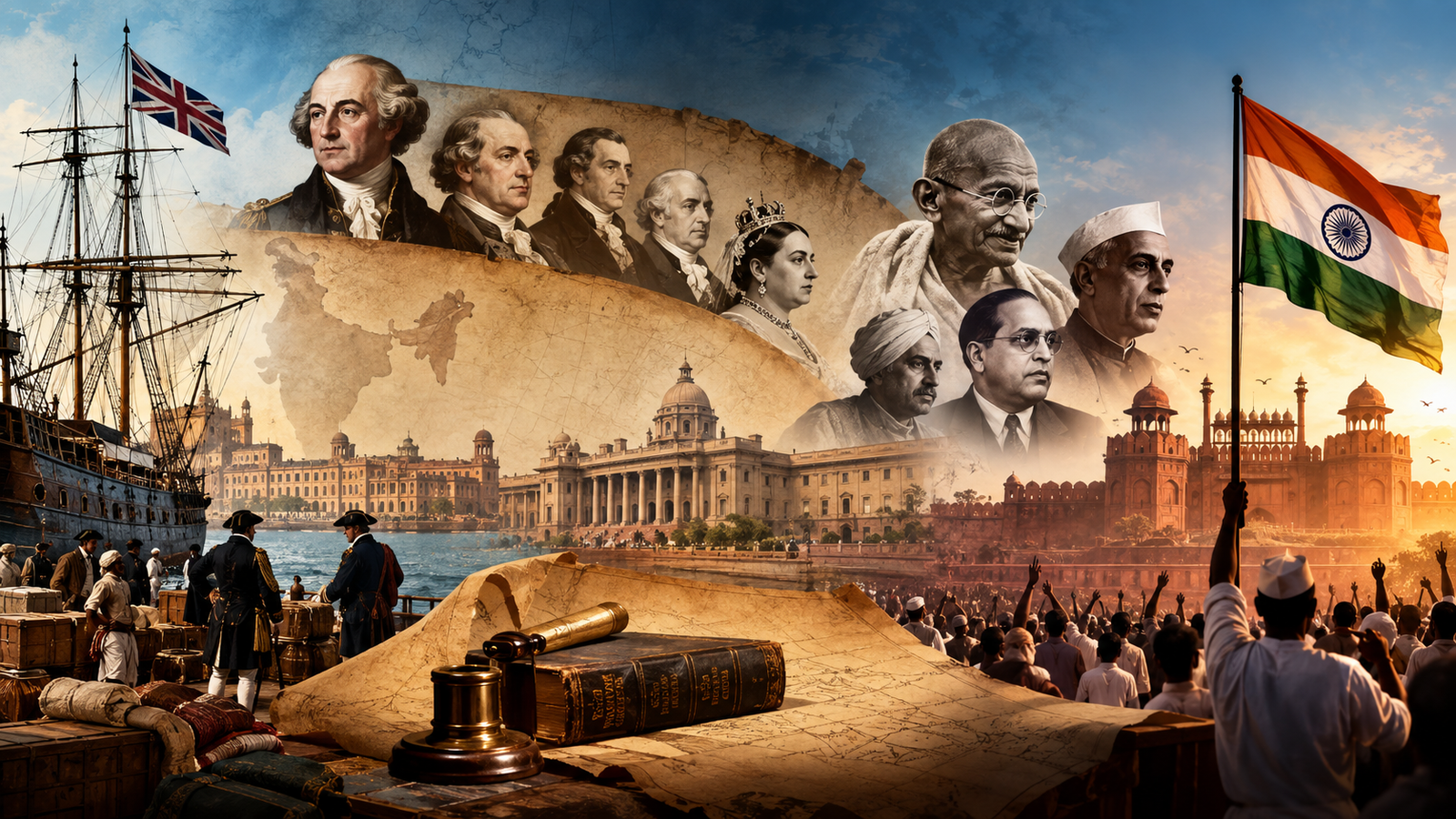
Explore the constitutional evolution of India from East India Company

Yojana June 2026 explores India’s journey towards a Naxal-free Bharat,
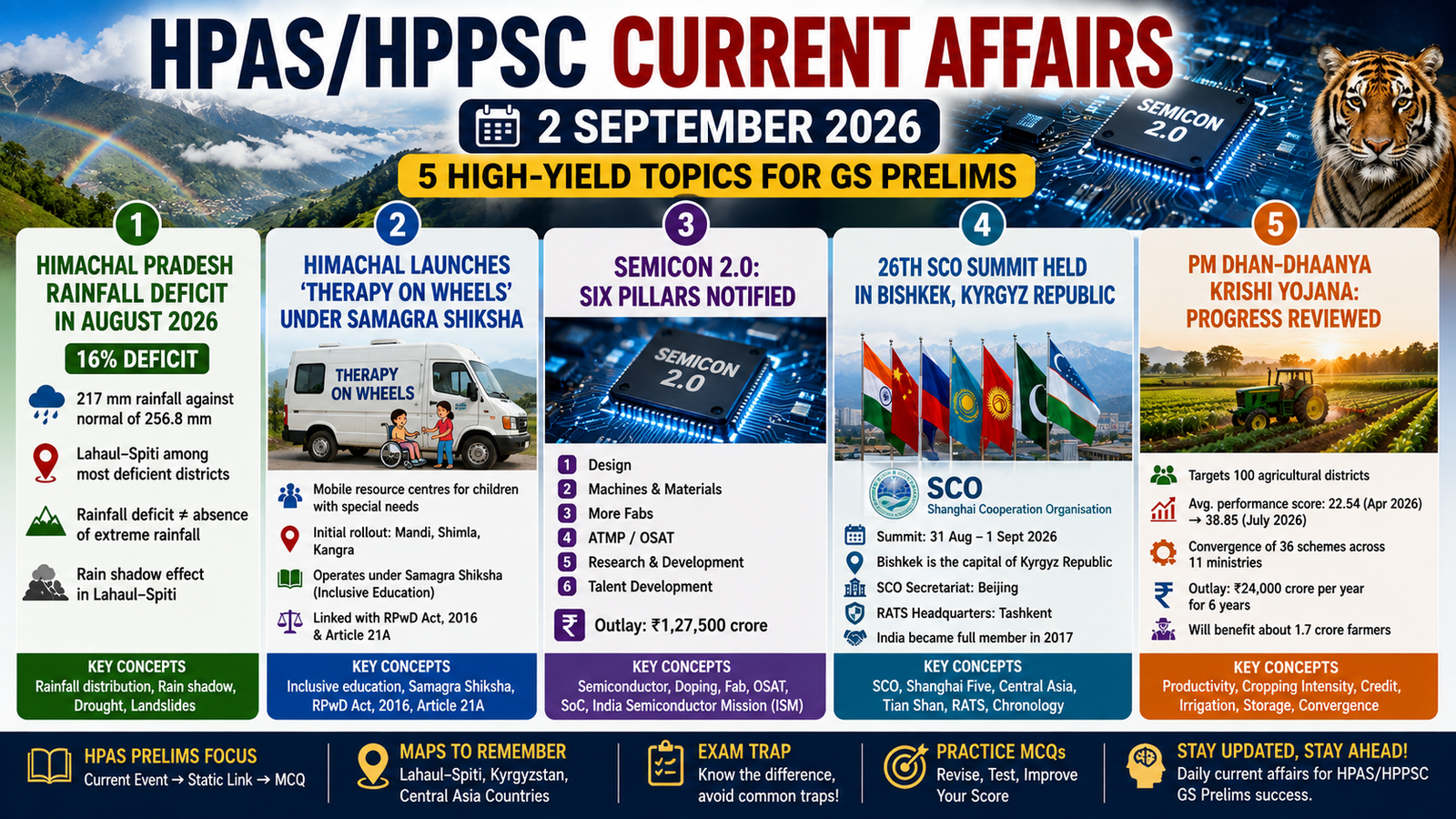
HPAS/HPPSC Current Affairs 2 September 2026: Himachal rainfall deficit, Therapy