

Report on India’s Blue Economy
NITI Aayog’s report outlines a roadmap for sustainable deep-sea and offshore fisheries, boosting exports, livelihoods, and India’s Blue Economy.
NITI Aayog’s report outlines a roadmap for sustainable deep-sea and offshore fisheries, boosting exports, livelihoods, and India’s Blue Economy.
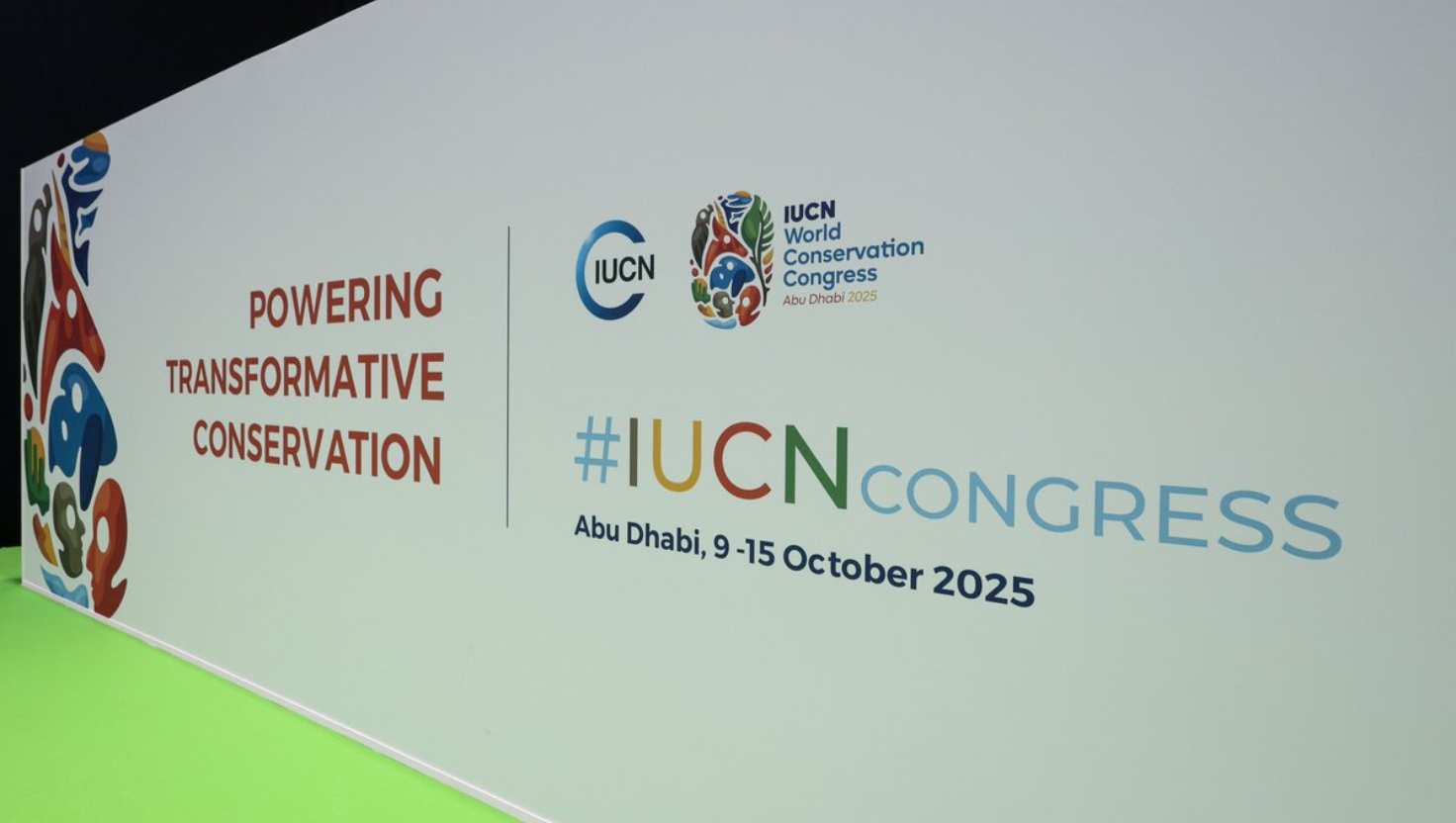
Armenia joins the IUCN at the 2025 Abu Dhabi Congress, enhancing its role in global biodiversity conservation and sustainable ecosystem management.

IBC completes nine years, resolving ₹26 lakh crore debt and cutting NPAs to record lows, strengthening India’s credit and corporate governance.
The India–UK Connectivity and Innovation Centre (CIC) aims to advance 6G research, AI-driven telecom innovation, and secure digital communication systems.

Venezuelan leader María Corina Machado wins the 2025 Nobel Peace Prize for her fight to restore democracy and defend human rights.

Indian Air Force Day 2025: Celebrates IAF’s 93 years of valor, honoring air warriors, modern capabilities, and the retirement of the MiG-21.

Passive euthanasia allows dignified death for terminal patients; reforms can make it humane, accessible, and constitutionally sound.
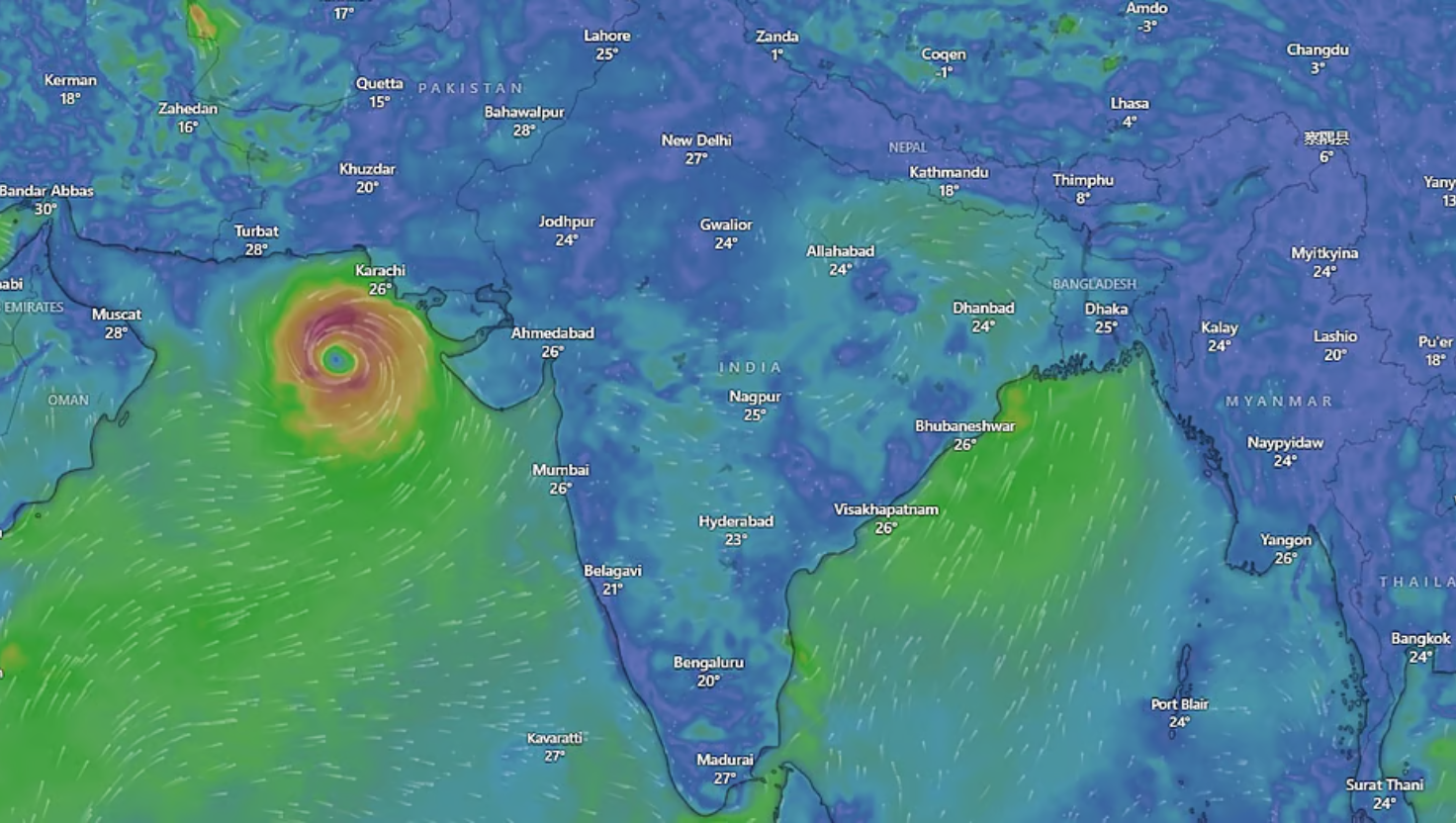
Cyclone Shakhti, forming over the northeast Arabian Sea, highlights rising cyclone risks in western India, emphasizing preparedness and early warning systems.
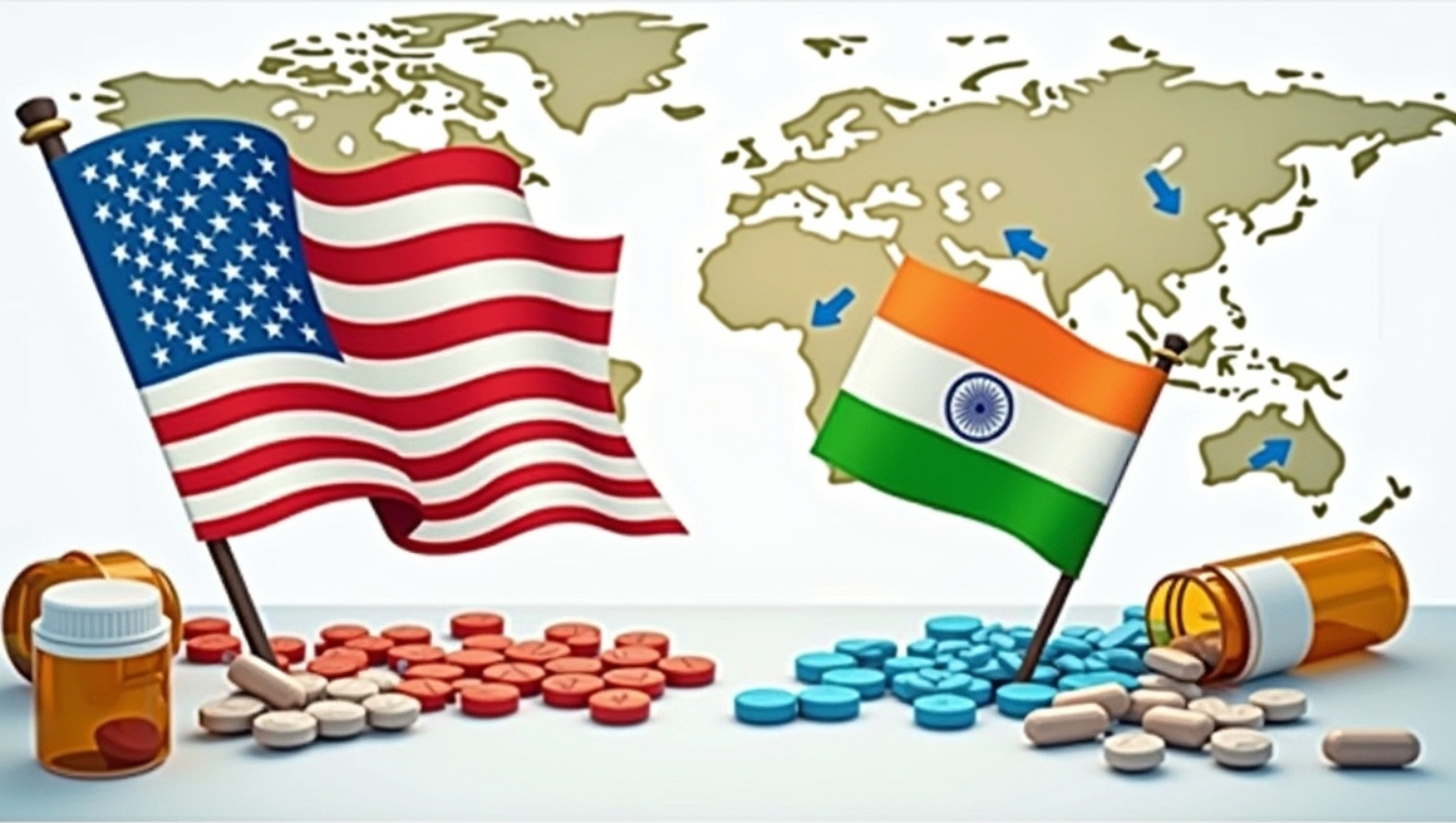
US Tariff on pharmaceuticals threatens India’s $8B exports, highlighting risks to pharma sector, global trade ties, and strategic interests.
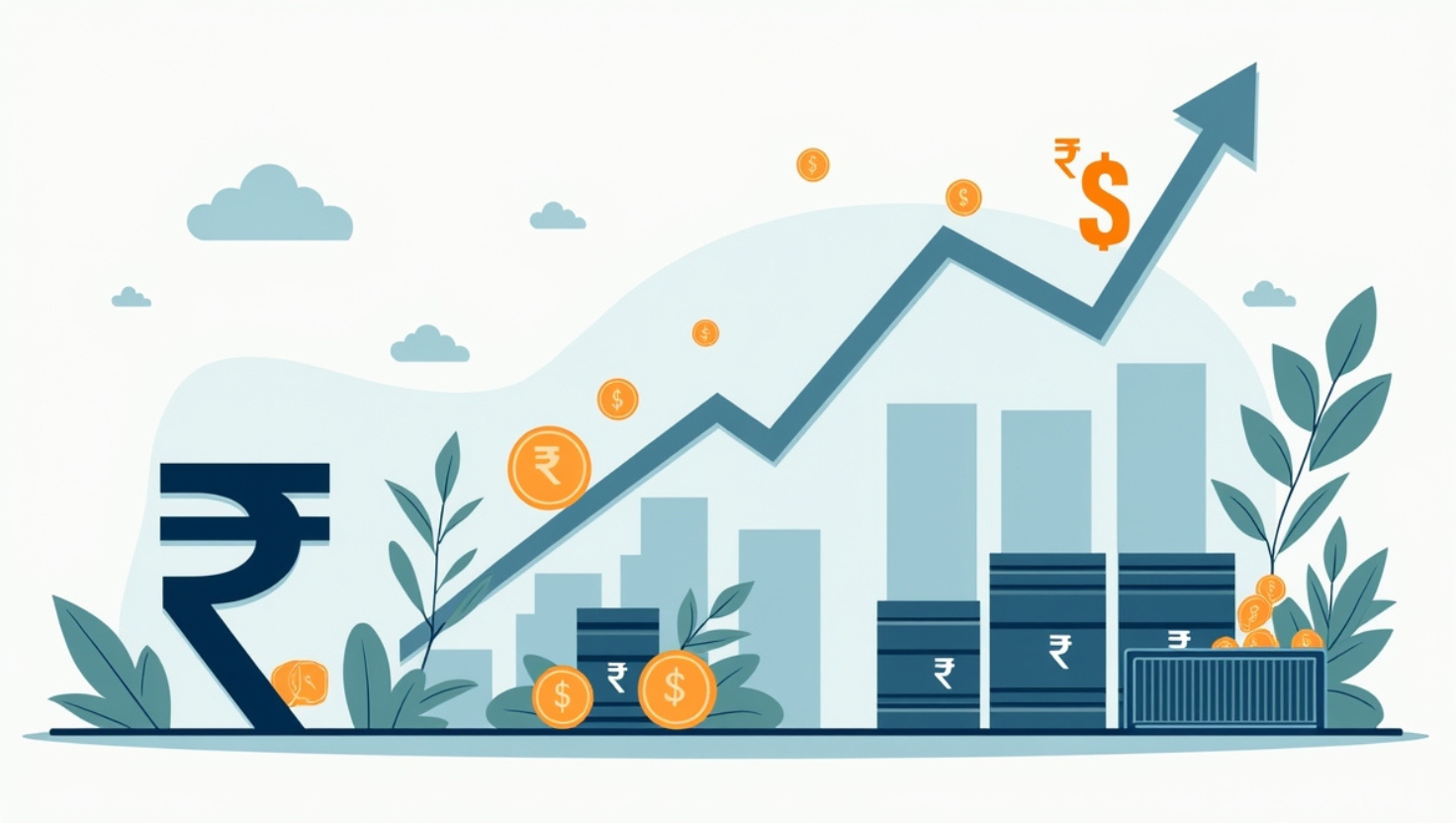
The Weakening Rupee in 2025 reflects trade imbalances and weak capital flows, raising inflation risks but offering export competitiveness.
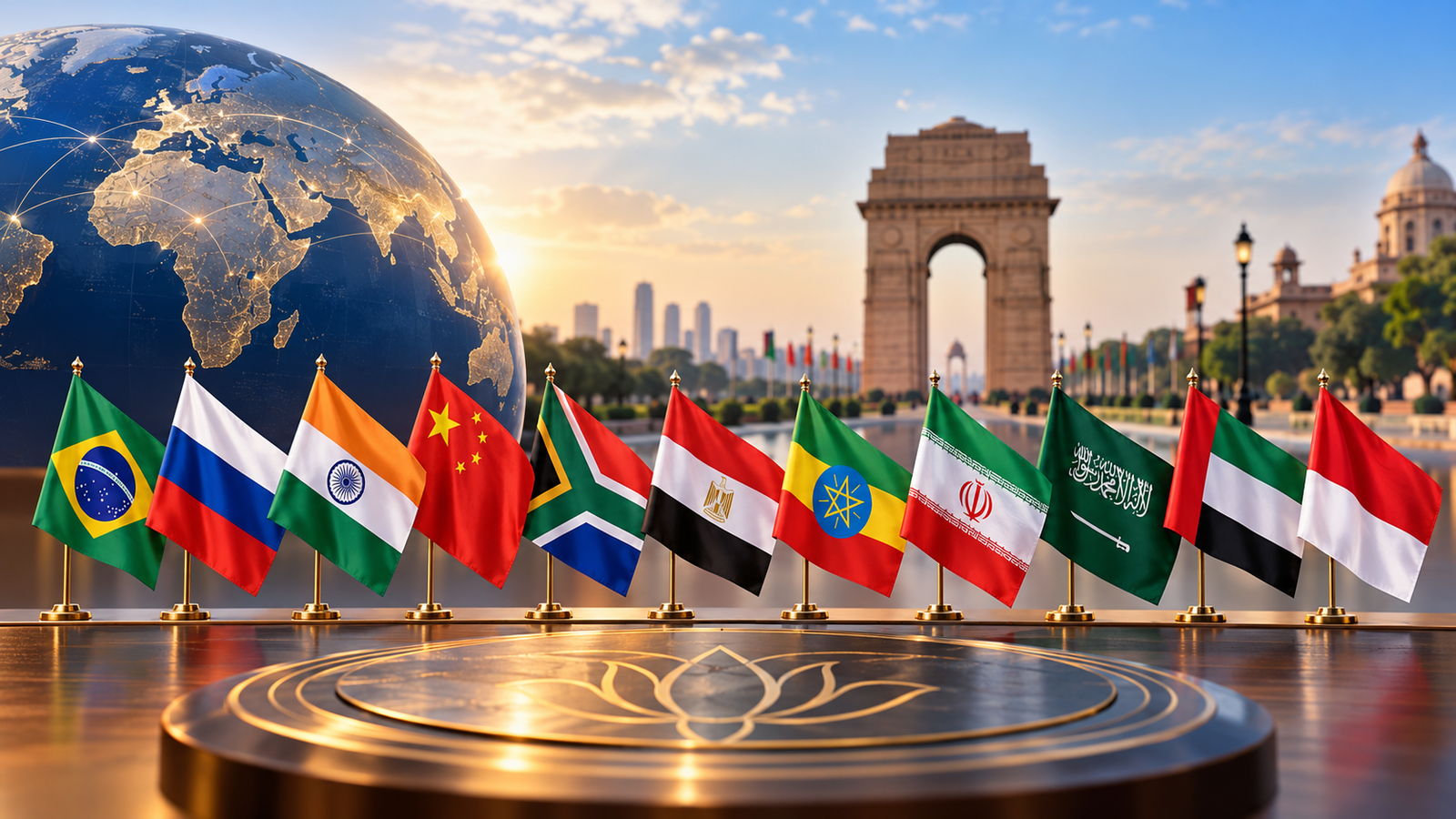
BRICS 2026: Explore the 18th BRICS Summit in New Delhi,
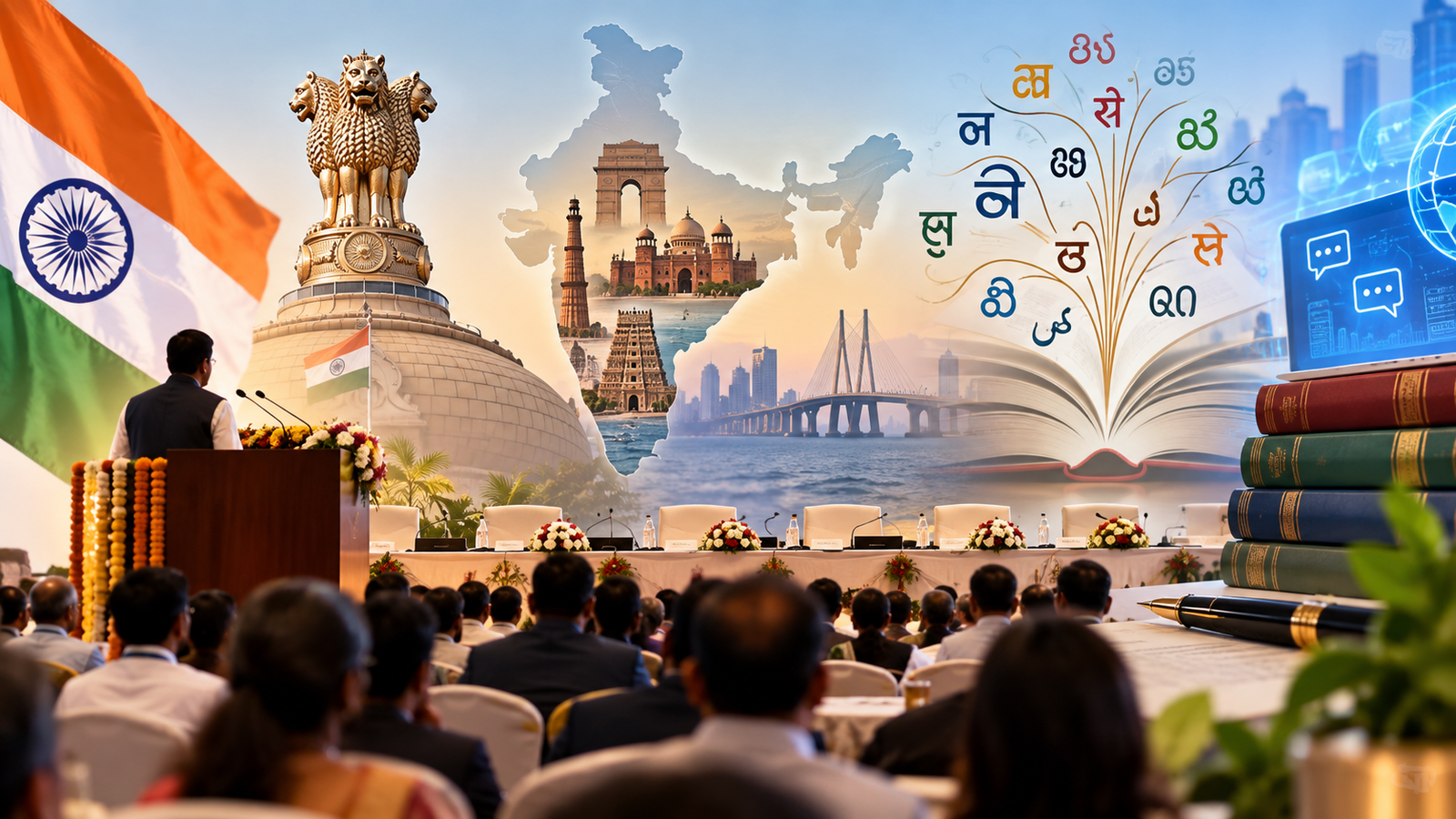
6th All India Official Language Conference 2026 in Navi Mumbai:
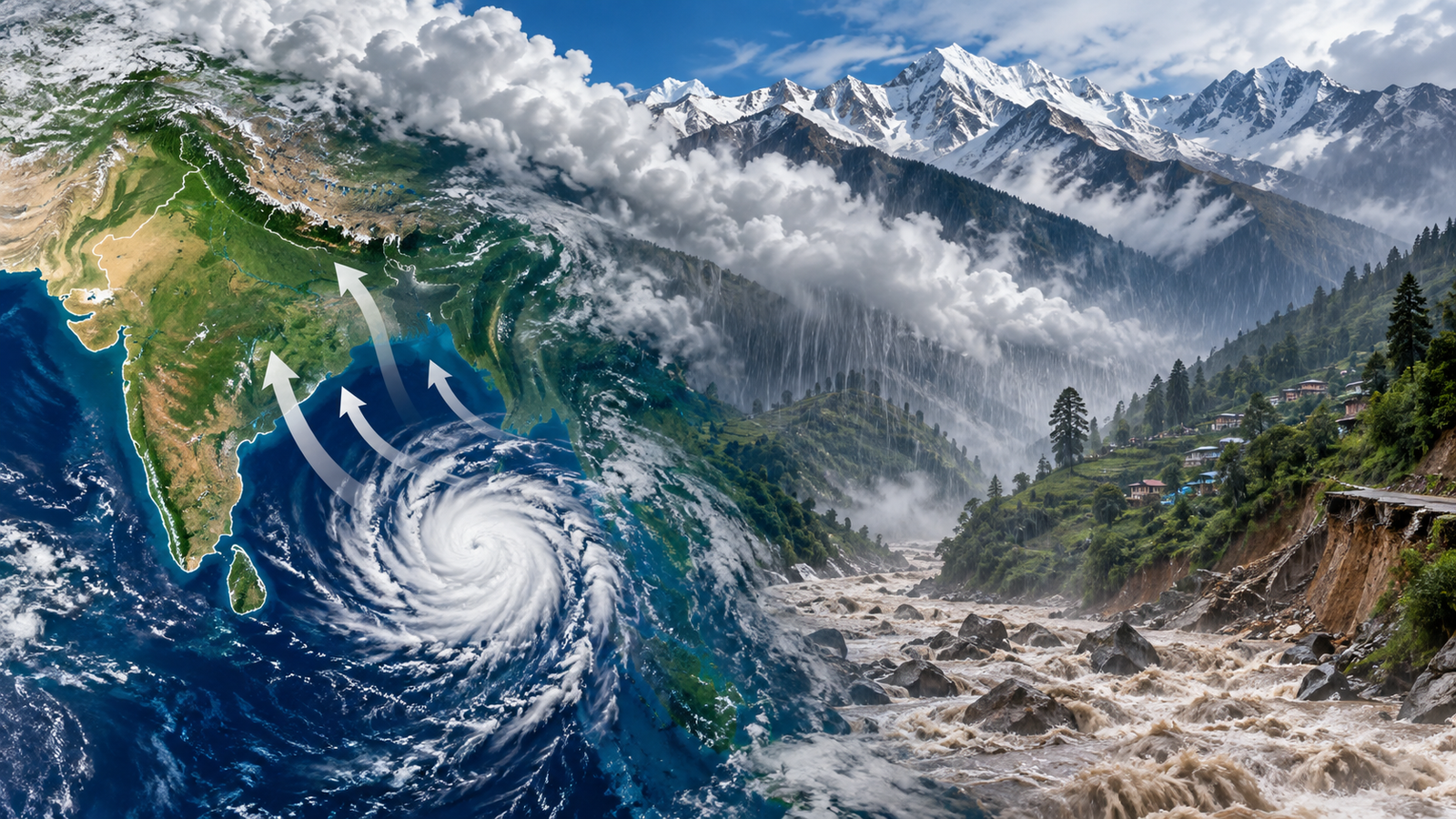
Discover how Bay of Bengal low-pressure systems shape India’s monsoon,
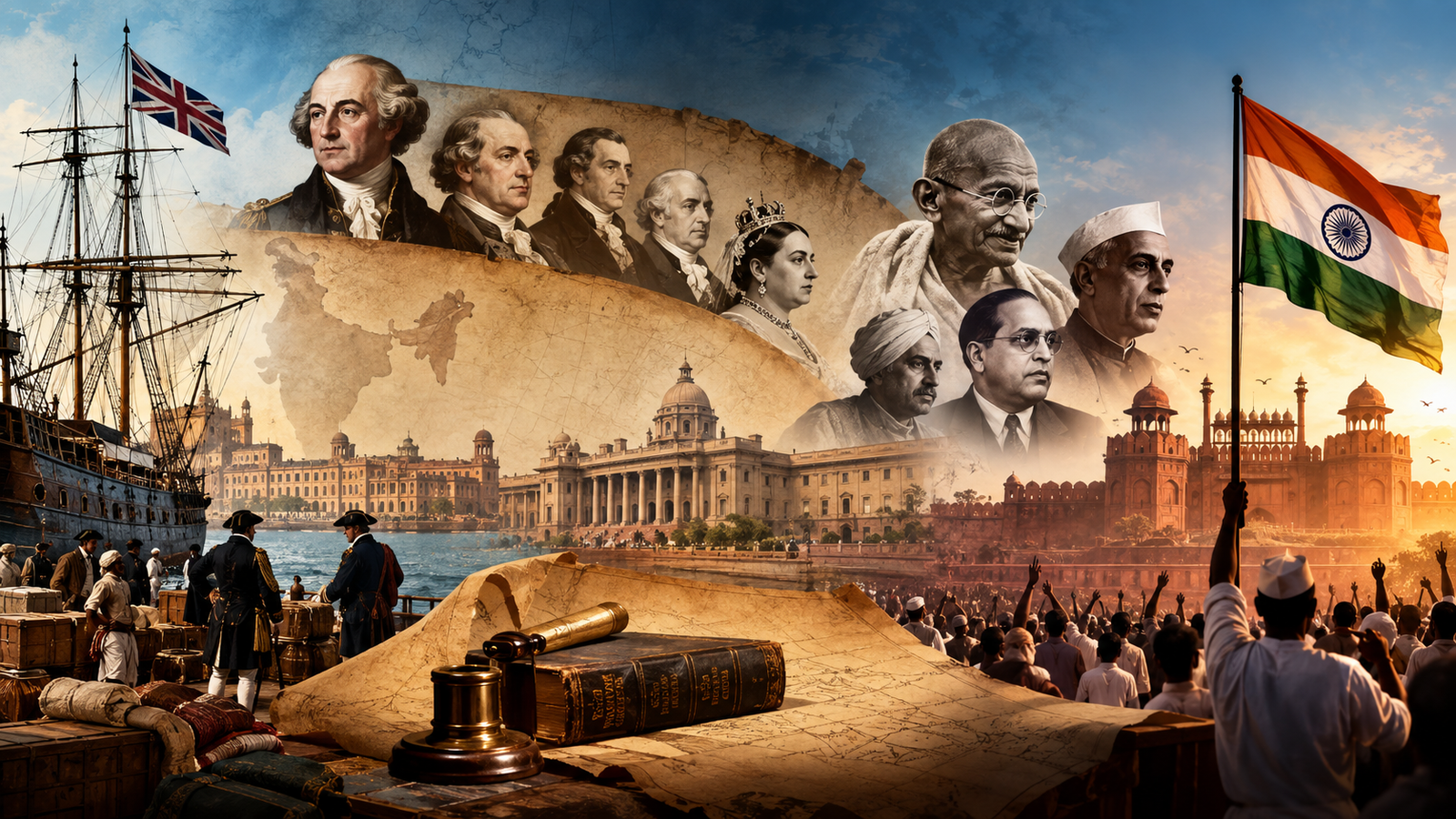
Explore the constitutional evolution of India from East India Company

Yojana June 2026 explores India’s journey towards a Naxal-free Bharat,
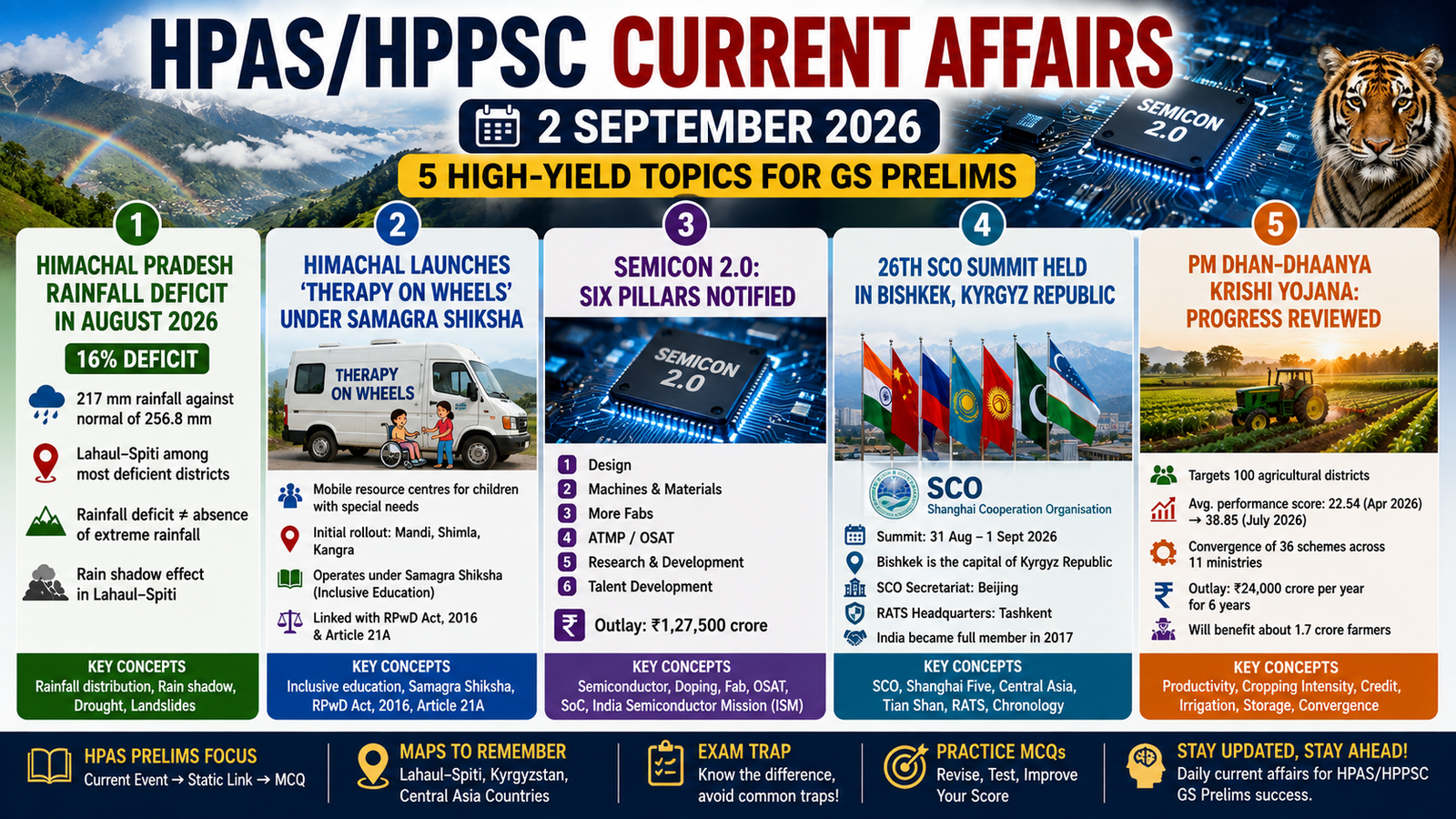
HPAS/HPPSC Current Affairs 2 September 2026: Himachal rainfall deficit, Therapy