
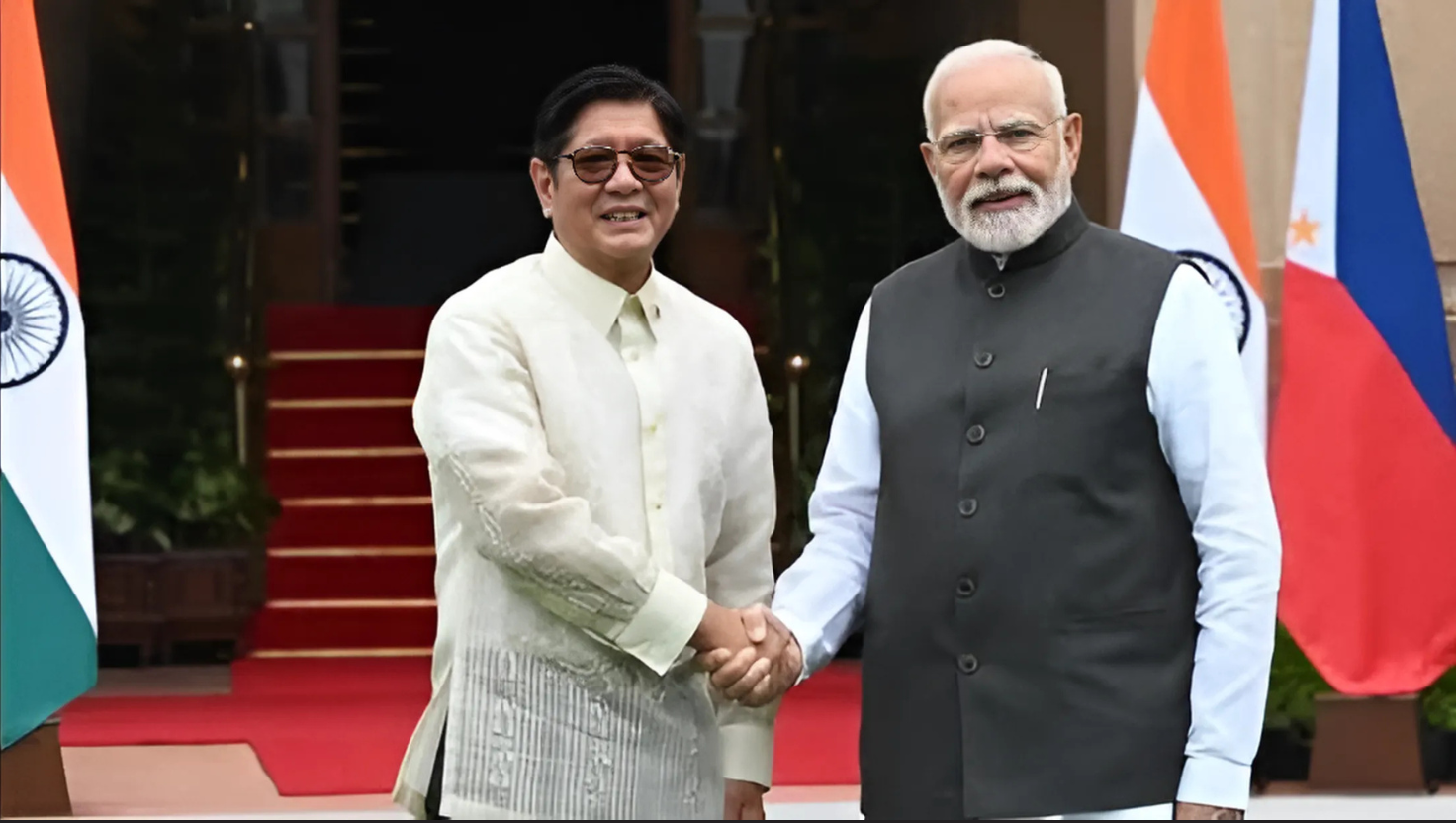
India–Philippines Relations
India–Philippines ties elevated to a Strategic Partnership, boosting defence, maritime, space, trade, and digital cooperation in the Indo-Pacific.
India–Philippines ties elevated to a Strategic Partnership, boosting defence, maritime, space, trade, and digital cooperation in the Indo-Pacific.
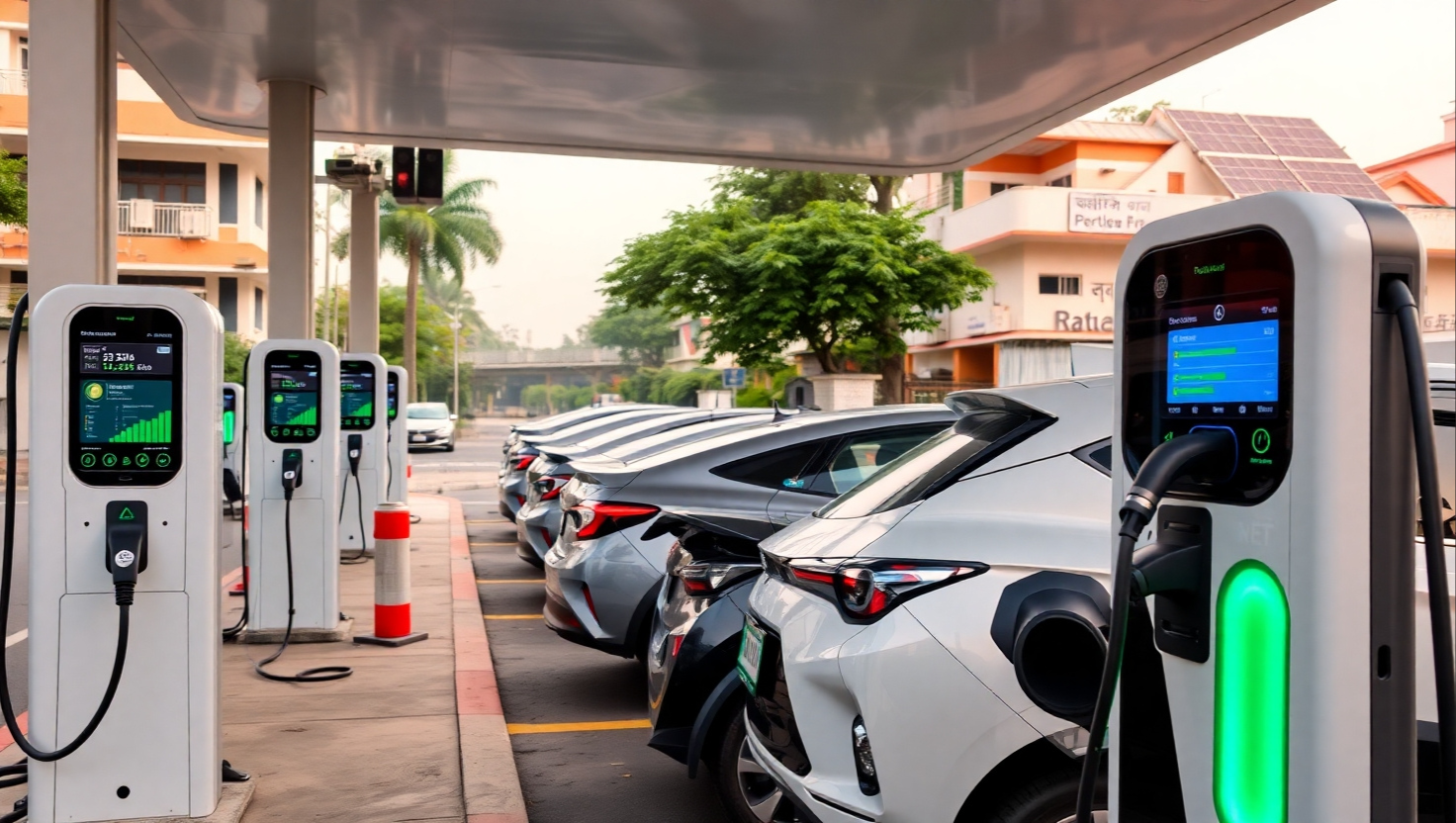
NITI Aayog launched the India Electric Mobility Index to rank States/UTs on EV adoption, infra readiness & innovation for green mobility.
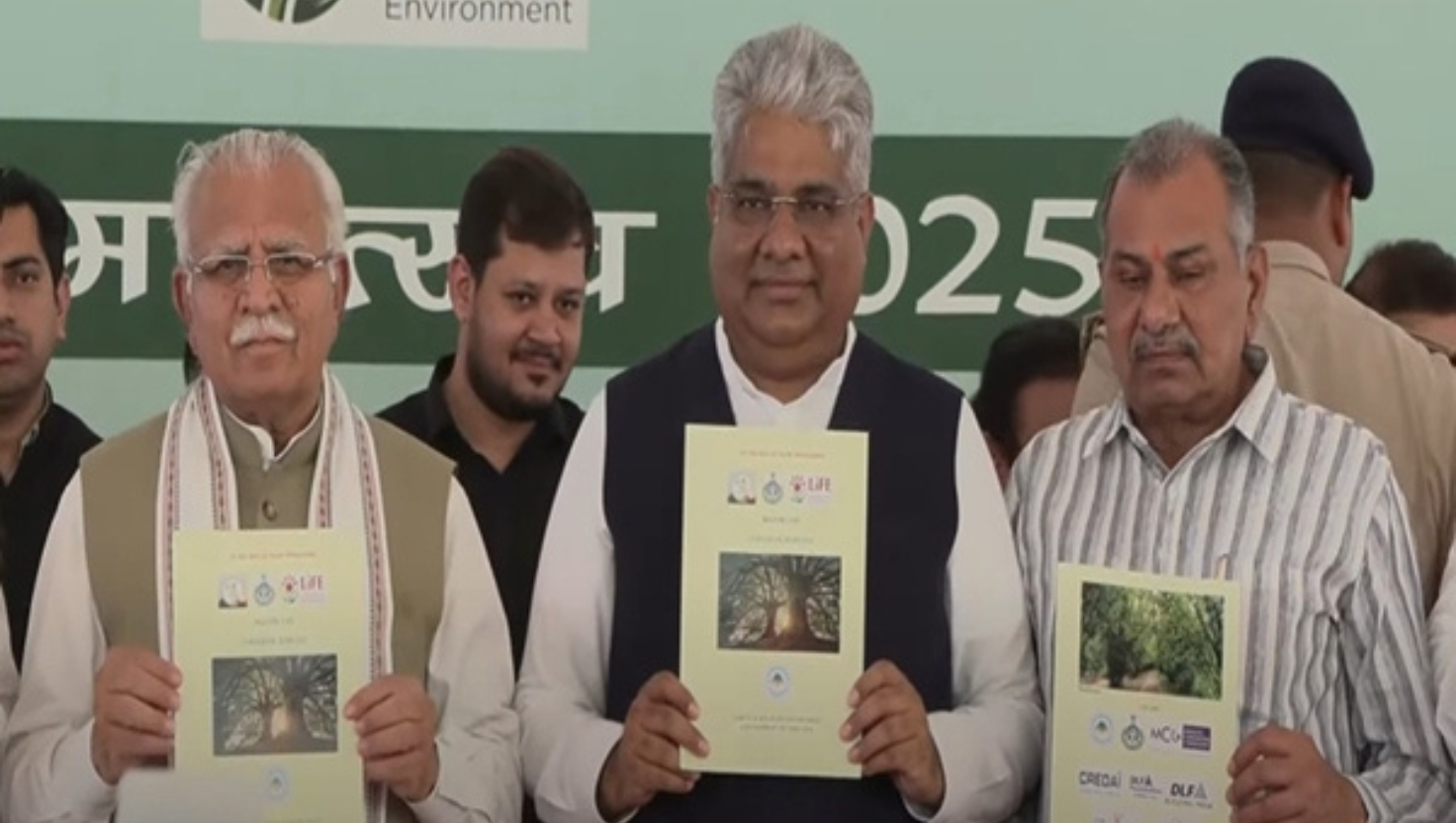
Matri Van Initiative, a 750-acre urban forest in Gurugram, focuses on restoring the Aravalli ecosystem through community-driven ecological efforts.

Odisha and Chhattisgarh agree to resolve the Mahanadi River water dispute through dialogue, marking a shift towards cooperative federalism.

India’s first AI-Powered Anganwadi launched in Nagpur to boost rural preschool education through AI, VR, and digital learning under Mission Bal Bharari.

27 States approved for PM Ekta Malls to promote ODOP, GI, and handicraft products with ₹4,795 Cr sanctioned under the SASCI scheme.

Known as the Mini-Constitution, the 42nd Constitutional Amendment of 1976 reshaped India’s polity by centralizing power and limiting judicial independence.

India–U.S. Tariff tensions escalate as the U.S. imposes 25% duties on Indian goods, linking trade to foreign policy and Russia-related concerns.
The government has approved ₹2,000 crore for NCDC to boost cooperative-led rural development, focusing on agriculture, allied sectors, and job creation.
Low legal aid access and underutilised funds highlight the urgent need to strengthen NALSA and decentralise legal aid delivery
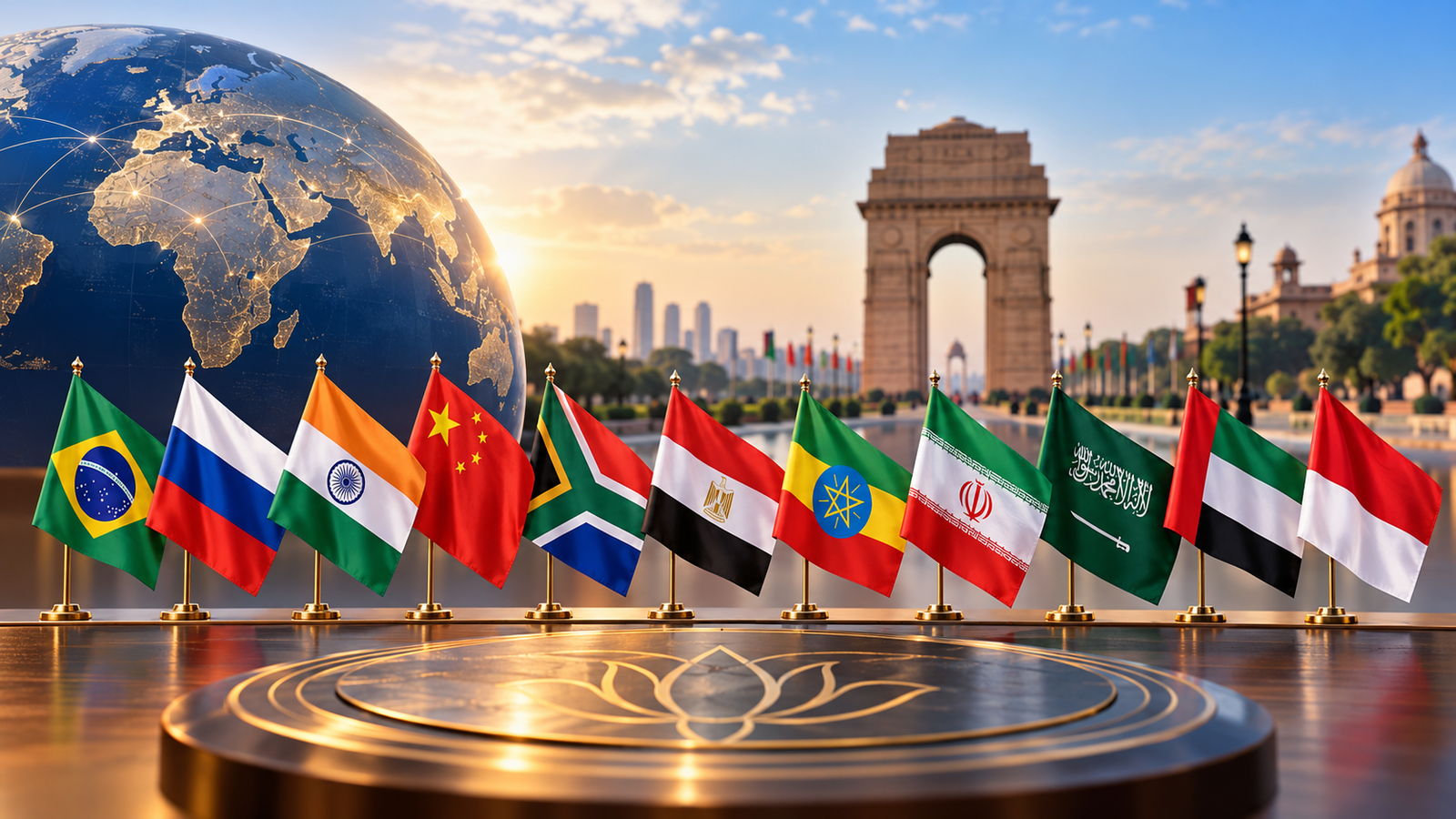
BRICS 2026: Explore the 18th BRICS Summit in New Delhi,
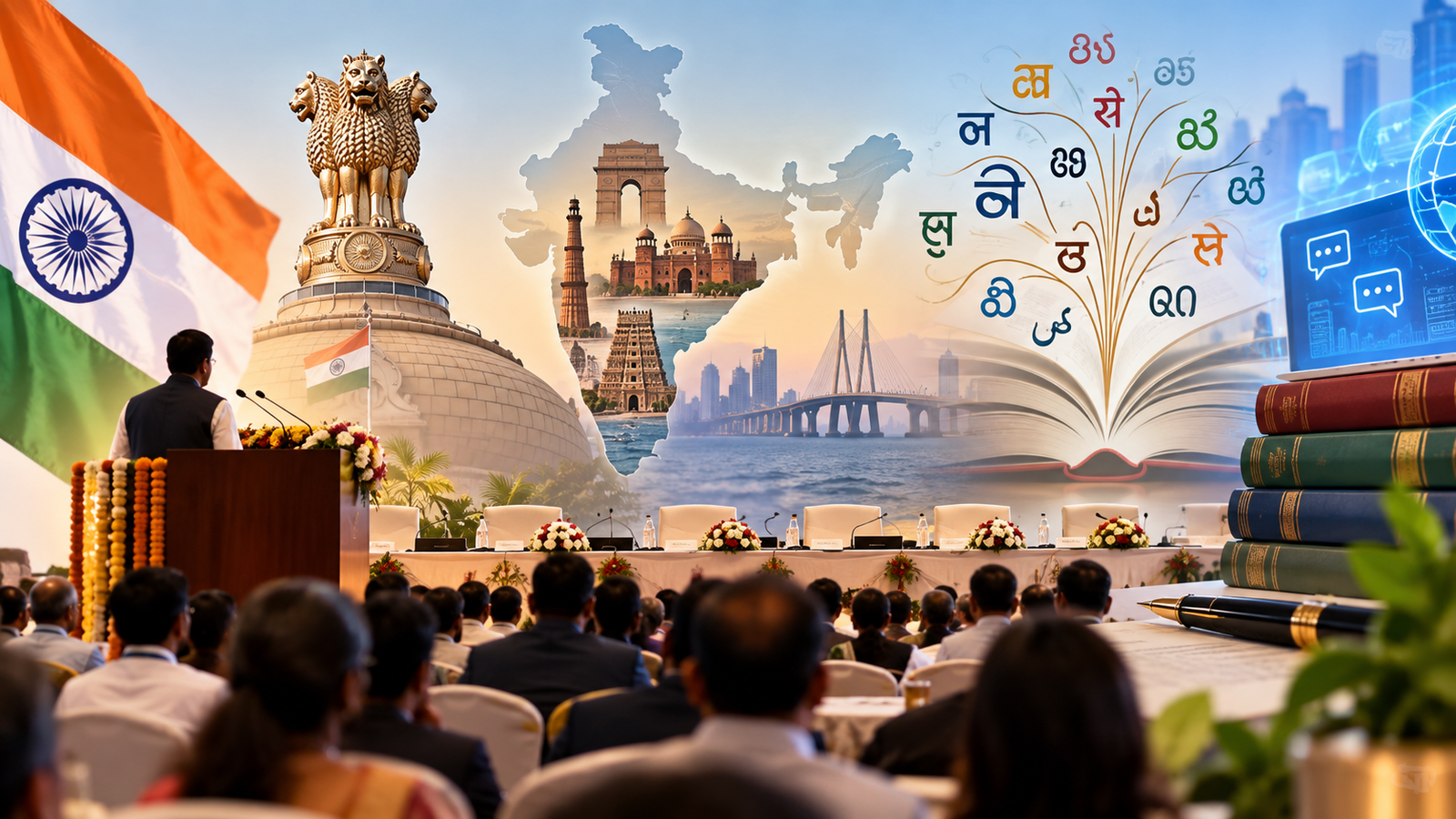
6th All India Official Language Conference 2026 in Navi Mumbai:
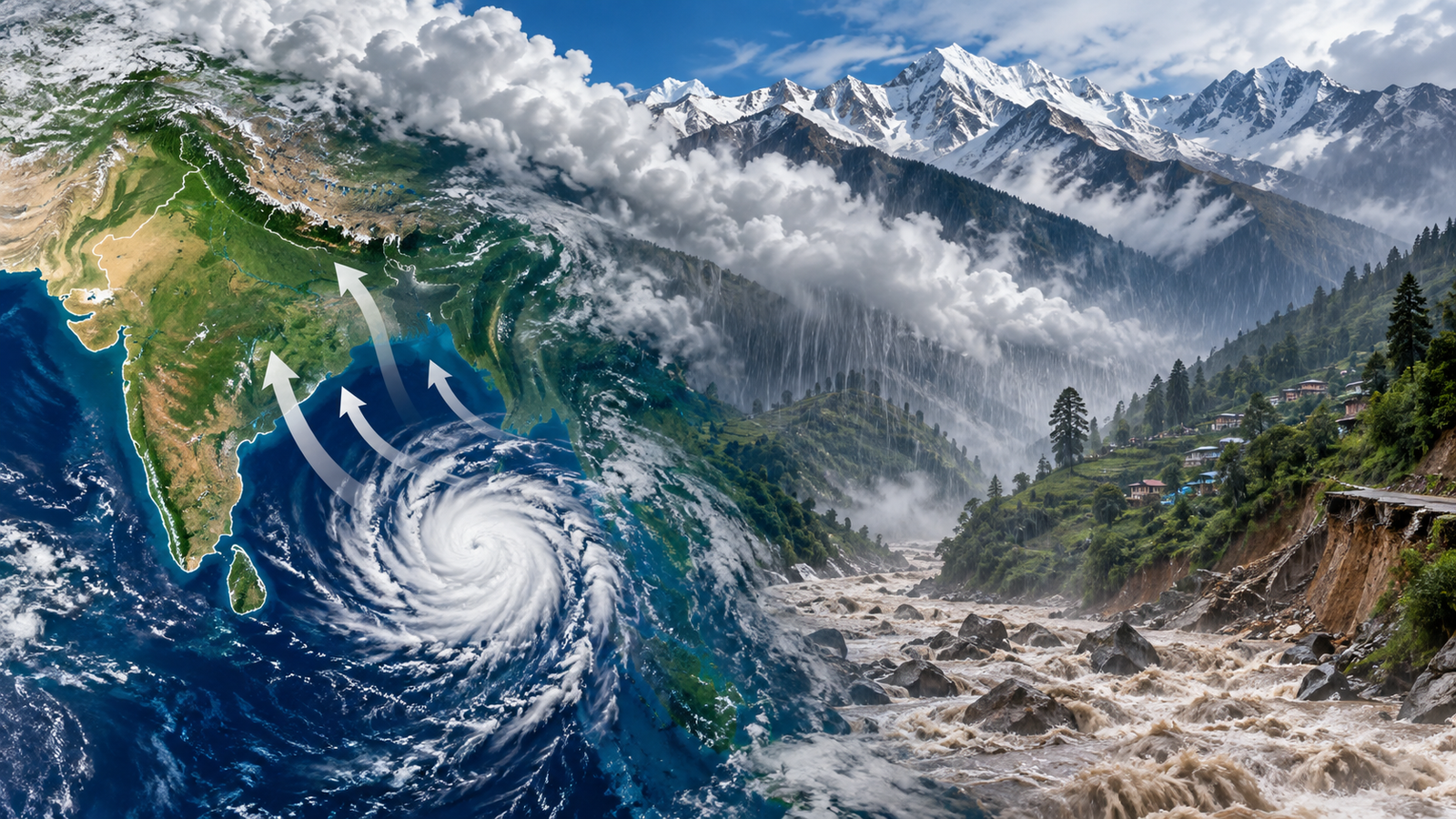
Discover how Bay of Bengal low-pressure systems shape India’s monsoon,
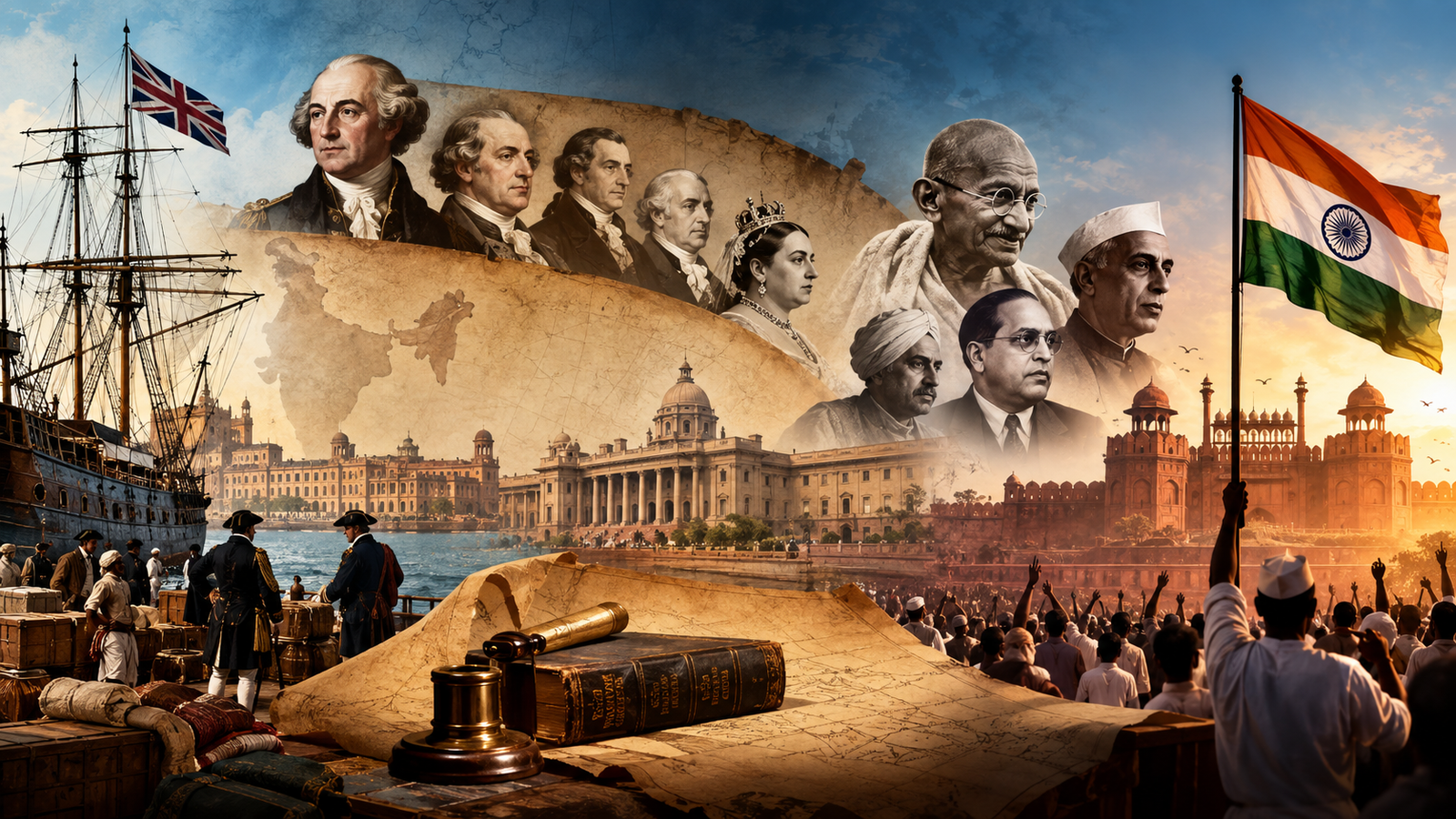
Explore the constitutional evolution of India from East India Company
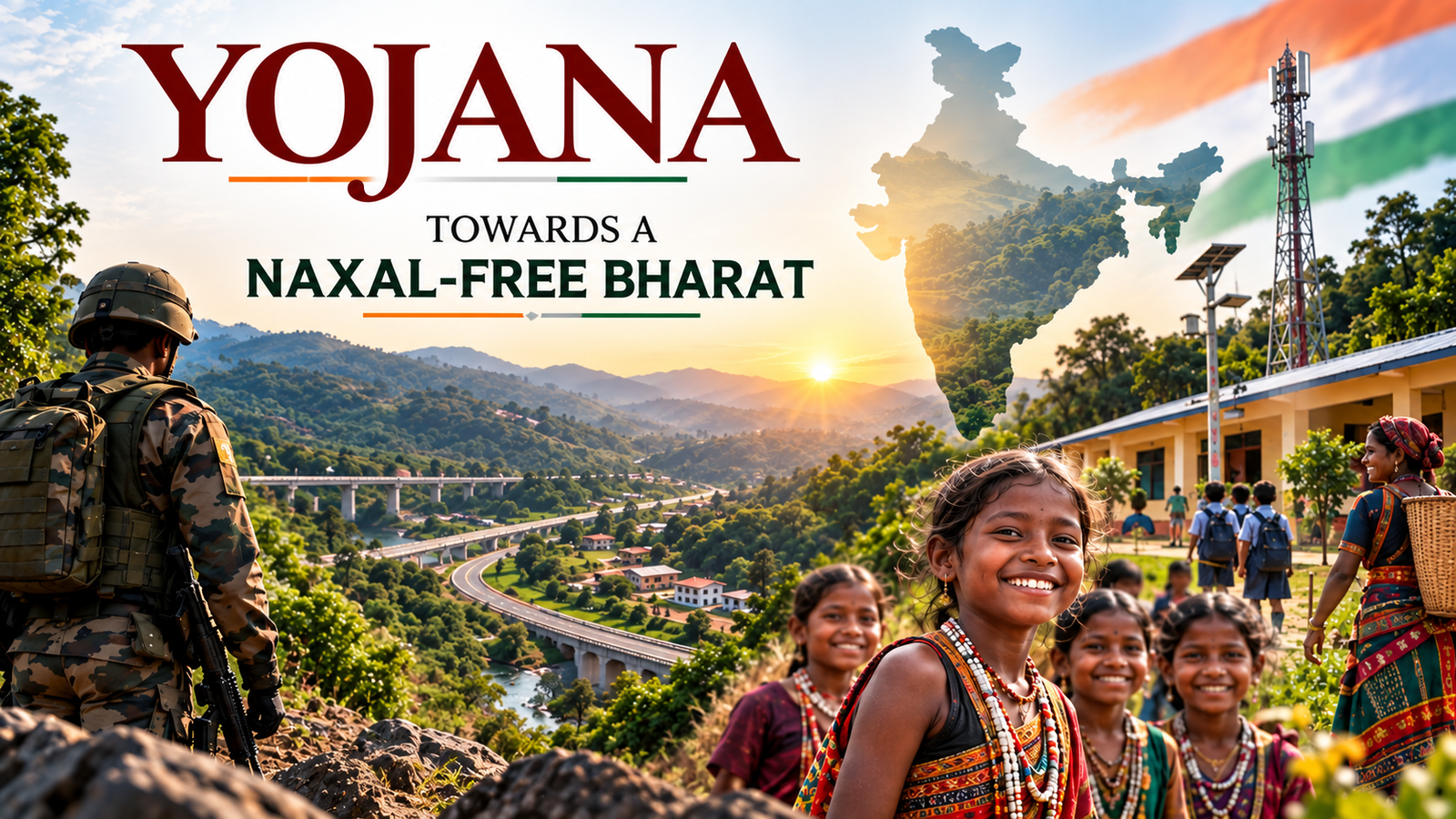
Yojana June 2026 explores India’s journey towards a Naxal-free Bharat,
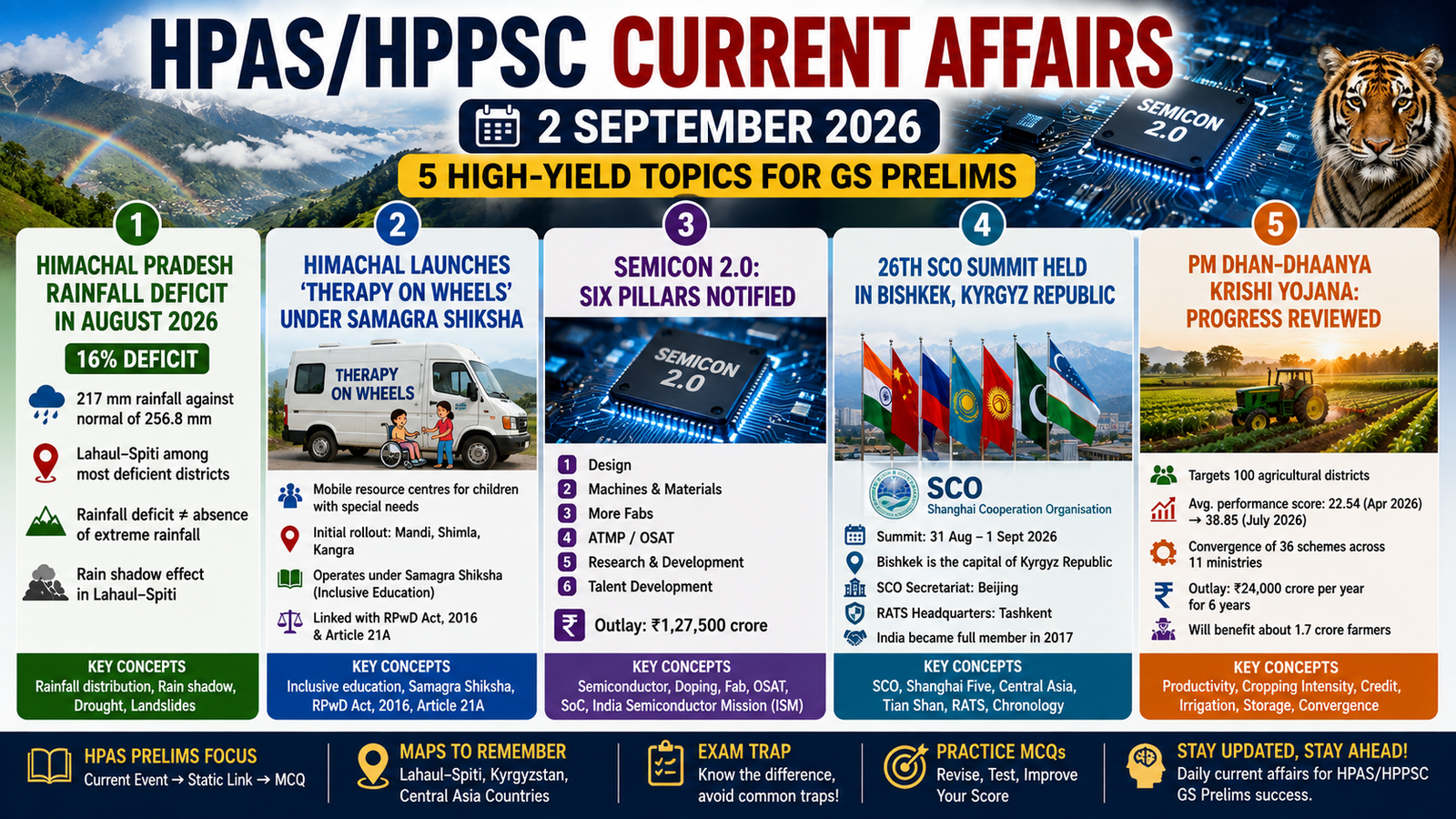
HPAS/HPPSC Current Affairs 2 September 2026: Himachal rainfall deficit, Therapy